What the Credits of ‘The Social Reckoning’ Reveal About Aaron Sorkin’s Facebook Follow-Up


Questions about a ‘The Social Reckoning’ post-credits scene are arriving ahead of the film’s debut. The picture is set for release through Columbia Pictures on October 9. Audiences accustomed to staying in their seats for a final stinger are already asking whether Aaron Sorkin’s film offers one.
The early evidence points in a more sober direction. Reviews that have surfaced so far describe the closing credits as a place for information rather than a teaser, which fits a drama built on a real whistleblower case. The sections below separate what is documented from what remains unconfirmed.
What the end credits actually show
One early review says the end credits stress how many adults still get their news from Meta’s platforms without fact-checking or accuracy. That places the credits firmly in the register of the film’s argument, which is about accountability and information, and not about setting up another chapter. It reads as a final point made to the audience.
A second review describes a similar function. It notes that by the time the final credits roll, the aftermath of the hearings is revealed. The credits, in other words, appear to carry the outcome of events the story has already dramatized.
This is a familiar approach for dramas based on real events, where closing text or graphics update the audience on what happened next. It also explains why the question about a hidden scene may be the wrong one to ask of this film.
A post-credits scene has not been confirmed
No announcement, review or listing gathered for this piece describes a scene that plays after the credits finish. The only material that touches on the idea is a viewer comment under a review video, which jokes that the film needed a far more outlandish ending. That is a fan quip and not a report of what is on screen.
The film also does not obviously need a stinger for franchise purposes. It is not a traditional sequel and does not revisit the dorm-room beginnings of Facebook. Sony Pictures is currently describing it as a sister film in its promotional materials.
Because the film opens within days, firsthand accounts from opening-weekend audiences will settle the matter. Until then, the documented credits content is the statistics and aftermath described above.
Aaron Sorkin’s Facebook story and the real events behind it
The story is rooted in a specific episode. It centers on journalist Jeff Horwitz’s reporting on ‘The Facebook Files,’ a 2021 series for The Wall Street Journal that exposed Facebook’s internal secrets. Mikey Madison plays Frances Haugen, the engineer who blew the whistle, and Jeremy Allen White plays Horwitz.
Sorkin has framed the project as a companion to the earlier film. He has called it a companion piece to the original and not a direct sequel, which makes sense given how unrecognizable Facebook has become since 2010. That framing helps explain why the credits lean on real-world information instead of fictional continuity.
The film also reaches into politics. TheWrap describes it as examining Facebook’s role in spreading misinformation about the 2020 election and in the January 6 riots at the Capitol. A reviewer adds that the film almost ends on the Capitol Hill riot and a video the former president posted on Facebook.
Jeremy Strong as Zuckerberg and the ensemble
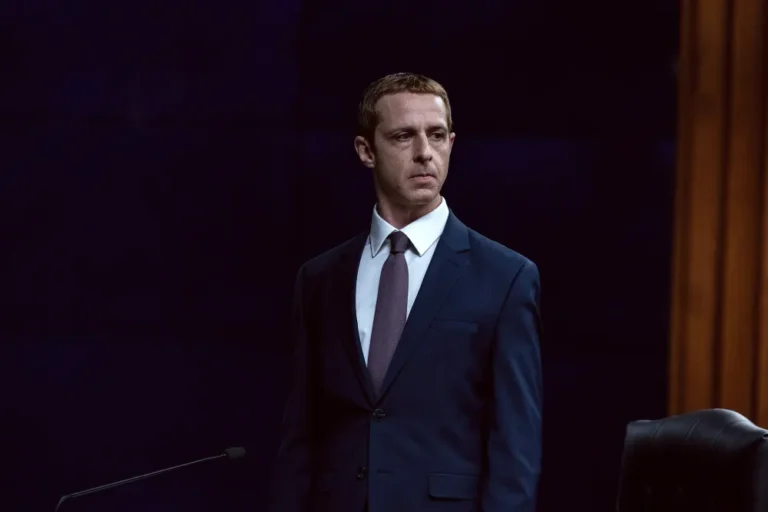
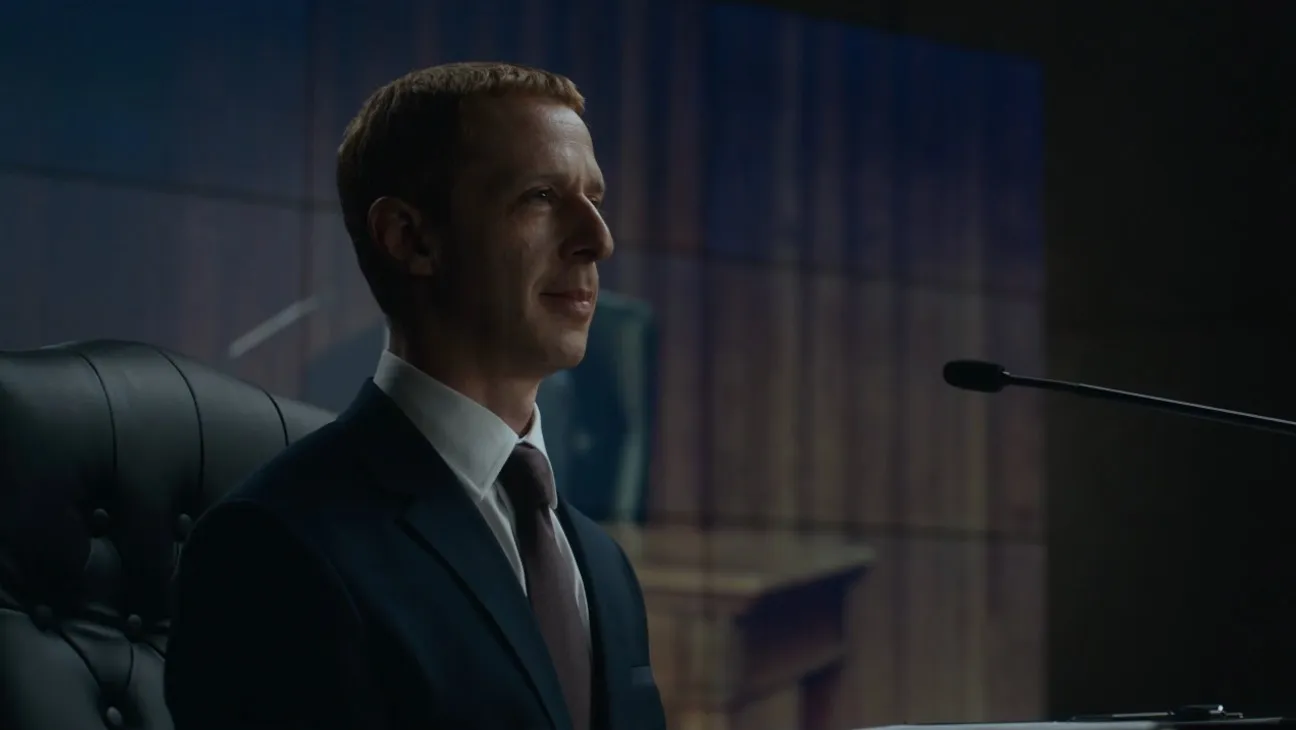
Jeremy Strong takes on Mark Zuckerberg, the role previously played by Jesse Eisenberg. IMDb trivia states that Eisenberg declined to return because his opinion of the real Zuckerberg’s legacy had turned much more negative. Strong therefore carries the character into a very different period of his life.
The trailer offers a glimpse of that approach. The Credits notes that the trailer follows Zuckerberg’s preparation for testifying before Congress, with Strong seeming to capture the founder’s voice and dry deflection. It is a portrait of a man managing a crisis, not building a startup.
The ensemble is deep. Betty Gilpin, Billy Magnussen, Patrick Fischler, Wunmi Mosaku and Bill Burr appear alongside the three leads. It is Madison’s first feature since her Best Actress win for ‘Anora,’ and Strong earned a Best Supporting Actor nomination in the same year for ‘The Apprentice.’
For viewers planning a trip to the cinema, the practical details are simple. The film runs 120 minutes. Sorkin makes it his fourth film as a director.
If you stay through the credits of ‘The Social Reckoning’ and see the statistics about Meta and the news, does that closing message land as the right final word for Frances Haugen’s story, or did you wish Sorkin had left you with one last scene?