How Los Javis Rebuilt Three Eras of Spanish History Across Burgos, Cantabria and Granada

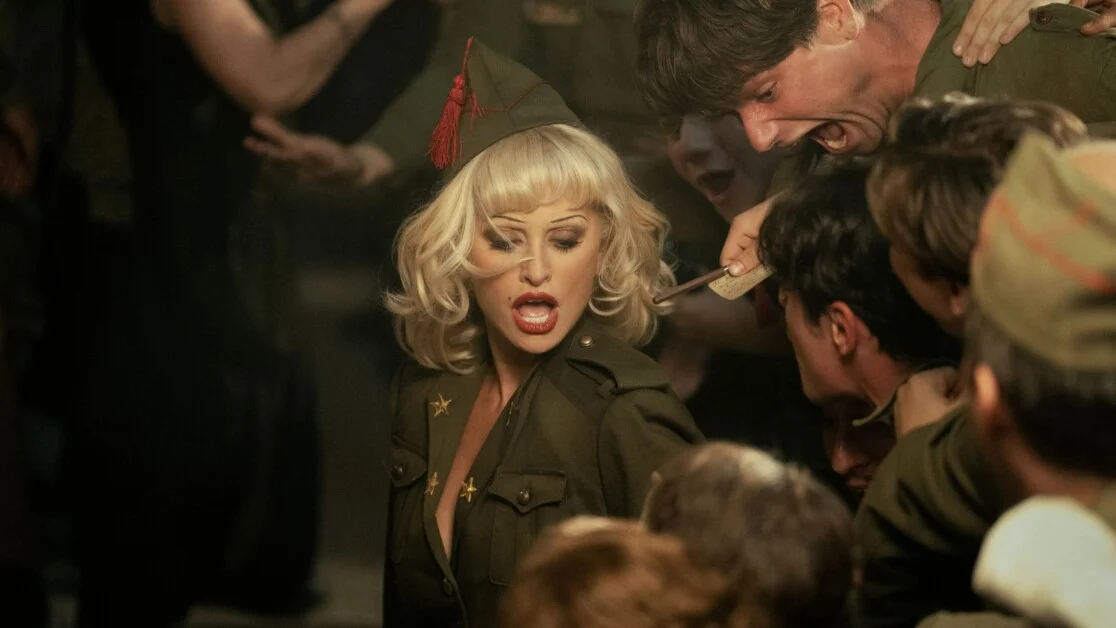

The ‘La Bola Negra’ filming locations stretch from an uninhabited village in Burgos to the streets of Granada and the capital. The film follows the interconnected lives of three men in three different eras, set in 1932, 1937 and 2017, so the production needed places that could pass for very different moments in Spanish history.
The drama from Javier Calvo and Javier Ambrossi premiered in the official competition of the 79th Cannes Film Festival on 21 May 2026 and earned the pair the Best Director prize. Behind that reception sits a shoot that moved through small hamlets, coastal towns and historic districts, and the choices made by the directors help explain how the film builds its atmosphere.
Castil de Carrias Filming in Burgos
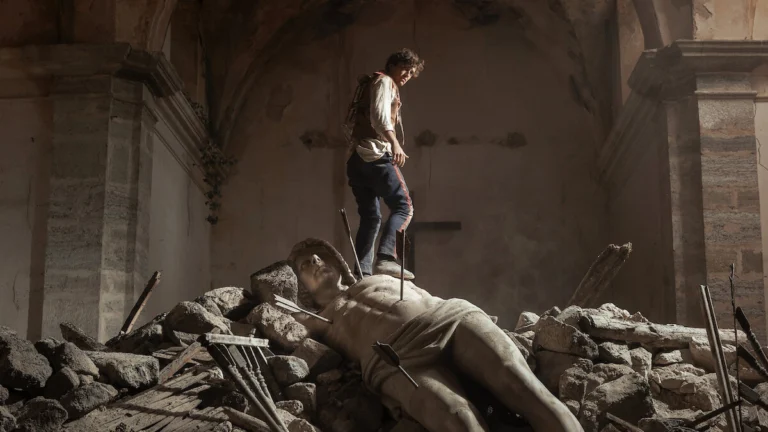
Production began on 26 August 2025 in the abandoned village of Castil de Carrias, roughly halfway between Belorado and Briviesca. Reports also place the opening days of the shoot in Loranquillo, another uninhabited settlement belonging to the municipality of Belorado. The choice gave the crew a ready made rural landscape with almost no modern interference.
Castil de Carrias is a nearly empty village that works as a regular film set and has appeared in ‘Gernika bajo las bombas’, ‘Sacamantecas’ and ‘Volver a vivir’. On this production the crew stayed for as many as 10 days, and the village became a war setting. That fits a story with a timeline set during the Spanish Civil War.
The Burgos Film Commission notes that the directors needed locations able to carry a story spanning three periods, and that the cameras travelled from an abandoned Burgos village to a small Cantabrian settlement. The film was shot on 35 mm, with Gris Jordana serving as director of photography. The texture of film stock suits weathered stone and open land, and the remote setting appears to have been chosen with that look in mind.
Cantabria Shooting Locations From Comillas to Oyambre
Cantabria carried considerable weight in the production, with Comillas, Torrelavega and La Arnía among the settings identified by RTVE. Other accounts of the shoot add Valdáliga, Herrerías and the area around Oyambre. Together they show how much of the film’s story was anchored in the north of the country.
One of the film’s storylines unfolds during the Civil War behind the northern front, which is why Cantabria stood in for that chapter. In Valdáliga, Herrerías and the Oyambre area, the crew recreated a wartime bombing and an execution. These are heavy sequences, and the coastal and rural scenery gives them a setting that feels lived in rather than staged.
The team also filmed at Lafuente, a tiny Cantabrian village described as home to just 17 residents, and in Comillas, one of the region’s best known tourist destinations. The contrast between a barely populated hamlet and a recognisable town gave the production a wide visual range inside a single region.
Granada and Sigüenza on Screen
The shoot extended to Granada, where the crew worked at the church of Santa Ana, the Carmen de los Mártires and the Albaicín, as well as in Sigüenza. Granada matters beyond its scenery. The title refers to the form of rejection faced by a young gay man trying to join a social club in Granada, an episode drawn from an unfinished work by Federico García Lorca.
The film’s route also takes in the Sacromonte district and Sierra Nevada. Shooting in the city tied to its source material gives the production a direct link to the story that inspired it. Lorca wrote only four pages of the work before he was murdered in 1936.
Granada, Sigüenza, Burgos and Cantabria help build the film’s past. Each location contributes a different texture, from stone streets and historic churches to open countryside, and together they let the film move between periods without leaning on obvious visual shortcuts.
Madrid and the Modern Timeline
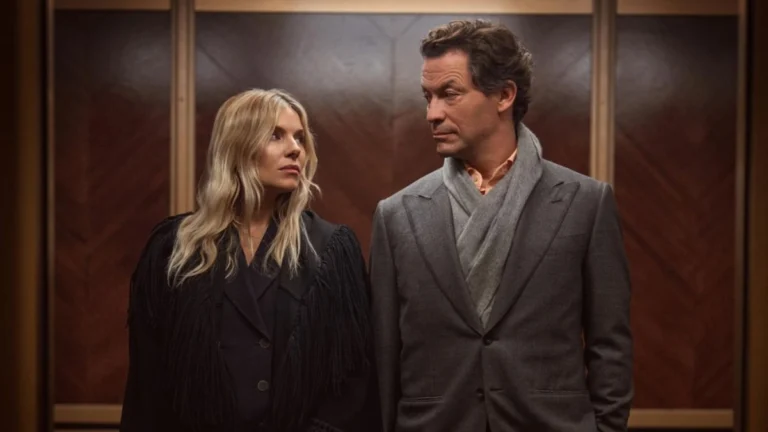
Madrid serves as the main setting for the narrative line placed in 2017. After weeks among villages and historic quarters, the move to the capital marks a visible shift in tone. The contemporary strand needed city streets rather than ruins, and Madrid supplied them.
The production schedule called for 12 weeks of filming across Castile and León, Cantabria, Andalusia and the Community of Madrid, with work completed outside Spain. The shoot began in Castil de Carrias, moved through Cantabria, continued in Granada and Sigüenza, and reached Madrid. That order also traces the film’s own movement from the distant past toward the present day.
The cast includes Guitarricadelafuente, Miguel Bernardeau, Carlos González, Milo Quifes, Lola Dueñas, Penélope Cruz and Glenn Close. Performances matter, but the settings do much of the storytelling here, and anyone who has visited Castil de Carrias, Comillas or the Albaicín may wonder which location they would most want to see in the film’s frame.