Movies Like ‘La Bola Negra’ That Carry Queer History Across Generations



Anyone searching for movies like ‘La Bola Negra’ is usually looking for a particular blend of queer romance, political history and poetic melancholy. The Spanish drama from Javier Calvo and Javier Ambrossi is set in 1932, 1937, and 2017, and explores the interconnected lives of three gay men. It earned the directing duo the Best Director Award at Cannes.
The film borrows its name from an unfinished work by Federico García Lorca, who was assassinated in 1936. It received a twenty minute standing ovation at Cannes and arrives on Netflix on 2 December. In remarks published by Netflix Tudum, Calvo and Ambrossi said they wanted to tell a story about “freedom, legacy, and the importance of LGBTQ+ visibility.” The films below touch on those same ideas in different ways.
‘Little Ashes’
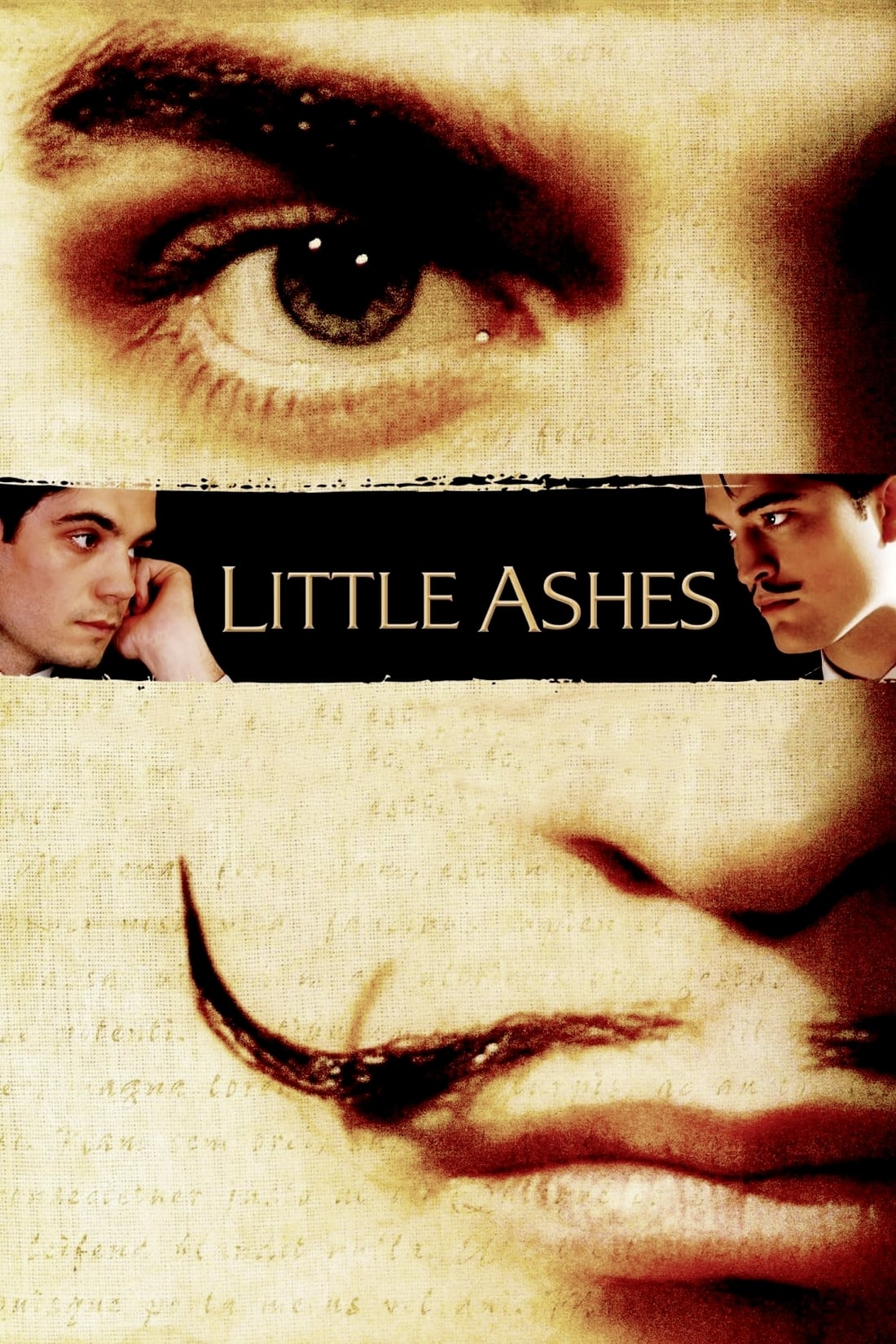
This is the most direct companion piece, since it centers on Lorca himself. The story begins in Madrid in 1922, when a young Salvador Dalí arrives at university and befriends Lorca and the filmmaker Luis Buñuel. Dalí and Lorca grow closer until their feelings deepen into a love affair. It offers a portrait of the poet whose unfinished work gave ‘La Bola Negra’ its name.
‘Bent’

‘Bent’ turns to the persecution of gay men under the Nazis. In 1930s Berlin, Max sleeps with an SA officer who is killed by fellow Nazis the next morning, and Max and his boyfriend Rudy are later found by the Gestapo and sent toward Dachau. One reviewer described it as a study of repression, love and identity that benefits from two strong lead performances. Like the Los Javis drama, it ties personal desire to political violence.
‘Great Freedom’

‘Great Freedom’ comes closest to the structure of ‘La Bola Negra’. It spreads across three of Hans’ prison stints in 1945, 1957 and 1968, and the passages are interleaved rather than told in chronological order. Franz Rogowski plays Hans, who is jailed repeatedly under Paragraph 175, and Georg Friedrich plays the lifer he befriends. The result is a love story shaped by the law across decades.
‘The Hours’
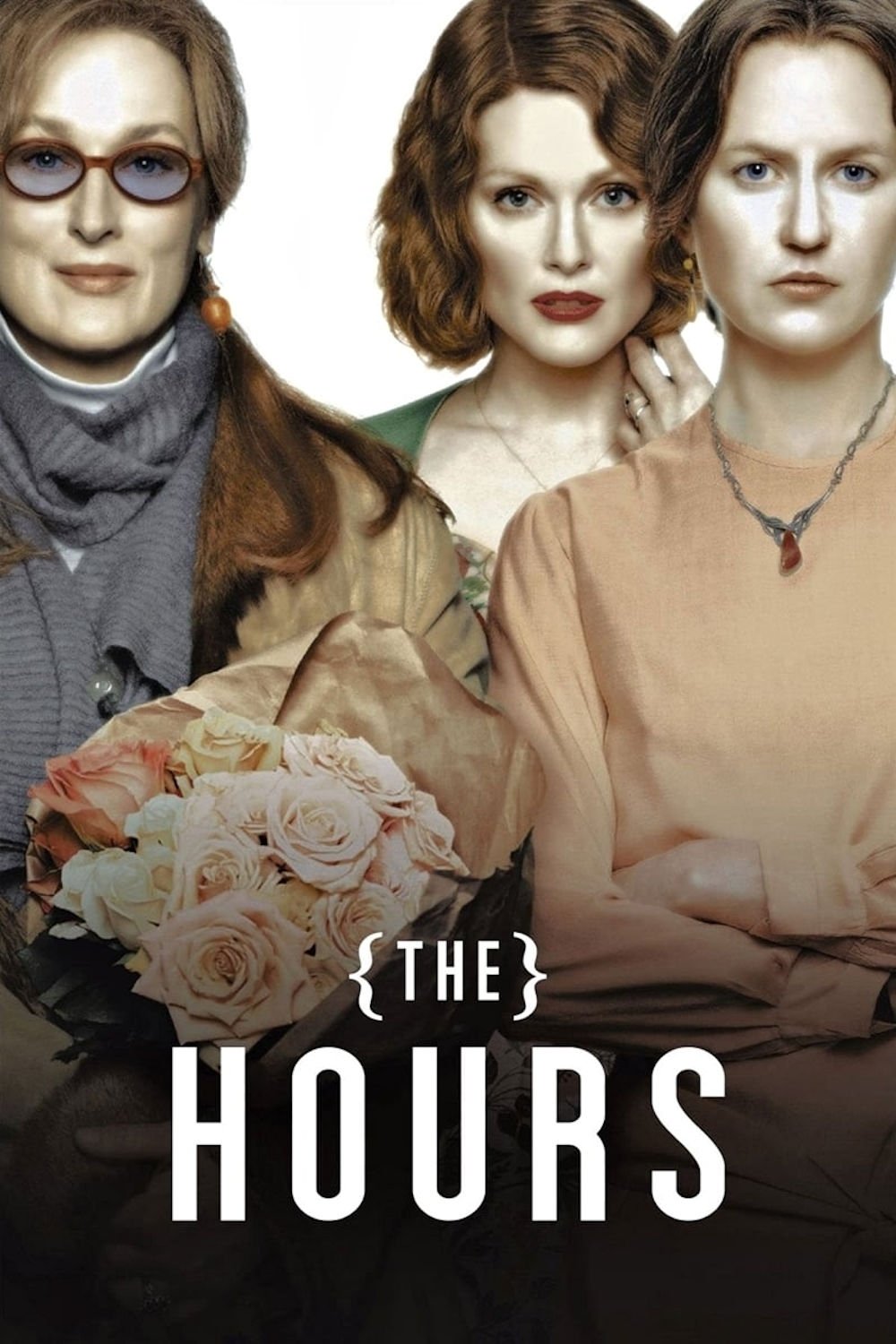
‘The Hours’ is another film that braids separate eras into a single emotional line. It follows Virginia Woolf in 1923, Laura Brown in 1951 and Clarissa Vaughan in 2001, each across a single day. The film earned nine Academy Award nominations, including Best Picture, and Nicole Kidman won Best Actress. The echoes between its timelines make it a useful comparison for viewers who liked the layered design of ‘La Bola Negra’.
‘Moonlight’
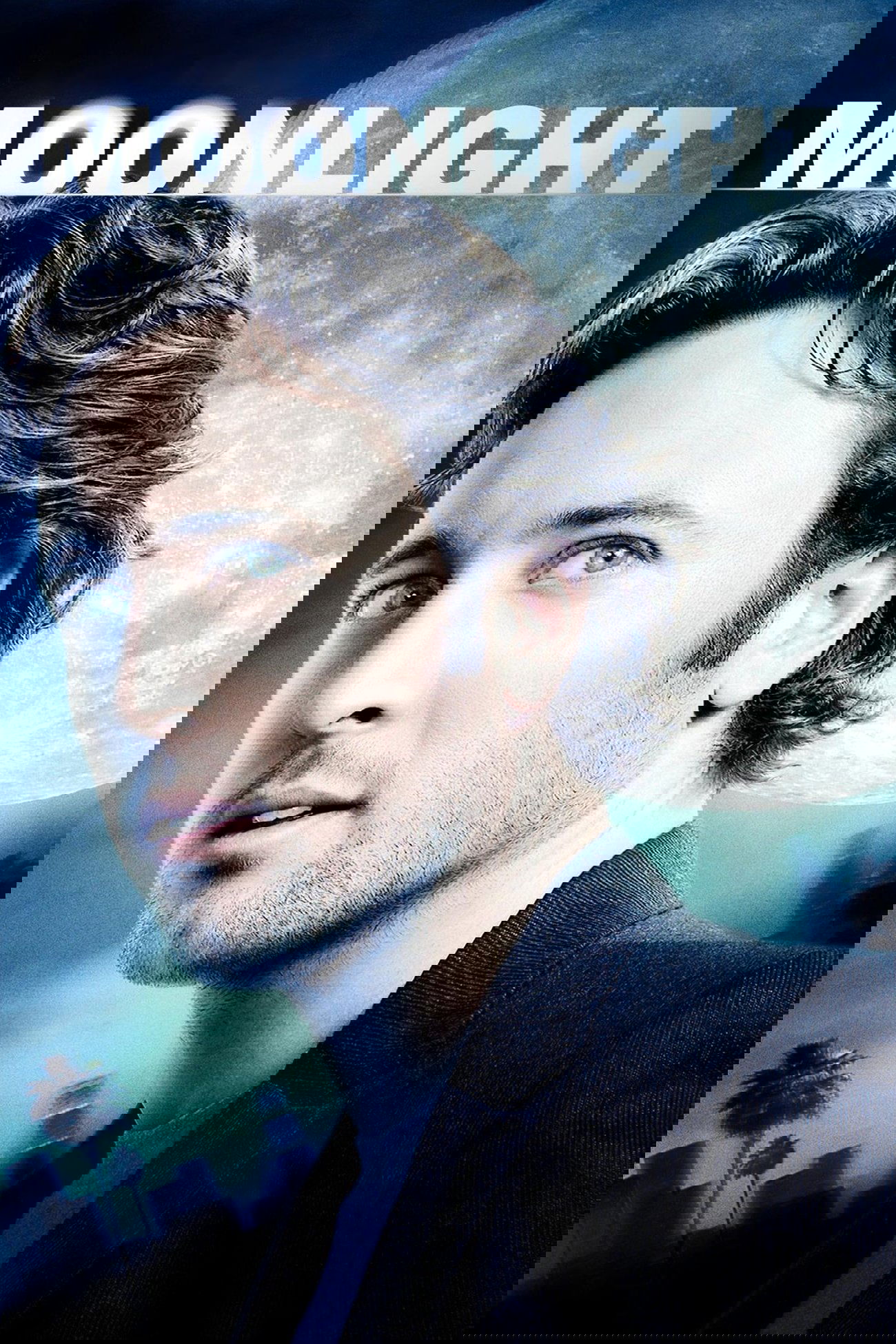
‘Moonlight’ approaches identity through time in a more intimate way. It unfolds across three defining chapters in the life of Chiron, a young Black man growing up in Miami, as he grapples with his sexuality. Barry Jenkins wrote and directed it from a play by Tarell Alvin McCraney, and it won the Academy Award for Best Picture. Its restraint and tenderness make it a natural pairing.
‘Pain and Glory’

‘Pain and Glory’ will feel familiar to anyone who noticed that Penélope Cruz is part of the cast of ‘La Bola Negra’. Pedro Almodóvar’s film stars Antonio Banderas as Salvador Mallo, an aging director reminiscing about his childhood, heartbreak and the loss of his mother, played by Cruz in the past. Banderas won the best actor award at Cannes for the role. It is a gentle memory piece in which past and present keep meeting.
‘Bad Education’

‘Bad Education’ stays in Spain and in the shadow of history. Almodóvar examines the effect of Franco era religious schooling and sexual abuse on the lives of two longtime friends. The story takes place in three distinct years, with events at the boarding school set in 1964 and the production of a film inside the film set in 1980. Its puzzle of connected timelines should appeal to the same audience.
‘Milk’
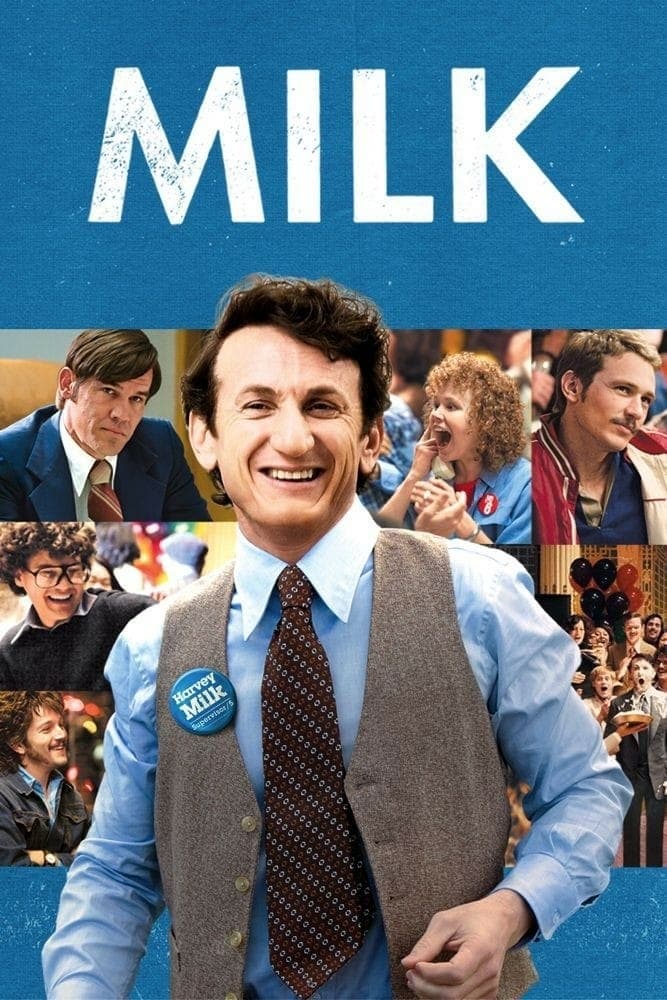
‘Milk’ offers the political biography side of queer history. Gus Van Sant directed Sean Penn as Harvey Milk, the first openly gay person elected to public office in California. The film earned eight Oscar nominations and won two, Best Actor for Penn and Best Original Screenplay for Dustin Lance Black. Like ‘La Bola Negra’, it treats visibility as an act of courage.
‘Brokeback Mountain’
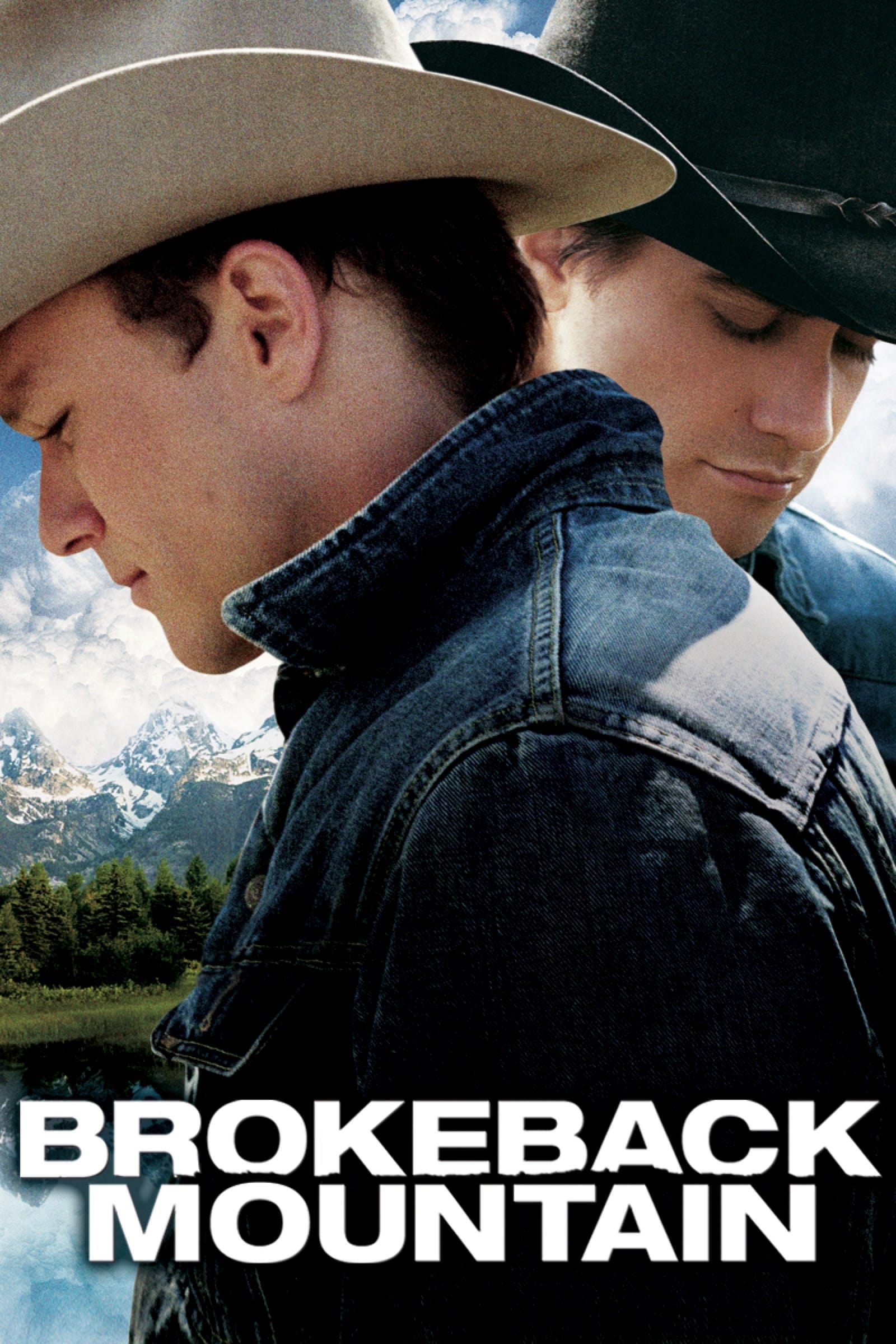
‘Brokeback Mountain’ remains a touchstone for tragic queer love on screen. Ennis Del Mar and Jack Twist are hired to herd sheep in 1963 and come to greatly enjoy each other’s company. The story follows their complicated relationship over two decades, and Ang Lee won Best Director among the film’s three Oscars. Its patient sense of longing suits viewers who valued the emotional weight of Los Javis.
‘Call Me by Your Name’
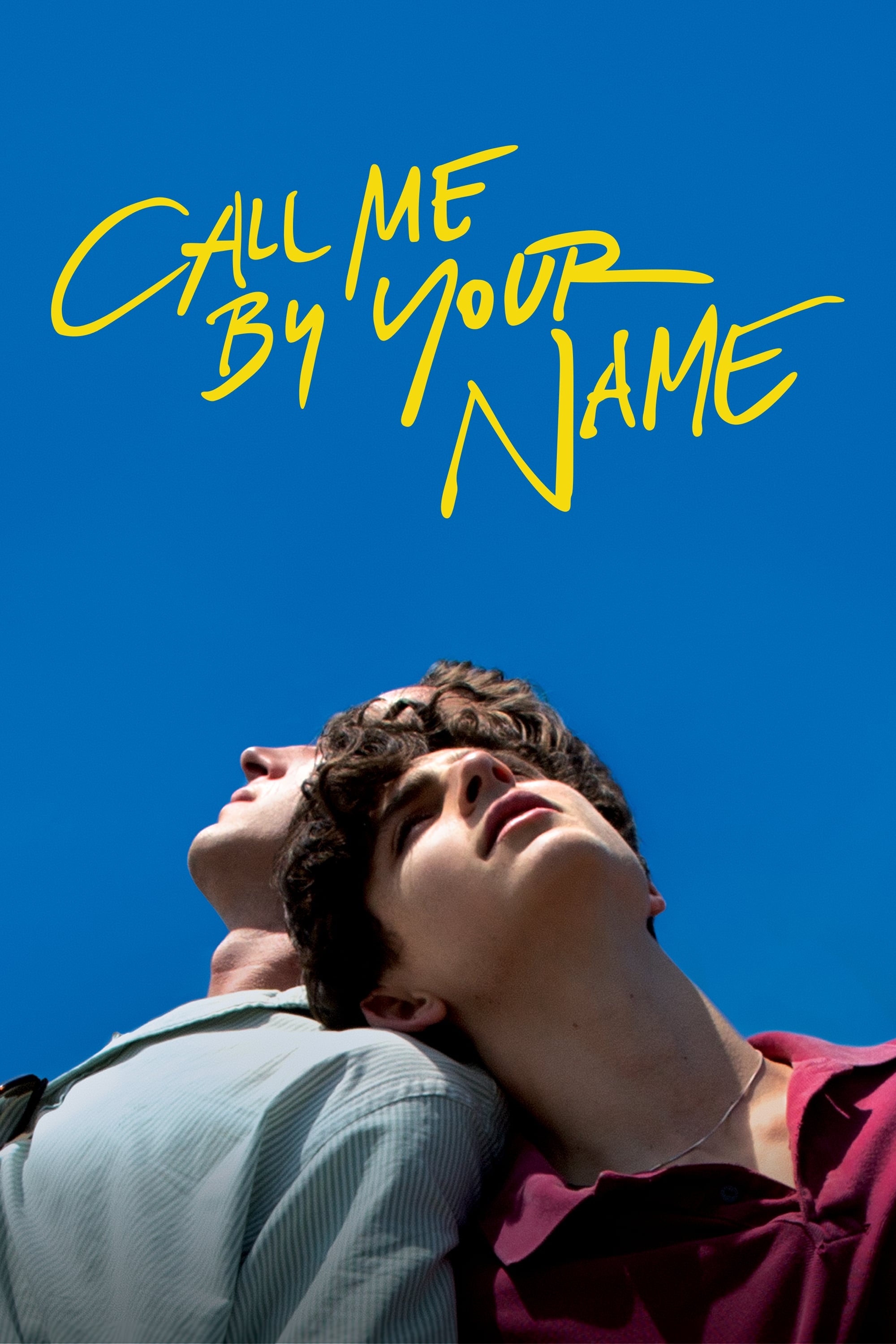
‘Call Me by Your Name’ is the softest entry here, a summer romance rather than a historical epic. Luca Guadagnino directed the story of seventeen year old Elio and the American graduate student Oliver in northern Italy in 1983. James Ivory won the Oscar for Best Adapted Screenplay. If you have already watched ‘La Bola Negra’, which of these films do you feel comes closest to carrying Lorca’s unfinished story forward, and what would you have placed beside it?