Old Anime vs New Anime: How Anime Has Changed


From Astro Boy’s Original Cels to Demon Slayer’s Digitized CGI, How Animation Has Changed and Its Viewership Has Changed
What Is Considered Old and New Anime?
The evolution of anime begins with Astro Boy, which premiered on Fuji TV on January 1, 1963, and ran 193 episodes for a Japanese audience.
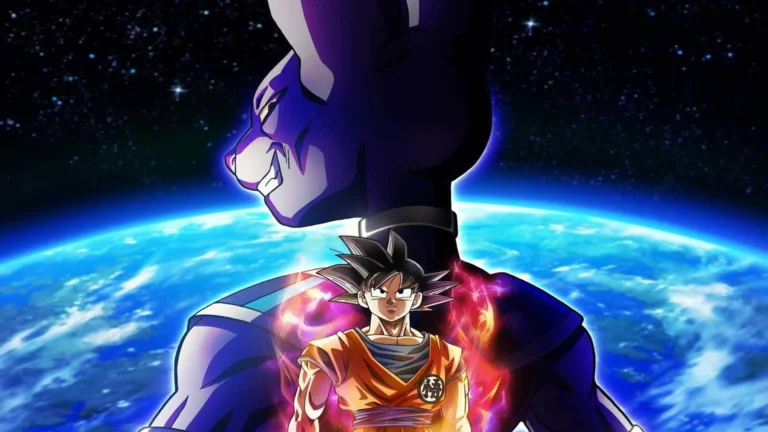
The West got its breakthrough in the nineties. Sailor Moon came to North America in 1995, Dragon Ball Z to an early-morning slot in September 1996, and Pokémon followed in 1998.
Neon Genesis Evangelion (1995) and Cowboy Bebop, the first anime to air on Adult Swim in 2001, showed that the medium could also be psychological and adult. They are among the anime that changed the world, and fans group the 80s and 90s as classic anime.
90s anime vs modern anime differ in their methods of production, the types of stories they tell, and the audience they address.
Although no definite line can be drawn between old and new, the common date is taken to be around the year 2000, though no official body ever set one.
While old anime were produced primarily for the Japanese audience, with references to Japanese customs that were recognizable even by foreigners, newer anime were designed for a wider audience. Demon Slayer, Jujutsu Kaisen, and Solo Leveling, a Korean story animated in Japan, are made with a global audience in mind.
Not that all this is absolute, because the old Japanese animation dealt with international themes; there are still Japanese animations that were produced in the old days, and Dragon Ball and One Piece have continued to be popular.
How Anime’s Visual Style Has Changed
The Hand-Drawn Look of Classic Anime
When it comes to old anime style vs new anime style, classic animation meant photographs of hand-drawn images shot over painted backgrounds.
Because a weekly release came with only a small budget and a tight schedule, like the 193 episodes of Astro Boy from 1963 to 1966, there was no space to draw pictures frame by frame. Animators reused sequences, held still images through dialogue, and saved real movement for the big moments.
Digital Animation and Modern Effects
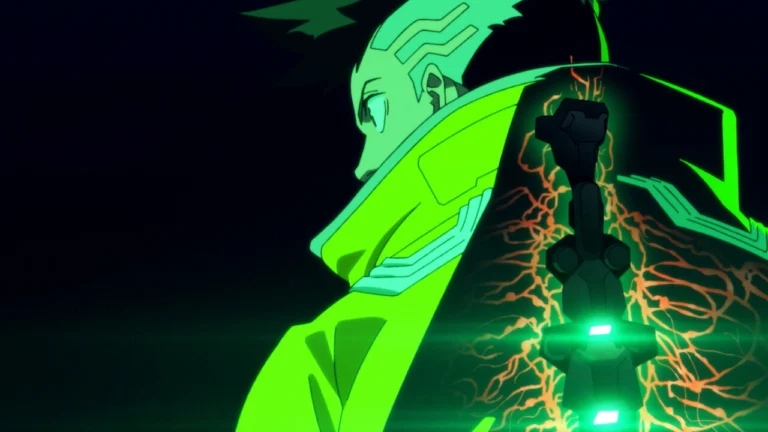
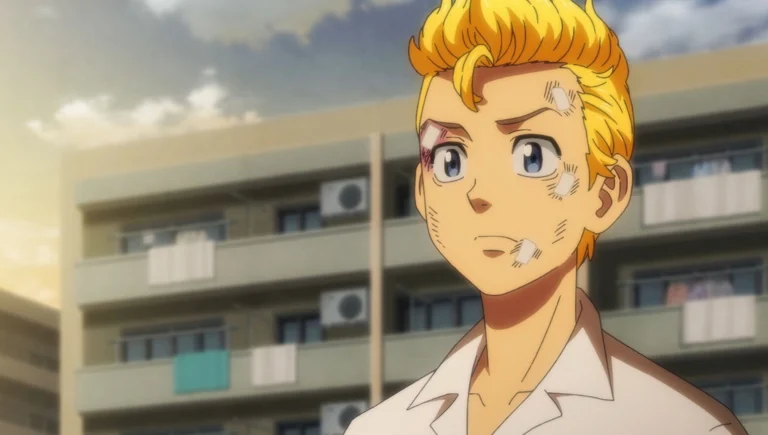
Modern animations are largely hand-drawn with computer assistance. They have taken advantage of digital colouring to expand the palette of colours and the depth and intensity of light, while CGI has enabled the studios to blend 3D elements into complex camera movements and battle sequences.
The flagship of all this is Demon Slayer. The series was launched in 2019, and in 2020 the film ‘Mugen Train’ broke the 19-year box office record set by Spirited Away in Japan.
From Long-Running Shows to Seasonal Releases
Older anime was characterized by having long runs; Dragon Ball Z contained 291 episodes, Naruto 720 (two seasons), Bleach 366, and One Piece has passed a thousand.
When an adaptation caught up with the manga, studios used their own filler, a story based on the manga but not in the manga.
Nowadays the usual length of an animation is twelve or twenty-four episodes, and then a long break. The arcs are tighter, and the padding has mostly been done away with.
The committees also take into account the reception of the first season before paying for a second, and a bestselling manga is no longer an assurance of a sequel.
How Storytelling and Characters Have Evolved
Shonen, romance, fantasy, and science fiction still dominate, with horror and slice of life holding steady audiences.
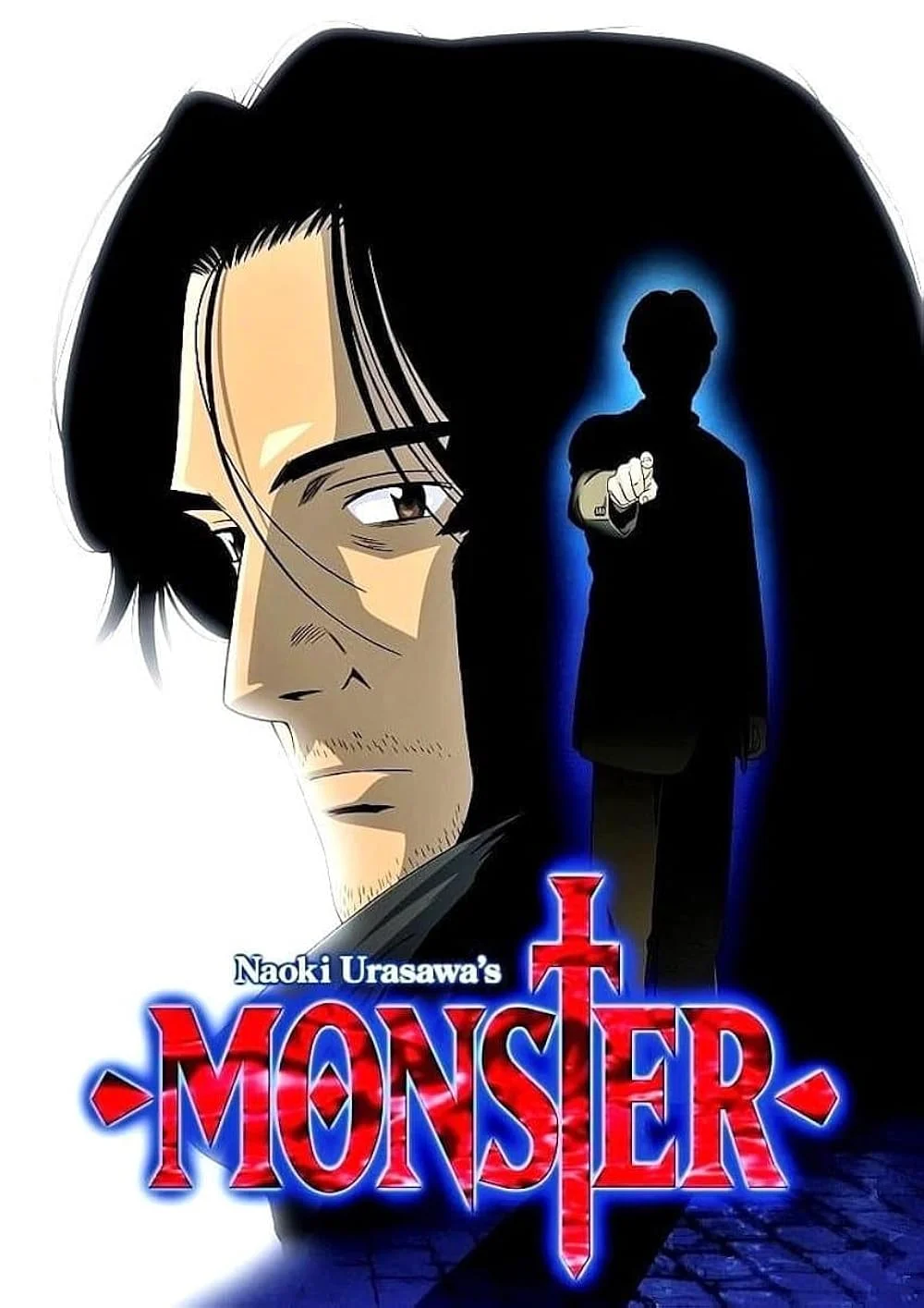
But the clearest contrast between old anime vs new anime is in the moral lines. Death Note (2006, 37 episodes) hangs on Light Yagami, who begins sure he can build a better world and ends up nearly impossible to defend, a morally ambiguous, multi-layered character.
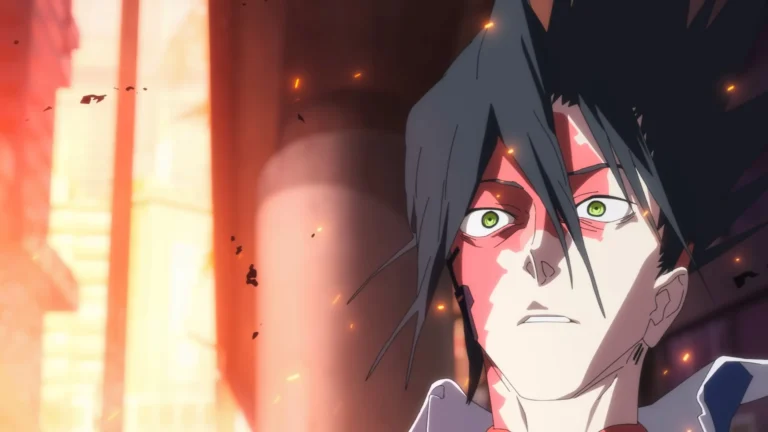
In contrast, modern productions like Demon Slayer draw sharper lines: Tanjiro’s values are firm, and even when the series still gives its enemies a story and motivations beyond good and evil, the plot is quite straightforward.
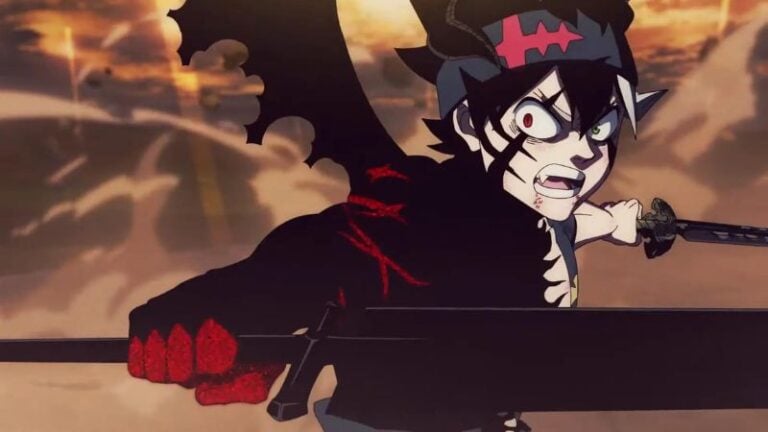
Jujutsu Kaisen is darker, with complex villains like Kenjaku, yet most of it runs on shonen fights. However, Tanya the Evil proves modern anime can still get complicated, since its protagonist’s choices won’t sort into good or bad.
Technology Changed How Fans Watch Anime
Anime through the decades has changed viewing habits for fans. In many US markets, Dragon Ball Z was broadcast at 6:30 a.m. in 1996. Beyond local schedules, the only way to catch up with the show was through VHS tapes and later DVD box sets.
Then streaming flipped it. Crunchyroll and Netflix are carrying all new and classic series, and the latest episodes often reach international viewers a few hours after the release in Japan.
Looking back across the decades, the jump from a 6:30 a.m. syndication slot to same-day streaming is hard to beat.
Anime’s Influence Beyond the Medium
Anime now forms the basis of video games, fashion, collectibles, and a whole world of entertainment.
The look of animation is also used by casinos: anime-themed slots add a colorful cast of characters, fantastical scenes, and an anime-inspired theme to a chance-based format, as seen in Slots Paradise slot games.
Outcomes still depend on the rules and the probabilities of the game, never on the story.
Old Anime vs New Anime: Which Is Better?
Classic anime vs modern anime pick what you want from a show. Cel-era classics bring nostalgia and long runs, modern series bring digital spectacle and tight seasons, and neither replaced the other: Demon Slayer’s fight scenes and Death Note’s slow dread both still work.
| Old Anime | New Anime |
| Distinctive hand-drawn aesthetic | Advanced digital visuals |
| Long-form storytelling | Shorter, focused seasonal arcs |
| Strong nostalgic appeal | Easier global accessibility |
| Foundational works | Greater technical possibilities |
| Established genre conventions | More experimentation and genre blending |
FAQs
Why do some older animated series have hundreds of episodes?
It was an advantage of the weekly schedules and the continuous publication of manga that some animation dragged on for a hundred episodes or more. Dragon Ball Z has 291 episodes, and One Piece has passed 1,100.
Why are some old animations remade for modern audiences?
A remake can update the animation, reach a new generation, or follow the manga more closely. Dragon Ball Z Kai (2009) trimmed most of the original’s filler.
Is the animation in today’s studios still done by hand?
Yes. The coloring and compositing are done digitally, but the animation and illustrations are still drawn by hand, so it is not simply created on a computer.
Why is it that some of these series are released in installments rather than in a single run?
The answer lies in seasonal scheduling, which lets a hit return after a production break and gives studios time to adapt more of the source, ensuring quality and keeping the public interested.