AI Video and the New Wave of Fan Films: What Creators Can Do Now

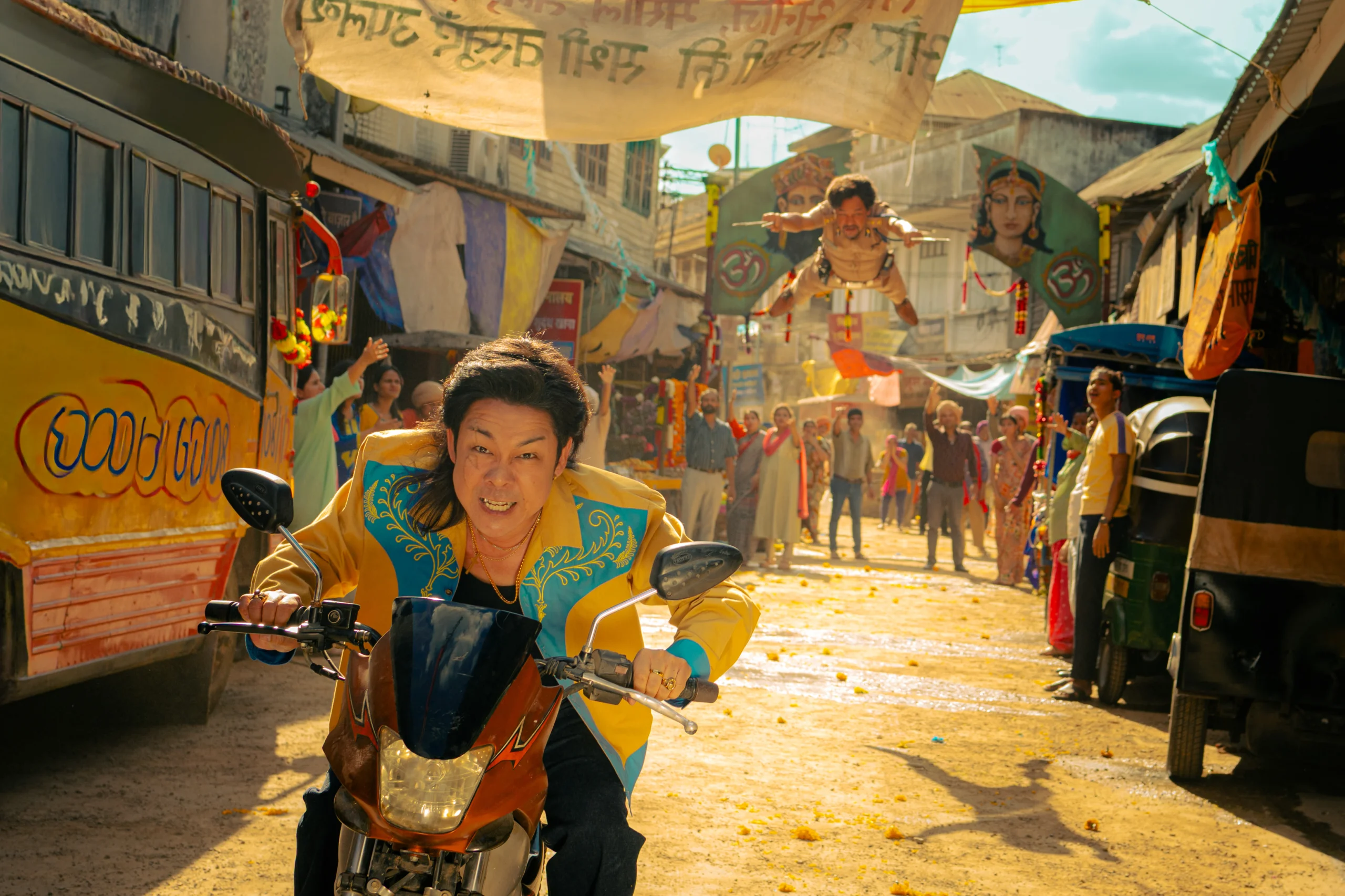
Fan films used to need a borrowed camera, a backyard set and a lot of patience. Today a growing share of fan-made trailers, “what if” scenes and concept teasers start somewhere very different: a text box. AI video generators can now turn a written shot description into a cinematic clip, complete with camera movement, lighting and often sound. For fans who have always pictured how their favorite book, game or canceled series would look on screen, that changes what is possible on a hobby budget.
Here is how fans are using the technology, what it does well, where it still falls short, and the lines worth respecting.
What AI video can do for a fan project
Modern video models work best on short, striking shots: a wide establishing view of an alien city, a slow push-in on a character’s face, a ship breaking through clouds. That happens to be exactly what trailers and teasers are made of. A typical fan “concept trailer” strings together eight to fifteen of these moments, adds a title card and music, and suggests a whole story in under a minute.
The workflow most creators settle into looks like this:
- Write a beat sheet. List the moments the trailer needs: the world, the hero, the threat, the turn, the climax, the title.
- Describe each shot like a cinematographer. Specify the camera move, the lens feel, the lighting and the mood, not just the subject.
- Generate several takes. AI output varies, so creators make two to four versions of each shot and keep the best.
- Cut it together. A normal video editor handles pacing, music and titles.
Why many creators use multi-model platforms
No single model is best at everything. Some excel at realistic motion, some at stylized animation, others at dialogue or at keeping text legible. That is why many fan creators work on platforms that bundle several engines together. On PixelDojo’s video studio, for example, the same prompt can be run through models such as Google’s Veo, ByteDance’s Seedance, Kling and WAN, so a creator can pick the version that best fits the tone of each shot instead of forcing one model to do everything.
That matters for genre work. A gritty sci-fi teaser, a hand-drawn anime opening and a stop-motion style horror short each tend to look best on different engines.
Keeping characters consistent
The biggest headache in AI filmmaking has been continuity. A hero who looks different in every shot breaks the illusion instantly. Newer tools tackle this by letting creators lock a character’s look from a set of reference images and reuse it across shots, and by generating still keyframes first and animating from them. It is not flawless, but it is the difference between a pile of random clips and something that reads as one film.
Where it still struggles
- Length. Most clips run from a few seconds up to about 30. Long dialogue scenes are still very hard.
- Hands, text and fast action. These remain the most common places for visual glitches.
- Performance. AI can suggest emotion, but subtle acting is still far beyond it.
That is why the most convincing fan projects lean into trailer structure: quick cuts, strong music and moments that suggest a story rather than tell it.
The lines worth respecting
Fan work lives in a gray zone, and AI adds new wrinkles:
- Do not use real actors’ likenesses without permission. Casting a real star in an AI-generated scene can cross legal and ethical lines, and many platforms prohibit it outright. Original character designs are safer and often more interesting.
- Label it clearly. Make obvious that a concept trailer is fan-made and AI-assisted so nobody mistakes it for an official release.
- Respect the source. Non-commercial fan tributes are tolerated by many rights holders. Selling them, or using official footage and logos, usually is not.
A new kind of fan conversation
The most interesting effect of these tools may be on fandom itself. Instead of debating casting and tone in forum threads, fans can now show each other what they mean. A thirty-second concept teaser makes an argument for how an adaptation should feel that no wall of text can match. Studios have noticed, too: concept trailers that go viral regularly become part of the conversation around real adaptations.
The camera crew is optional now. The imagination, and the respect for the stories that inspired it, still is not.