Actors Who Got Blacklisted For Refusing To Play Ball In Hollywood


The entertainment industry often operates on a system of unspoken rules and power dynamics that talent must navigate to maintain their careers. When performers choose to speak out against injustice or refuse to conform to specific demands they may find themselves suddenly excluded from major projects. This phenomenon has existed since the early days of cinema and continues to shape the landscape of modern media. The following actors experienced significant professional setbacks or complete isolation after taking stances that put them at odds with studio executives and industry insiders.
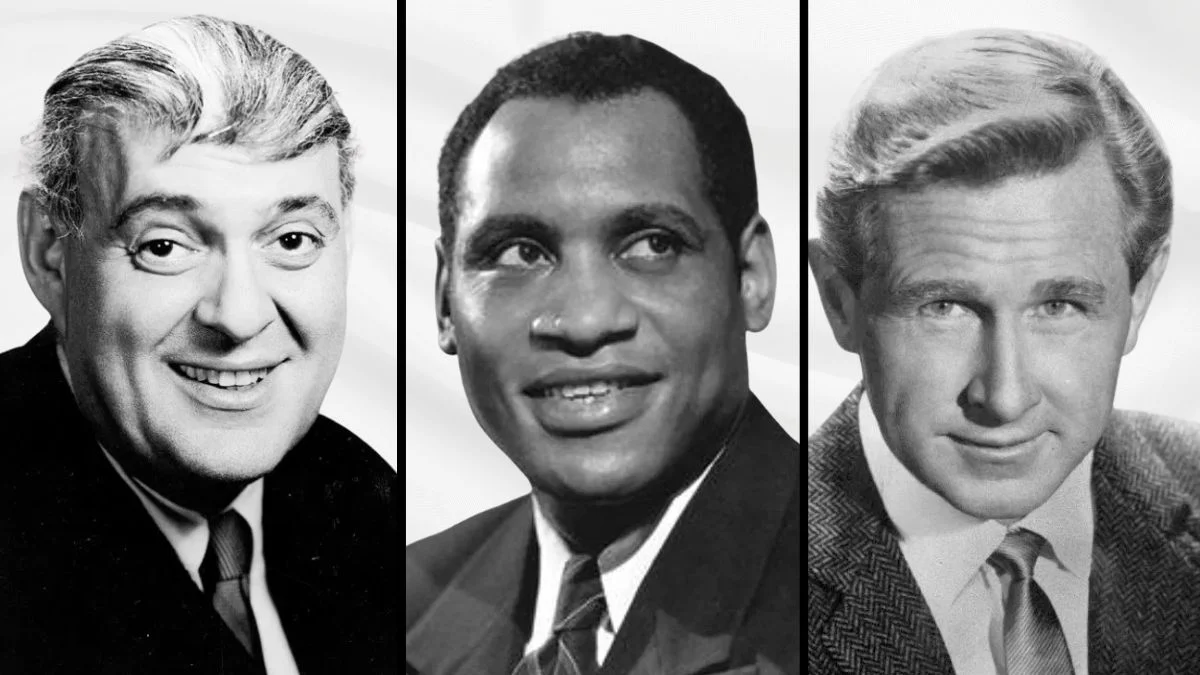
Paul Robeson
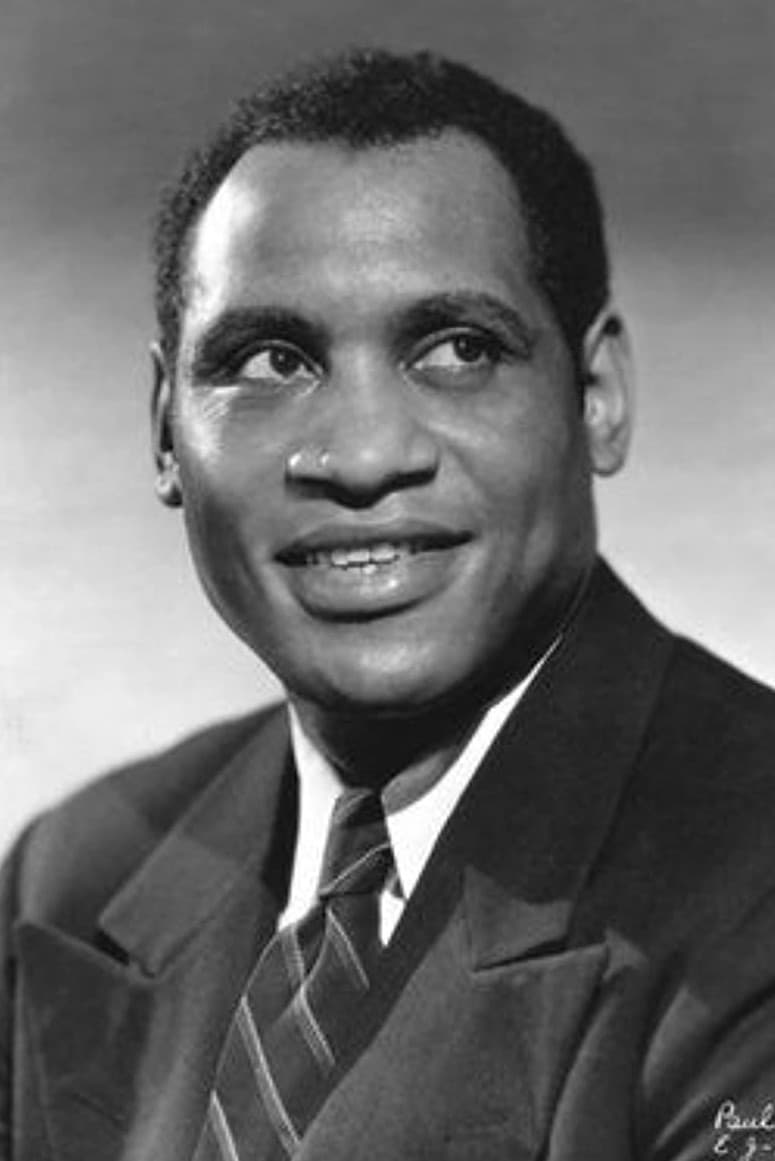
This acclaimed performer and singer faced severe professional consequences for his political activism and refusal to renounce his beliefs during the middle of the twentieth century. The United States government eventually revoked his passport which prevented him from performing internationally and limited his income. Major studios and venues across the country refused to hire him due to his perceived radicalism. His career suffered a permanent decline even though he remained a significant figure in global civil rights movements.
Zero Mostel
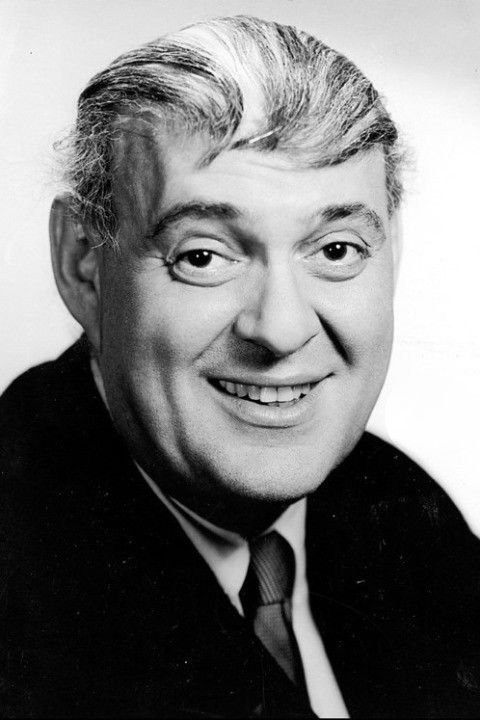
The celebrated actor was blacklisted after he refused to provide names to the House Un-American Activities Committee during the height of the Red Scare. This refusal led to a long period where he was unable to find work in film or television productions. He eventually found success on the stage where he starred in iconic productions like ‘Fiddler on the Roof’ and ‘A Funny Thing Happened on the Way to the Forum’. Despite his later stage triumphs he lost nearly a decade of his primary screen career to the blacklist.
Lloyd Bridges
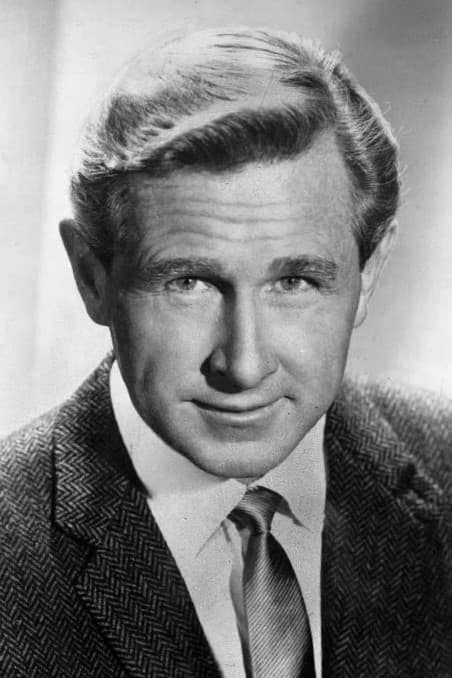
Before he became a household name for his roles in television and comedy he faced professional exclusion due to his brief involvement with a political group. He was investigated by the government and found himself unable to secure roles for a period in the early nineteen fifties. After cooperating with investigators he was eventually cleared and allowed to return to work in the industry. He went on to have a long career including his famous role in ‘Sea Hunt’.
Sterling Hayden
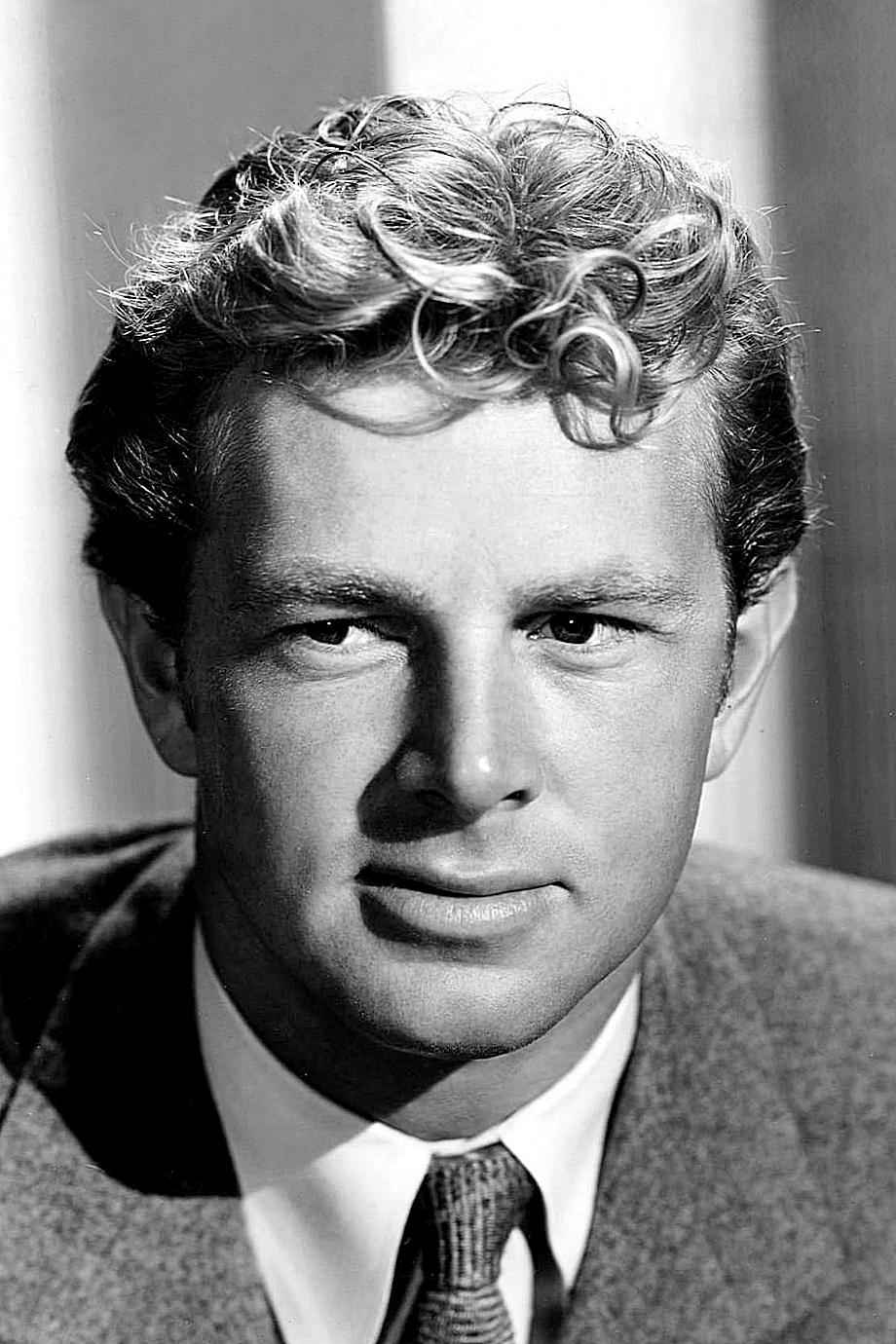
This actor was a prominent star who faced intense pressure during the investigations into communist influences in Hollywood. He initially cooperated with the committee but later expressed deep regret and self-loathing for doing so in his autobiography. His career was marked by a series of breaks as he often chose to leave the industry for long periods of time. He eventually returned to deliver iconic performances in films like ‘Dr. Strangelove’ and ‘The Godfather’.
Larry Parks
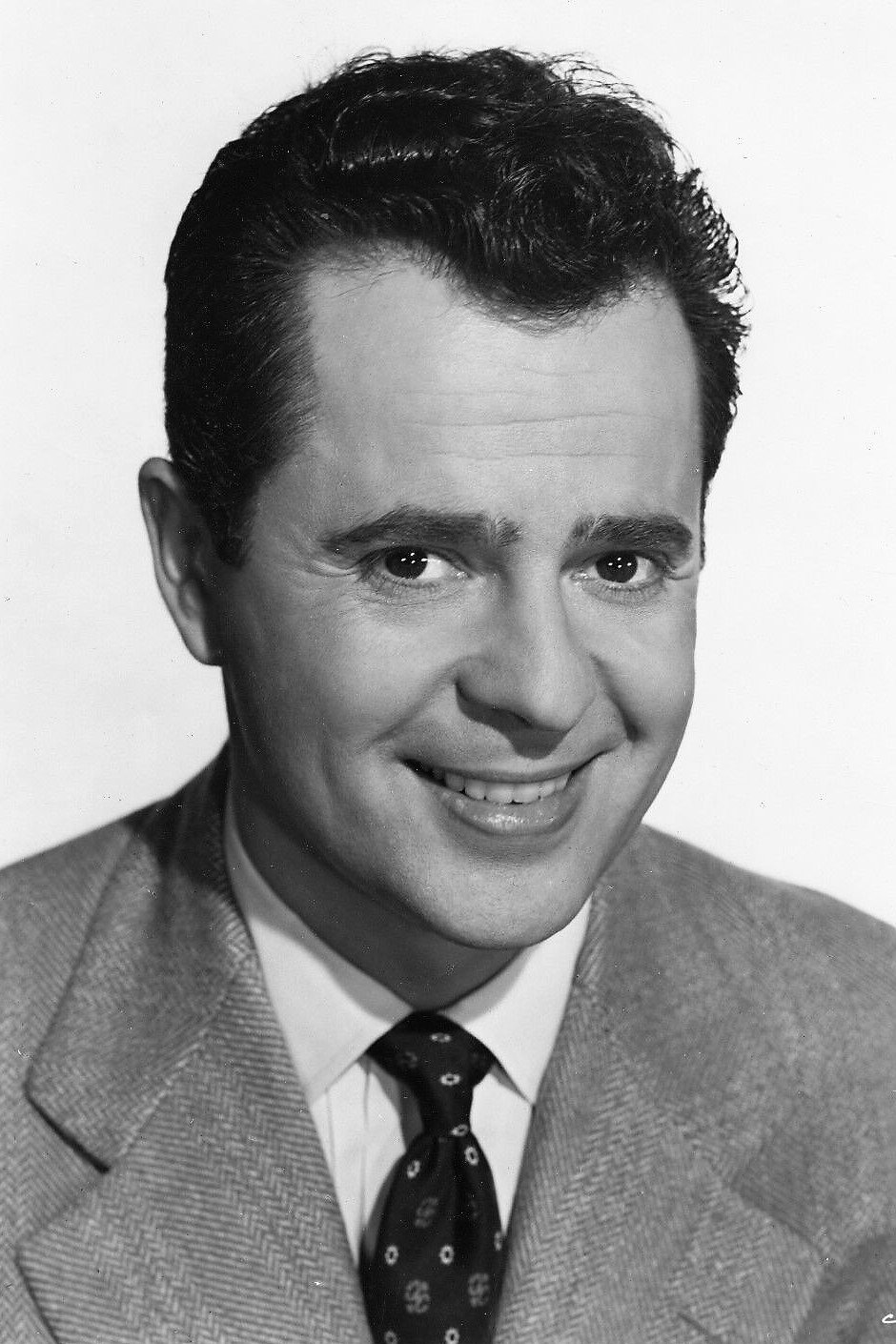
After rising to fame in ‘The Jolson Story’ this actor became one of the first major stars to be called before the House Un-American Activities Committee. He initially resisted identifying others but eventually relented under extreme pressure from the government. Despite his cooperation the major studios still placed him on a blacklist which effectively ended his time as a leading man. He spent the remainder of his life working primarily in theater and real estate ventures.
Will Geer
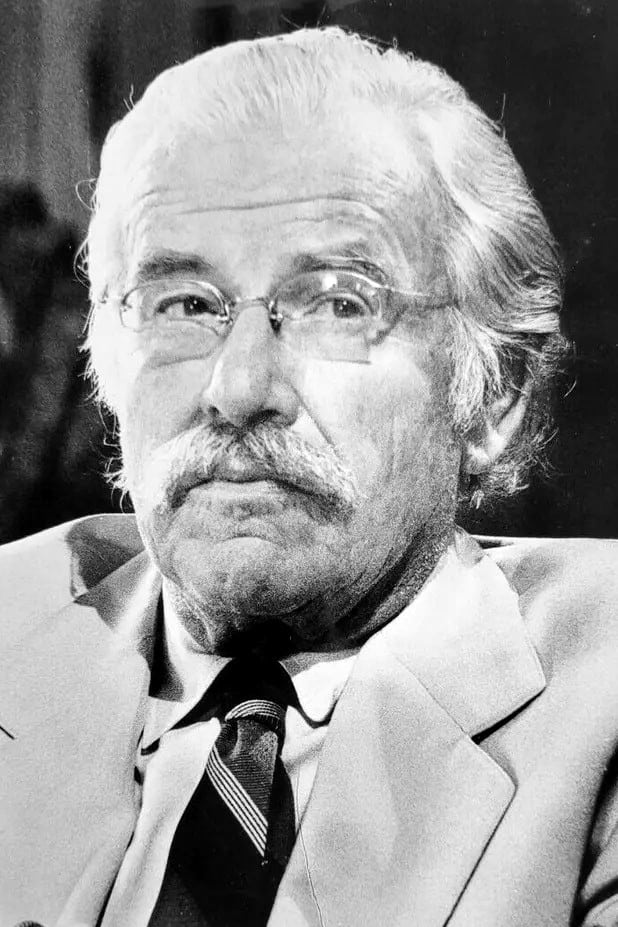
The actor who would later be known for ‘The Waltons’ was a target of the blacklist during the nineteen fifties. He refused to testify against his colleagues and was subsequently shunned by the major film studios for many years. During this period he established a theater and garden for other blacklisted artists to continue their work. His return to mainstream television later in life served as a significant second act to a career nearly destroyed by political censorship.
Lee J. Cobb
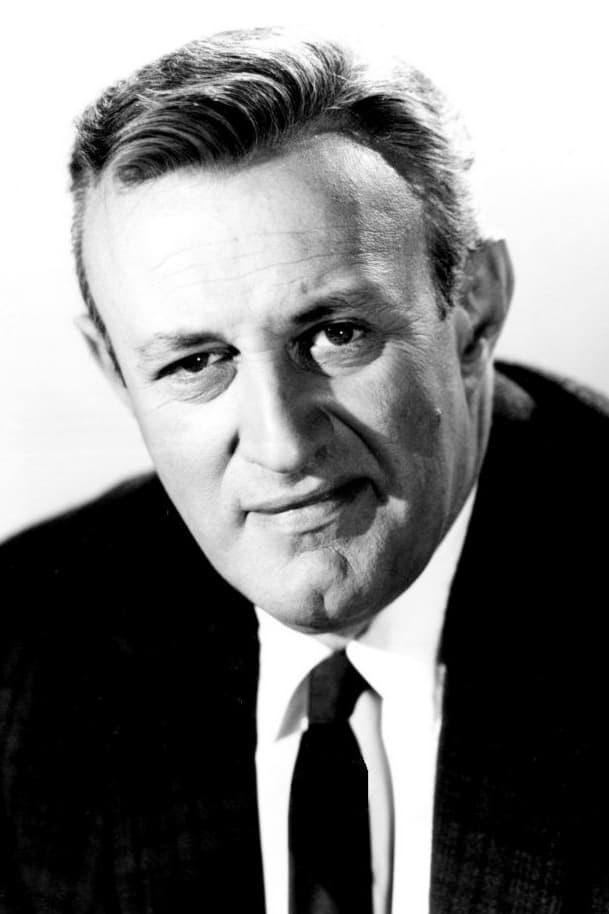
This powerful character actor was blacklisted for several years after being named as a member of a political organization. He eventually testified before the committee to save his career which allowed him to return to major film roles. This decision caused lasting tension between him and other members of the acting community who had refused to cooperate. He is remembered for his legendary performances in ‘On the Waterfront’ and ’12 Angry Men’.
John Garfield
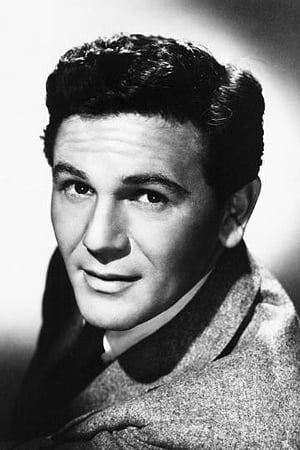
As a major leading man in the nineteen thirties and forties this actor was known for his gritty and realistic performances. His refusal to name names before the committee led to his inclusion on the blacklist and the sudden end of his film career. The stress of the investigation and the loss of his livelihood contributed to his early death at the age of thirty nine. He is often cited as one of the most tragic examples of the human cost associated with the Hollywood blacklist.
Burgess Meredith
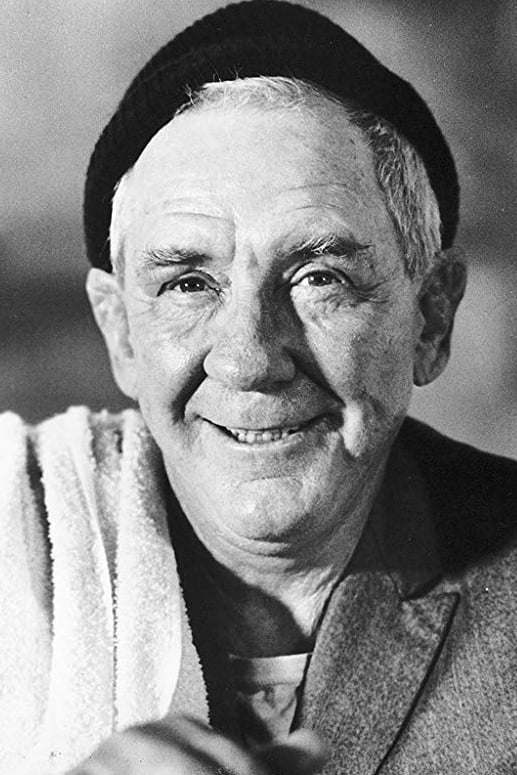
This versatile performer was a prominent target during the Red Scare and found himself unable to secure film work for much of the nineteen fifties. He turned his focus to the theater during this time to maintain his craft and support himself. His career eventually recovered and he became famous for a new generation in ‘Rocky’ and the television series ‘Batman’. He remained a respected figure in the industry until his death.
Lionel Stander
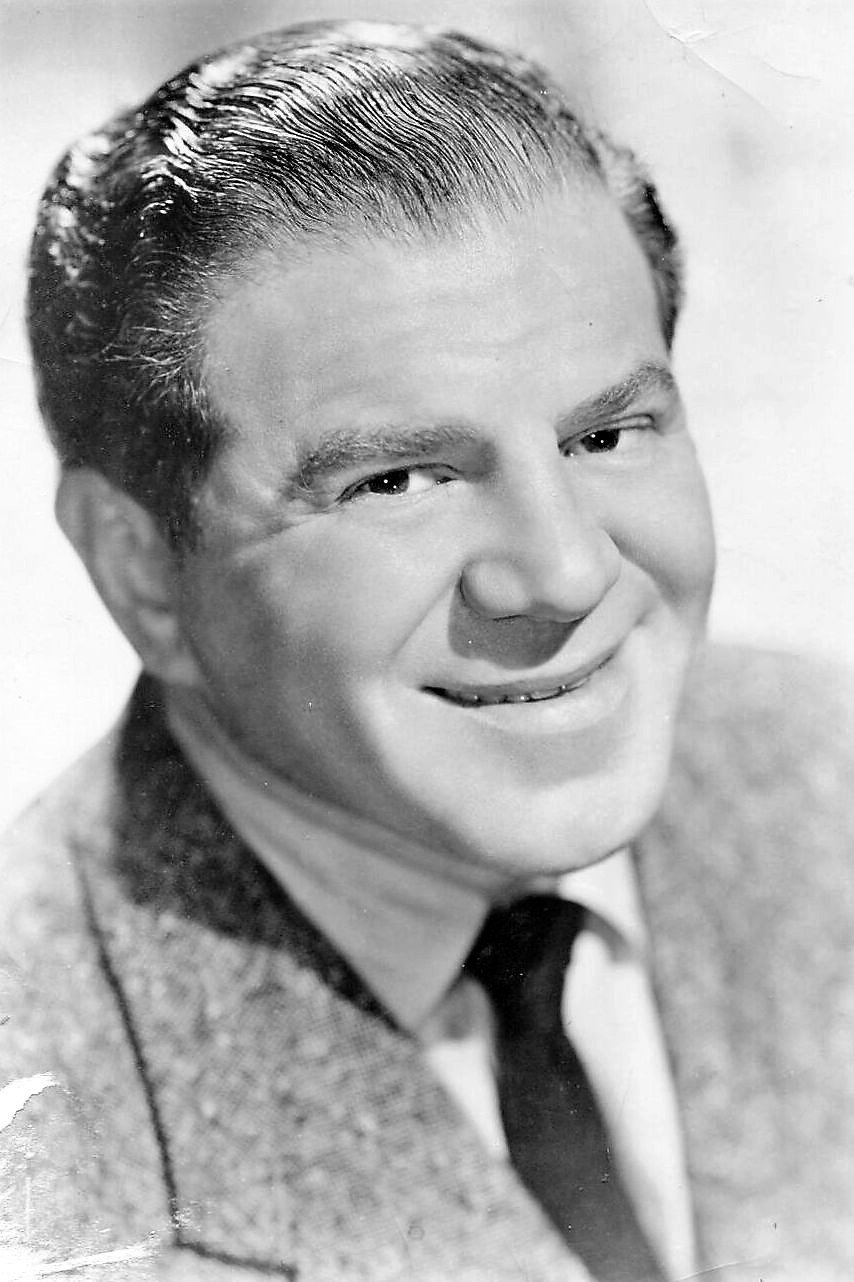
Known for his distinctive voice and rough appearance this actor was a committed activist who was blacklisted twice during his career. He was first excluded in the late nineteen thirties and again during the middle of the century after being identified as a radical. He moved to Europe to find work in films when he was unable to get hired in the United States. He eventually returned to American screens and gained fame in the series ‘Hart to Hart’.
J. Edward Bromberg
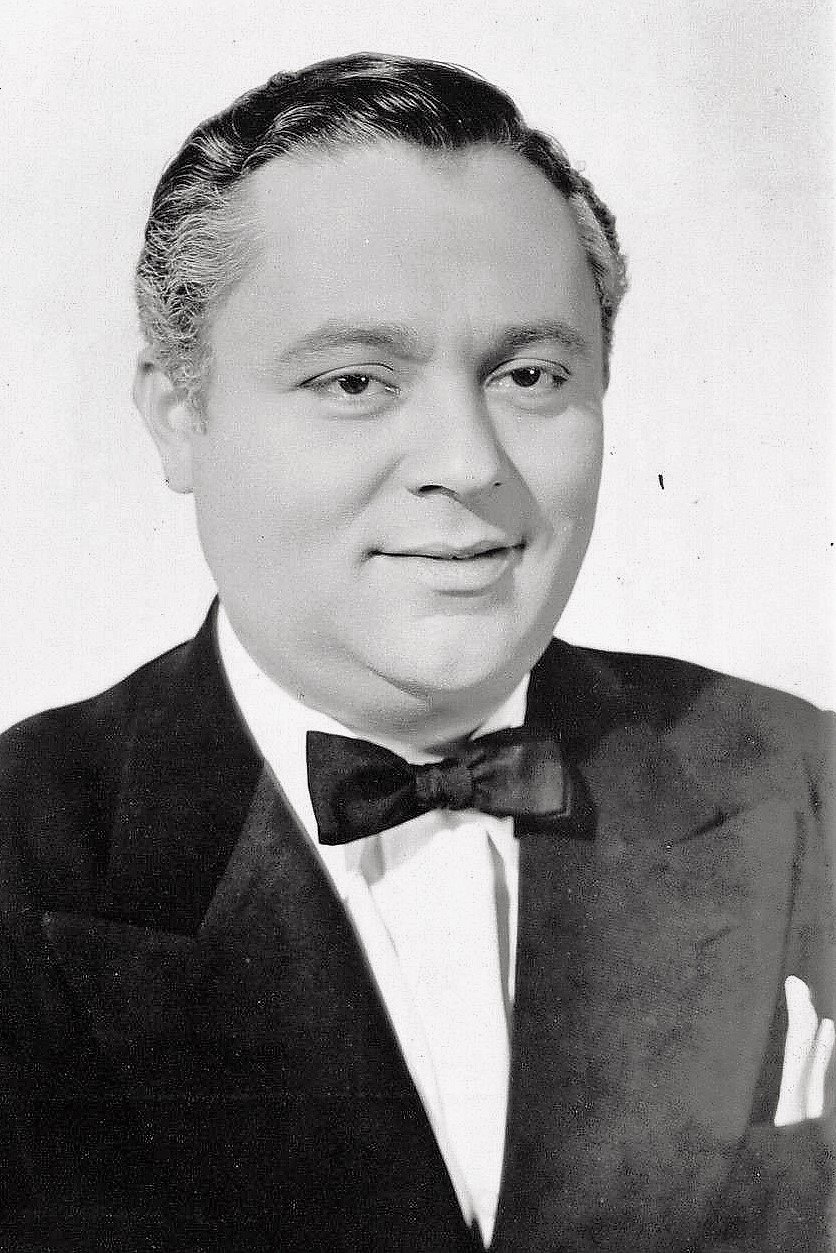
This character actor was known for his work in many prominent films before being called to testify about his political affiliations. He refused to answer questions and was subsequently blacklisted by the major studios. The stress of the hearings and his lack of employment contributed to a fatal heart attack while he was performing in London. His death became a rallying point for those who opposed the industry-wide exclusion of talent.
Howard Da Silva
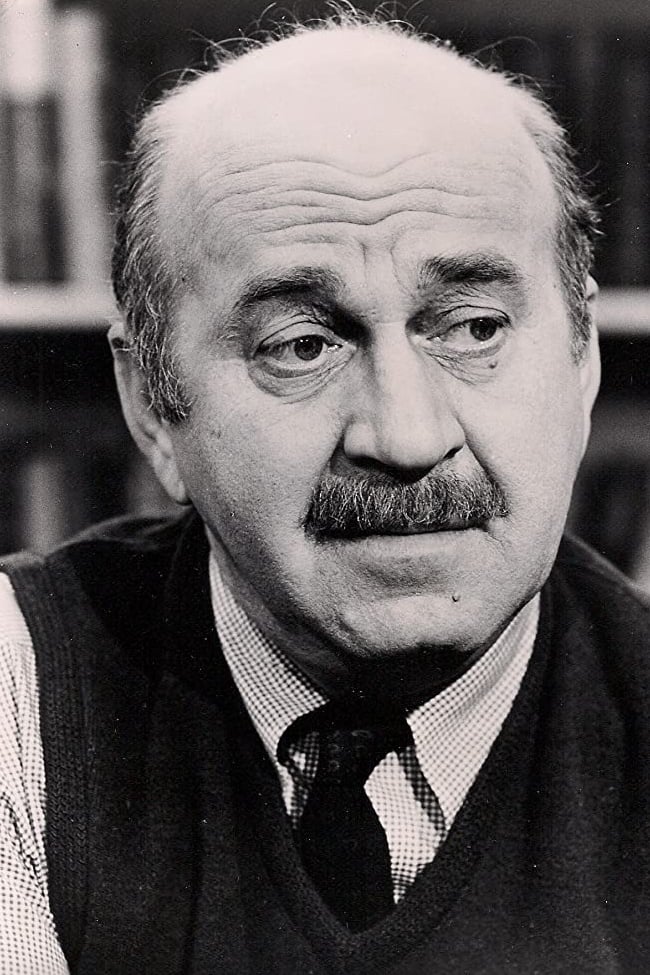
After refusing to answer questions about his political beliefs this actor was blacklisted for over a decade. He was a successful performer on Broadway and in films like ‘The Lost Weekend’ before the industry turned against him. During his years of exclusion he focused on stage work and managed to survive without studio support. He eventually made a successful return to television and film in the late nineteen sixties.
Philip Loeb
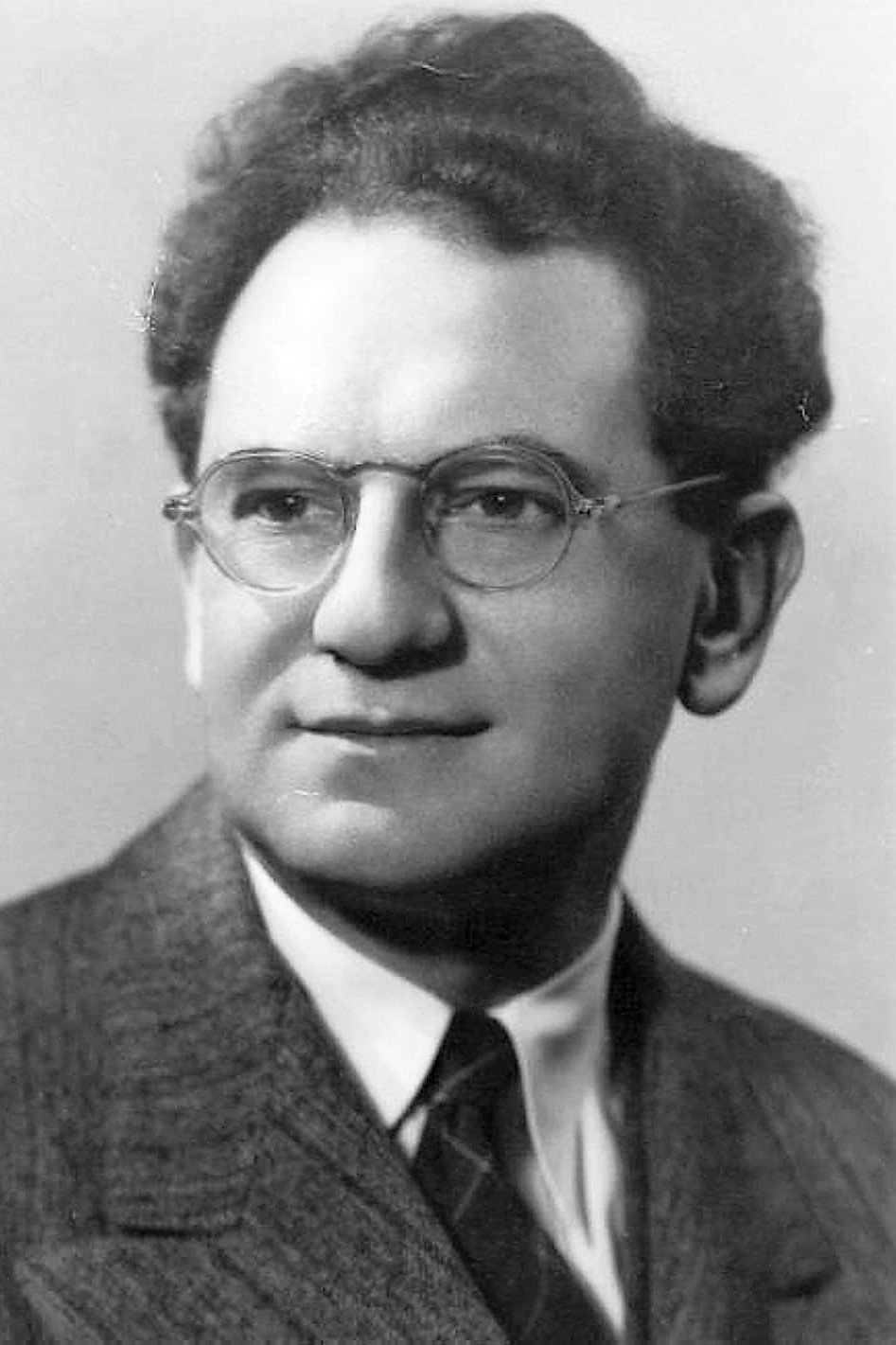
This actor was a popular star on the television series ‘The Goldbergs’ before his name appeared in a publication that identified suspected radicals. The sponsor of the show demanded his removal and he was eventually fired when the creator could no longer protect him. He was unable to find any other work in the industry and faced extreme financial hardship. His story remains a stark reminder of the influence advertisers had on the careers of performers during that era.
Jeff Corey
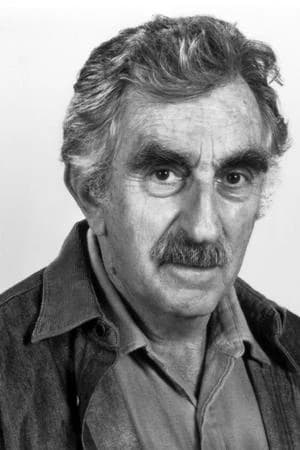
After refusing to cooperate with government investigators this actor was blacklisted for twelve years. He utilized this time to become one of the most influential acting teachers in Hollywood. Many major stars studied with him during the period when he was not allowed to perform on screen. He eventually returned to acting in the nineteen sixties and appeared in films like ‘Butch Cassidy and the Sundance Kid’.
Sam Jaffe
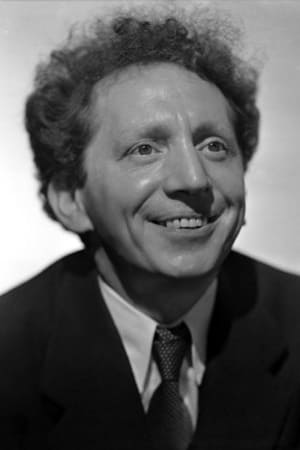
This distinguished actor received an Academy Award nomination for ‘The Asphalt Jungle’ shortly before being blacklisted. He was excluded from the industry for several years due to his political activities and refusal to name others. He eventually returned to prominence in the television series ‘Ben Casey’ where he played a mentor figure. His career served as a testament to the resilience of performers who stood by their principles.
Richard Gere
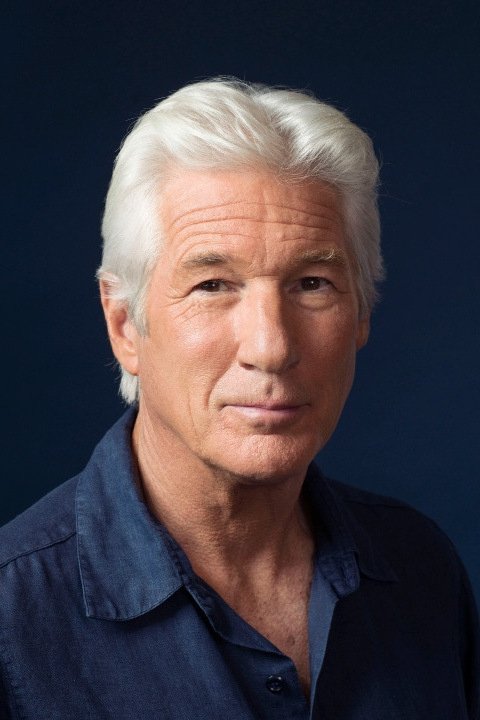
The star of ‘Pretty Woman’ faced a period of professional isolation after using the Academy Awards stage to criticize political policies in China. His outspoken support for human rights led to him being effectively banned from major studio productions that sought access to the Chinese market. He shifted his focus to independent films and projects that did not rely on international distribution in restricted regions. Despite this unofficial blacklist he has continued to work on projects that align with his personal values.
Mickey Rourke
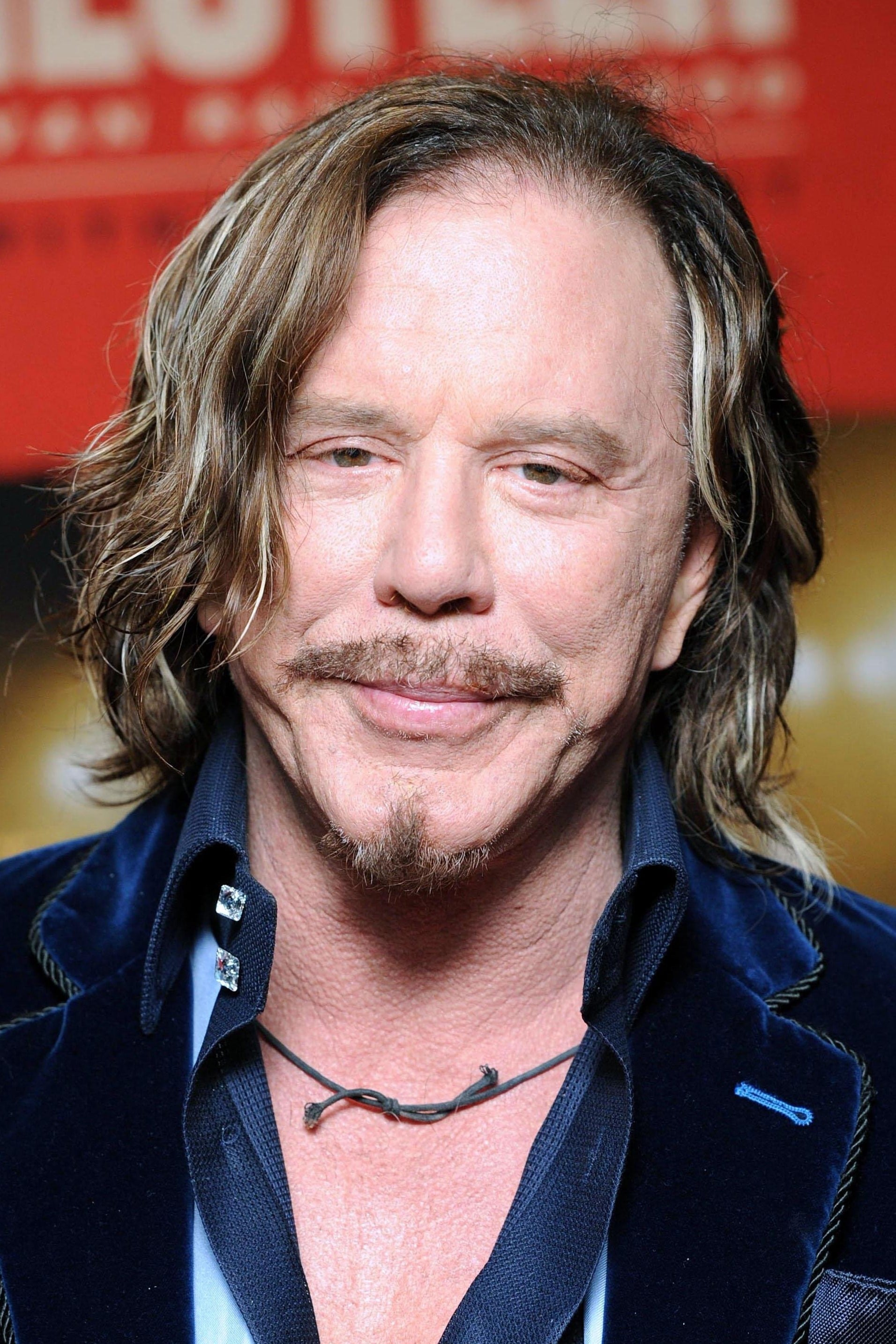
After a rapid rise to stardom in the nineteen eighties this actor developed a reputation for being difficult and unpredictable on set. He frequently clashed with directors and studio executives which led to a significant decline in job offers. He eventually left acting to pursue a career in professional boxing before attempting a return to the industry years later. His performance in ‘The Wrestler’ was seen as a major professional redemption after his years on the fringes of Hollywood.
Val Kilmer
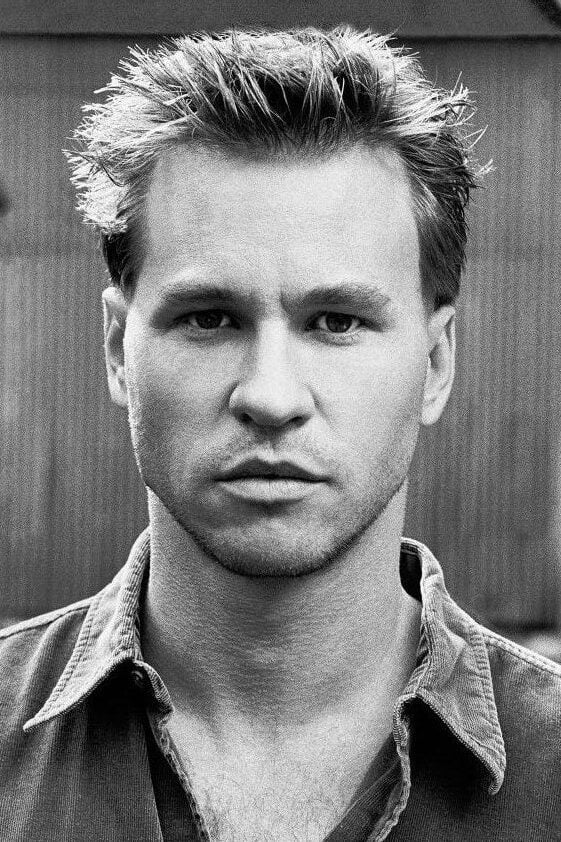
This actor was once one of the most sought after leading men in the world with roles in ‘Top Gun’ and ‘Batman Forever’. His reputation for being demanding and argumentative with filmmakers eventually led to him being passed over for major studio roles. Many directors publicly spoke about the challenges of working with him during the peak of his fame. He later moved toward more independent and character-driven work while navigating health challenges.
Edward Norton
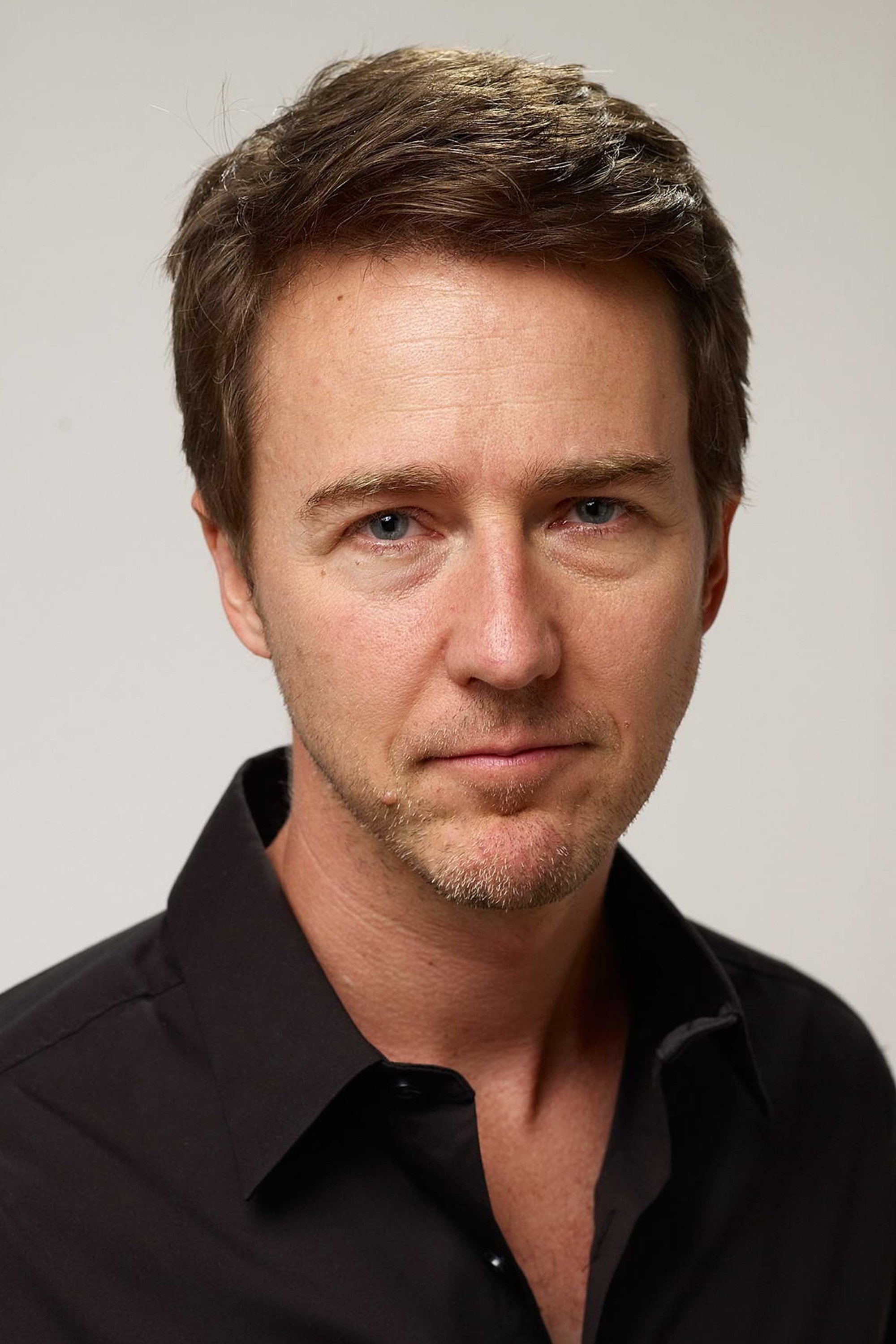
Known for his immense talent and commitment to his roles this actor has frequently clashed with studios over creative control. After a public dispute regarding the final cut of ‘The Incredible Hulk’ he was notably excluded from future installments of the franchise. His insistence on rewriting scripts and participating in the editing process has made some major studios hesitant to hire him for blockbuster projects. He remains a high profile actor but often works outside the traditional studio system.
Wesley Snipes
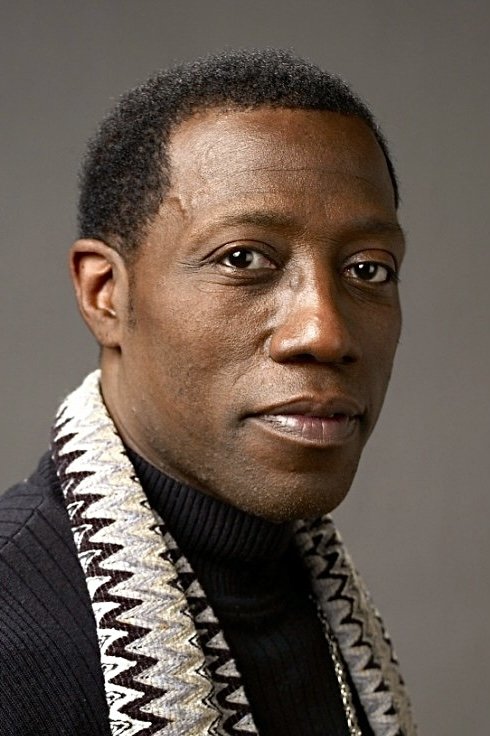
Once a premier action star this actor faced a significant career halt after legal issues and reports of problematic behavior on the set of ‘Blade Trinity’. His co-stars and director provided accounts of his refusal to cooperate during production which damaged his reputation among industry power brokers. Following a period of incarceration for tax related issues he struggled to regain his status as a major leading man. He has since appeared in smaller roles and ensemble projects like ‘The Expendables 3’.
Jim Caviezel
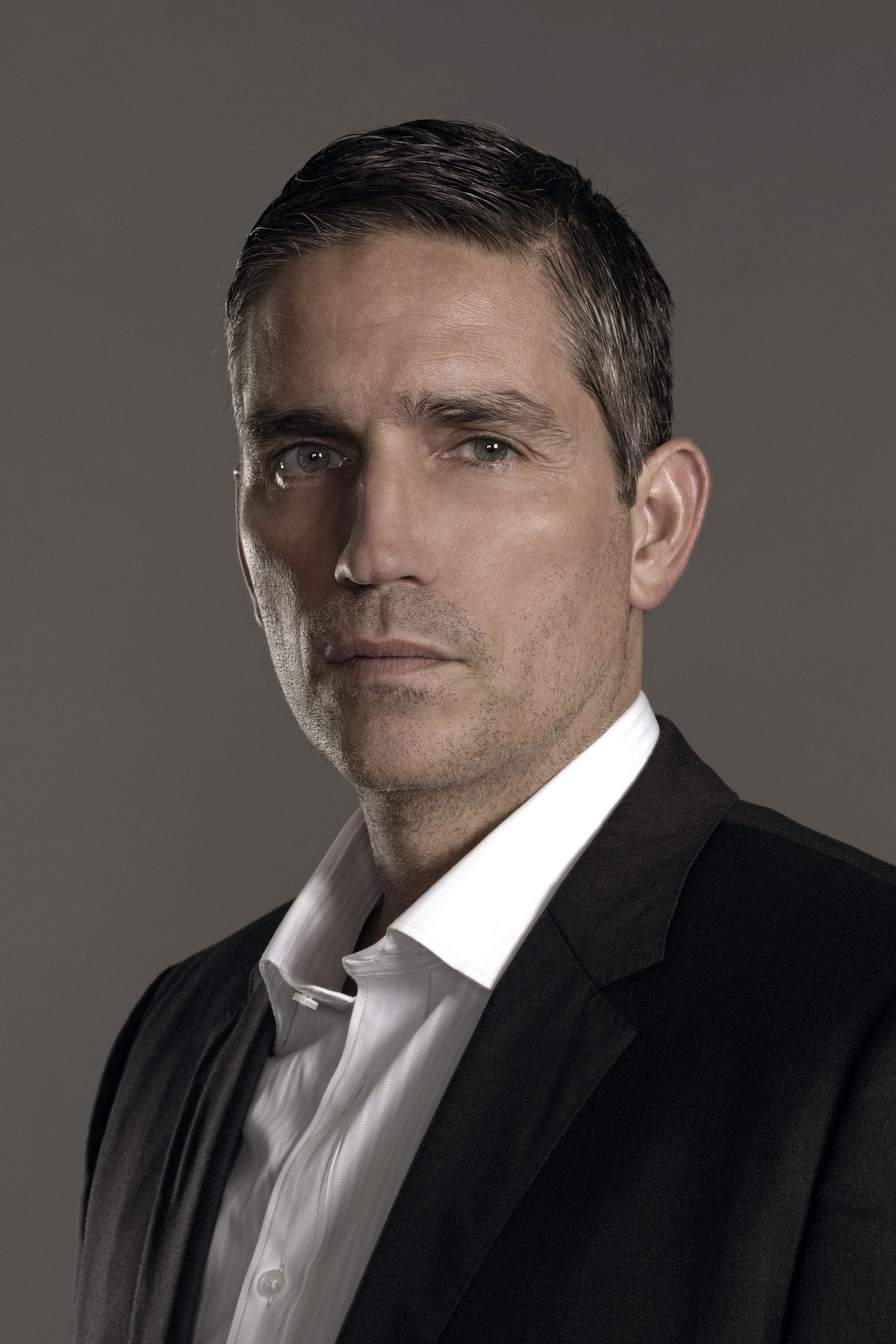
The star of ‘The Passion of the Christ’ has spoken openly about being shunned by mainstream Hollywood after taking on the controversial role. He claimed that playing the part led to a decrease in offers from major studios and established directors. His personal and political views have also placed him at odds with the typical industry culture. He has since focused on projects aimed at specific audiences and independent productions like ‘Sound of Freedom’.
James Woods
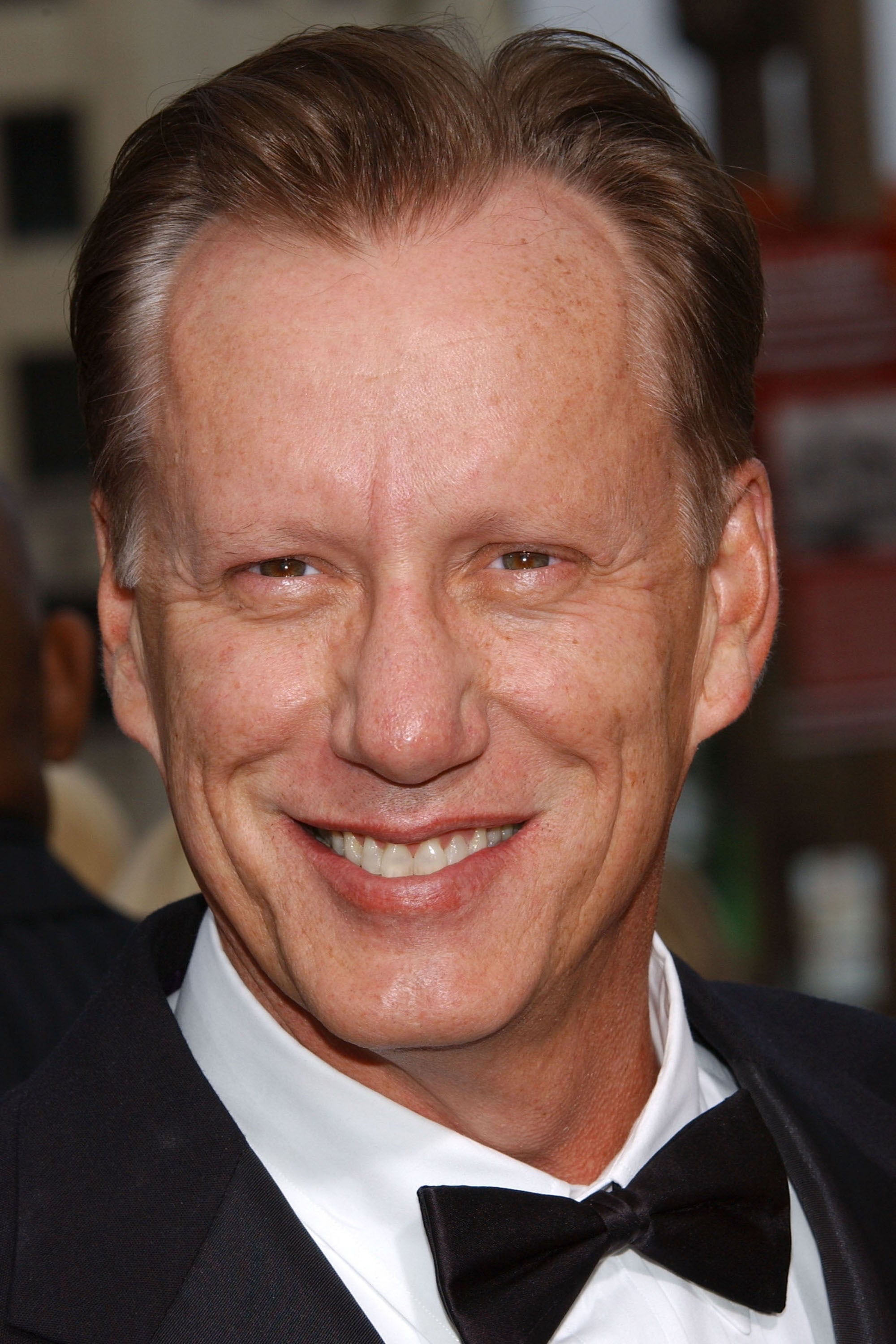
This veteran actor has claimed that his outspoken political views led to him being blacklisted by many in the entertainment industry. He stated that he lost agents and was no longer considered for roles in major television and film projects. Despite a long history of acclaimed performances he became a polarizing figure due to his social media presence. He has largely transitioned away from mainstream acting roles in recent years.
Kevin Sorbo
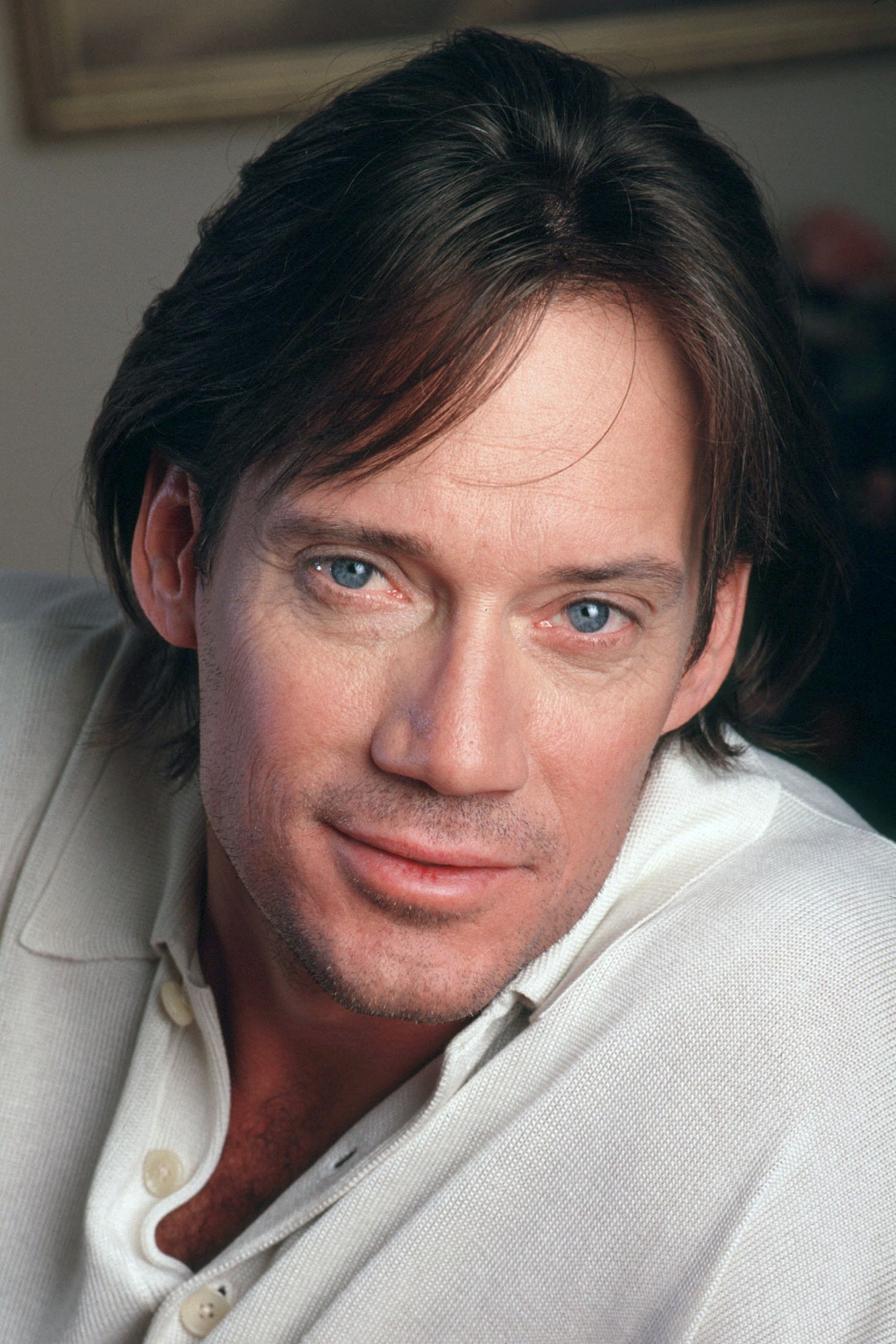
After gaining fame as the lead in ‘Hercules: The Legendary Journeys’ this actor found his career opportunities in Hollywood diminishing. He has publicly attributed this decline to his religious beliefs and conservative political stances. He claimed that he was once a top tier talent but was eventually pushed toward the faith-based film industry. He now primarily works as a director and actor in niche markets and independent media.
Scott Baio
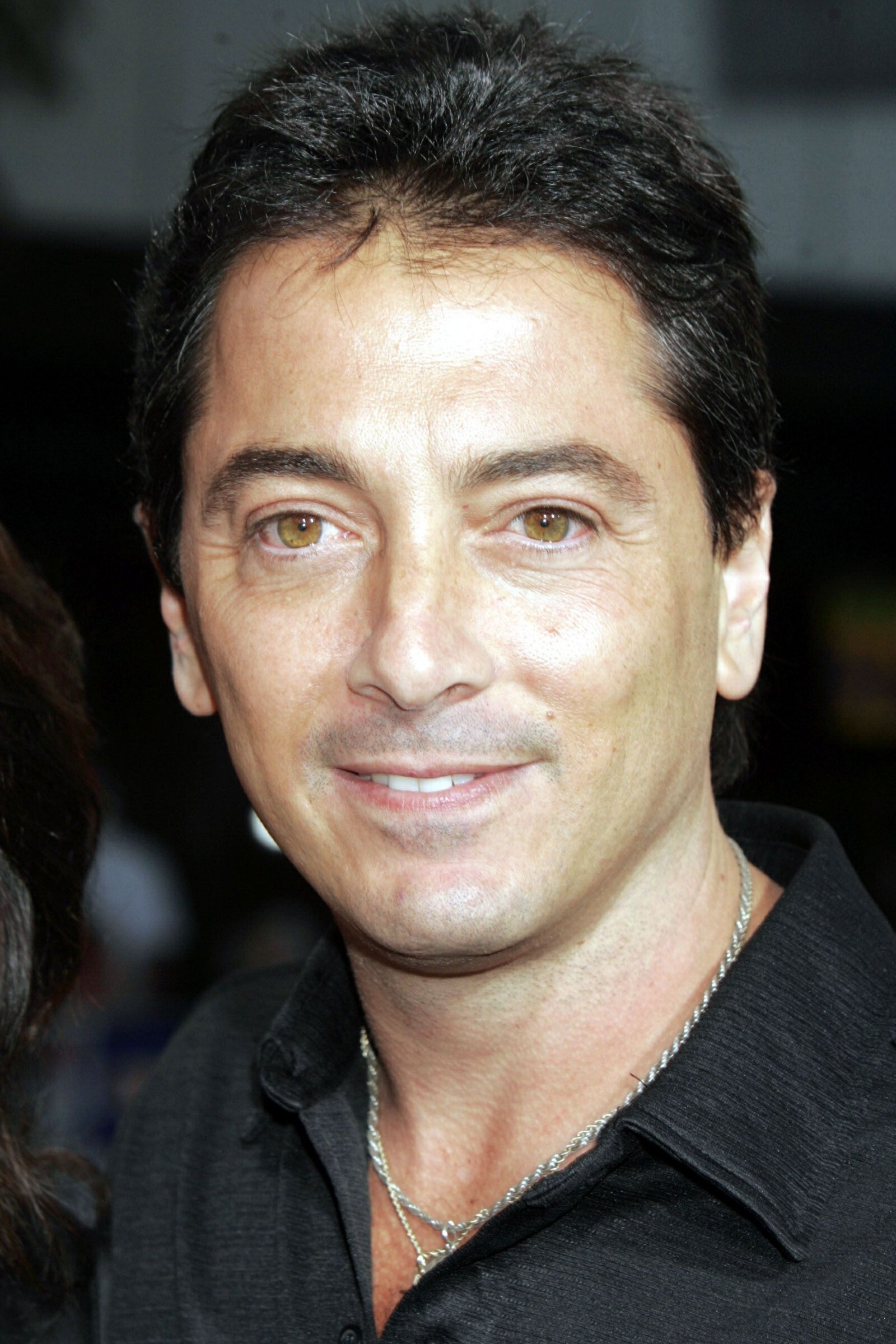
Famous for his roles in ‘Happy Days’ and ‘Charles in Charge’ this actor has been vocal about the professional cost of his political opinions. He asserted that his public support for specific candidates led to a lack of interest from traditional networks and studios. He noted that he was excluded from industry events and lost potential acting jobs as a result. He now focuses on producing his own content and appearing in smaller projects.
Robert Davi
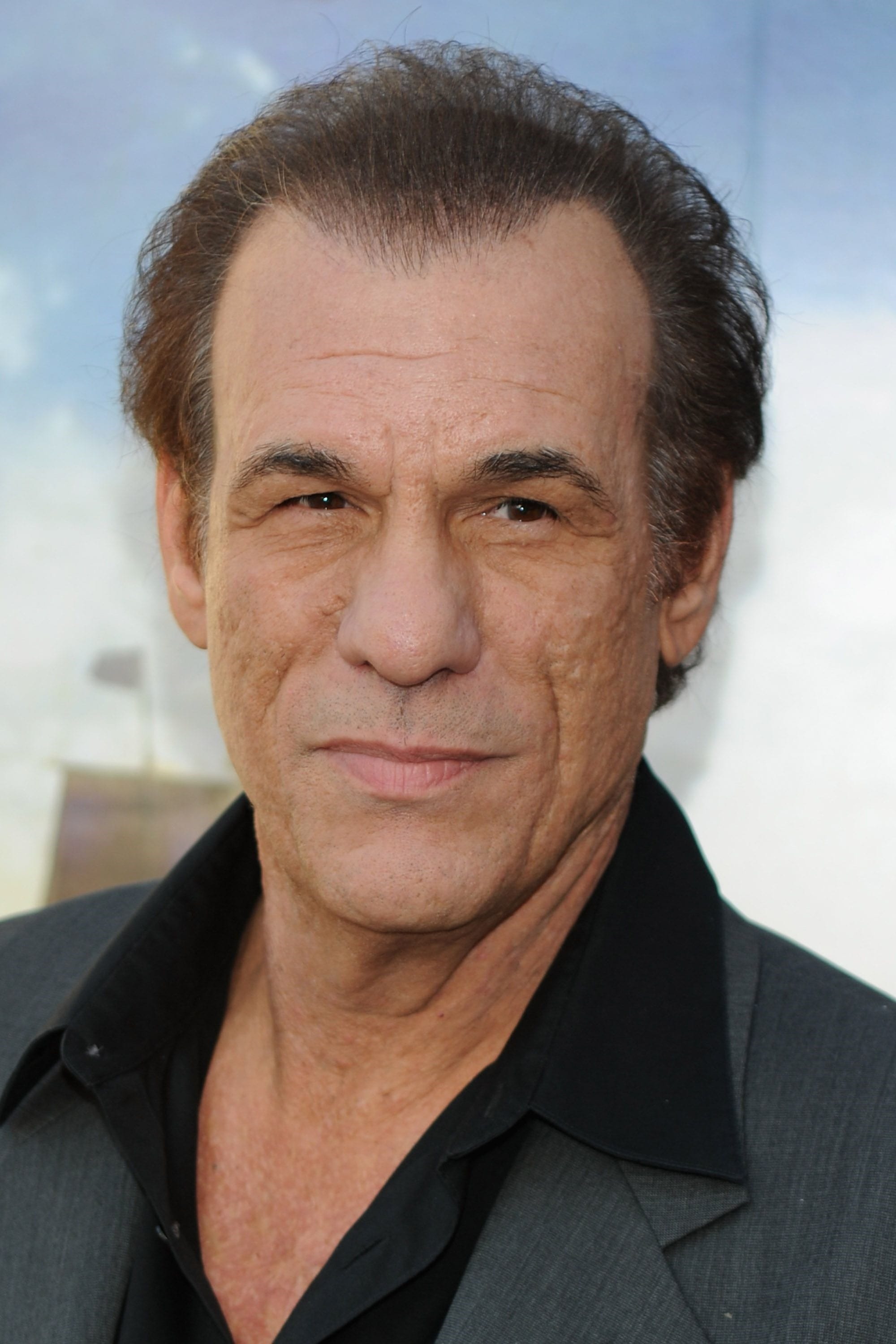
The actor known for his roles in ‘Goonies’ and ‘Die Hard’ has discussed the challenges of working in Hollywood while holding non-conforming political views. He suggested that being open about his beliefs resulted in fewer opportunities for high profile roles. Despite this he has maintained a steady career by diversifying his work into directing and singing. He continues to speak about the need for more diverse viewpoints within the entertainment business.
Isaiah Washington
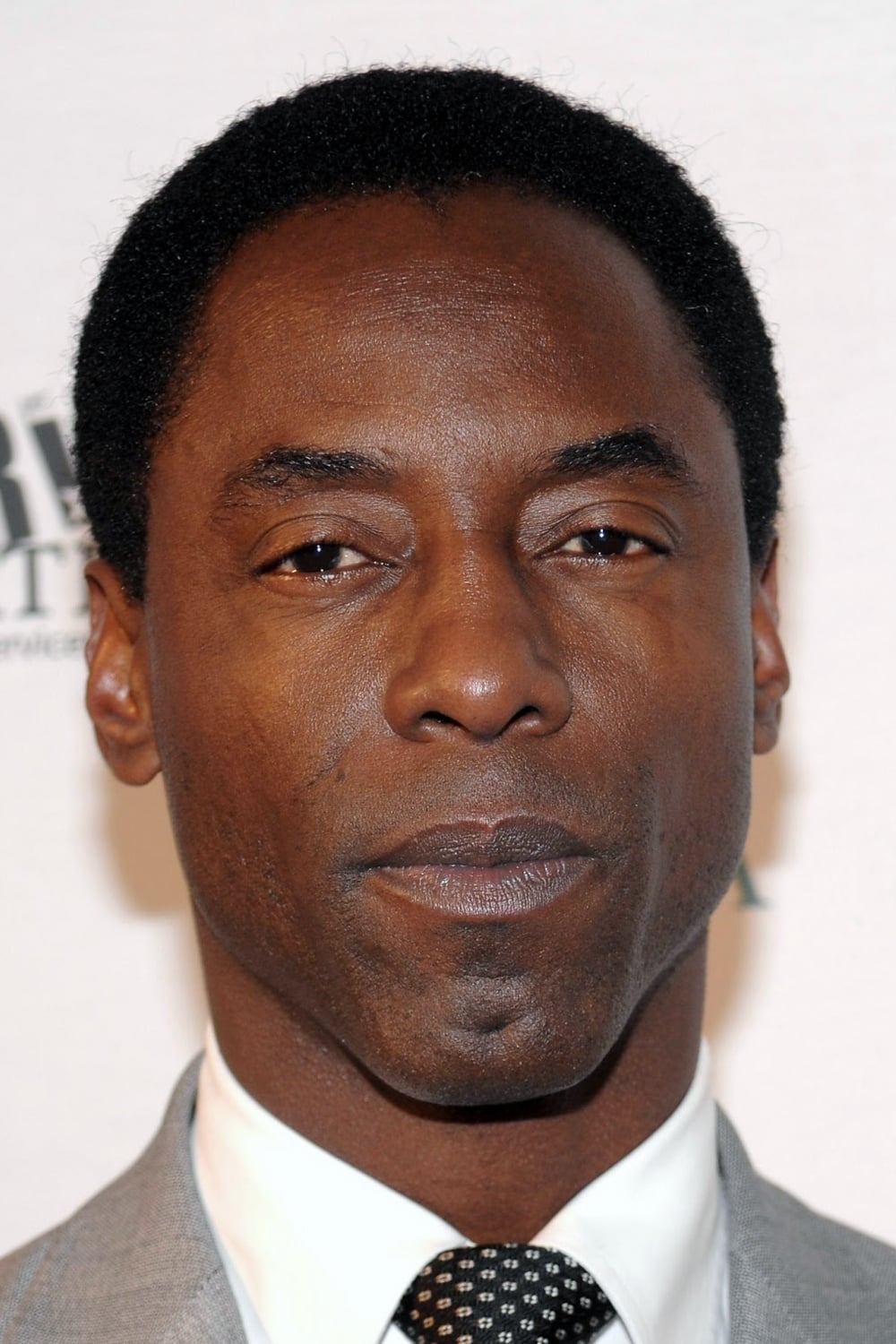
A prominent member of the original ‘Grey’s Anatomy’ cast this actor was fired following an on-set altercation involving a co-star. The incident and the subsequent public backlash led to a period where he was unable to find work in major television series. He expressed that he felt blacklisted and unfairly targeted by the industry for several years after the event. He eventually returned to television with a role in the series ‘The 100’.
Terrence Howard
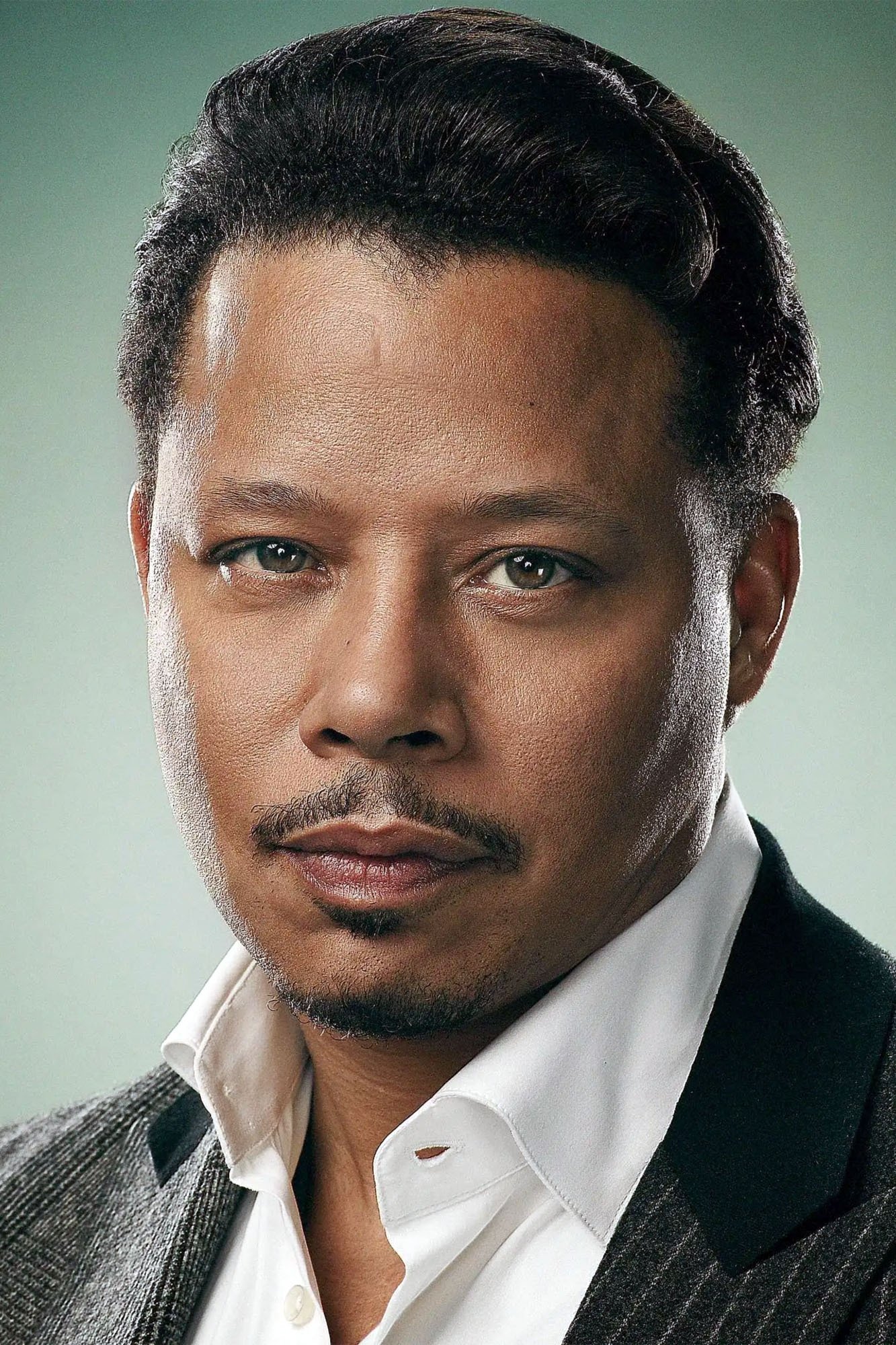
This actor was replaced in the ‘Iron Man’ franchise after a highly publicized salary dispute with the studio. He claimed that he was excluded from the project because he refused to take a pay cut that was used to fund other parts of the production. This incident briefly affected his standing as a leading man in major action films. He later regained significant success as the lead in the television series ‘Empire’.
Randy Quaid
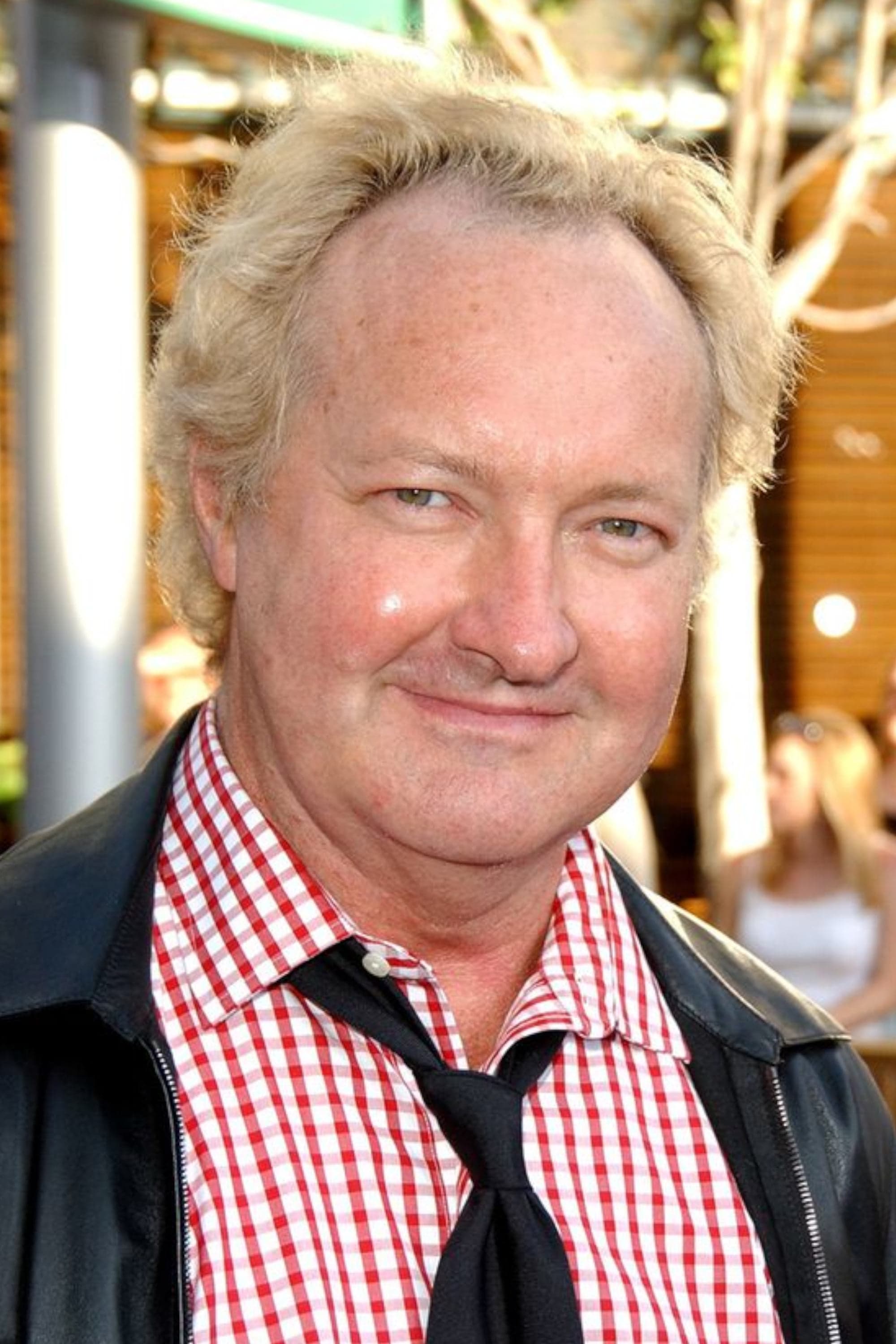
An Academy Award nominated actor known for ‘The Last Detail’ and ‘Independence Day’ he faced a bizarre series of legal issues and personal controversies. He claimed that a secret group was targeting him and his wife which led to them seeking asylum in Canada. These actions and his public accusations against industry figures resulted in him being effectively shut out of the acting world. He has not appeared in a major production for over a decade.
Charlie Sheen
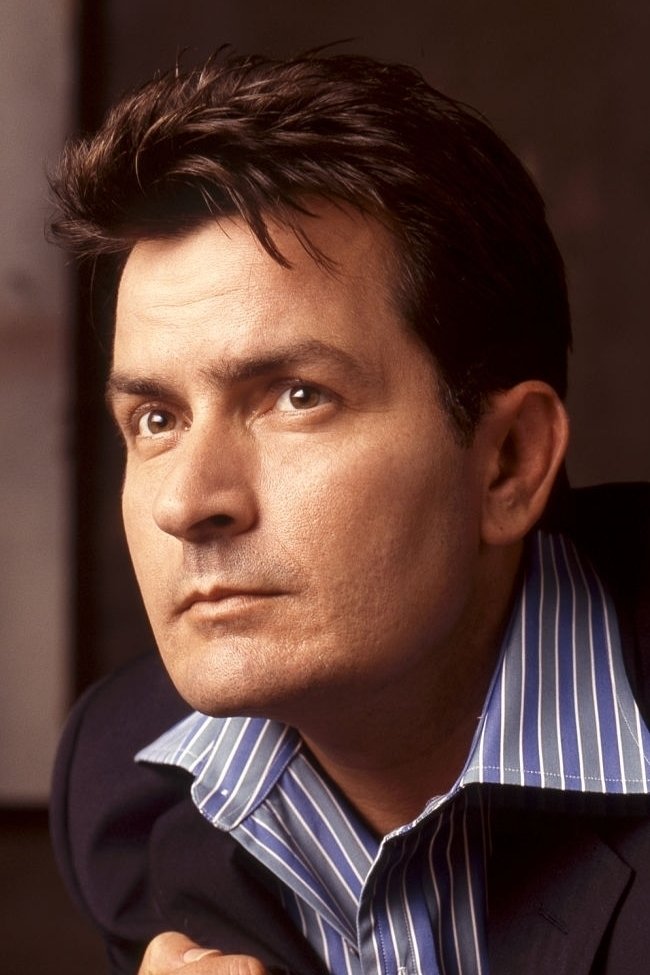
Once the highest paid actor on television for ‘Two and a Half Men’ he had a very public falling out with the show creator and the network. His erratic behavior and insults toward his employers led to his immediate firing and a lawsuit. The fallout made him a liability for major studios for several years despite his past success. He eventually returned to television in ‘Anger Management’ but has not reached his former level of influence.
John Cusack
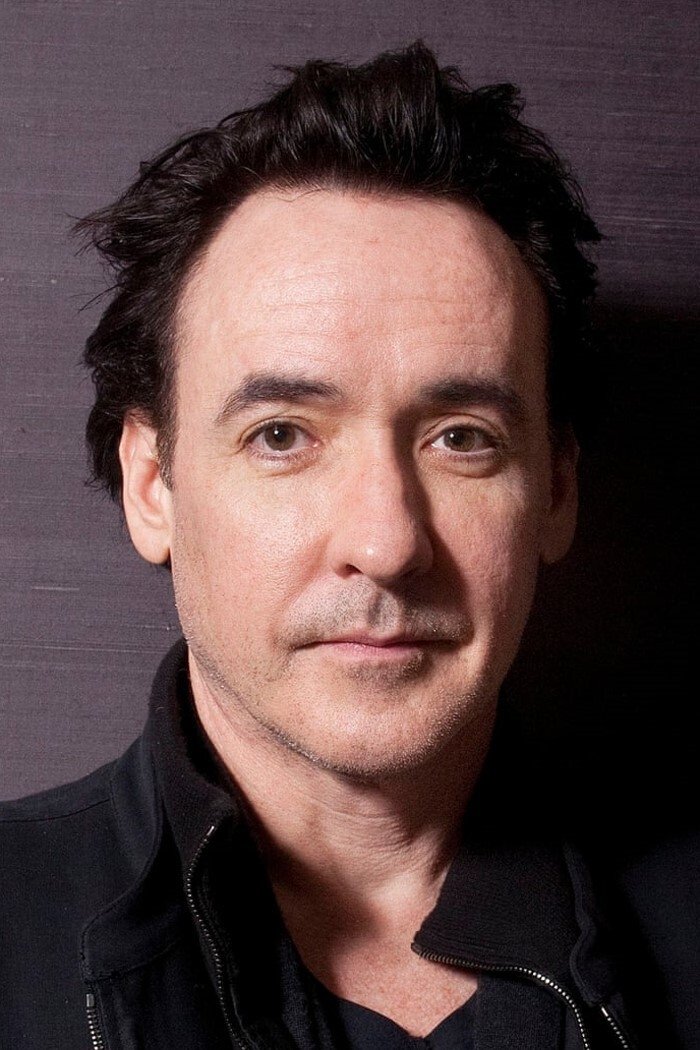
The star of ‘Say Anything’ and ‘High Fidelity’ has been a vocal critic of the way Hollywood and the global economy operate. He has suggested that his political activism and refusal to participate in the traditional star system led to him being sidelined. He frequently speaks out against the homogenization of the film industry and the loss of independent voices. He continues to work primarily in independent films and projects he produces himself.
Josh Hartnett
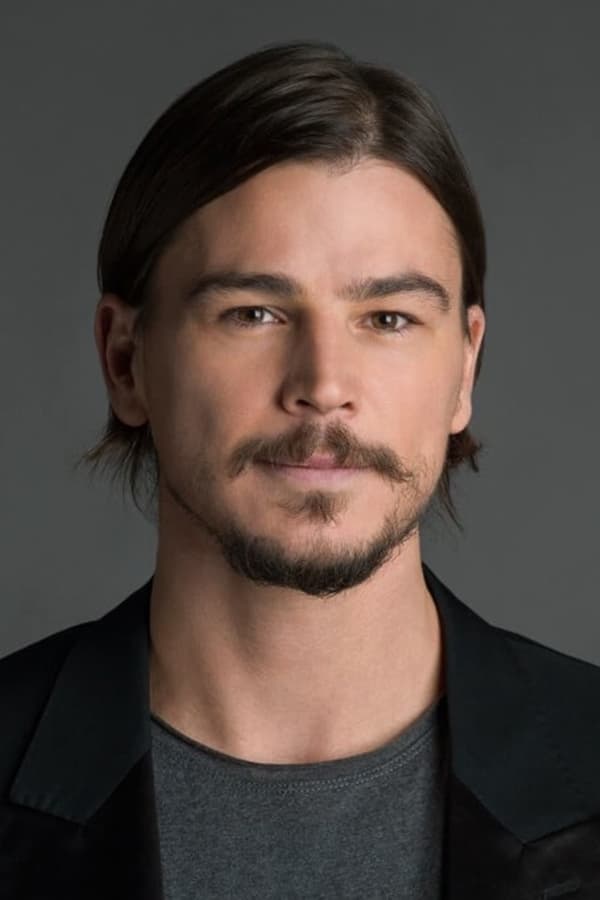
At the height of his fame this actor chose to walk away from massive blockbuster opportunities including potential roles as iconic superheroes. He felt overwhelmed by the level of scrutiny and the loss of privacy that came with being a top tier star. His refusal to play along with the demands of the studio system led to a perception that he was difficult or uninterested in work. He eventually returned to the industry on his own terms by focusing on television and indie films.
Crispin Glover
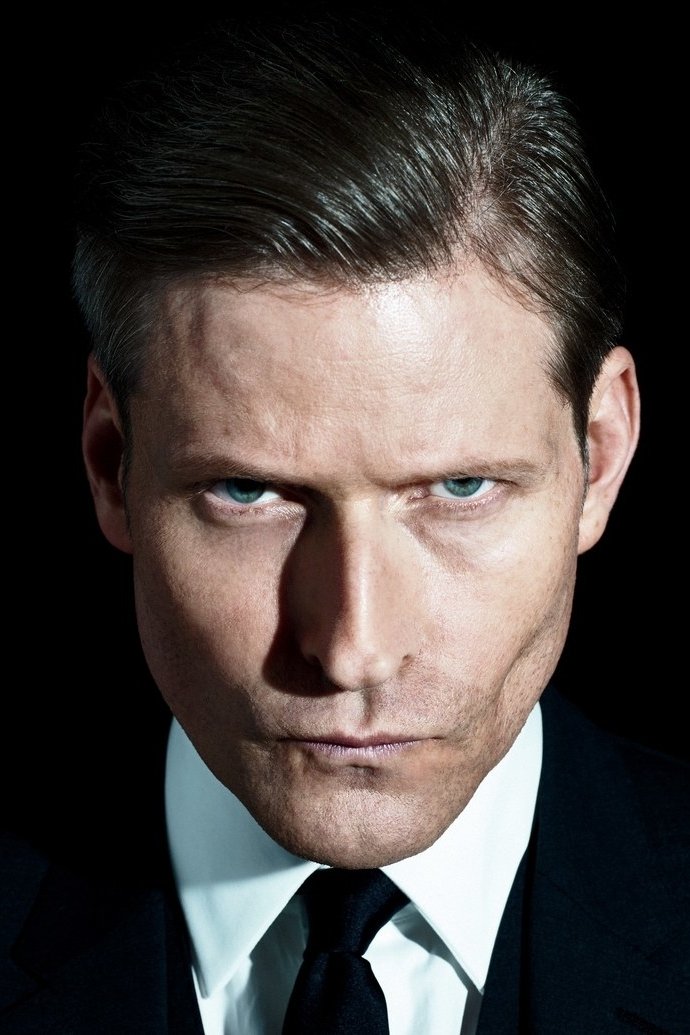
Known for his eccentric performances this actor had a major dispute with producers after refusing to return for the sequels to ‘Back to the Future’. He sued the production for using his likeness without permission which resulted in a landmark legal ruling for actors. His reputation for being unconventional and litigious made him an outsider in the mainstream studio system. He has since focused on creating his own experimental films and taking unique character roles.
Thomas Gibson
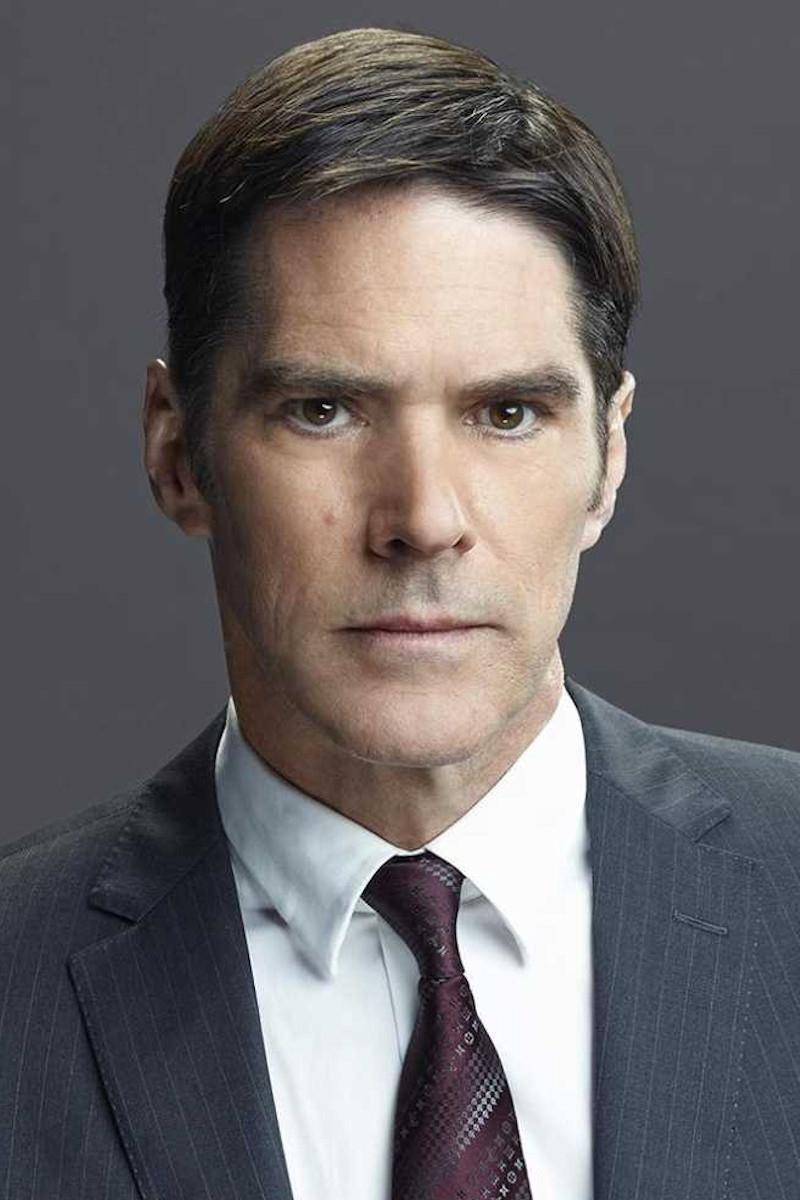
The long term star of ‘Criminal Minds’ was suddenly fired from the series after a physical altercation with a producer on set. This incident followed previous reports of anger management issues during his time on the show. The dismissal effectively ended his tenure as a television lead and made him a risky hire for other major networks. He has remained largely out of the spotlight since his departure from the series.
Brendan Fraser
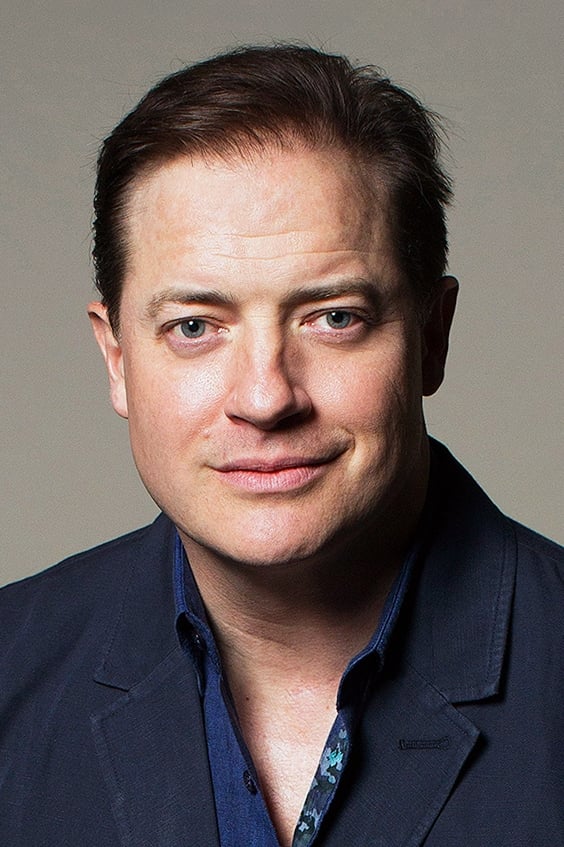
The lead actor of ‘The Mummy’ franchise experienced a significant career decline after reporting an alleged assault by a high-ranking industry official. He claimed the incident led to him being shut out of major studio productions and events for several years. This period of absence followed his time as one of the most prominent stars in high-budget action films. His recent return to the spotlight in ‘The Whale’ signaled a major comeback for the performer.
Corey Feldman
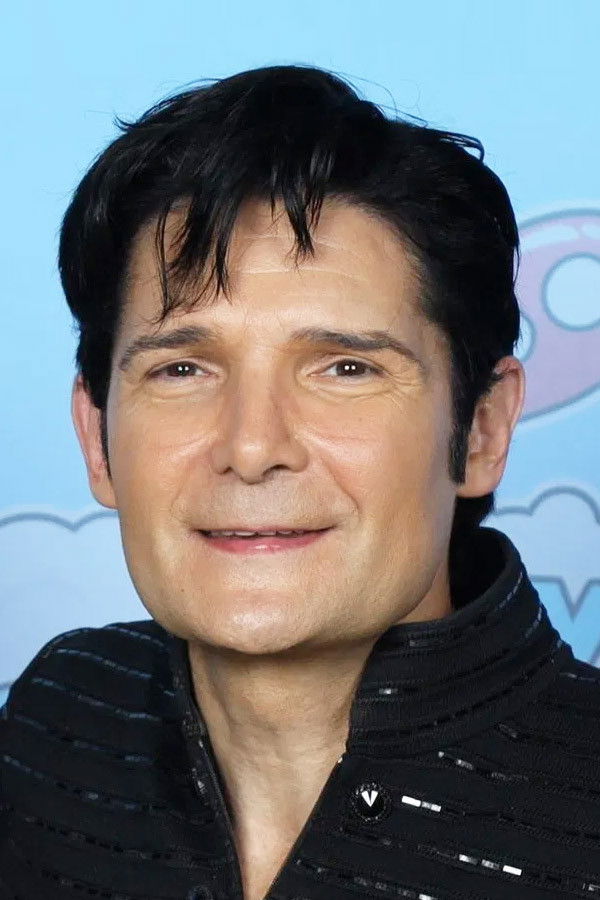
As a former child star of ‘The Goonies’ and ‘The Lost Boys’ he became an outspoken critic of the industry’s failure to protect young actors. He claimed that his efforts to expose predatory behavior in Hollywood led to him being blacklisted and mocked by the media. His career in mainstream film effectively ended as he transitioned into reality television and independent music. He continues to advocate for systemic change within the entertainment business.
Neal McDonough
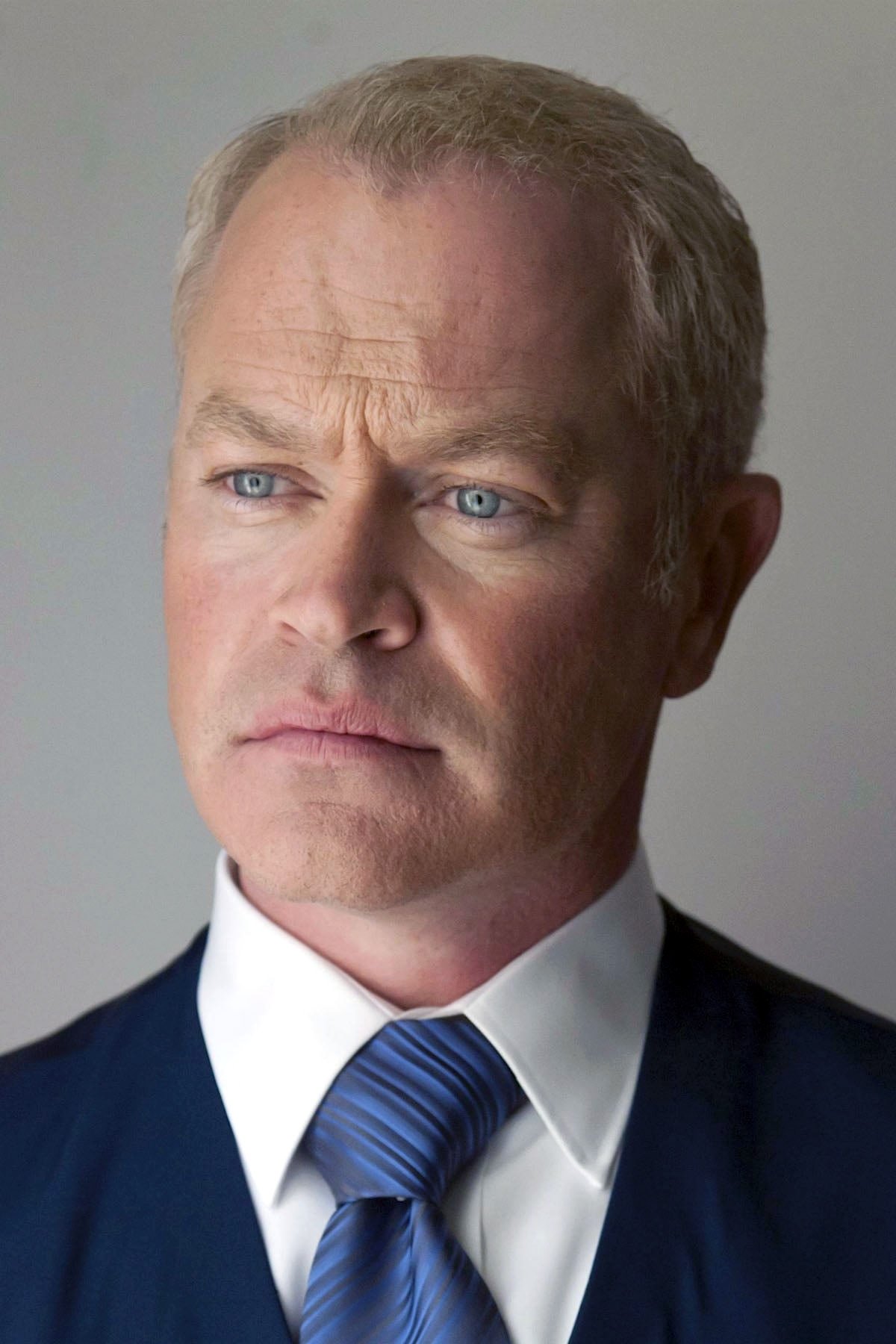
This character actor was fired from a television series after he refused to film scenes that conflicted with his personal moral beliefs. He stated that his refusal to perform certain acts led to him being blacklisted by major networks for several years. During this period he struggled to find consistent work and had to rely on smaller projects to support his family. He eventually made a comeback by playing villains in several major superhero franchises.
Marcus Chong
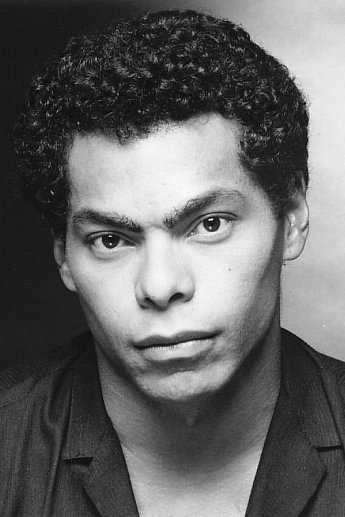
After playing a key role in ‘The Matrix’ this actor was excluded from the sequels following a dispute over salary and contract terms. He claimed that the studio and producers attempted to force him into an unfair deal and then blacklisted him when he resisted. His public protests and legal actions against the production further alienated him from industry power players. He has appeared in very few projects since his departure from the franchise.
Shia LaBeouf
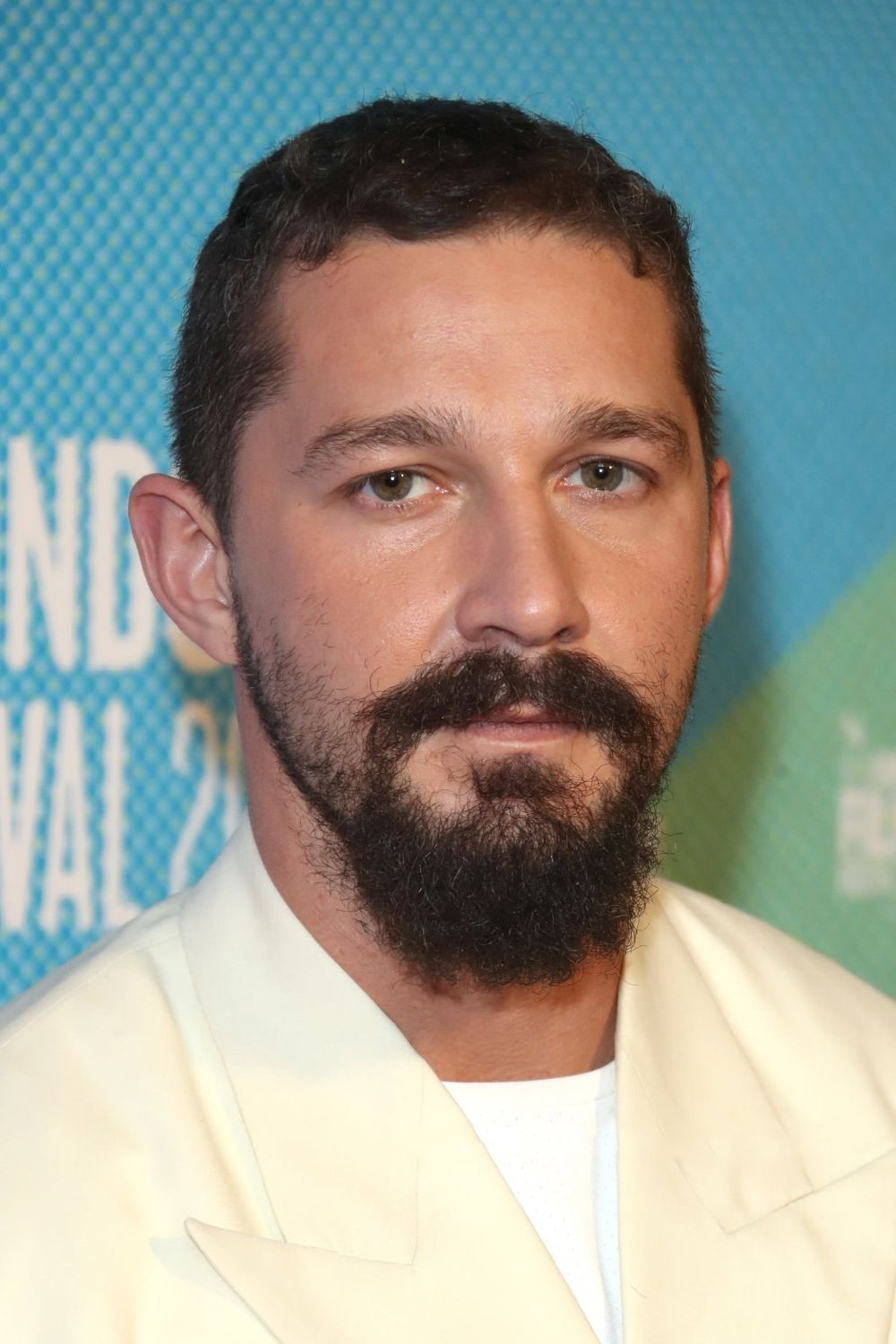
Once a major star in the ‘Transformers’ franchise this actor transitioned into a series of performance art projects and faced numerous personal controversies. His public behavior and legal troubles led to several studios distancing themselves from him for major roles. He has spoken about feeling like an outcast within the traditional Hollywood structure. Despite his talent he often works on smaller and more experimental films.
Armie Hammer
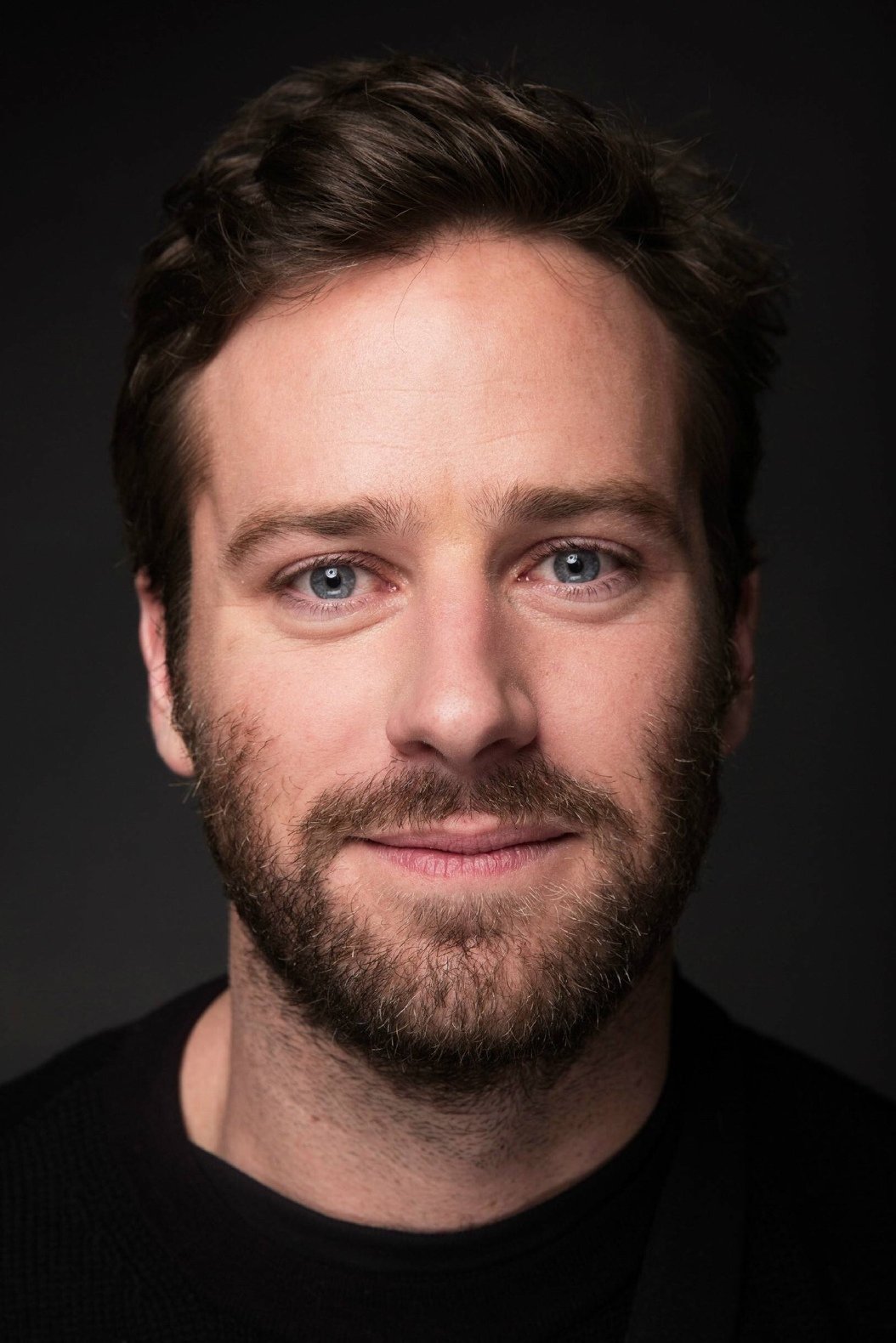
Following a series of serious allegations regarding his personal life and behavior this actor was dropped by his agency and removed from several high profile projects. The scandal resulted in a complete halt to his career as a leading man in major studio films. He has been effectively blacklisted from the industry while investigations and public scrutiny continue. He has largely disappeared from the public eye since the controversy began.
T.J. Miller
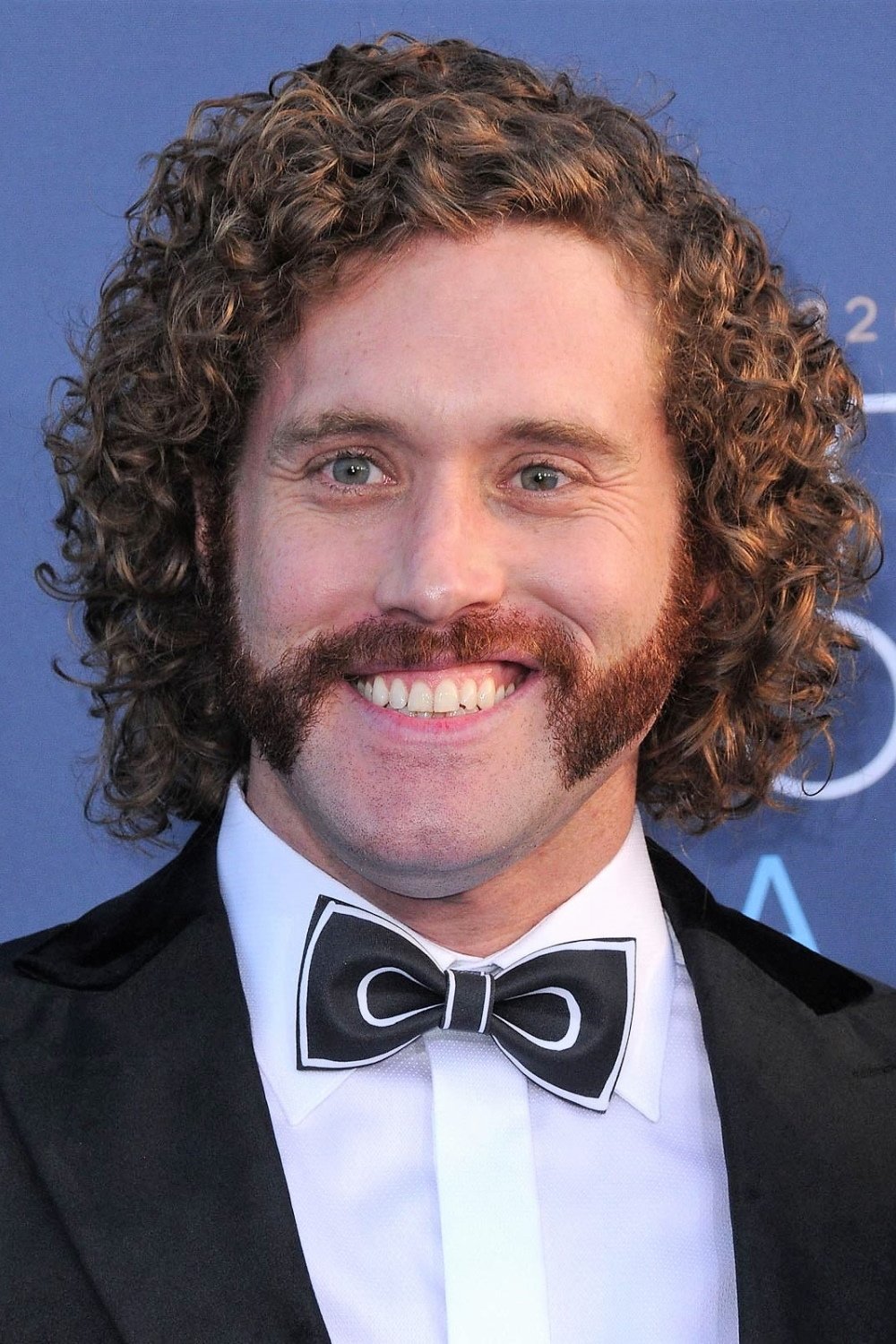
The comedian and actor was written out of the series ‘Silicon Valley’ and later faced multiple controversies that damaged his professional reputation. Reports of difficult behavior on set and legal issues led to a decline in opportunities for major roles. He was once a frequent presence in both television and film but has since moved toward stand up comedy. Major studios have largely avoided casting him in significant projects in recent years.
Steven Seagal
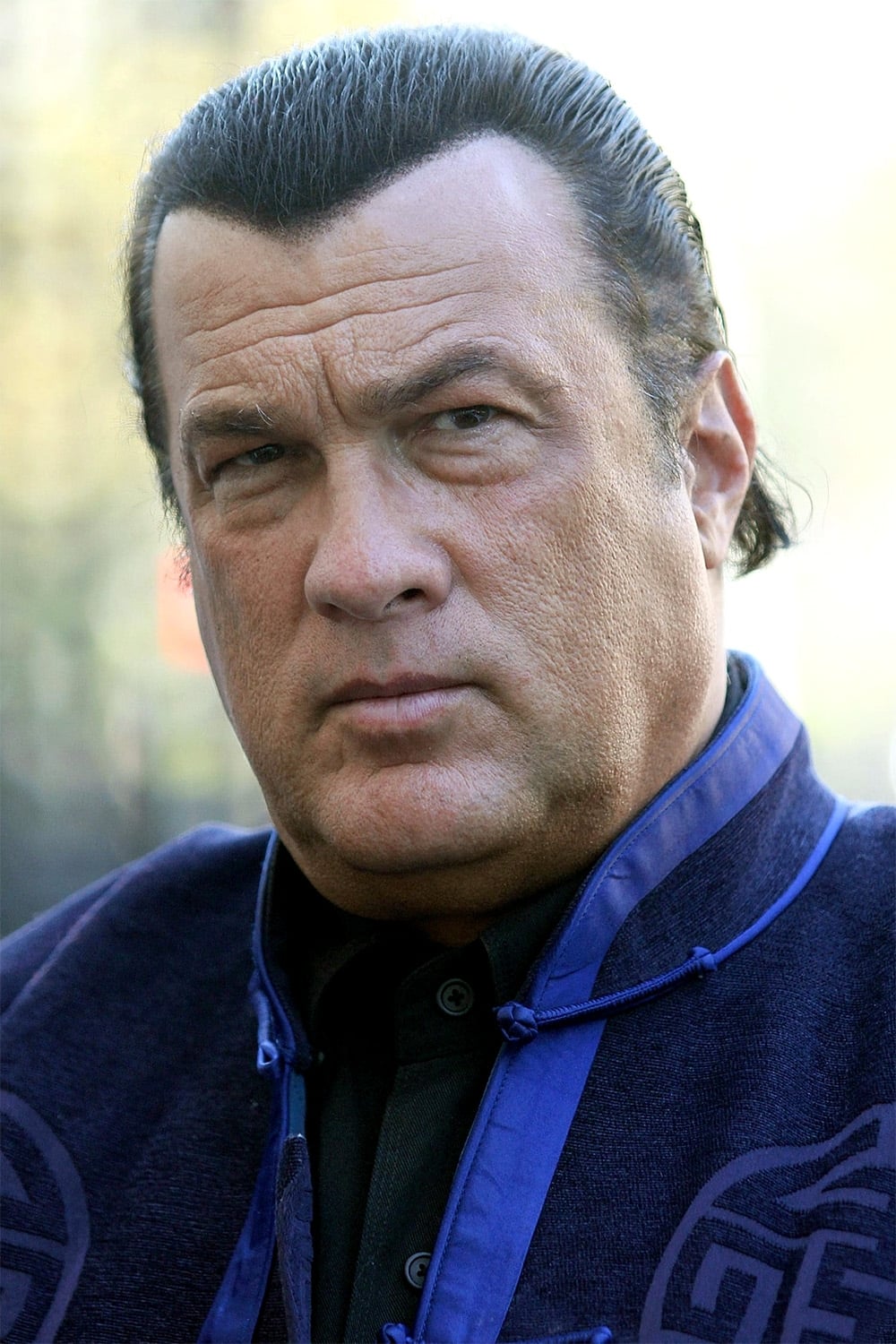
This former action star was once a major box office draw but saw his career shift almost entirely to direct to video releases. Allegations of unprofessional behavior on set and numerous legal disputes contributed to his decline in the mainstream industry. His personal and political choices in recent years have further distanced him from traditional Hollywood studios. He remains a prominent figure in niche markets but is no longer a part of major studio productions.
Danny Masterson
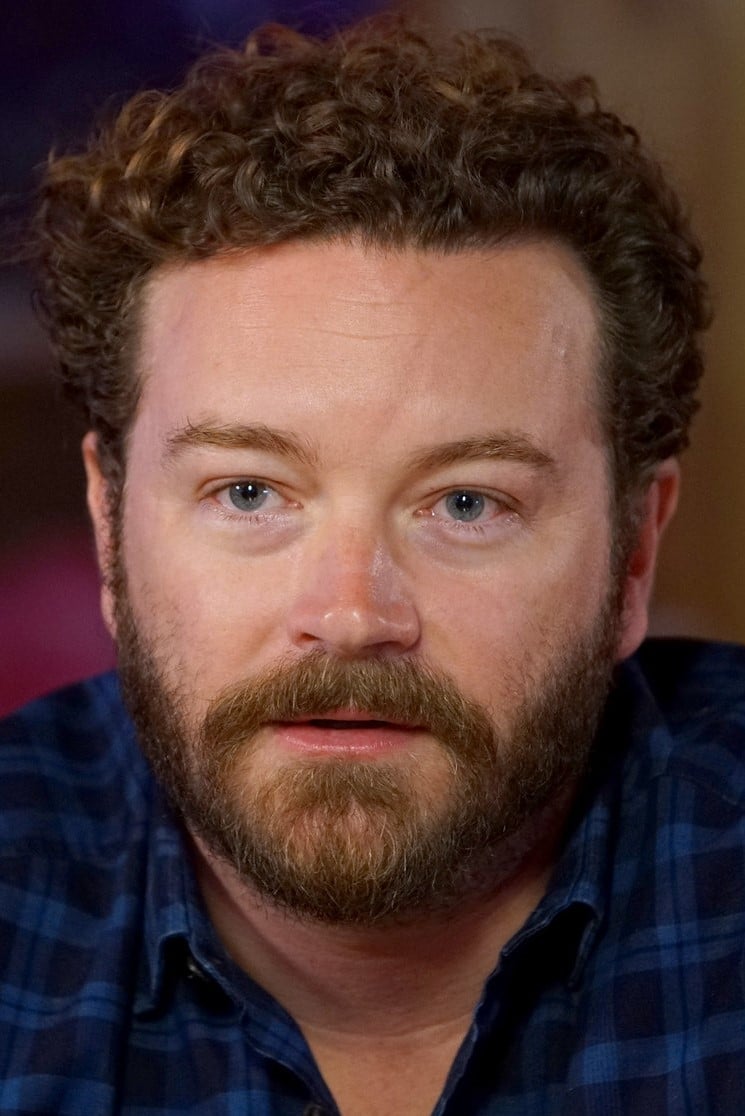
After being a central cast member on ‘That 70s Show’ this actor faced legal proceedings that led to his removal from the series ‘The Ranch’. The nature of the charges against him resulted in a complete severance of ties with major streaming platforms and studios. His career in the entertainment industry ended following his conviction. He is no longer considered for any professional acting roles.
Columbus Short
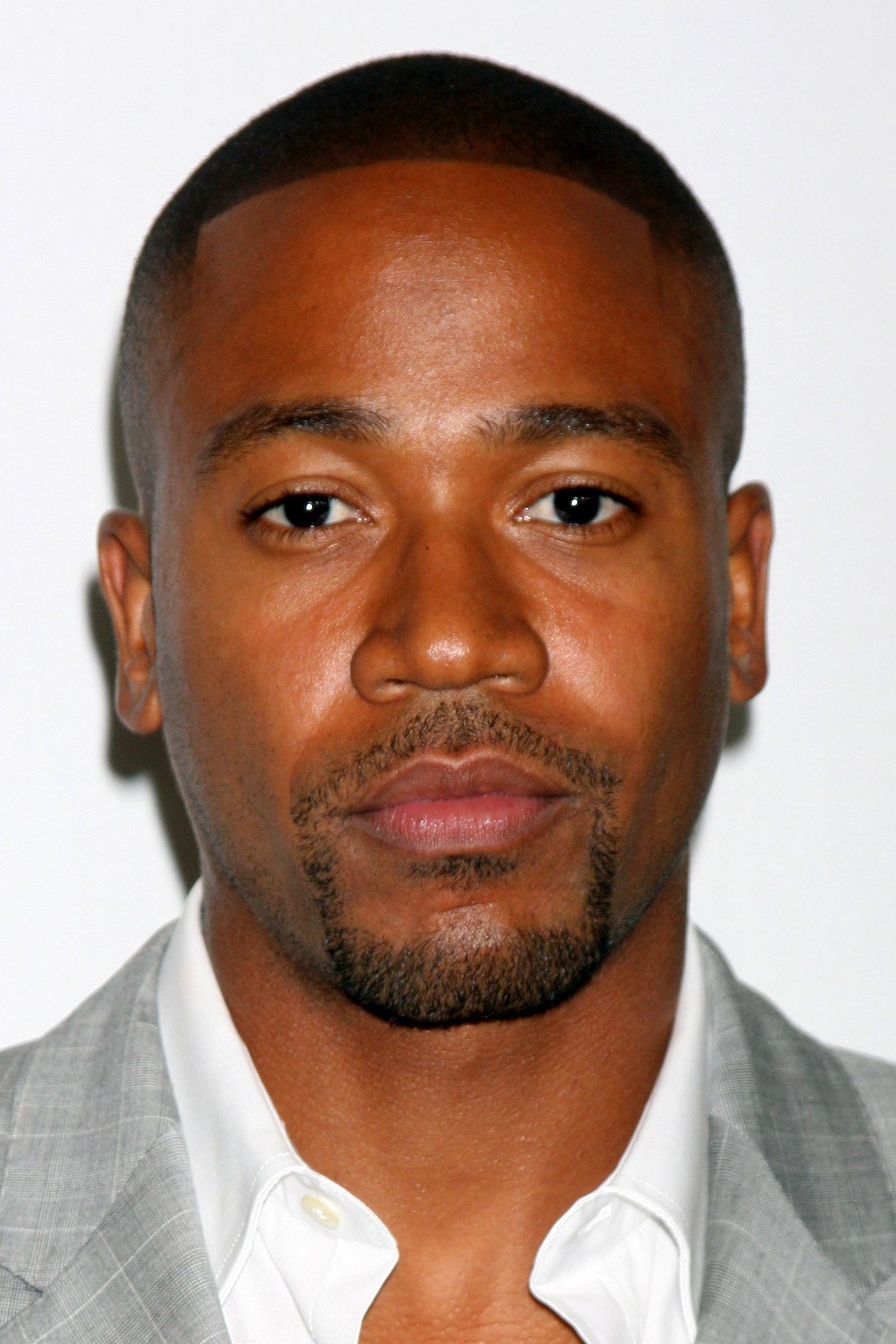
The actor was a rising star on the series ‘Scandal’ before personal legal issues and reports of domestic violence led to his firing. The fallout from these events made him a liability for major networks and film studios. He has spoken about the difficulty of regaining his standing in the industry after being removed from a hit show. He has since worked on smaller independent projects and reality television.
Cuba Gooding Jr.
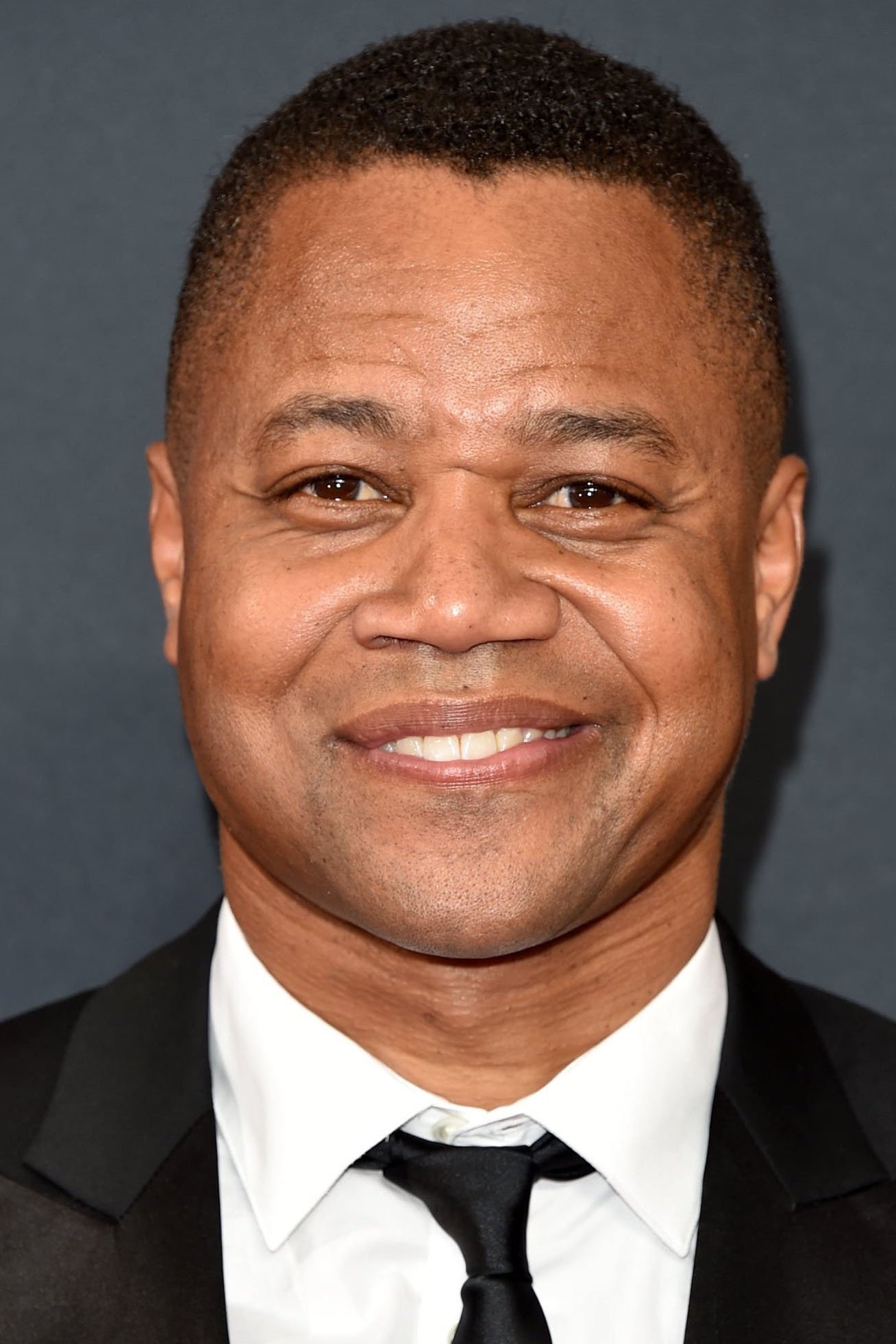
An Academy Award winner for ‘Jerry Maguire’ this actor faced a significant career setback following multiple legal allegations. The public nature of the controversies led to a decrease in high profile acting offers from major studios. He was once one of the most respected actors in the business but has spent recent years navigating personal legal challenges. He continues to appear in smaller films and theater productions.
Emile Hirsch
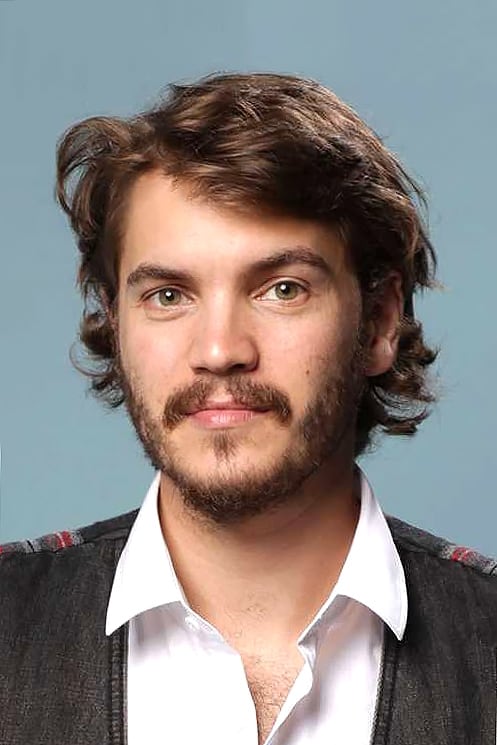
Following an incident at a film festival this actor faced legal consequences and a significant period of professional backlash. His actions resulted in a loss of major role opportunities and a damaged reputation within the industry. He took time away from the spotlight to address his issues before returning to work in smaller roles. While he continues to act he has not returned to the level of prominence he held earlier in his career.
Jonathan Majors
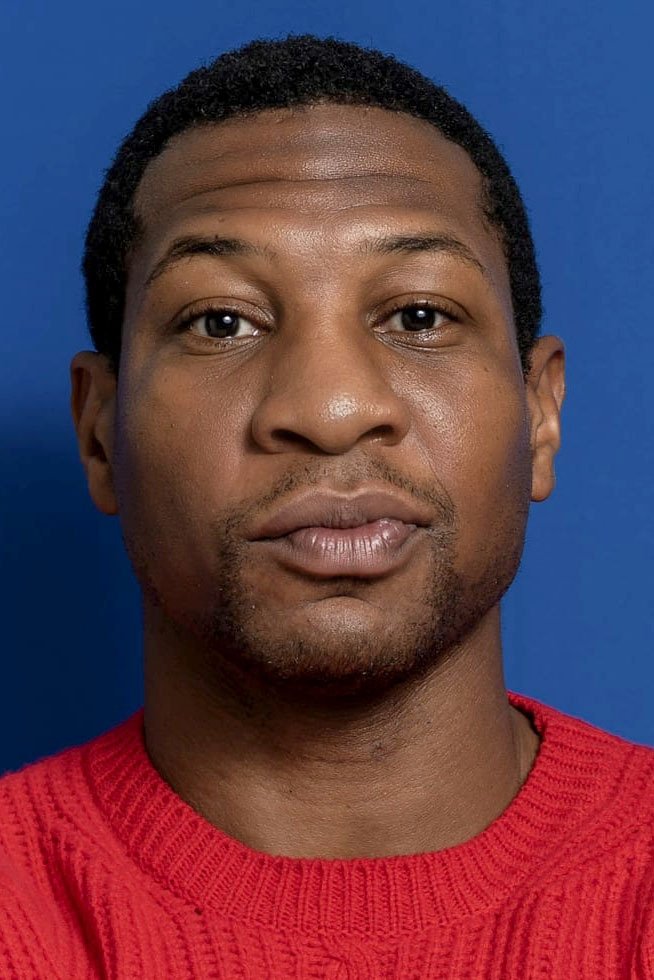
After a rapid ascent to stardom with roles in ‘Creed III’ and the Marvel Cinematic Universe this actor was dropped by his management and the studio following a legal conviction. The sudden end to his involvement in major franchises marked a significant fall for one of the industry’s most promising talents. He was set to be a central figure in future blockbusters but is now effectively blacklisted from mainstream projects. His future in the entertainment industry remains uncertain.
Nate Parker
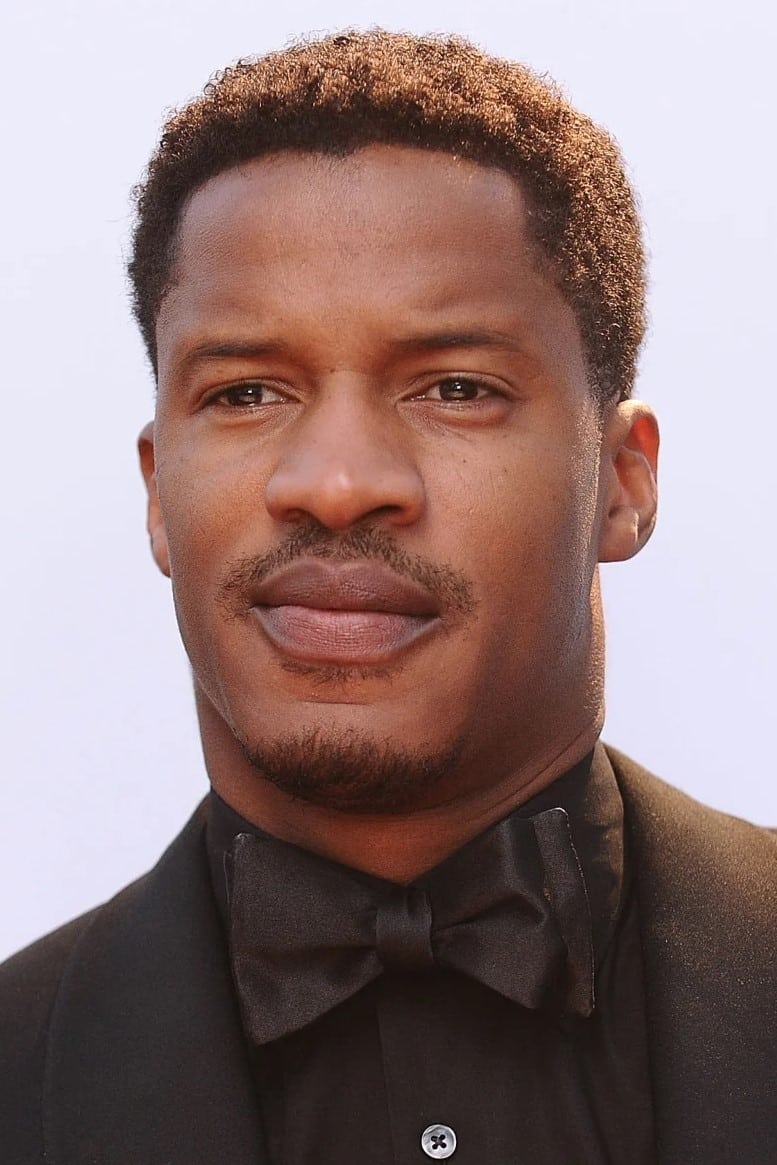
The director and star of ‘The Birth of a Nation’ saw his career momentum disappear after past legal issues resurfaced during the film’s promotion. Despite the movie receiving critical acclaim the controversy led to its commercial failure and his professional isolation. Major studios became hesitant to collaborate with him on future projects. He has since released a few smaller films but has not regained his initial standing.
Mel Gibson
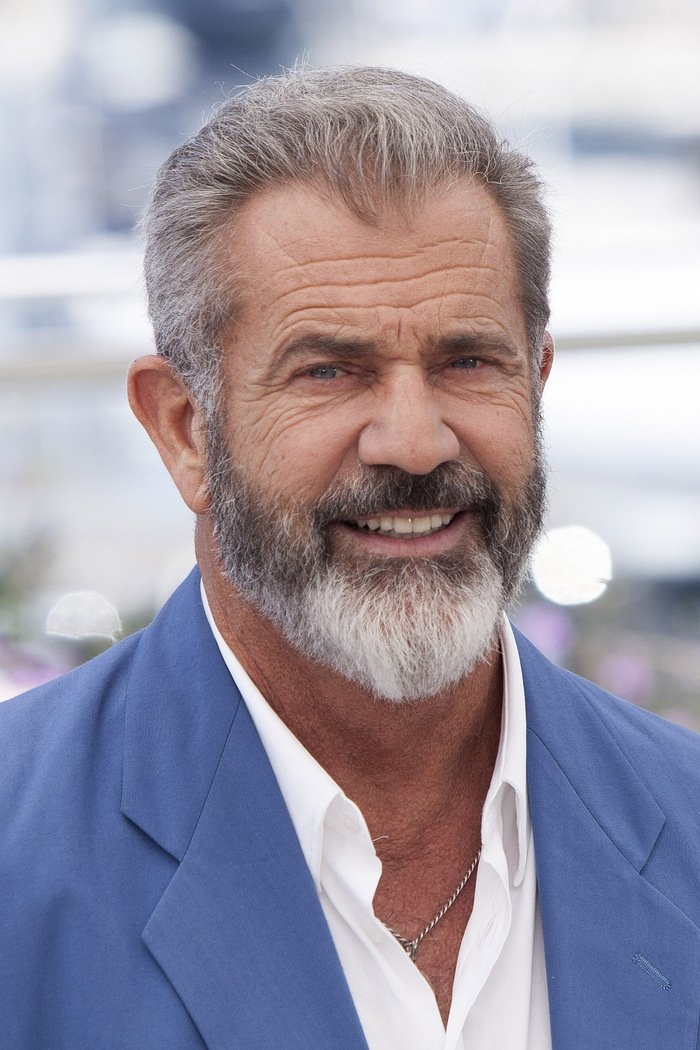
After several years as one of the most powerful people in Hollywood this actor and director faced a long period of exclusion following a series of public controversies and offensive remarks. For nearly a decade he was not cast in major studio films and struggled to find distribution for his projects. He eventually returned to directing with ‘Hacksaw Ridge’ which received several Academy Award nominations. He has slowly begun to appear in more mainstream films again.
Tim Robbins
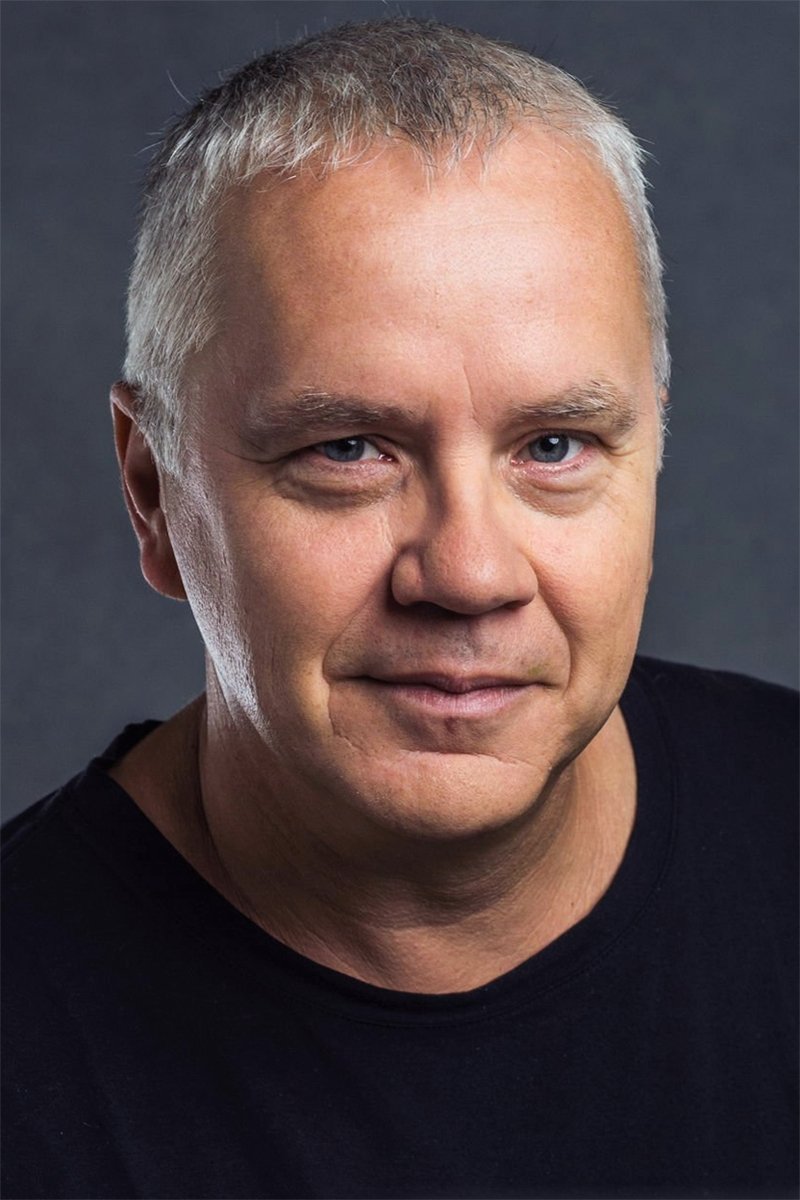
This Academy Award winning actor has claimed that his outspoken political activism led to him being blacklisted from certain industry events and roles. He has suggested that his views on global conflicts made him a target for professional exclusion during the early two thousands. Despite this he has continued to work in both film and television while maintaining his political convictions. He remains a respected figure in the industry though he often works on his own terms.
Please share your thoughts on these career shifts and the impact of the industry blacklist in the comments.