Anime Franchises That Sparked Intense Debates Over Gender Representation in 2026


The landscape of global animation continues to evolve as production cycles for major anime franchises extend into 2026, bringing long-standing debates regarding gender representation to the forefront of cultural discourse. These discussions often center on the subversion of traditional tropes, the agency of female protagonists in shonen-dominated spaces, and the portrayal of gender-nonconforming characters in both new adaptations and legacy reboots. Industry analysts and fan communities alike examine how these series reflect shifting societal norms and international market demands. As studios push for higher production values and more complex storytelling, the way gender is depicted becomes a significant metric for critical evaluation.
‘Witch Hat Atelier’ (2026)
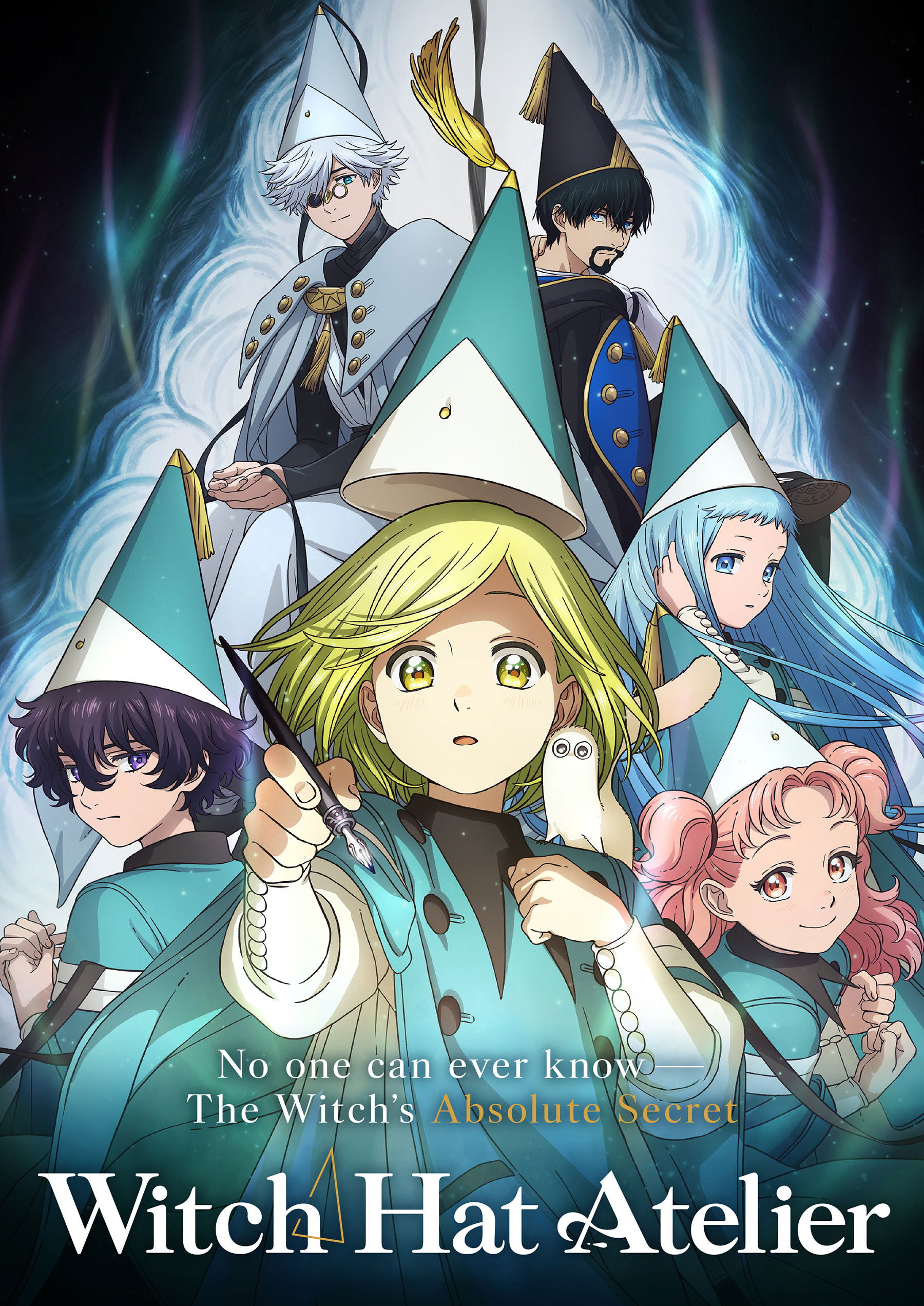
The adaptation of ‘Witch Hat Atelier’ has sparked discussions regarding the depiction of traditional feminine crafts as a source of high-fantasy power. Critics and fans have examined how the series subverts typical shonen hierarchies by centering a magic system based on intricate drawing and artistic precision. The narrative explores gendered expectations within academic settings and the accessibility of specialized knowledge to marginalized groups. This franchise continues to be a focal point for analyzing how “soft” magic systems challenge masculine-coded combat tropes in fantasy.
‘The Rose of Versailles’ (2025)
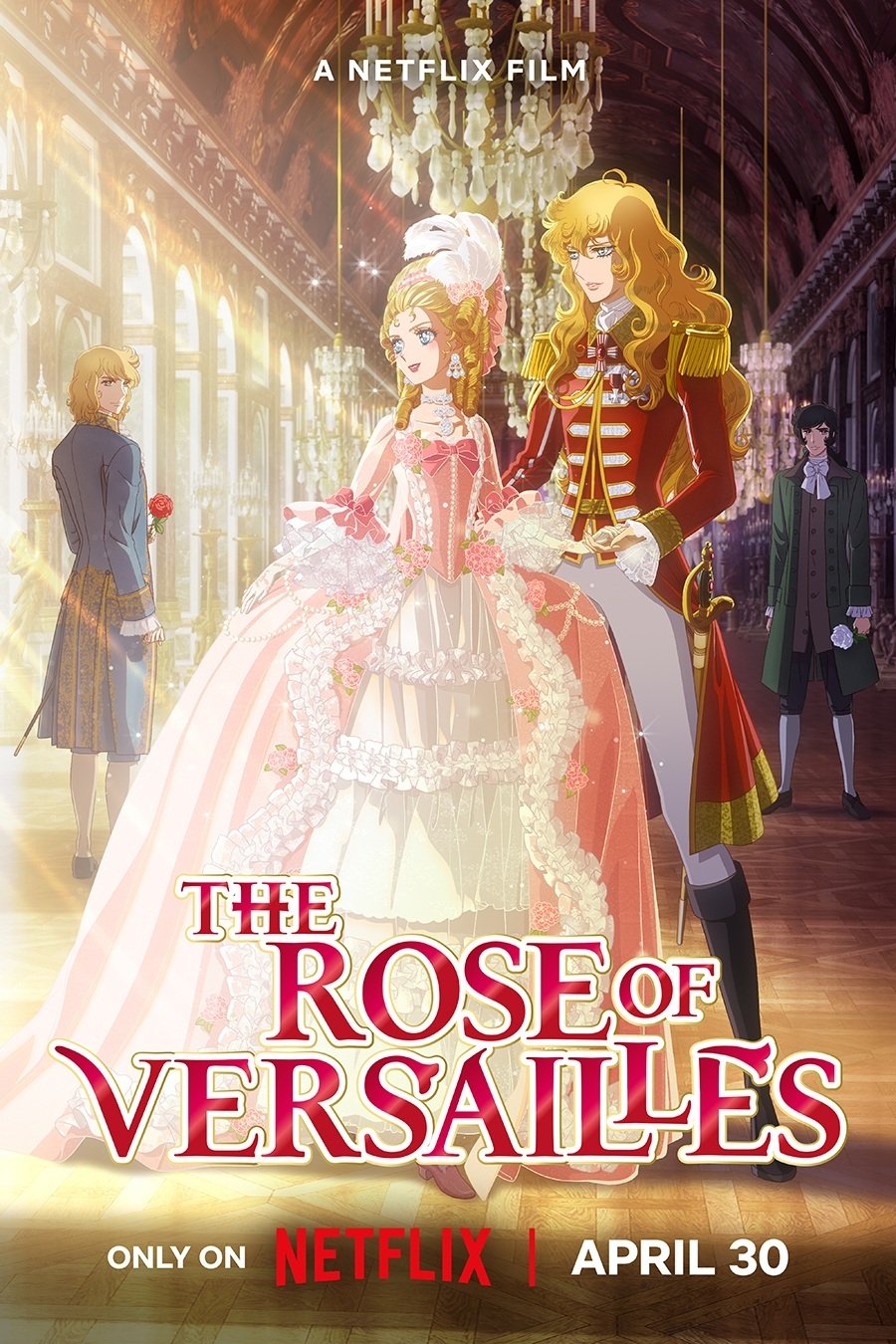
The 2025 feature film reboot of ‘The Rose of Versailles’ revitalizes one of the most significant gender-nonconforming characters in anime history, Oscar François de Jarjayes. The production highlights the intersection of political upheaval and gender performance during the French Revolution. Discourse surrounding the film focuses on the modern interpretation of Oscar’s identity and the legacy of the Takarazuka Revue influence on shoujo aesthetics. This project reintroduces complex themes of biological sex versus social roles to a new generation of viewers.
‘Ranma1/2’ (2024–2025)
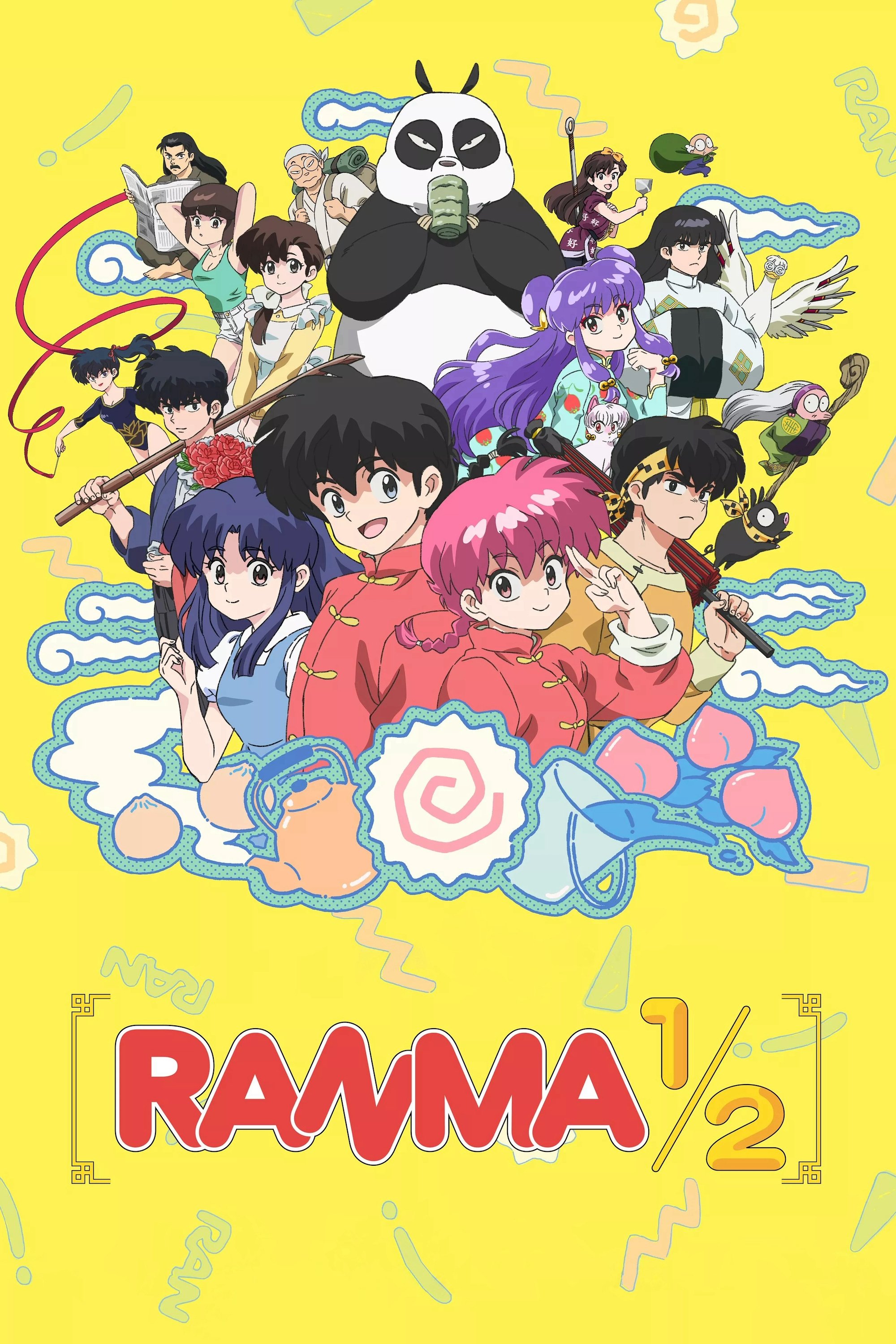
The recent remake of ‘Ranma 1/2’ has reignited long-standing conversations about how the series handles its protagonist’s involuntary gender-flipping. Modern audiences have debated whether the updated adaptation improves upon the 1980s original in its sensitivity toward gender identity. The show’s core conflict involves martial arts and romantic comedy, yet the discourse frequently shifts to the fluidity of the main character’s physical form. Analysts note that the franchise remains a unique cultural touchstone for exploring the boundaries of gender through a comedic lens.
‘Solo Leveling’ (2024–2026)
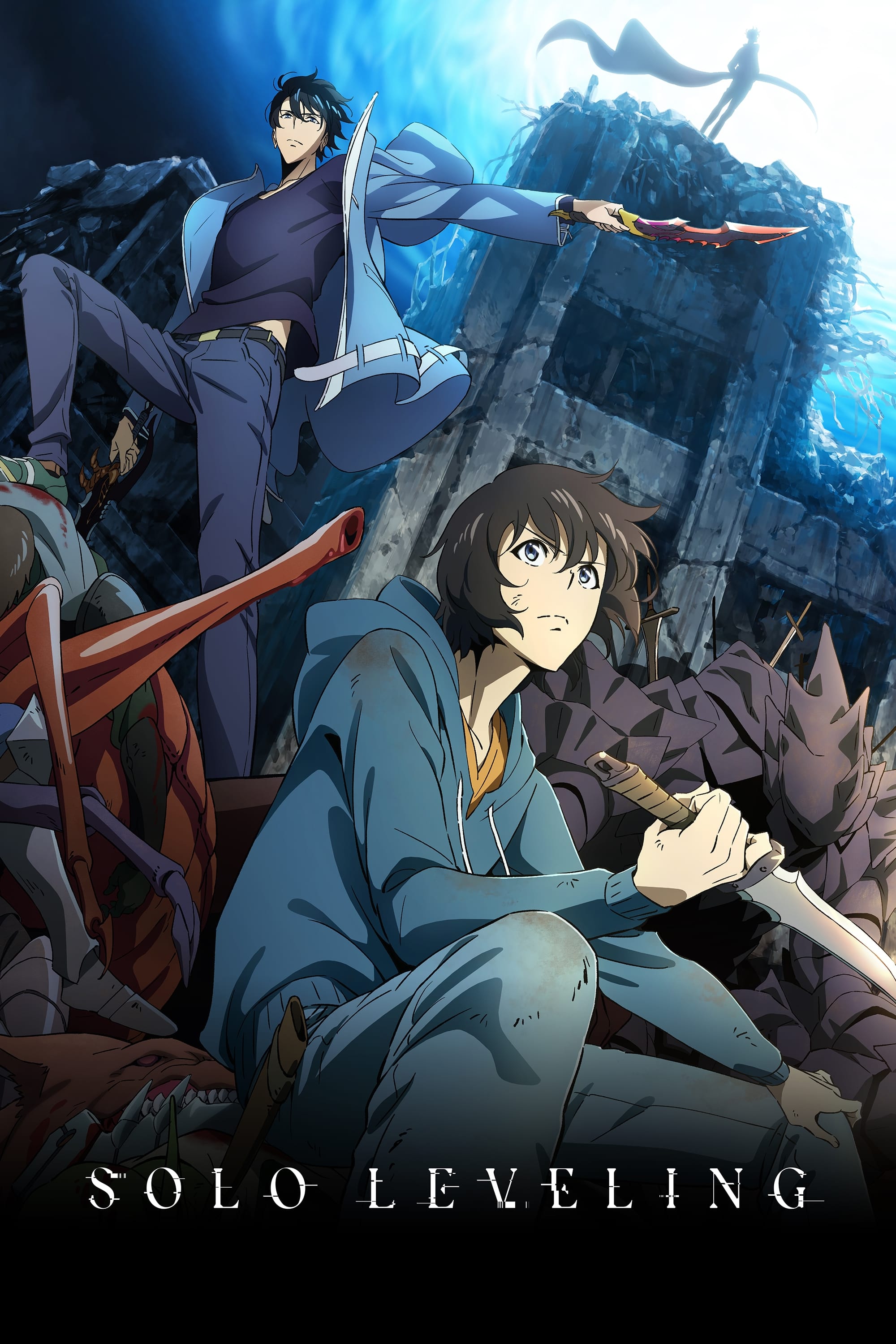
As ‘Solo Leveling’ continues its multi-season run, discussions have intensified regarding the role of female Hunters in a narrative primarily focused on male power scaling. Critics point to the disparity between the protagonist’s growth and the development of prominent female characters like Cha Hae-In. The debate often centers on whether the series utilizes its female cast as more than just narrative support or romantic interests. This franchise serves as a prominent example of the “lone hero” trope and its impact on gender balance within the action genre.
‘The Apothecary Diaries’ (2023–2025)
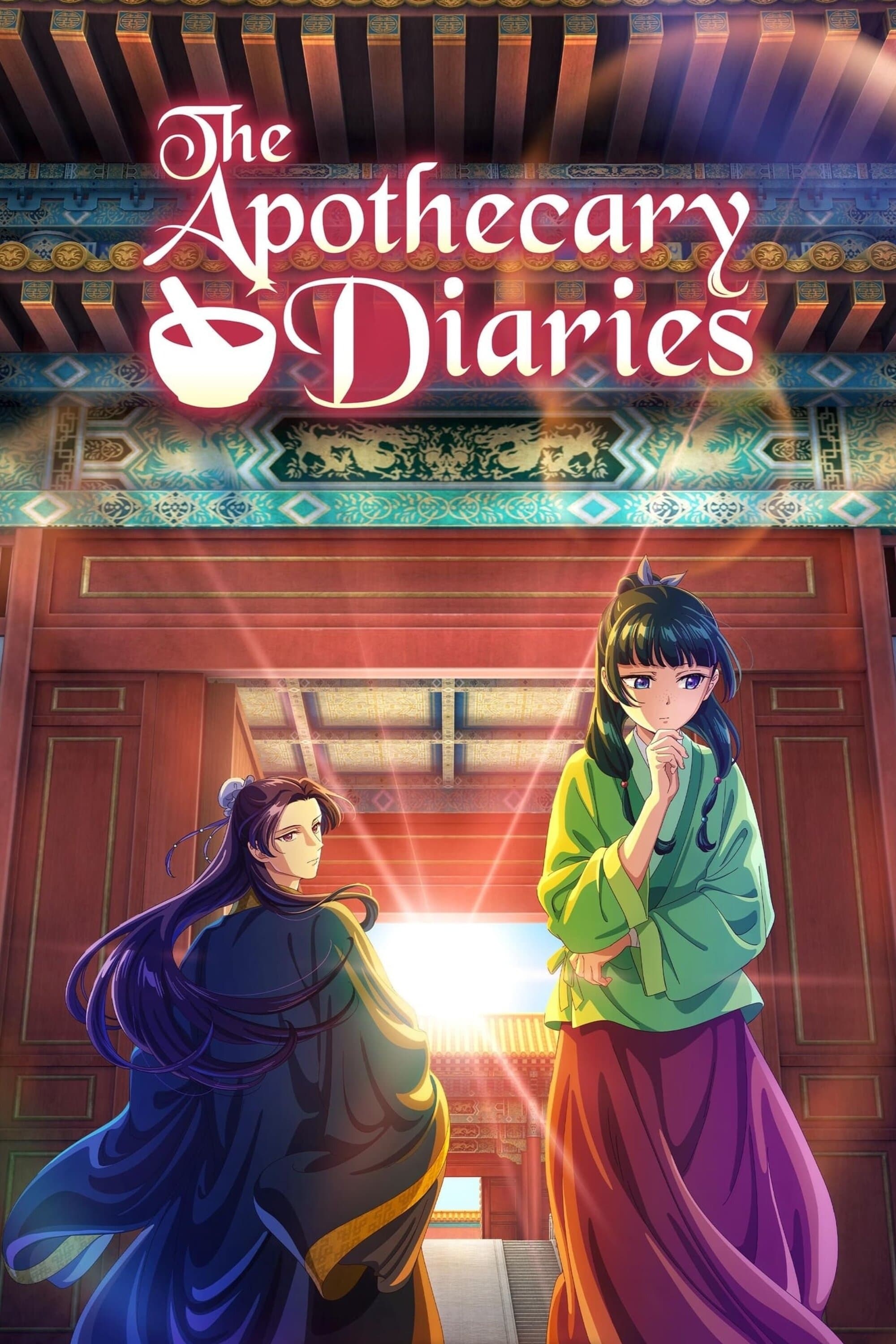
With the release of its second season, ‘The Apothecary Diaries’ has been praised for its nuanced portrayal of a female protagonist navigating a male-dominated imperial court. Maomao’s agency and scientific intellect are frequently cited as a refreshing departure from typical harem or court drama tropes. The series sparks debate about the historical limitations placed on women and the subversive ways they wield power through knowledge. It remains a key franchise for those analyzing the intersection of gender, class, and professional expertise in period settings.
‘【OSHI NO KO】’ (2023–2026)
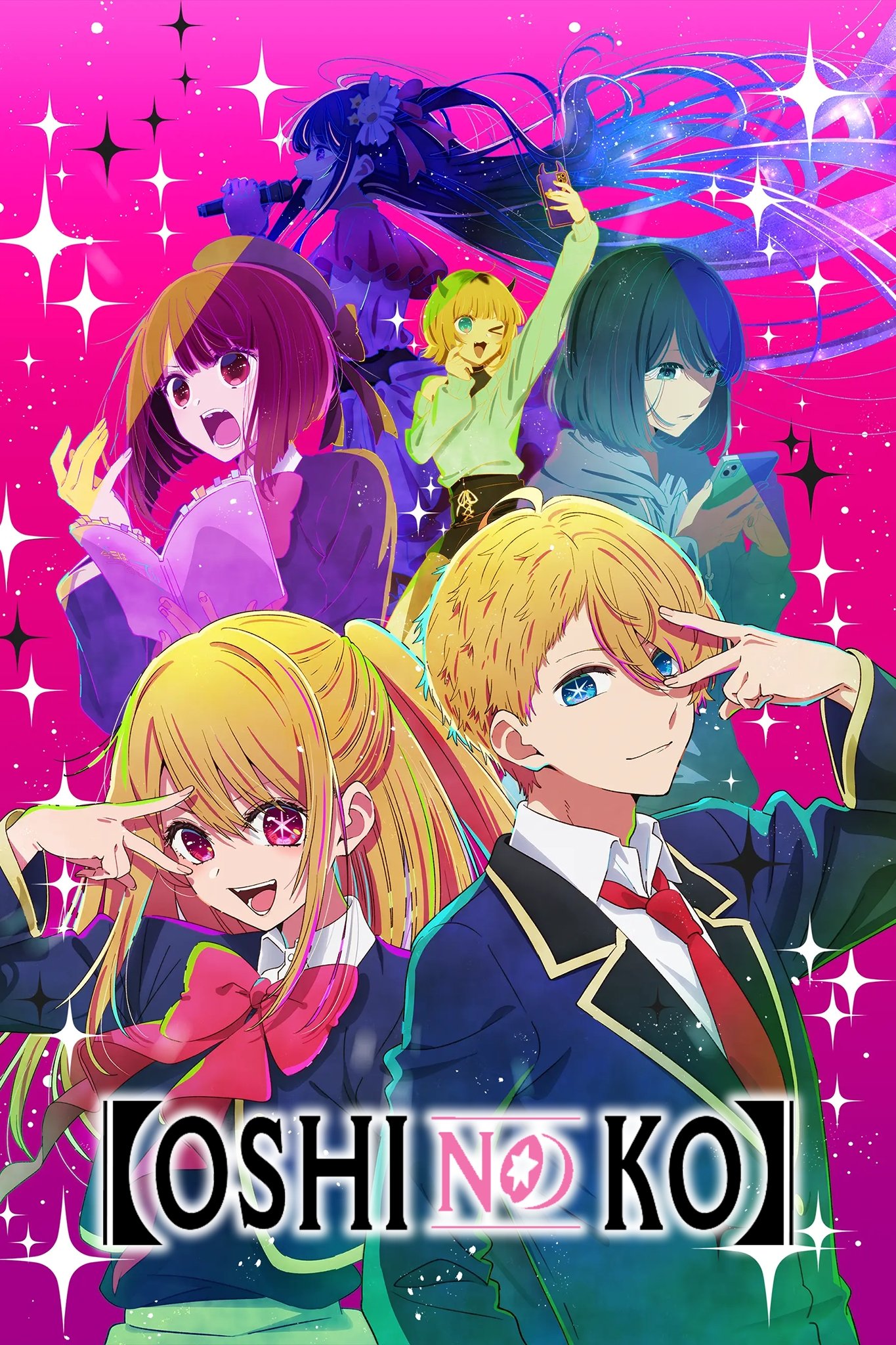
‘Oshi no Ko’ has generated significant discourse regarding the exploitation of young women within the Japanese idol and entertainment industries. The franchise examines the performative nature of gender and the pressures of maintaining a public persona that adheres to strict societal ideals. Fans and critics debate the series’ portrayal of the “female idol” as both a victim of the system and a calculated player within it. The narrative’s dark approach to fame continues to trigger conversations about the safety and autonomy of female performers.
‘Dan Da Dan’ (2024–2025)
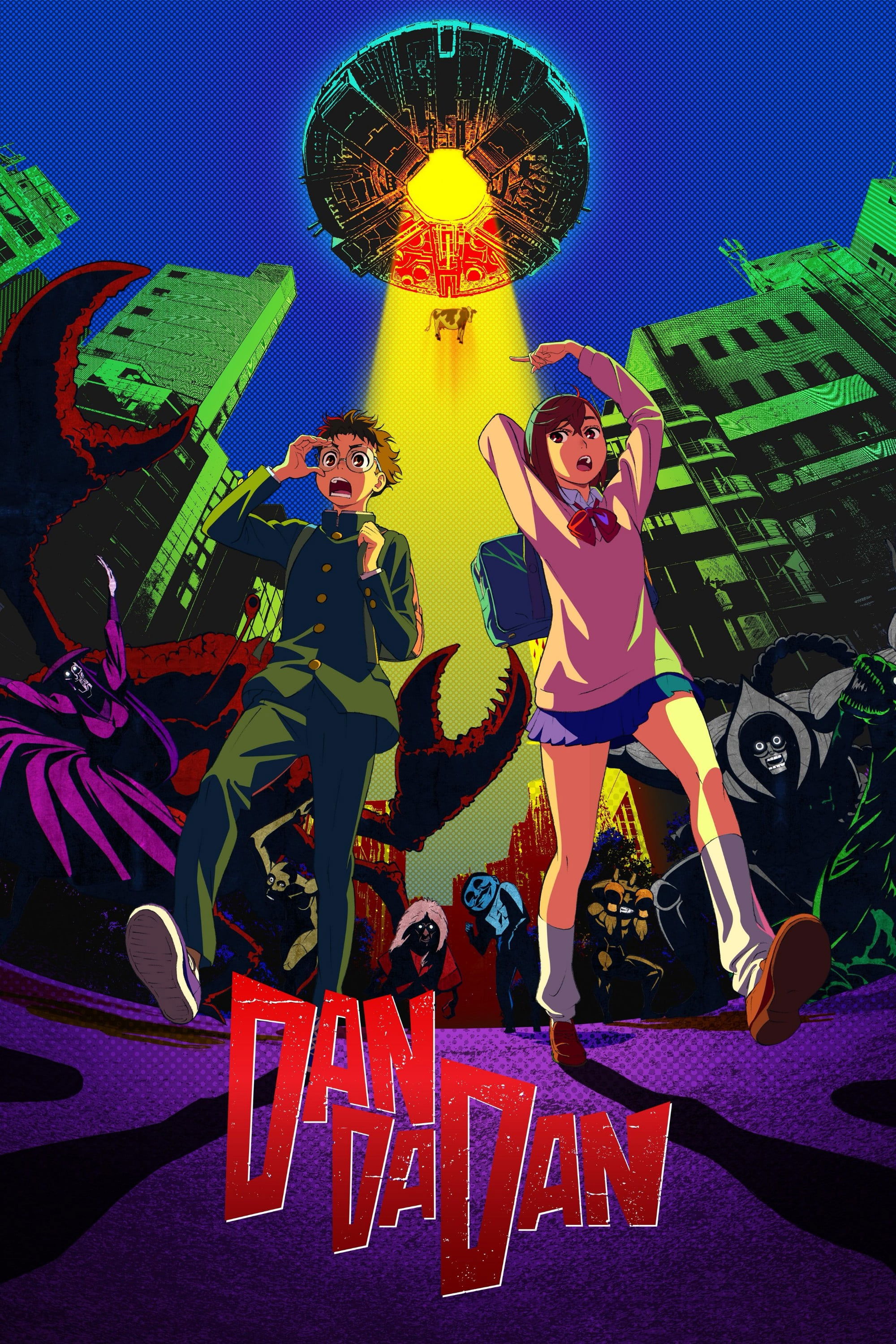
The adaptation of ‘Dandadan’ has drawn attention for its balanced dynamic between its dual protagonists, Momo Ayase and Ken Takakura. The series is often discussed for how it integrates high-octane action with a genuine partnership where neither gender is relegated to a secondary role. Debate frequently focuses on the subversion of supernatural tropes and the way the series handles adolescent romance without sacrificing character agency. It is noted for its ability to blend traditionally “masculine” battle sequences with “feminine” emotional beats.
‘Frieren: Beyond Journey’s End’ (2023–2025)
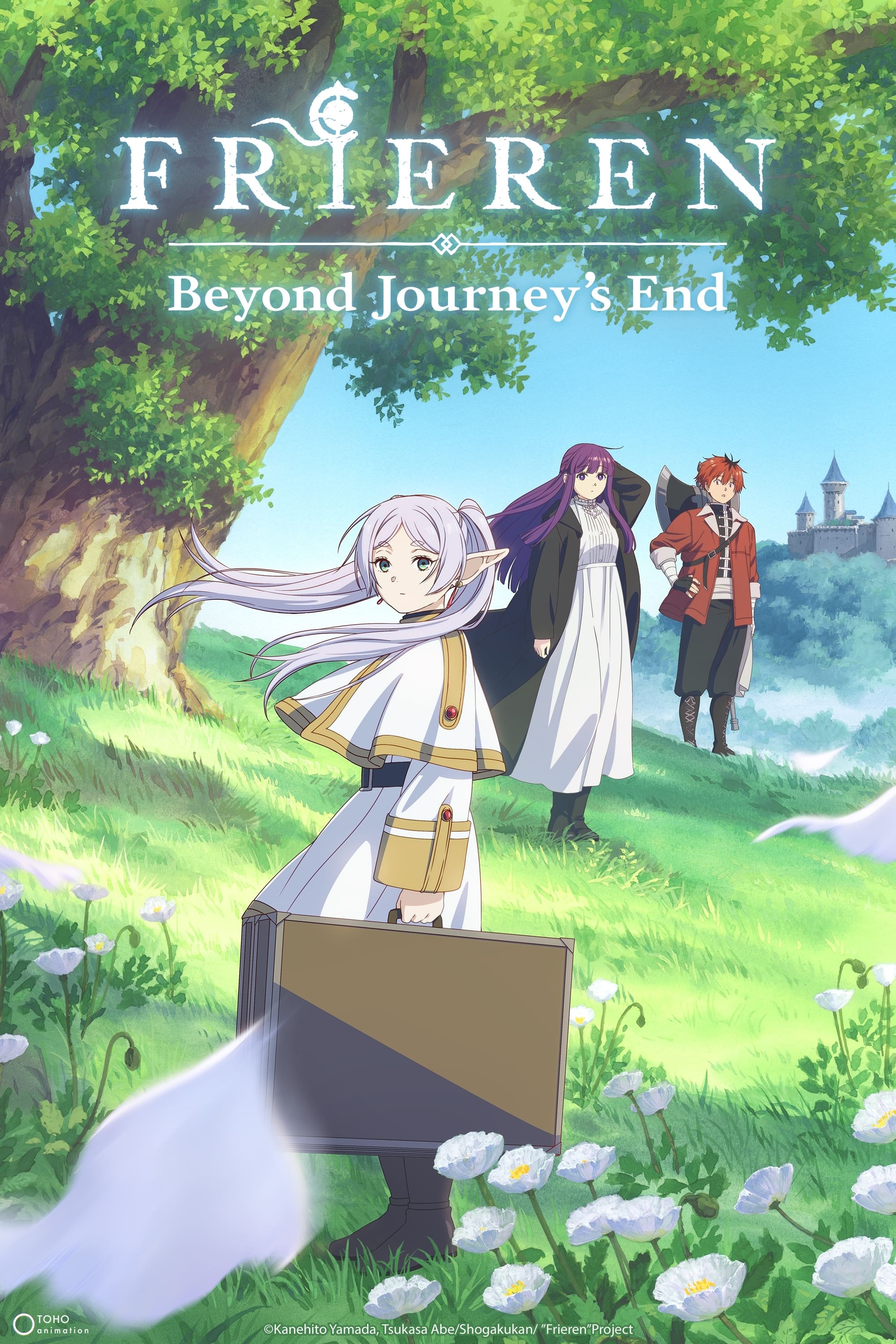
‘Frieren: Beyond Journey’s End’ continues to be a central part of the conversation regarding the depiction of female leadership and longevity in fantasy. The protagonist’s detached perspective on time and mortality offers a unique lens through which to view gendered roles in an adventuring party. Discussions often highlight the series’ lack of fan service, focusing instead on the professional and emotional growth of its female cast. This franchise is frequently cited as a gold standard for respectful and complex female characterization in modern anime.
‘Blue Box’ (2024–2025)
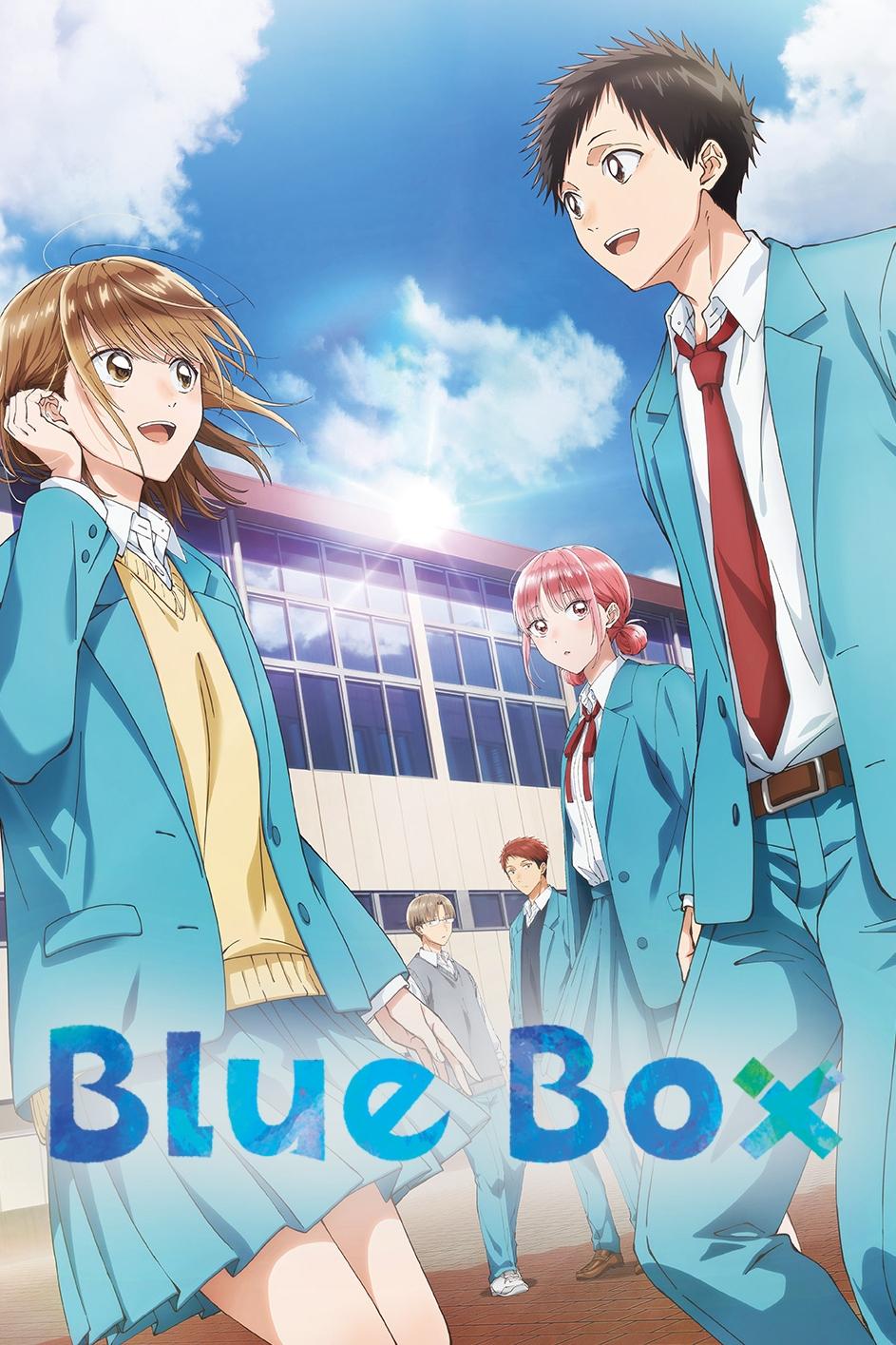
‘Blue Box’ has sparked debates over the portrayal of female athletes in the romance-sports crossover genre. The narrative focuses equally on the protagonist’s badminton career and his relationship with a basketball star, Chinatsu Kano. Fans debate whether the series successfully maintains Chinatsu’s identity as a dedicated athlete independent of her status as a love interest. This franchise is a focal point for discussions on how shonen magazines handle romance while respecting the competitive drive of female characters.
‘Medalist’ (2025)
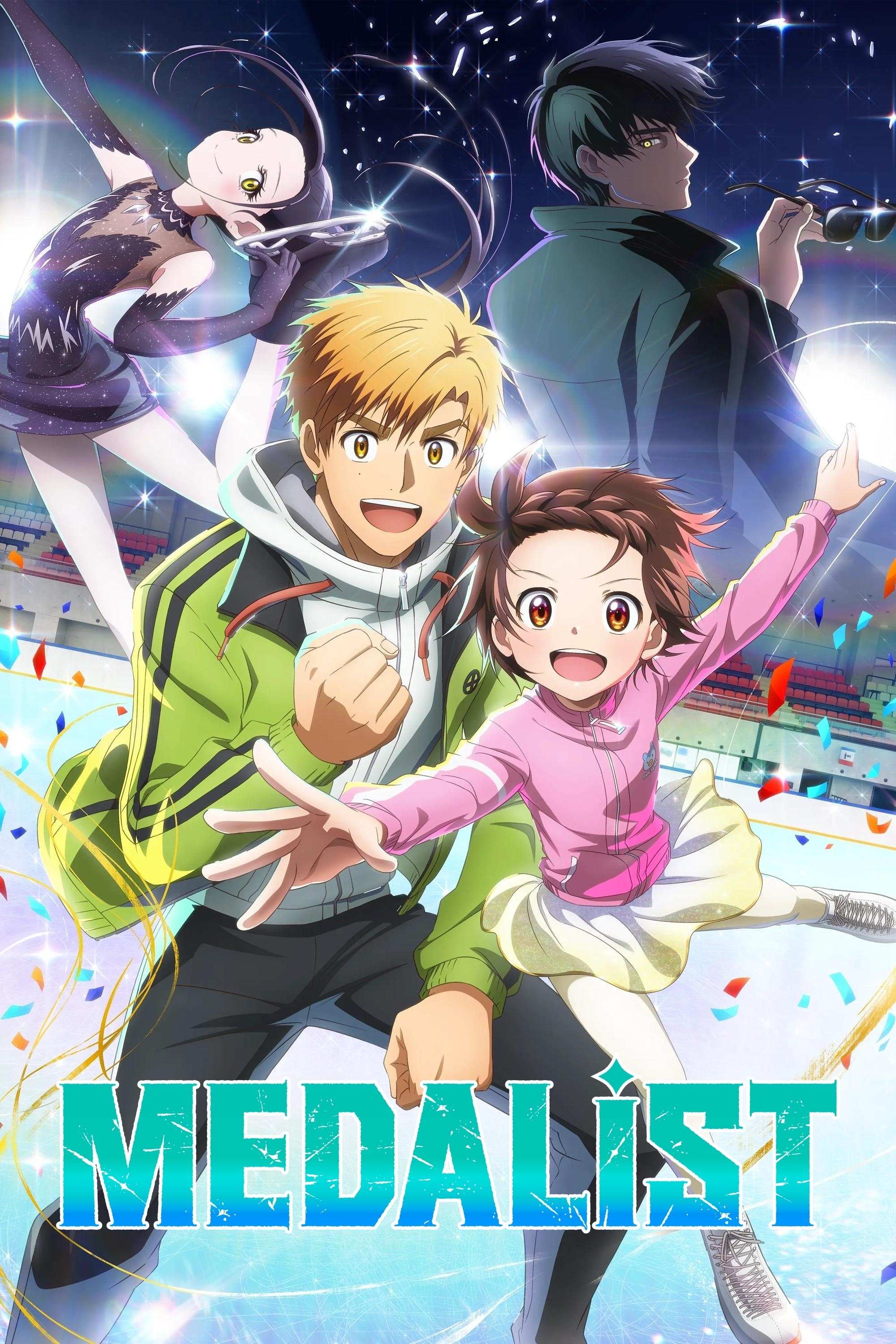
The 2025 debut of ‘Medalist’ has brought the world of competitive figure skating to the forefront of gender representation debates. The series is noted for its intense portrayal of the physical and psychological toll on young female athletes. Discussions often center on the coaching dynamics and the way the series avoids the “cute girls doing cute things” trope in favor of gritty sports realism. It serves as a significant case study in how anime depicts the professionalization of girlhood in high-stakes environments.
‘Gushing Over Magical Girls’ (2024–2025)
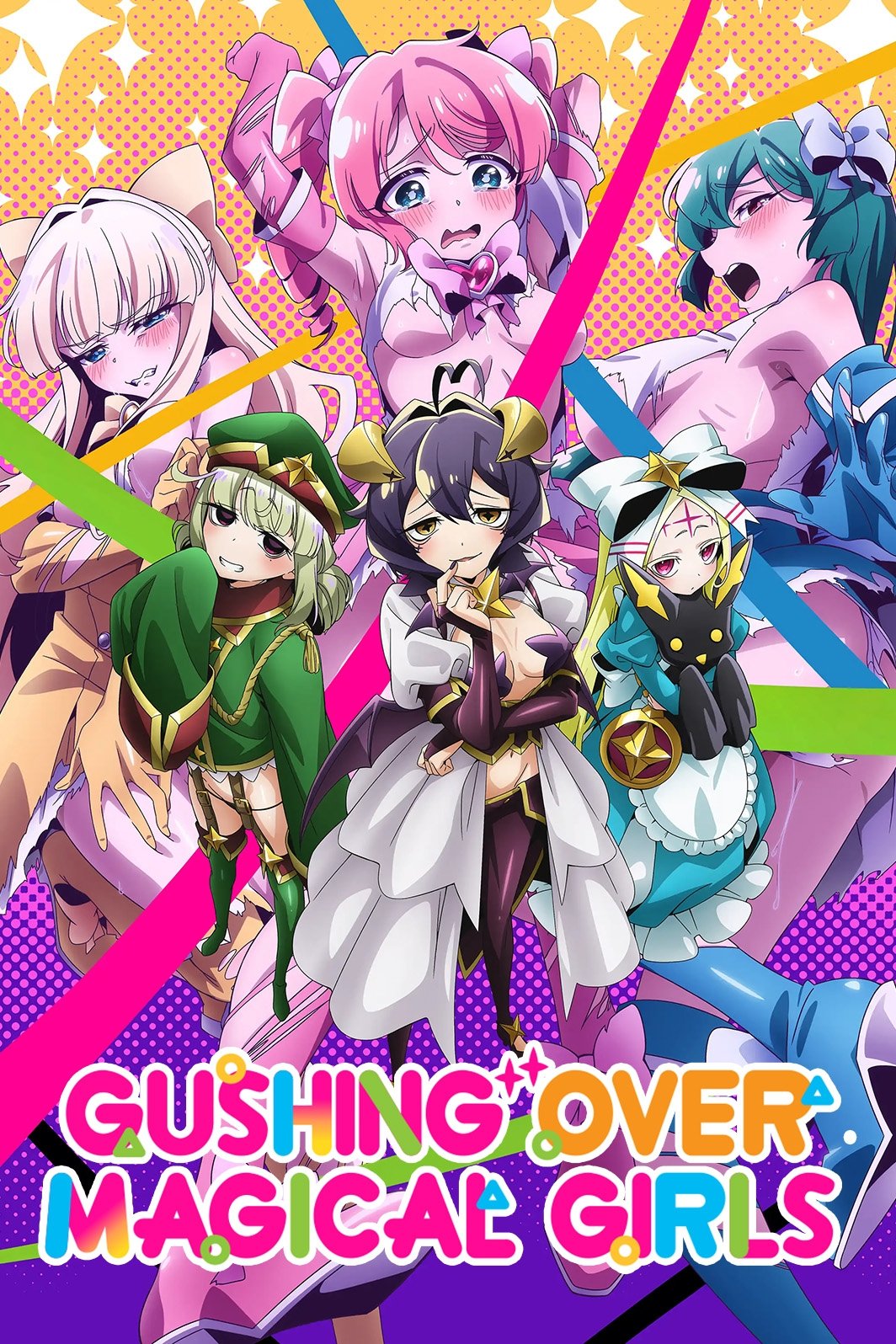
‘Gushing Over Magical Girls’ remains a controversial franchise due to its subversive and explicit take on the magical girl genre. The series sparks intense debates regarding the sexualization of its female cast and whether it empowers or exploits its characters. Some critics argue it satirizes the genre’s tropes, while others see it as a reinforcement of problematic archetypes. The franchise is a recurring topic in discussions about the boundaries of the “ecchi” genre and its impact on gender representation.
‘Chainsaw Man’ (2022–2026)
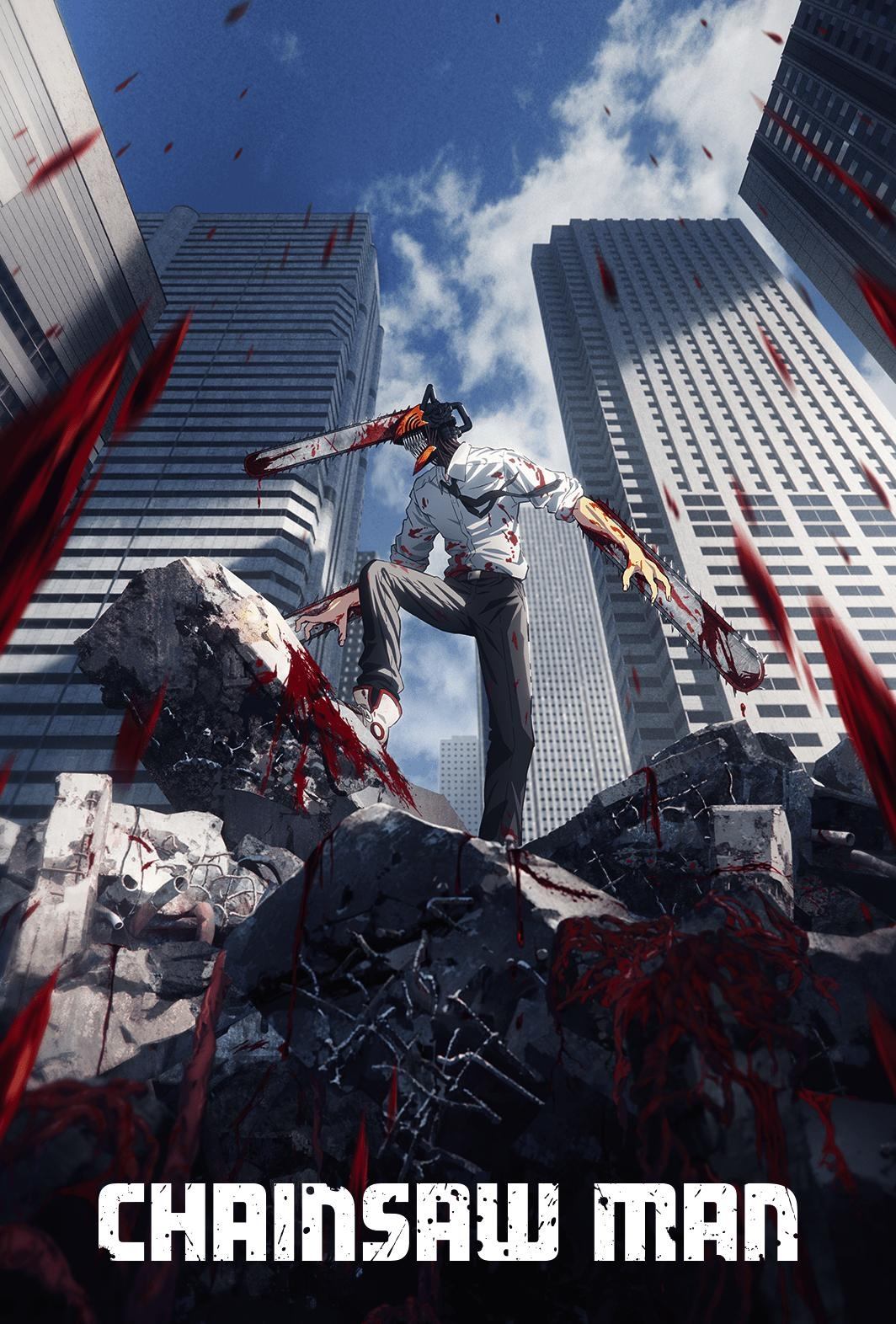
The ‘Chainsaw Man’ franchise, particularly with the adaptation of the ‘Reze Arc’ and subsequent content, continues to polarize audiences regarding its female antagonists. Characters like Makima and Reze are subjects of deep analysis concerning the “femme fatale” trope and its modern subversion. The debate often focuses on the power dynamics between the male protagonist and the dominant women who shape his world. Critics note that the series challenges traditional shonen gender roles by making its female characters the primary drivers of the plot and the most formidable threats.
‘Jujutsu Kaisen’ (2020–2025)
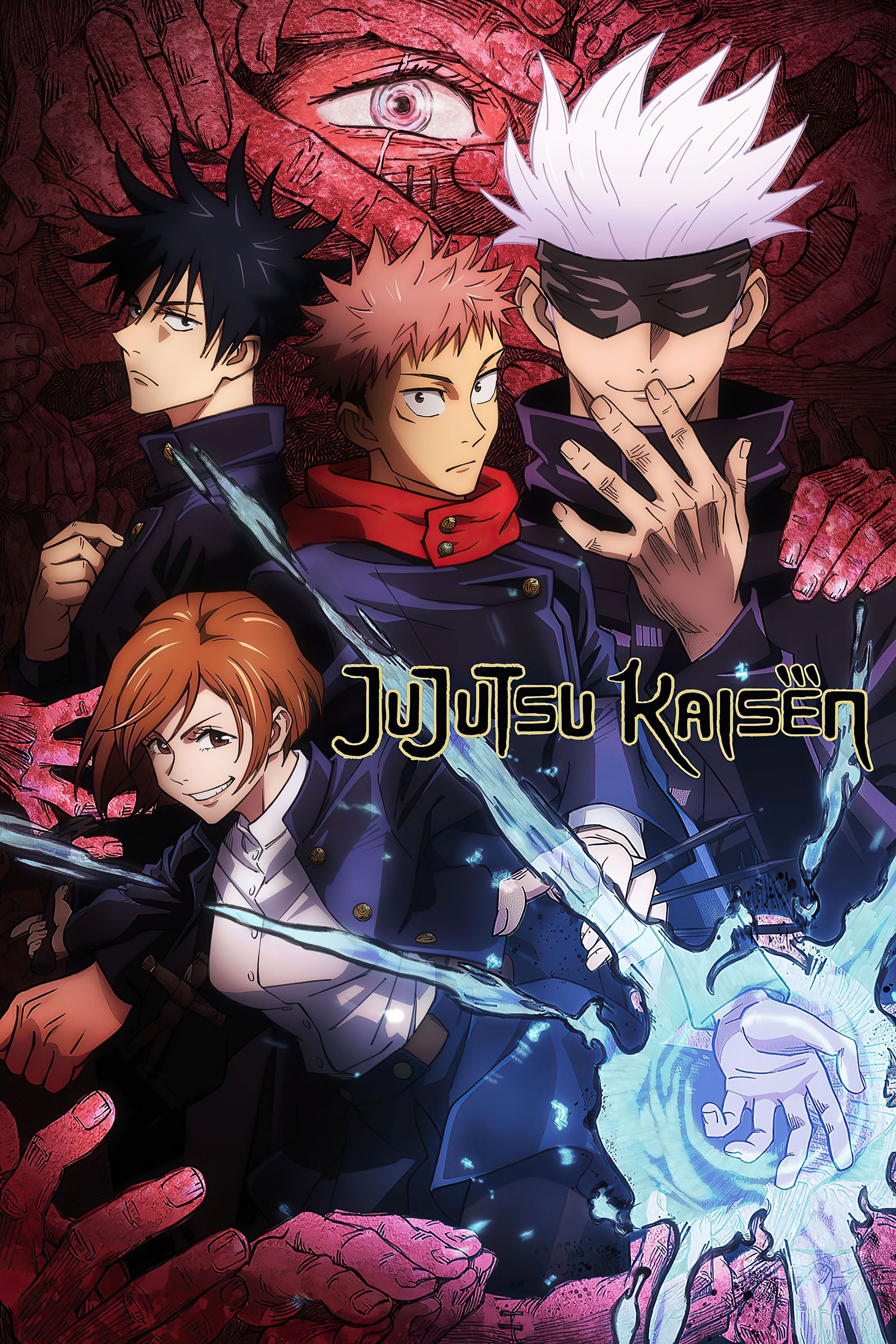
As ‘Jujutsu Kaisen’ reaches its climactic animated arcs, the representation of its female sorcerers remains a point of contention. While characters like Nobara Kugisaki and Maki Zenin were initially praised for their strength and independence, subsequent plot developments have led to debates about their ultimate roles in the narrative. Fans frequently discuss whether the series maintains its “feminist” reputation as it shifts toward a more traditional battle-focused finale. This franchise is a primary example of the challenges in sustaining diverse character utility in long-running action series.
‘One Piece’ (1999–2026)

With the ‘Egghead Island’ and ‘Elbaf’ arcs expected to dominate 2025 and 2026, ‘One Piece’ faces ongoing scrutiny over its character designs and the agency of its female crew members. Discussions often center on the contrast between the series’ imaginative world-building and its traditional approach to female anatomy. Recent narrative shifts involving characters like Jewelry Bonney and Nefertari Vivi have sparked debates about the role of female lineage in the series’ endgame. The franchise remains a massive platform for discussing the evolution of shonen gender tropes over decades.
‘Spy x Family’ (2022–2026)
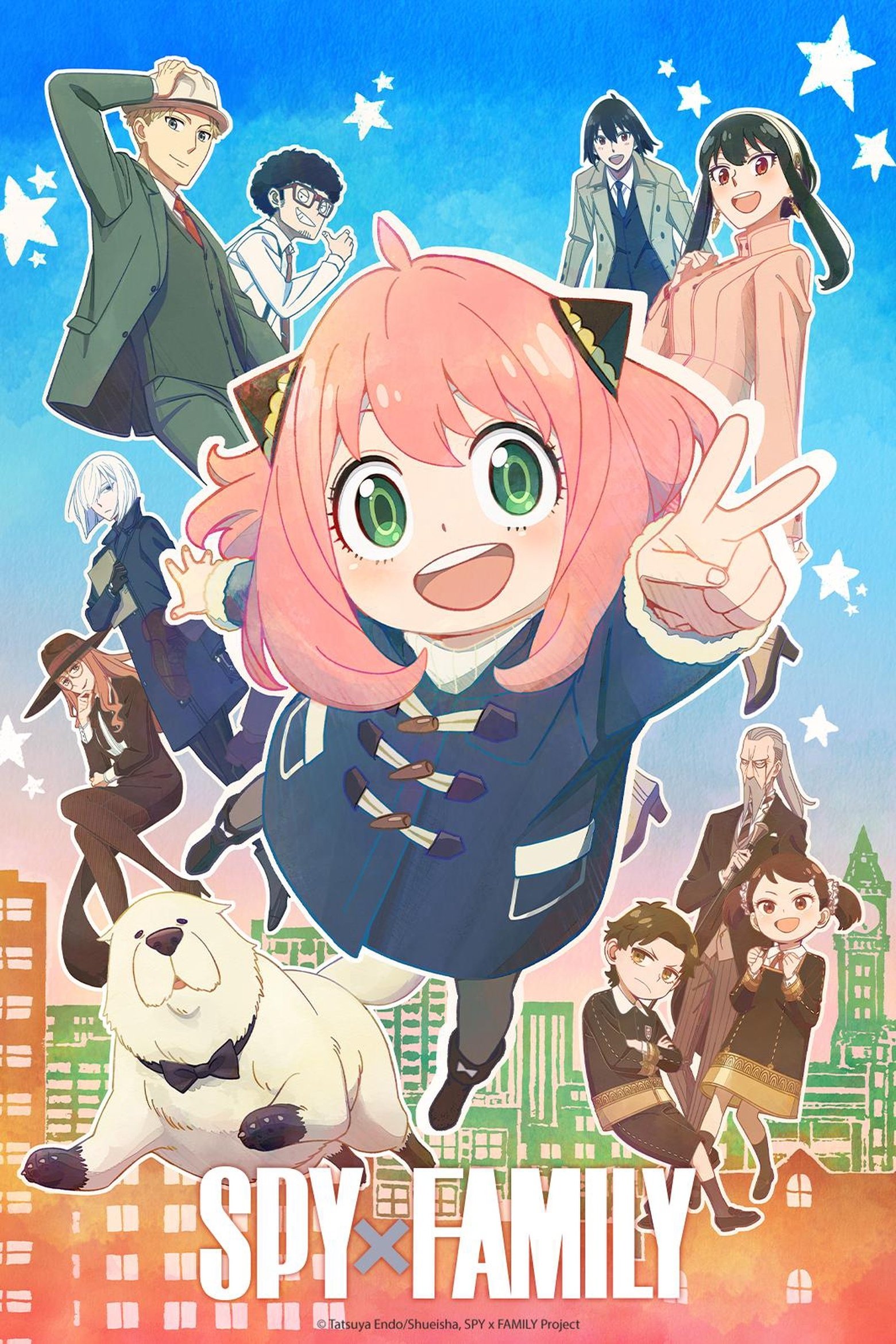
‘Spy x Family’ continues to generate discourse regarding the “motherhood” trope through the character of Yor Forger. Debates often focus on the balance between her role as a professional assassin and her performance as a traditional housewife. Critics examine whether the series subverts the domestic sphere or reinforces it by highlighting Yor’s insecurities in “feminine” tasks like cooking. This franchise is frequently used to discuss how modern anime portrays the intersection of career, family, and gendered social expectations.
‘Beastars’ (2019–2025)
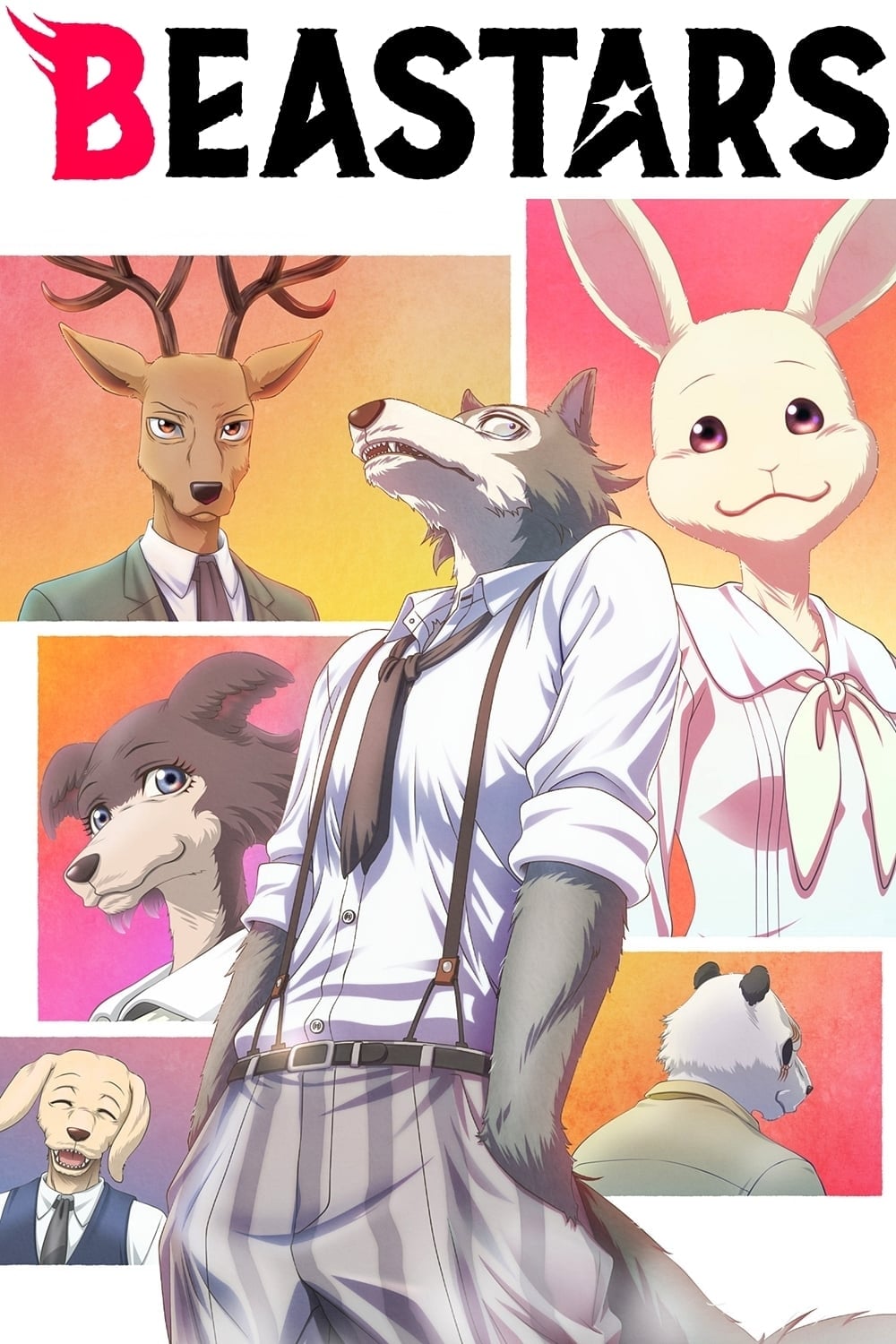
The final season of ‘Beastars’ concludes a narrative that has long used animal biology as a metaphor for gendered power dynamics and sexual tension. The series sparks debate about the portrayal of female herbivores and their agency in a world defined by predatory hierarchies. Characters like Haru and Juno are central to discussions on how the series addresses female desire and social stigma. It remains a provocative franchise for its psychological approach to the biological and social aspects of gender identity.
‘Delicious in Dungeon’ (2024–2025)
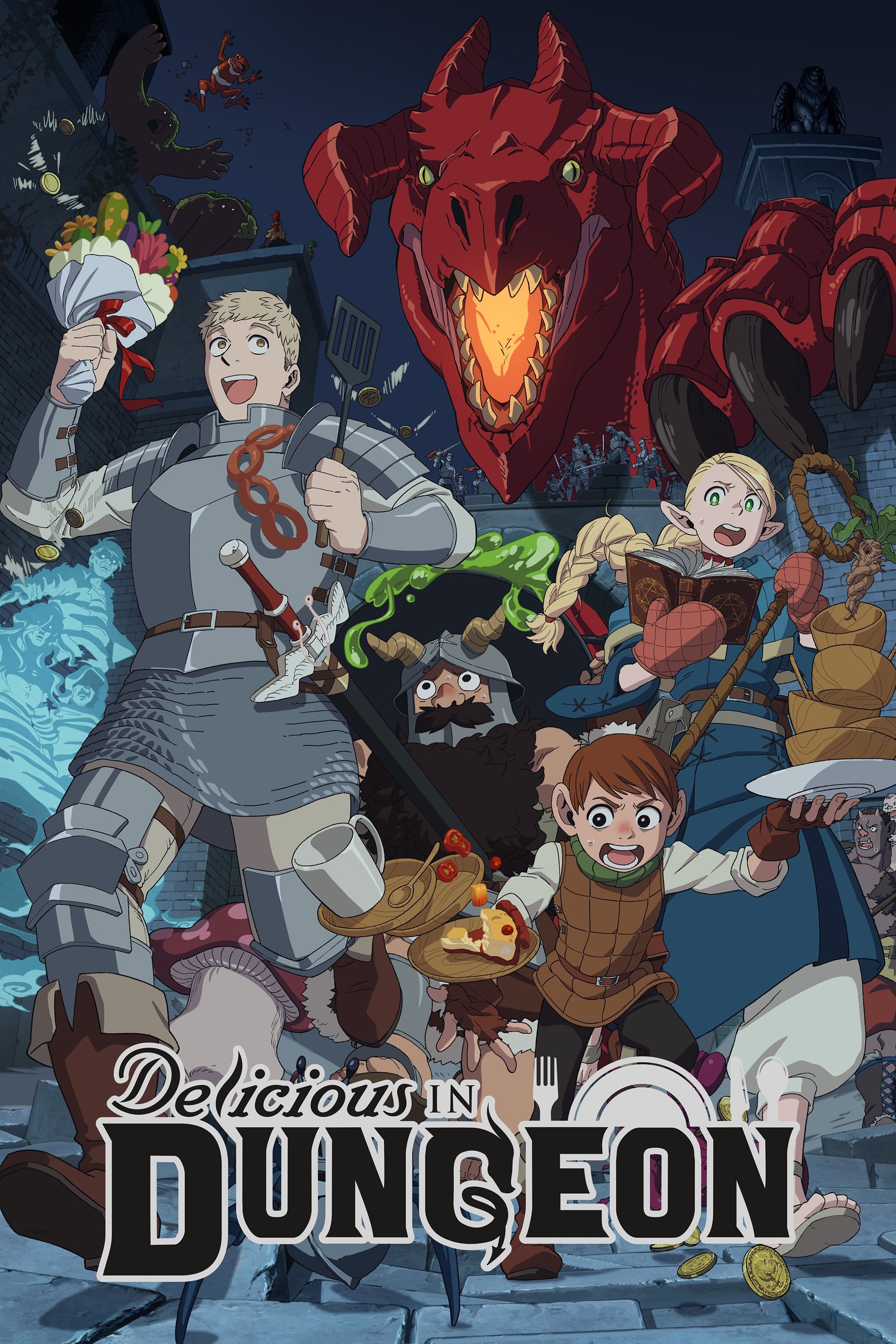
‘Delicious in Dungeon’ has been noted for its practical approach to gender representation in a fantasy RPG setting. The series is praised for giving its female characters, like Marcille and Falin, roles that are central to the group’s survival without over-relying on gendered stereotypes. Discourse often centers on the lack of sexualized armor and the focus on the characters’ specialized skills and psychological depth. This franchise is frequently cited as a refreshing take on the “adventuring party” dynamic.
‘Uzumaki’ (2024–2025)
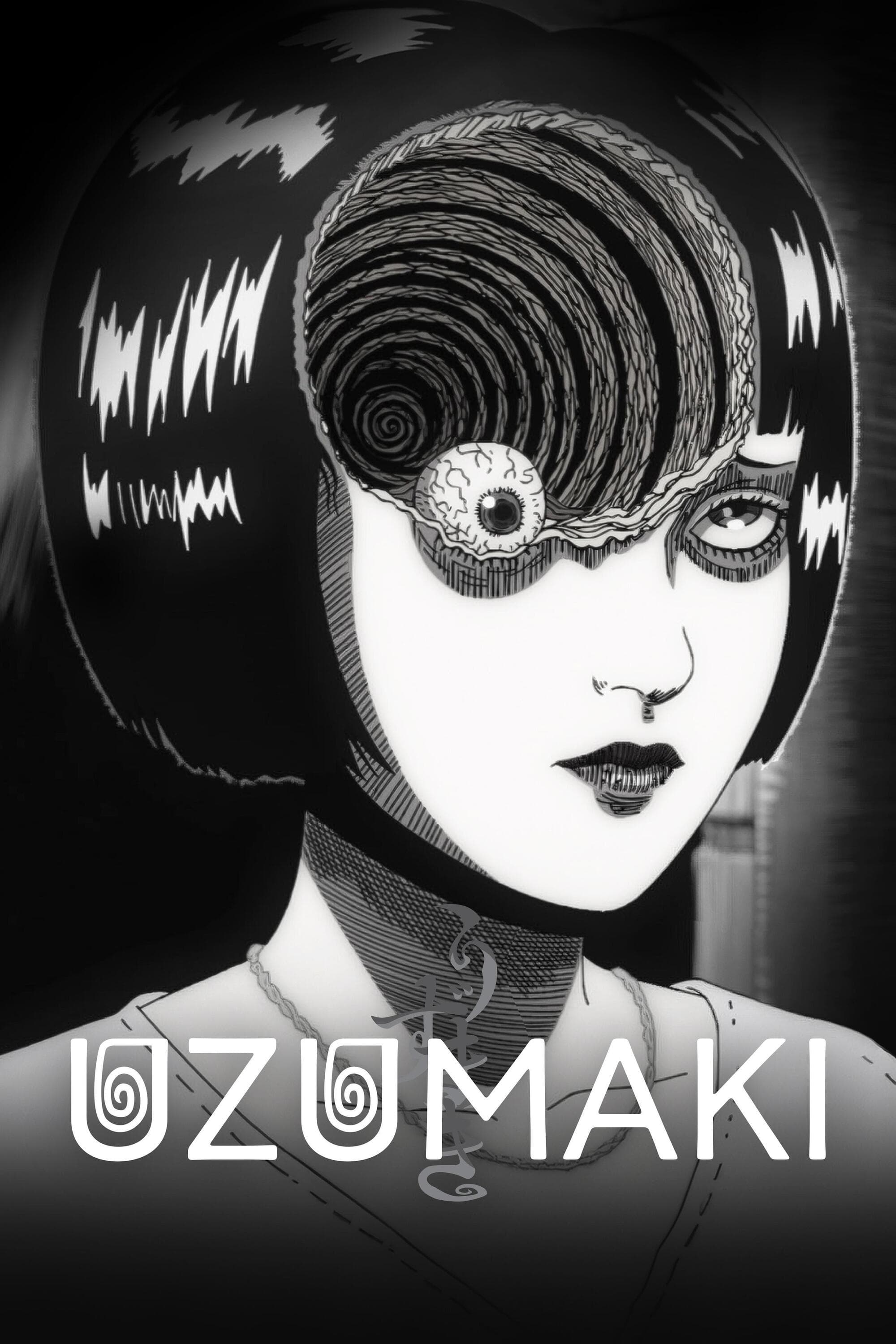
The long-awaited adaptation of Junji Ito’s ‘Uzumaki’ features a female protagonist, Kirie, whose role is largely that of an observer and victim of cosmic horror. Debates regarding this franchise often focus on the vulnerability of female characters in the horror genre and whether Kirie’s lack of agency is a narrative choice or a genre limitation. Critics analyze how the series uses the female body as a canvas for body horror and psychological trauma. It serves as a key example of gendered experiences within the niche of surrealist horror.
‘Lazarus’ (2025)
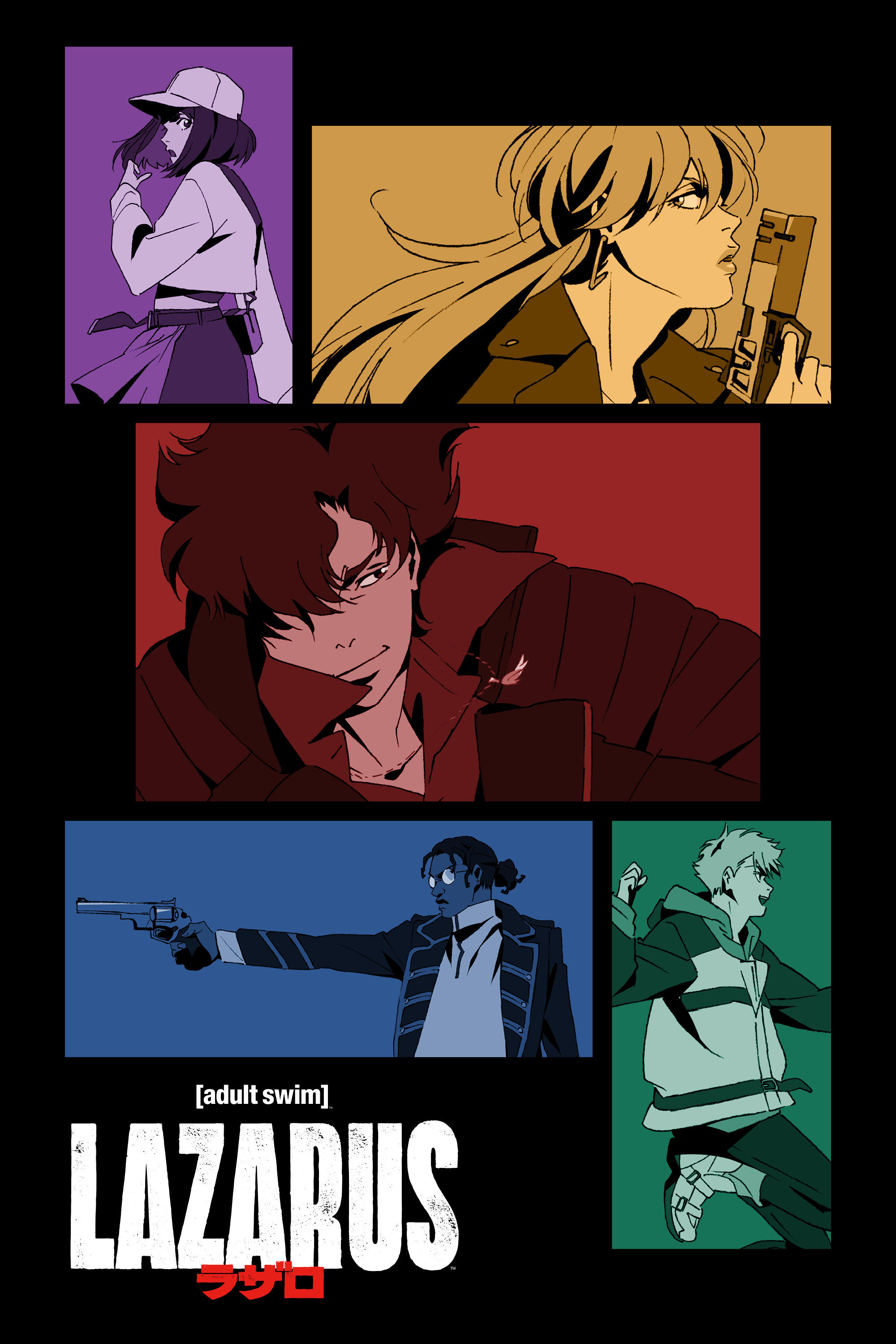
The upcoming sci-fi series ‘Lazarus’ is already drawing attention for its diverse cast and its potential to address gender in a futuristic, dystopian setting. As an original project from high-profile creators, expectations are centered on how it will handle the balance of its male and female leads in a high-stakes action environment. Early discourse focuses on the character designs and the role of female operatives in the series’ global conspiracy plot. This project is watched closely for its ability to set new standards for gender representation in original anime.
‘GUILTY GEAR STRIVE: DUAL RULERS’ (2025)
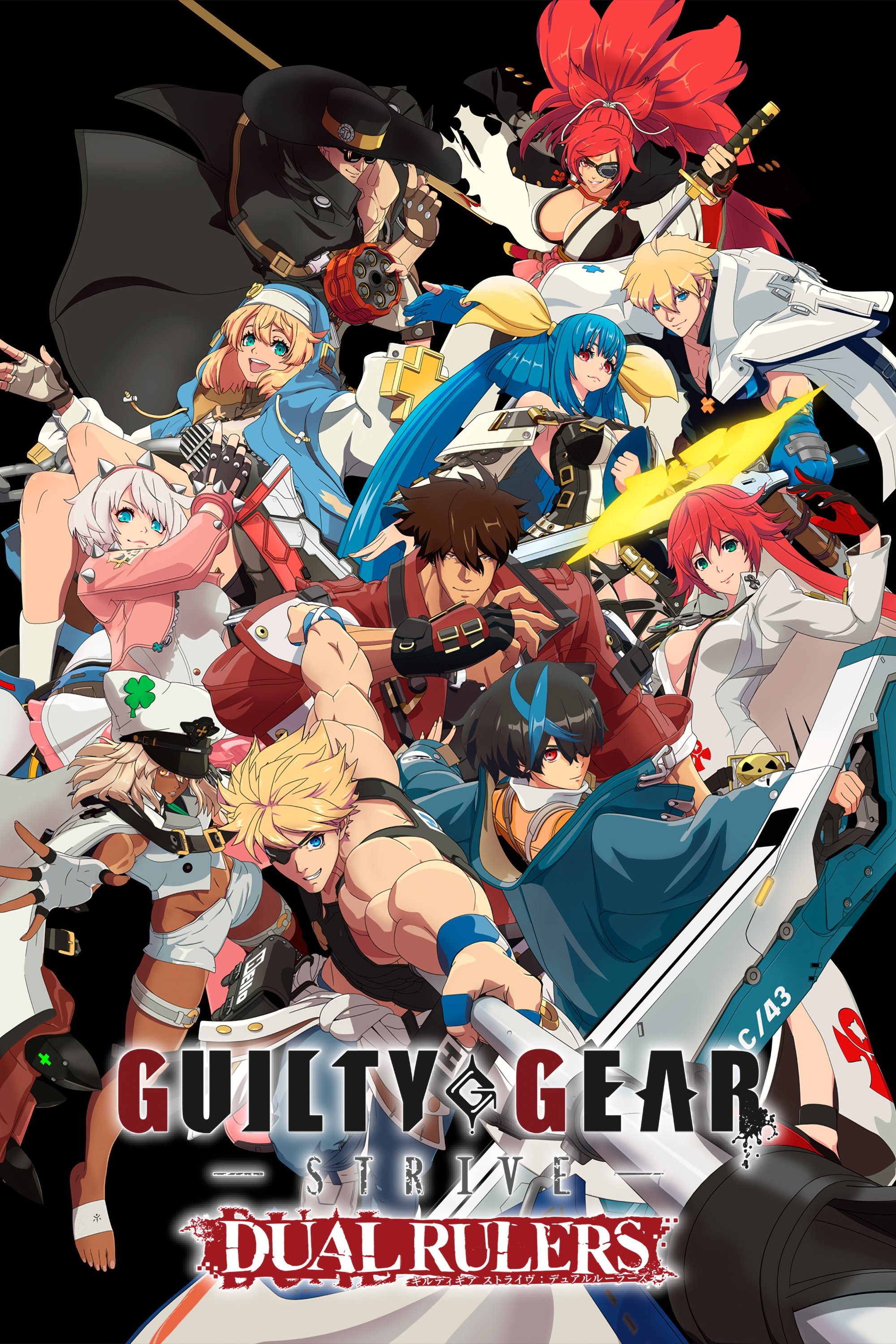
Based on the popular fighting game franchise, ‘Guilty Gear Strive: Dual Rulers’ is expected to bring the series’ famous gender-diverse cast to the screen. The franchise has been a leader in including non-binary and gender-nonconforming characters like Bridget and Testament. Debates often surround how the anime will handle these identities and whether it will maintain the source material’s progressive stance. It is a highly anticipated project for those interested in the representation of LGBTQ+ identities in mainstream action anime.
‘Fire Force’ (2019–2026)
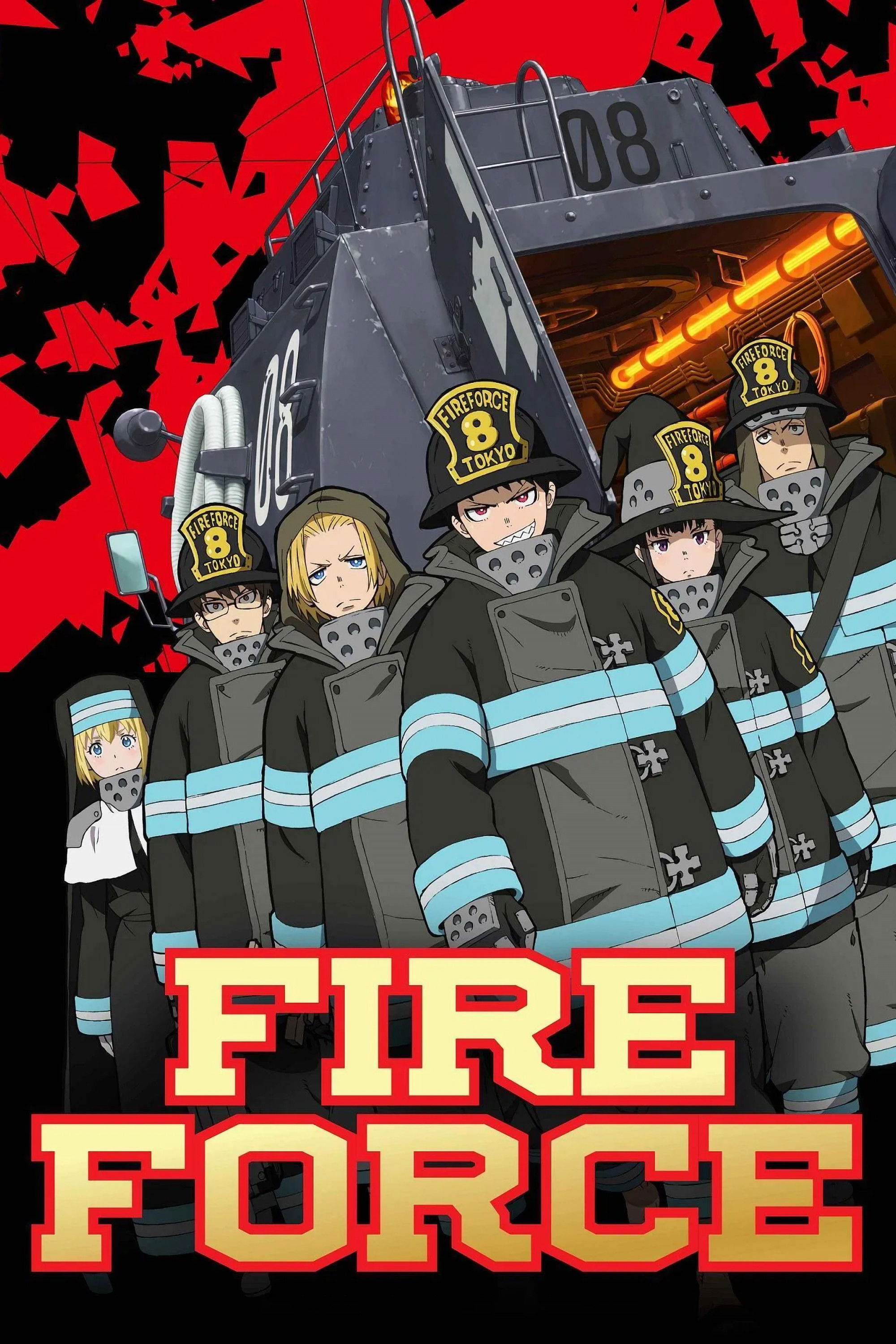
‘Fire Force’ has faced significant criticism and debate throughout its run regarding the use of “fan service” as a narrative gag, particularly with the character Tamaki Kotatsu. As the series moves toward its final season, fans are discussing whether her character arc will provide a meaningful payoff that transcends these tropes. The debate centers on the tension between the series’ high-concept plot and its reliance on traditional sexualized humor. This franchise is often used as a case study for the “luck-based” sexualization trope in modern shonen.
‘Sword Art Online Alternative: Gun Gale Online’ (2018–2025)

The return of the ‘Gun Gale Online’ spin-off highlights a narrative that centers almost entirely on female players in a competitive VR shooter. The series is discussed for its subversion of the “damsel in distress” tropes often associated with the main ‘Sword Art Online’ series. Discourse focuses on the protagonist LLENN and her tactical prowess, which is presented without the heavy romantic framing typical of the genre. It remains a notable example of a female-led action franchise that focuses on gaming culture and skill.
‘Re:Zero -Starting Life in Another World-‘ (2016–2025)

The third season of ‘Re:Zero’ continues to trigger debates over the “suffering” of its female cast and the agency of characters like Emilia and Rem. Critics often analyze the power dynamic between the male lead, Subaru, and the women he attempts to save, questioning if the narrative centers their development or his. The series is frequently discussed for its complex portrayal of female trauma and the psychological weight of their roles in the fantasy world. It is a major franchise for those studying the “Isekai” genre’s approach to gender relations.
‘Sakamoto Days’ (2025)
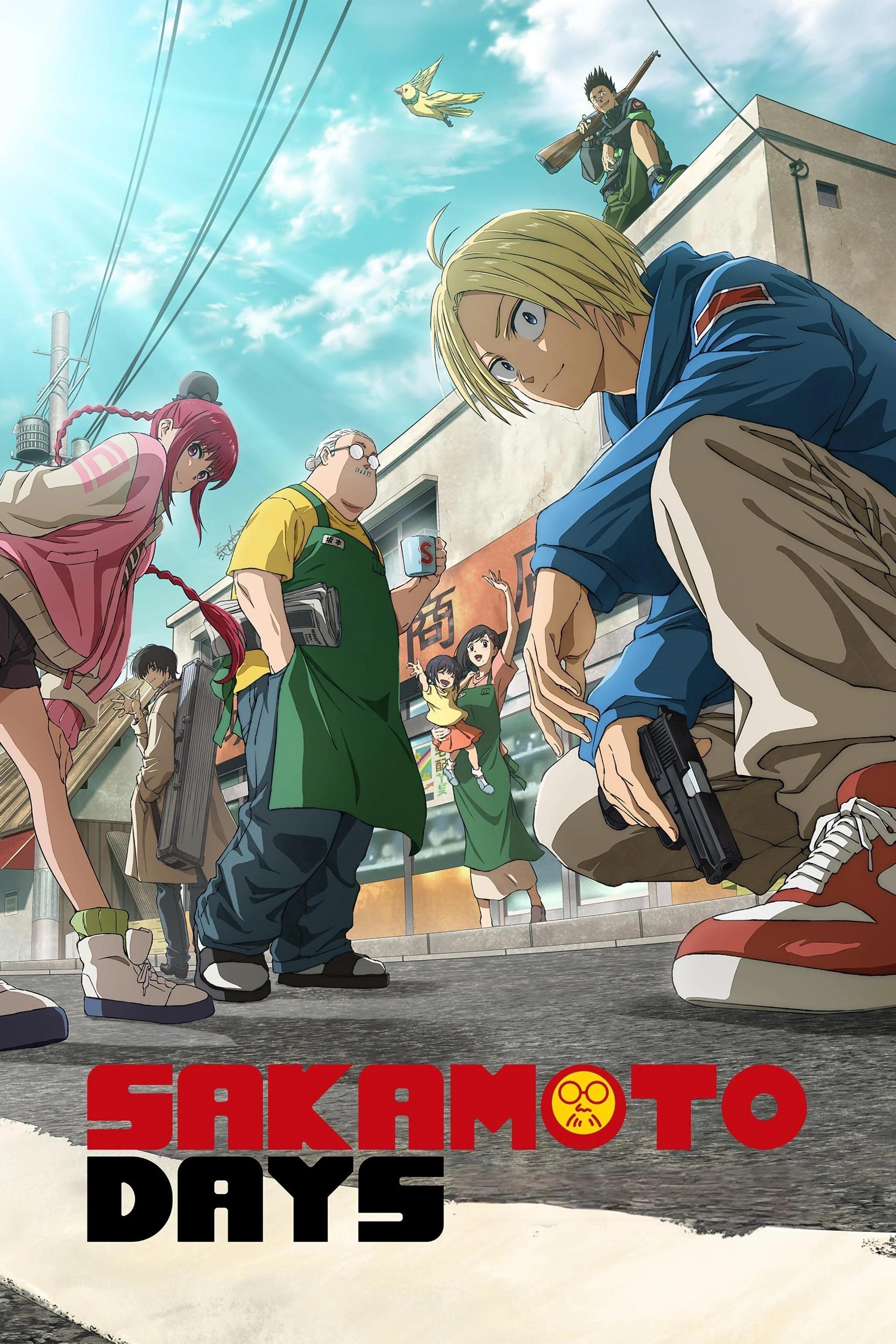
The 2025 adaptation of ‘Sakamoto Days’ introduces a cast where female assassins like Lu Shaotang and Shin’s various rivals hold significant narrative weight. Discussions center on the series’ ability to integrate female fighters into its unique, high-concept “hitman comedy” without making their gender the primary focus of their fighting style. Fans debate the balance of the ensemble cast and how the series avoids traditional romantic subplots in favor of professional rivalry. It is viewed as a rising star in the “post-modern” shonen movement regarding gender balance.
‘Lookism’ (2022–2025)
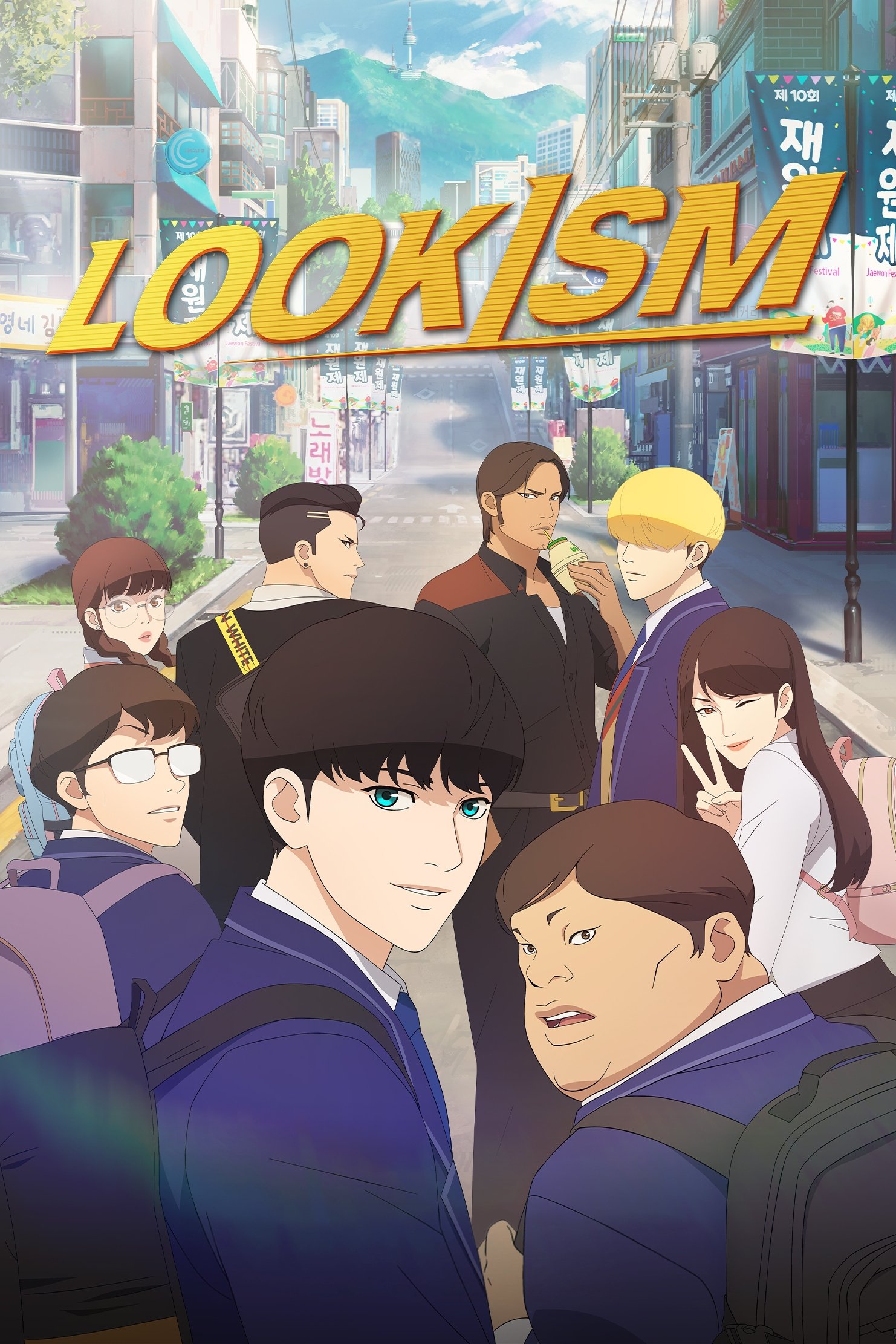
The ‘Lookism’ franchise continues to spark intense conversations about societal standards of beauty and how they disproportionately affect different genders. The series explores the intersection of physical appearance, masculinity, and social status in South Korean culture. Debate often focuses on the portrayal of female characters as either victims of the lookist culture or participants in it. As the anime adaptation progresses, it remains a key text for discussing the global pressures of aesthetic perfection through an animated medium.
‘Mononoke the Movie: The Phantom in the Rain’ (2024–2025)
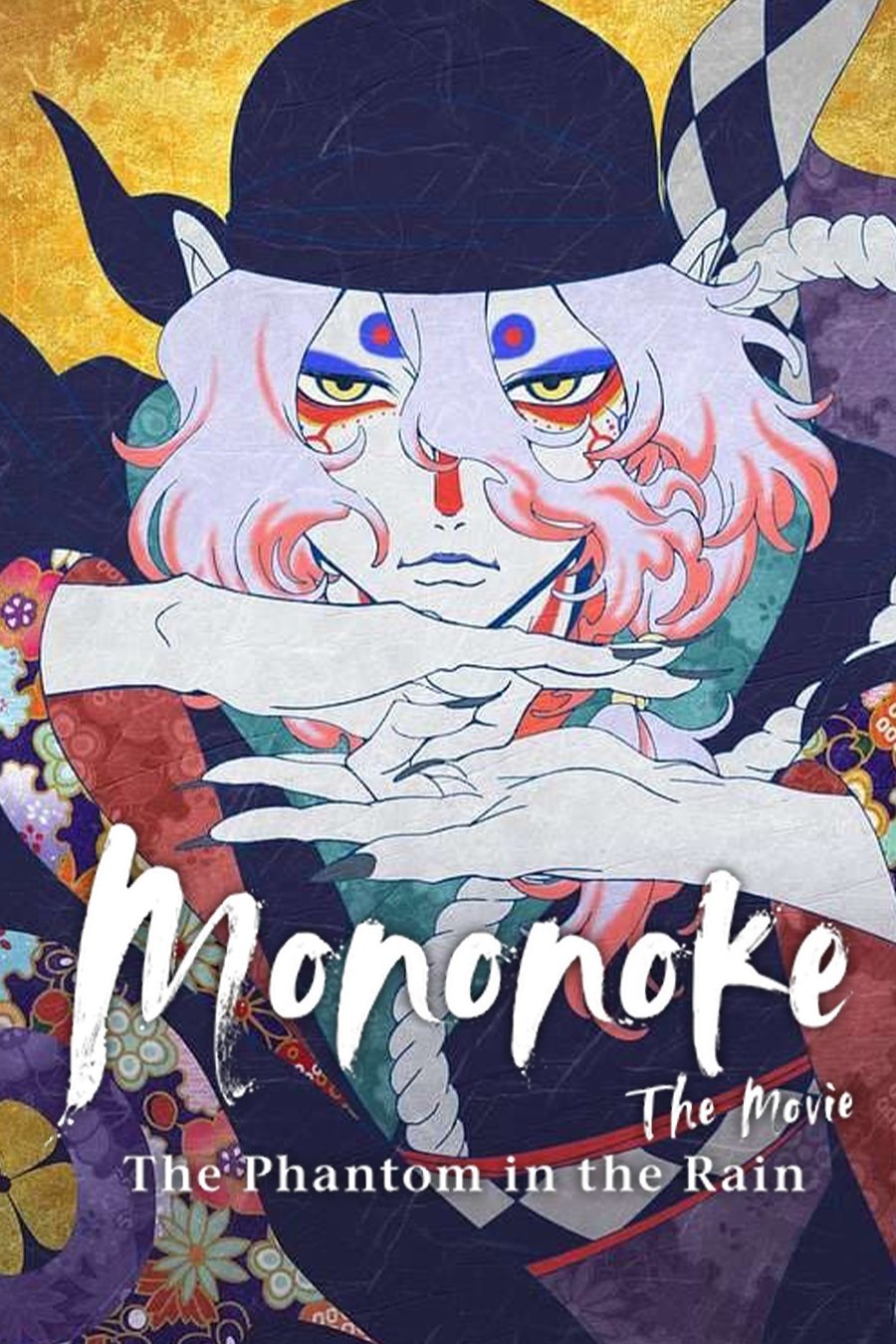
The ‘Mononoke’ film features a narrative set within the Ooku, or the women’s quarters of Edo Castle, bringing gendered historical structures to the forefront. The film is discussed for its exploration of the psychological pressures and internal hierarchies faced by women in feudal Japan. Critics point to the striking art style as a way to visualize the “monsters” born from these suppressed emotions and societal constraints. It is a significant work for its focus on female-centric historical tragedy and psychological horror.
‘Blue Lock’ (2022–2025)

‘Blue Lock’ has sparked debates regarding its almost entirely male cast and its intense exploration of “ego” as a masculine-coded trait. The franchise is frequently discussed for its lack of female characters and what this suggests about the genre’s view of competitive hyper-masculinity. Fans and critics debate whether the series’ focus on the “striker” mentality is inherently gendered or if it reflects the specific demographic of high-stakes male sports. It remains a polarizing franchise for those looking for diverse gender representation in modern sports anime.
‘Haikyu!! The Dumpster Battle’ (2024–2025)

The conclusion of the ‘Haikyu!!’ franchise via its final films has prompted a retrospective look at its balanced approach to sportsmanship and character growth. While the series focuses on a male volleyball team, its respectful portrayal of female managers and female players from other teams is often cited as a positive example. Discourse focuses on how the series avoids sexualizing its female characters, treating them as integral parts of the competitive ecosystem. It is widely considered a benchmark for healthy, non-toxic depictions of gendered roles in sports media.
‘My Hero Academia’ (2016–2025)
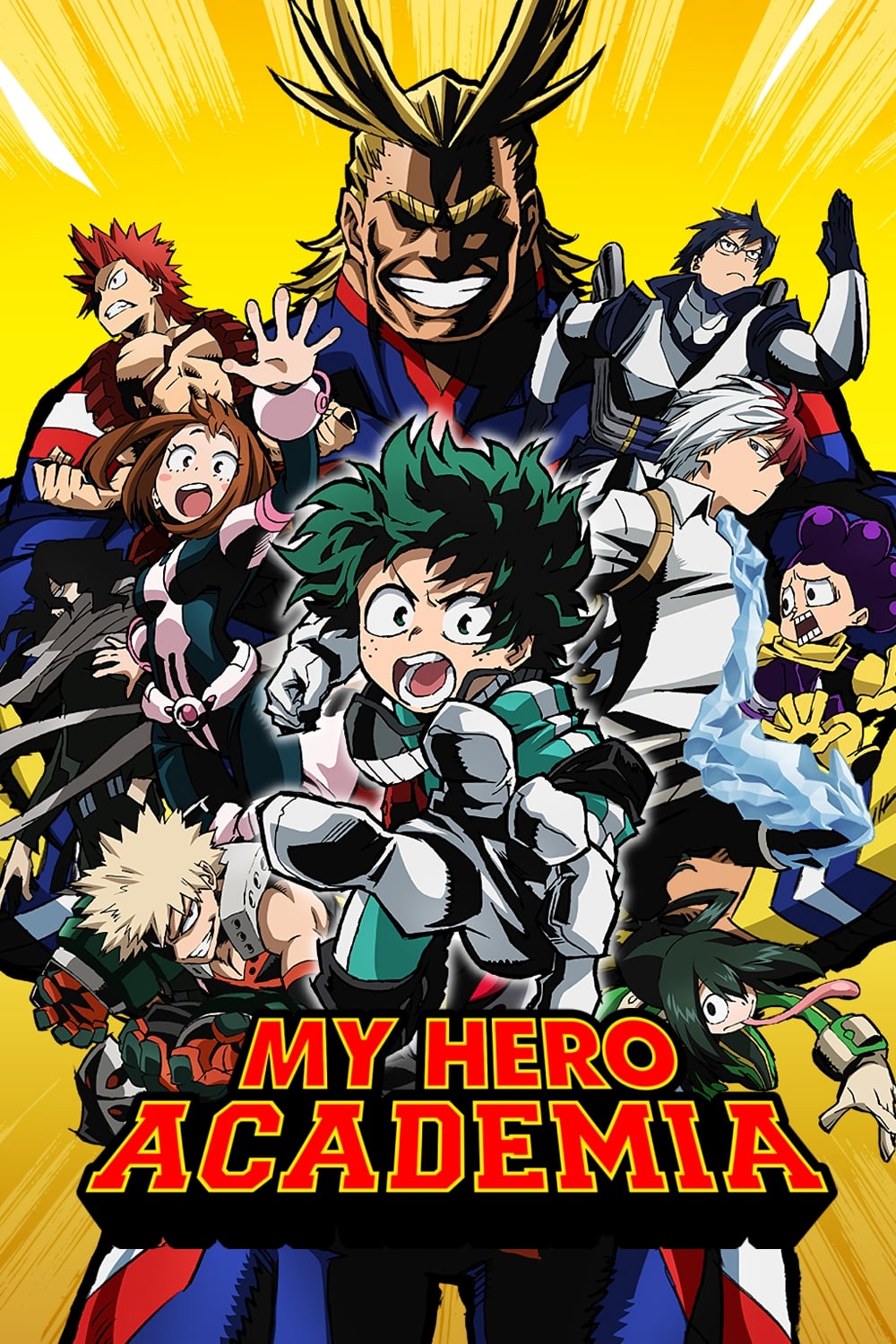
As ‘My Hero Academia’ nears its animated conclusion, the debate over the “handling” of its female heroines remains active. Characters like Ochaco Uraraka and Momo Yaoyorozu are frequently analyzed regarding whether their final arcs provided enough individual agency apart from the male leads. Discussions often focus on the “female hero” archetype in a society built on the legacy of male symbols of peace. This franchise is central to the conversation about the glass ceiling for female characters in traditional superhero narratives.
‘Kinnikuman Perfect Origin Arc’ (2024–2025)

The revival of the ‘Kinnikuman’ franchise brings a legacy of hyper-masculine pro-wrestling tropes into the modern era. Debate surrounds how the series updates its portrayal of gender and whether it can move past the dated humor and character designs of its predecessors. Critics examine the role of the few female characters in this world of superhuman wrestlers and the series’ celebration of brawn and brotherly bonds. It serves as a case study for how long-running “macho” franchises adapt to 21st-century social standards.
‘Black Butler’ (2008–2025)
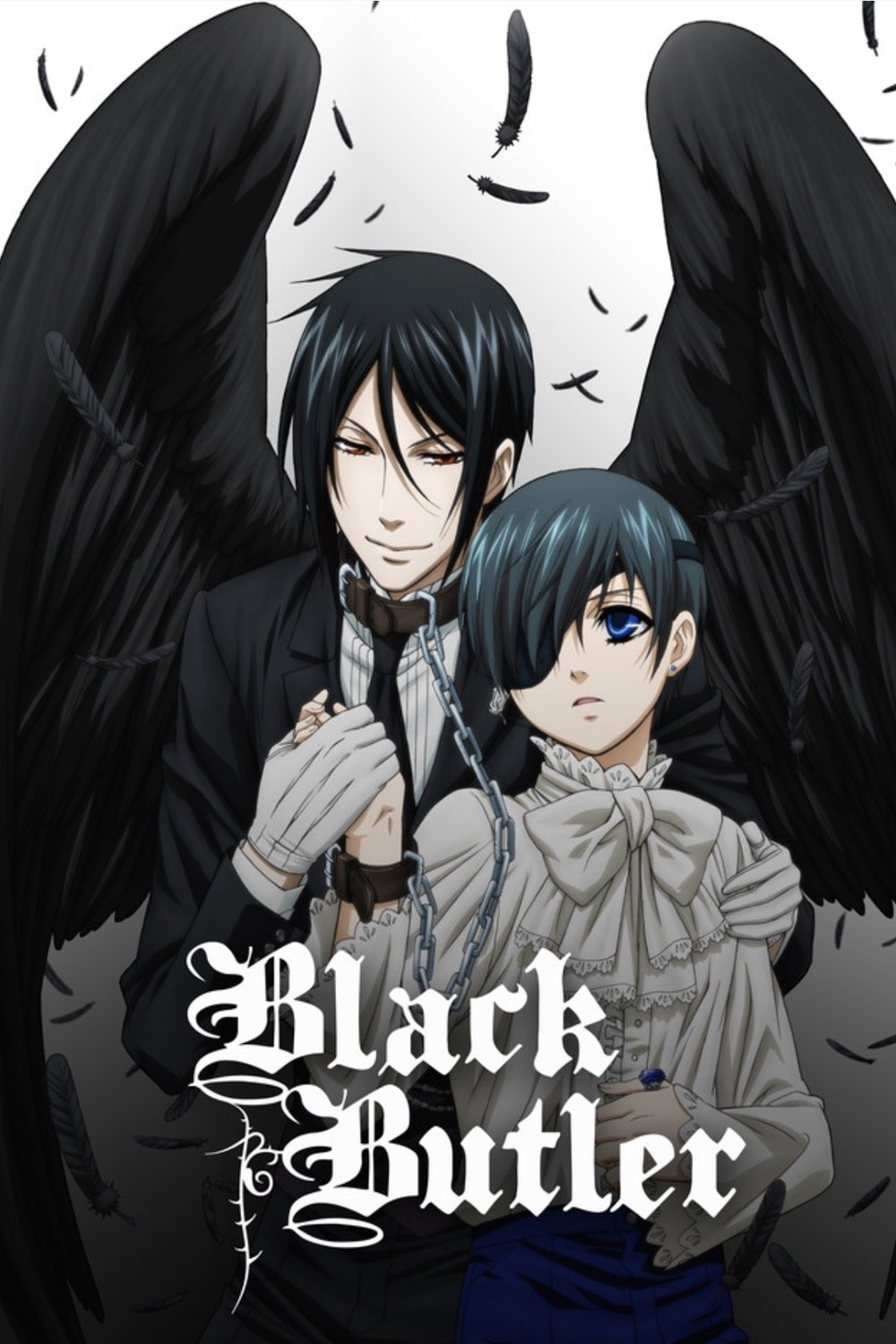
The ‘Public School Arc’ and subsequent ‘Emerald Witch Arc’ of ‘Black Butler’ continue the series’ exploration of Victorian gender roles and aestheticism. The franchise is frequently discussed for its portrayal of “dandyism” and the blurring of traditional masculine and feminine boundaries. Fans debate the agency of characters like Elizabeth Midford, who subverts the “damsel” trope with her hidden martial prowess. The series remains a staple for analyzing gender performance and class in a Gothic historical setting.
‘Hell’s Paradise’ (2023–2025)
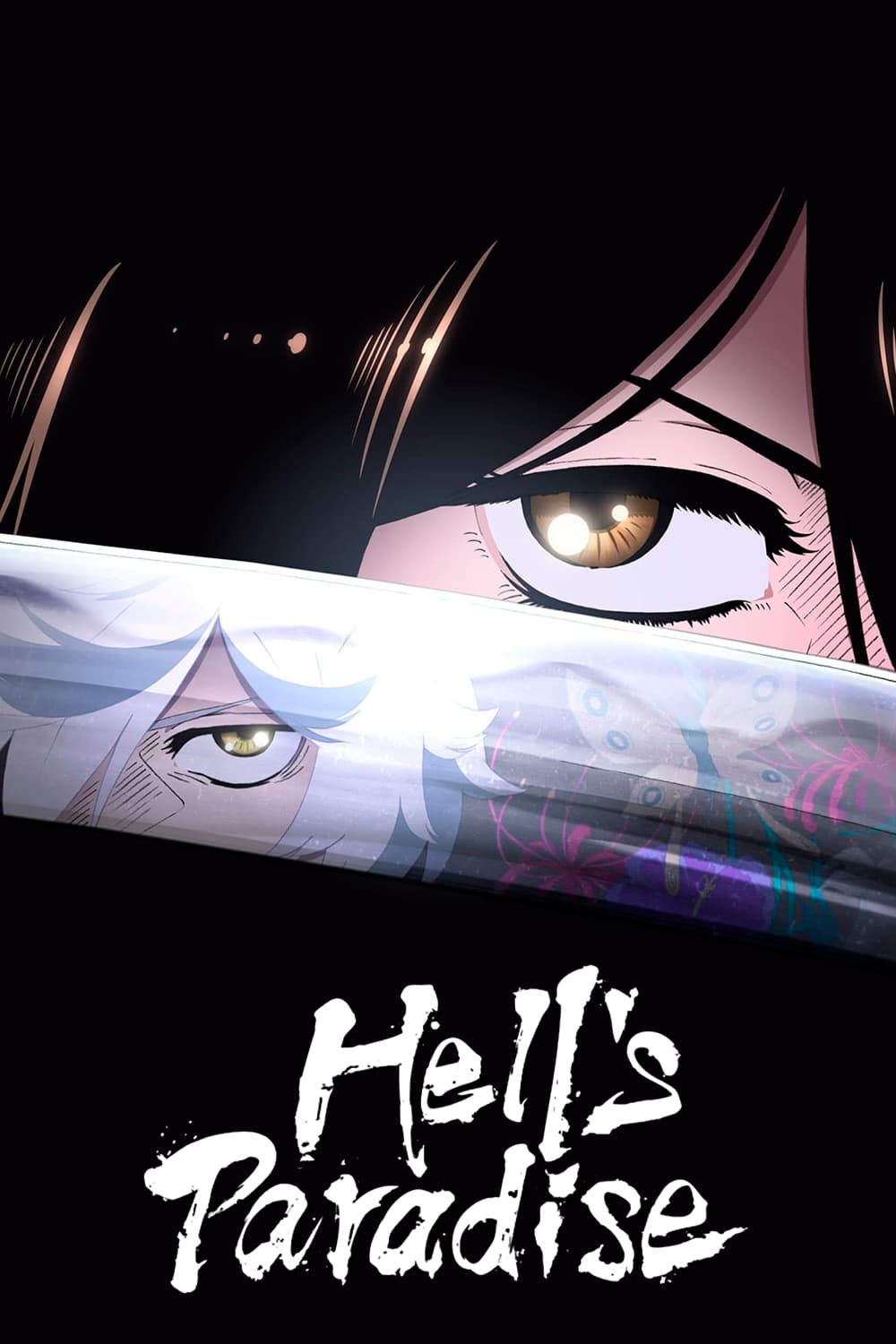
‘Hell’s Paradise: Jigokuraku’ features Sagiri, a female executioner who must navigate the conflict between her professional duties and societal expectations of her gender. The series is praised for its exploration of “inner strength” as something that transcends gendered definitions of toughness. Discourse often centers on the partnership between Sagiri and Gabimaru, which is built on mutual respect rather than romantic tropes. It is a prominent example of a shonen series that places a female character’s internal struggle at the heart of the narrative.
‘The Elusive Samurai’ (2024–2025)
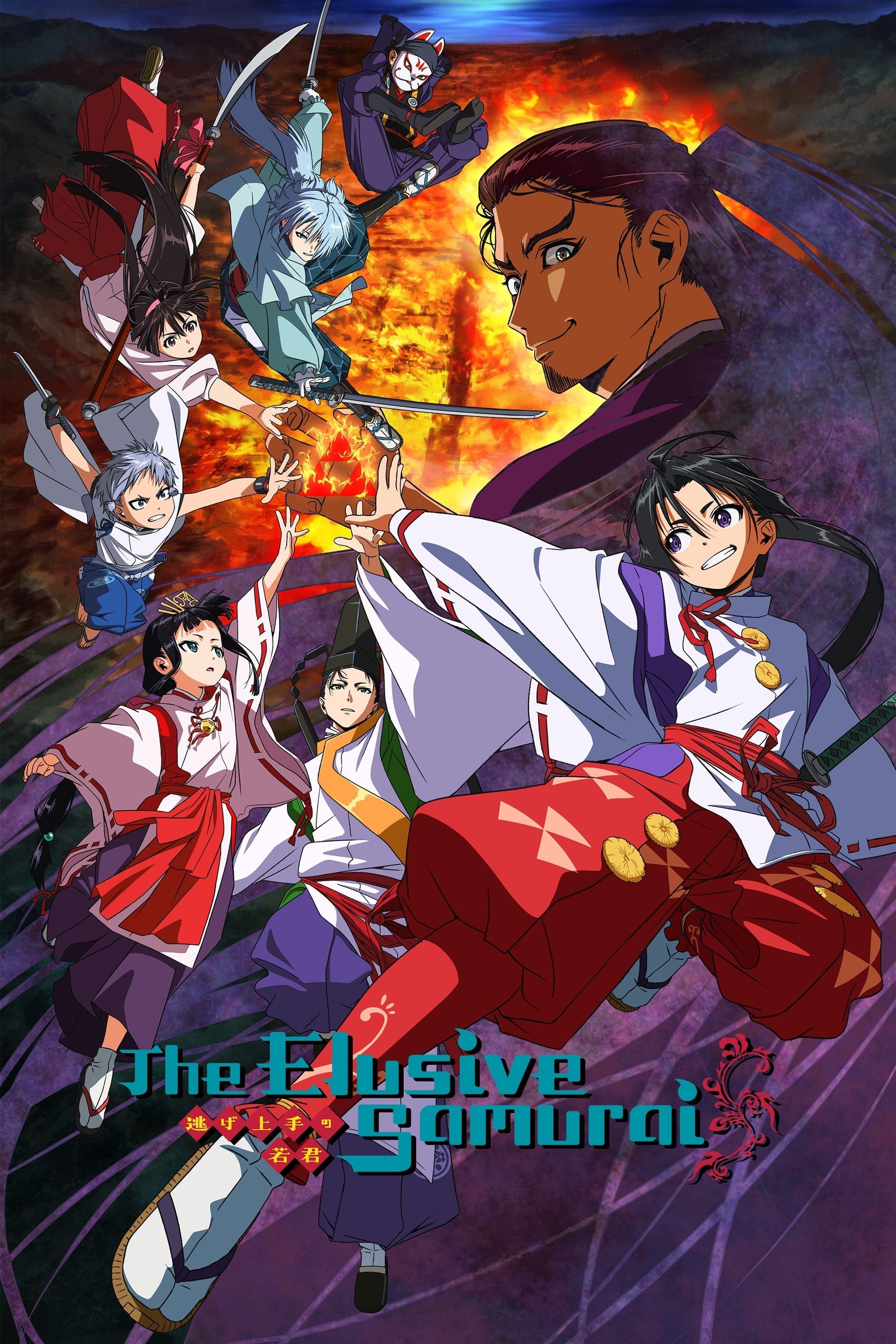
The adaptation of ‘The Elusive Samurai’ features a protagonist, Tokiyuki Hojo, who relies on survival and flight rather than traditional masculine “bravery” in combat. This sparks debates about the subversion of the samurai archetype and the inclusion of gender-fluid elements in character design. Critics note how the series challenges the idea that a male hero must be aggressive to be effective. The franchise is discussed for its unique take on historical masculinity and the various roles available to marginalized figures in the Kamakura period.
‘Mission: Yozakura Family’ (2024–2025)
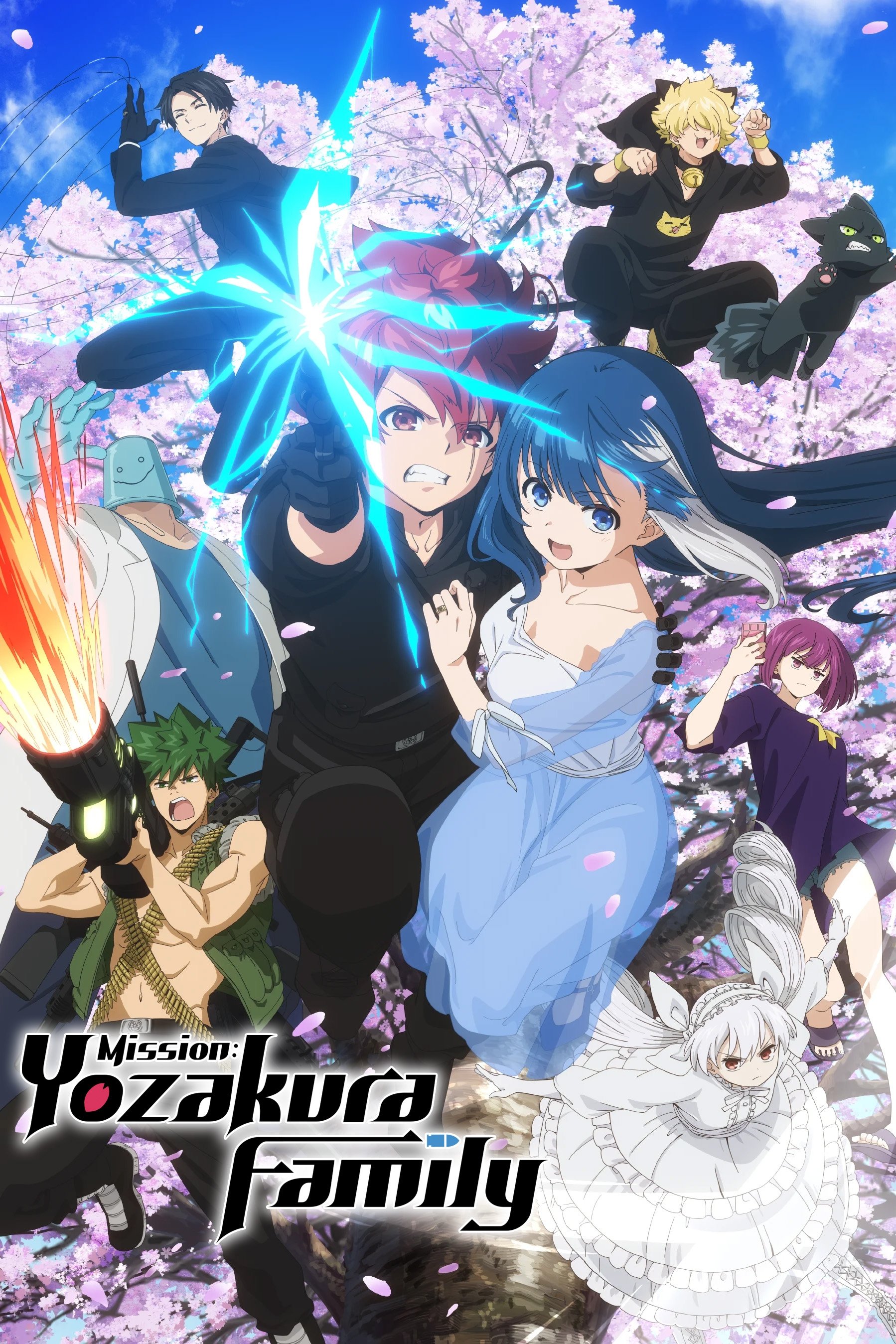
‘Mission: Yozakura Family’ centers on a household where the female head of the family, Mutsumi, is the core around which all action revolves. The series is discussed for how it balances the “protector” role of the husband with the inherent authority and power of the wife’s lineage. Fans debate whether the series successfully portrays a partnership of equals in a high-stakes spy setting. It is a notable example of a family-centric shonen that prioritizes female lineage and leadership.
‘Zom 100: Bucket List of the Dead’ (2023–2025)

As ‘Zom 100’ continues, the character of Shizuka Mikami is often the focus of debates regarding professional burnout and the “rational” female archetype. The series explores how gender roles are stripped away or reinforced during a societal collapse. Critics analyze Shizuka’s journey from a corporate-minded cynic to a person seeking individual freedom alongside the male lead. The franchise is noted for its critique of the Japanese workforce through the lens of gendered expectations.
‘Metallic Rouge’ (2024)
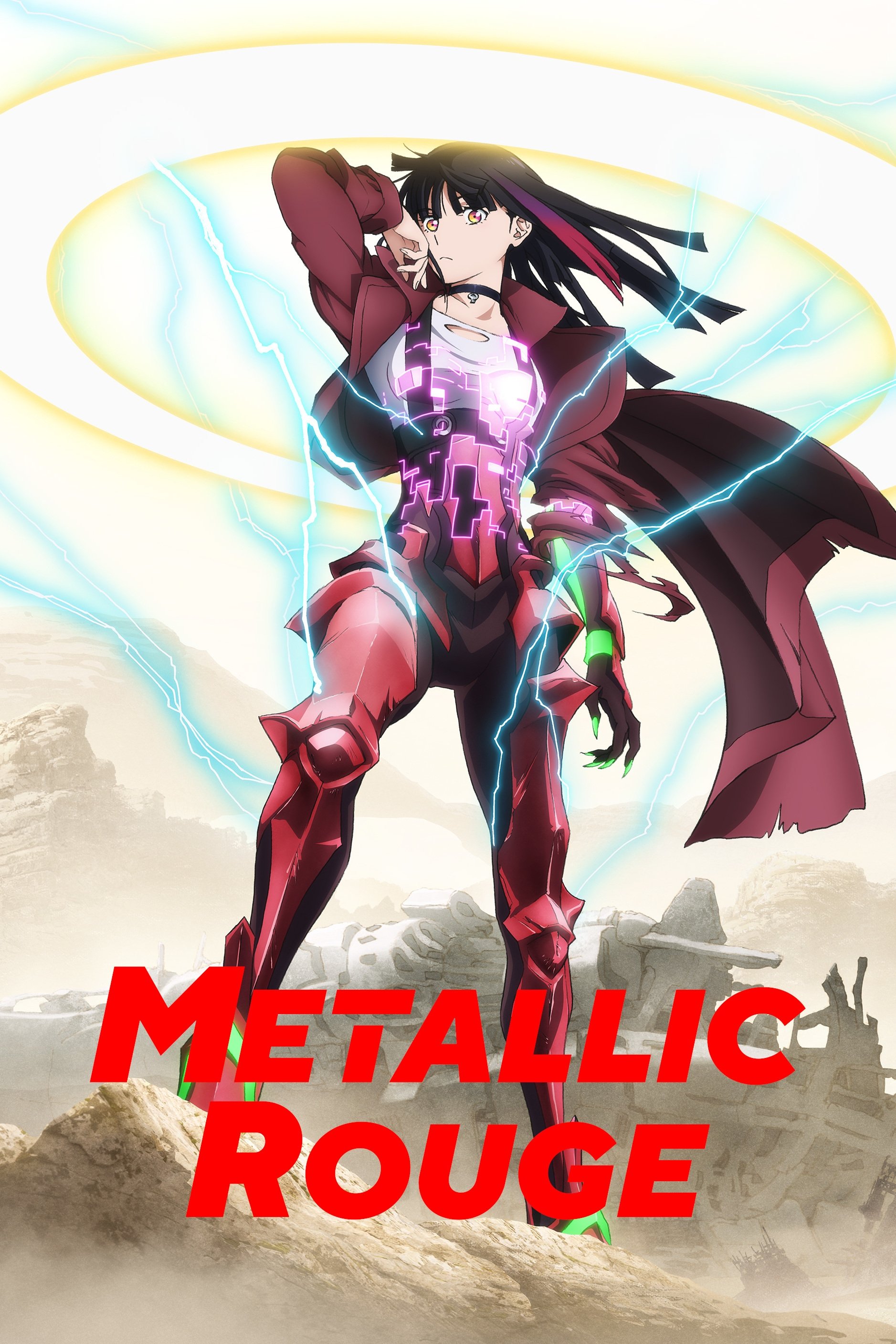
‘Metallic Rouge’ features a central female duo in a sci-fi “buddy cop” dynamic, which has sparked discussions about the representation of female friendships in action anime. The series is analyzed for its focus on the biological and mechanical identity of its characters, using “androids” as a metaphor for societal roles. Debate often centers on the lack of a male romantic lead, allowing the narrative to focus entirely on the bond between the two women. It is viewed as an intentional move toward more female-centered original sci-fi.
‘Brave Bang Bravern!’ (2024)
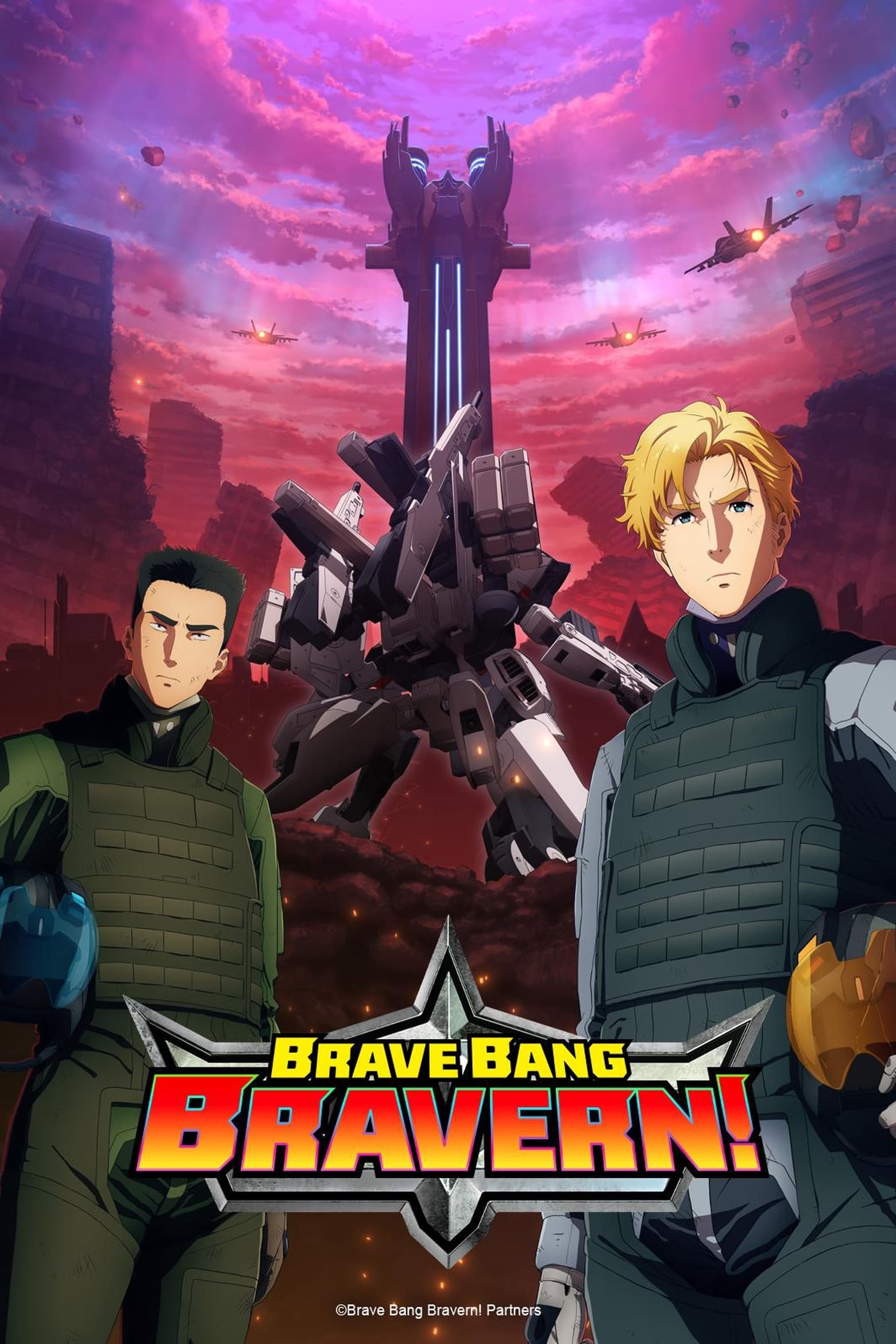
This mecha series has been a focal point for debates about “homosocial” bonds and the parody of hyper-masculine mecha tropes. The intense relationship between the two male pilots is often discussed in the context of “fujoshi” appeal and the subversion of traditional soldier archetypes. Critics examine how the series uses the “Super Robot” genre to comment on male vulnerability and emotional expression. It is a significant example of how modern mecha anime addresses the performance of masculinity and desire.
‘Whisper Me a Love Song’ (2024–2025)
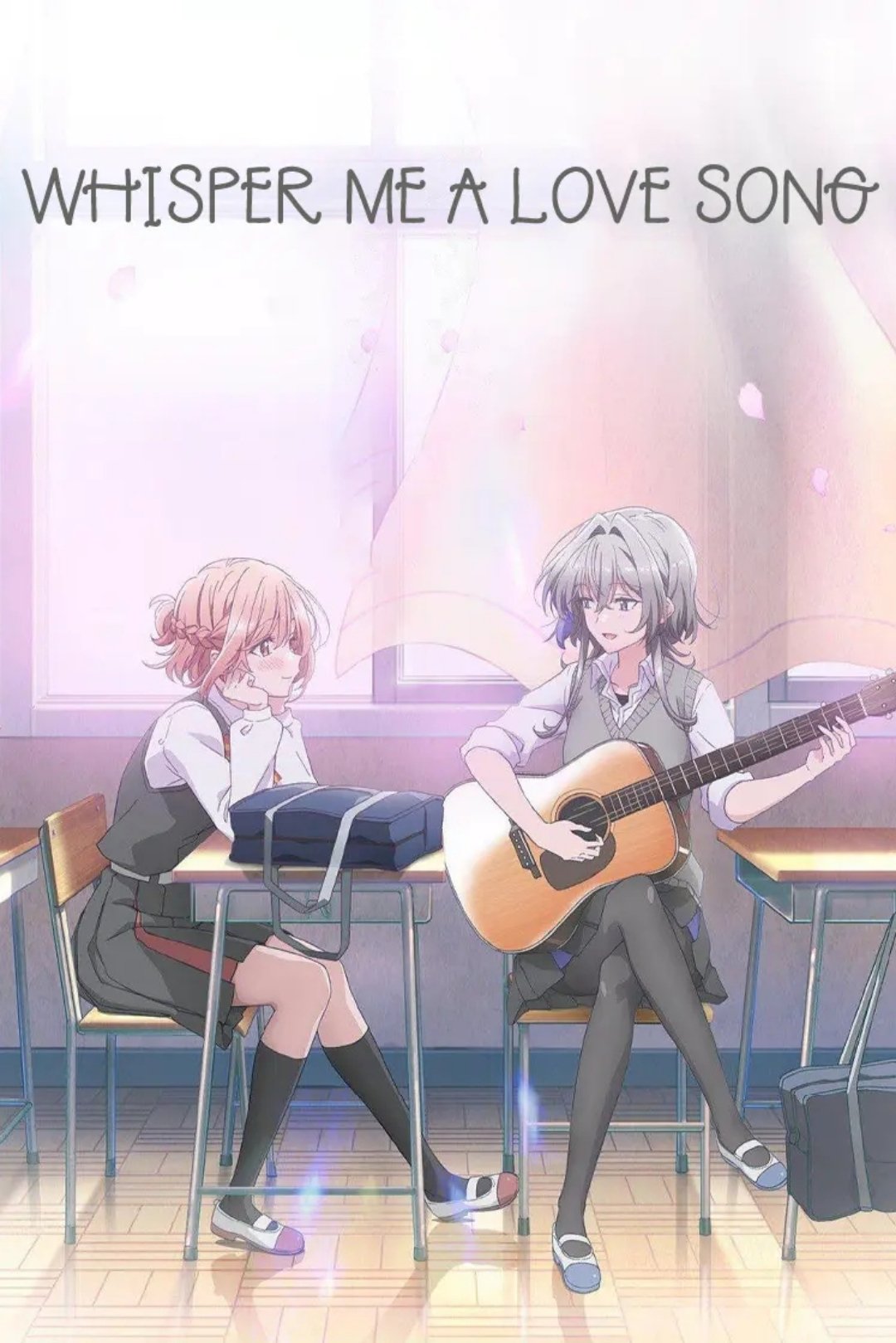
As a prominent “Yuri” or girls’ love franchise, ‘Whisper Me a Love Song’ is central to debates about the representation of female-female romance in mainstream media. The series is discussed for its “pure” and “slow-burn” approach to romance, which some critics praise for its sensitivity and others critique for avoiding more complex social realities. Discourse centers on how the series portrays the discovery of queer identity during adolescence. It remains a key title for fans of gender-focused romantic storytelling.
‘Twilight Out of Focus’ (2024)
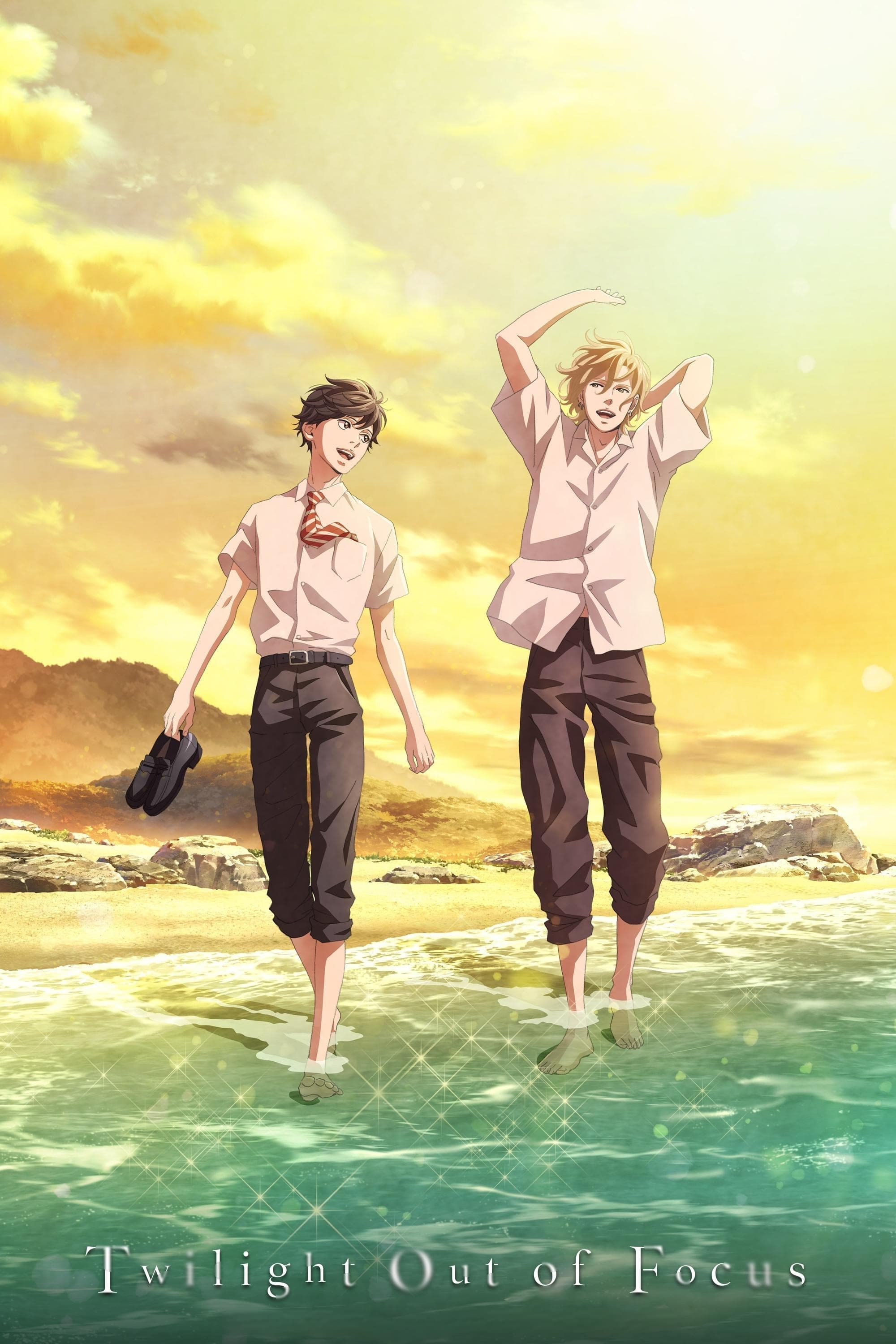
‘Twilight Out of Focus’ is a “Boys’ Love” (BL) franchise that explores the intersection of filmmaking and blossoming queer relationships. The series sparks debates about the portrayal of consent and the specific tropes of the BL genre as they move into the mainstream. Critics analyze the way the series uses the lens of a camera to reflect on the performance of gender and attraction. It is a notable project for its high production values and its focus on the creative lives of its male protagonists.
‘Honey Lemon Soda’ (2025)
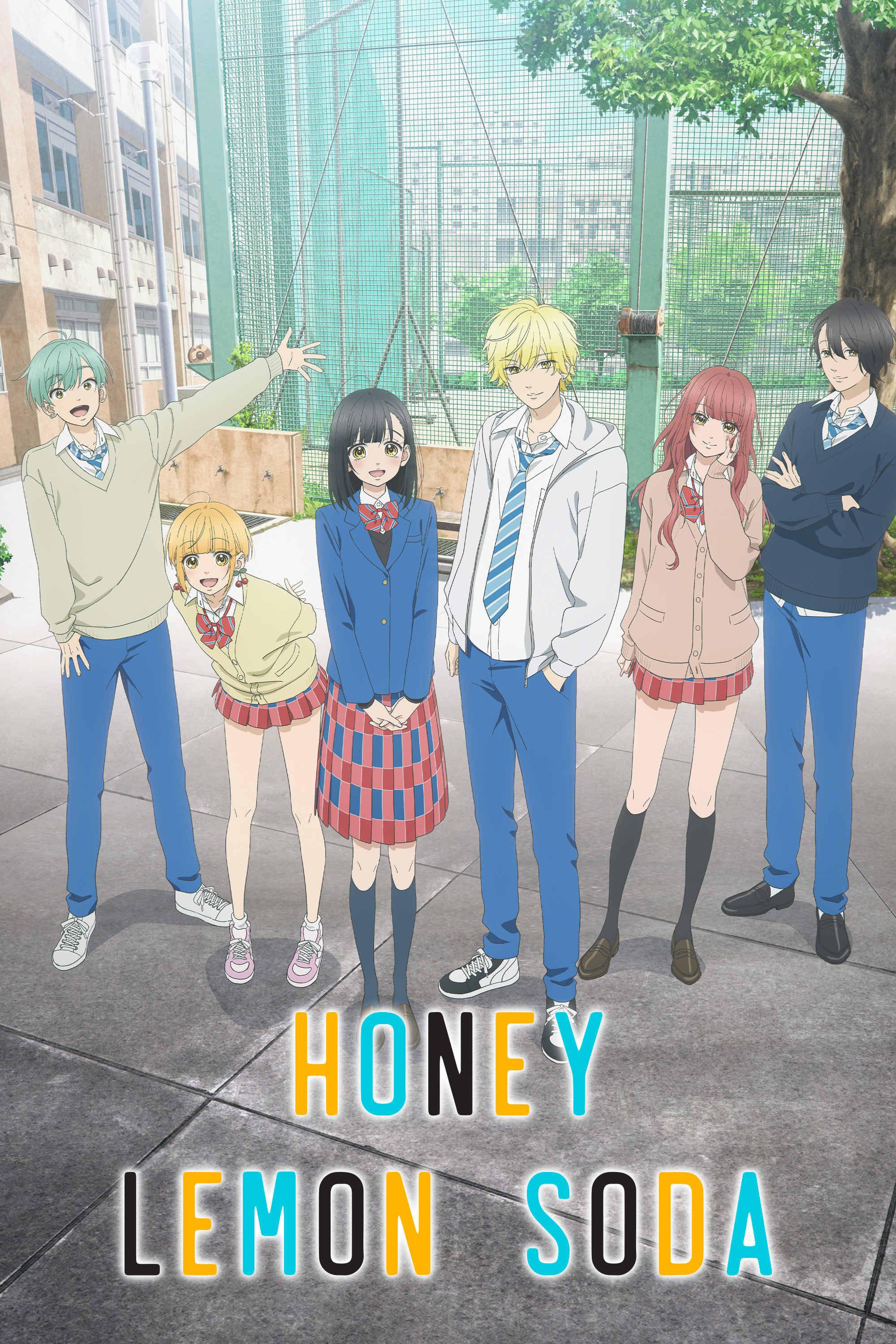
The 2025 adaptation of ‘Honey Lemon Soda’ brings a massive shoujo hit to the screen, triggering discussions about the “quiet girl” trope in high school romance. The debate centers on the protagonist’s growth from a victim of bullying to a more self-assured individual and whether the narrative relies too heavily on the male lead for this development. Fans discuss the series’ depiction of feminine vulnerability and the social pressures of teenage life. It is a major title for analyzing the current state of “classic” shoujo gender dynamics.
‘Mono’ (2025)

‘Mono’ focuses on a group of girls involved in photography and cinematography, continuing the trend of “slice-of-life” anime that explores female hobbies and technical skills. The series is discussed for its celebration of female community and the absence of male-driven plot points. Critics point to it as an example of how “iyashikei” (healing) anime can provide a space for gender-neutral enjoyment through female-led stories. It serves as a focal point for discussions on the “moe” aesthetic and its evolution.
‘Trillion Game’ (2024–2025)
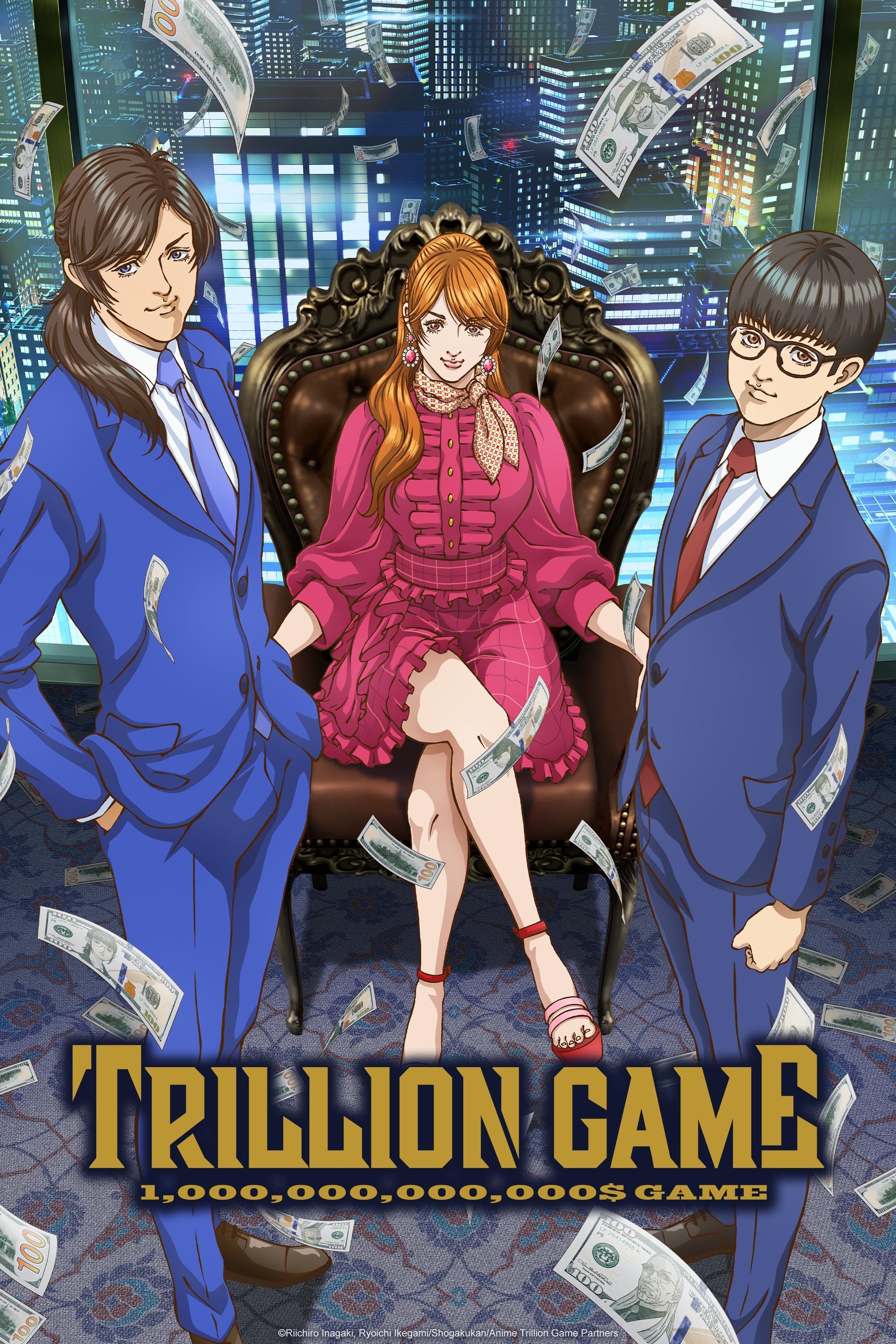
‘Trillion Game’ features powerful female figures in the corporate world, particularly the character Kirika Kokuryu, who acts as a formidable rival to the male protagonists. The series is discussed for its portrayal of “ruthless” female ambition and the gendered barriers in the tech and finance industries. Fans debate whether the female characters are given enough depth beyond their roles as antagonists or obstacles. It remains a key franchise for those analyzing the depiction of professional power and gender in modern Japan.
‘Orb: On the Movements of the Earth’ (2024–2025)
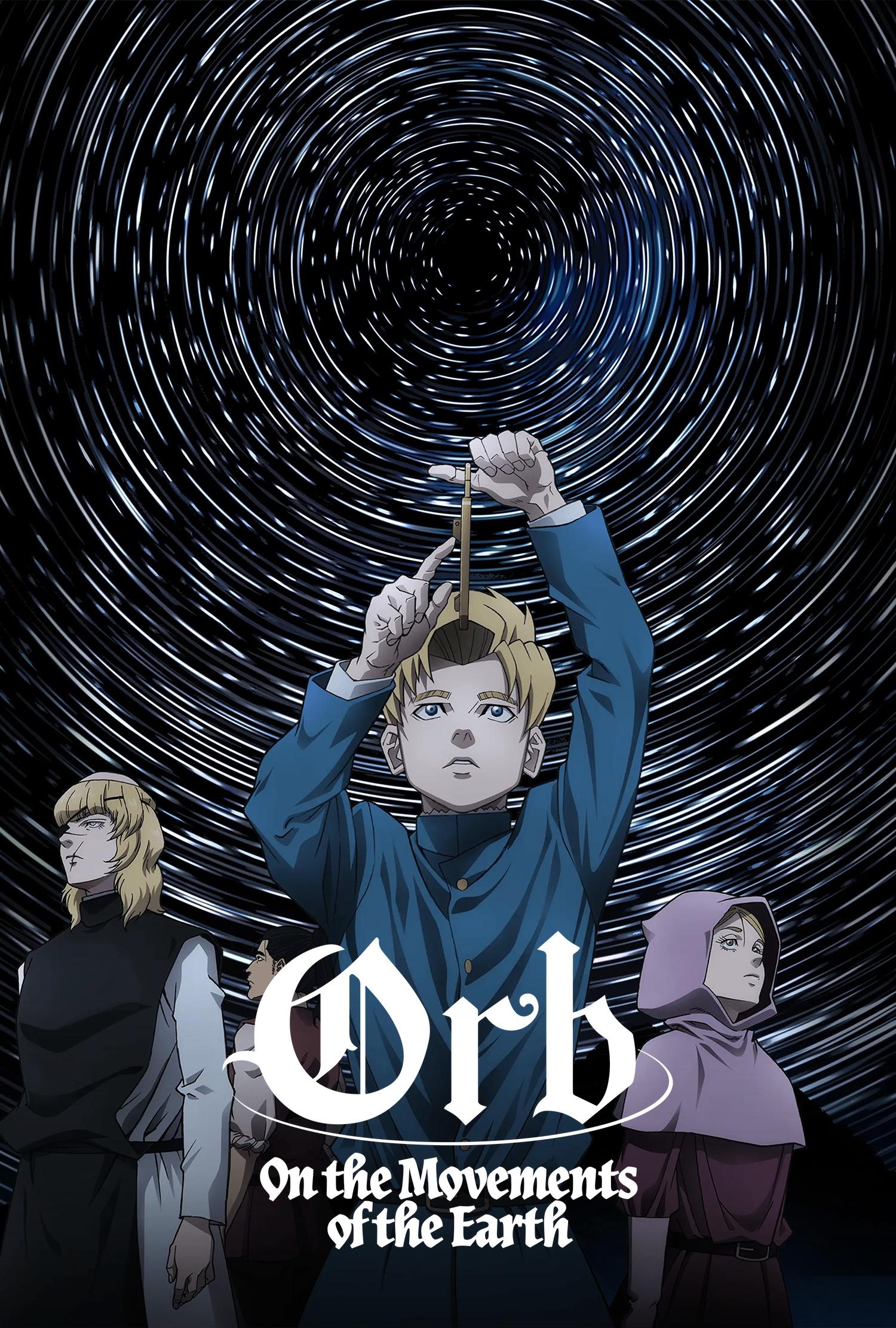
This historical drama addresses the dangerous pursuit of scientific truth in a religious society, including the specific barriers faced by women who wish to study astronomy. The series sparks discourse on the historical suppression of female intellect and the ways women contributed to the scientific revolution in secret. Critics praise the series for its intellectual depth and its refusal to simplify the gendered struggles of the era. It is a significant franchise for its intersectional look at gender, religion, and science.
‘Makeine: Too Many Losing Heroines!’ (2024)
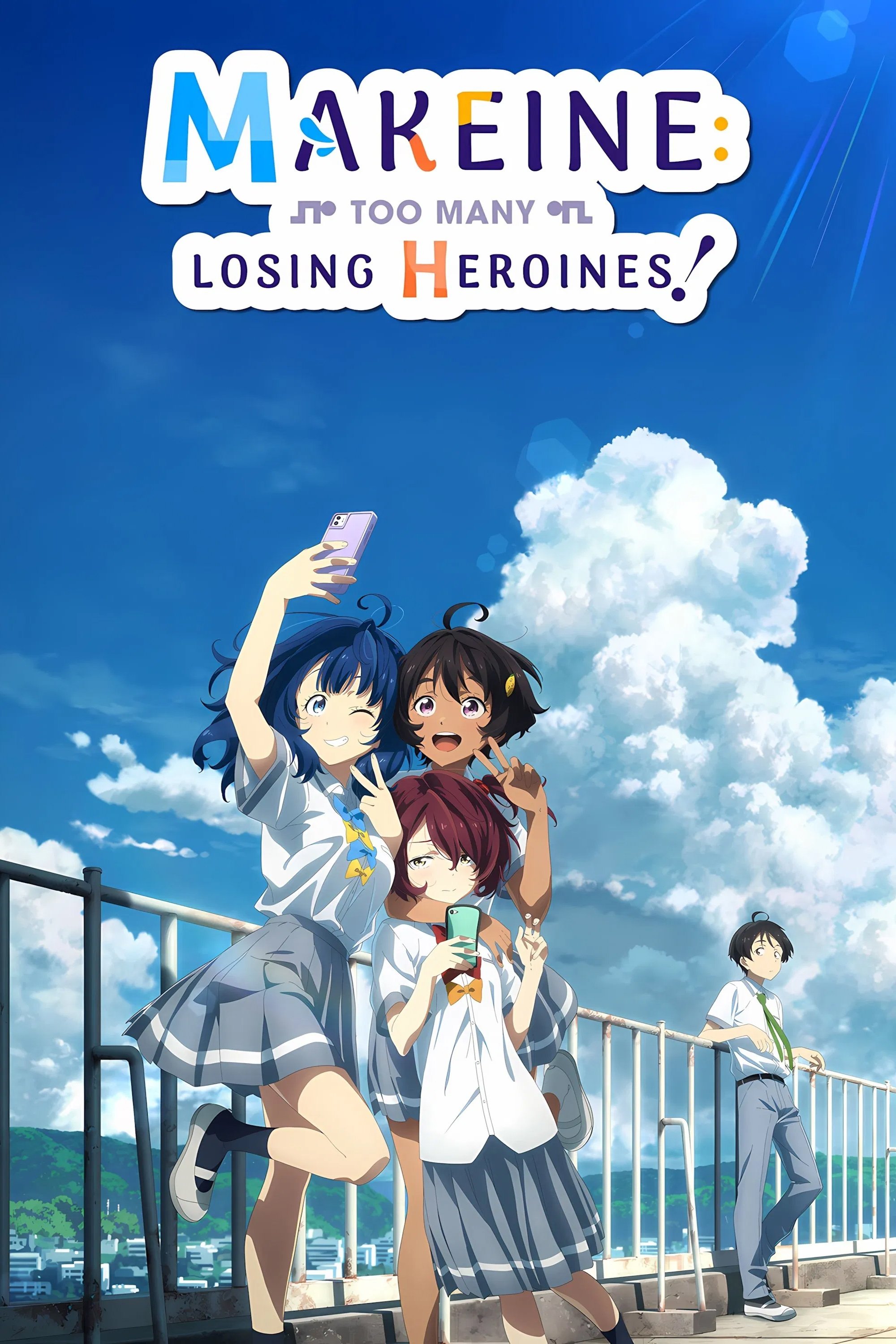
‘Makeine’ subverts the “harem” genre by focusing on the “losing heroines”—the girls who are typically rejected in favor of a main love interest. The series is discussed for its empathetic and often comedic look at female rejection and the social stigma of not being the “chosen” one. Fans debate how the series deconstructs typical romance tropes and allows its female characters to have lives and friendships outside of their romantic failures. It is a notable meta-commentary on gender roles in romantic comedies.
‘The Fragrant Flower Blooms with Dignity’ (2025)
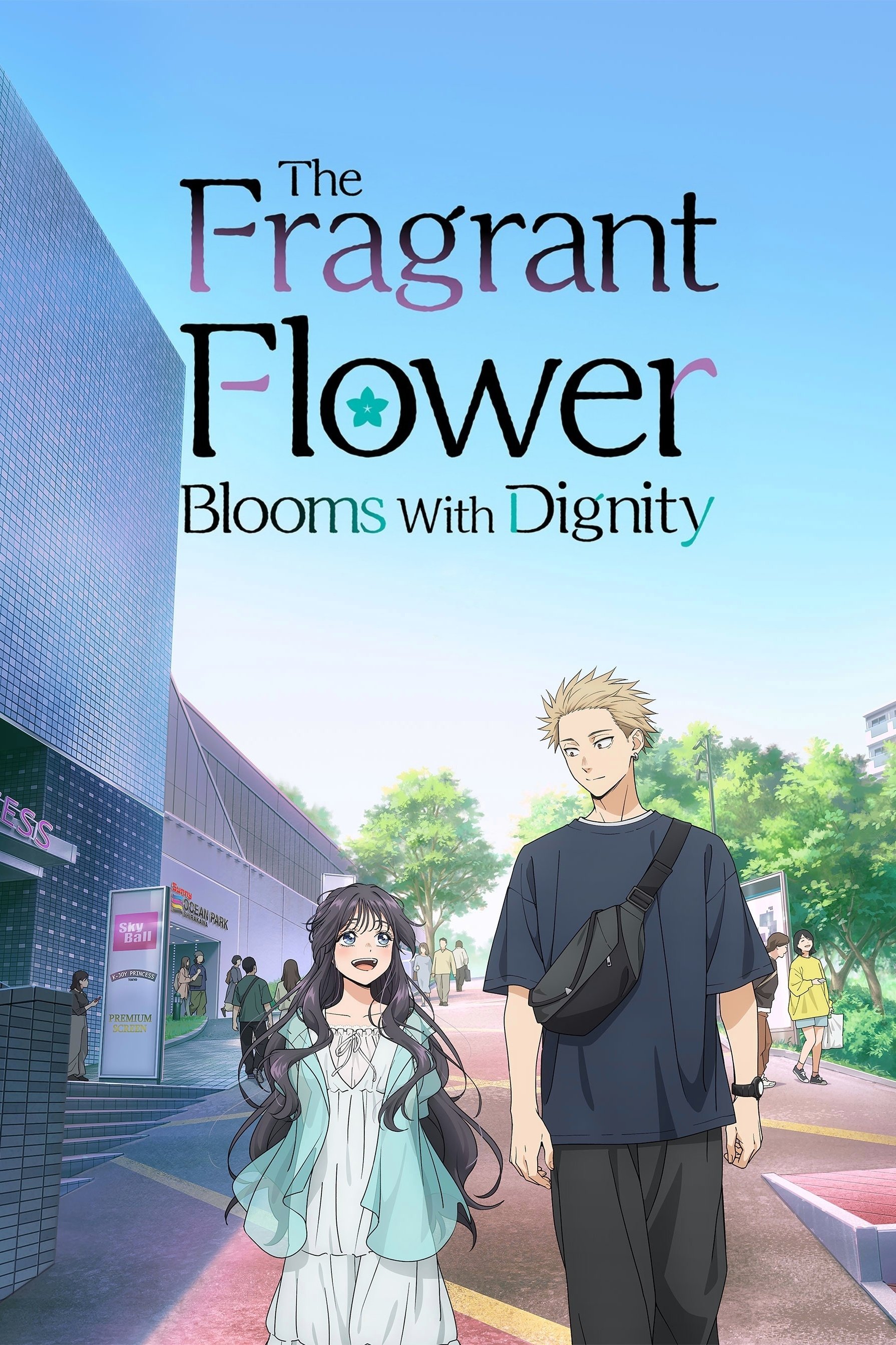
This 2025 adaptation explores the relationship between a girl from a prestigious school and a boy from a “tough” boys’ school, focusing on the dismantling of social prejudices. The series is discussed for its sensitive portrayal of masculinity and the way it challenges the “delinquent” stereotype. Fans also point to the female lead’s agency in bridging the gap between two disparate social worlds. It is a central title for discussions on how romance can be used to explore and break down gendered social hierarchies.
‘Devil May Cry’ (2025)
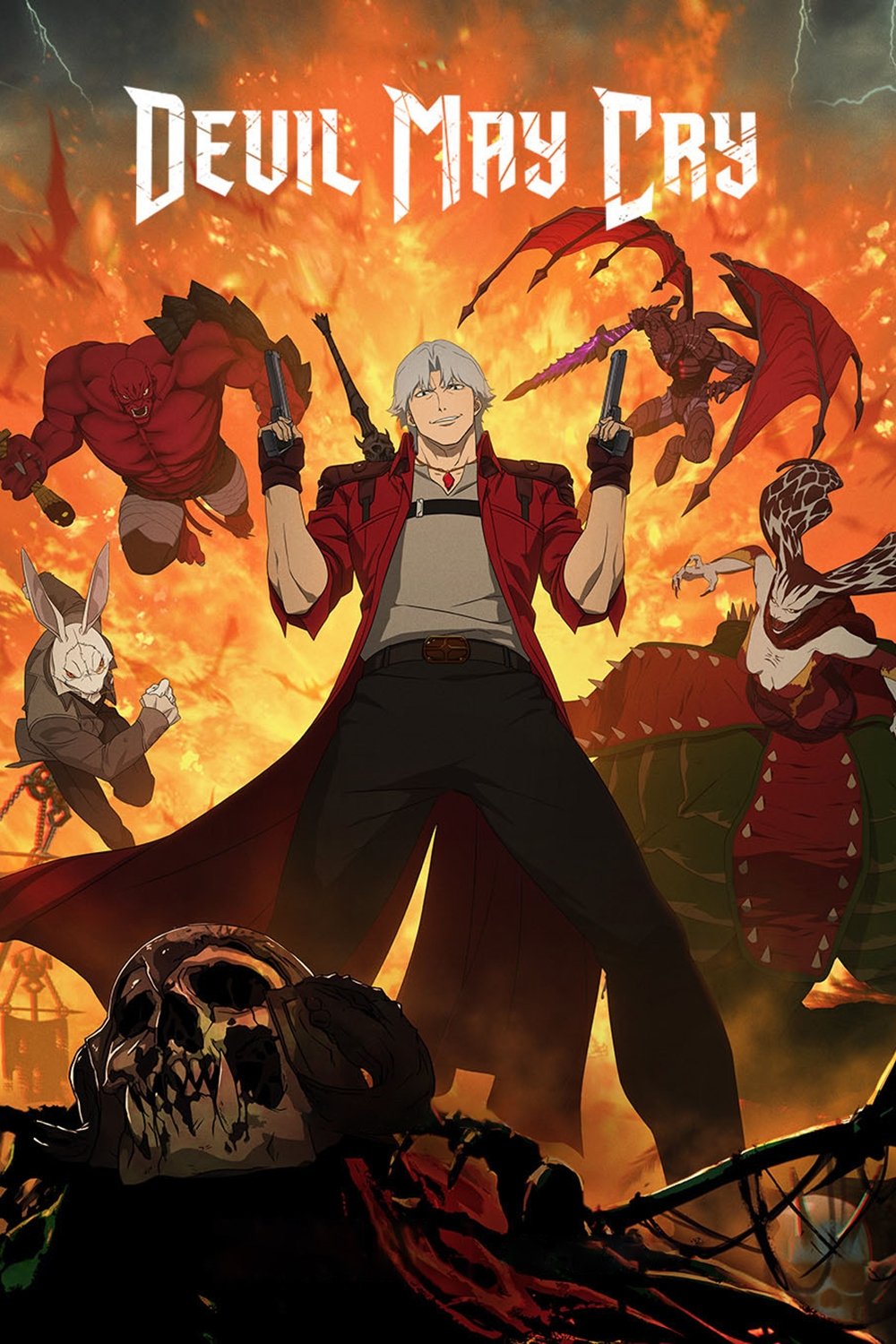
The Netflix anime adaptation of ‘Devil May Cry’ is expected to tackle the franchise’s legacy of hyper-cool masculinity and the role of its iconic female characters like Trish and Lady. Debates center on how the show will balance the “stylish action” with modern character development for its female leads. Fans are curious to see if the series will move past the “assistant” roles sometimes assigned to the women in the games. It is a high-profile case of an action-heavy franchise adapting to a contemporary narrative landscape.
‘Terminator Zero’ (2024–2025)
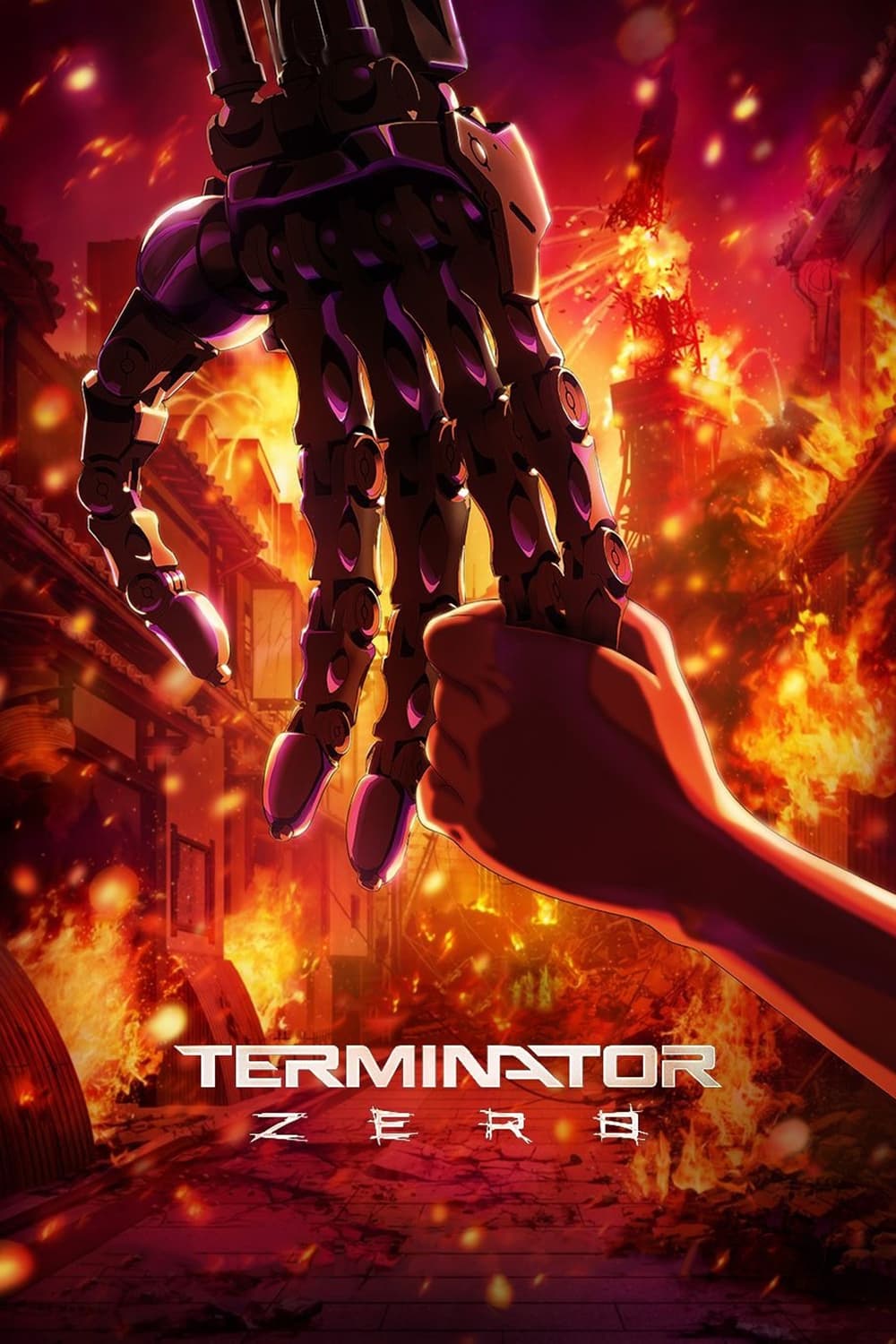
‘Terminator Zero’ has been discussed for its focus on a family dynamic and the role of the female resistance fighter sent back in time. The series sparks debate about the “warrior woman” trope and how it translates to an anime medium with a focus on Japanese philosophical themes. Critics analyze the portrayal of motherhood and the burden of the future on female protagonists in a sci-fi setting. This franchise is a notable example of a Western IP being reimagined through an anime lens to explore gendered survival.
Tell us which of these anime franchises you believe handled gender representation the best in the comments.