Anime Plots Featuring Gay Themes That Caused Massive Backlash


The inclusion of gay themes in anime has a long history, often resulting in complex reactions from global audiences, licensing companies, and regulatory bodies. While some series have been praised for representation, others have faced significant backlash due to censorship, questionable tropes, or cultural differences in storytelling. These controversies frequently highlight the tension between original creative intent and the requirements of international distribution. From script changes in major dubs to public statements from production companies, the following examples illustrate how gay themes have sparked debate within the industry.
‘Sailor Moon’ (1992–1997)
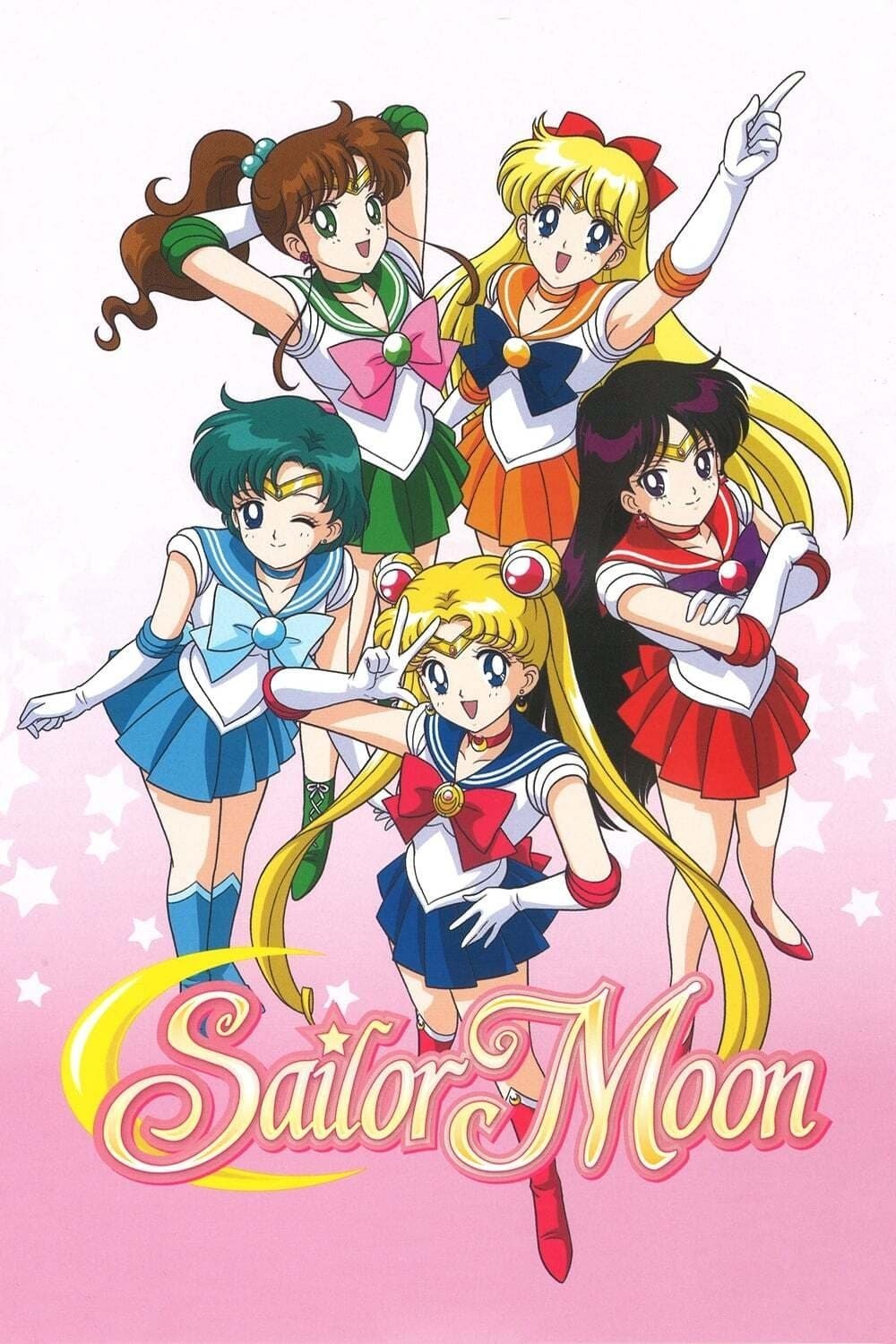
When ‘Sailor Moon’ was first localized for North American audiences in the 1990s, the romantic relationship between Sailor Uranus and Sailor Neptune was significantly altered. To avoid depicting a same-sex couple, the Cloverway English dub script rewritten the two characters as cousins. This change created unintentional narrative confusion, as the characters maintained their intimate physical chemistry and flirtatious dialogue. The “cousins” edit became a landmark example of anime censorship and continues to be discussed by fans as a major mishandling of queer representation. Modern redubs have since restored the original romantic nature of their relationship.
‘Neon Genesis Evangelion’ (1995–1996)
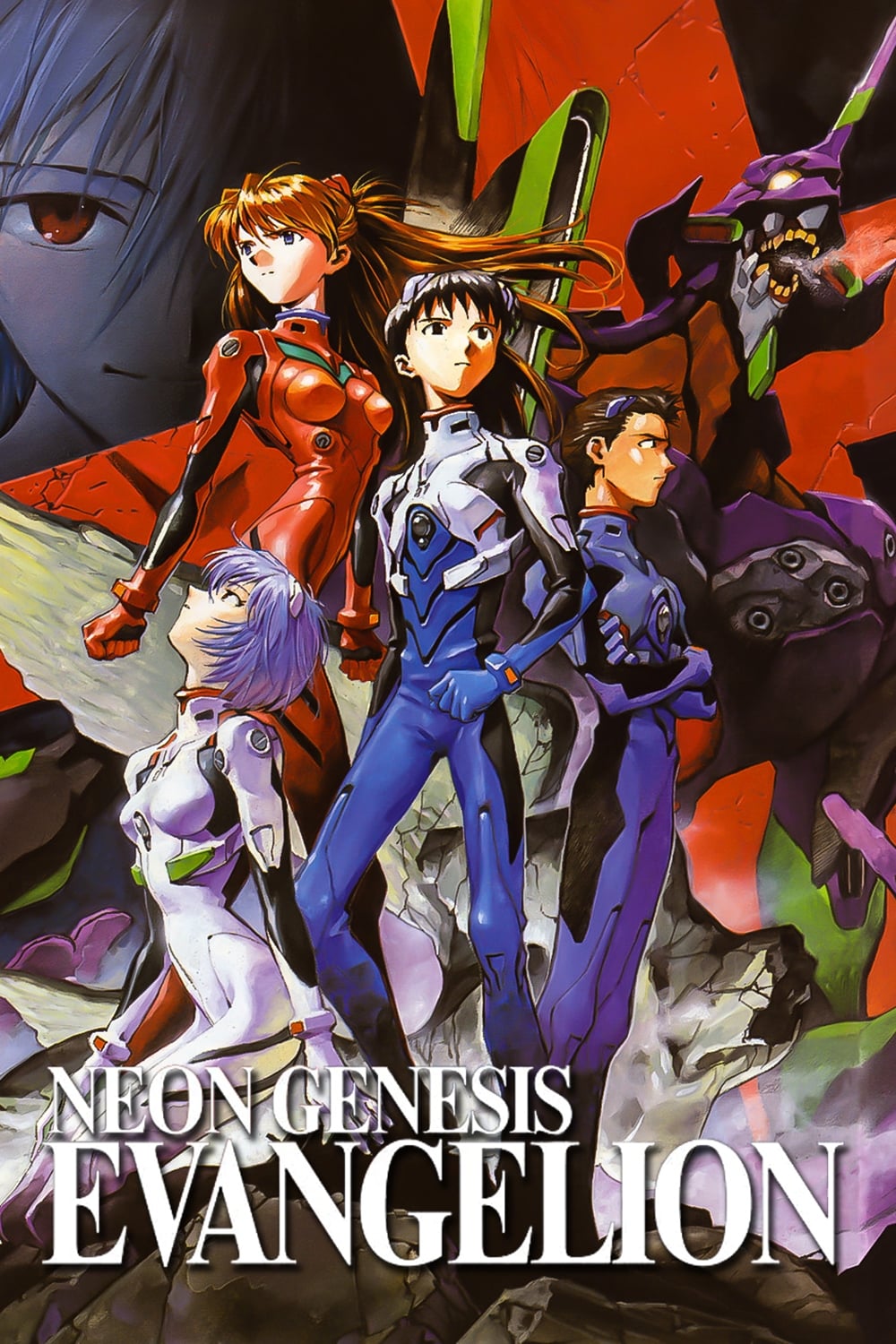
The relationship between Shinji Ikari and Kaworu Nagisa in ‘Neon Genesis Evangelion’ became the center of intense debate following the series’ release on Netflix in 2019. In the original 1990s English dub and various translations, Kaworu explicitly tells Shinji that he loves him. However, the updated script changed the dialogue to “I like you” and replaced “love” with “grace” in other pivotal scenes. This alteration sparked massive backlash from fans and critics who accused the new translation of sanitizing the queer subtext. The controversy raised broader questions about the responsibilities of streaming platforms when re-localizing classic media.
‘Mobile Suit Gundam: The Witch from Mercury’ (2022–2023)
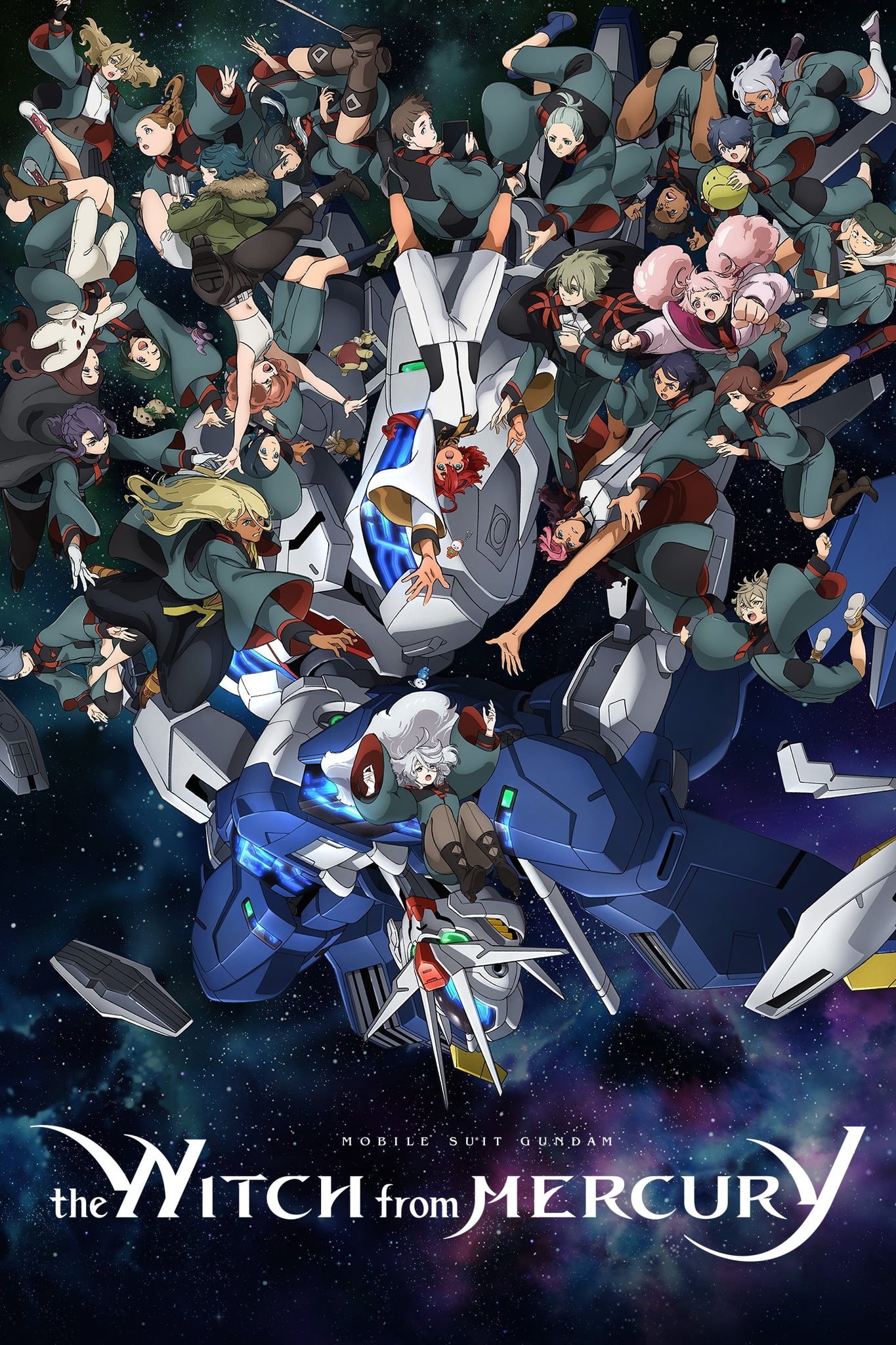
In 2023, ‘Mobile Suit Gundam: The Witch from Mercury’ faced international scrutiny after the publisher of Gundam Ace magazine issued a retraction regarding the relationship between the lead characters, Suletta and Miorine. The magazine had originally featured an interview stating the two characters were married, which aligned with the series finale. Following the publication, Bandai Namco Filmworks claimed the marriage was “open to interpretation,” despite the characters wearing matching wedding rings. This statement caused a massive wave of backlash on social media, with fans accusing the company of trying to erase a confirmed gay relationship to appease conservative markets.
‘Cardcaptor Sakura’ (1998–2000)
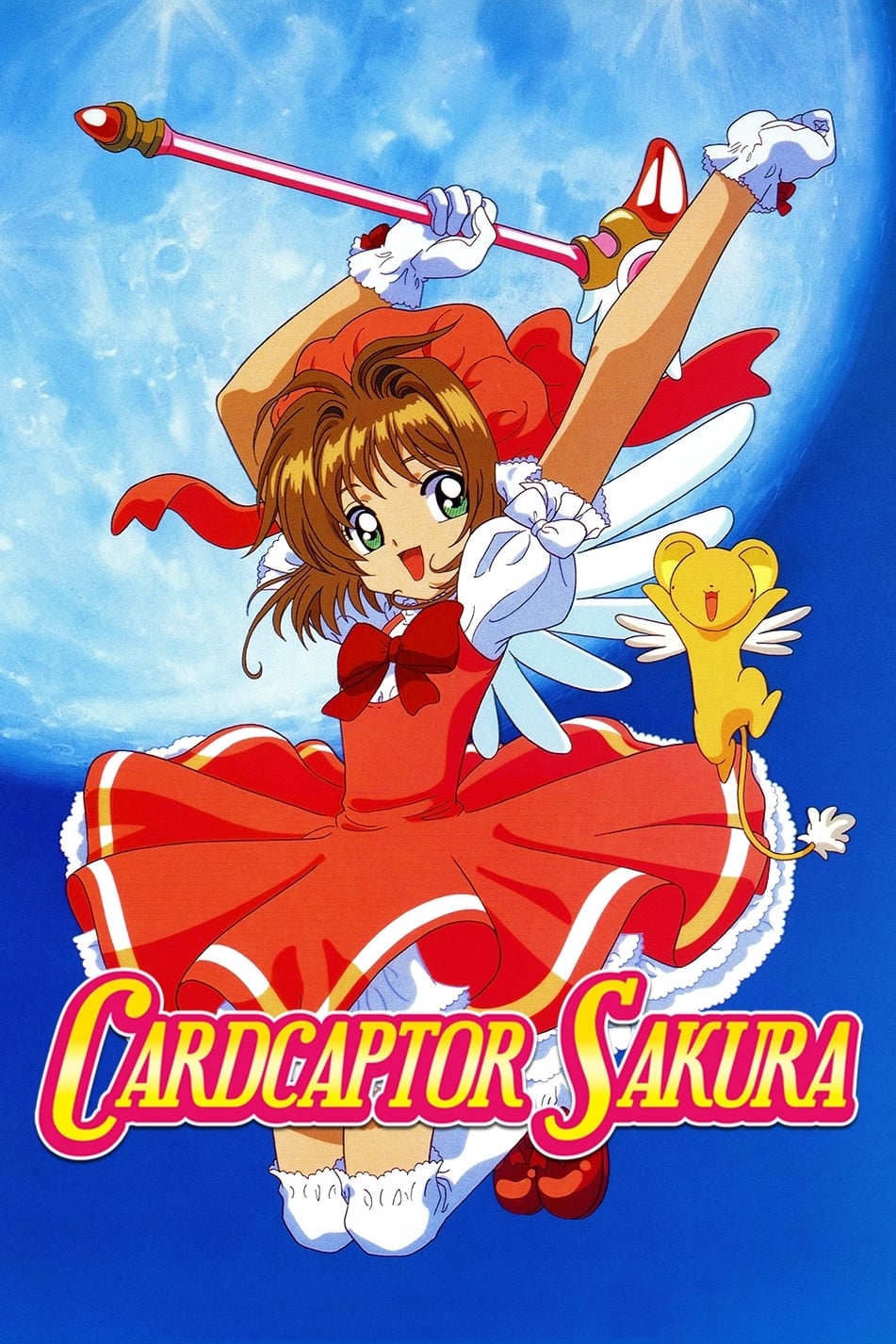
When ‘Cardcaptor Sakura’ was adapted into the English version ‘Cardcaptors’ by Nelvana, the gay themes were almost entirely excised through heavy editing. The original Japanese plot featured a romantic bond between the characters Touya Kinomoto and Yukito Tsukishiro, which was central to their character development. The English dub removed their romantic dialogue and re-edited scenes to portray them merely as best friends. This removal of queer elements, alongside the erasure of other diverse themes, led to significant criticism regarding the sanitization of Japanese media for Western children. Recent uncut releases have allowed the original themes to reach a wider audience.
‘Citrus’ (2018)
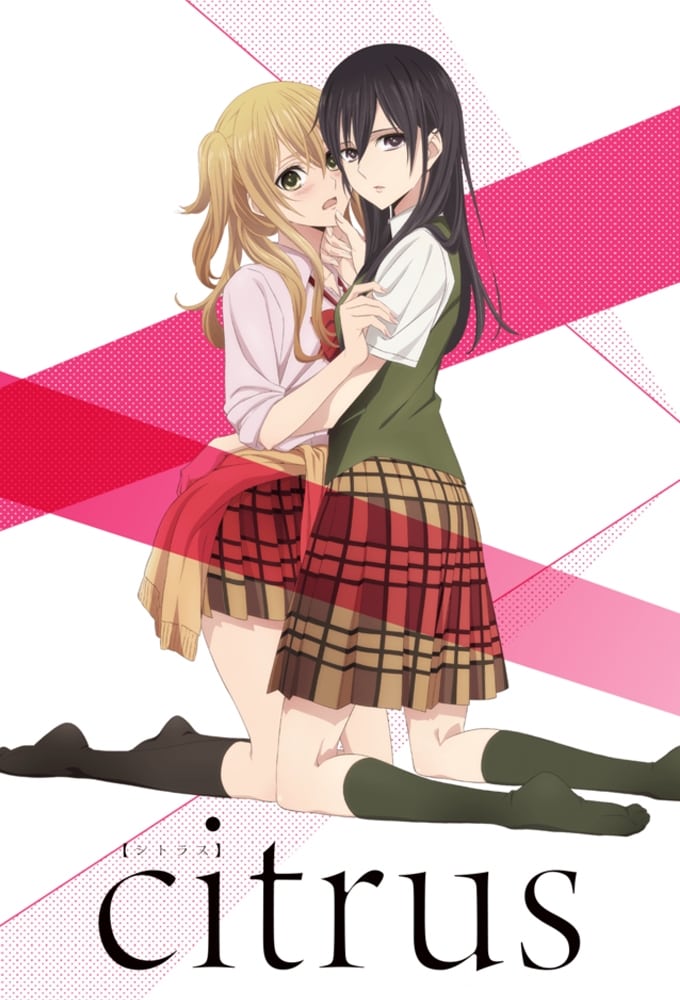
The anime ‘Citrus’ gained notoriety and sparked backlash for its portrayal of a romantic relationship between two stepsisters, Yuzu and Mei. Critics and viewers expressed concern over the use of non-consensual physical encounters as a plot device in early episodes. The “predatory” nature of some scenes led to debates within the anime community about the fine line between the “girls’ love” genre and harmful stereotypes. While the show has a dedicated fanbase, it remains one of the most polarizing examples of gay themes in modern anime due to its handling of consent and familial boundaries.
‘Super Lovers’ (2016–2017)
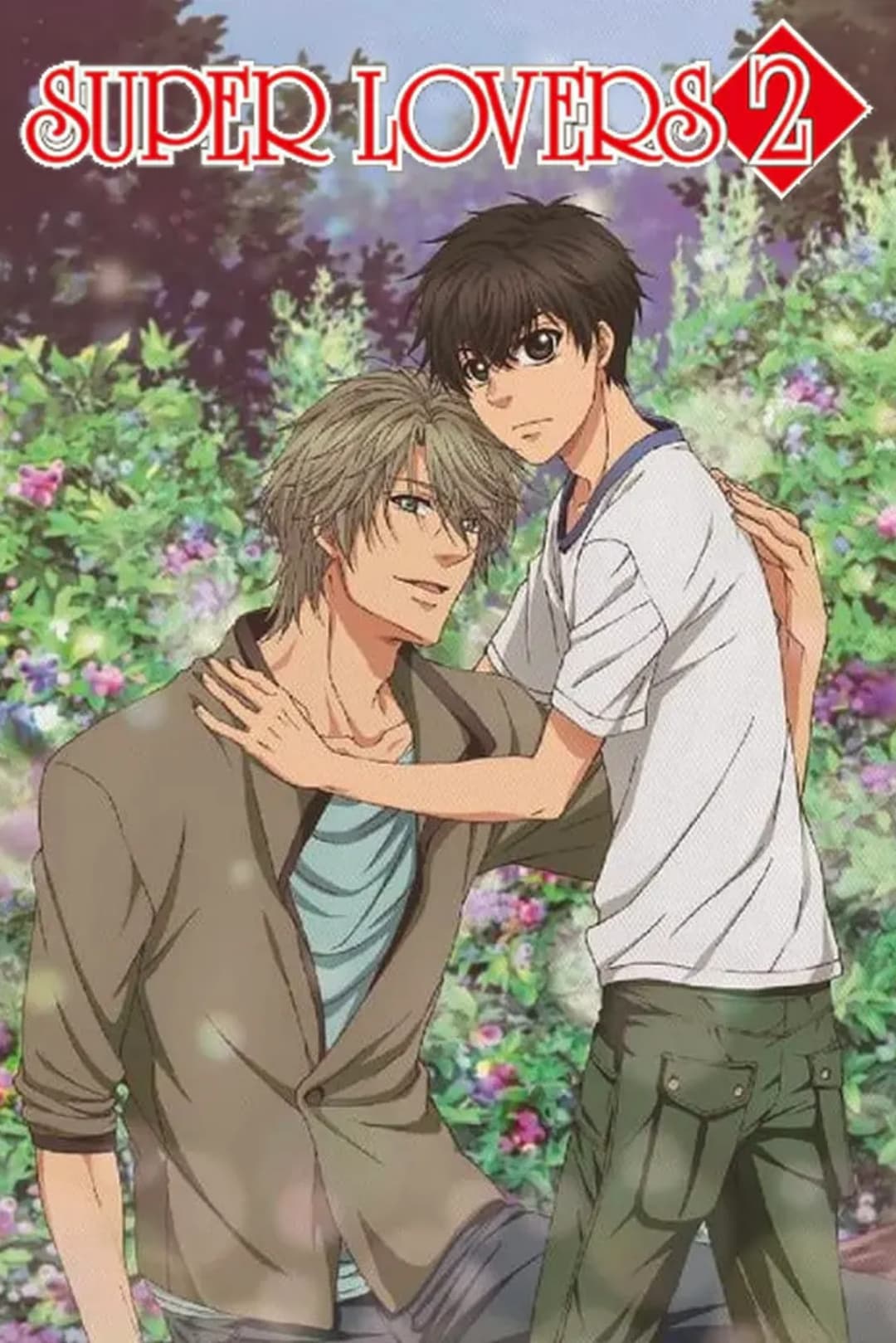
‘Super Lovers’ caused significant controversy due to the age gap and the nature of the relationship between its two male leads, Haru and Ren. The plot involves an older brother figure developing romantic feelings for his adopted younger brother, starting when the latter is still a child. Many viewers and critics criticized the series for romanticizing a dynamic with a questionable power imbalance and predatory undertones. The backlash often centers on the “shounen-ai” genre’s tendency to use controversial tropes that many find uncomfortable or inappropriate. Despite the pushback, the series remains a well-known title within its specific niche.
‘Yuri!!! on Ice’ (2016)
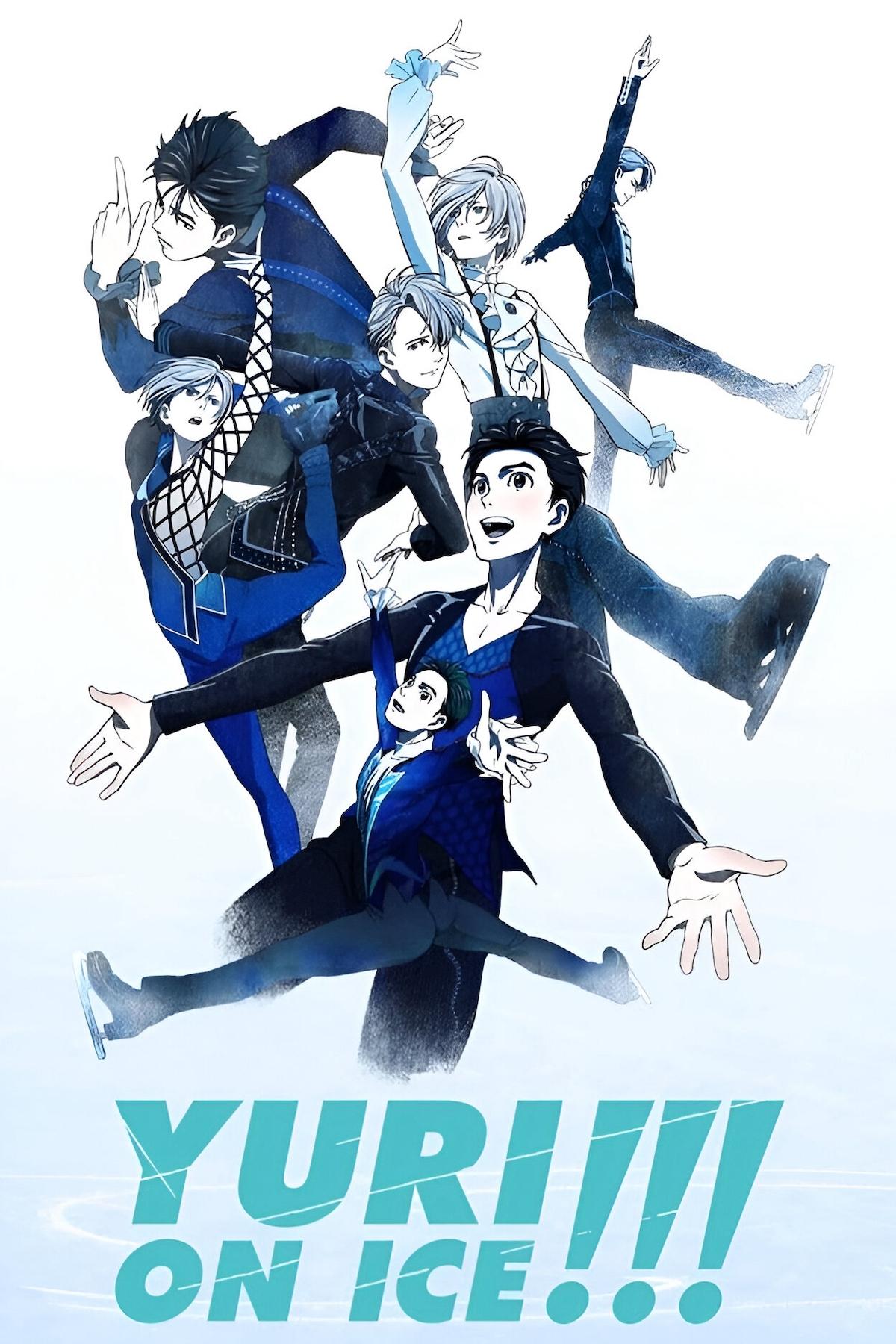
While ‘Yuri!!! on Ice’ was largely praised for its story, it faced backlash regarding the perceived censorship of a pivotal kiss scene between characters Victor and Yuri. In episode seven, a scene occurs where the characters appear to kiss, but Victor’s arm strategically obscures the point of contact. This led to a massive debate among fans about whether the production team was playing it safe to avoid legal or broadcast issues in conservative regions. Some viewers felt the ambiguity took away from the progressiveness of the show, while others defended the creative choice. The discussion highlighted the ongoing challenges creators face when depicting gay romance in mainstream television anime.
‘Junjo Romantica’ (2008)
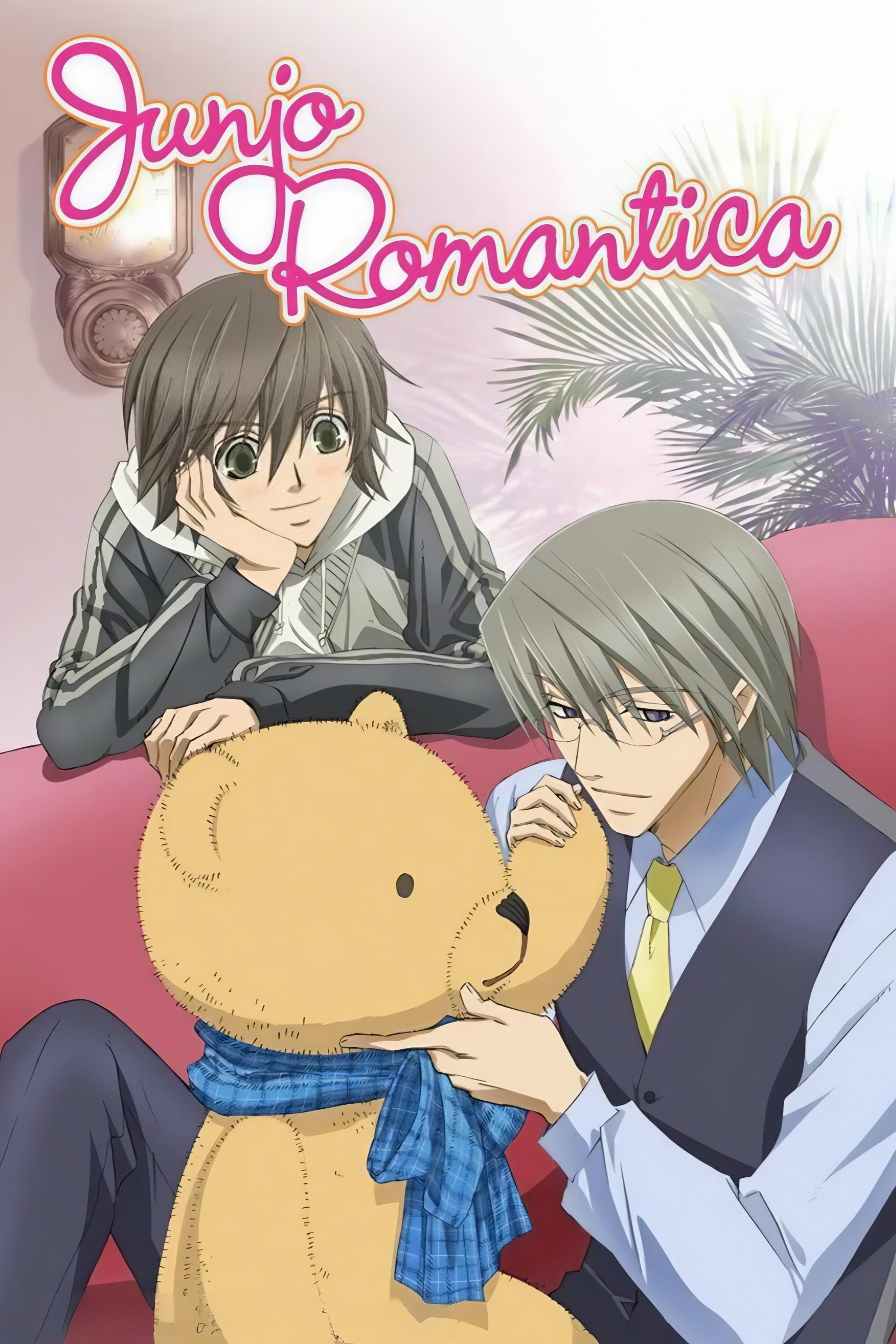
‘Junjou Romantica’ is often cited in discussions about the toxic tropes found in the “Boys’ Love” genre. The series faced backlash for its portrayal of relationships that frequently involve a lack of consent and aggressive behavior from the “seme” (dominant) characters. Critics argued that the series normalized unhealthy relationship dynamics under the guise of romance. This criticism has become more prominent in recent years as viewers demand more balanced and respectful representation in queer media. Despite the controversy, it remains one of the most successful and influential series in the genre’s history.
‘Banana Fish’ (2018)
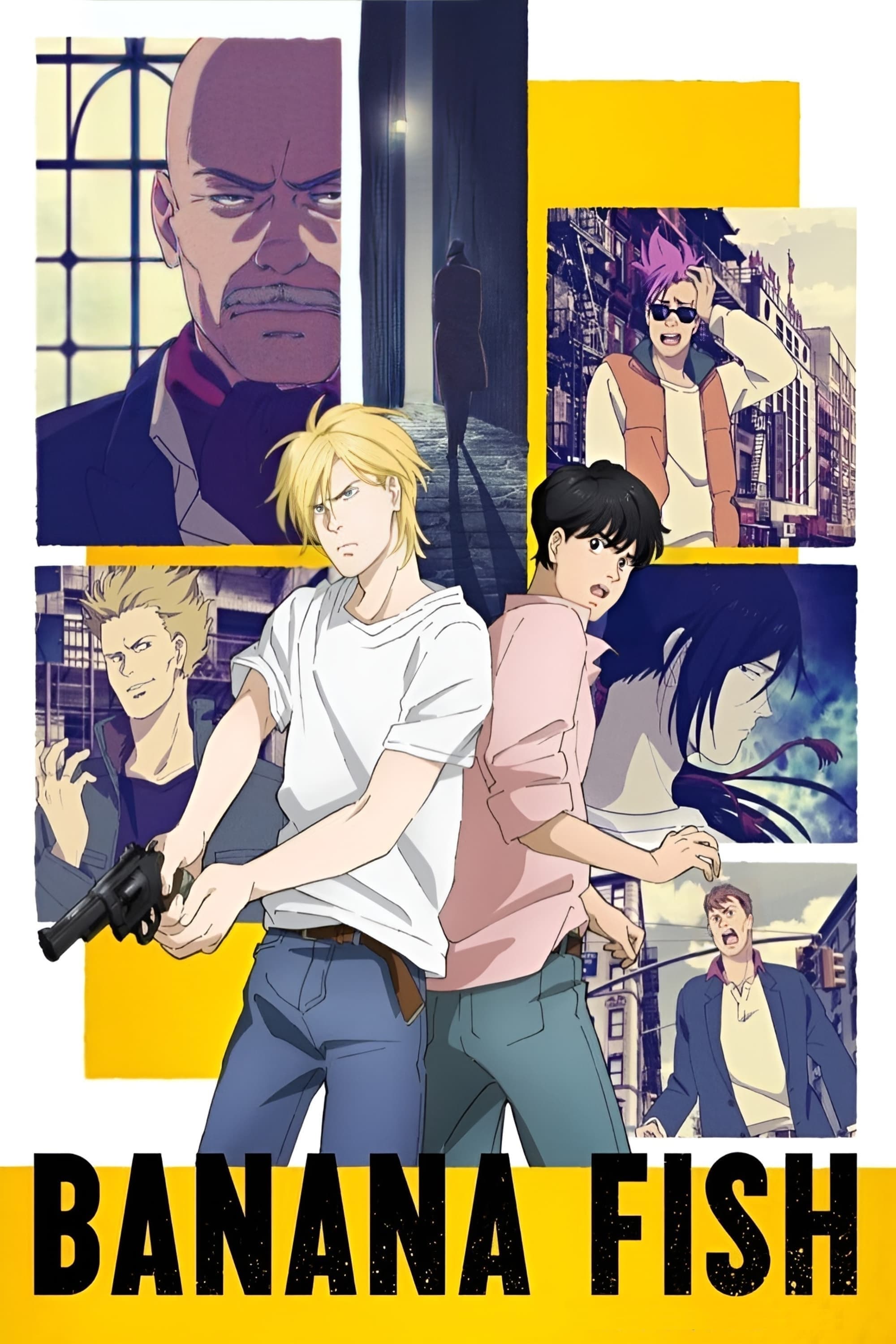
The anime adaptation of ‘Banana Fish’ sparked a significant “Bury Your Gays” controversy following its tragic conclusion. The story follows the deep romantic bond between Ash Lynx and Eiji Okumura, ending with a scene that many fans felt punished the characters for their relationship. The backlash focused on the historical trope of queer characters being denied a happy ending in favor of a tragic sacrifice. While the ending is faithful to the original 1980s manga, modern audiences were more vocal about their disappointment with the narrative choice. This debate brought renewed attention to how tragedy is utilized in stories featuring gay protagonists.
‘Stars Align’ (2019)
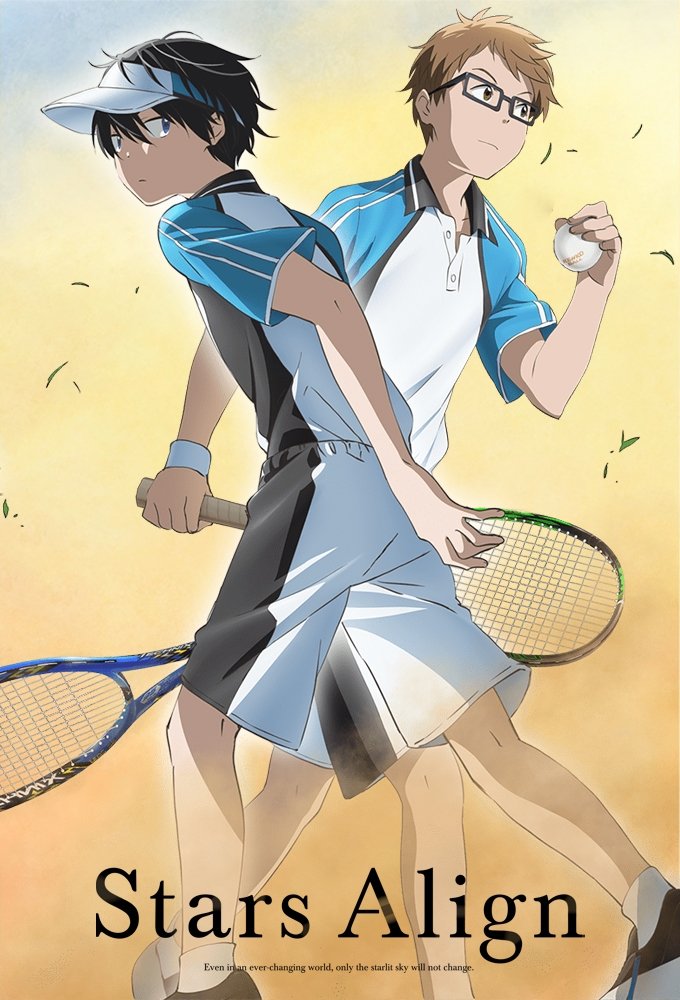
‘Stars Align’ made headlines for its explicit inclusion of a non-binary/transgender character, Yuu Asuka, who discusses their identity in a candid scene. While many praised the representation, the show faced backlash from certain segments of the audience who were resistant to the inclusion of gender identity themes in a sports anime. Furthermore, the show’s sudden ending due to a cut in its episode order led to frustration within the community, as fans felt the diverse characters were not given the resolution they deserved. The controversy highlighted the difficulties of maintaining progressive narratives in a commercially volatile industry.
‘Hitorijime My Hero’ (2017)
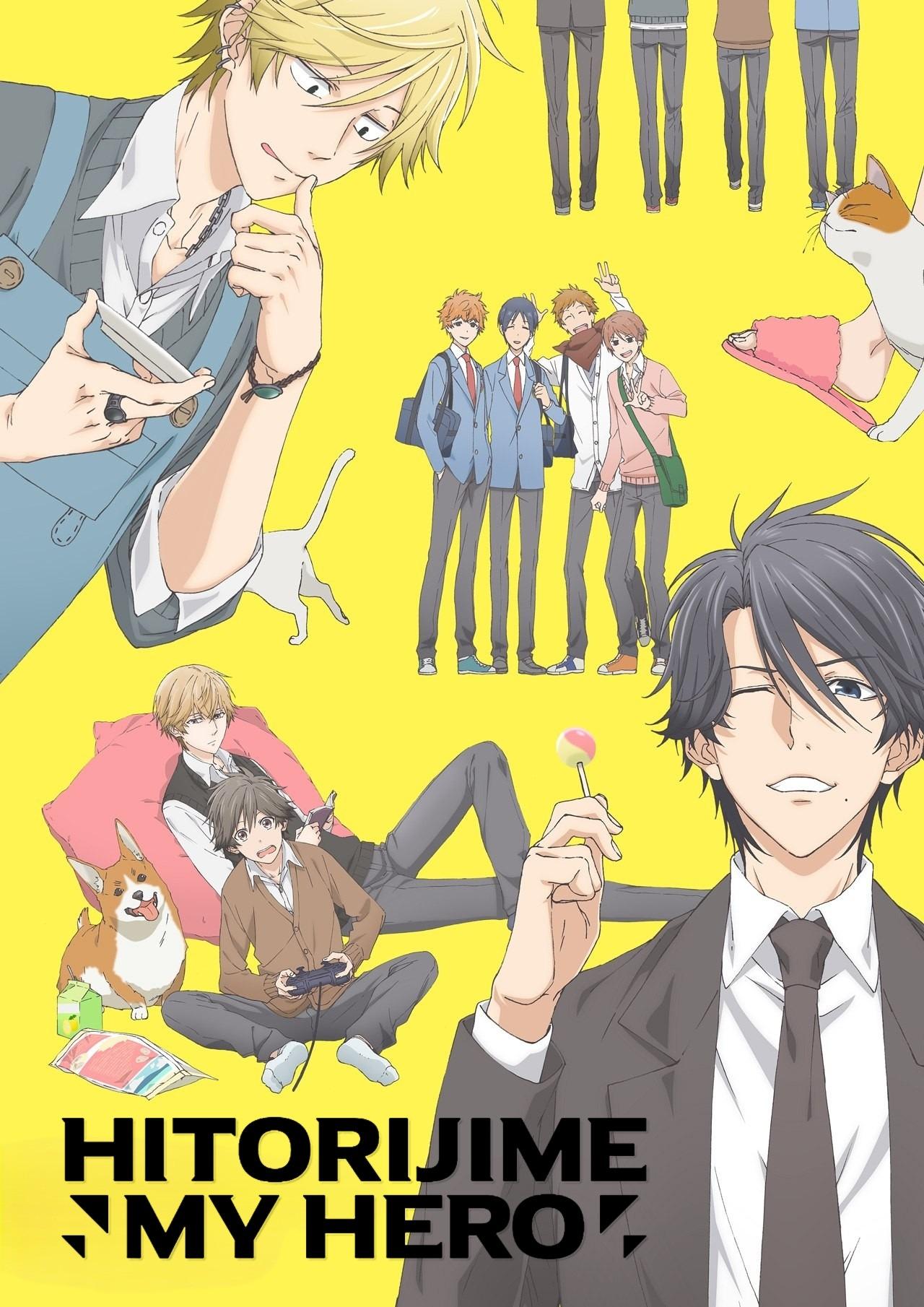
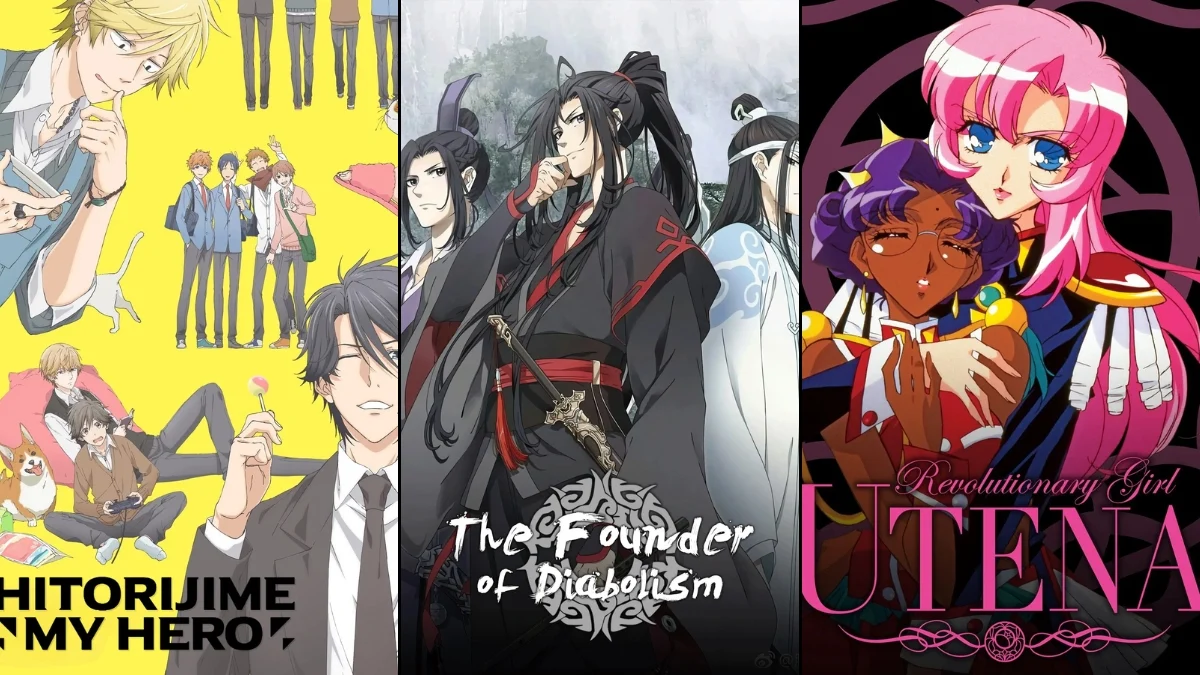
The plot of ‘Hitorijime My Hero’ drew criticism for focusing on a romantic relationship between a high school student and his teacher. Although the series attempts to navigate the ethics of the situation, the inherent power imbalance led to backlash from viewers concerned about the grooming implications. Discussions surrounding the show often revolve around the ethics of teacher-student tropes in anime featuring gay themes. While the series has its proponents who enjoy the character growth, it remains a frequent subject of debate regarding acceptable themes in romance media.
‘Revolutionary Girl Utena’ (1997)
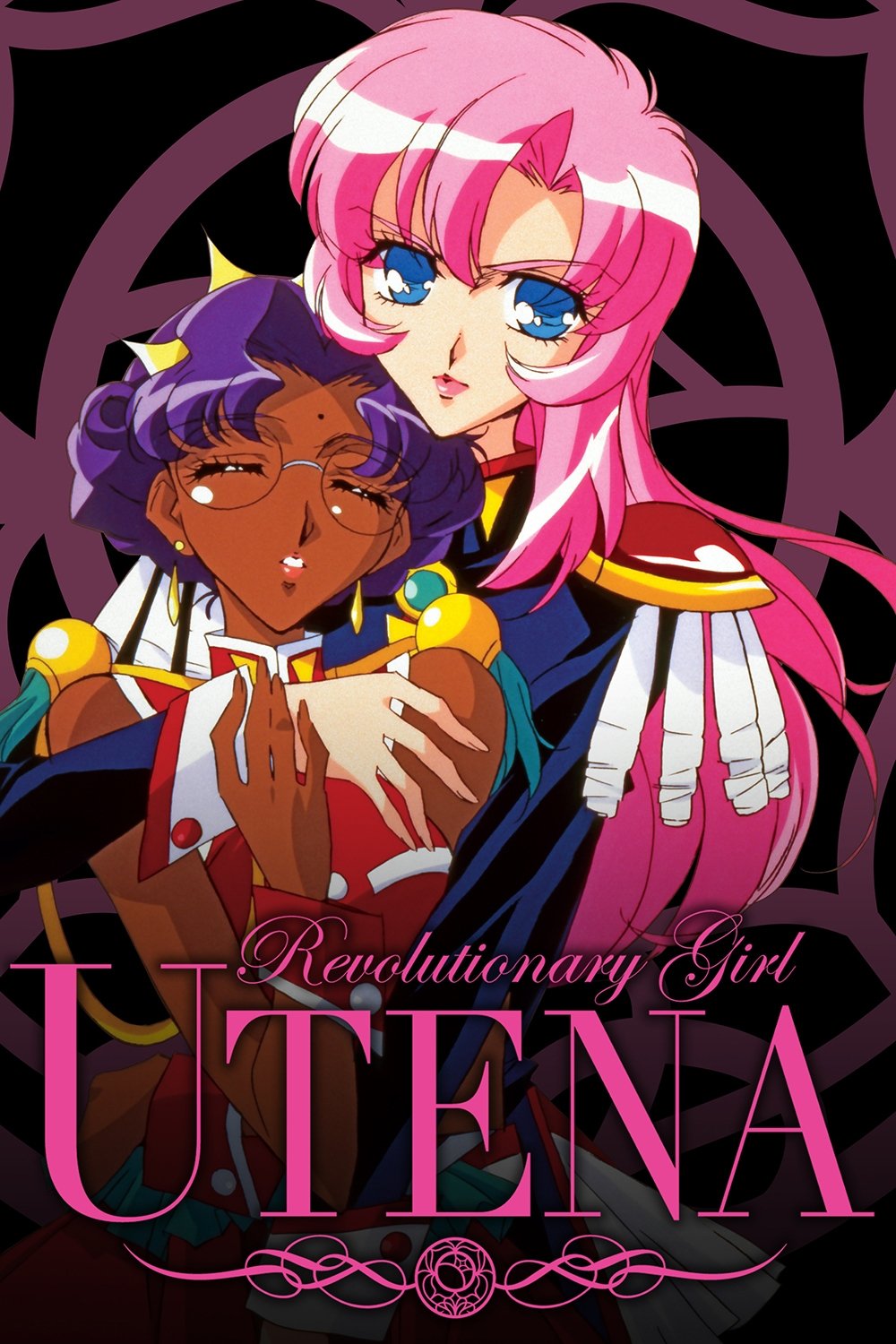
‘Revolutionary Girl Utena’ is celebrated for its avant-garde approach to gender and sexuality, but it faced significant censorship when it was first localized. Early international versions often downplayed the lesbian subtext between Utena and Anthy, framing their relationship as purely platonic. This led to long-term backlash from fans who felt the core message of the series—breaking free from traditional gender roles—was being undermined. The series is now recognized as a masterpiece of queer storytelling, but the history of its distribution remains a case study in the resistance to gay themes in the 1990s.
‘The Founder of Diabolism’ (2018–2021)
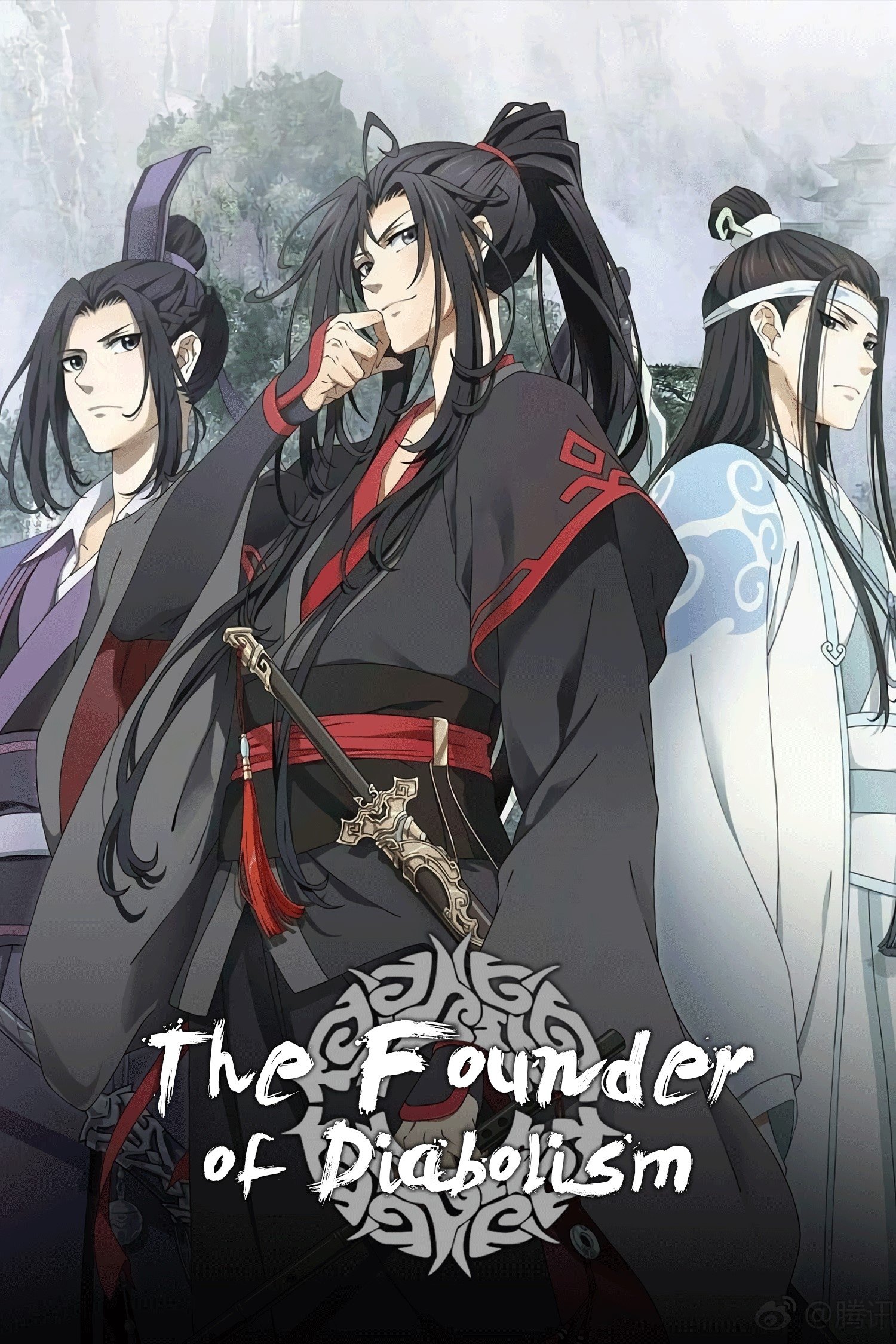
Although it is a Chinese donghua rather than a Japanese anime, ‘Mo Dao Zu Shi’ is a major part of the global industry and faced heavy censorship due to its gay themes. The original web novel is a romance between two men, but strict Chinese regulations forced the animated version to portray their relationship as a “soulmate” bromance. This led to a massive backlash from international fans who criticized the forced removal of the characters’ romantic identities. The controversy showcased the impact of state censorship on creative works that feature LGBTQ+ protagonists.
‘Sk8 the Infinity’ (2021)
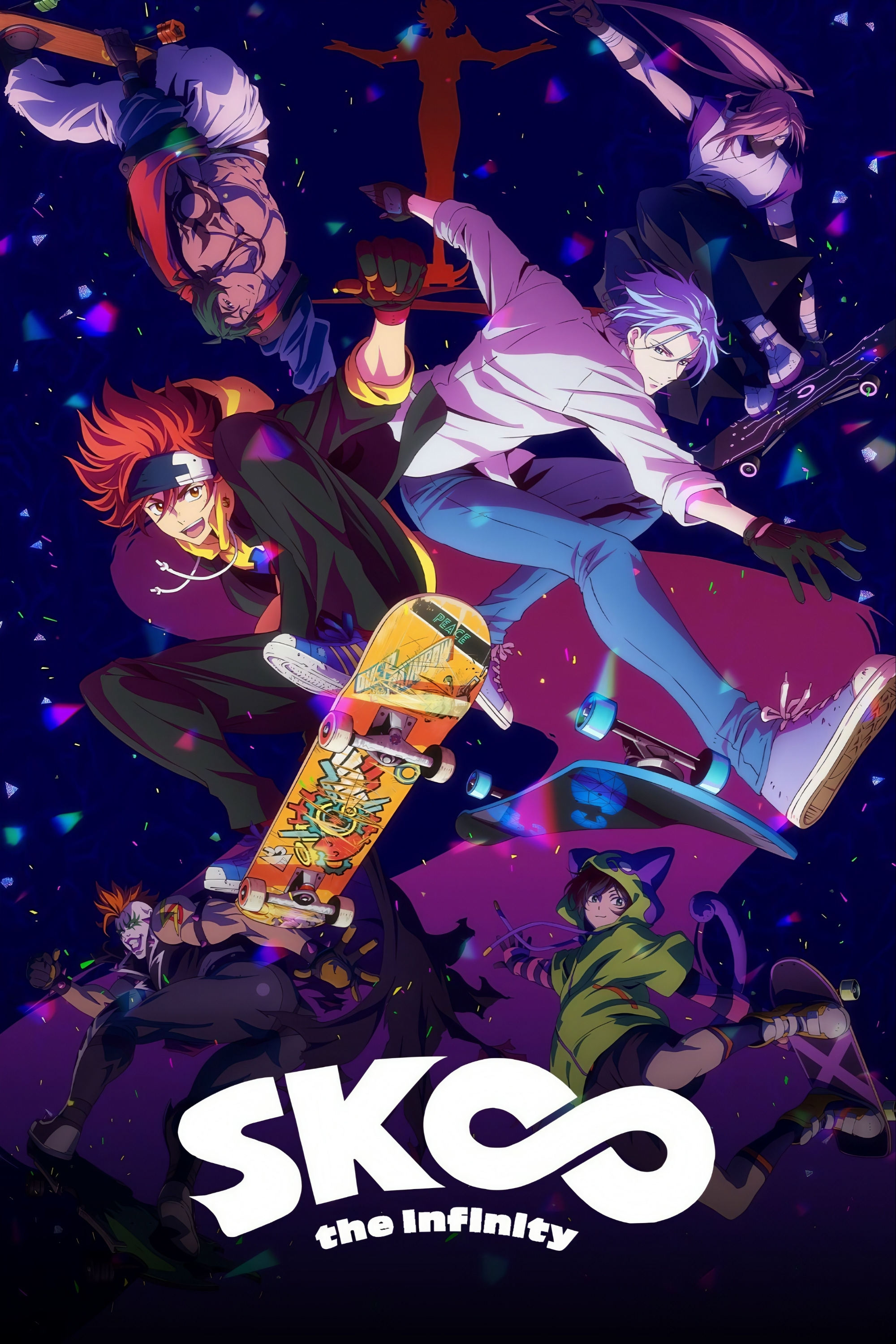
‘Sk8 the Infinity’ became the center of a “queerbaiting” debate within the anime community during its original run. Fans pointed to the intense, romantically coded relationship between Langa and Reki, as well as the flamboyant nature of the antagonist Adam. The backlash emerged when some viewers felt the show was using queer aesthetics and emotional beats to attract an audience without intending to confirm a romantic resolution. This discussion reflected a growing fatigue among fans who desire explicit confirmation of gay themes rather than just subtextual hints.
‘No. 6’ (2011)
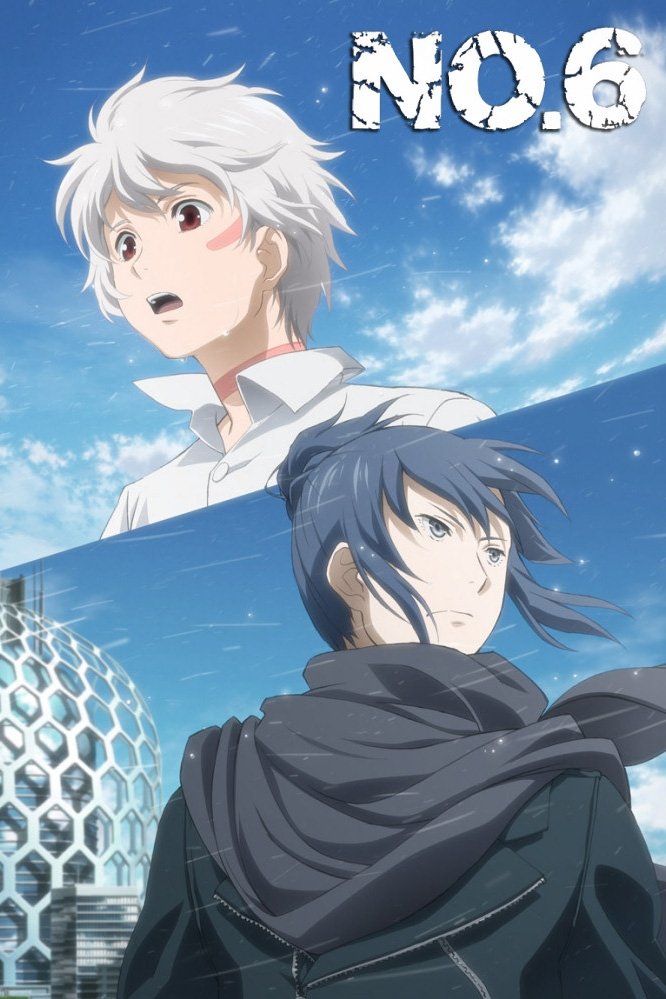
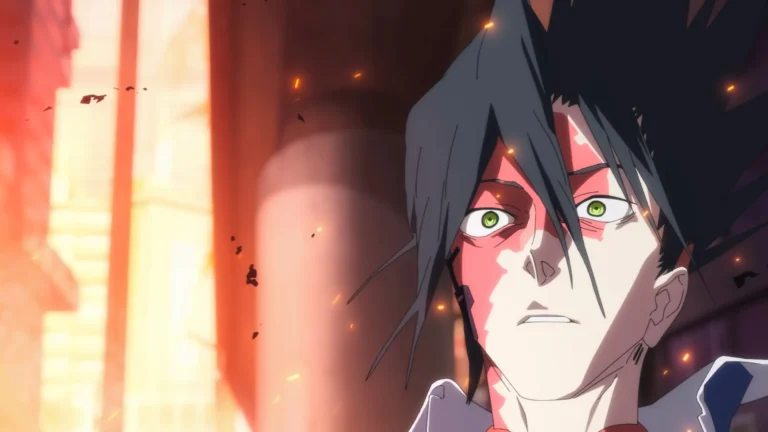
The sci-fi anime ‘No. 6′ faced backlash for the way it adapted the romantic relationship between its leads, Shion and Nezumi, from the original light novels. While the anime does include a kiss, many fans felt the overall romantic development was rushed and downplayed compared to the source material. This led to accusations that the studio was hesitant to fully commit to the gay themes of the plot. The controversy remains a point of discussion for fans who feel the adaptation failed to capture the depth of the characters’ bond.
Share your thoughts on these controversies and how gay themes are portrayed in anime in the comments.