Anime Series That Faced Cancellation or Bans Due to Racial Stereotypes


The history of animation often reflects the cultural biases and societal norms of the eras in which they were created. In the world of anime, several series and specific episodes have faced significant backlash, censorship, or total cancellation due to the use of harmful racial stereotypes. These depictions, ranging from visual caricatures to derogatory characterizations, have prompted international distributors and production companies to pull content from the air to align with modern standards of sensitivity and inclusion. By examining these instances, viewers can see the evolving landscape of global media and the increasing importance of respectful cultural representation.
‘Pokémon’ (1997–Present)
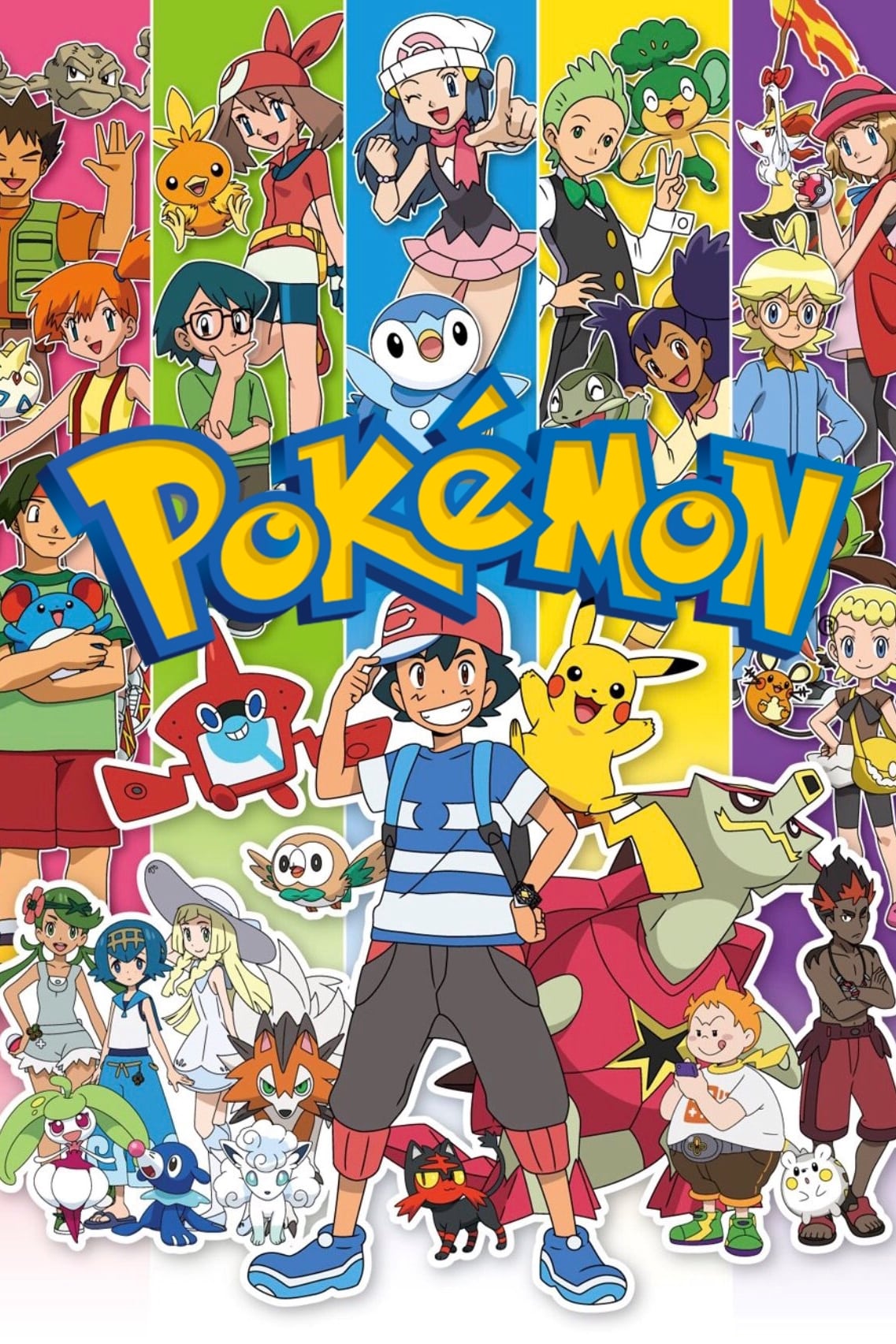
‘Pokémon’ faced significant controversy regarding the character Jynx, who was originally designed with black skin and large lips. Many critics pointed out the resemblance to blackface and historical racial caricatures used in minstrel shows. Consequently, episodes like “Holiday Hi-Jynx” were pulled from international syndication and are no longer aired in many regions. The Pokémon Company later changed the skin color of the character to purple to address these concerns. These edits ensure the franchise remains accessible to a global audience without promoting harmful visual tropes.
‘Hetalia’ (2009–2010)
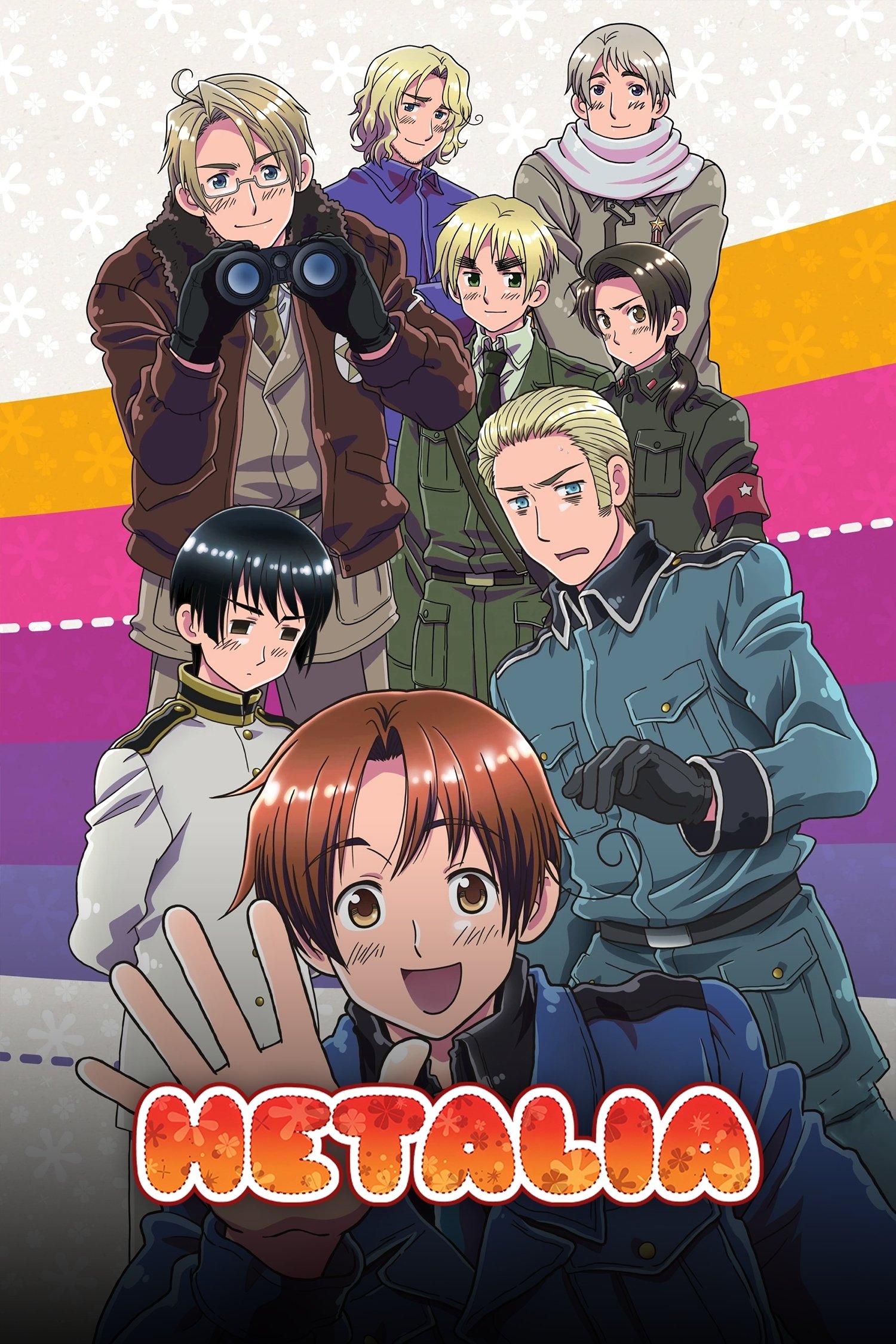
The anime adaptation of ‘Hetalia: Axis Powers’ was scheduled to air on Kids Station in Japan but was canceled shortly before its premiere. This decision followed intense protests from South Korean activists who found the personification of Korea to be offensive and derogatory. Critics argued that the character’s design and personality traits reinforced negative historical stereotypes. Although the series continued as an internet stream, it was permanently removed from the television broadcast schedule. The producers eventually removed the Korea character from the animated adaptation entirely to mitigate further backlash.
‘Kimba the White Lion’ (1965–1966)
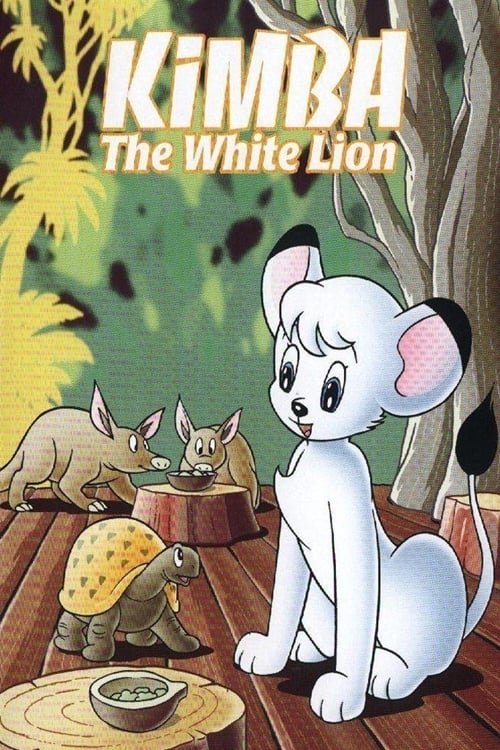
‘Jungle Emperor Leo’, also known as ‘Kimba the White Lion’, contains segments that have been removed from modern releases. Early episodes featured depictions of African natives that utilized exaggerated facial features and primitive behaviors common in mid-century animation. These portrayals were criticized for being racially insensitive and reflecting colonial-era prejudices. In North American distributions, several episodes were completely banned or heavily edited to excise these caricatures. Osamu Tezuka’s estate has since acknowledged these problematic elements in his early works while maintaining their historical context.
‘Cyborg 009’ (1968)
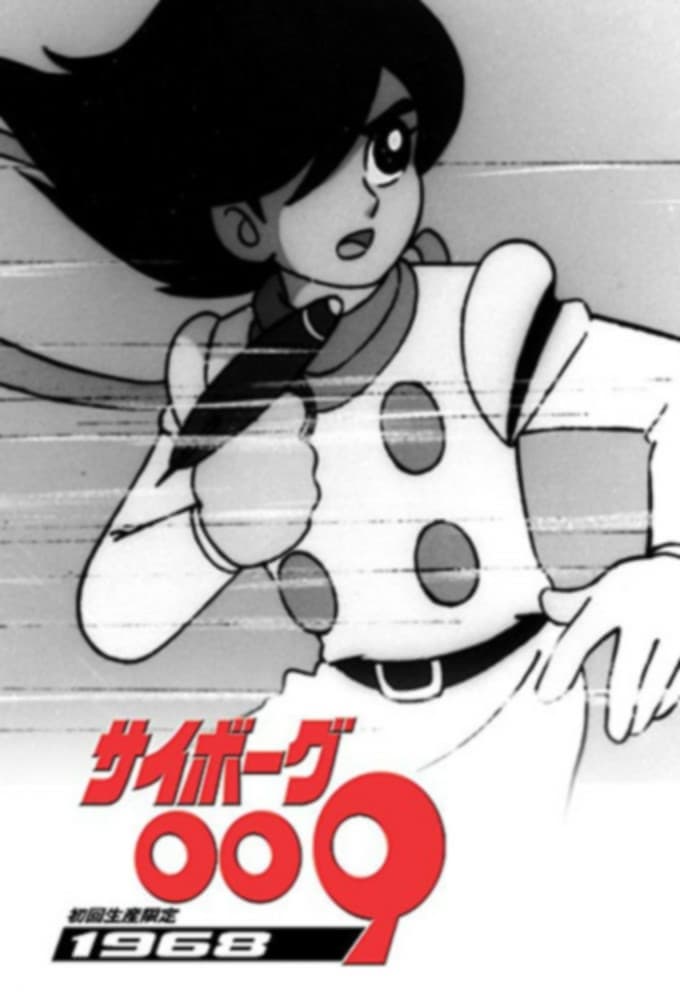
The 1968 version of ‘Cyborg 009’ included a character named Pyunma, who represented the continent of Africa. In this original series, Pyunma was drawn with large lips and a design that mimicked the “Sambo” caricature. Due to the offensive nature of this design, the show has faced difficulties with international licensing and rebroadcasting. Subsequent remakes and sequels have completely redesigned Pyunma to remove these harmful racial characteristics. Collectors and historians often note that the original series remains controversial for these early artistic choices.
‘Q-Taro the Ghost’ (1965–1967)
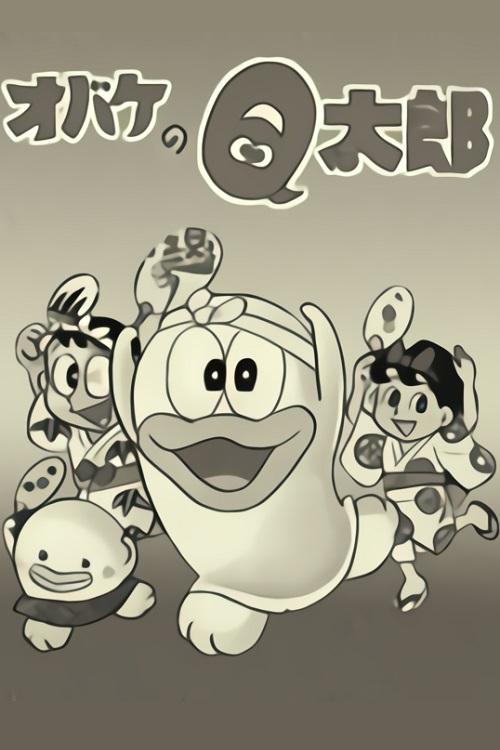
The classic series ‘Obake no Q-Taro’ contains an episode titled “International Ghost Meeting” that has been withheld from modern home video releases. This specific segment features depictions of African spirits and natives that rely on dated and offensive racial stereotypes. The visual language used to represent these characters was deemed too harmful for contemporary audiences. As a result, the episode is effectively “lost” to general viewers as it is no longer included in broadcast rotations. This reflects a broader movement in the Japanese animation industry to distance itself from 1960s racial tropes.
‘Sazae-san’ (1969–Present)
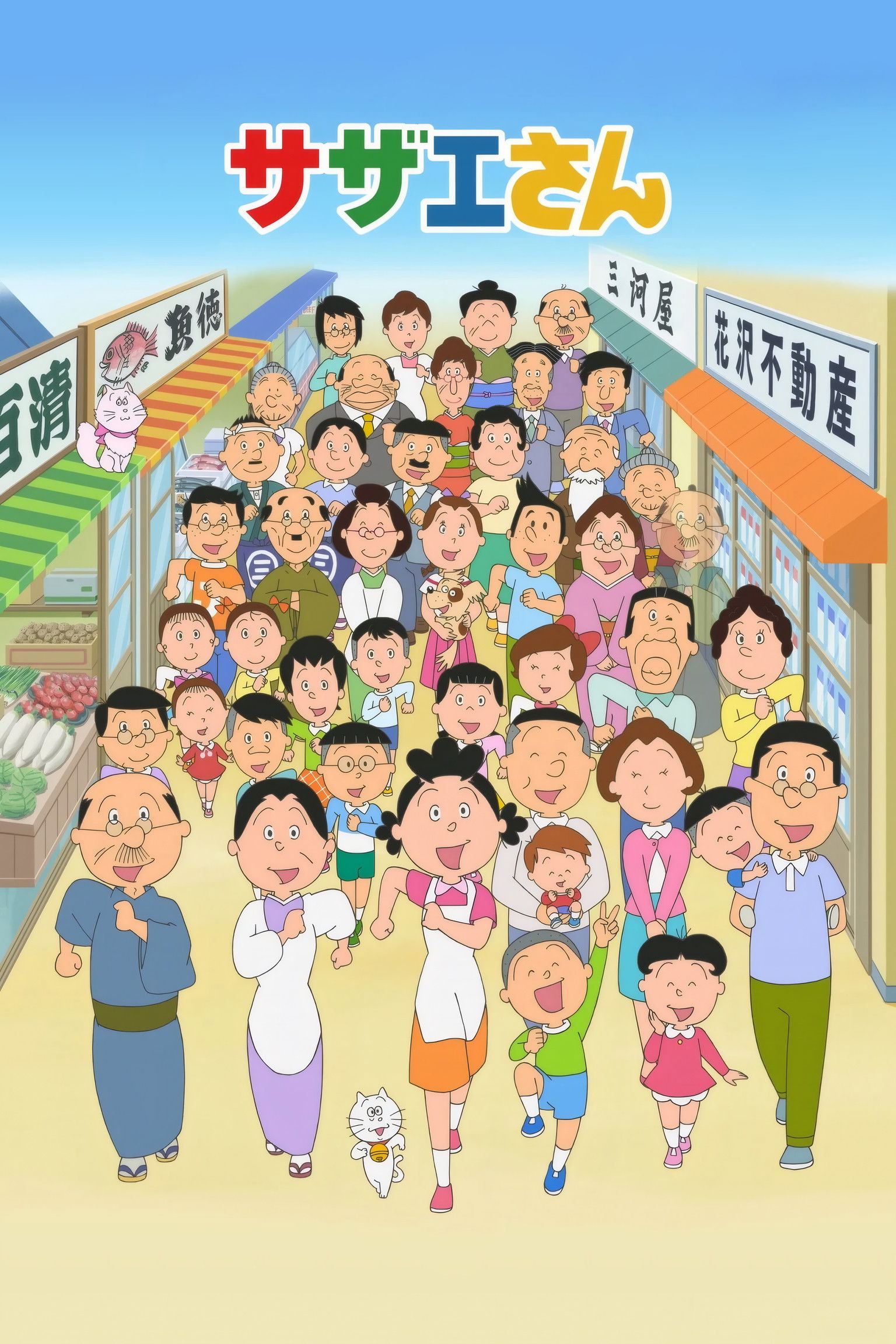
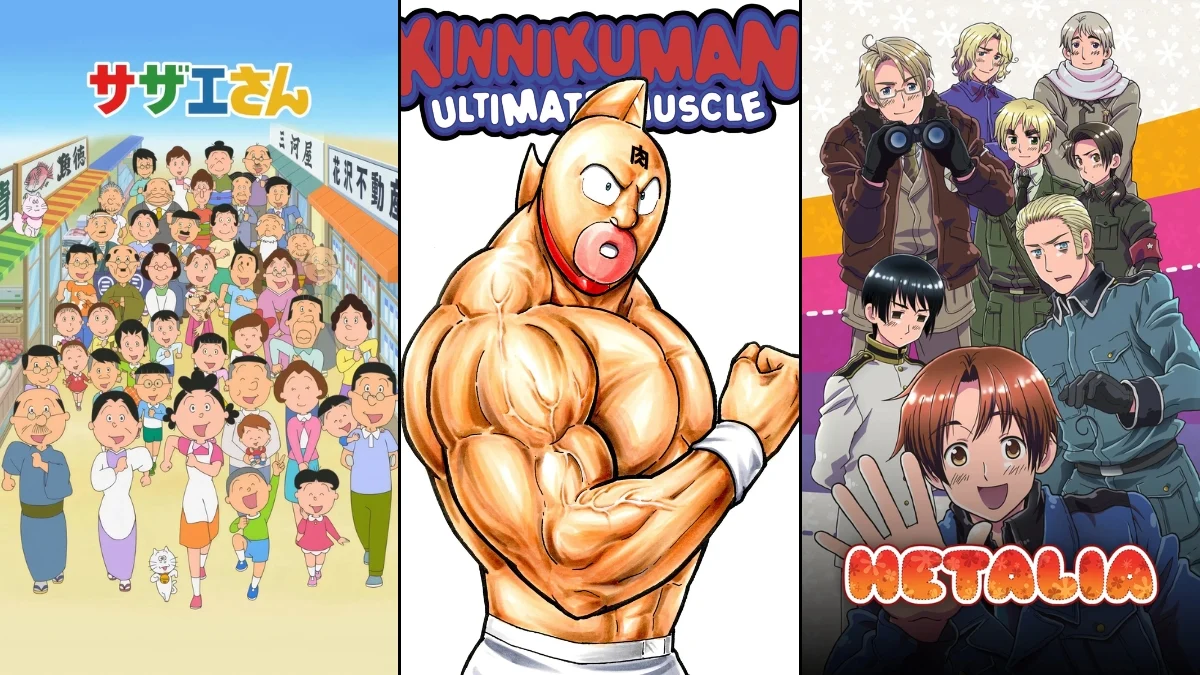
While ‘Sazae-san’ is the longest-running anime in history, its earliest episodes are rarely seen today. Certain segments from the late 1960s and early 1970s featured the titular character traveling to Africa and interacting with native tribes. These depictions were characterized by harmful caricatures and a lack of cultural sensitivity typical of the era. To preserve the show’s family-friendly reputation, these episodes have been removed from the syndication package. The production company has opted to keep these specific chapters in the vault to avoid public outcry.
‘Dragon Ball’ (1986–1989)
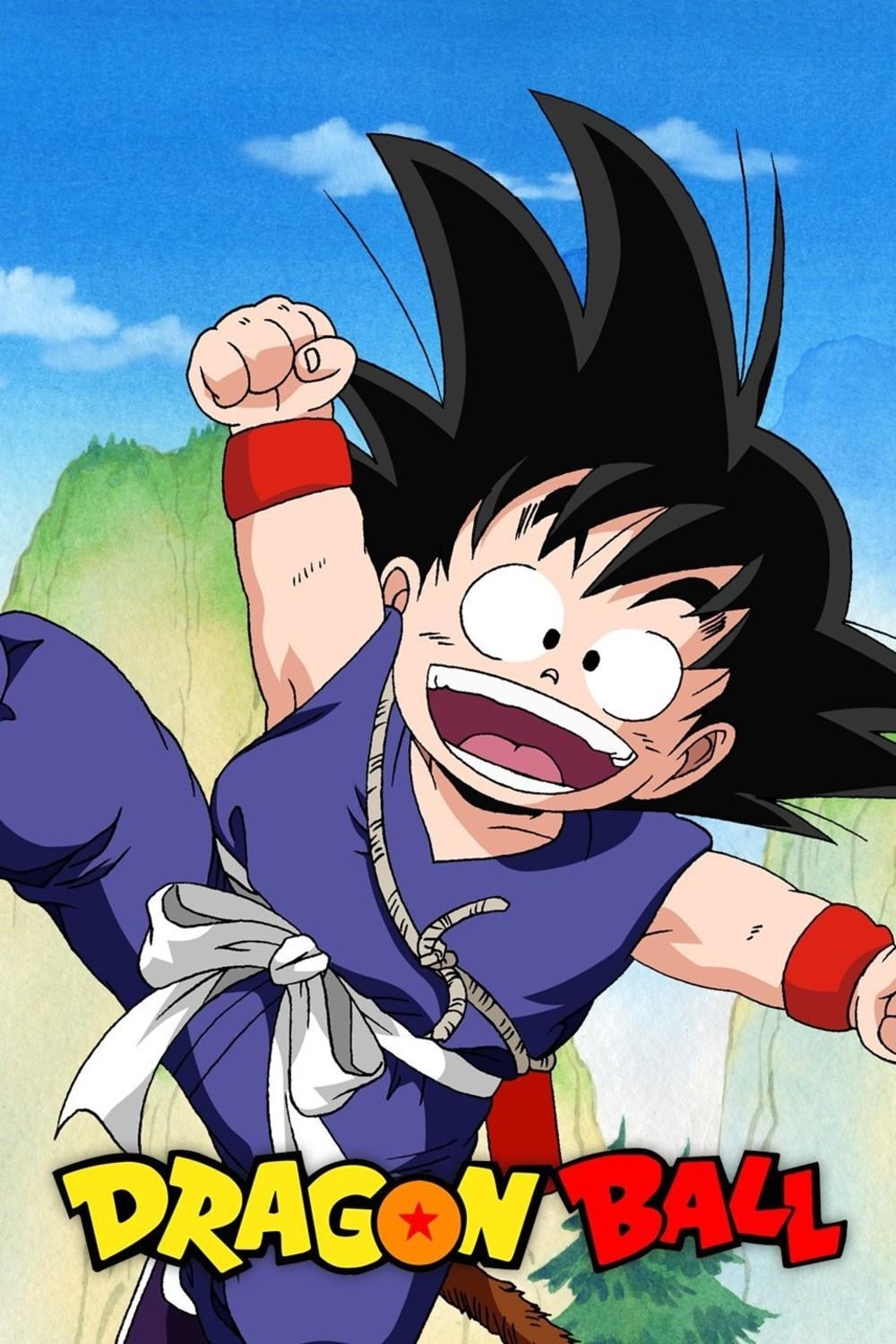
During the Red Ribbon Army arc of ‘Dragon Ball’, the character Staff Officer Black was introduced as a high-ranking officer. In the original Japanese broadcast, the character’s design utilized features that were perceived as offensive racial caricatures by Western audiences. When the show was licensed for international markets, many of his scenes were edited or his dialogue was altered to change his status. In some versions, the character was even recolored or had his screen time reduced to minimize controversy. These adjustments were necessary to comply with modern broadcasting standards regarding racial sensitivity.
‘Dragon Ball Z’ (1989–1996)

‘Dragon Ball Z’ encountered a long-standing issue with the character Mr. Popo, the assistant to Kami. His pitch-black skin and prominent red lips were seen as a direct reference to blackface minstrelsy. While the show was not canceled, it faced significant threats of being pulled from airwaves in the United States and other Western territories. To resolve this, the 4Kids Entertainment broadcast famously changed his skin color to a bright blue. This digital alteration allowed the show to continue airing while acknowledging the problematic nature of the original design.
‘Speed Racer’ (1967–1968)
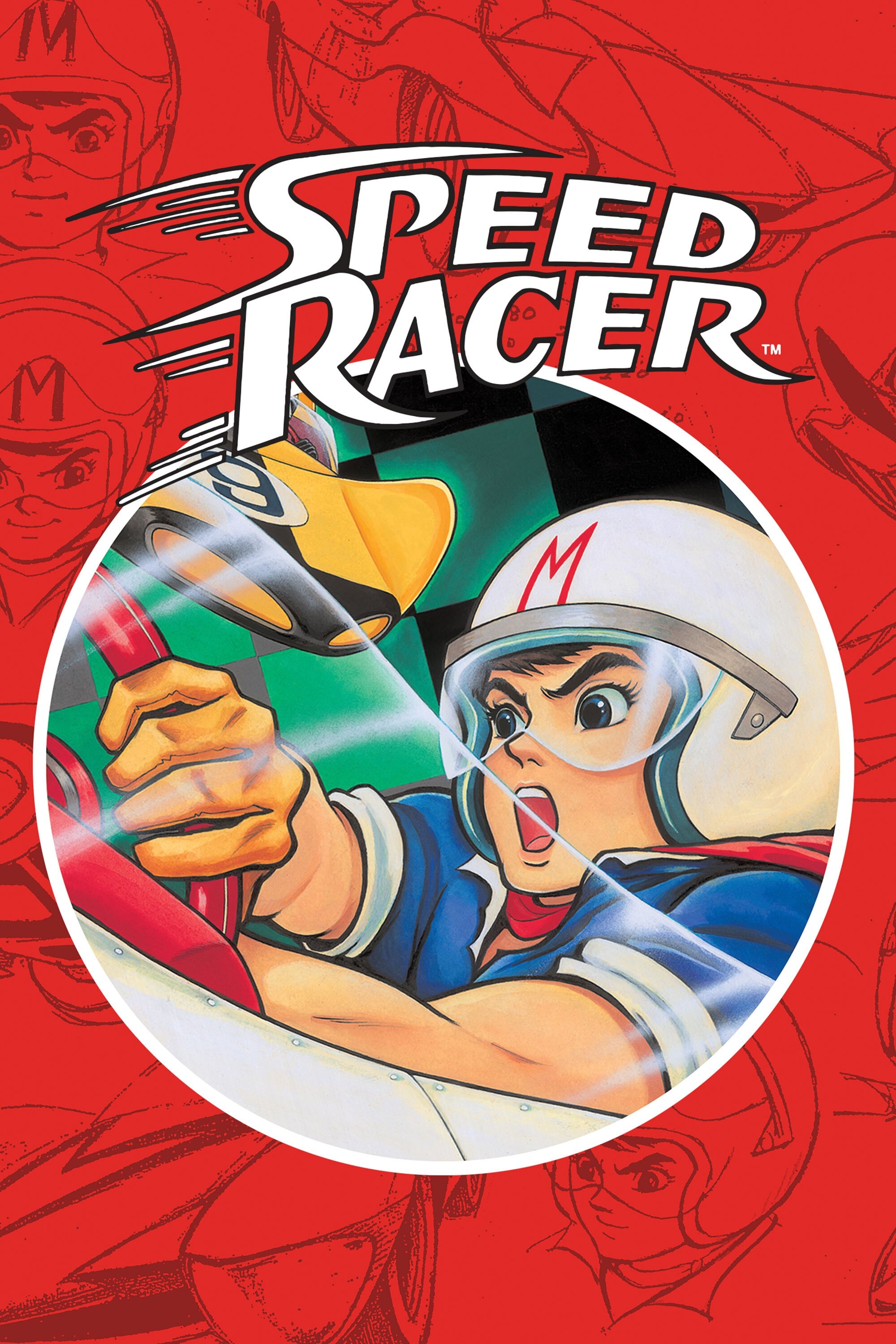
The classic racing anime ‘Speed Racer’ has several episodes that are frequently skipped in modern television marathons. Episodes such as “The Car Hater” and others featuring indigenous islanders utilized harmful racial stereotypes in their character designs. These characters were often portrayed as primitive or intellectually inferior, reflecting 1960s prejudices. International distributors have often chosen to omit these episodes from DVD box sets and streaming platforms to avoid promoting such depictions. This ensures that the series maintains its legacy as a pioneer of the genre without the baggage of its insensitive segments.
‘Kinnikuman’ (1983–1986)
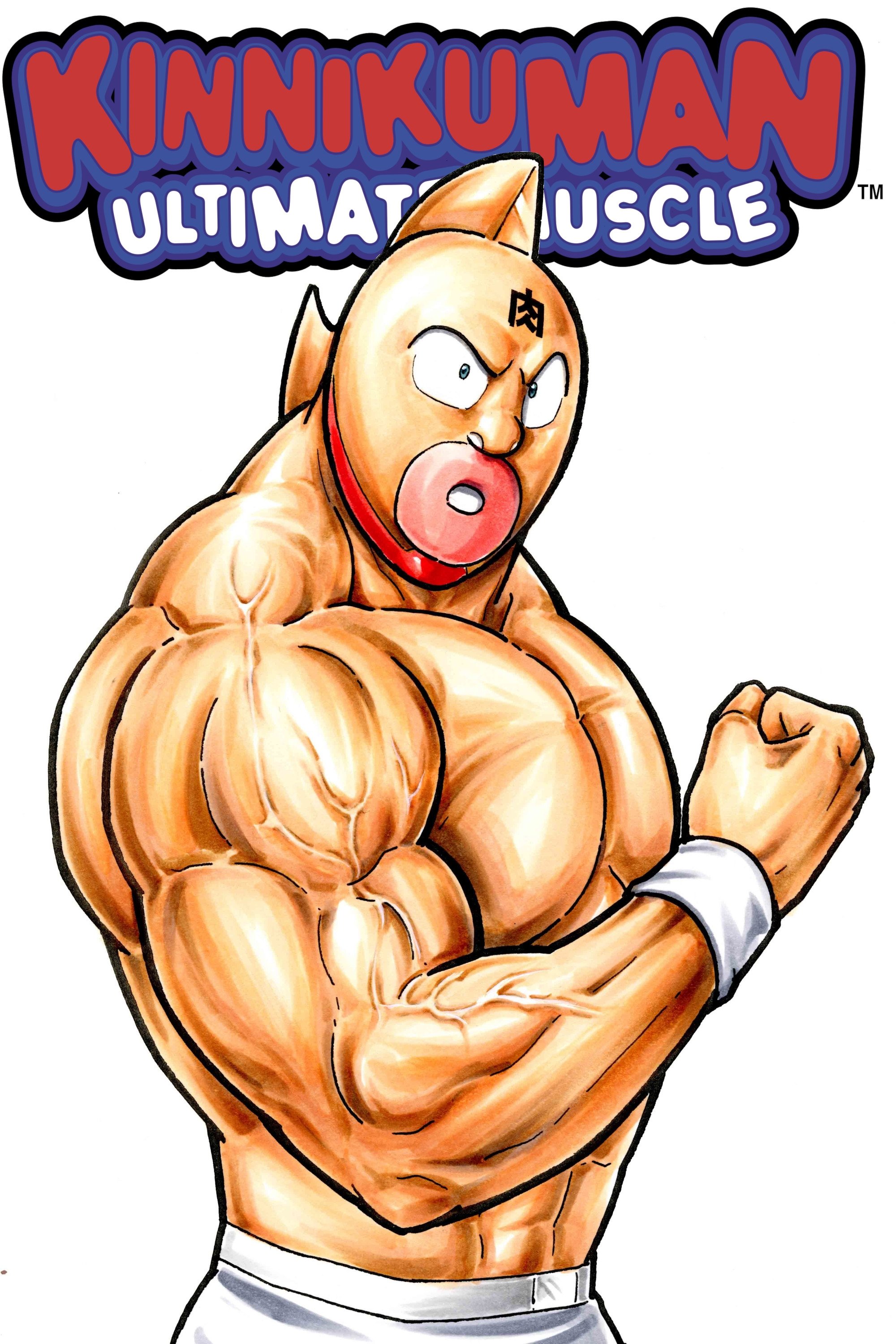
‘Kinnikuman’ is a wrestling-themed anime that featured many characters based on national and racial archetypes. One character, Brocken Jr., and his predecessor Brockenman, were depicted with Nazi-themed uniforms and swastikas. While intended to represent a “German” archetype, the imagery was deeply offensive and led to the show being banned or censored in the West. The 2002 sequel series, ‘Ultimate Muscle’, had to significantly alter these characters to be allowed on international airwaves. The original series remains difficult to license outside of Japan due to these pervasive and harmful symbols.
‘Mask of Zeguy’ (1993)
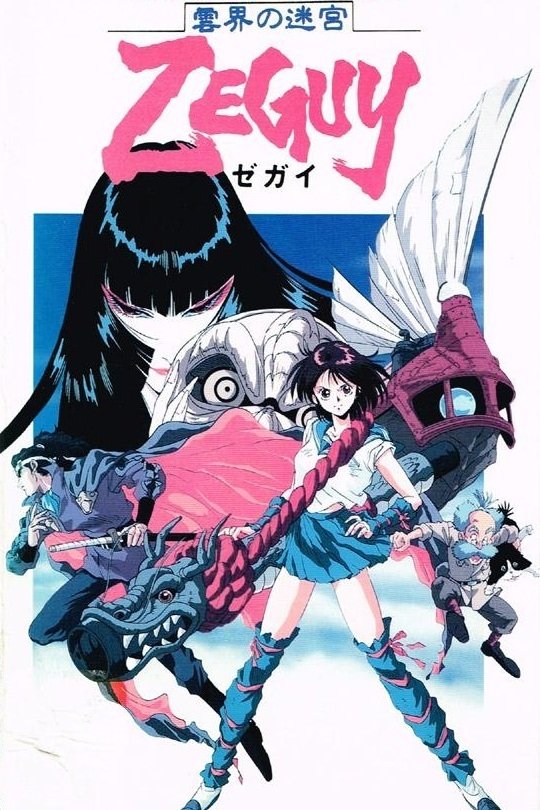
‘The Mask of Zeguy’ is a two-episode OVA that has largely fallen into obscurity due to its controversial content. One of the antagonists in the series is a character who is a blatant racial caricature of a Black man, complete with exaggerated features and stereotypical mannerisms. This depiction was widely condemned by viewers and critics who imported the series. Because of the backlash against these harmful tropes, the OVA was never given a major push for international distribution. It serves as a prominent example of 1990s anime that failed to account for a global audience’s sensibilities.
‘Perman’ (1967–1968)
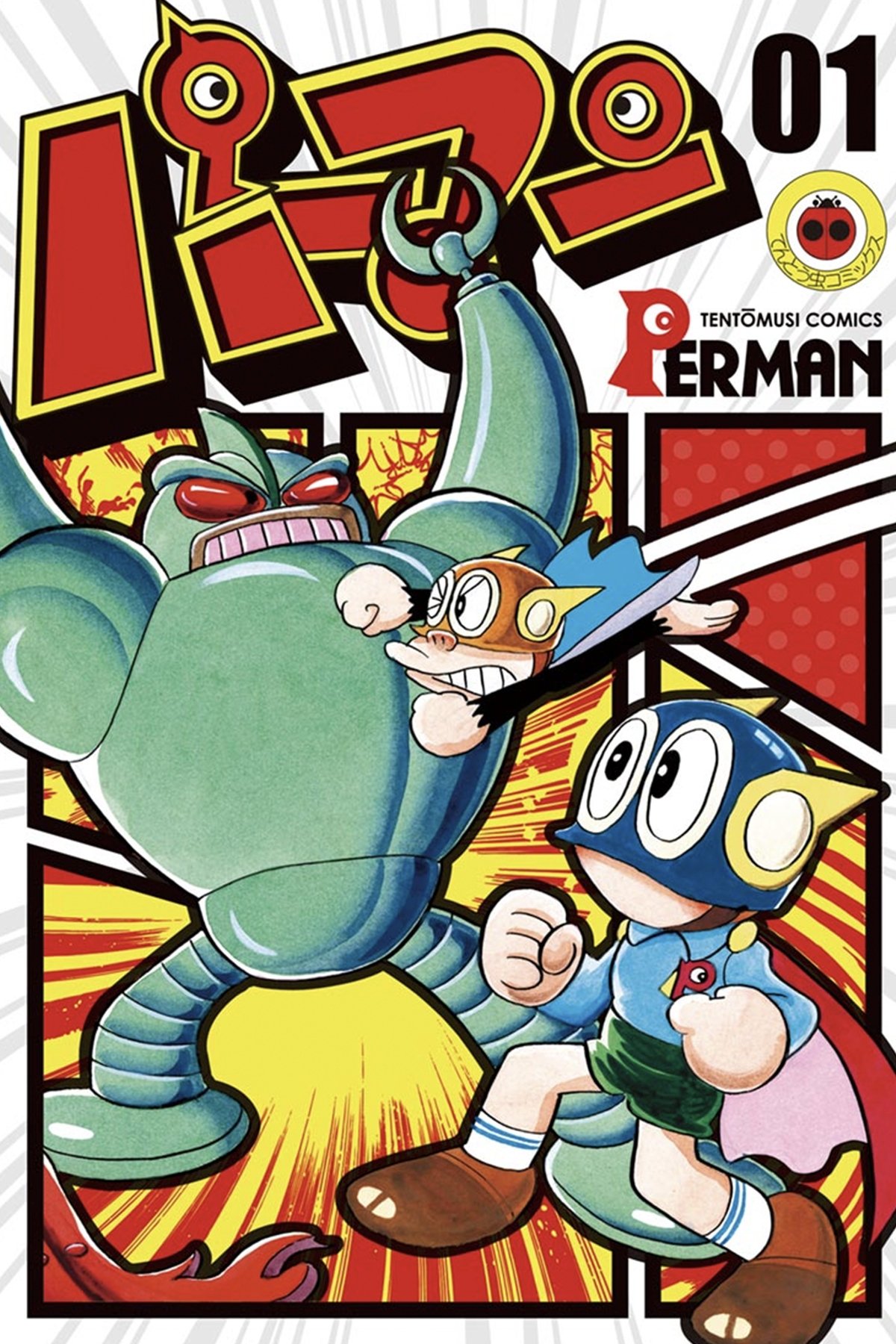
The original 1960s version of ‘Perman’ included episodes where the young heroes traveled to foreign lands. In several instances, the depiction of African and Southeast Asian people involved harmful racial tropes and primitive portrayals. These episodes were eventually flagged by human rights groups in Japan during the 1980s. Consequently, the production company stopped including these segments in rebroadcasts and home media releases. The show’s reputation was rehabilitated through later remakes that completely avoided these offensive visual elements.
‘Osomatsu-kun’ (1966–1967)
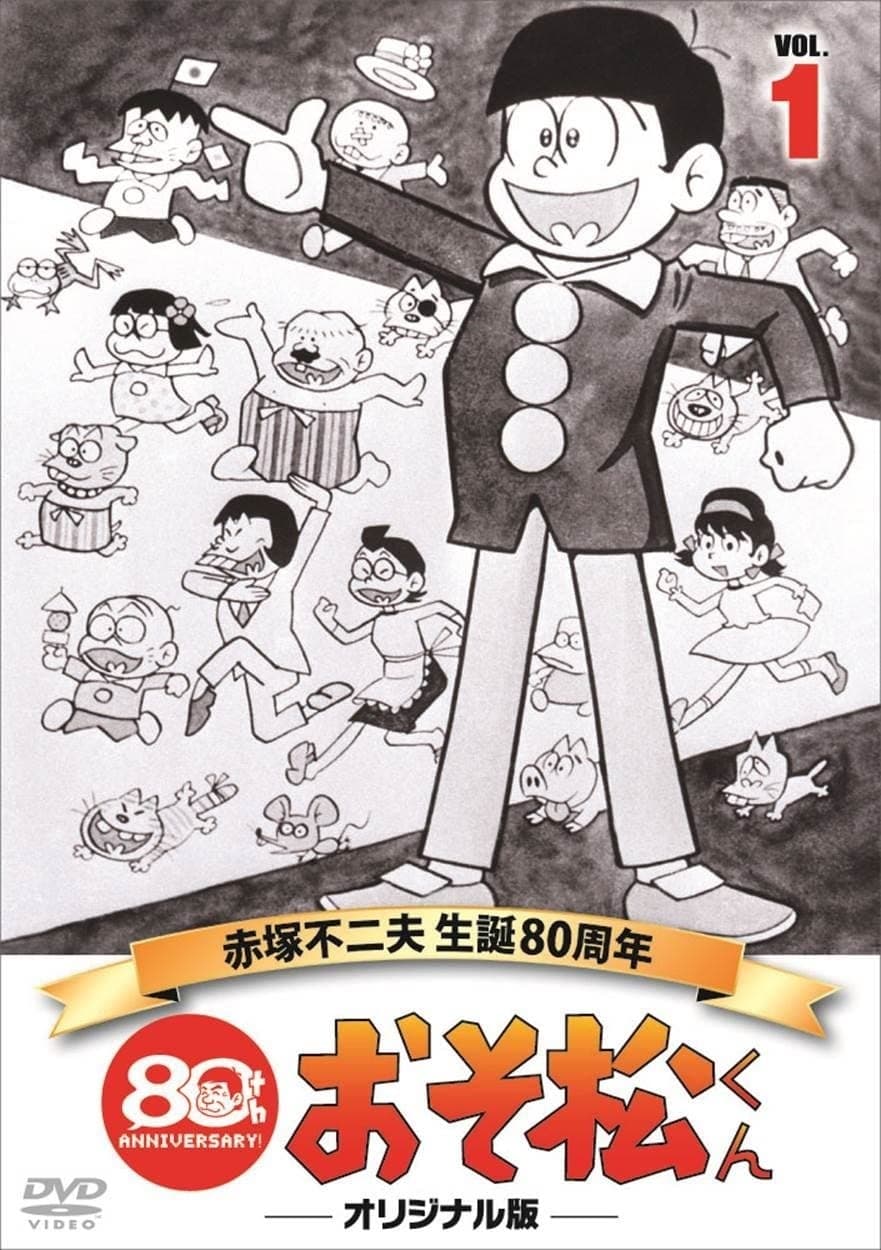
In the original ‘Osomatsu-kun’ series, the characters occasionally encountered foreigners who were depicted through a lens of extreme stereotyping. One particular recurring character design was criticized for being a caricature used to represent various international figures. These segments have been identified as harmful and are no longer part of the standard airing package for the show. When the franchise was revived as ‘Mr. Osomatsu’ in 2015, the writers took a much more self-aware and cautious approach to cultural representation. The early episodes remain a point of historical contention for the studio.
‘Mega Man: Upon a Star’ (1993)
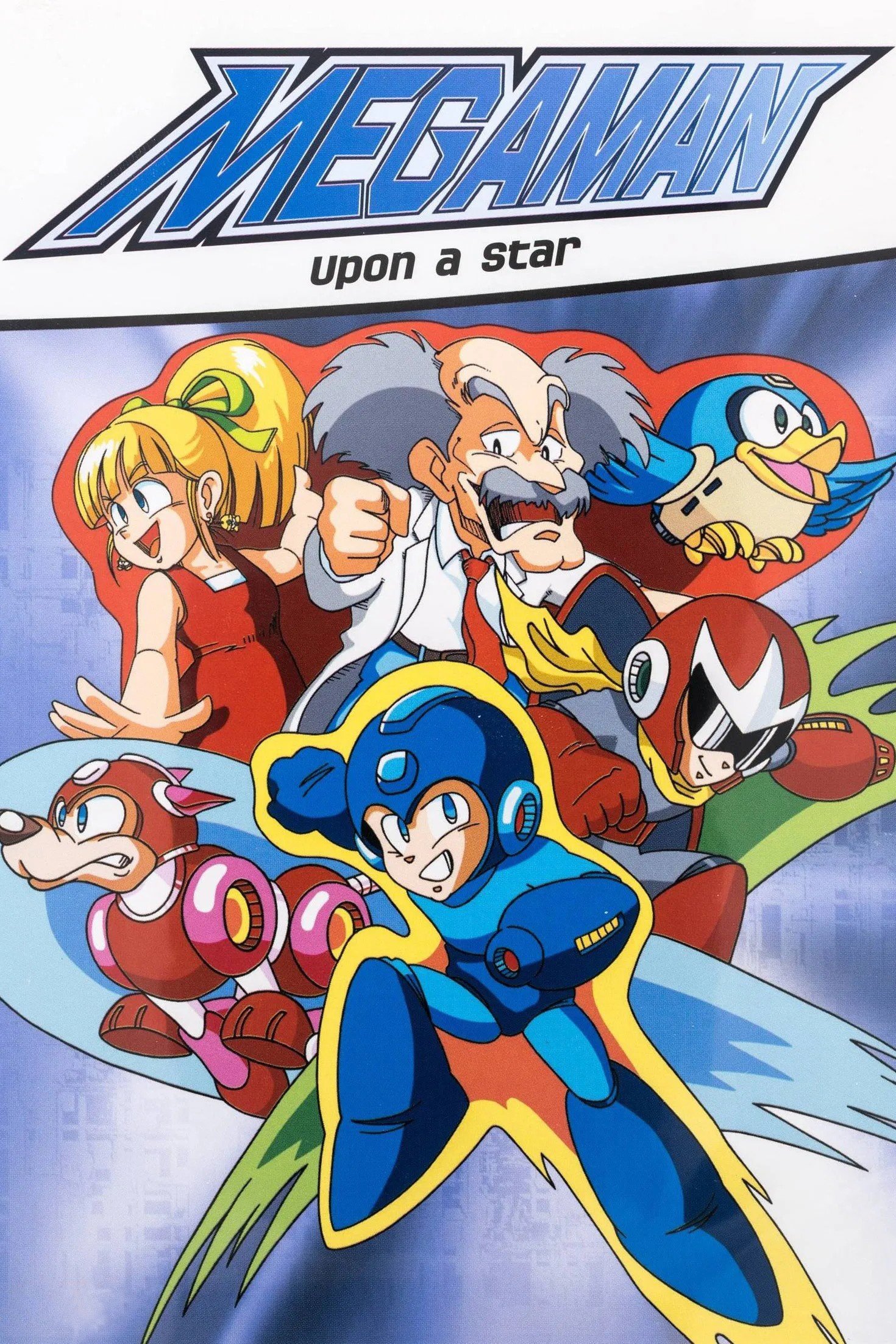
‘Mega Man: Upon a Star’ was a series of educational OAVs produced to teach Japanese children about different cultures and history. Paradoxically, the series included a segment about Africa that utilized heavy racial caricatures to represent the local population. This led to immediate complaints from international observers and human rights organizations. The educational nature of the program made the inclusion of such “harmful” stereotypes particularly egregious. As a result, the specific volumes containing these depictions were pulled from production and are no longer available.
‘Tiger Mask’ (1969–1971)
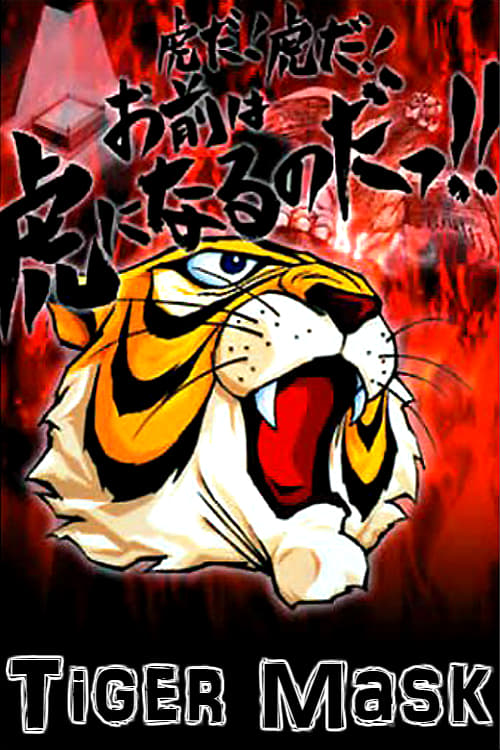
‘Tiger Mask’ followed a professional wrestler who fought various opponents from around the world. Many of these “foreign” heels were designed using aggressive racial and ethnic stereotypes intended to make them appear more villainous. The show featured characters that represented harmful tropes of people from the Middle East, Africa, and Southeast Asia. Due to these depictions, the original 1960s series has faced hurdles in being aired for modern audiences who demand more respectful representation. While it is a classic of the sports genre, its reliance on racialized antagonism has led to its restriction in certain international markets.
Please share your thoughts on how anime should handle historical controversies in the comments.