Anime Series That Ignited a Global Culture War Over Localized Feminist Dialogue


The practice of localizing anime for Western audiences has become a significant flashpoint in the global entertainment landscape. While translation traditionally focused on linguistic accuracy, modern localization often involves adapting cultural nuances, slang, and social concepts to better fit the target audience’s perceived values. This shift has led to several high-profile controversies where fans and creators clashed over the inclusion of feminist terminology and social commentary that was not present in the original Japanese scripts. These debates often center on the balance between artistic fidelity and social relevance in a globalized market.
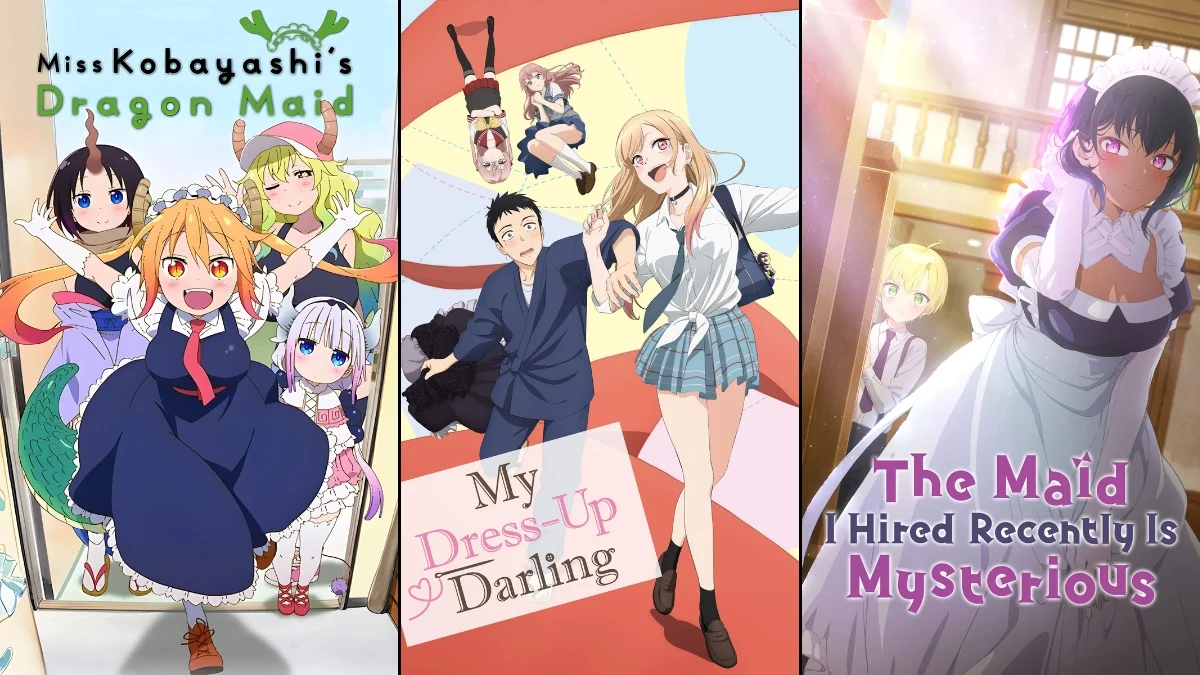
‘Miss Kobayashi’s Dragon Maid S’ (2021)
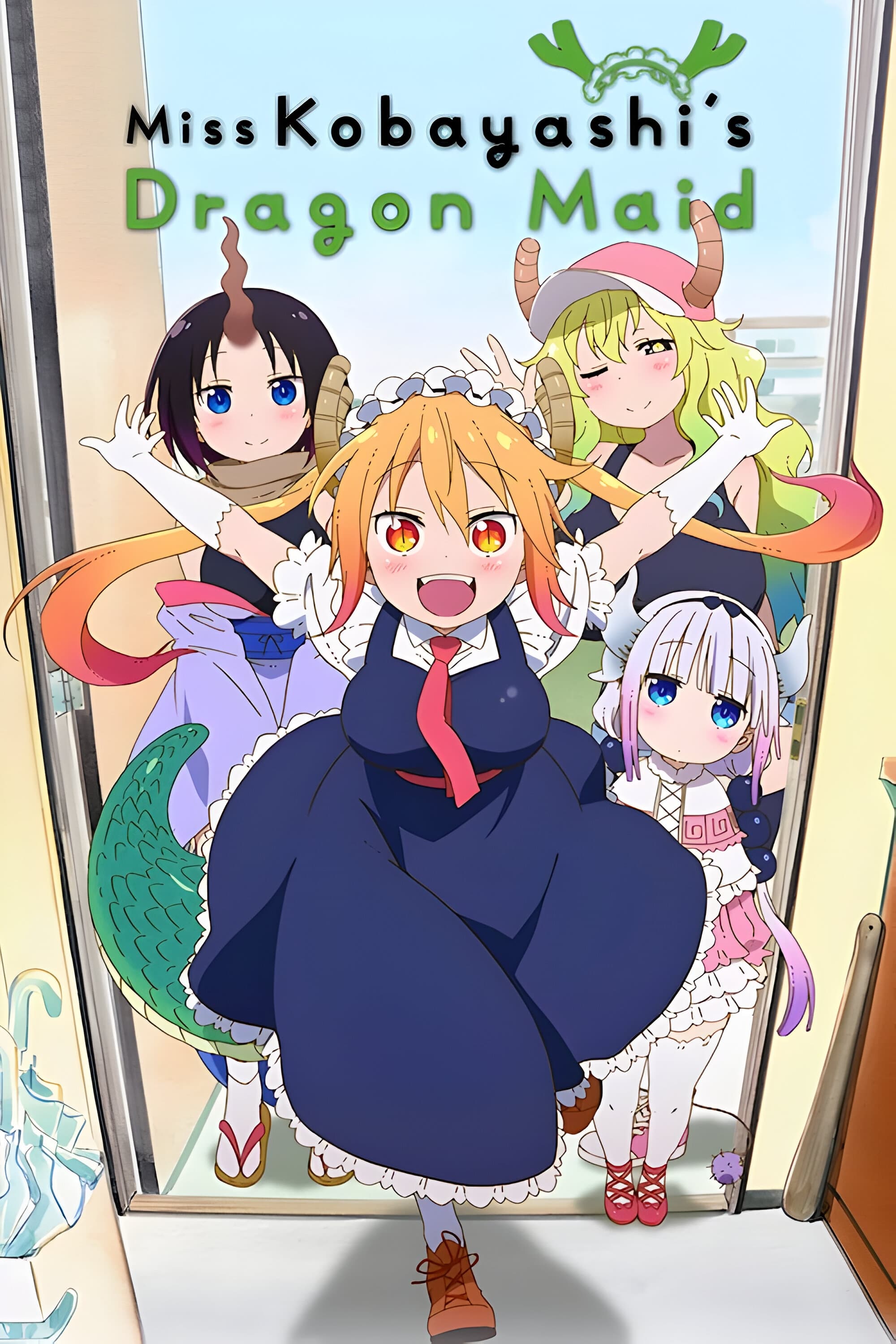
The English dub of this series changed a line regarding a character’s choice of clothing to include a reference to “the patriarchy” and the “male gaze.” This dialogue was absent in the original Japanese script, which focused on the character’s personal discomfort with her outfit. The alteration sparked a massive debate on social media between purists who demanded literal translation and those who supported the creative adaptation. Critics argued that the change forced Western political discourse into a story where it did not naturally fit. This instance remains a primary case study in the ongoing conflict between fan expectations and localization choices.
‘Prison School’ (2015)
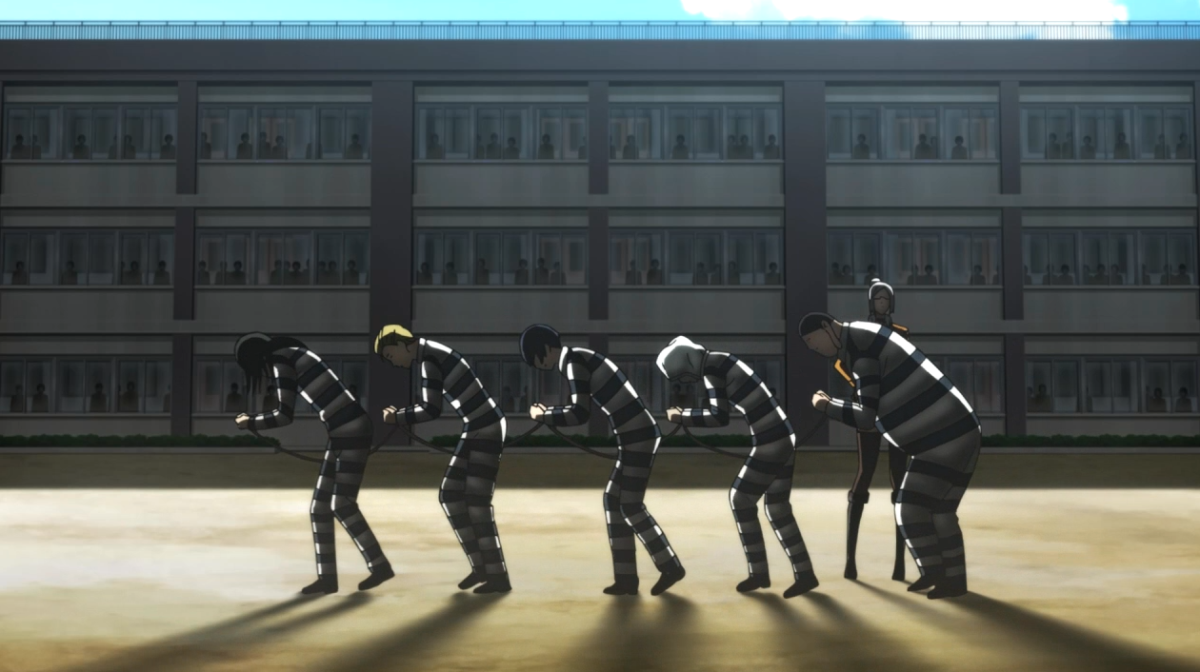
The localization of this comedy series became infamous for incorporating a direct reference to the “Gamergate” movement during a heated confrontation. The English script added a line where a character mocked another’s behavior by linking it to the online controversy, a detail entirely absent from the source material. This addition was met with swift backlash from viewers who felt it was an unnecessary and jarring injection of real-world politics. The controversy highlighted the power of localizers to change the tone and cultural context of a series. It also led to broader discussions about the professional boundaries of translation teams.
‘My Dress-Up Darling’ (2022)
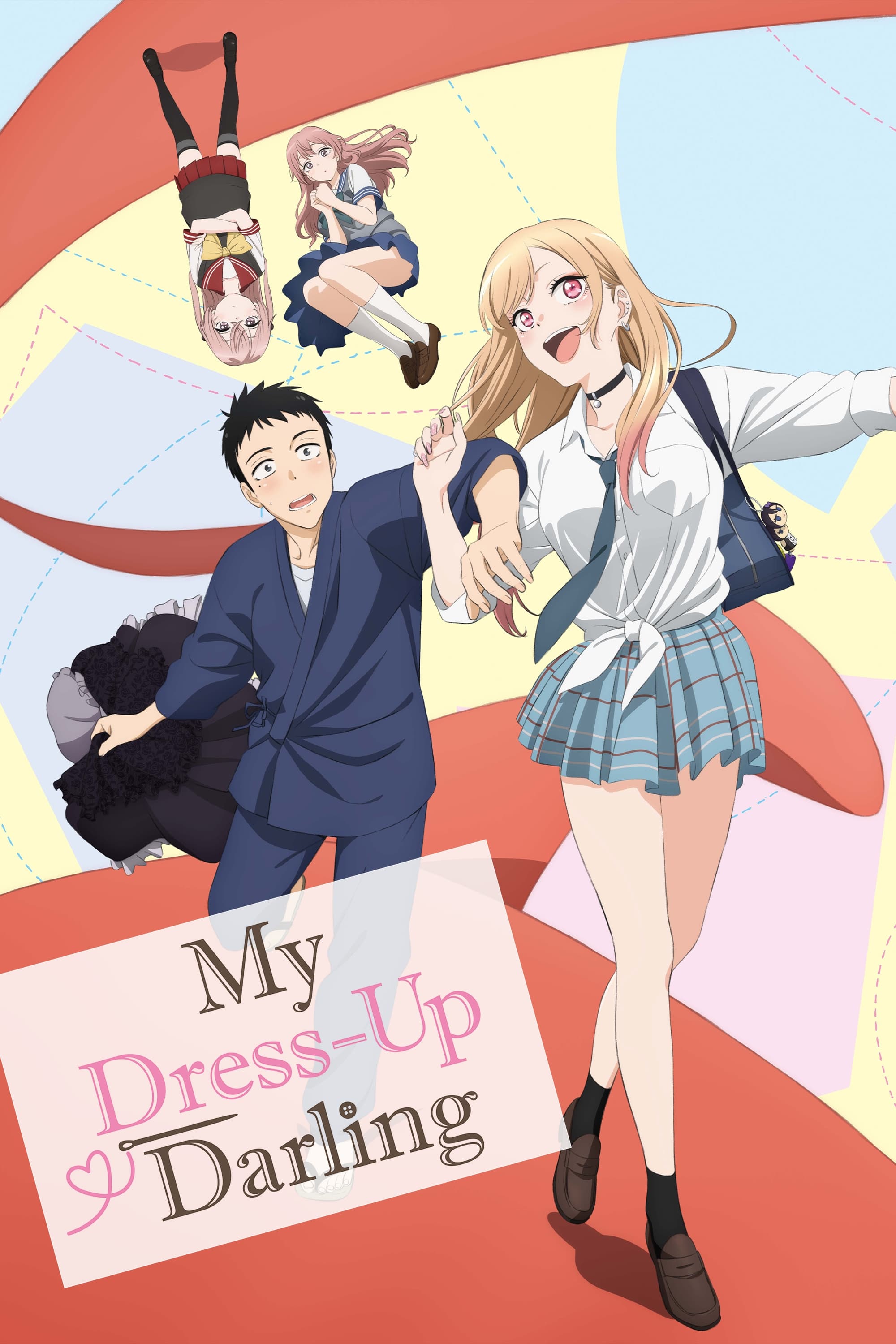
In the English localization, the protagonist Marin Kitagawa uses specific language to describe uncomfortable male behavior that differed in intensity from the original Japanese text. Some viewers pointed out that the English dub added a more contemporary feminist tone to her rejection of “creepy” guys. This led to accusations that the localization team was applying a modern Western lens to a character whose motivations were originally presented as more individualistic. The debate centered on whether these changes enhanced Marin’s agency or fundamentally altered her established personality. This series continues to be cited in discussions regarding the modernization of female character voices in dubbing.
‘Uzaki-chan Wants to Hang Out!’ (2020)
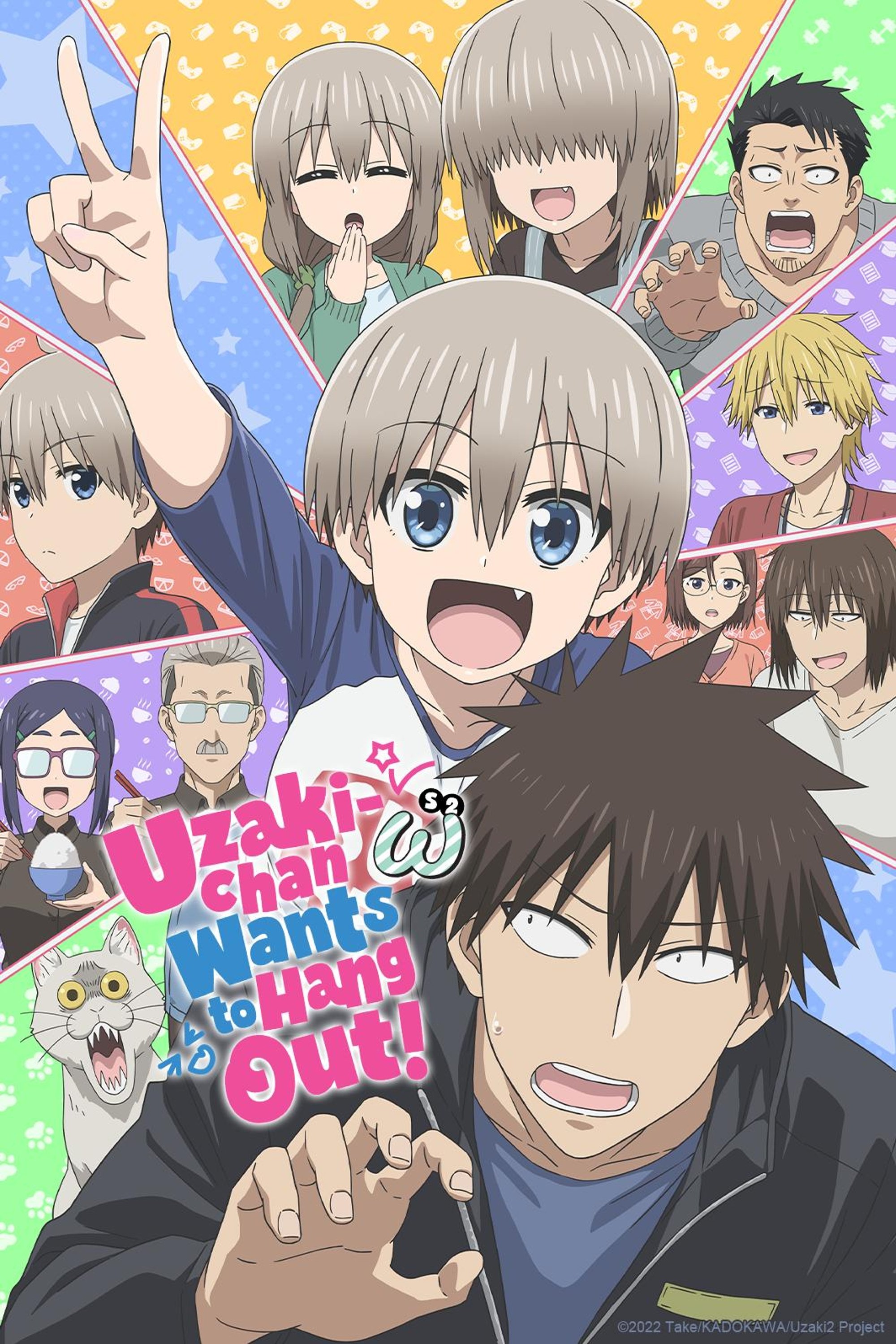
This series faced scrutiny when the English dub altered several scenes to include commentary on “consent” and “male entitlement” that was not present in the literal Japanese translation. While the show is a romantic comedy built on teasing dynamics, the localization added a layer of moralizing dialogue. Many fans argued that these changes were an attempt to sanitize the show’s humor for a Western audience sensitive to gender politics. Proponents of the changes argued they made the character interactions more relatable to a global viewership. The resulting culture war emphasized the deep divide in the anime community regarding cultural adaptation.
‘Trapped in a Dating Sim: The World of Otome Games is Tough for Mobs’ (2022)

The English dub of this series incorporated modern social justice terminology that was not found in the original light novels or Japanese audio. Viewers noticed the addition of insults regarding “male fragility” and “privilege” directed at the protagonist and other male characters. This creative choice was seen by some as an intentional effort to align the show with contemporary Western feminist discourse. Critics argued that these additions broke the immersion of the fantasy setting and served a specific ideological agenda. The show remains a central example of how localization can shift a narrative’s social perspective.
‘My First Girlfriend Is a Gal’ (2017)
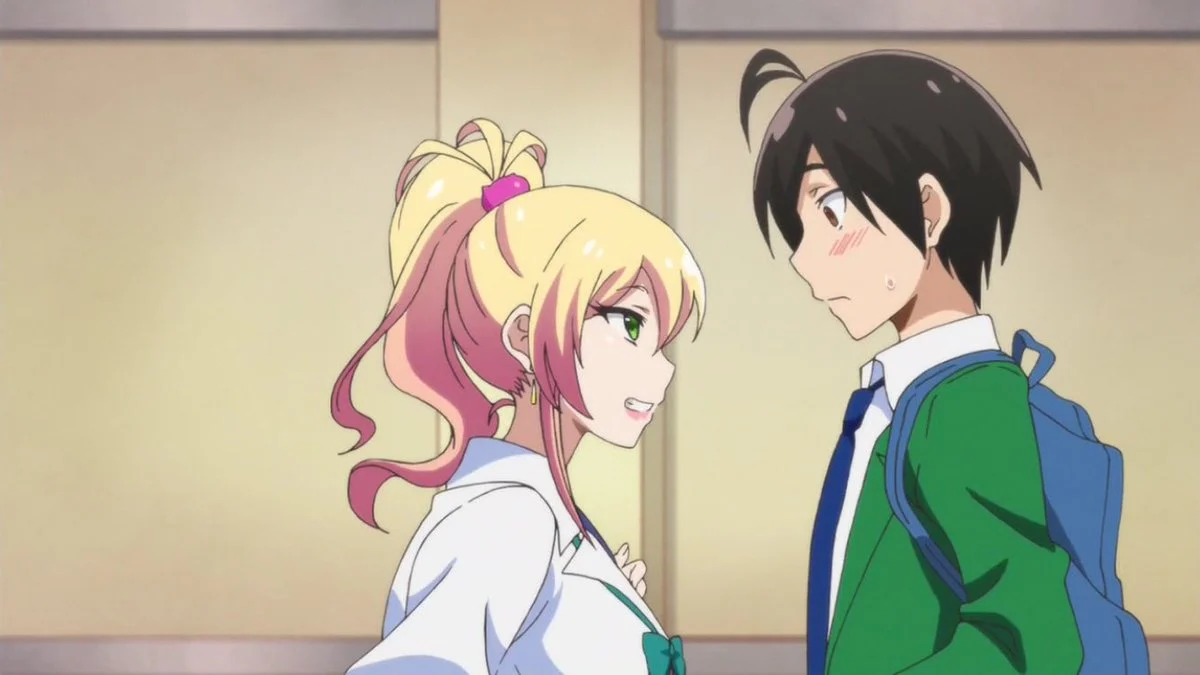
This series became a significant point of contention when its English dub utilized an abundance of Western internet slang and gendered insults. Localizers added phrases that recontextualized the characters’ relationships within the framework of modern “incel” and “feminist” tropes. Critics of the dub argued that the script transformed a standard high school romantic comedy into a commentary on Western social issues. The creative liberties taken with the dialogue became a benchmark for debates on the limits of localization. It underscored the tension between making a show contemporary and preserving its original cultural identity.
‘High School DxD Born’ (2015)

During a scene in the third season of this supernatural series, the English localization added a reference to “the patriarchy” when discussing the motivations of male characters. This specific terminology was not used in the original Japanese script, which leaned more into the series’ established fan-service humor. The inclusion of the term ignited a firestorm across anime forums, with fans accusing the localization studio of pushing a political narrative. This instance is frequently cited as an example of how a single localized line can alienate a portion of the fanbase. It raised questions about the neutrality of professional translation services.
‘Interviews with Monster Girls’ (2017)
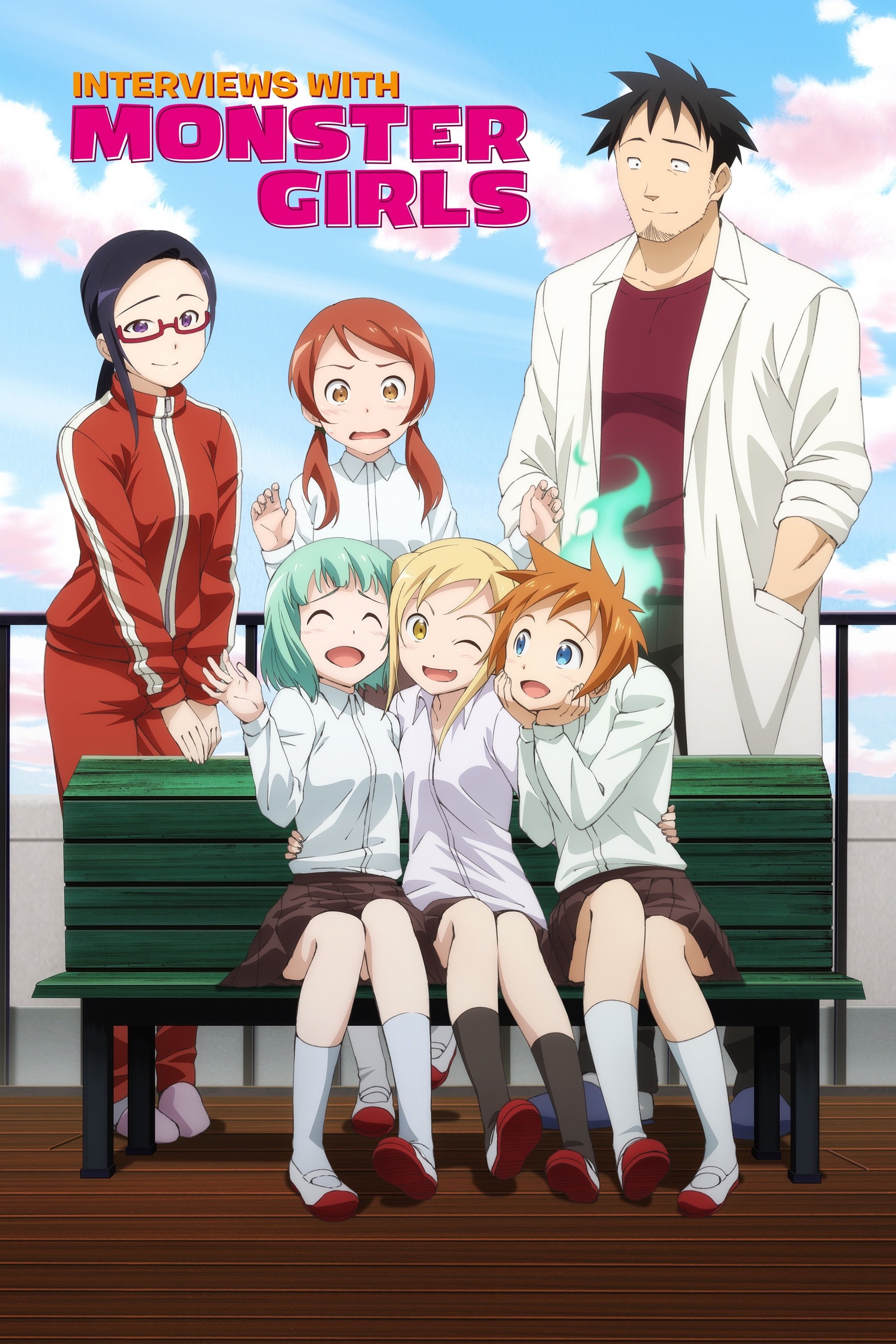
While the series explores themes of social integration and empathy, the English localization was criticized for adding phrases like “patriarchal society.” Fans of the original Japanese version noted that the source material used more subtle language to discuss the challenges faced by the characters. The addition of specific Western sociological jargon was viewed by some as an overreach by the localization team. The controversy highlighted the difficulty of translating social commentary across different cultural frameworks. It remains a polarizing example of how “flavoring” a script can change the underlying message.
‘Don’t Toy with Me, Miss Nagatoro’ (2021)
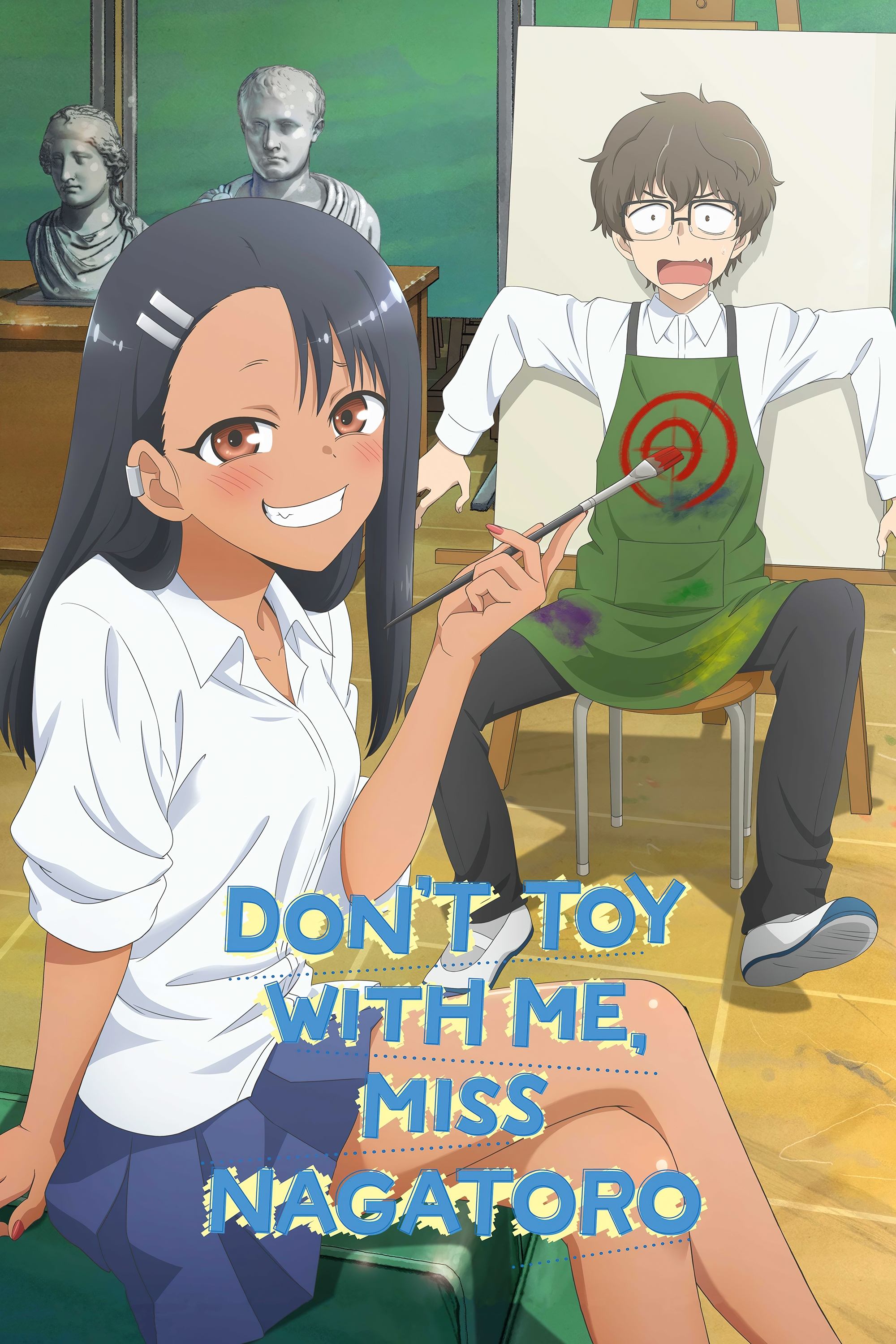
The localization of ‘Don’t Toy with Me, Miss Nagatoro’ sparked intense debate over the use of modern slang and gender-coded dialogue. While some viewers found the contemporary language fitting for the title character’s teasing nature, others felt it introduced unnecessary Western social justice themes. The discourse frequently touched upon whether the localization was attempting to frame Nagatoro’s behavior through a specific feminist lens. This series became a lightning rod for discussions about how Gen Z terminology is used in anime dubbing. The debate continues to surface whenever new seasons or localized chapters are released.
‘The Maid I Hired Recently Is Mysterious’ (2022)
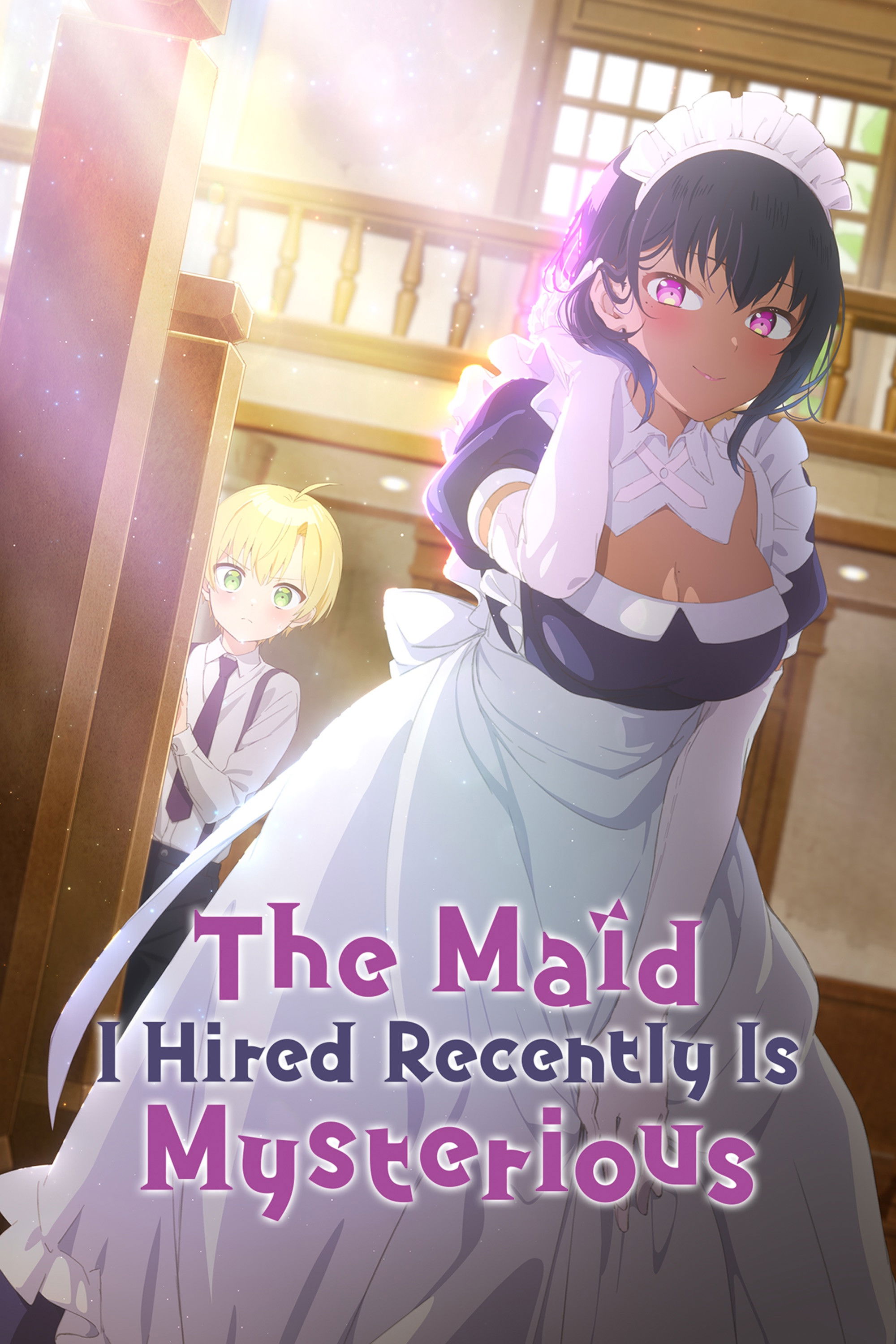
The English dub of this series drew criticism for altering internal monologues to include critiques of “toxic” behavior that were not in the Japanese audio. Fans noticed that the protagonist’s thoughts were sometimes replaced with more aggressive commentary on gender dynamics. These adjustments were viewed by some as an intentional effort to make the show more palatable to Western social sensibilities. The resulting debate focused on whether these changes compromised the original innocent and comedic nature of the story. It served as another example of the growing trend of “activist localization” in the industry.
‘How Heavy Are the Dumbbells You Lift?’ (2019)
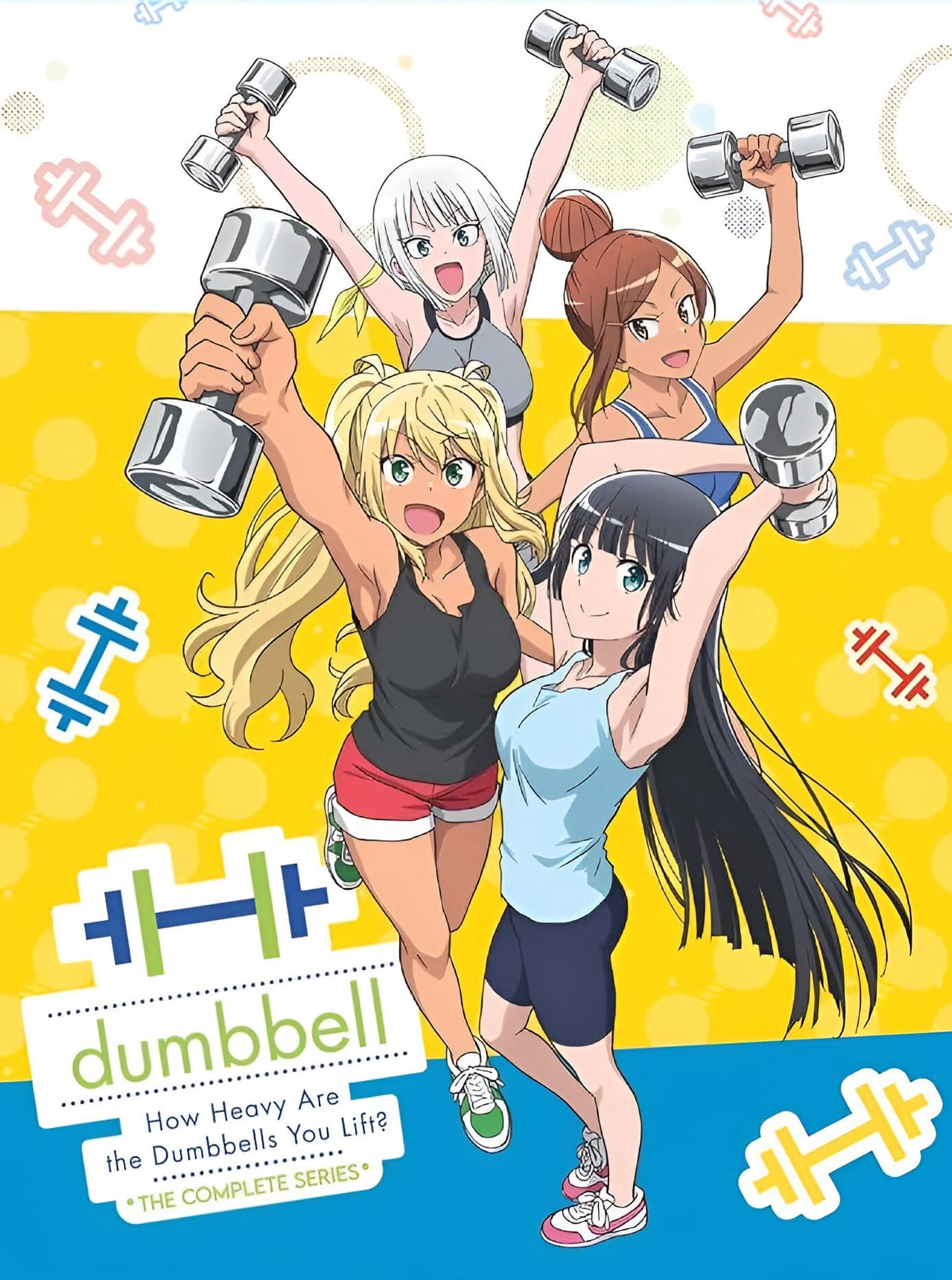
In the English localization of this fitness-themed comedy, several jokes were recontextualized to include modern commentary on “body positivity” and “gendered expectations.” While the original series used humor to educate viewers about gym culture, the localized script added a layer of social critique. Critics of the dub felt that these additions were preachy and detracted from the lighthearted educational nature of the show. Proponents argued that the changes helped the humor land more effectively with a Western audience. The controversy showed how even educational or hobby-focused anime can become part of larger cultural debates.
‘Interspecies Reviewers’ (2020)

Although the series was eventually removed from several Western streaming platforms due to its explicit content, the initial localization efforts sparked debate over sexual politics. The translation choices in early episodes were scrutinized for how they framed the interactions between the protagonists and the service workers in the show’s world. Some fans argued that the English script attempted to sanitize or moralize elements that were meant to be purely comedic or transgressive. The discourse surrounding the show eventually shifted toward censorship, but the initial localization wars set the stage for that larger conflict. This series remains a landmark case in the discussion of “problematic” content and its translation.
Share your thoughts on these localization choices and how they impact your viewing experience in the comments.