Anime Series That Were Censored for Their Political Incorrectness


The history of anime is marked by various instances where cultural differences, political sensitivities, and varying broadcast standards have led to significant censorship. While some edits are minor, other series have faced complete bans or fundamental alterations to their characters and storylines to comply with local regulations. These decisions often stem from concerns regarding offensive stereotypes, religious imagery, or themes deemed subversive by certain governments. Understanding these instances provides insight into the complex global landscape of media distribution and the evolving standards of what is considered acceptable for international audiences.
‘Pokémon’ (1997–Present)
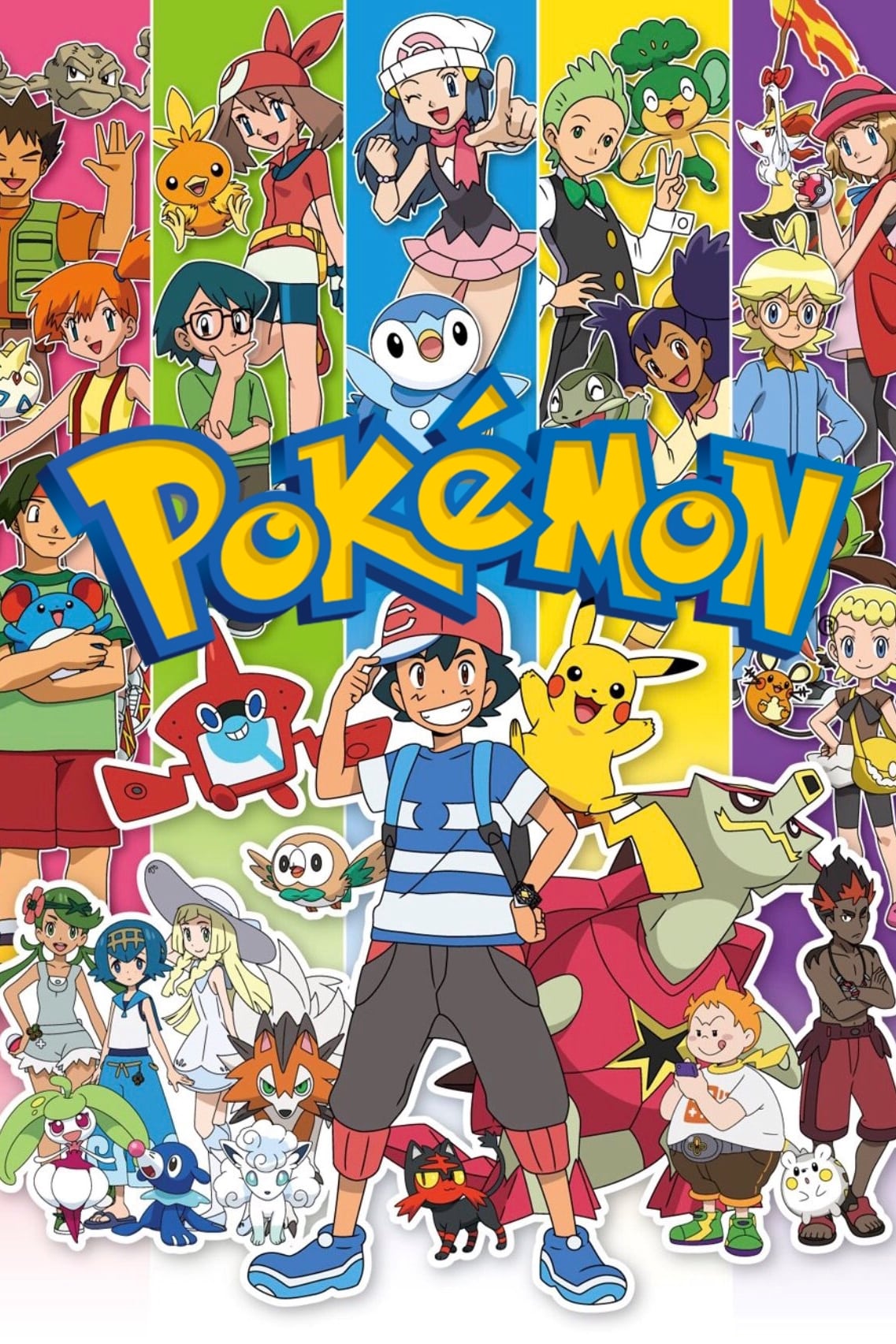
In the original Japanese version of ‘Pokémon’, the creature Jynx featured black skin and large lips, which was widely criticized in the West as an offensive racial stereotype. Consequently, the design was later altered to a purple skin tone in all subsequent international appearances and media. Additionally, episode 35 of the series was banned in the United States because it featured characters pointing firearms directly at the protagonist, Ash Ketchum. These changes reflect the ongoing effort to align the franchise with global sensitivities regarding racial representation and depictions of violence.
‘Hetalia’ (2009–2010)
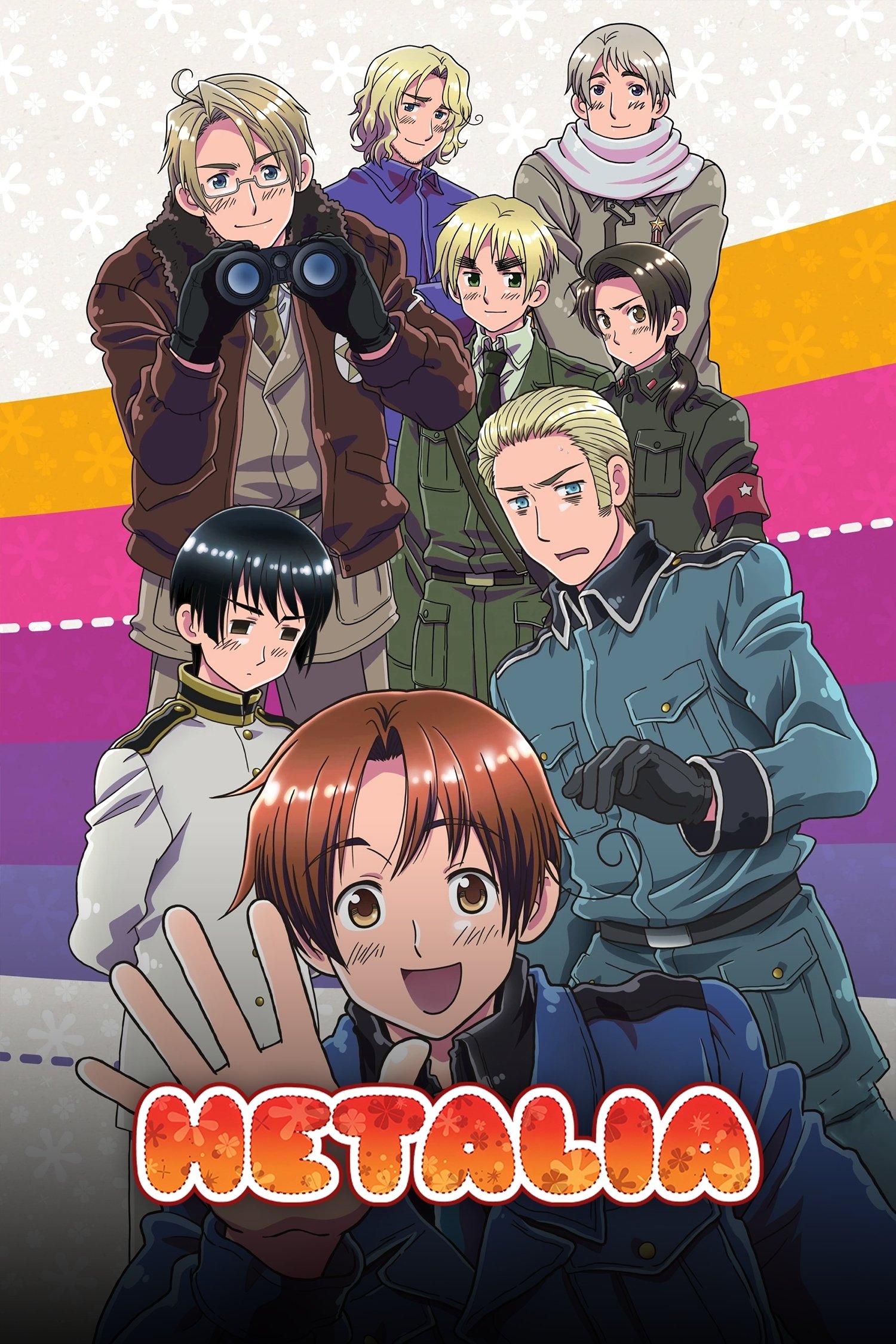
‘Hetalia: Axis Powers’ faced significant controversy due to its personification of nations involved in World War II, which many found trivializing and offensive. In South Korea, the series was met with intense public outcry and petitions due to its depiction of the Korean character, leading to the show being pulled from the Kids Station channel. The producers eventually removed the Korean character from the anime adaptation entirely to mitigate the backlash and avoid further political tension. This case highlights the challenges of using national identity and historical trauma as a basis for comedy in international media.
‘Dragon Ball Z’ (1989–1996)

The character Mr. Popo in ‘Dragon Ball Z’ became a subject of controversy in international markets due to his design, which resembled blackface caricatures. To address these concerns, some versions of the show broadcast on Western television digitally recolored the character to a bright blue or purple. Other edits in the series involved removing blood and replacing cigarette-smoking scenes with digital removals to maintain a lower age rating. These modifications were intended to make the long-running series more palatable for younger Western audiences and to satisfy diverse cultural standards.
‘One Piece’ (1999–Present)
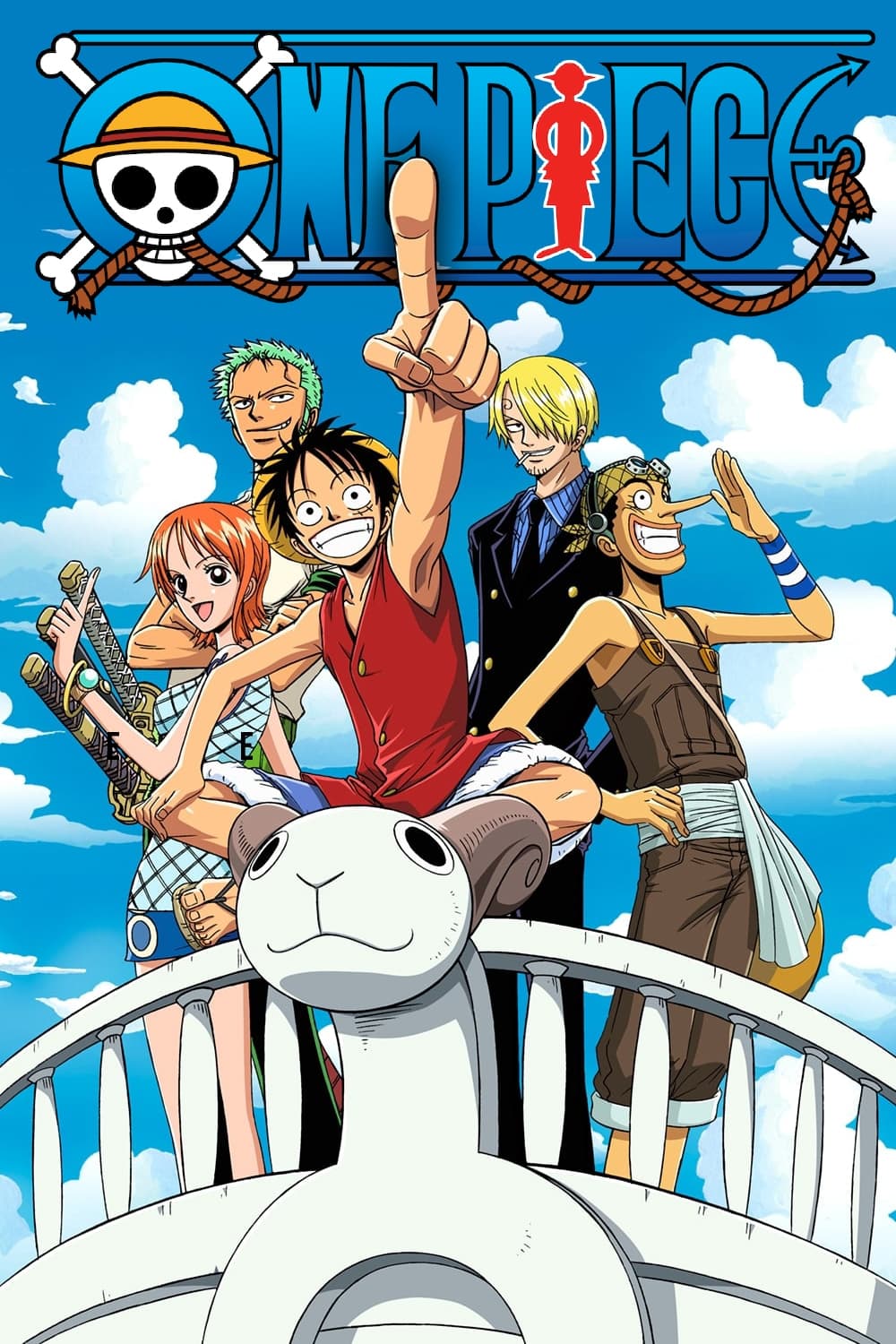
The early English localization of ‘One Piece’ by 4Kids Entertainment featured extensive and significant censorship. One of the most famous changes involved replacing Sanji’s signature cigarettes with lollipops to avoid promoting tobacco use to children. Furthermore, guns were often digitally altered into water pistols or “spring-loaded” hammers to reduce the level of realistic violence in the show. These edits aimed to bring the series in line with North American children’s programming standards of the early 2000s.
‘Sailor Moon’ (1992–1997)
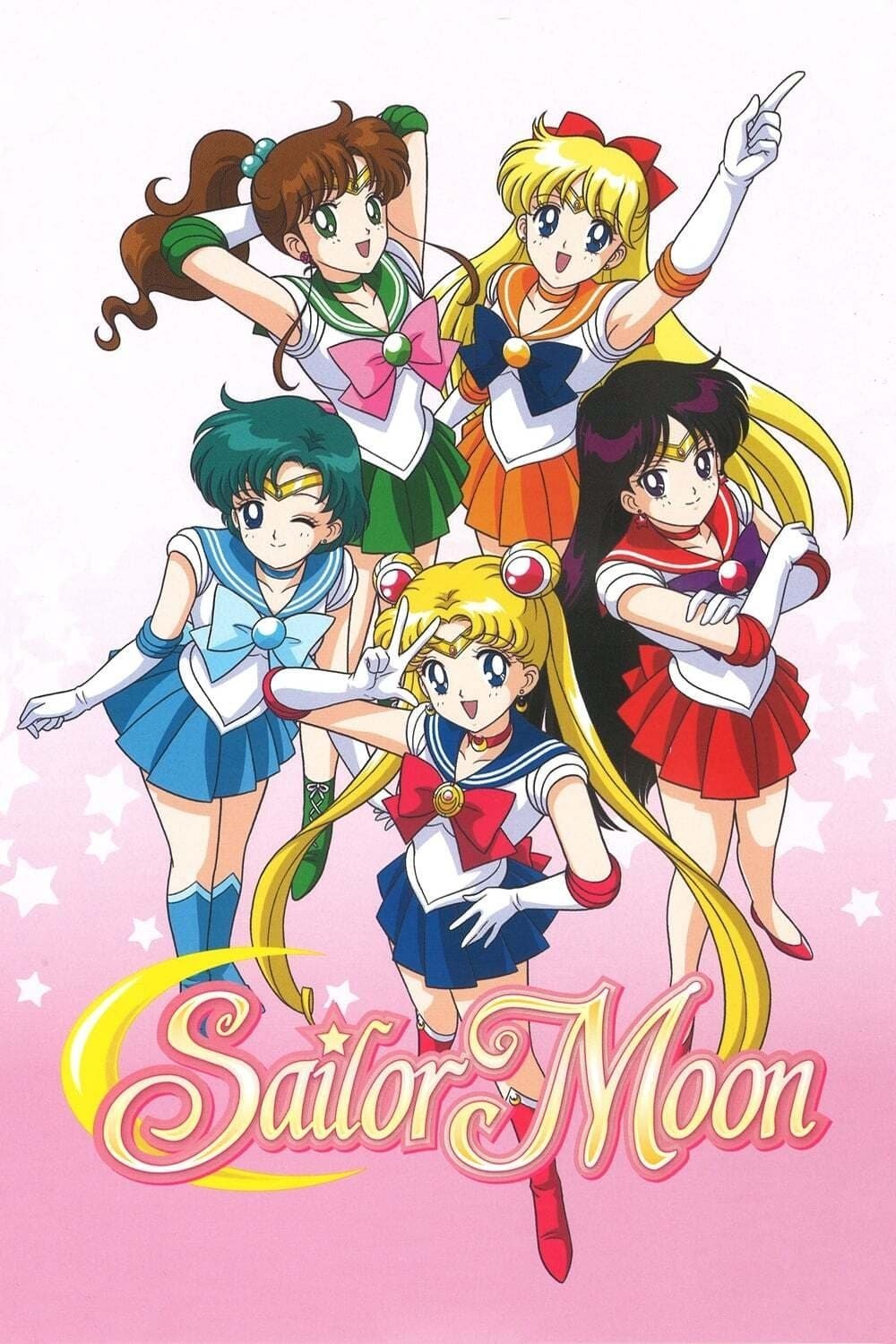
During the initial Western broadcast of ‘Sailor Moon’, the romantic relationship between Sailors Uranus and Neptune was censored and changed into a platonic bond as “cousins.” This change was implemented to remove LGBTQ+ themes that were considered inappropriate for children’s television in the 1990s. Other characters also had their genders swapped or their dialogue rewritten to obscure any non-heteronormative subtext present in the original work. Modern redubs of the series have since restored these relationships to accurately reflect the original Japanese narrative.
‘Kinnikuman’ (1983–1986)
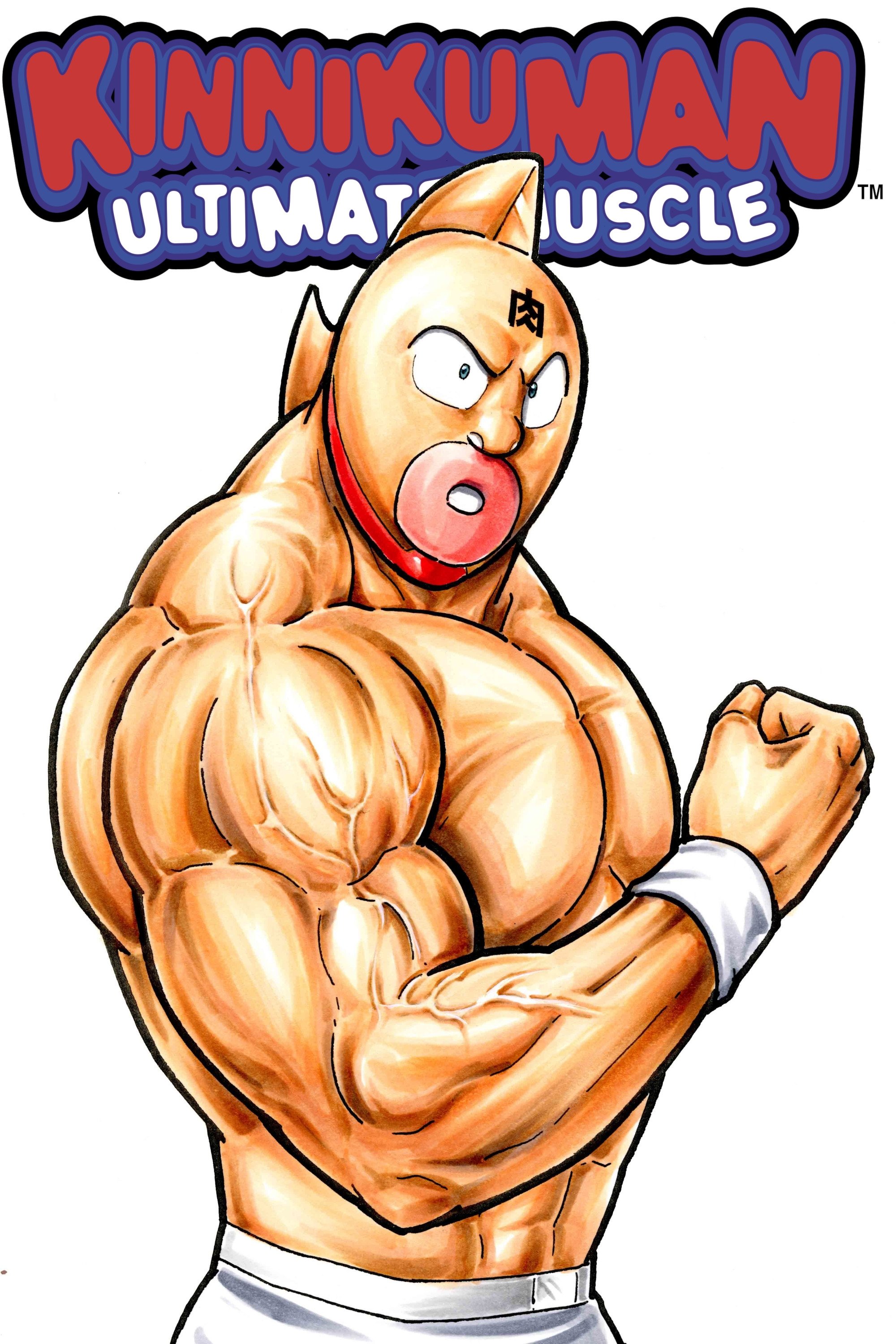
‘Kinnikuman’ featured a character named Brocken Jr. who wore a uniform adorned with a swastika, drawing heavily from German military aesthetics. Because of this imagery, the character and his associated episodes faced significant censorship in Western markets where the symbol is strictly associated with Nazism. In the localized video games, such as ‘M.U.S.C.L.E.’, his appearance was heavily modified or he was removed entirely to avoid controversy. This censorship was necessary to make the series commercially viable in regions with strict laws regarding the display of hate symbols.
‘Death Note’ (2006–2007)
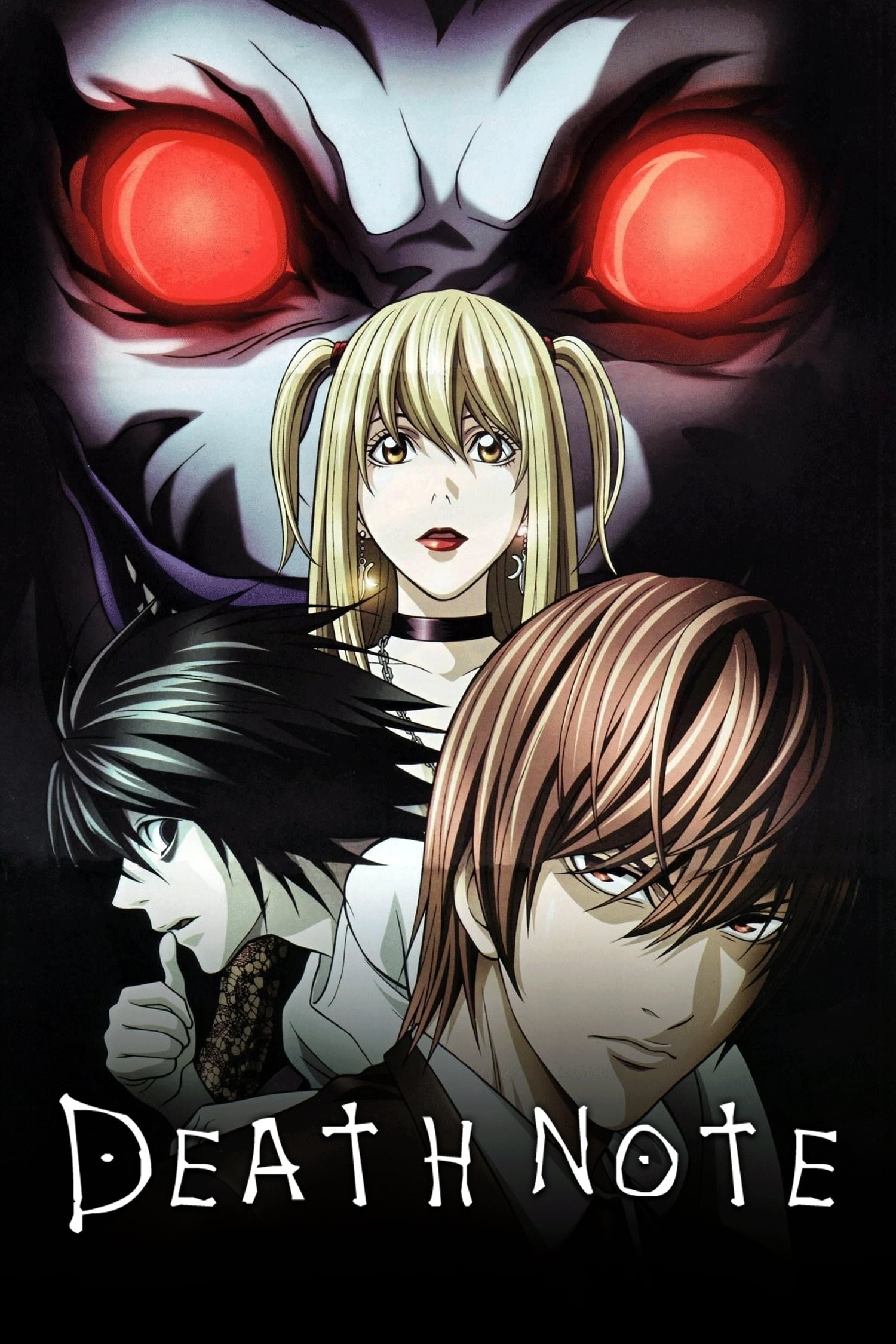
‘Death Note’ was officially banned in mainland China because the government felt the series encouraged delinquent behavior and superstition. The Ministry of Culture cited the show’s dark themes and the real-world popularity of replica “Death Notes” as factors that could negatively influence the mental health of children. Officials claimed that the series promoted a “horror” culture that was unsuitable for a stable society. As a result, retailers were prohibited from selling related merchandise, and streaming sites were forced to remove the content.
‘Attack on Titan’ (2013–2023)
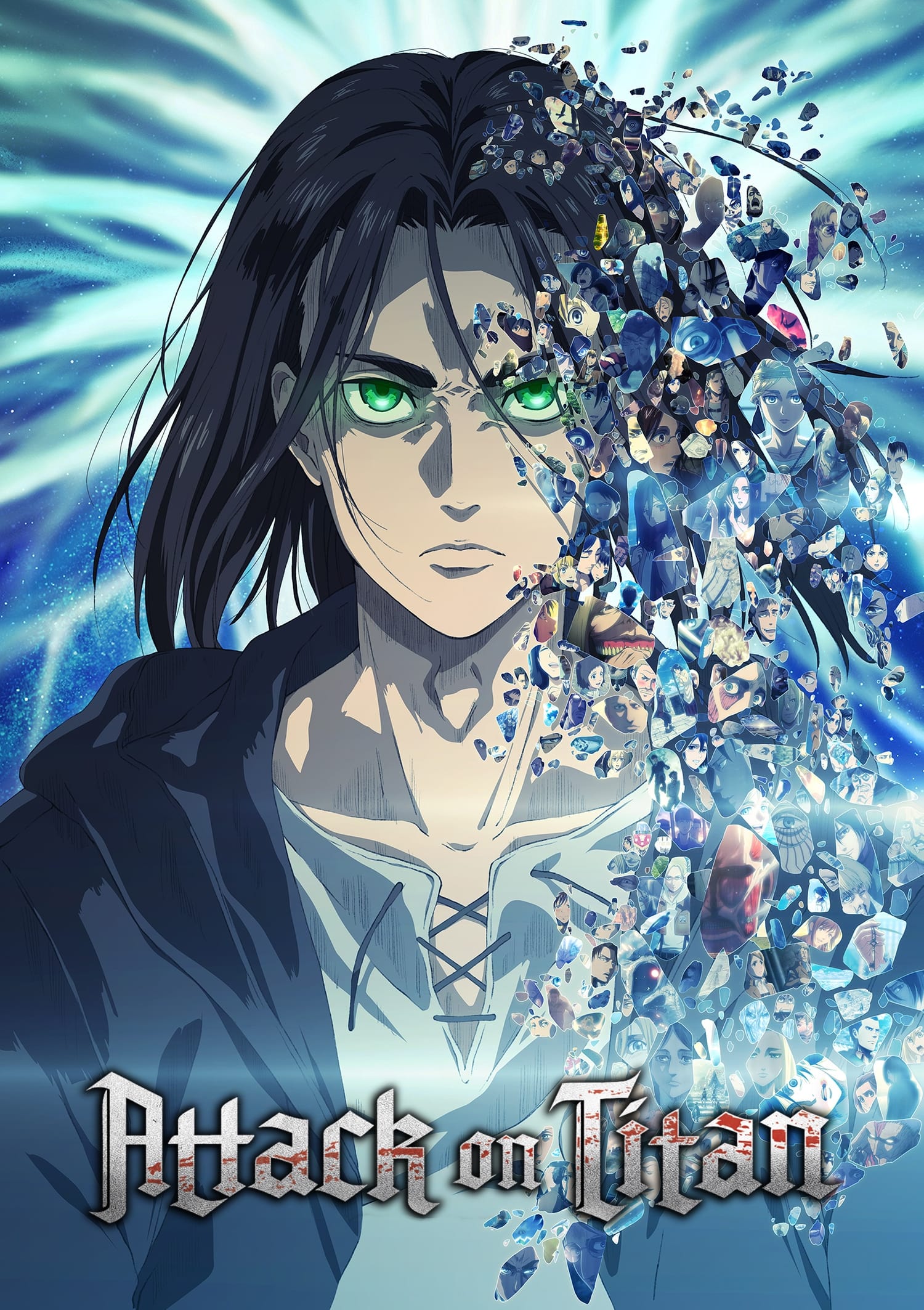
Despite its global popularity, ‘Attack on Titan’ was included on a blacklist of anime titles banned by the Chinese Ministry of Culture. The government cited the series for its graphic violence and perceived political undertones that could incite civil unrest or rebellion. Specific concerns were raised about the show’s themes of fighting against authoritarian structures, which were deemed subversive. The ban extended to all forms of the media, including manga and streaming video, to prevent the spread of these inappropriate messages.
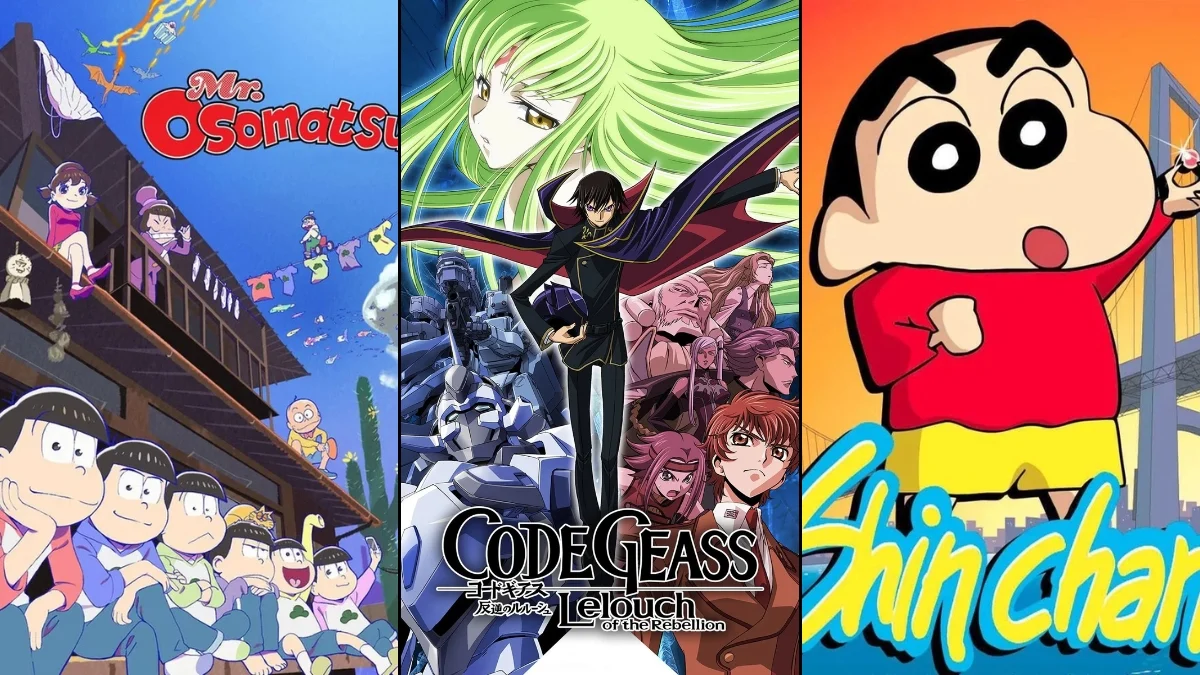
‘Mr. Osomatsu’ (2015–2021)
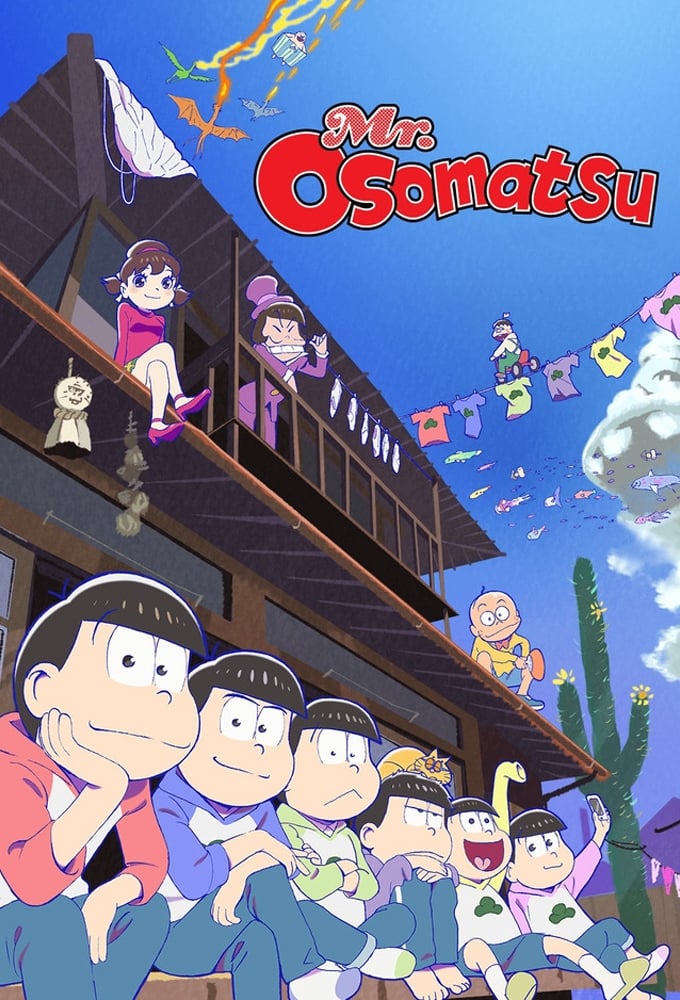
The first episode of ‘Osomatsu-san’ was removed from streaming platforms and home video releases because it contained excessive parodies of other copyrighted works. The creators felt the content pushed boundaries too far, leading to concerns over legal repercussions and strained industry relations. This specific episode satirized various popular series like ‘Attack on Titan’ and ‘Sailor Moon’ in a manner deemed inappropriate for broadcast. Subsequent airings of the series began with the second episode to avoid further controversy and potential lawsuits.
‘Yu-Gi-Oh! Duel Monsters’ (2000–2004)
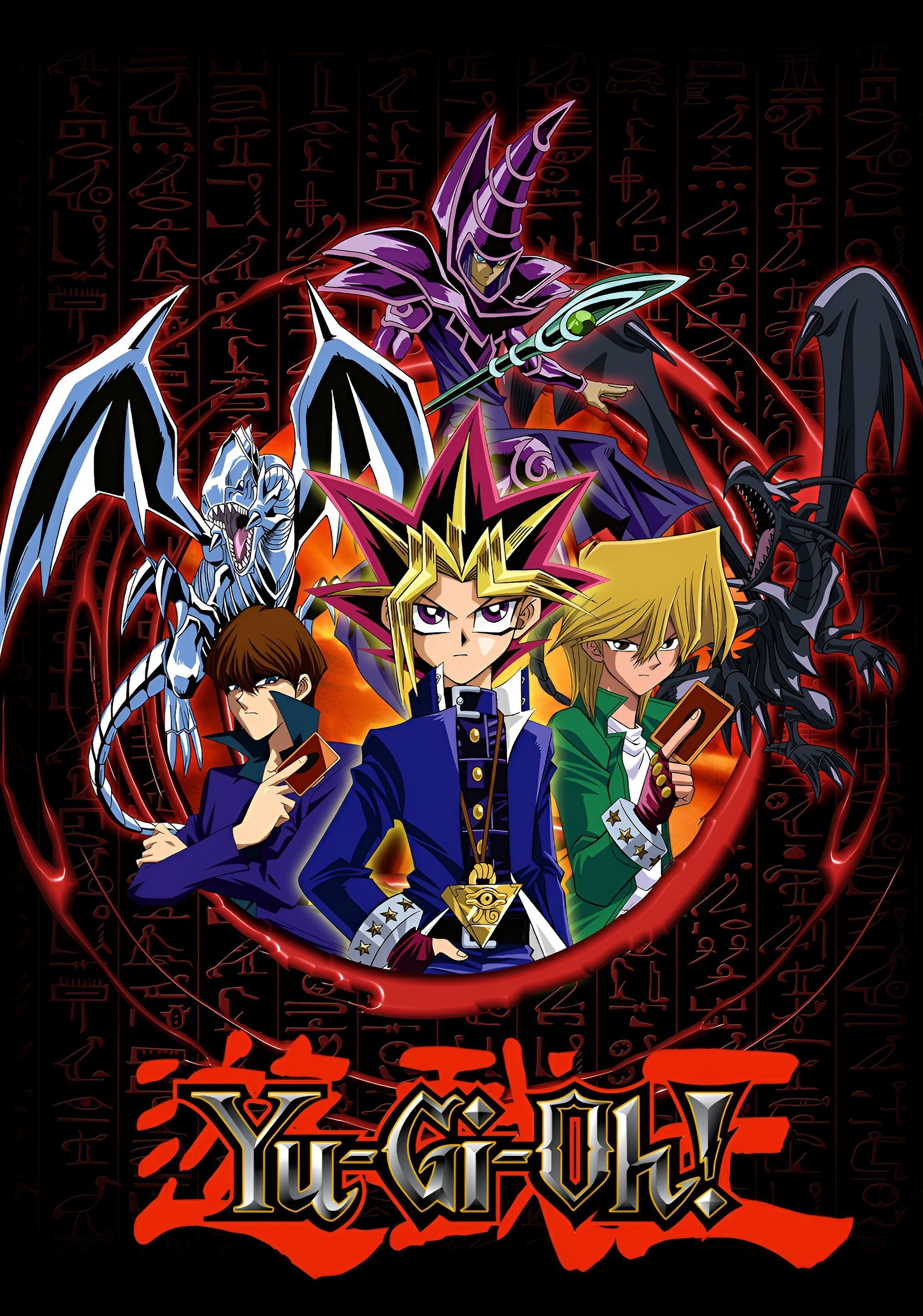
The localization of ‘Yu-Gi-Oh! Duel Monsters’ involved the removal of many elements deemed too violent or religiously sensitive for Western children. This led to the creation of the “Shadow Realm,” a concept used to explain the disappearance of characters who actually died in the original Japanese version. Religious iconography, such as the Ankh and various crosses, was also digitally removed or replaced with generic symbols. These changes were part of a broader effort to sanitize the series and make it compatible with international broadcast regulations.
‘Rurouni Kenshin’ (1996–1998)
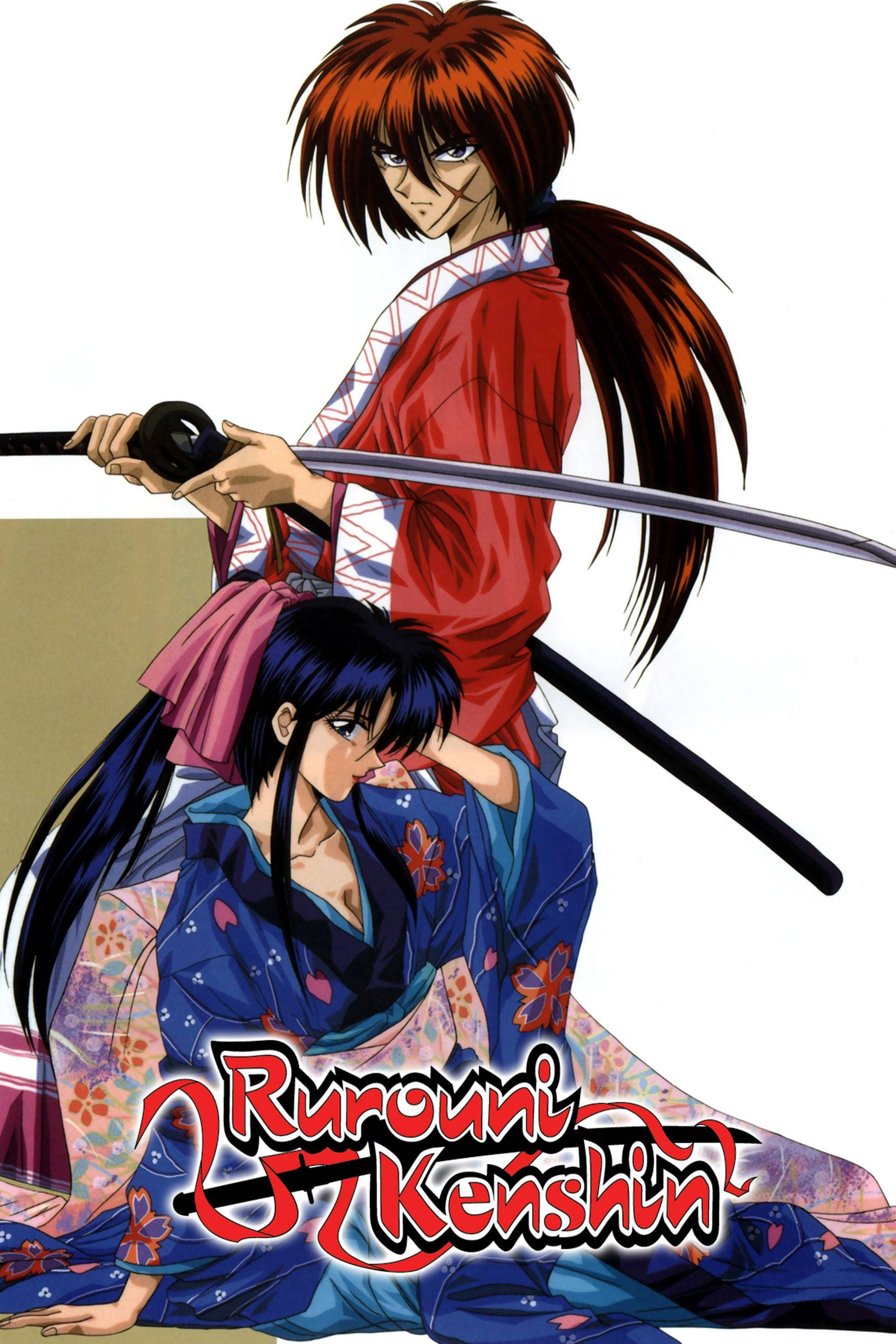
The series often utilized the Manji symbol, which is a traditional Buddhist sign representing peace and eternity in Japanese culture. However, international distributors frequently censored or removed the symbol because it is visually identical to the Nazi swastika when reversed. To avoid negative associations and potential legal issues in Western countries, the symbol was often digitally erased from characters’ clothing. This highlights the difficulty of translating cultural symbols that carry vastly different meanings across the globe.
‘Interspecies Reviewers’ (2020)
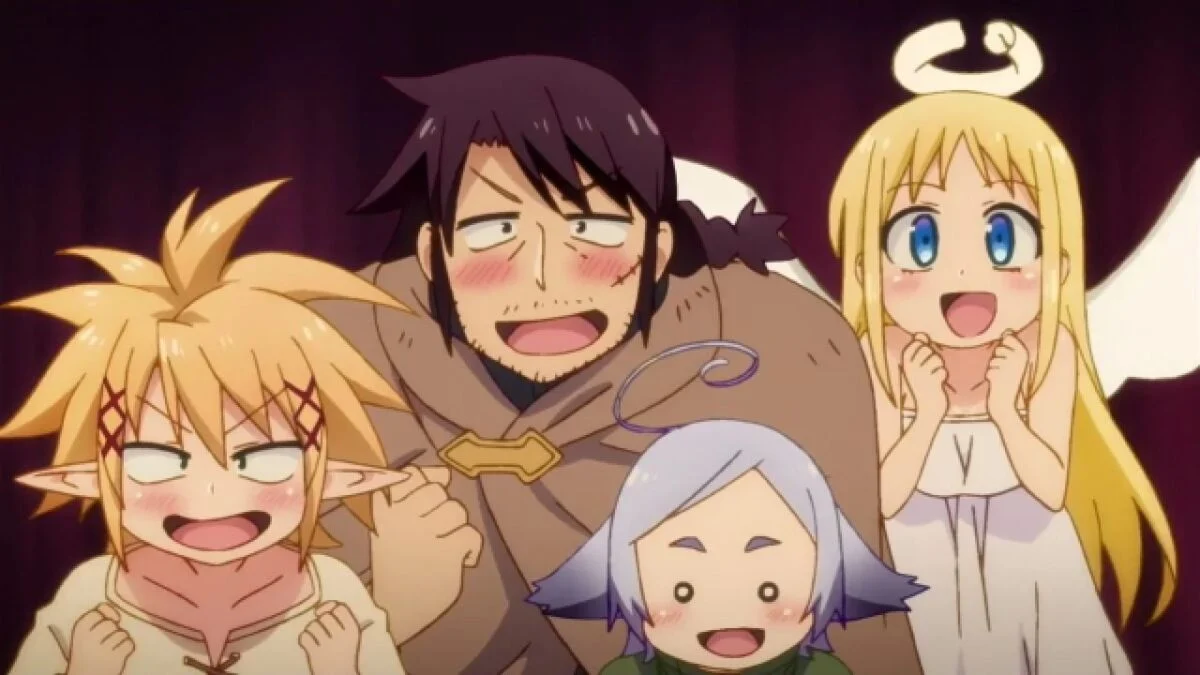
This series follows a group of adventurers who visit and review various monster-girl brothels within a fantasy setting. Shortly after its debut, ‘Interspecies Reviewers’ was pulled from several major Japanese networks and Western streaming services due to its sexually explicit content. Critics and broadcasters argued that the show’s themes were too controversial and bordered on pornographic for standard television slots. The series serves as a notable example of how differing standards for acceptable adult comedy can lead to total removal from mainstream platforms.
‘Shin Chan’ (1992–Present)
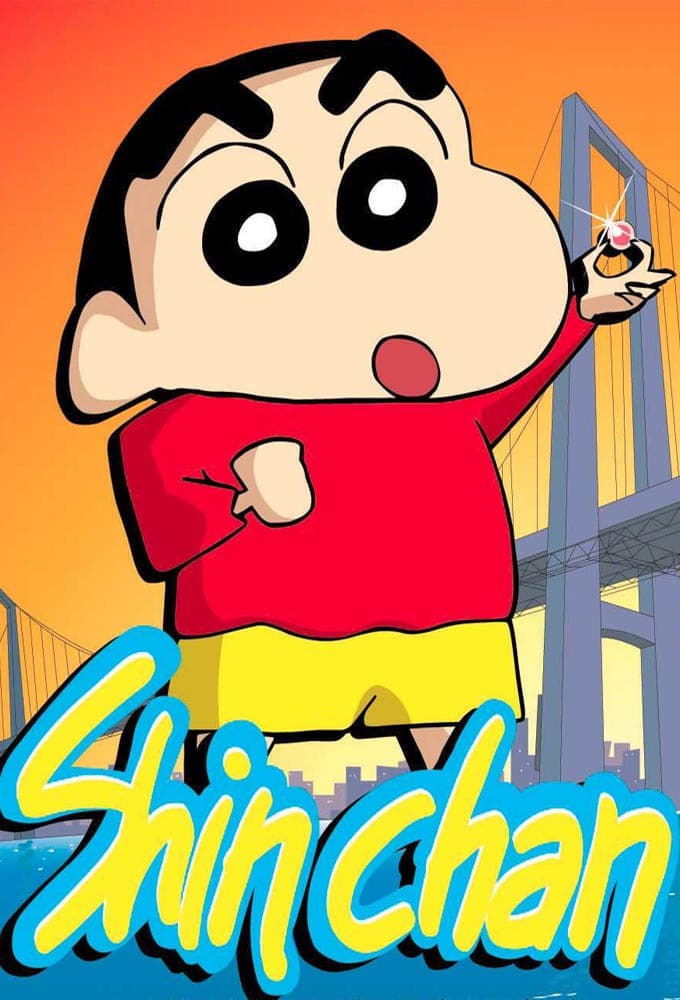
‘Crayon Shin-chan’ is known for its crude humor and the protagonist’s habit of exposing himself for comedic effect. Many international versions of the show underwent heavy censorship to remove scenes involving nudity or “butt-dancing” which were considered inappropriate for young viewers. Localizers frequently edited the dialogue to remove sexual innuendos and adult-oriented jokes that were common in the original Japanese scripts. These adjustments were necessary to market the series as a children’s cartoon in countries with more conservative broadcasting standards.
‘Code Geass: Lelouch of the Rebellion’ (2006–2008)
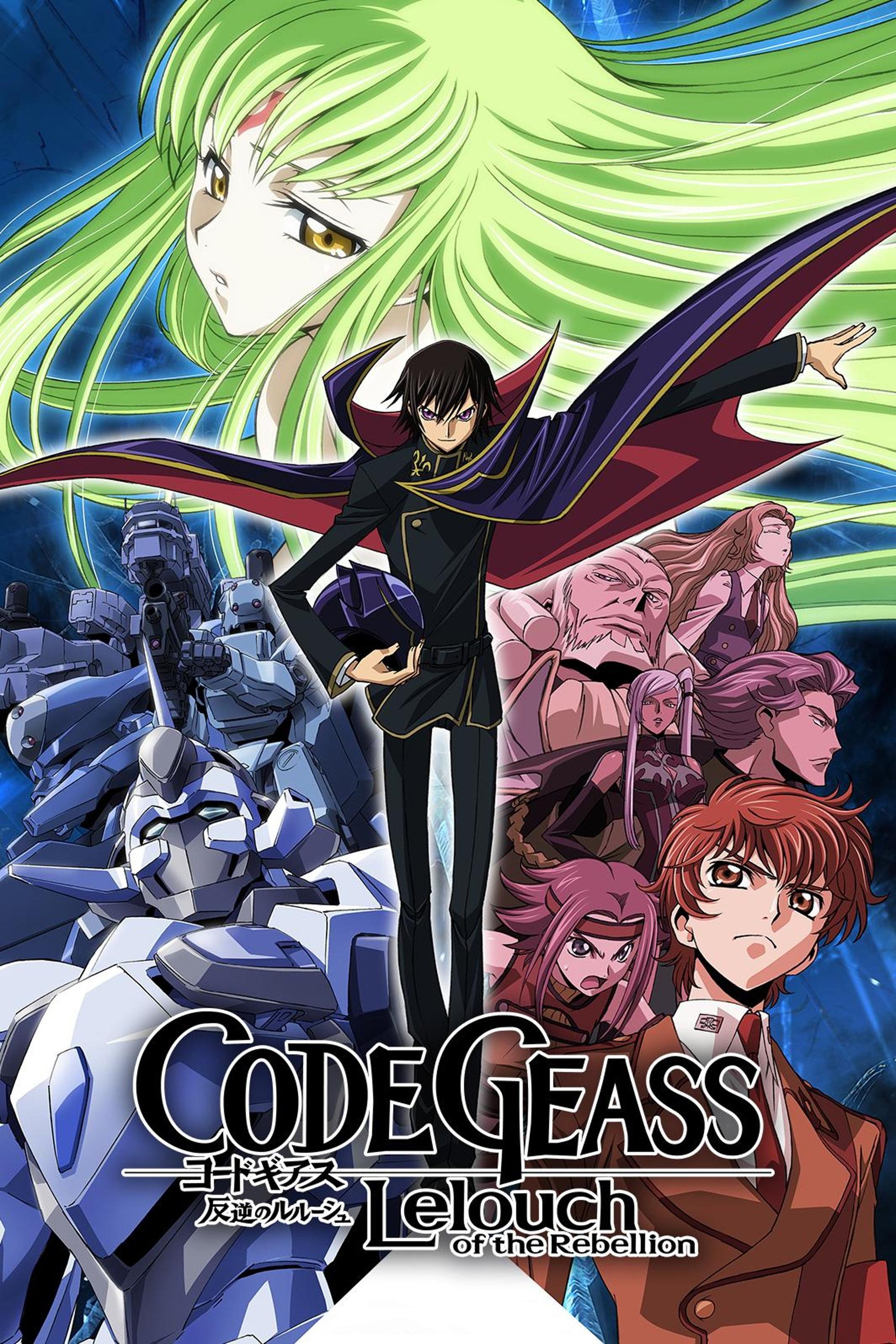
‘Code Geass: Lelouch of the Rebellion’ faced strict censorship and an eventual ban in mainland China due to its narrative of political rebellion. The story follows a former prince who leads a revolutionary movement against a global superpower, a theme the Chinese government considered a threat to social stability. Authorities categorized the show as promoting subversive values and glorifying illegal insurrection against established authority. This ban illustrates the high sensitivity of political narratives in certain international markets.
‘Tokyo Ghoul’ (2014–2018)
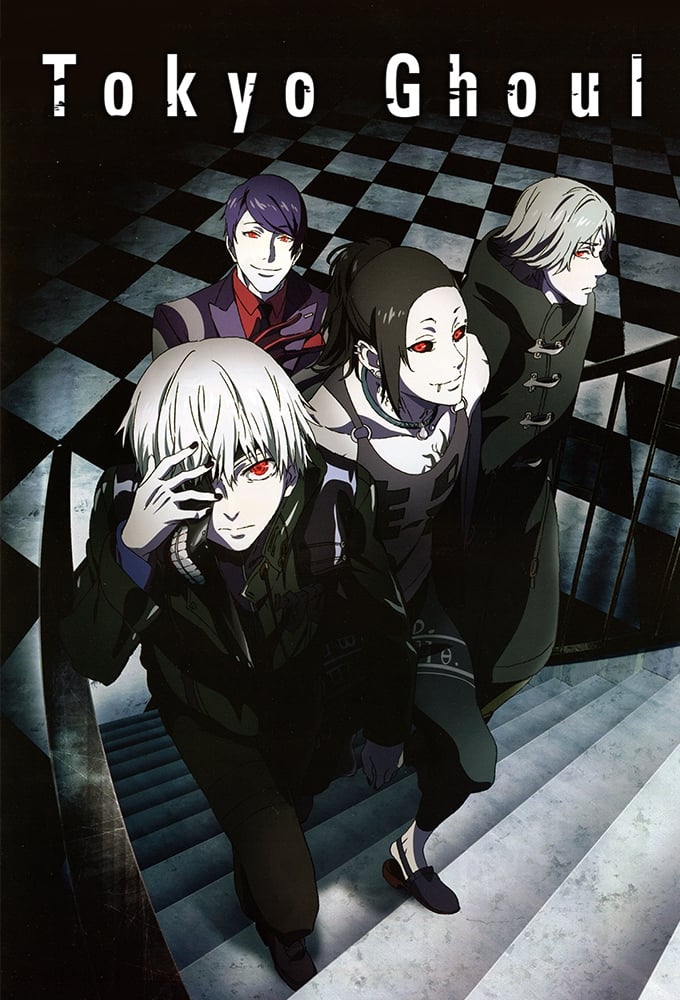
‘Tokyo Ghoul’ was included on a 2015 blacklist of several violent anime series in China. The reason for the ban was its high level of graphic violence and the macabre nature of its story, which involves human-eating ghouls. Some viewers also attempted to recreate the “stapling” of skin seen in the series, leading to safety concerns among regulators. Consequently, streaming platforms were ordered to stop distributing the series to protect the physical and mental well-being of the youth.
Tell us which of these censorship cases surprised you the most in the comments.