Anime That Stick The Landing (Great Finales)


A great ending can make an anime unforgettable, tying up character arcs, story mysteries, and themes in a way that feels coherent and earned. The titles below are series that close their narratives cleanly, resolve core conflicts, and give viewers concrete answers or meaningful conclusions to the journeys they follow. You’ll find shows that fully adapt their source material, originals that wrap up in a single cour, and longer epics that land multi-season stories with care. Each entry highlights what the finale actually does—what plot threads it closes, which arcs it resolves, and how it concludes the main premise—so you can pick your next watch with confidence.
‘Fullmetal Alchemist: Brotherhood’ (2009–2010)
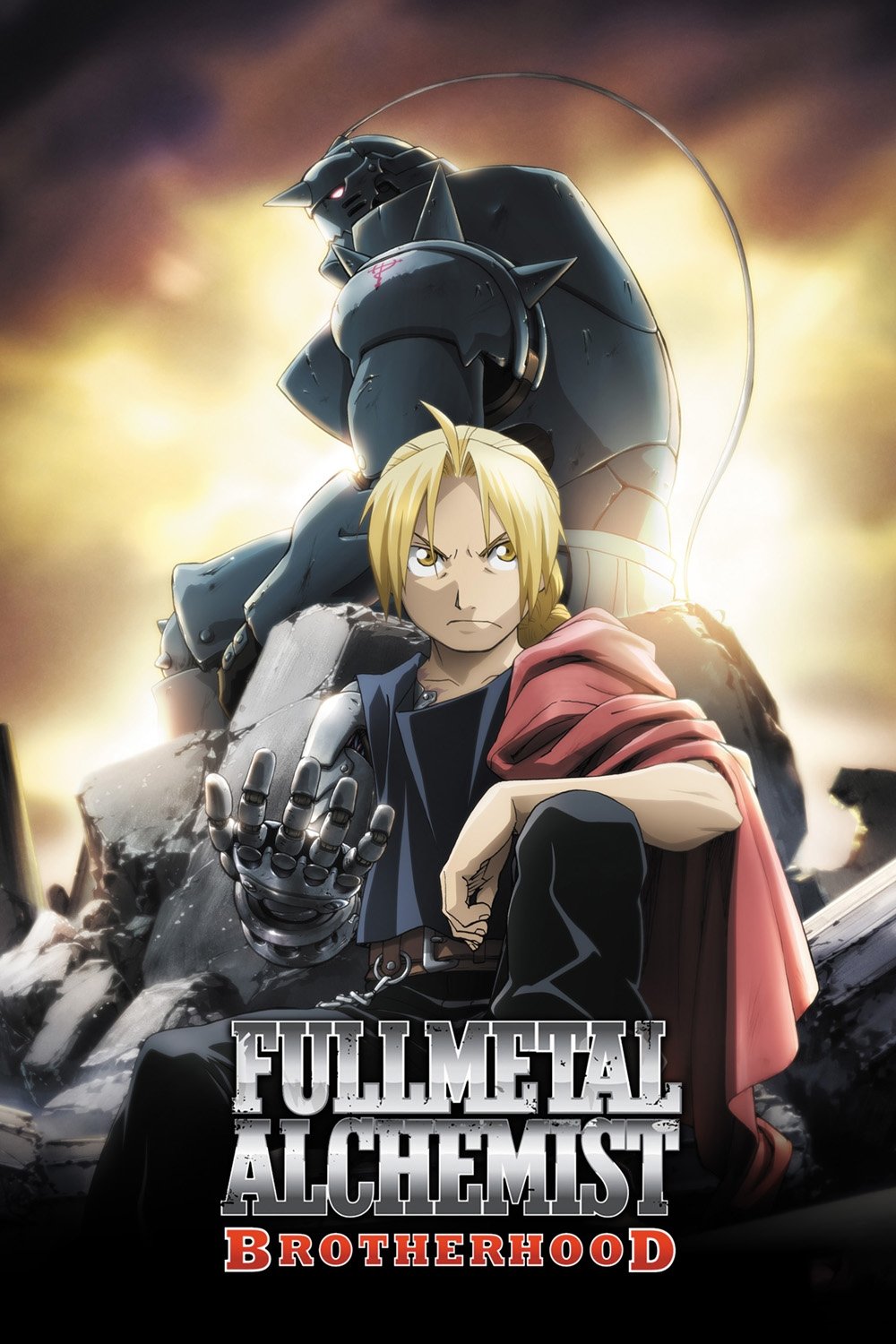
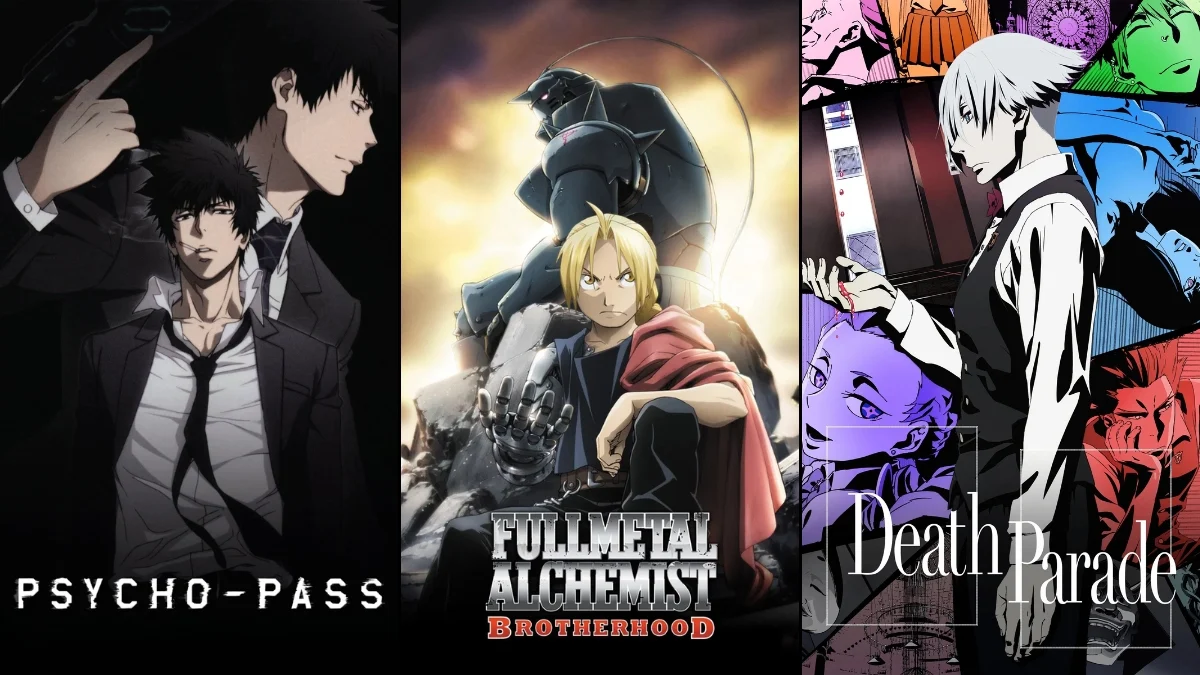
Bones adapts Hiromu Arakawa’s manga to its conclusion, culminating in a decisive “Promised Day” arc that resolves the nationwide conspiracy. The finale settles the brothers’ central objective, closes the homunculi plotline, and addresses the consequences of alchemy’s core taboo. Major supporting characters receive clear outcomes that reflect their roles in the conflict. An epilogue outlines the protagonists’ futures, providing explicit post-story trajectories.
‘Cowboy Bebop’ (1998)

Sunrise brings Spike Spiegel’s story to a two-part conclusion, returning to the Red Dragon Syndicate thread and finalizing his conflict with Vicious. The finale pays off recurring motifs around memory, identity, and the old crew life. Jet, Faye, and Ed’s paths are clarified before the last confrontation focuses on Spike’s past. Musical cues and visual callbacks tie back to earlier episodes to mark narrative closure.
‘Steins;Gate’ (2011)
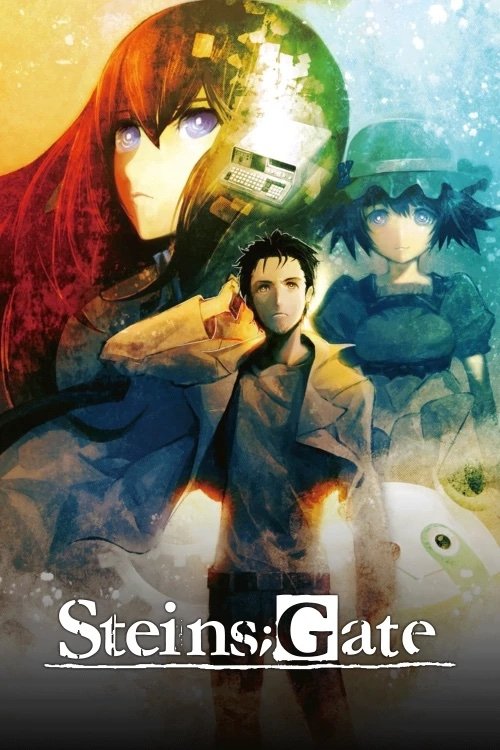
White Fox resolves the time-loop premise by executing a specific world-line operation that reconciles conflicting outcomes. The conclusion directly addresses the consequences of D-Mail experiments and the fate of key characters tied to the time machine theory. A final message and targeted plan allow the protagonist to preserve crucial events while averting catastrophic timelines. A bonus episode provides a calm coda that confirms the achieved state.
‘Code Geass: Lelouch of the Rebellion’ (2006–2008)
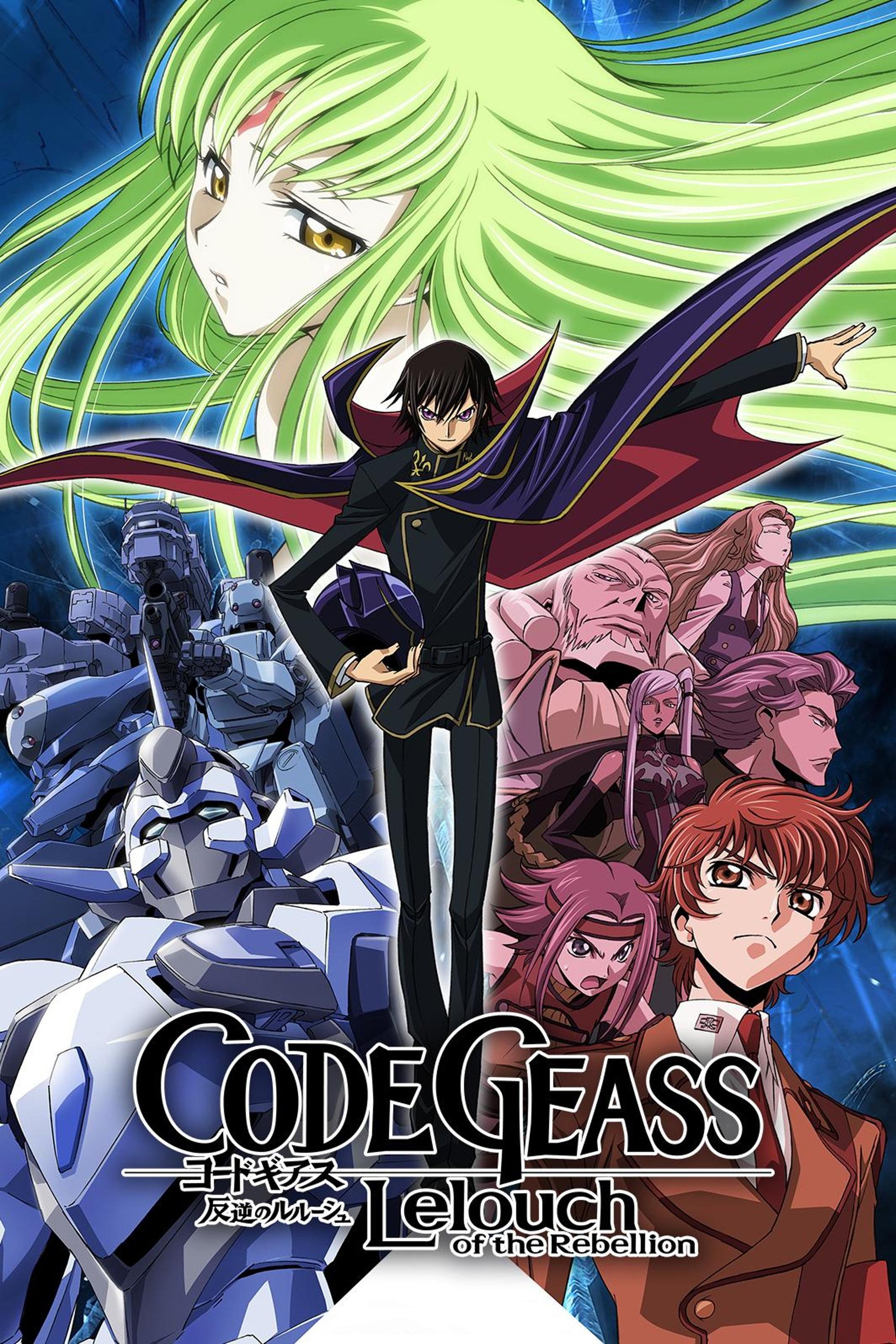
Sunrise completes its political revolt storyline with the “Zero Requiem,” a calculated endgame that dissolves the cycle of tyranny and retaliation. The finale resolves the Black Knights’ arc, the royal family conflict, and the Geass power’s role in global upheaval. Character allegiances are settled in public spectacle, cementing a new political order. Visual symbolism and a final handoff of identity lock in the show’s core twist.
‘Samurai Champloo’ (2004–2005)
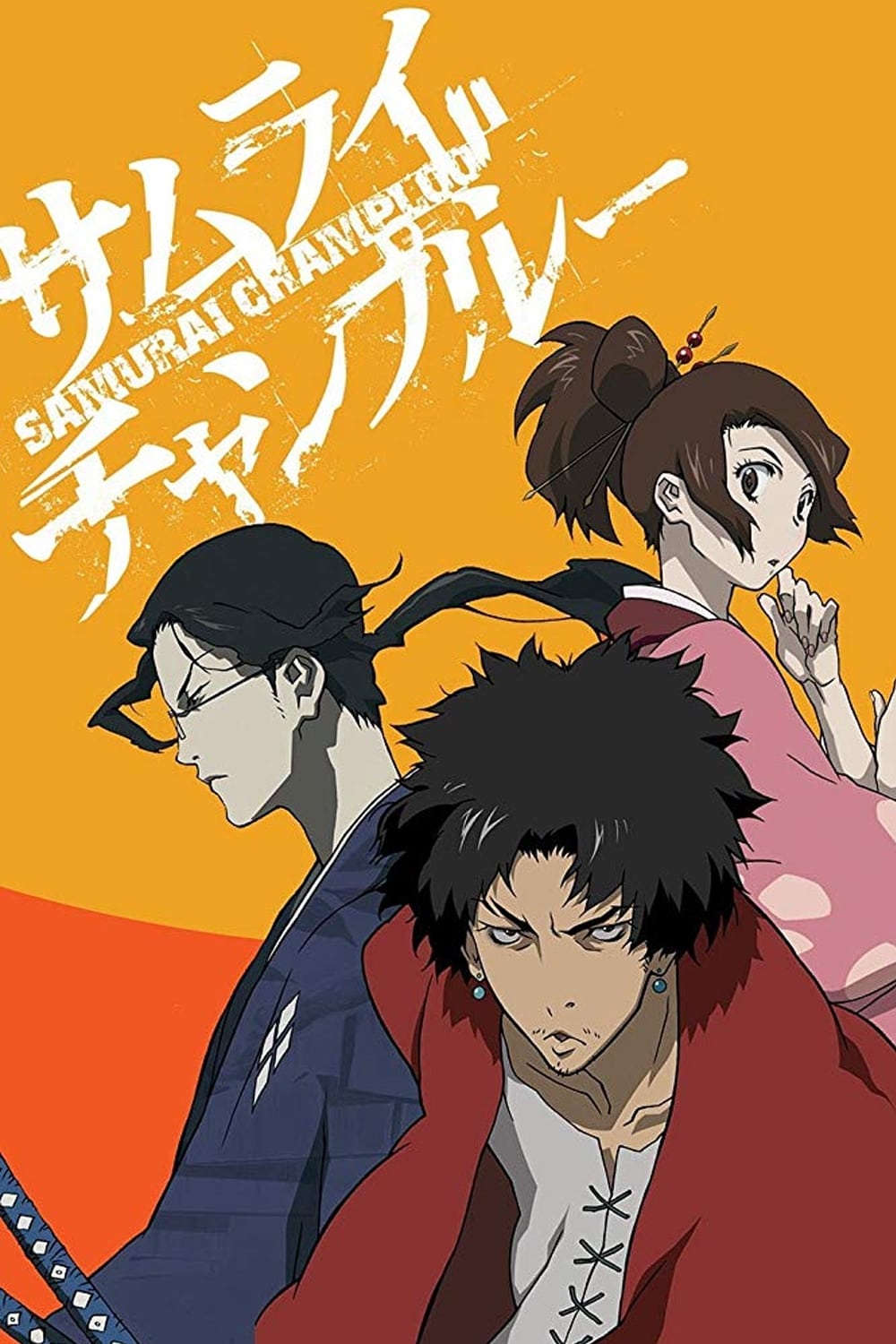
Manglobe’s road-adventure format culminates at the destination promised in the first episode, closing the trio’s shared quest. The last duel sequences settle personal vendettas while confirming why the journey had to end. Each lead receives a parting outcome that reflects their growth and motivations. The series then disperses the group, honoring the premise that their paths were always temporary.
‘Puella Magi Madoka Magica’ (2011)

Shaft concludes its magical-contract system by rewriting the rules that govern despair and hope. The finale formalizes the cost of wishes, the nature of witches, and the role of the incubator species. A metaphysical reconfiguration preserves the girls’ agency while altering the world’s mechanics. The closing narration establishes the new system’s boundaries and the protagonist’s status within it.
‘Gurren Lagann’ (2007)
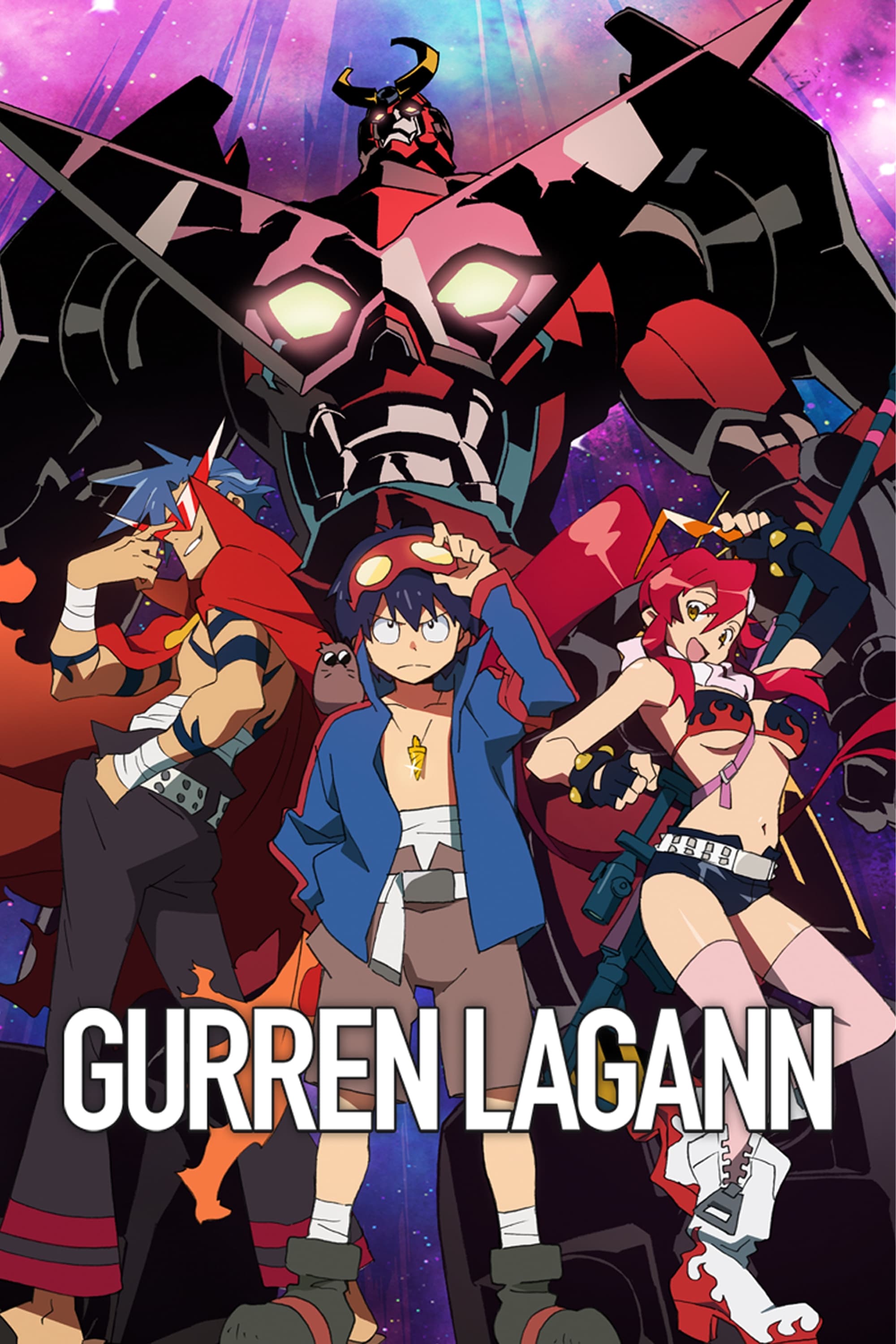
Gainax scales its rebellion narrative from underground survival to a galaxy-level conflict and then resolves the spiral power dilemma. The final battle addresses overuse risks, the Anti-Spiral opposition, and humanity’s evolutionary stakes. Characters receive firm conclusions that align with their roles in the Brigade. An epilogue confirms the societal structure and leadership path set after the victory.
‘Anohana: The Flower We Saw That Day’ (2011)

A-1 Pictures draws the Super Peace Busters together to complete a promise left by their lost friend. The finale orchestrates a communal farewell that lets every member articulate long-suppressed feelings. The unresolved guilt dynamic is settled through a coordinated send-off. Personal relationships reset on honest terms, closing the central mystery and its emotional aftermath.
‘Your Lie in April’ (2014–2015)

A-1 Pictures completes its music-drama arc with a performance that integrates the protagonist’s trauma, growth, and mentorship. A final letter clarifies intentions behind pivotal choices and reframes earlier scenes. The narrative resolves the competition thread by focusing on expression rather than placement. Supporting characters’ trajectories in music and friendship are defined in closing scenes.
‘Mob Psycho 100’ (2016–2019)
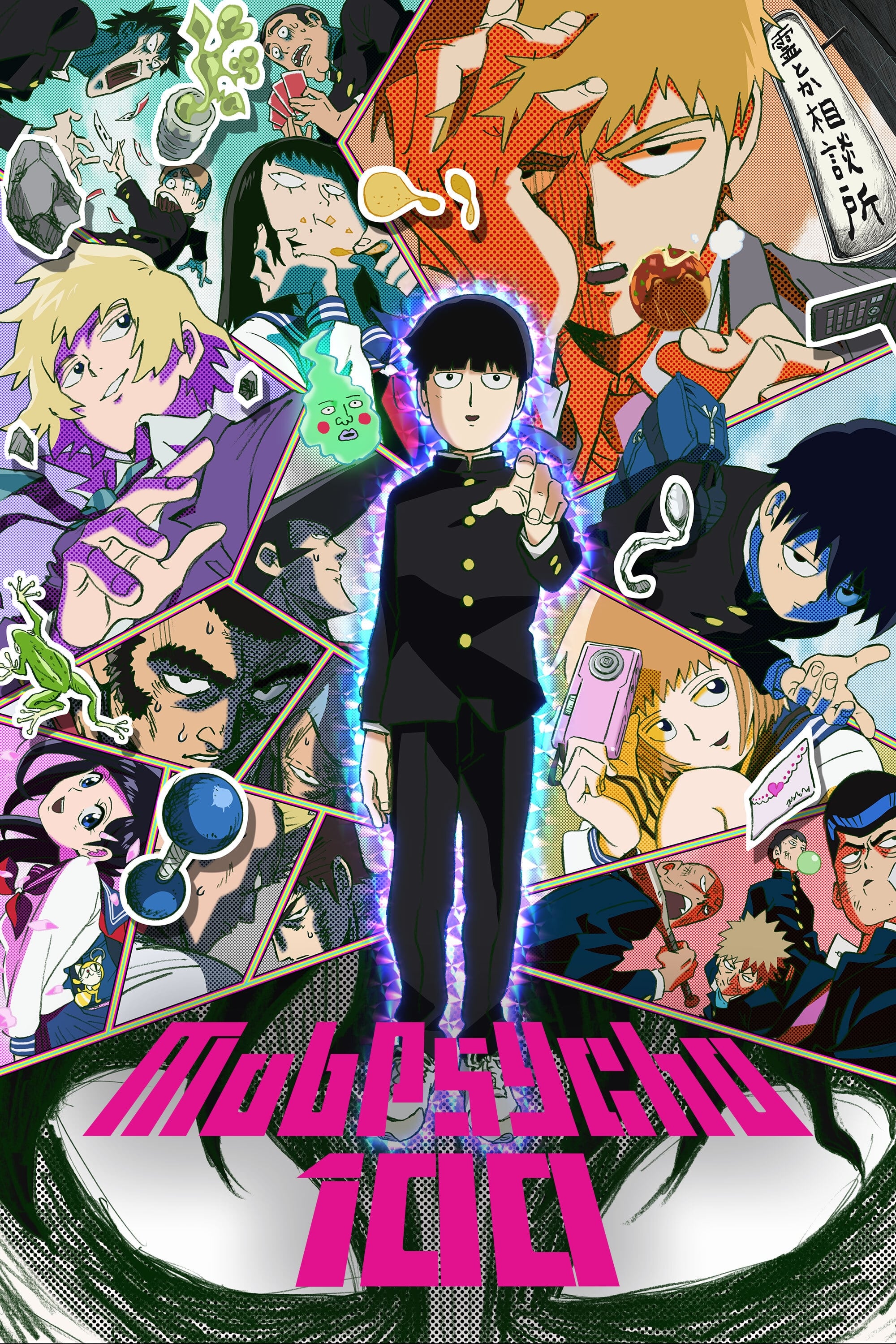
Bones wraps the coming-of-age storyline by confronting the core identity split between the protagonist’s emotions and psychic powers. The last arc resolves the mentor-student dynamic and the question of self-control versus suppression. Friends and family play concrete roles that anchor the conclusion in community. The ending then normalizes daily life around an integrated sense of self.
‘Parasyte -the maxim-‘ (2014–2015)
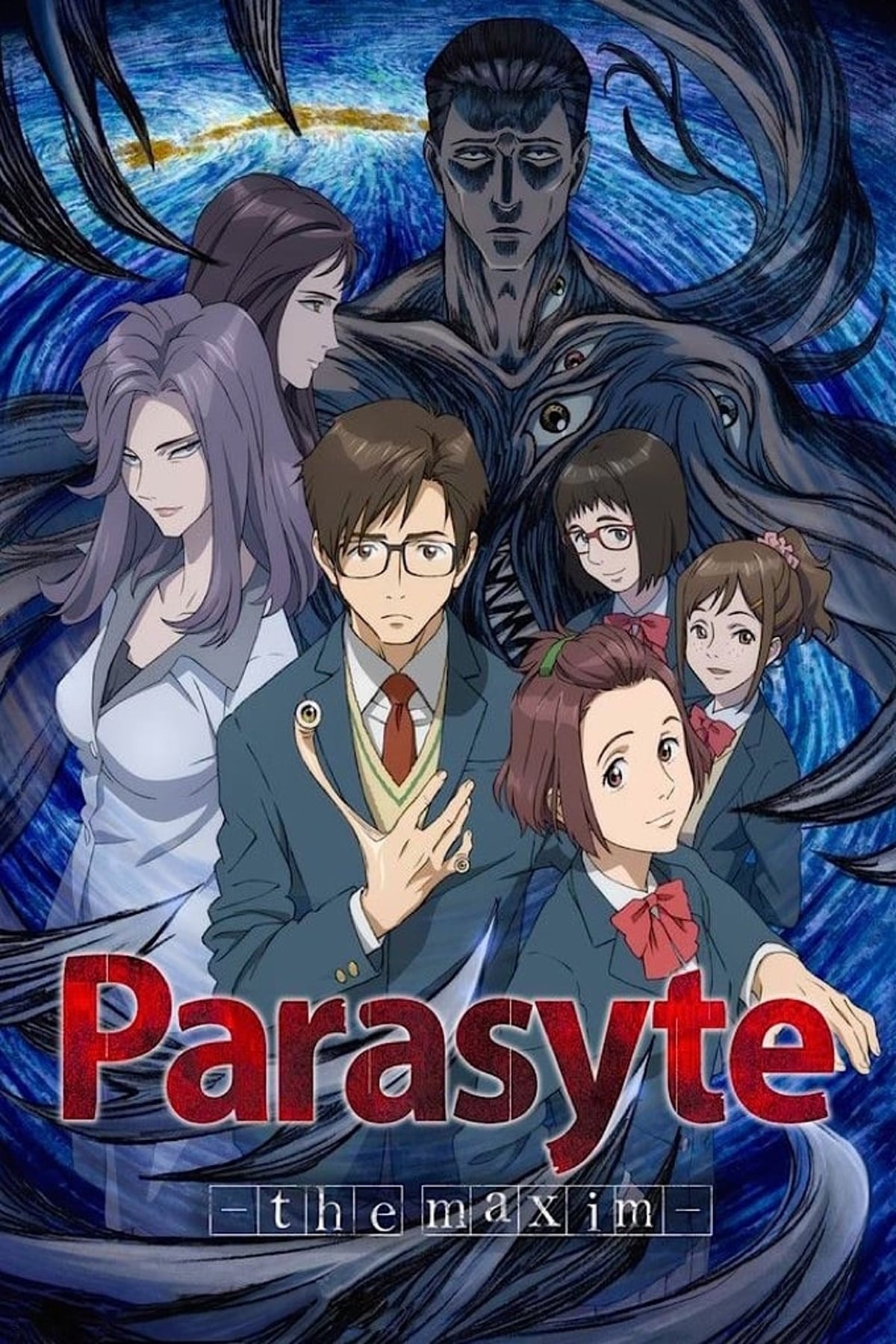
Madhouse adapts the manga to completion, resolving the human-parasite conflict through targeted confrontations and legal consequences. The finale clarifies the fate of key antagonists and sets a stable status quo for coexistence. A final rooftop encounter tests the protagonist’s resolve without external assistance. The closing narration contextualizes the species-level implications of the conflict’s end.
‘Attack on Titan’ (2013–2023)
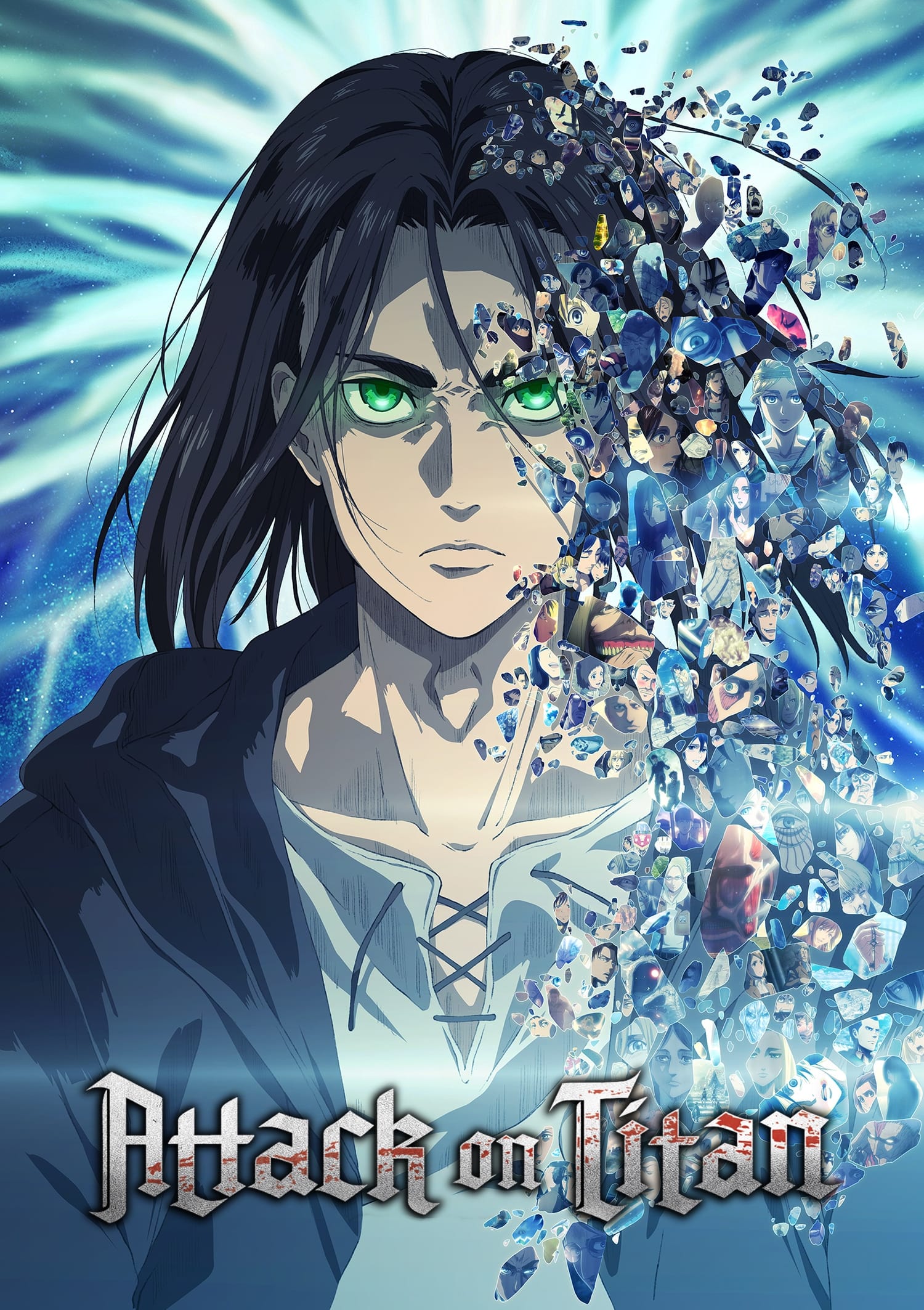
Wit Studio and MAPPA complete the long-running cycle of retaliation by revealing the full origin of the Titan powers and the island’s geopolitics. The final special closes remaining questions about the Paths, the Coordinate, and the Founding Titan’s influence. Characters across factions receive defined outcomes following the last operation. Post-conflict scenes establish how the world reorganizes after the central threat is addressed.
‘Fruits Basket’ (2019–2021)

TMS Entertainment fully adapts Natsuki Takaya’s manga, culminating in the dissolution of the family curse. The finale resolves the head’s authority, the zodiac bonds, and each member’s personal autonomy. Romantic and family relationships are affirmed through on-screen decisions and reconciliations. An epilogue shows the long-term domestic outcomes set in the final arc.
‘The Tatami Galaxy’ (2010)
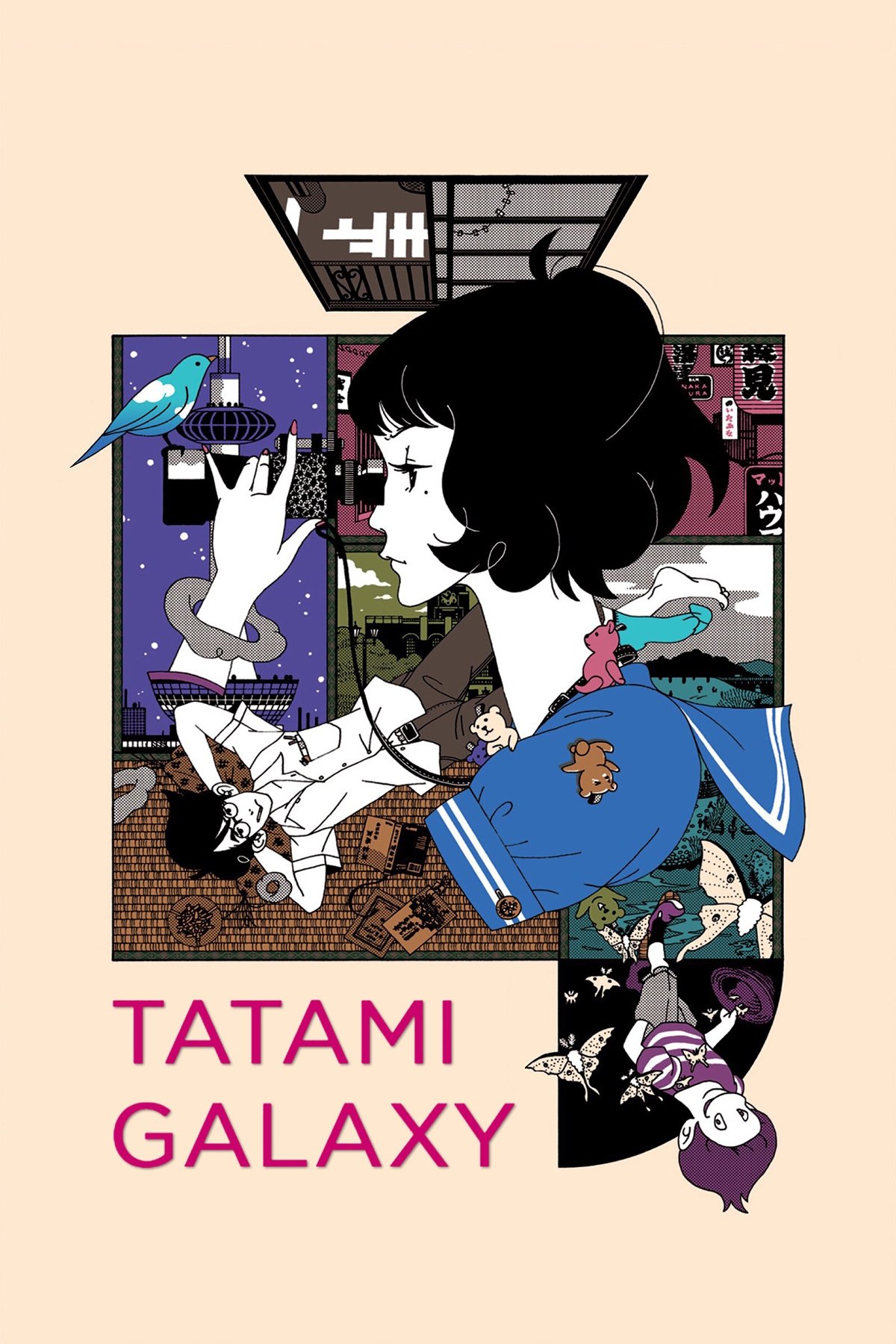
Madhouse closes its looping college narrative by collapsing parallel possibilities back into a single decisive path. The finale revisits recurring choices and objects, assigning concrete meaning to each motif. Supporting characters’ roles are clarified through mirrored scenes that align timelines. The protagonist’s selection of a direction ends the infinite reset mechanism.
‘Erased’ (2016)
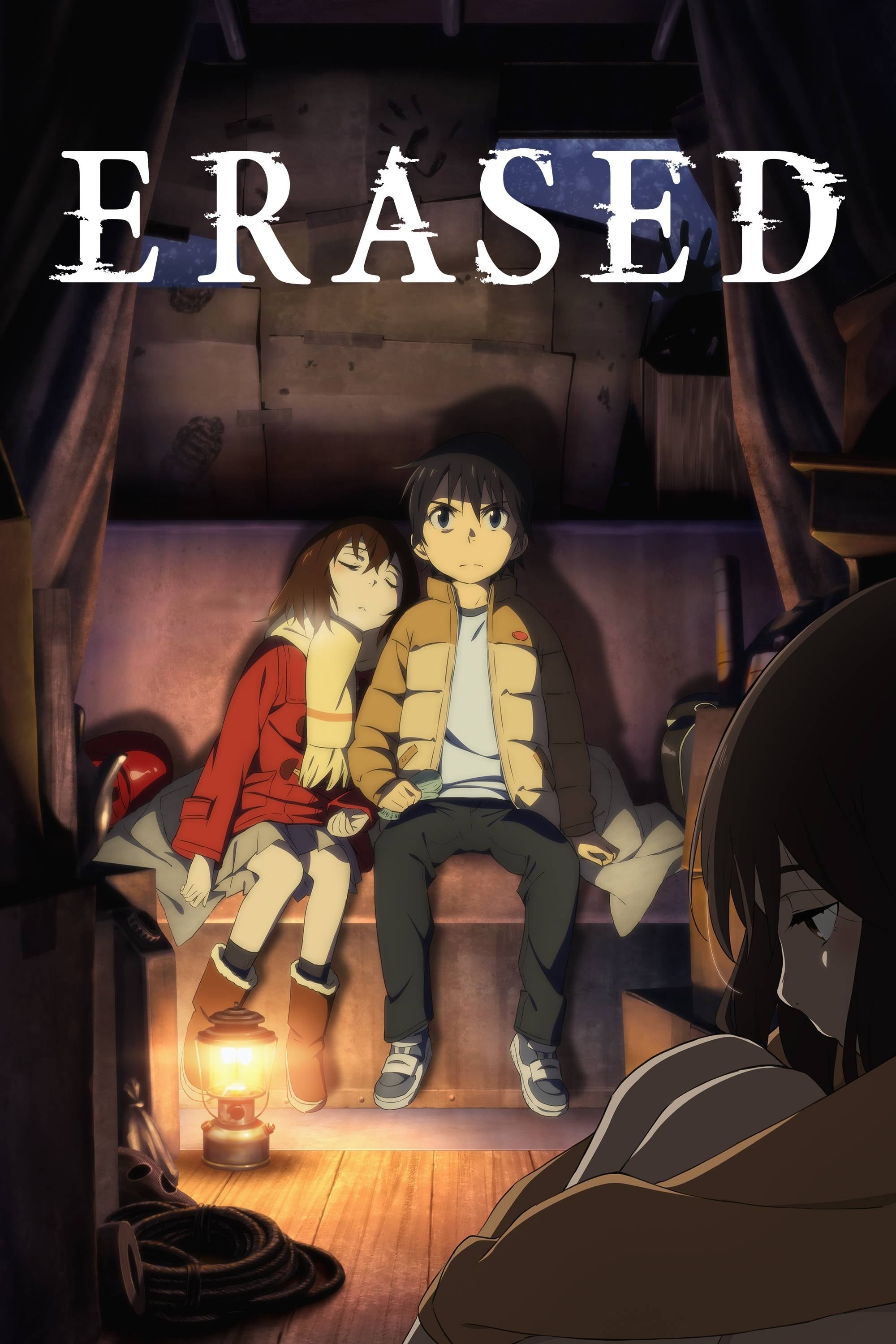
A-1 Pictures resolves its serial case by linking school events to the present-day investigation through one identified culprit. The finale provides legal and personal closure, including recovery and community recognition. Flashbacks and staged confrontations confirm evidence chains introduced earlier. A last meeting quietly acknowledges the changed timeline’s human cost.
‘Vivy: Fluorite Eye’s Song’ (2021)

Wit Studio concludes its AI time-mission with a final performance that reconciles divergent directives across altered histories. The endgame consolidates multiple timeline branches into a single outcome that prevents systemic collapse. Named AI units receive outcomes that reflect their rulesets and experiences. A coda states the policy and societal status that follow the resolution.
‘Made in Abyss’ (2017)

Kinema Citrus completes the Ilblu arc by revealing the village’s origin, the nature of value, and the fate of Faputa and the Hollows. The final episodes settle the relic economy’s rules and consequences for outsiders. Core party objectives are updated with new information that carries into future travel. The arc ends with departures, but the local mystery is fully explained and closed.
‘Death Parade’ (2015)
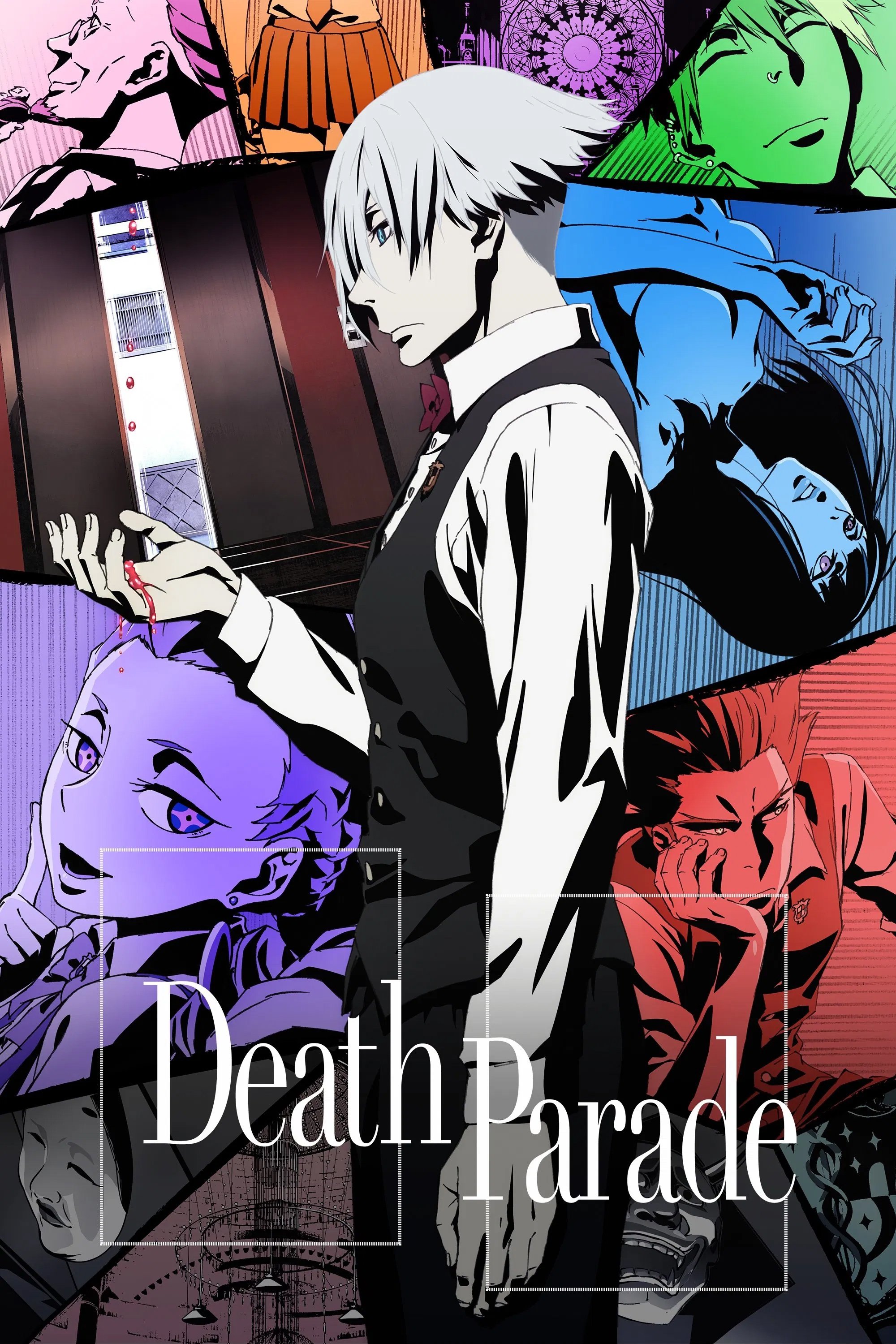
Madhouse finalizes its arbitration-room premise by adjudicating the central guest’s case and clarifying the arbiter system’s limitations. The finale gives Decim a defined stance toward human emotion and procedure. Structural rules for memory, reincarnation, and void placement are confirmed on screen. Supporting staff roles and future operations are stated before the bar opens again.
‘Psycho-Pass’ (2012–2013)
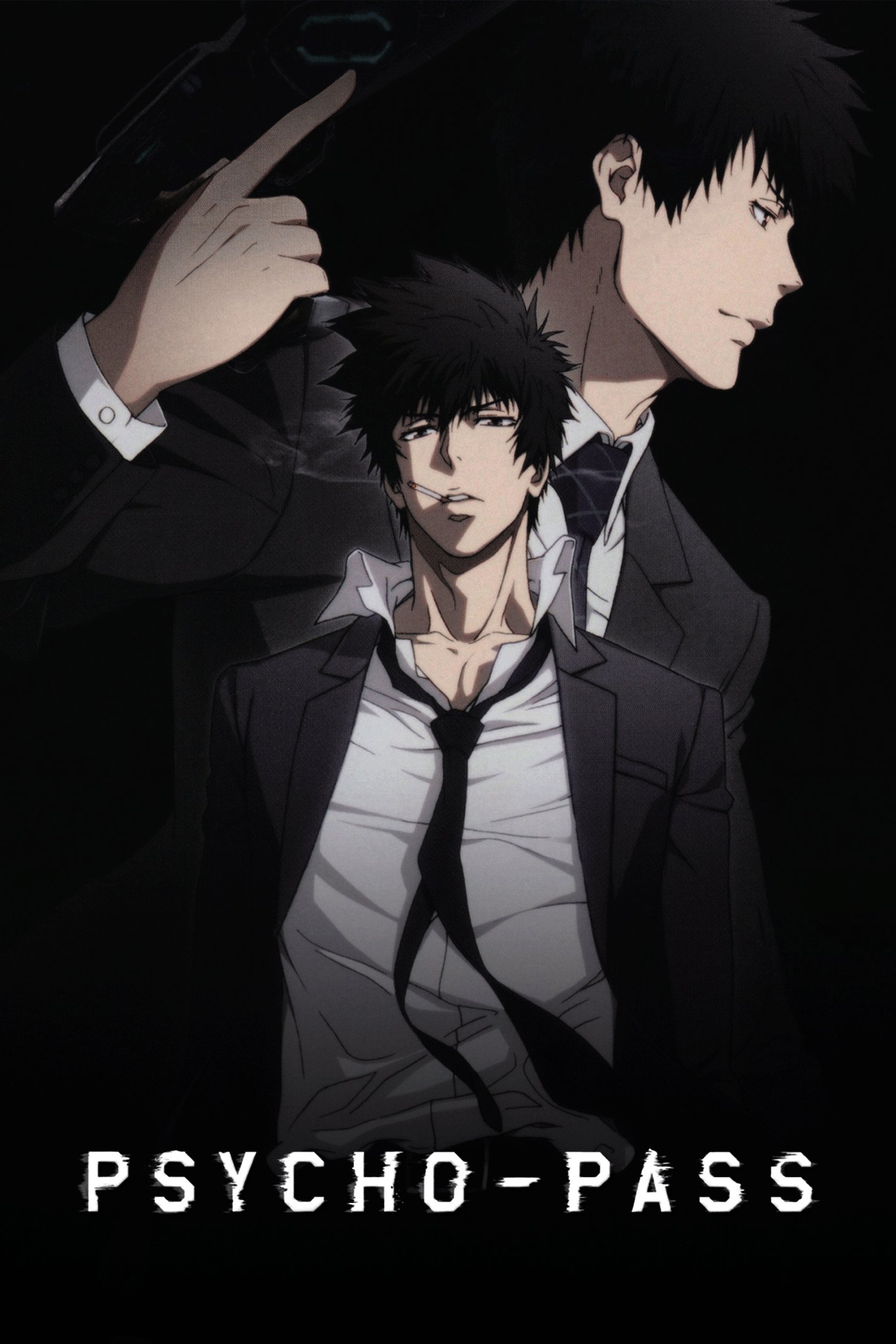
Production I.G concludes its first case by dismantling the criminal’s immunity gap and exposing the system’s blind spot. The finale resolves the mentor-murder investigation and assigns institutional responsibility. Career outcomes for the inspectors are established through promotions and reassignment. A closing exchange codifies the continued existence and constraints of the public-safety apparatus.
‘Angel Beats!’ (2010)

P.A. Works brings the afterlife-school premise to a formal graduation that releases characters once their regrets are addressed. The finale sequences individual farewells while maintaining the core rule of moving on. Musical motifs are used as documented triggers for resolution in specific scenes. A brief epilogue hints at real-world continuity without reopening the main conflict.
‘Space Battleship Yamato 2199’ (2012–2013)
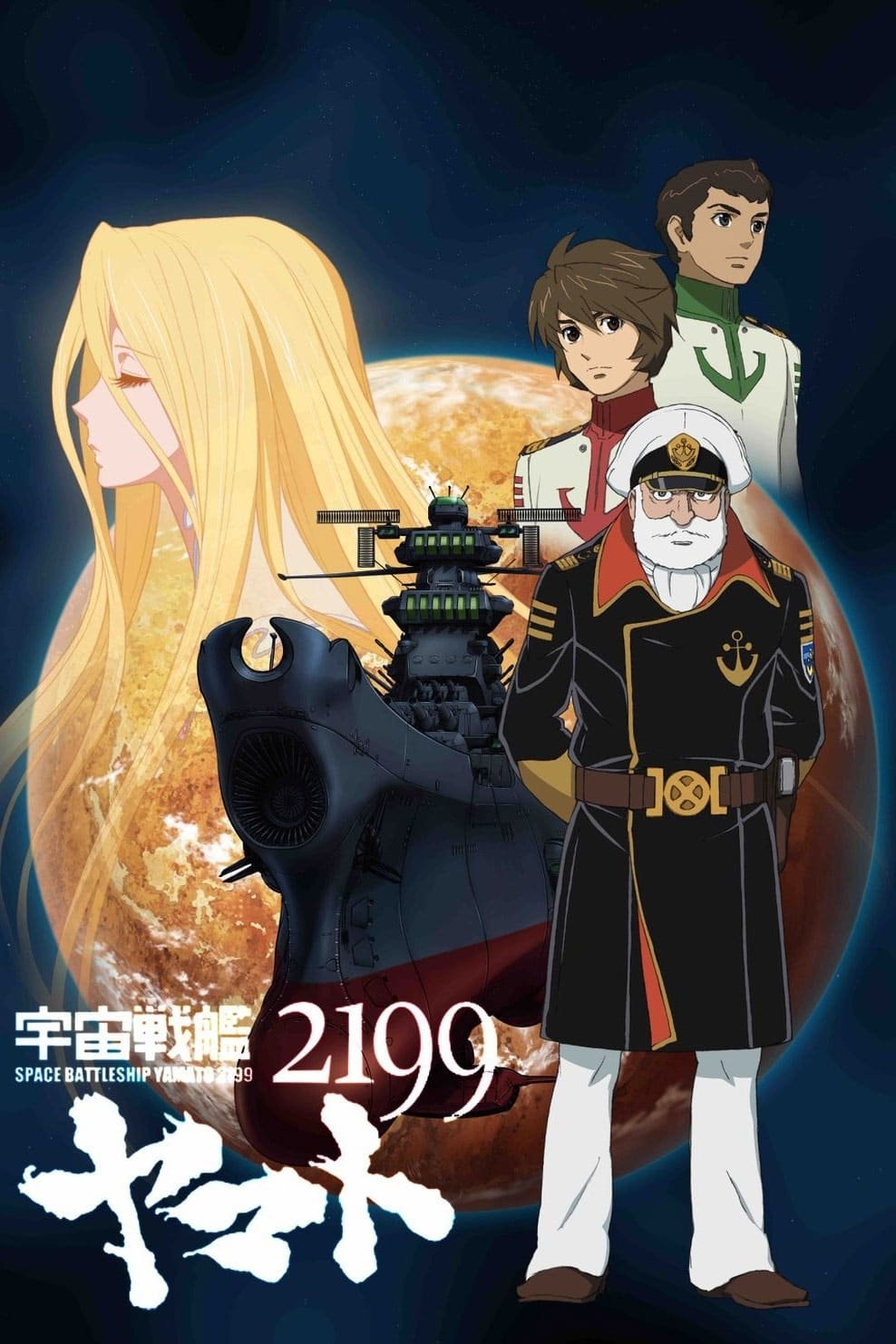
AIC and Xebec’s remake completes the Iscandar voyage, delivering the promised device and returning to Earth with clear terms. The finale settles crew losses, command decisions, and the political status of warring factions. Ship systems and alien technologies receive definitive explanations tied to the mission log. The last scenes document the Earth-fleet’s future posture after the journey.
‘Baccano!’ (2007)
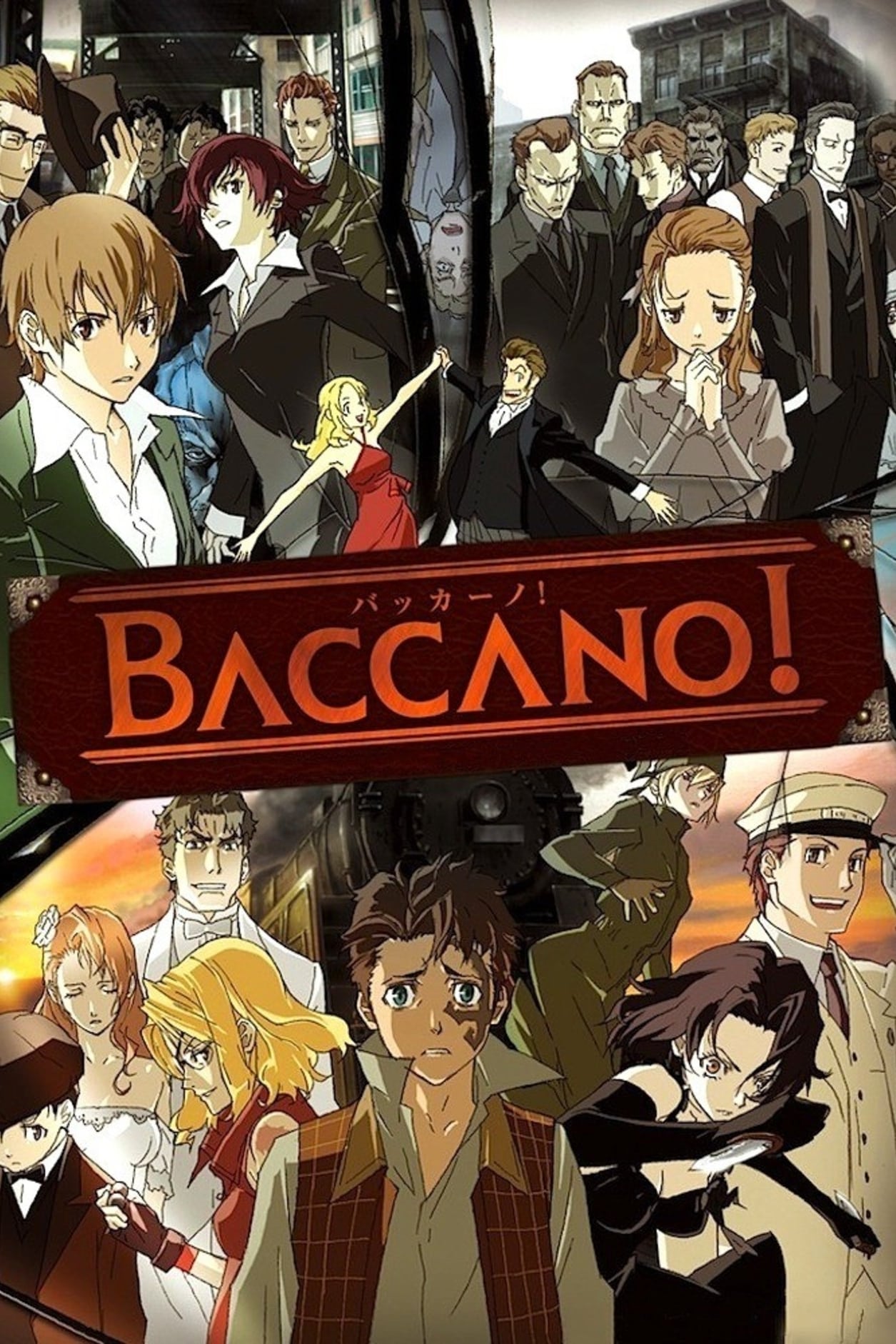
Brain’s Base closes the main train heist and immortality threads within its non-linear structure. The televised episodes resolve the Rail Tracer mystery and key mafia disputes. Additional OVAs provide final outcomes for several characters and tie up lingering questions. The show ends with the immortality mechanics and relationships explicitly stabilized.
‘Haibane Renmei’ (2002)
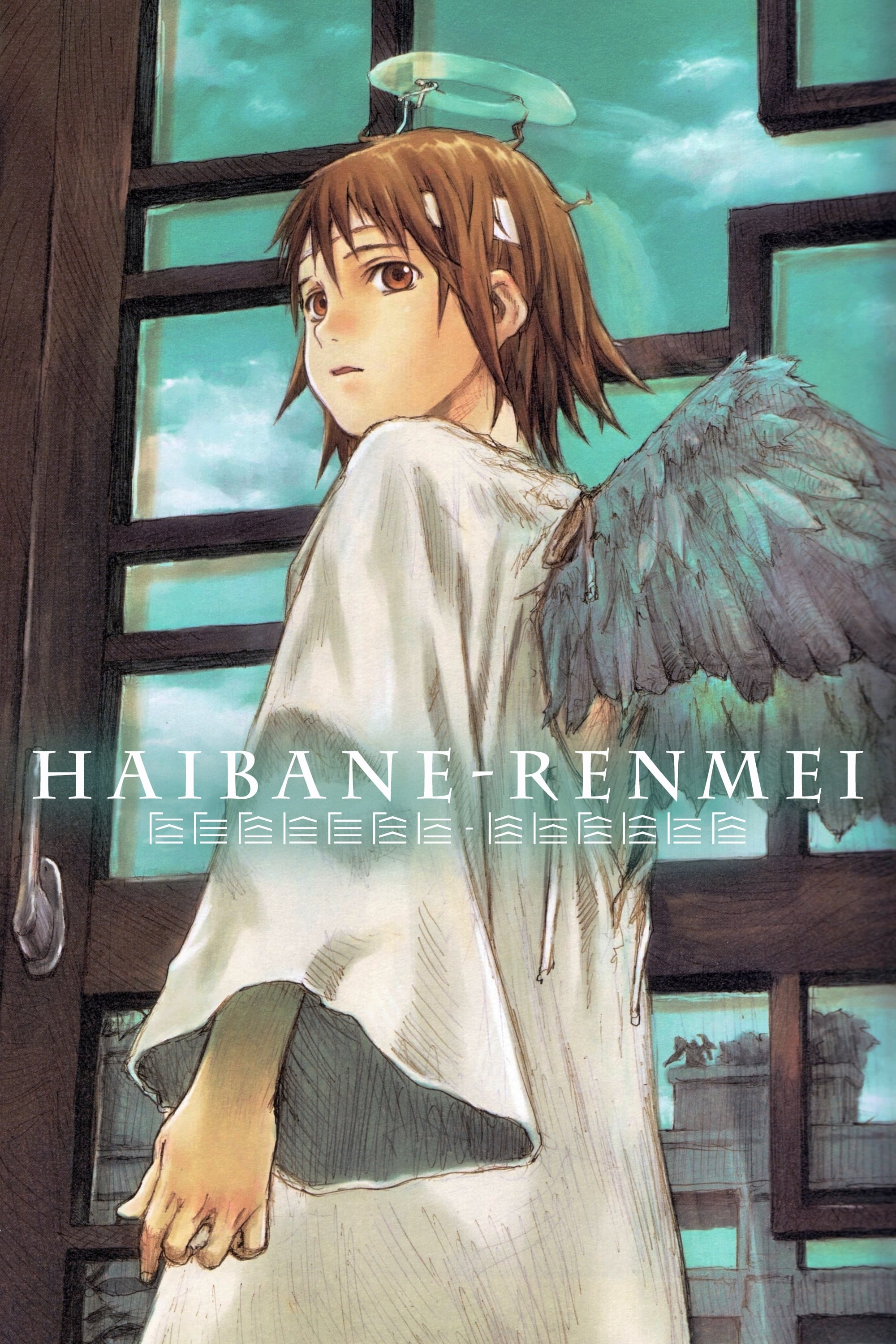
Radix resolves its quiet mystery by completing Reki’s personal “Day of Flight” through disclosed backstory and acceptance. The finale confirms the town’s rules about walls, sin-bound status, and release. Mentor-student relationships are settled as responsibilities pass to the next caretakers. The closing image indicates continued life in the town after the main arc concludes.
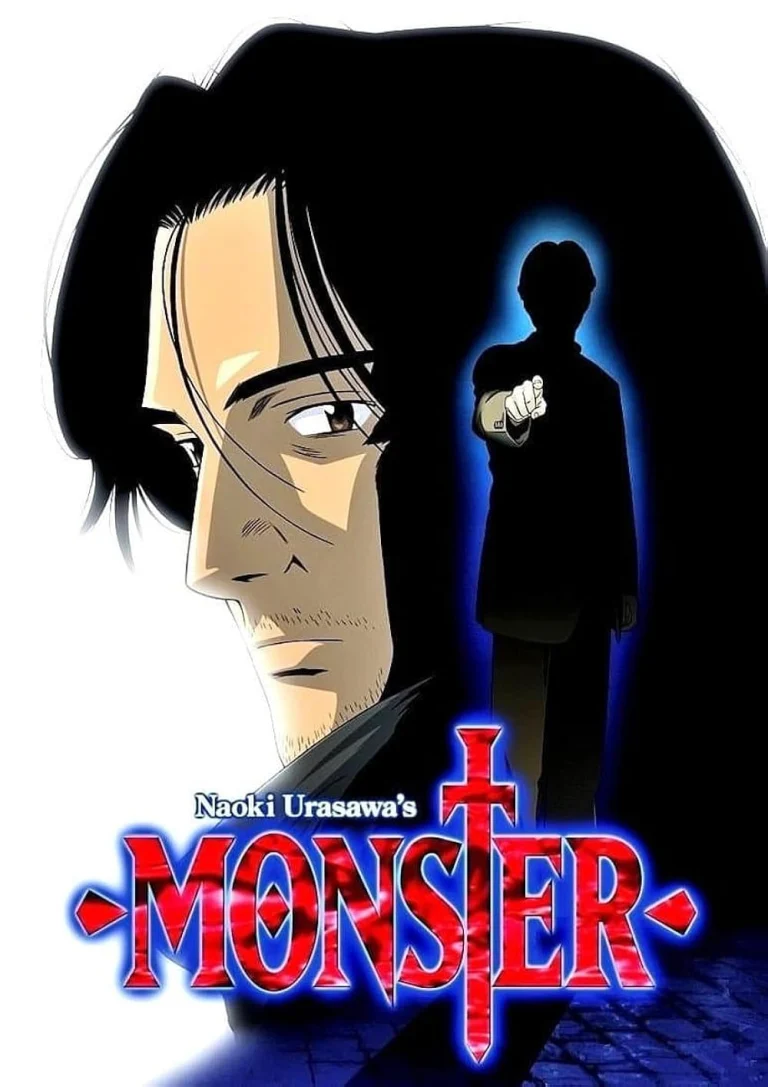
‘Monster’ (2004–2005)

Madhouse completes its cat-and-mouse investigation by confronting the central antagonist and clarifying the origin of the layered conspiracy. The final hospital sequence addresses culpability, memory, and the investigator’s guiding principle. Supporting characters’ legal and domestic situations are documented across short vignettes. An open detail remains, but the case’s principal moral and procedural questions are answered.
‘Planetes’ (2003–2004)

Sunrise wraps its near-future space-industry story by resolving the debris division’s corporate and political conflicts. The finale confirms outcomes of the deep-space mission, the astronaut program’s ethics review, and key relationships. Workplace roles and contracts are clarified as the team transitions. Epilogue moments show how commercial space operations proceed after the central mission finishes.
Share your picks for anime with satisfying finales in the comments—what endings worked best for you and why?