Best Cold Opens In Anime



A strong cold open can set tone, stakes, and even a show’s visual language before the theme song ever plays. Anime uses this pre-credits space to introduce mysteries, frame conflicts, and drop viewers into action with minimal exposition. The entries below spotlight episodes and series that consistently deploy memorable pre-credit sequences—sometimes as mini-prologues, sometimes as structural hooks, and often as narrative puzzles. Each item explains what the cold open typically does for that title and why it’s useful to the story, from directing choices and music cues to editing patterns and character reveals.
‘Attack on Titan’ (2013–2023)
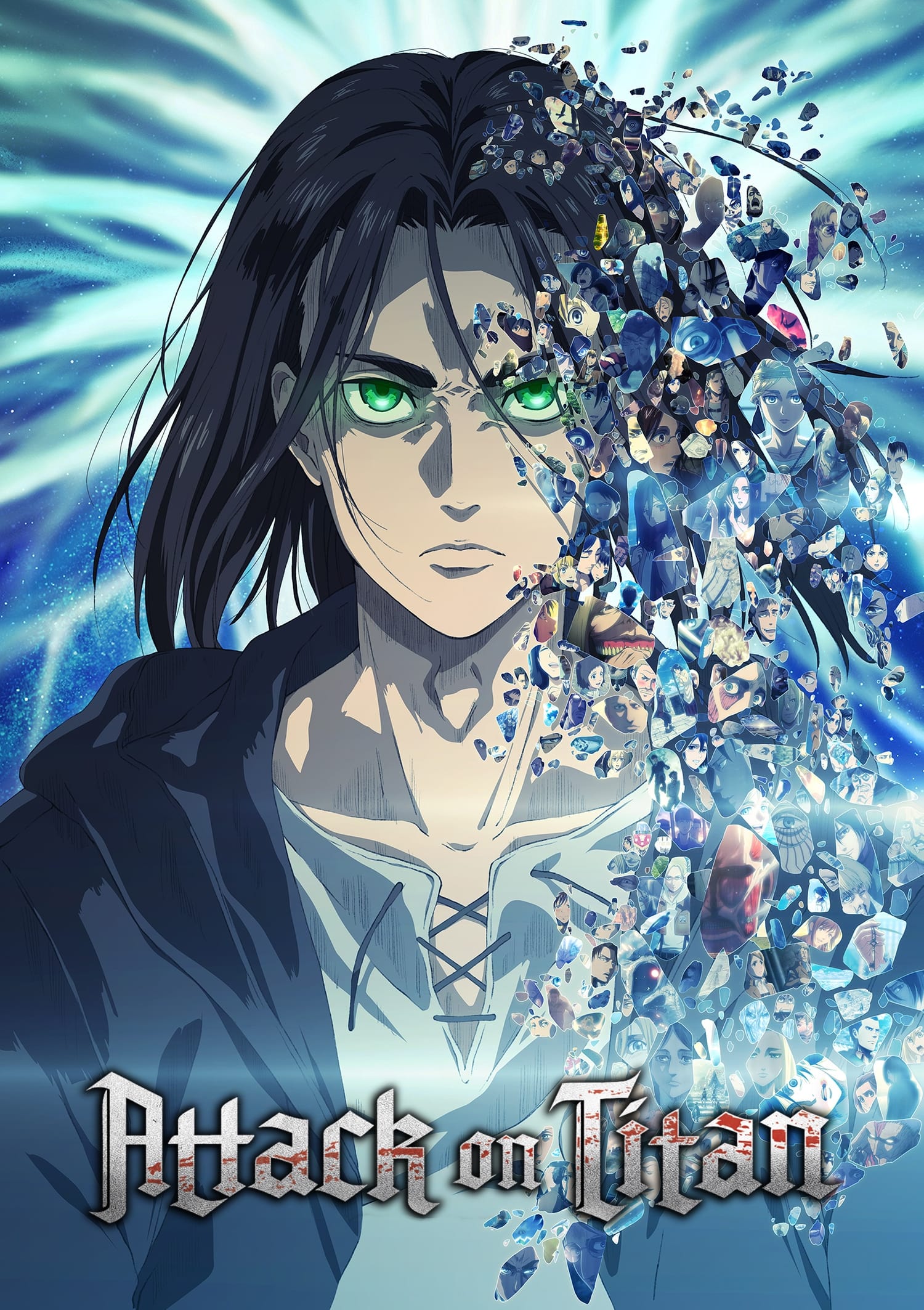
Cold opens in ‘Attack on Titan’ often preview a catastrophe or a key revelation, then cut hard to the title to lock in tension. The premiere’s pre-credits sequence shows the Colossal Titan breaching the wall, establishing a visual scale and threat model without dialogue-heavy setup. Later arcs use pre-credits flashbacks and alternate perspectives to seed political intrigue and timeline shifts. The show also leverages sound design—sirens, thundering footsteps, and drum patterns—to prime viewers for an episode’s central conflict.
‘Death Note’ (2006–2007)
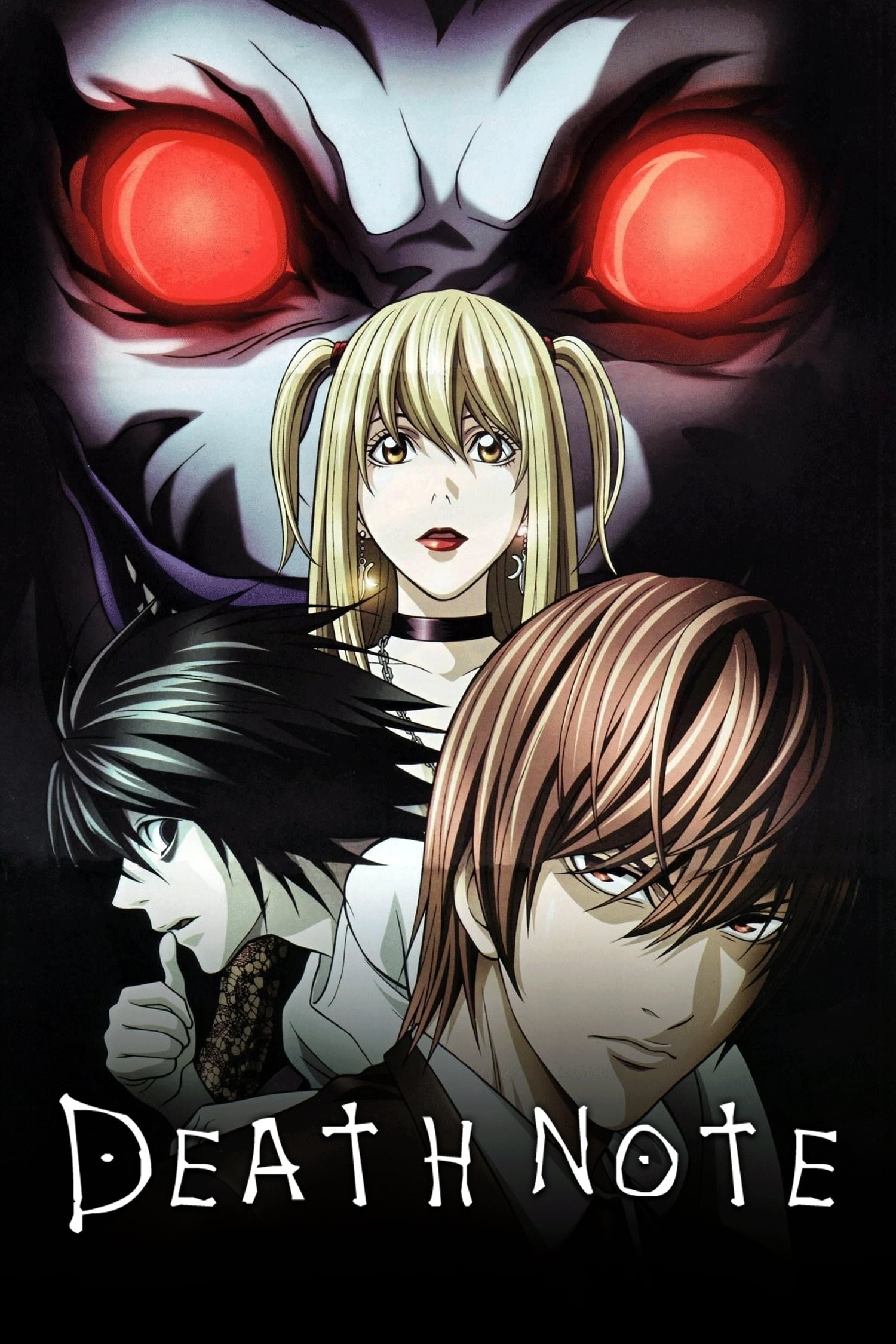
‘Death Note’ uses cold opens to frame intellectual duels before the puzzle fully unfolds. A typical pre-credits beat introduces a crime scene or a cryptic move by Light or L, creating a question the episode then answers. Shot composition favors tight close-ups on eyes, hands, and the notebook to foreground deduction and intent. Musically, quiet ambience gives way to staccato cues right before the credits, emphasizing the shift from setup to investigation.
‘Cowboy Bebop’ (1998–1999)
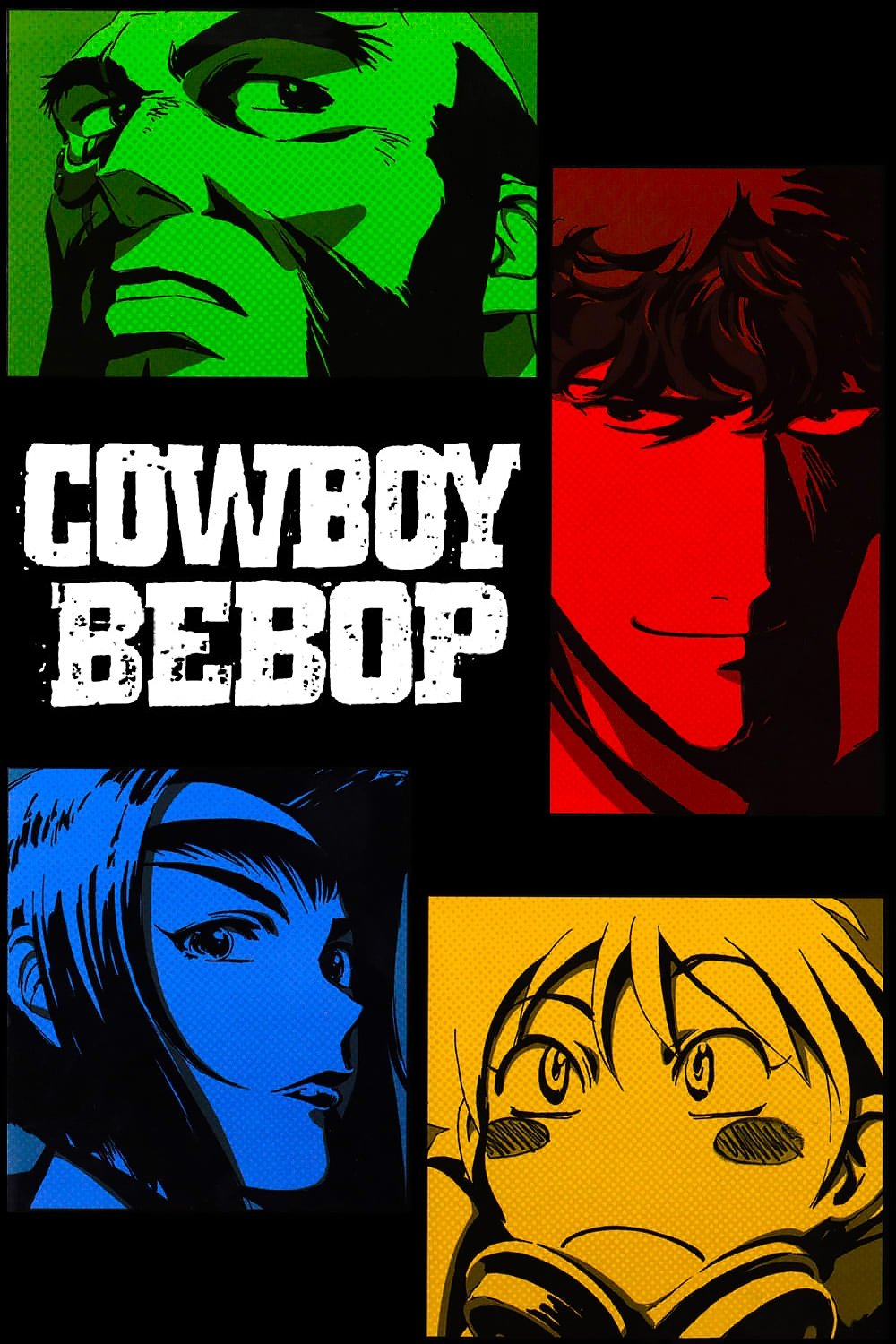
‘Cowboy Bebop’ treats cold opens as mini-noir vignettes that establish target, mood, and venue. They often begin in medias res—drug deals, bar confrontations, or bounty briefings—so viewers get context through action rather than exposition. Cinematography leans on silhouetted frames, neon palettes, and rack focuses to sell atmosphere instantly. The snap into ‘Tank!’ after a sharp cut functions as a rhythmic hinge between teaser and case-of-the-week.
‘Neon Genesis Evangelion’ (1995–1996)
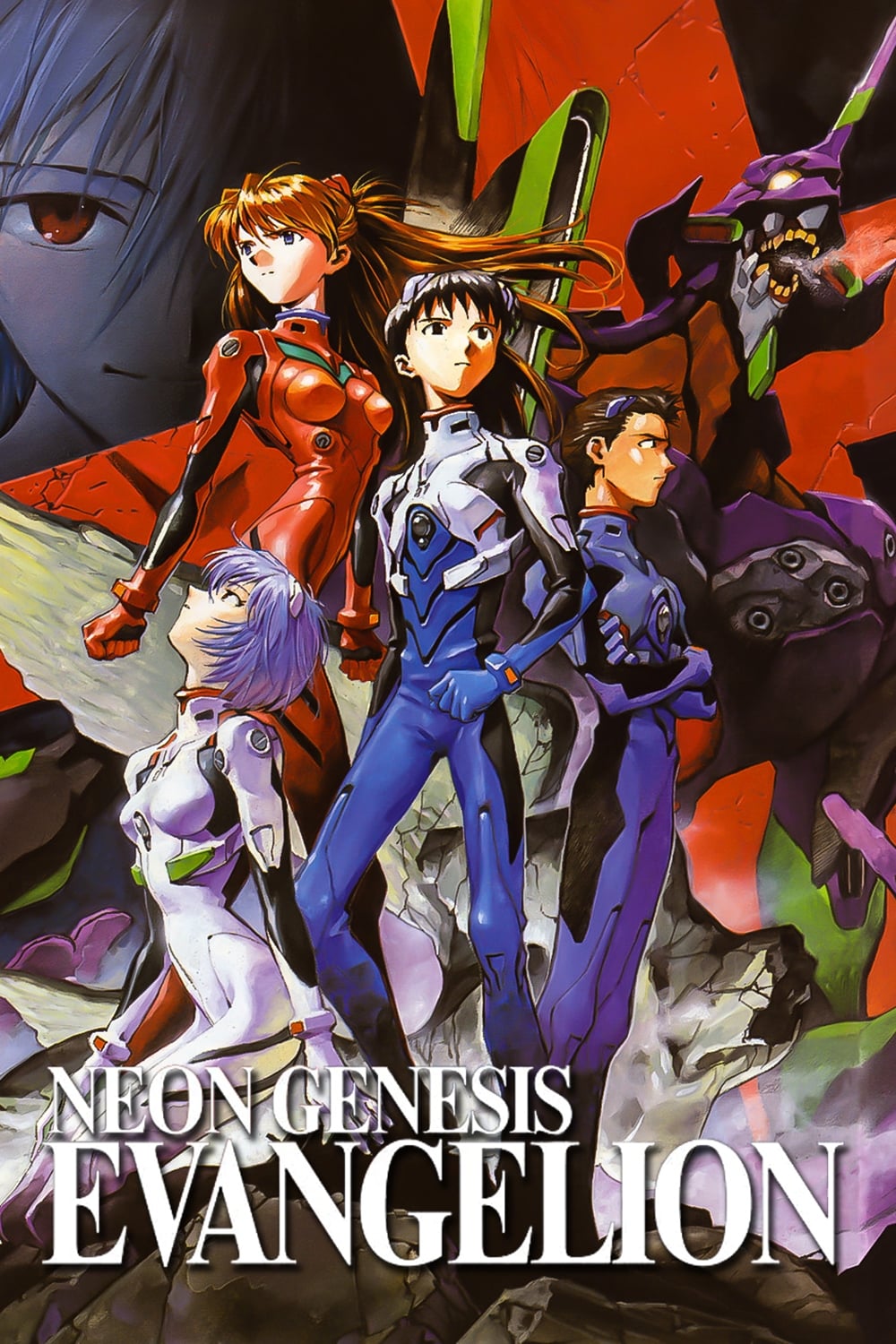
‘Neon Genesis Evangelion’ frequently deploys stark, quiet pre-credit shots that emphasize isolation before abrupt Angel attacks. The teasers juxtapose domestic stillness—train platforms, empty streets—with sudden alarms to highlight psychological dissonance. Editing favors long takes and negative space, letting viewers study interfaces, signage, and tactical readouts. This structure turns the title card into a shock break that resets the pace for tactical briefing and battle choreography.
‘Fullmetal Alchemist: Brotherhood’ (2009–2010)
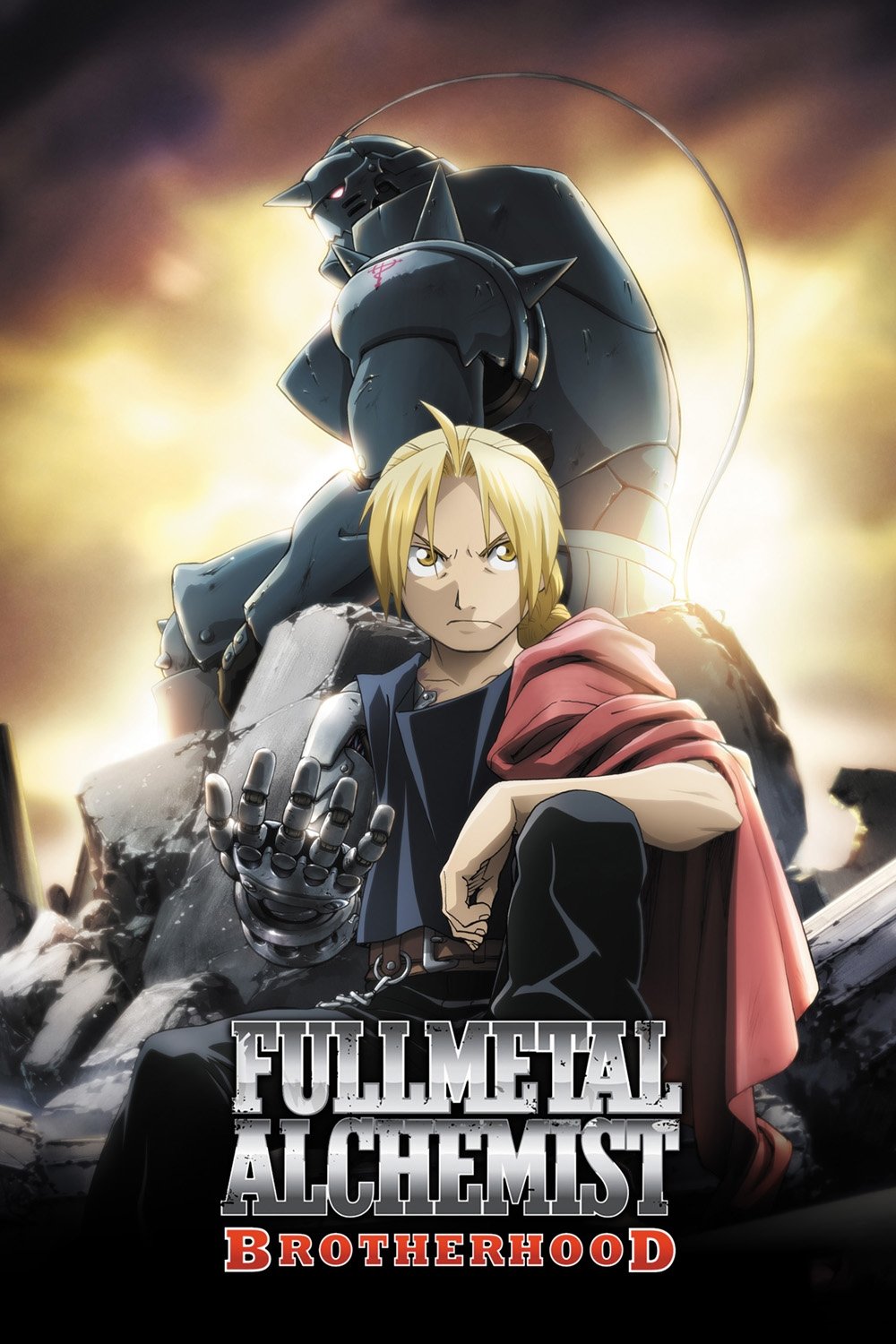
Cold opens in ‘Fullmetal Alchemist: Brotherhood’ often recap critical rules of alchemy or preview the episode’s moral dilemma through a short incident. Many teasers present a mystery—an array, a body, or a name—that the main plot then decodes. The series uses crisp cross-cutting between locales to align multiple investigations before the credits. This consistent format helps new viewers orient quickly while rewarding returning viewers with foreshadowing.
‘Psycho-Pass’ (2012–2013)
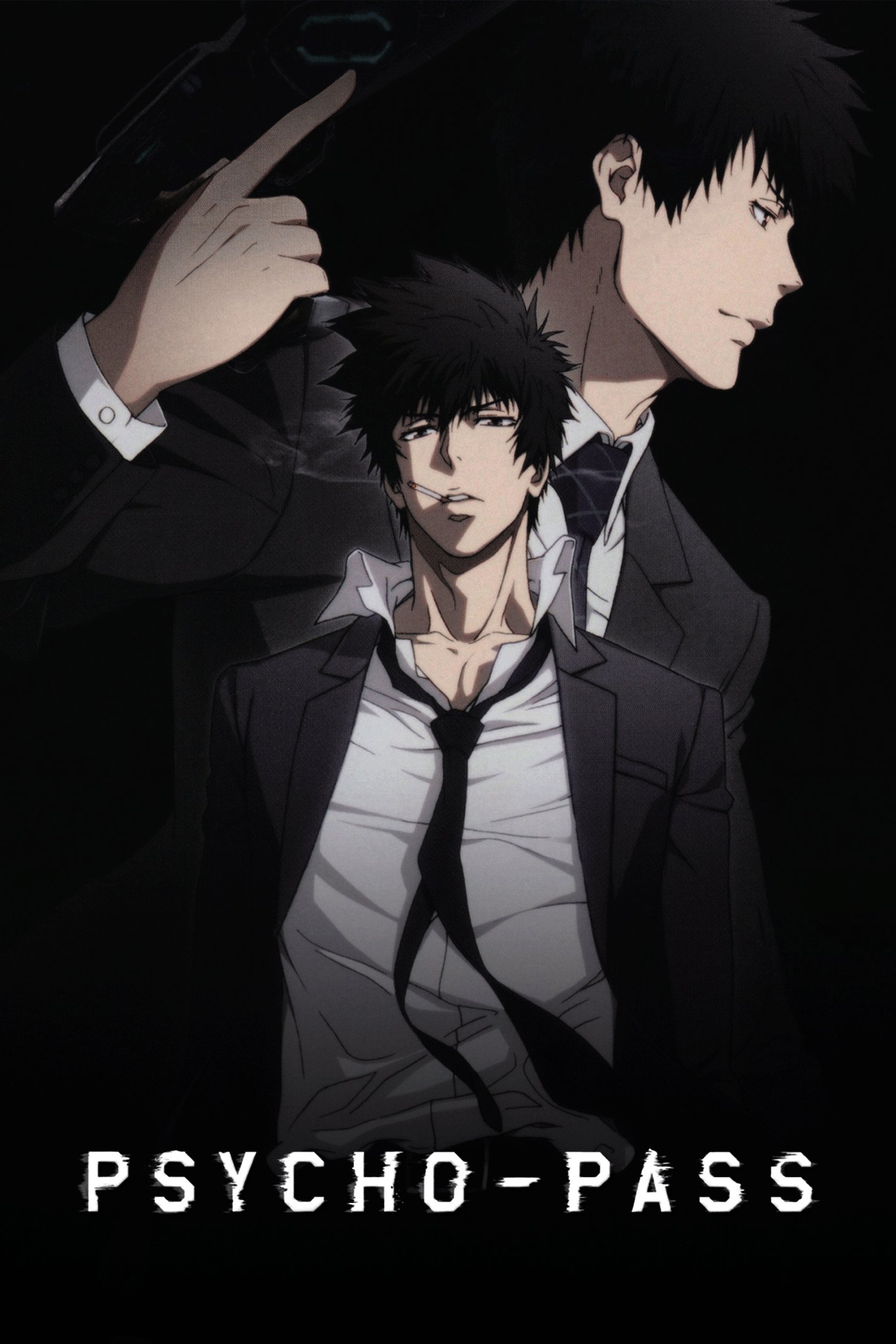
‘Psycho-Pass’ commonly opens with an assessment scene—scanner readings, crime coefficients, or surveillance feeds—that frames the ethical question of the episode. Teasers show how technology categorizes people before the narrative challenges those categories. Visuals emphasize HUD overlays and diegetic UI sounds to situate viewers inside the Sybil system. The cut to credits typically lands after a decisive line reading or a device activation, underlining procedural stakes.
‘Monster’ (2004–2005)

‘Monster’ uses cold opens to set up character studies that spiral into larger conspiracies. Many begin with ordinary routines that conceal a crucial clue—a news broadcast, a children’s book, a passing remark. The show’s restrained score and patient camera encourage viewers to notice small objects and gestures. By the time the credits roll, the audience has a concrete question to track through the episode’s investigation.
‘Samurai Champloo’ (2004–2005)
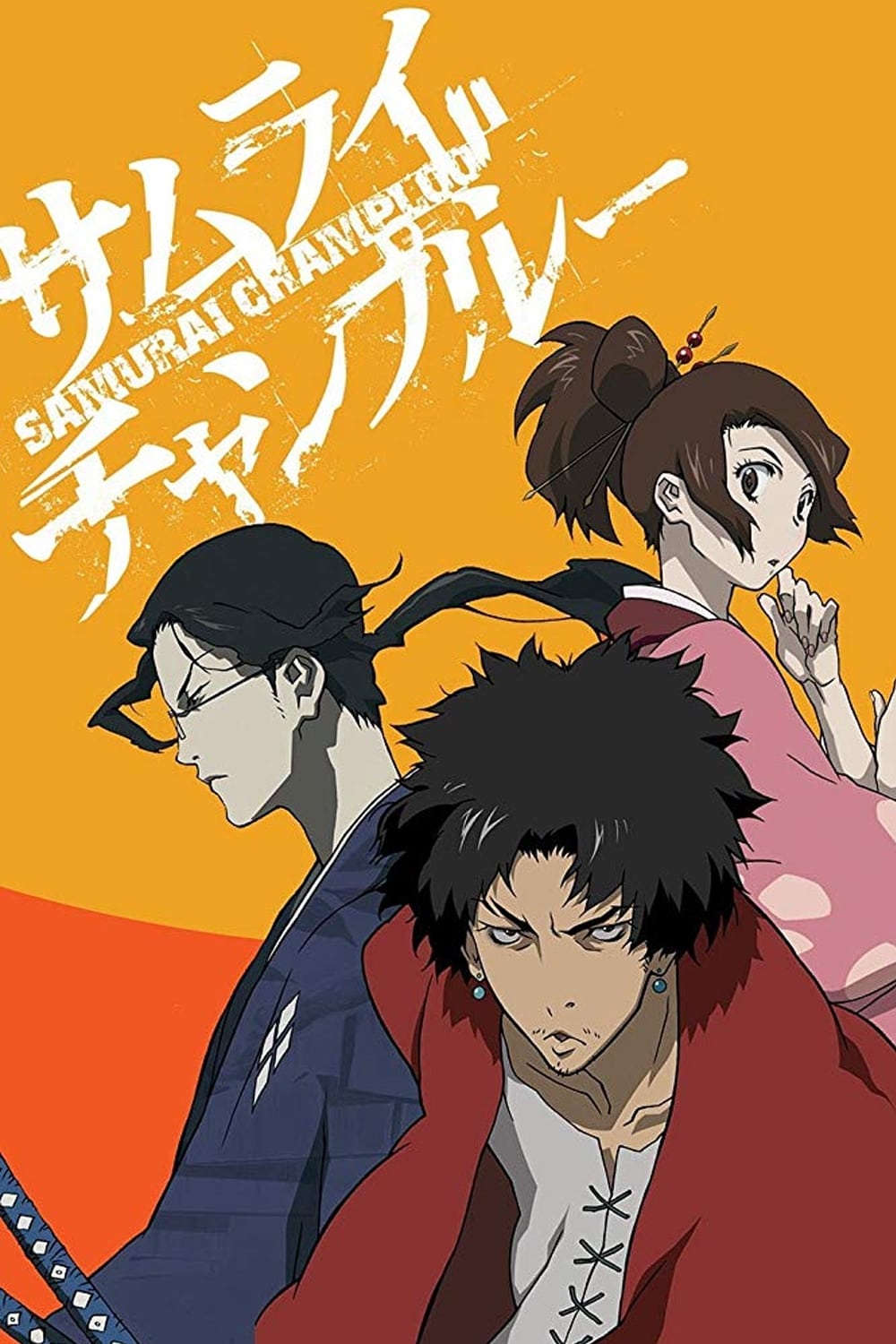
In ‘Samurai Champloo’, teasers mix Edo-period settings with hip-hop sensibilities to introduce a conflict’s vibe before the plot mechanics. Pre-credits sequences often feature brief, stylized fights or comedic misunderstandings that escalate into the main story. Jump cuts, freeze frames, and graffiti-like typography establish a rhythmic identity. The cold open’s energy then hands off to the opening theme without breaking momentum.
‘Higurashi: When They Cry’ (2006)
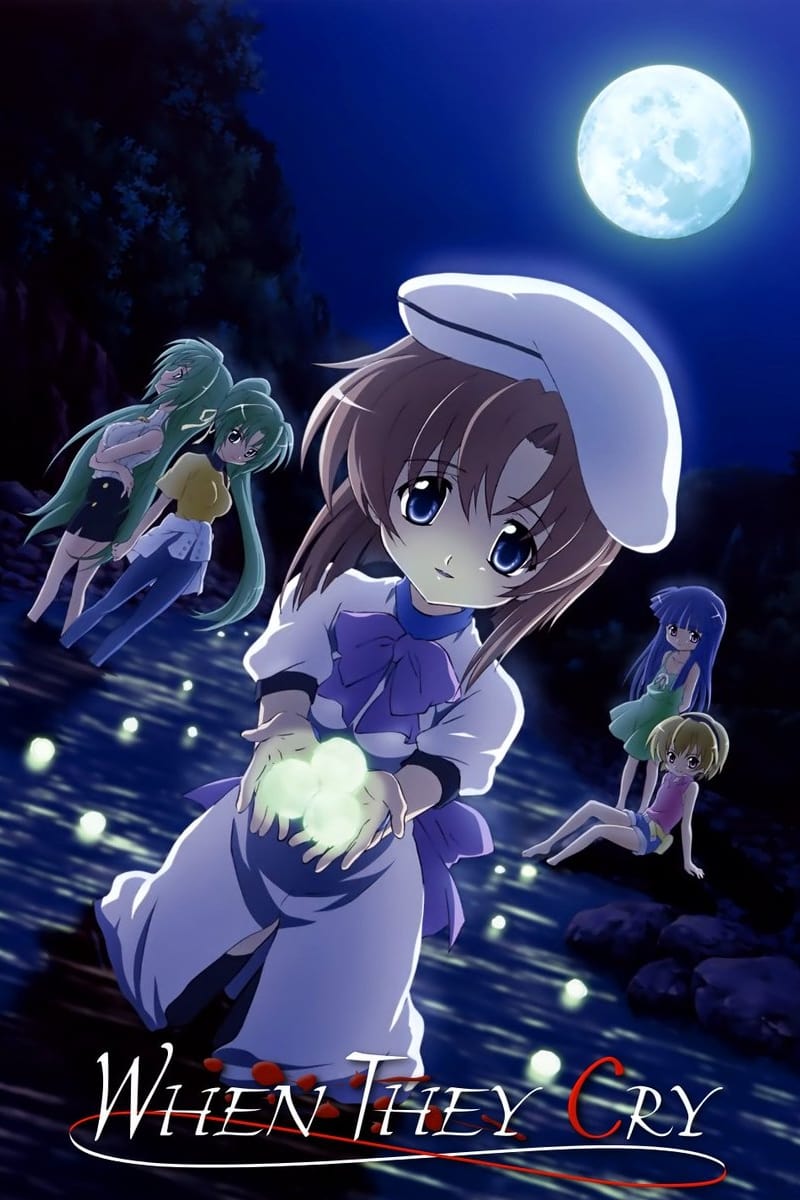
‘Higurashi: When They Cry’ uses pre-credits glimpses of violence or eerie calm to establish the arc’s tonal baseline. Teasers rely on ambient sounds—cicadas, creaking floors—and close-ups of everyday items to seed dread. Many cold opens show outcomes first, then rewind to the events that caused them, teaching viewers to track timeline resets. The structure supports the series’ mystery format by planting recurring visual motifs for later comparison.
‘Mob Psycho 100’ (2016–2022)
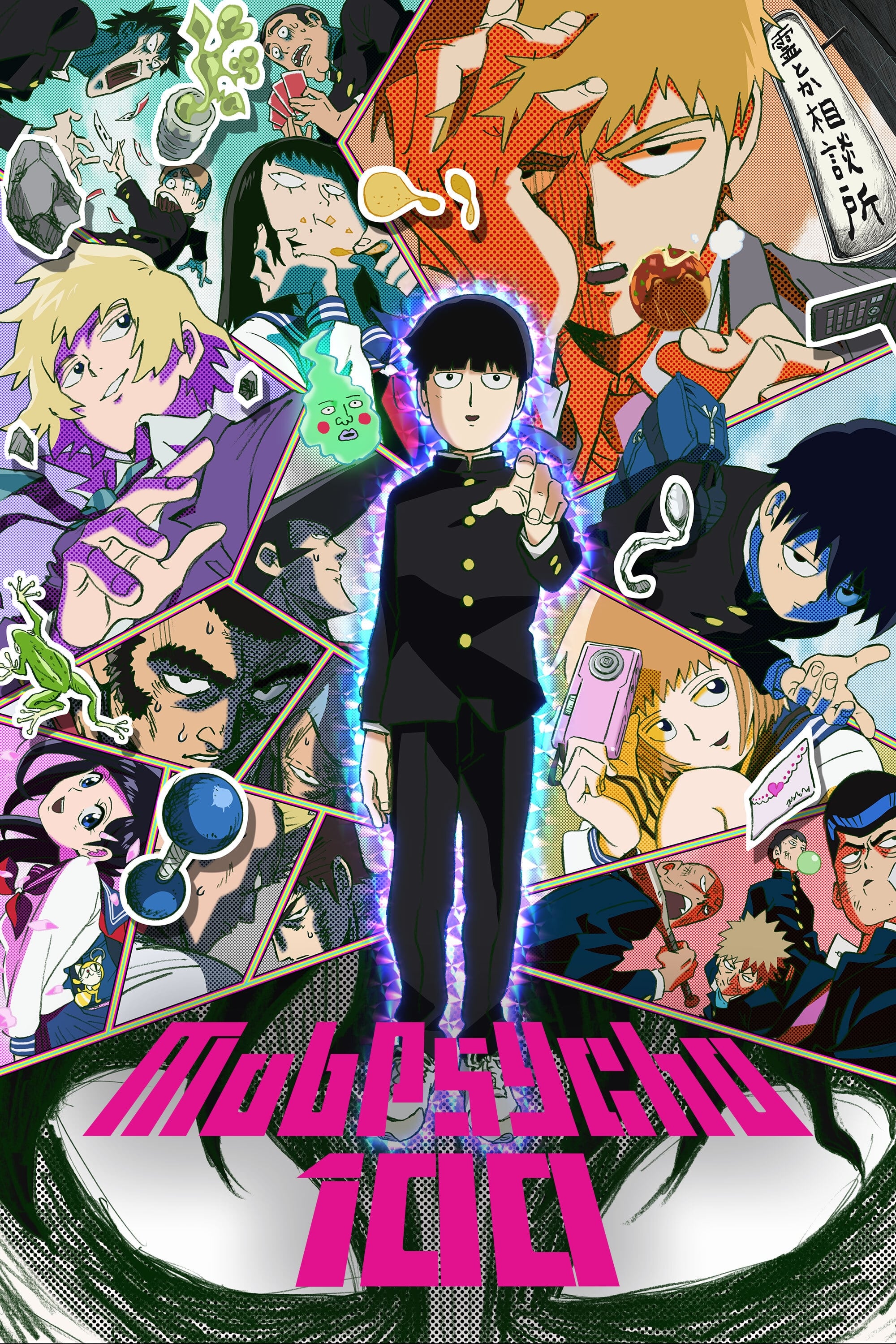
‘Mob Psycho 100’ often opens with a fast, comedic or supernatural vignette that demonstrates psychic mechanics in a self-contained beat. The teasers showcase elastic animation, speed-ramped action, and exaggerated smear frames to communicate power scaling. Quick gags and paranormal oddities establish case parameters without heavy narration. After the credits, the episode zooms out to connect the teaser to character growth or agency jobs.
‘Steins;Gate’ (2011)
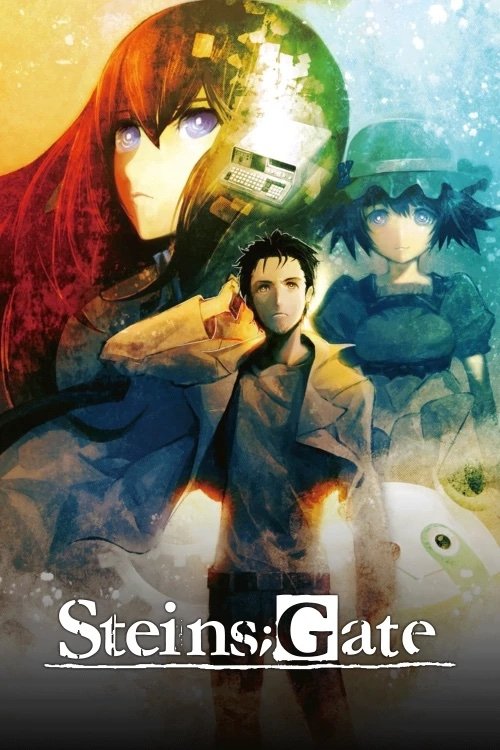
‘Steins;Gate’ employs cold opens to introduce timeline anomalies and information gaps that the plot will later reconcile. A typical teaser features a puzzling message, a sudden memory dissonance, or a visual of the PhoneWave to cue causality questions. The show pairs static camera setups with abrupt insert shots of devices and readouts to foreground clues. By cutting to credits mid-mystery, it trains viewers to catalog details for later divergence explanations.
‘Puella Magi Madoka Magica’ (2011)
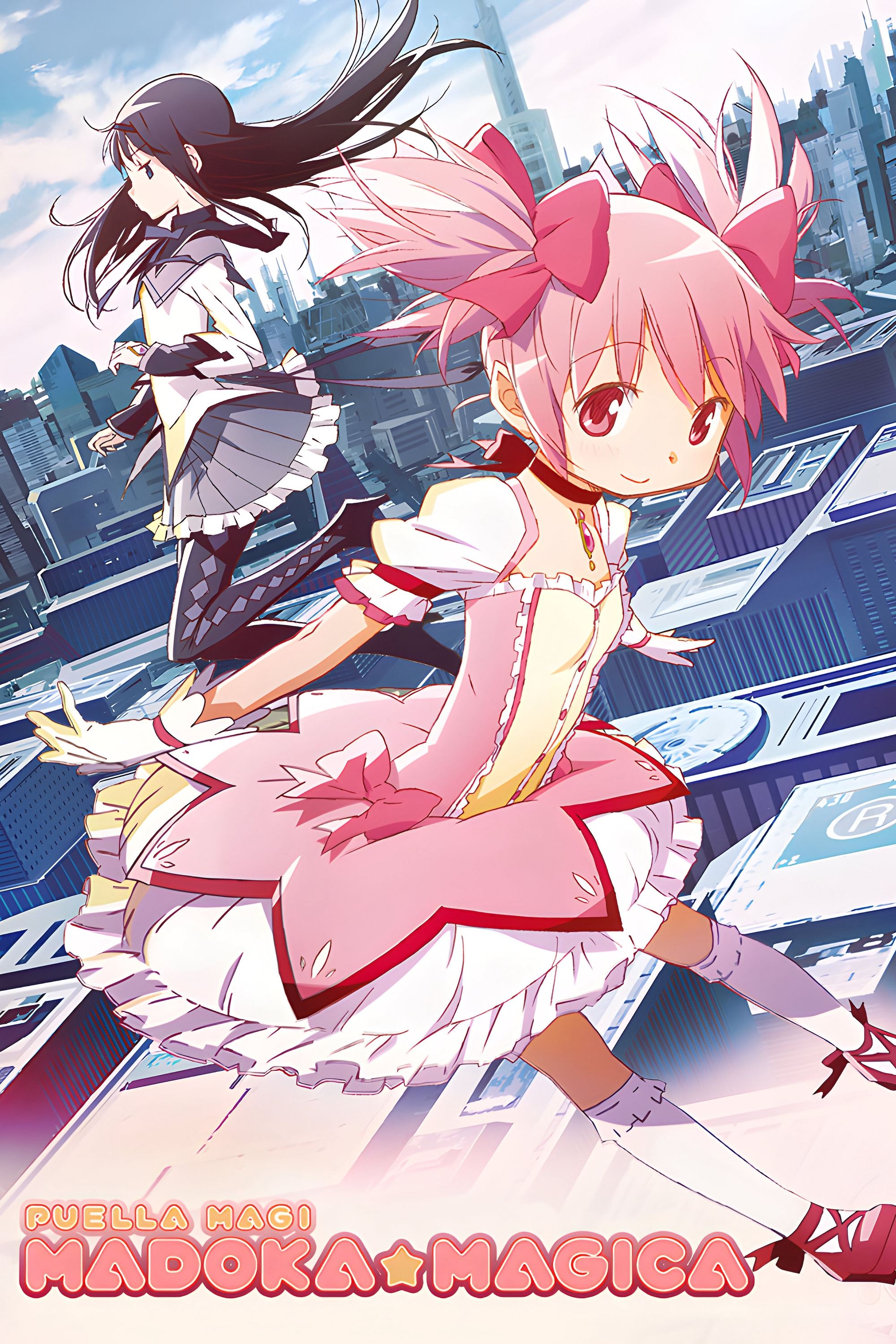
Teasers in ‘Puella Magi Madoka Magica’ frequently juxtapose dreamlike imagery with mundane school life to signal hidden rules of the world. Visual motifs—labyrinth patterns, witch glyphs, and contrasting color blocks—appear in cold opens before their meanings are explained. Sparse dialogue leaves negative space for the score and sound design to frame stakes. The pre-credit placement lets the episode unpack symbolism at a controlled pace afterward.
‘Hunter x Hunter’ (2011–2014)
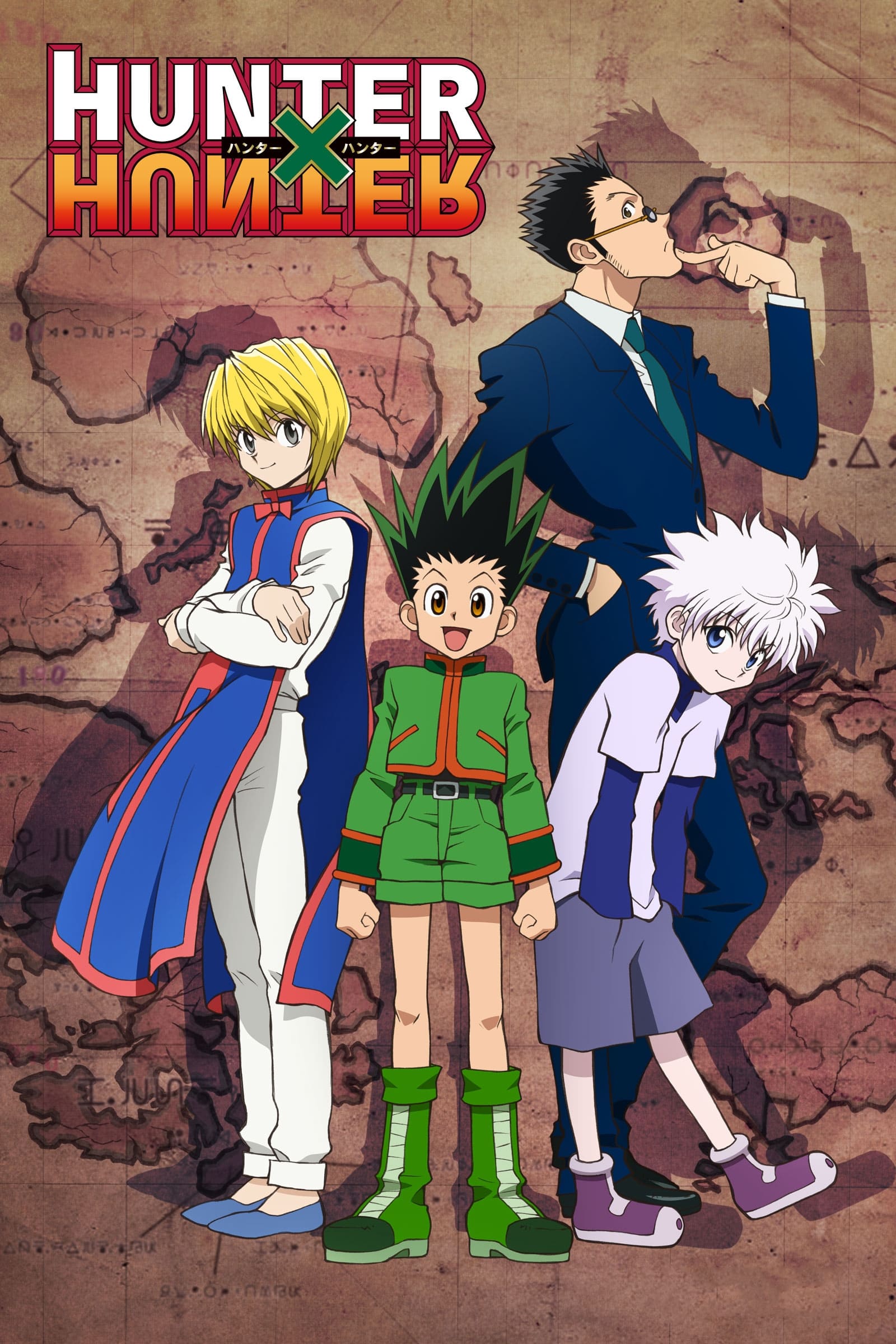
‘Hunter x Hunter’ uses pre-credits stingers to introduce exam phases, Nen concepts, or immediate threats with compact clarity. Many teasers show a technique in action before explaining its limitations and counters. Cross-cutting among protagonists sets parallel goals that the episode will converge. The structure supports an educational rhythm: demonstrate, label, then apply.
‘Paranoia Agent’ (2004)
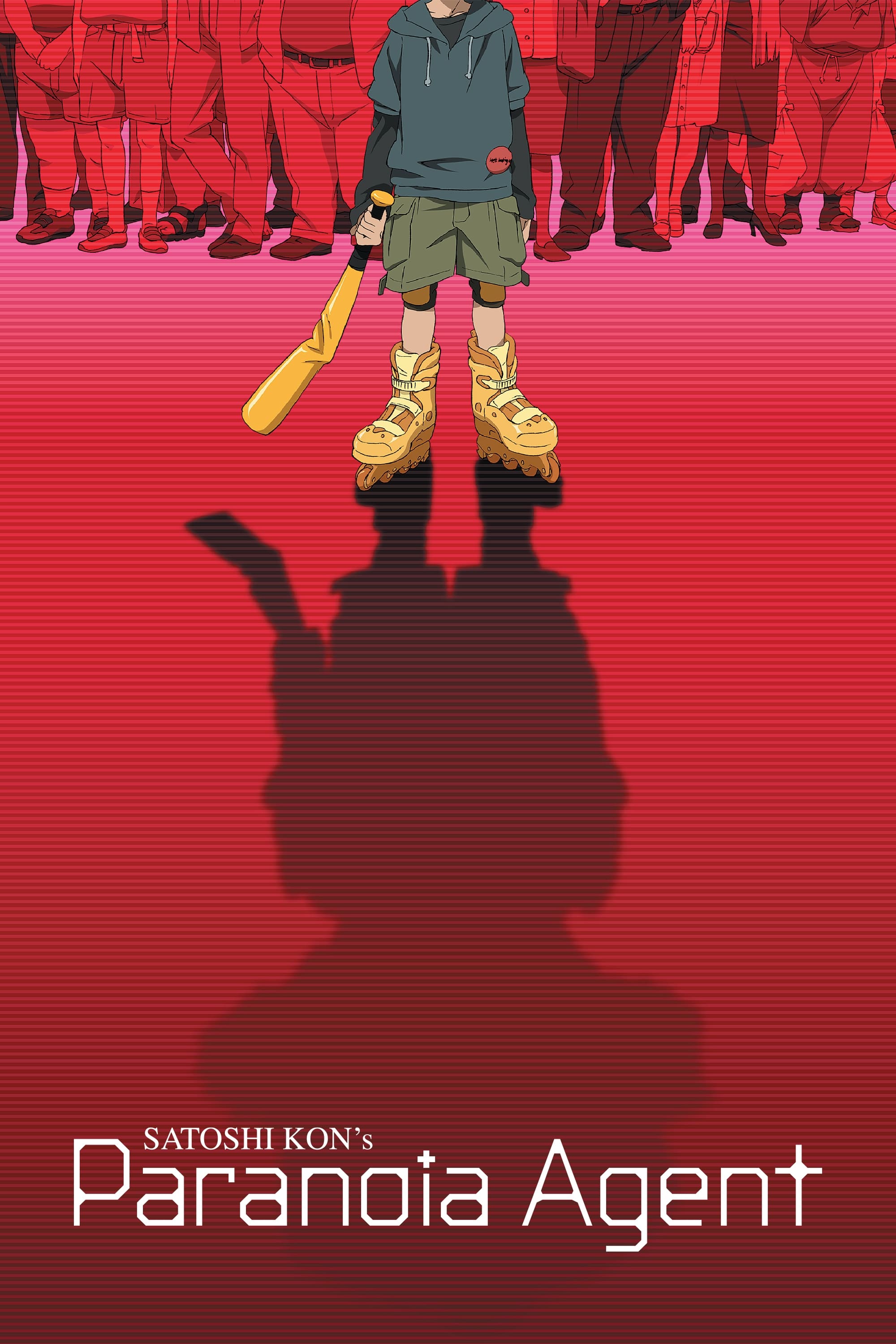
‘Paranoia Agent’ opens with surreal, looping imagery and character laughs that preface each episode’s thematic lens. Cold opens often plant an urban legend beat—sightings, whispers, or speculative media—that the narrative then interrogates. Visual repetition across teasers creates a catalog of symbols for viewers to decode. This approach equips the audience with a semiotic toolbox before the episode reframes it.
‘Made in Abyss’ (2017)
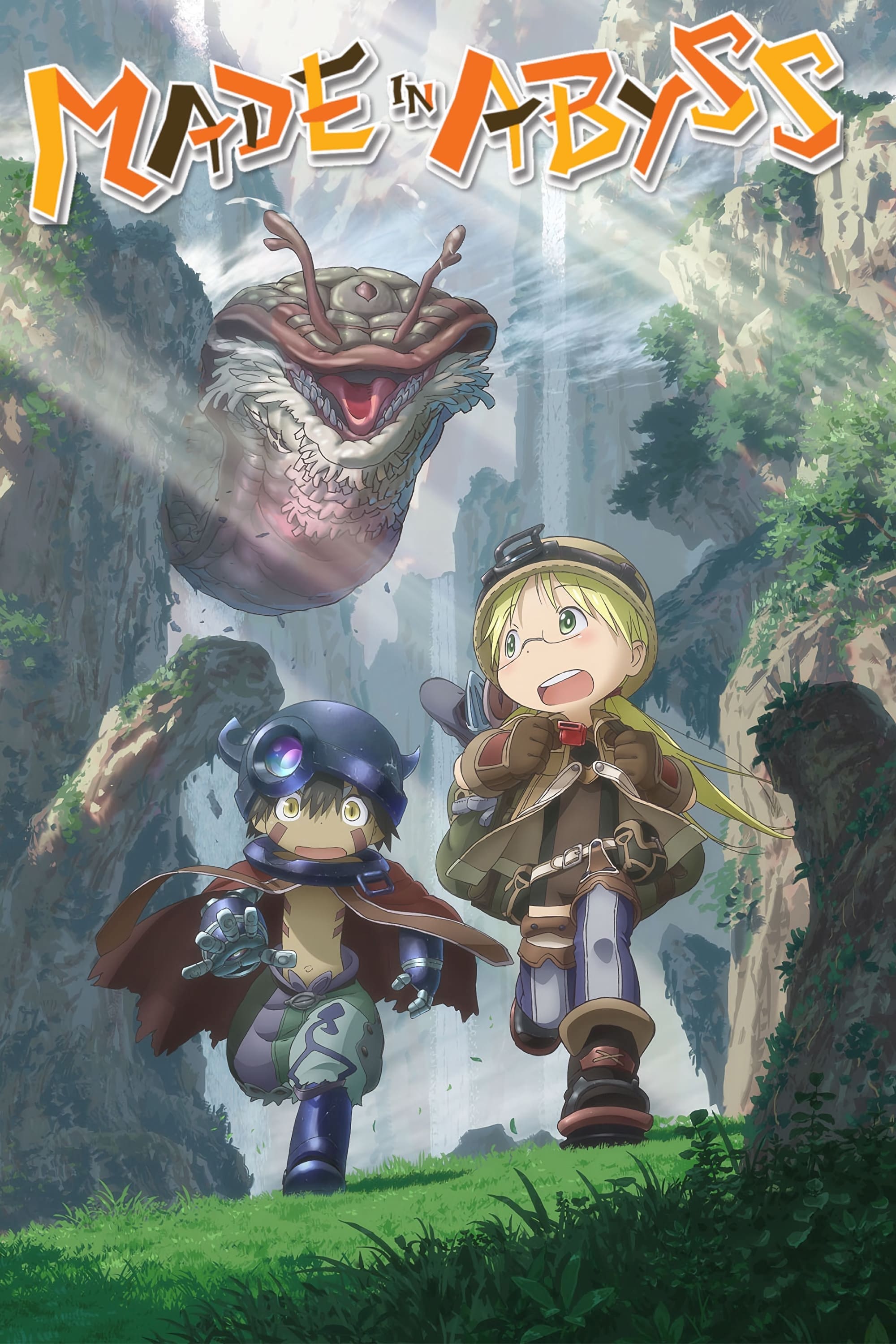
‘Made in Abyss’ leverages cold opens to preview ecological hazards, relic mechanics, or layers of the Abyss that will matter shortly. Teasers often focus on tools, maps, or training drills to establish survival parameters. Natural soundscapes and slow pans over terrain emphasize scale and risk. The credits then arrive as a pivot into traversal or discovery sequences.
‘Vinland Saga’ (2019–2023)
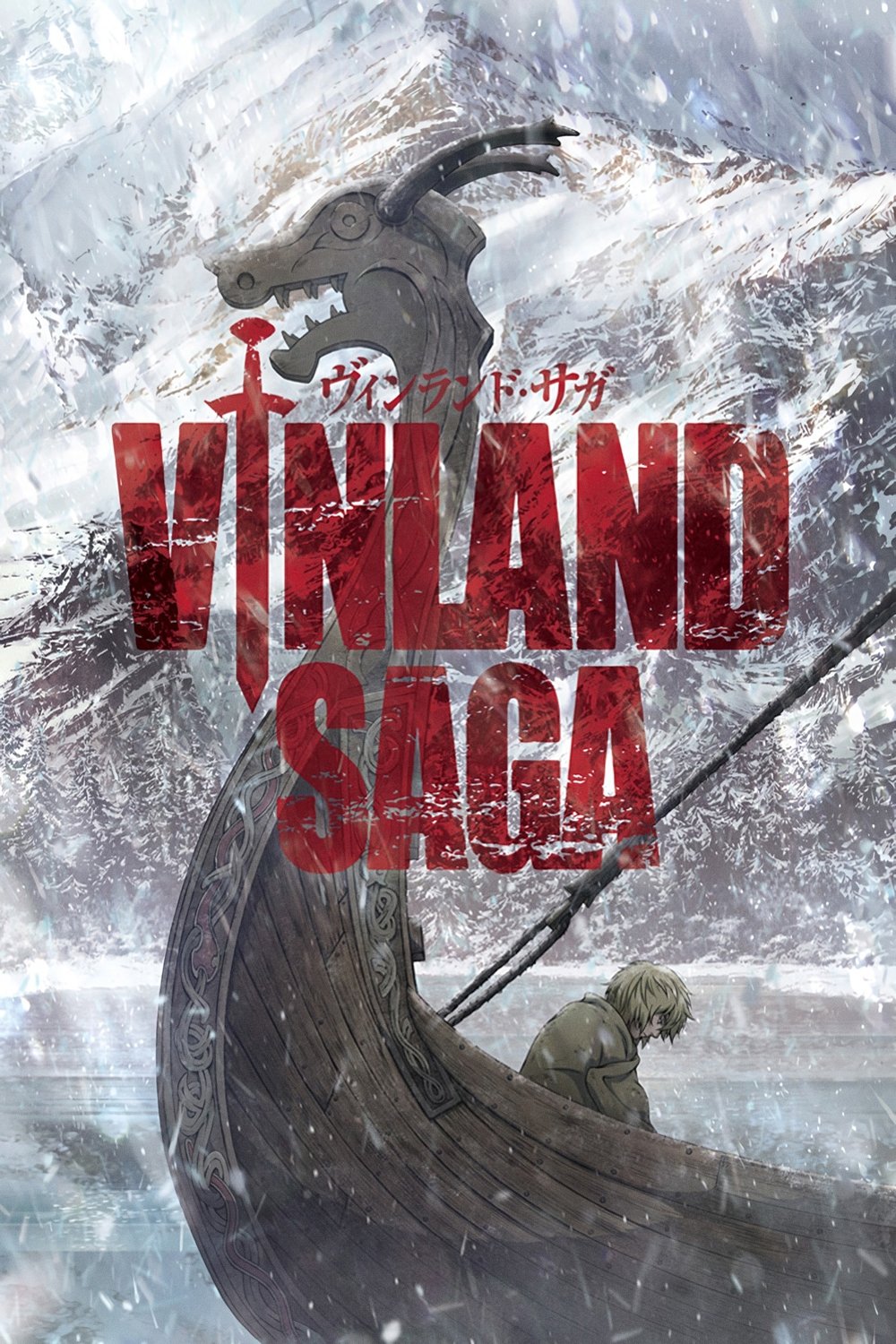
‘Vinland Saga’ typically begins with a short historical or domestic moment that contextualizes war, travel, or trade before conflict ignites. Cold opens highlight shipcraft, farming practices, or battlefield formations to ground the episode’s events. The series uses subdued color grading and wind or water audio to set mood without exposition dumps. The cut to credits separates prologue context from the episode’s central confrontation.
‘Demon Slayer: Kimetsu no Yaiba’ (2019)
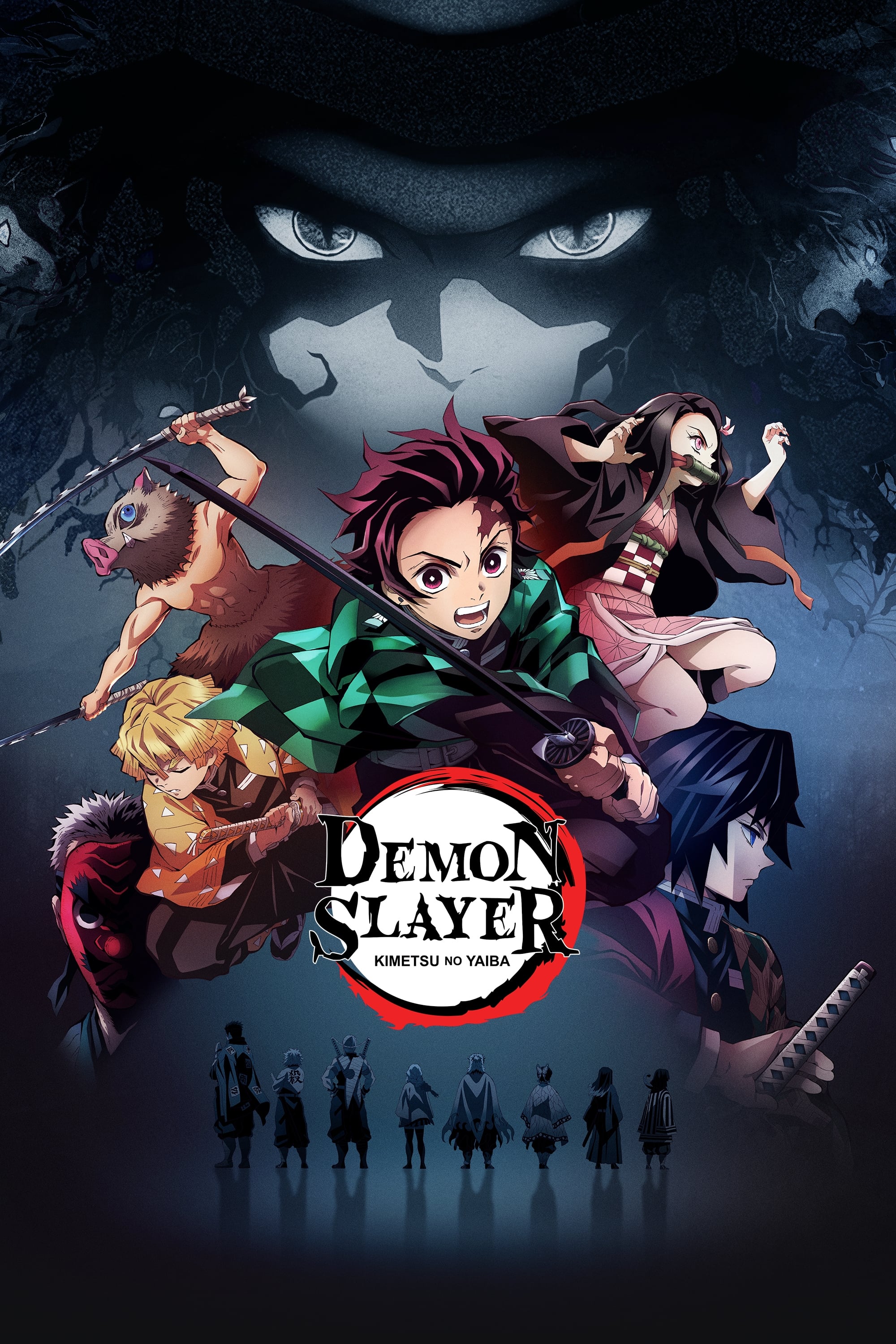
‘Demon Slayer: Kimetsu no Yaiba’ often opens with a brief encounter that demonstrates a Blood Demon Art or a breathing form in isolation. The teasers emphasize blade choreography, perspective shifts, and textured backgrounds to clarify technique and terrain. Short character beats—family rituals, training recalls—supply motivation without lengthy dialogue. The transition to credits marks the move from demonstration to tactical engagement.
‘Baccano!’ (2007)
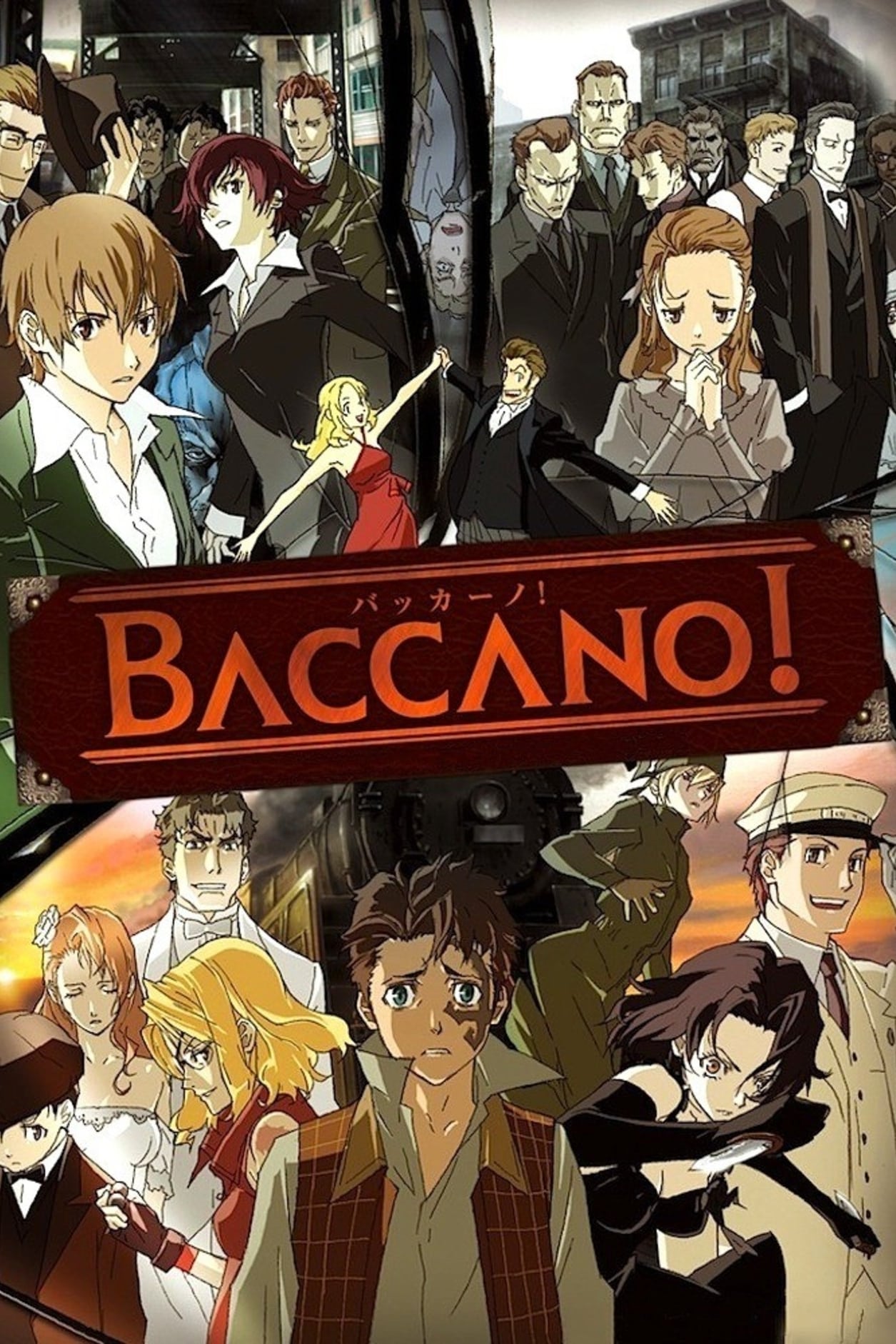
‘Baccano!’ uses cold opens to orient viewers within a non-linear timeline by presenting a snapshot from a different year or character viewpoint. Teasers commonly feature a narrator or newsroom framing that labels events before the main plot refracts them. Quick montages of trains, gangsters, and alchemists set threads that the episode will weave. This pre-credit structure functions as a timeline waypoint for the audience.
‘Fate/Zero’ (2011–2012)
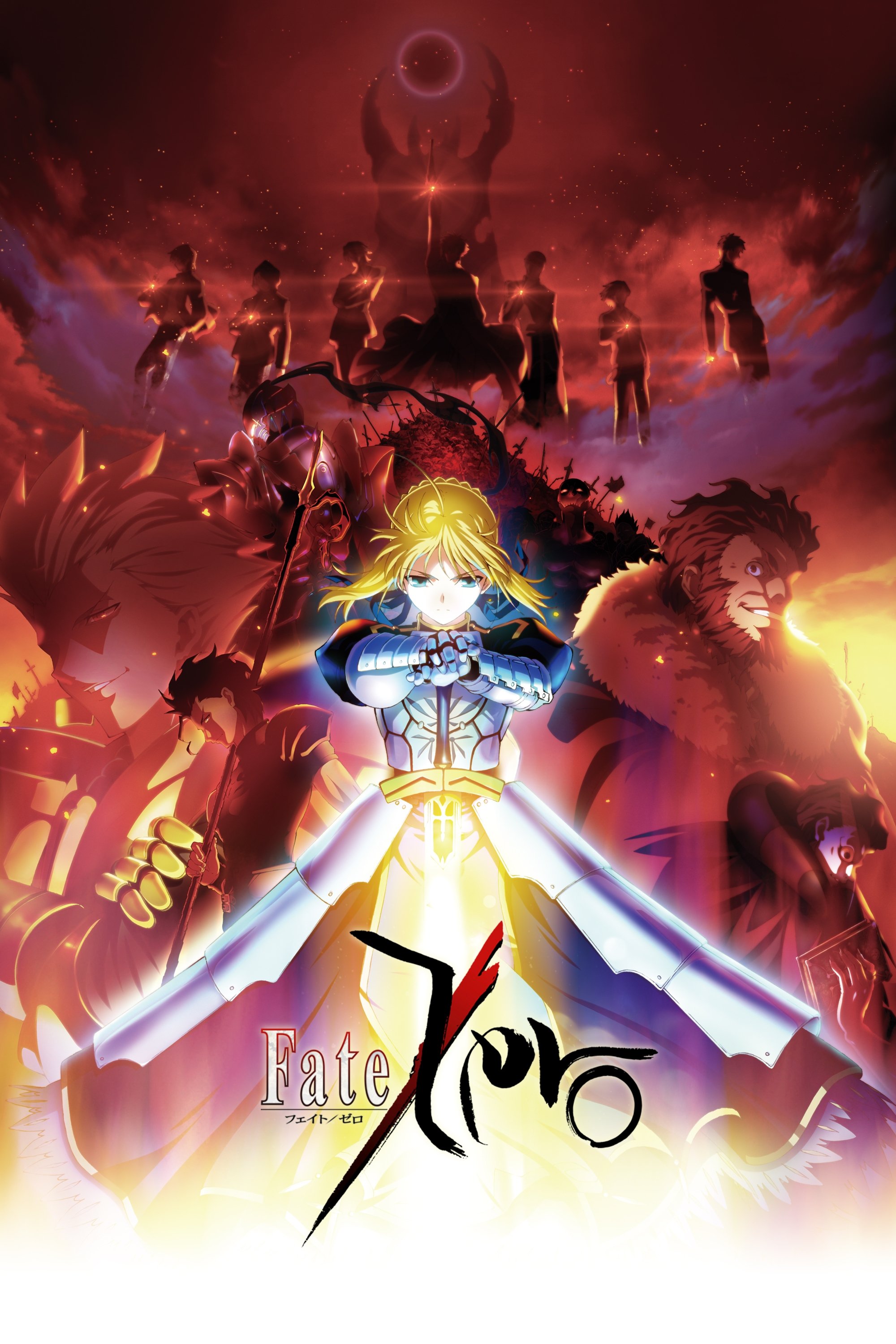
‘Fate/Zero’ frequently opens with summoning scenes, strategy briefings, or historical flashbacks that clarify rules of the Holy Grail War. The teasers showcase command seals, class advantages, and catalyst artifacts to define constraints. Sound design emphasizes ritual ambience and spatial reverb to heighten the sense of formal combat. After the credits, the episode typically expands into servant dynamics and battlefield positioning.
‘One-Punch Man’ (2015)
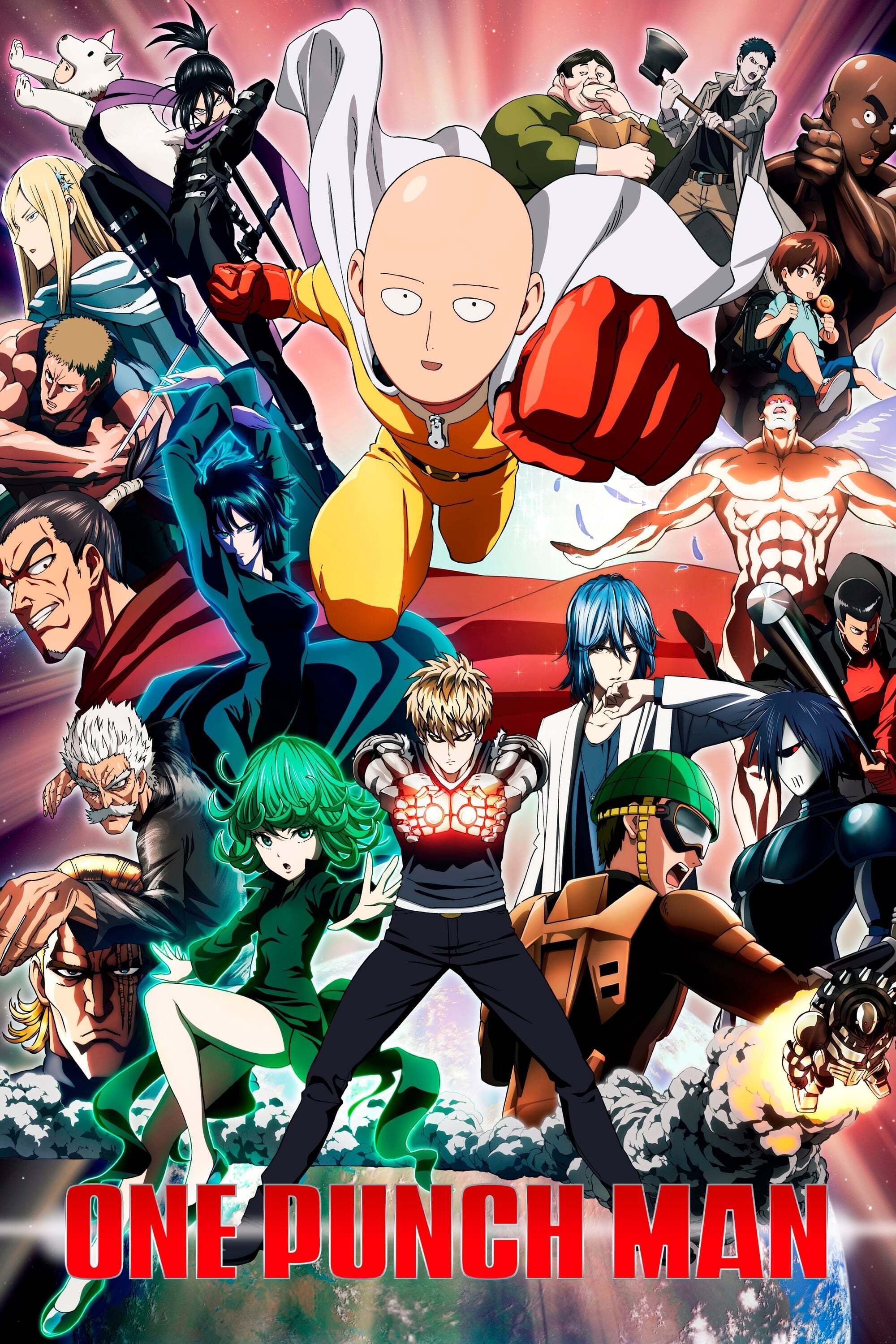
‘One-Punch Man’ deploys comedic or catastrophic teasers to illustrate the threat-of-the-week and Saitama’s mismatch with it. Pre-credits sequences often highlight hero registry logistics, disaster level codes, or city zoning to map the world. Visuals mix exaggerated monster designs with clean, rapid action cuts to convey scale immediately. The credits then reset the tone before the episode explores response protocols and rankings.
Share your picks for standout anime cold opens in the comments!