20 Best First Contact Movies

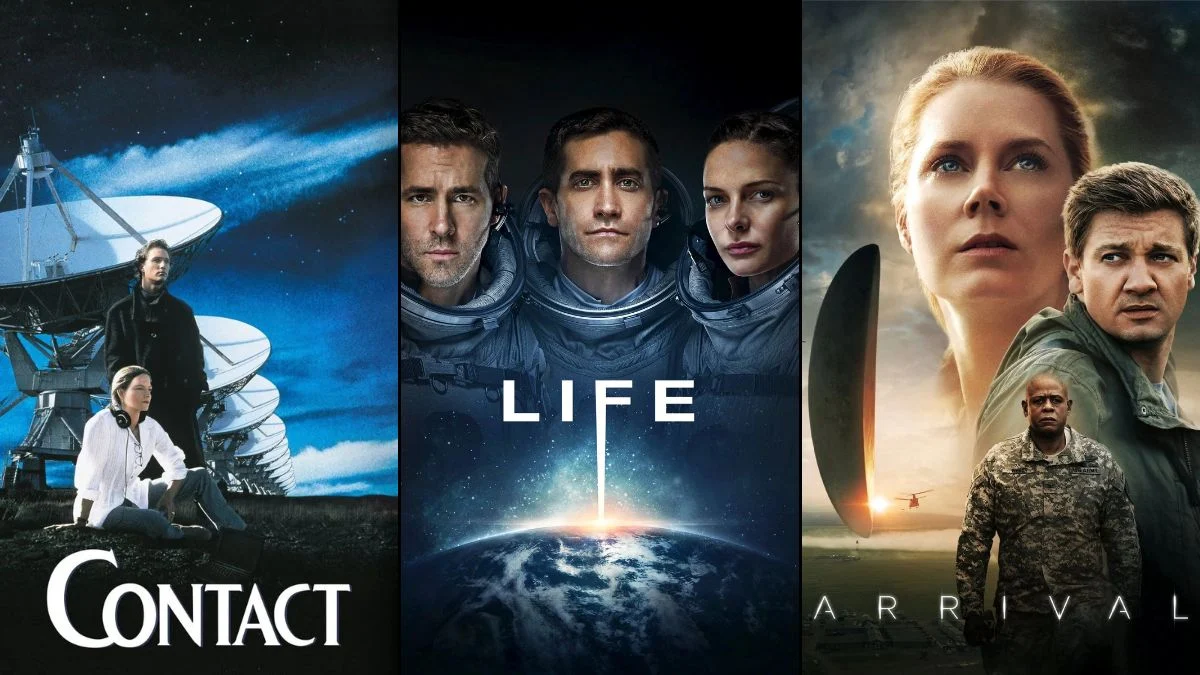

First contact stories tap into our curiosity about what might happen when humanity meets life from beyond Earth. These films explore communication hurdles, scientific discovery, cultural shock, and the moral choices that follow. You will find quiet encounters, loud arrivals, and everything in between, each showing a different path that contact could take. From cryptic signals to sudden landings, they show how people respond when the unknown finally says hello.
‘Arrival’ (2016)
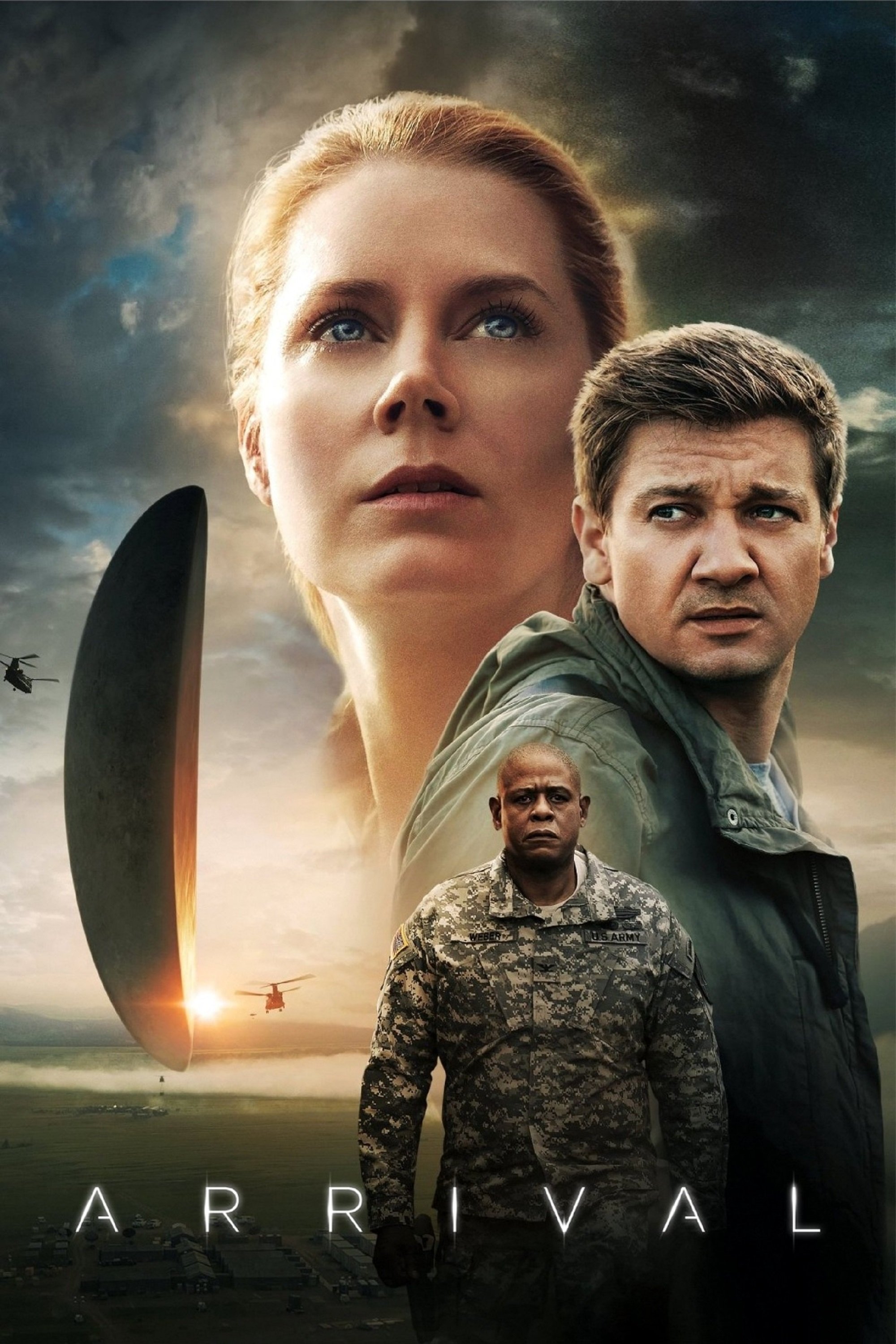
A linguist is recruited by the military to decode the language of visiting extraterrestrials. The film centers on the methodical work of building a vocabulary and finding structure in alien speech. Its narrative uses nonlinear storytelling to mirror the logic challenges inside the translation effort. The score and sound design place unusual emphasis on phonetics and rhythm to support the theme of communication.
‘Close Encounters of the Third Kind’ (1977)
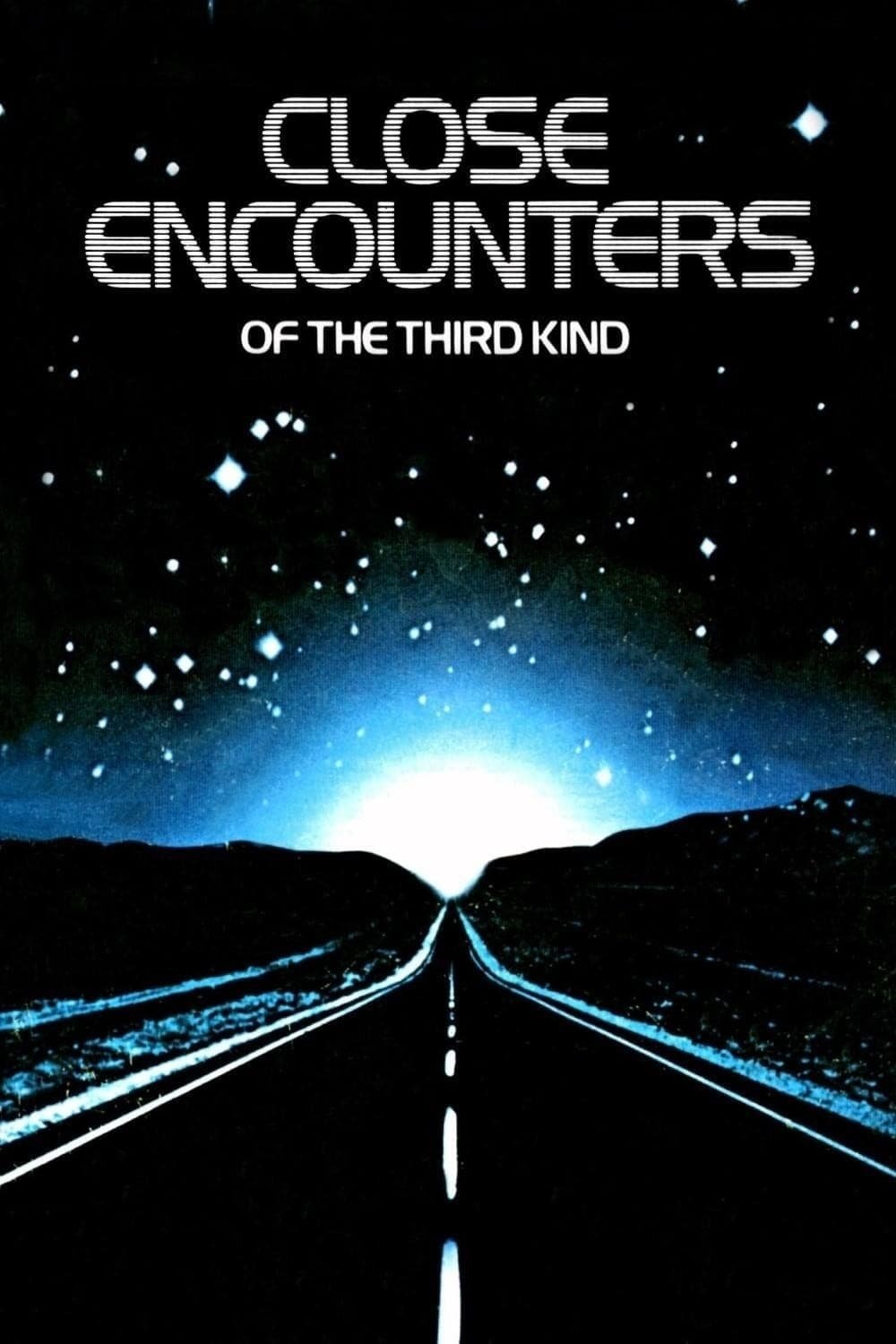
Mysterious phenomena and shared visions draw civilians and scientists to a remote meeting site. Government teams collect physical evidence and attempt to manage public panic while preparing a landing zone. The climactic exchange uses musical tones as a bridge between species. Miniature effects and large scale set pieces recreate a coordinated contact protocol from first signal to departure.
‘Contact’ (1997)
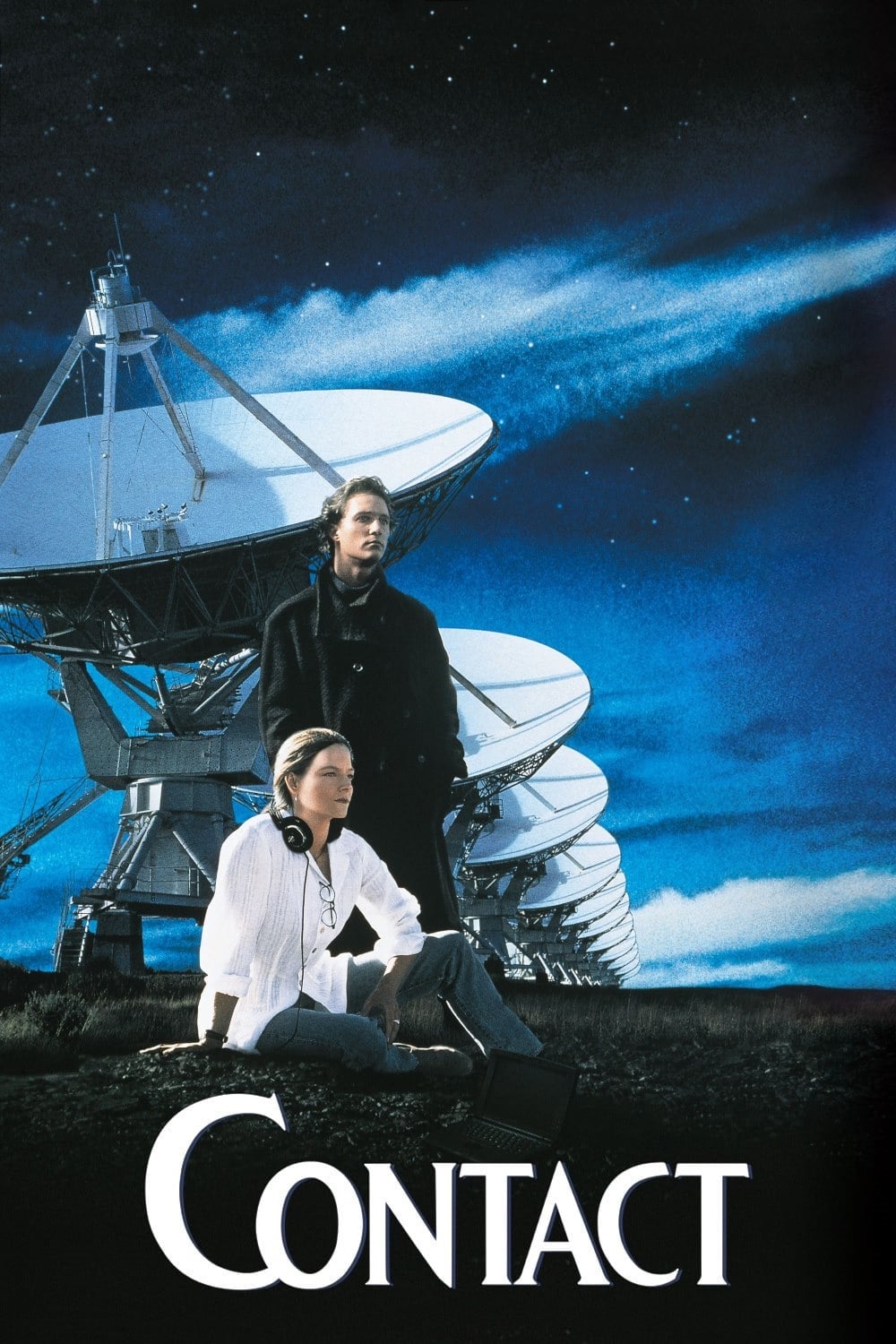
A radio astronomer detects a repeating signal buried in cosmic noise. Embedded data reveals engineering instructions that kick off an international construction project. Political committees, media scrutiny, and scientific peer review shape every step of the response. The story tracks how empirical proof, faith, and geopolitics converge when a message finally arrives.
‘The Day the Earth Stood Still’ (1951)
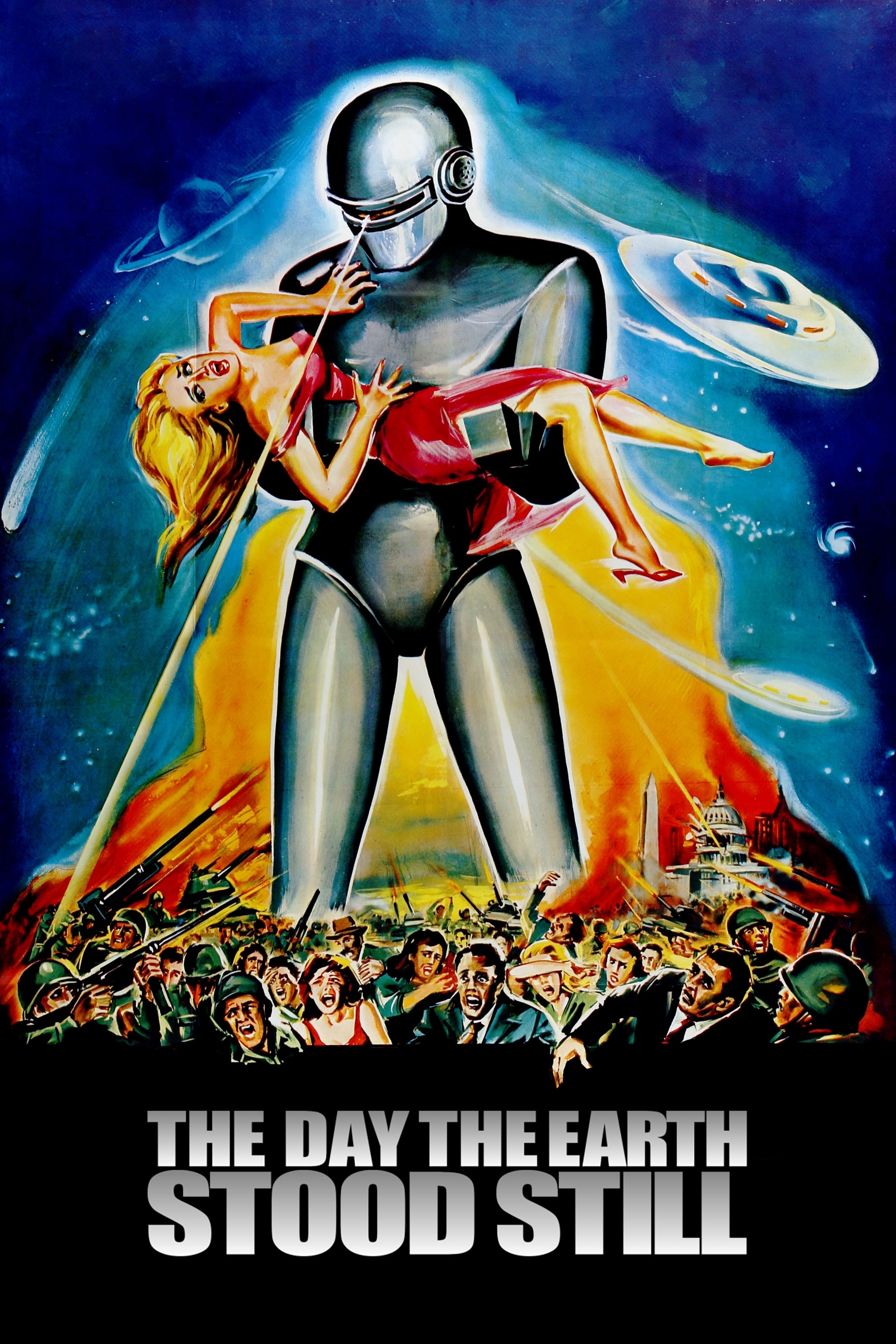
A spacecraft lands in Washington and delivers a warning through a humanlike envoy accompanied by a powerful robot. Authorities try to contain the visitor while scientists push for dialogue. The film uses a global power outage as a controlled demonstration to illustrate capability without mass harm. Its narrative frames contact as a test of whether Earth can act responsibly in a larger community.
‘2001: A Space Odyssey’ (1968)
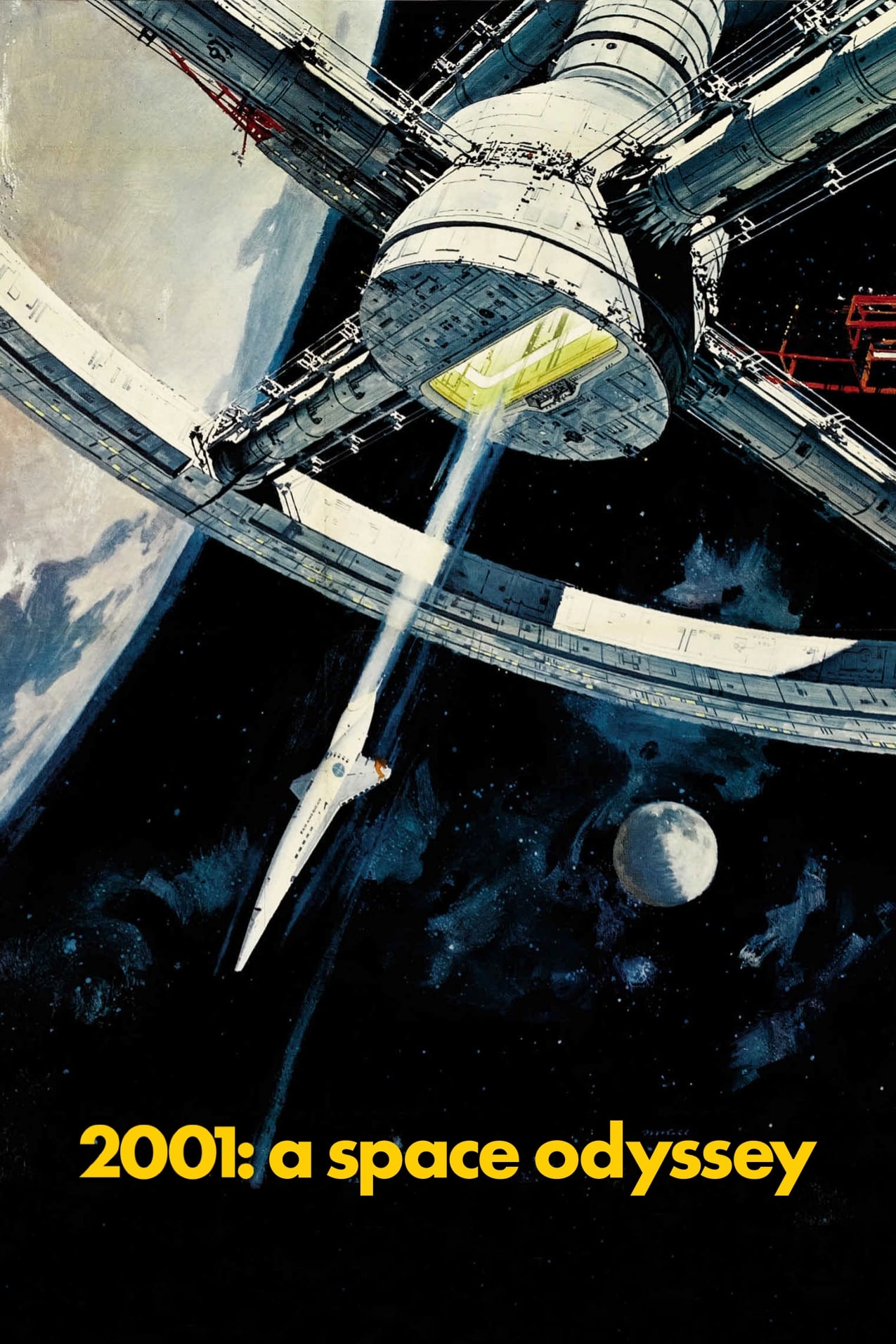
An ancient artifact discovered on the Moon emits a signal that redirects human exploration. The mission that follows pairs astronauts with an advanced onboard computer, and the journey culminates near Jupiter. Visual sequences depict contact through symbols rather than spoken language. Practical effects, front projection, and classical music selections create a vision of discovery driven by curiosity and evolution.
‘The Abyss’ (1989)
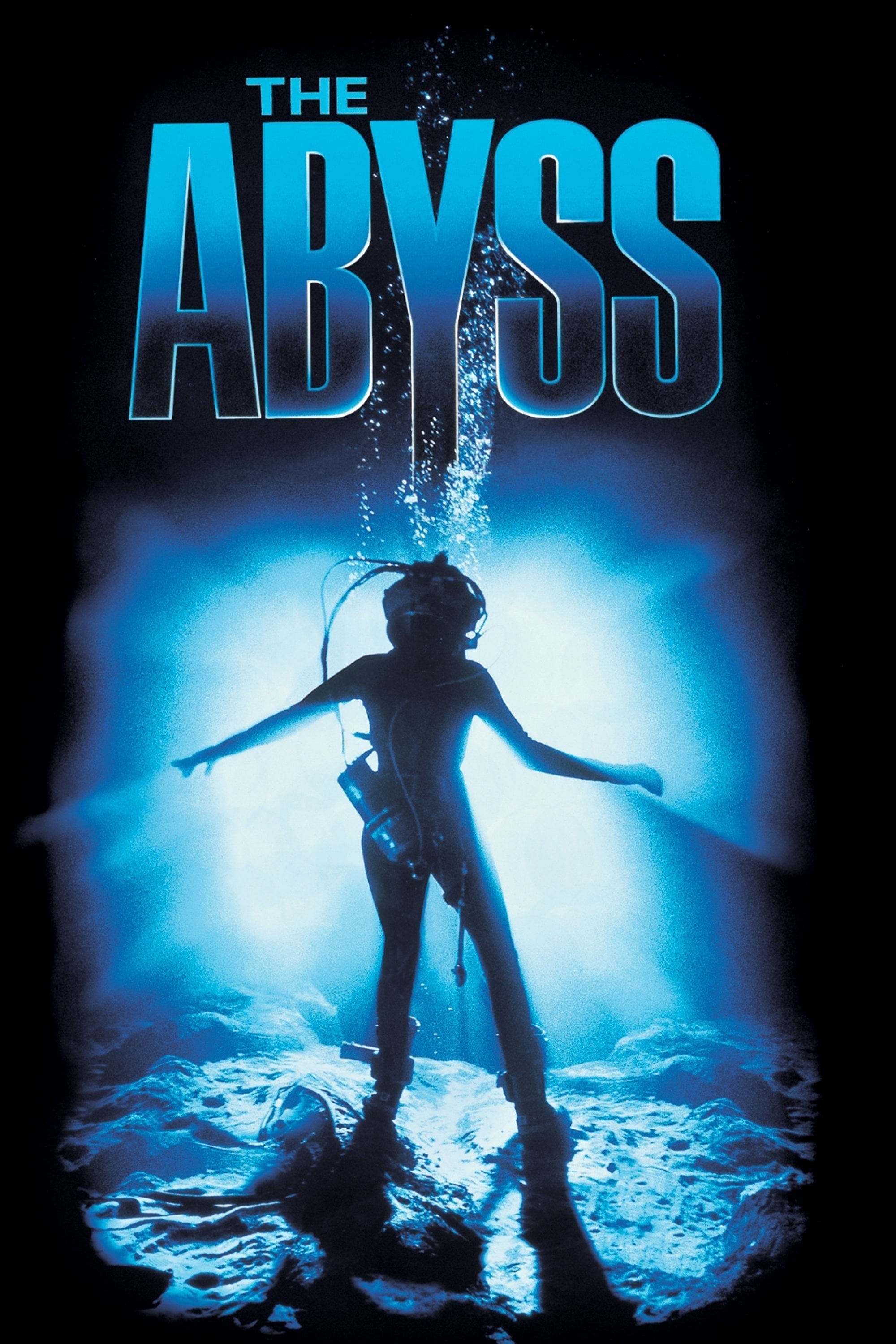
A deep sea oil platform team assists the Navy after a submarine incident and discovers nonhuman intelligences in the ocean. The crew faces equipment hazards, pressure depth limits, and conflicting orders from armed escorts. Water pseudopod imagery demonstrates a safe method of face to face communication in a hostile environment. Underwater photography and custom diving rigs enable extended scenes set on the seafloor.
‘District 9’ (2009)
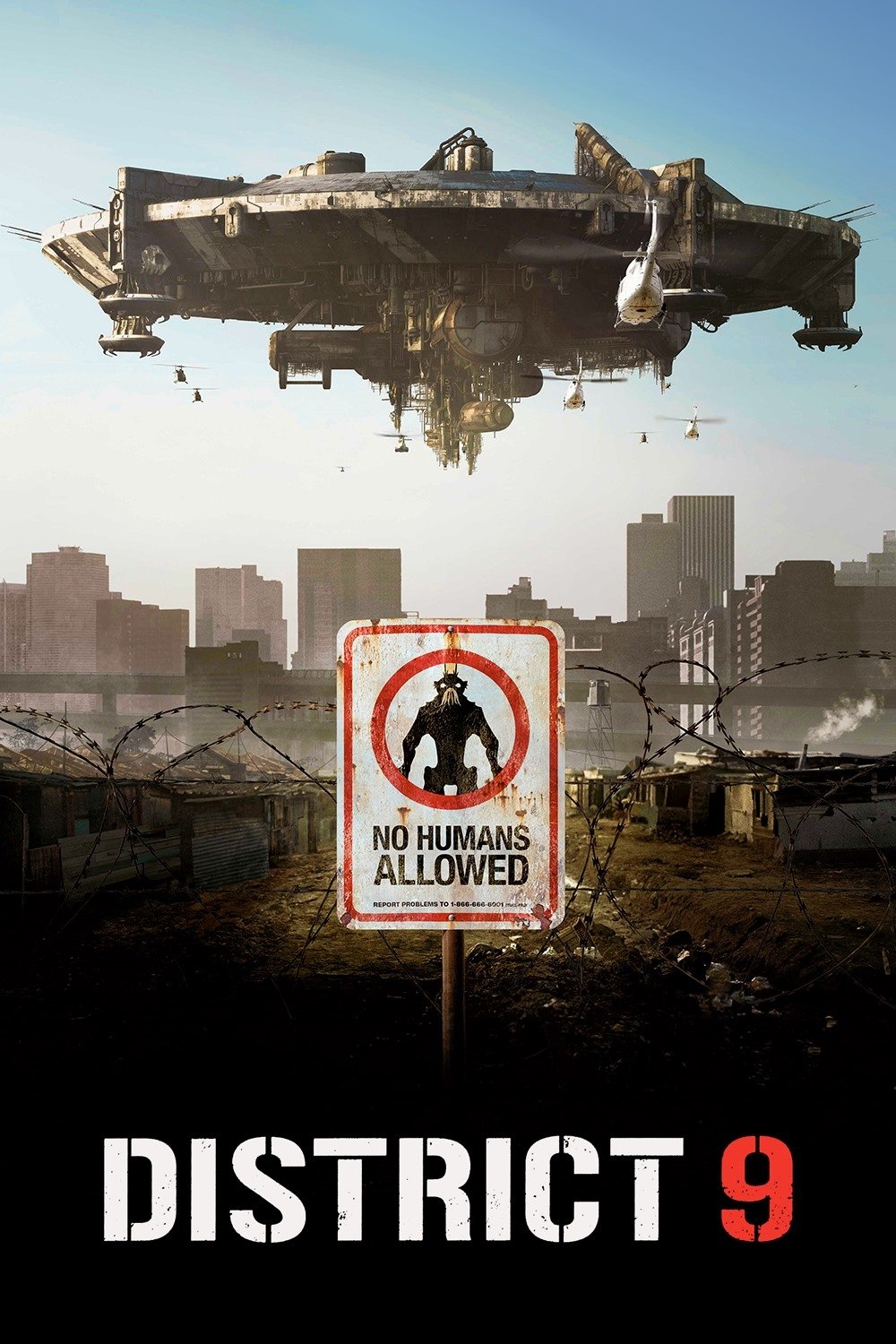
A disabled alien ship forces a refugee population to settle on the outskirts of a major city. A relocation operation exposes corporate interests, bioweapon research, and unlawful experimentation. Found footage elements combine with documentary style interviews to show policy decisions and their consequences. The narrative tracks a bureaucrat whose exposure to alien technology transforms his role in the crisis.
‘Starman’ (1984)
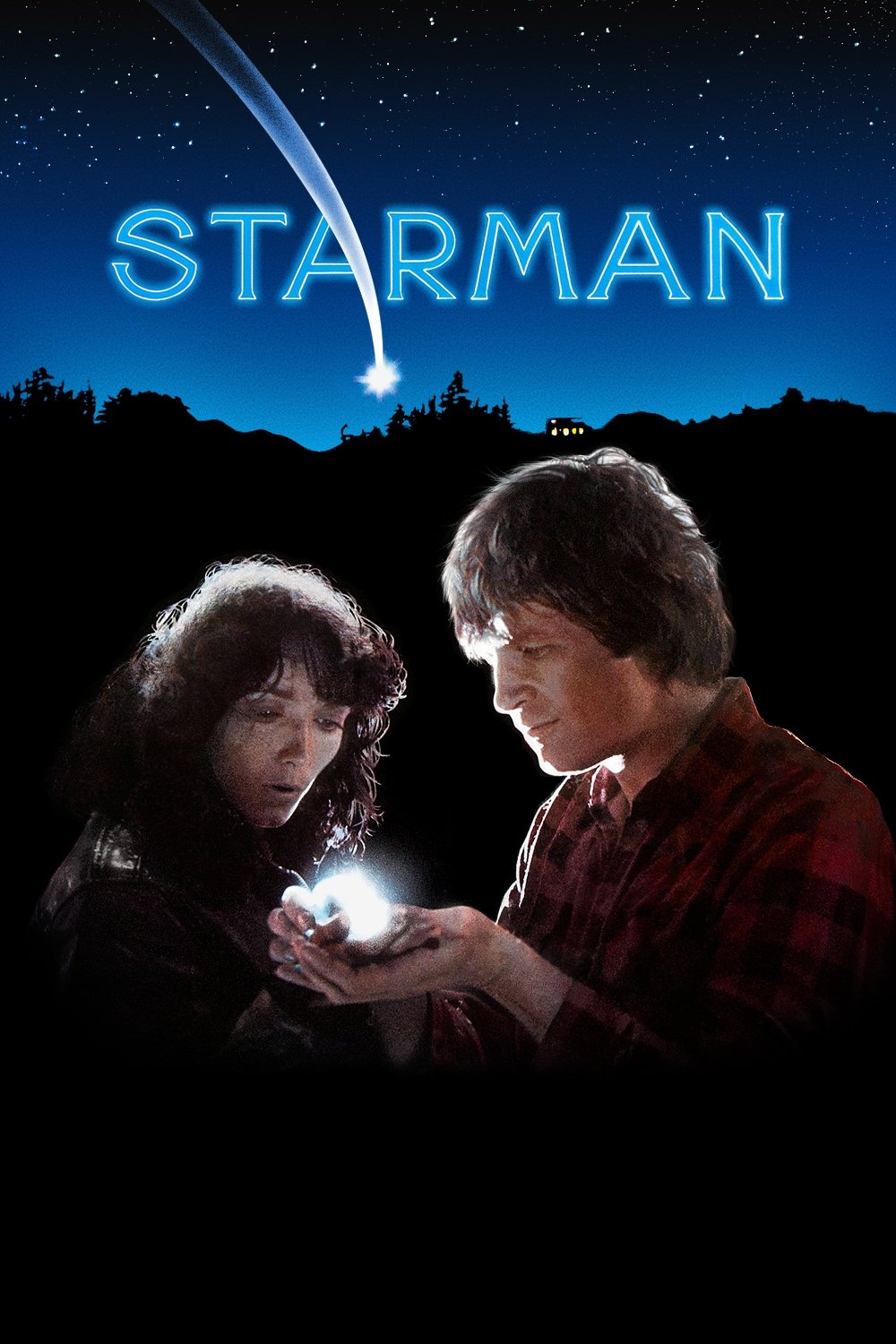
After receiving a recorded invitation, a visitor arrives and takes on the appearance of a recently deceased man. He recruits the man’s partner to help cross the country to a rendezvous point. Federal agents pursue while the pair navigate grief, identity, and trust. The story treats contact as a road trip that relies on empathy and small acts of cooperation.
‘E.T. the Extra-Terrestrial’ (1982)
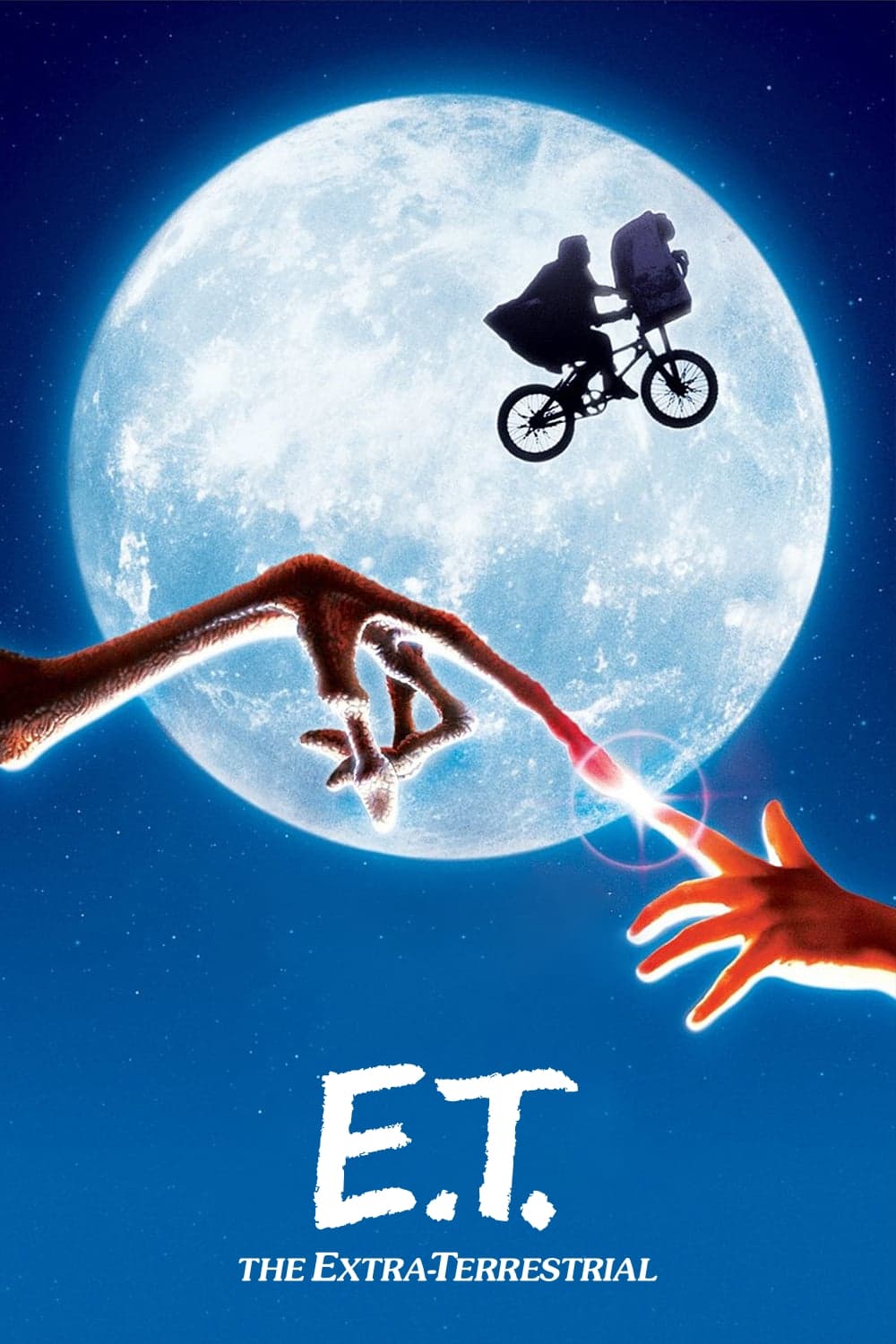
A stranded botanist from another world hides with a suburban family. Children shield the visitor from authorities while trying to assemble a device to request pickup. The connection between the boy and the guest is shown through mirrored physical symptoms and shared emotions. Practical effects, animatronics, and quiet neighborhood settings ground the encounter in everyday life.
‘The Vast of Night’ (2019)
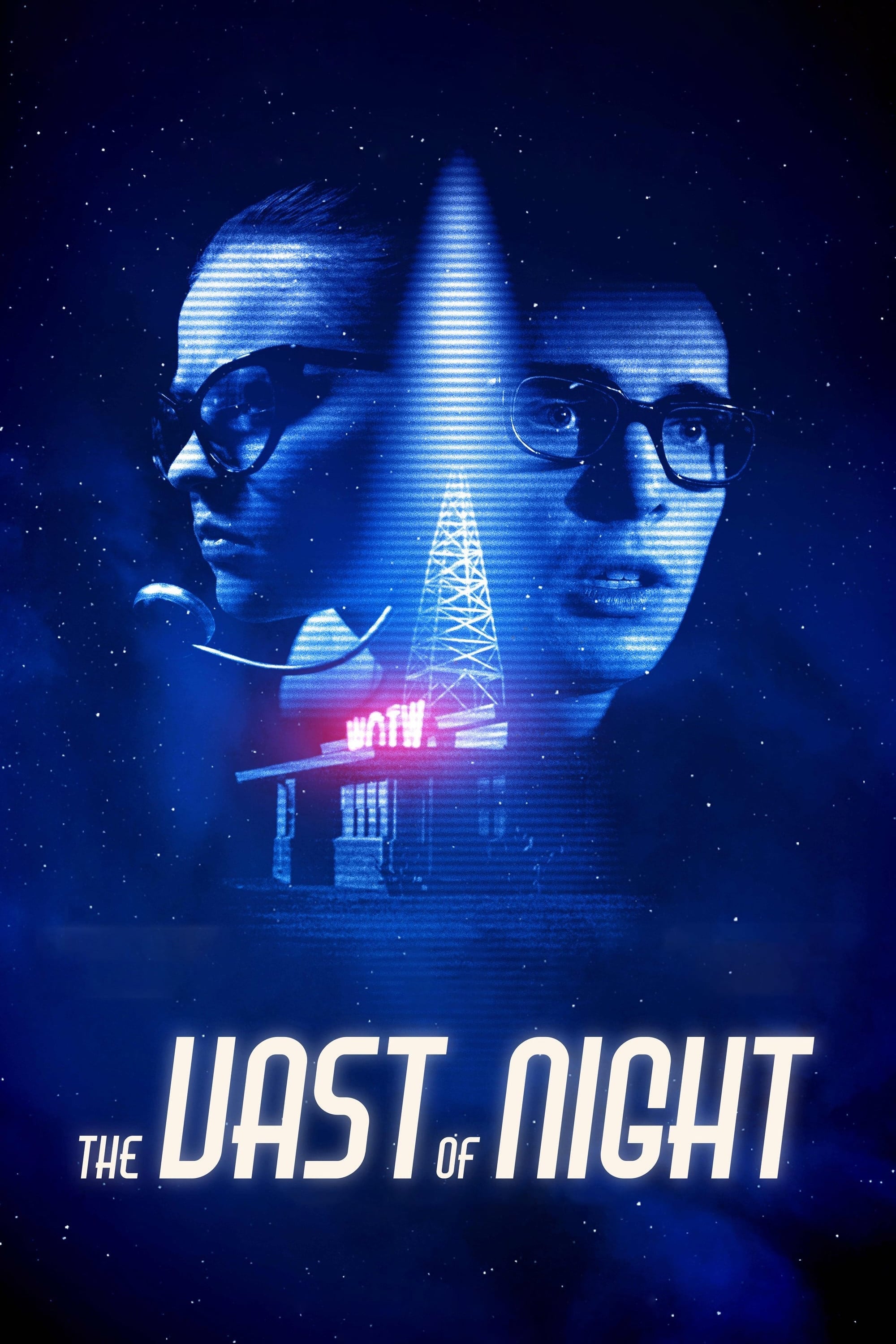
A switchboard operator and a late night radio host trace a strange audio frequency that interrupts calls. They collect eyewitness accounts, recorded tapes, and local rumors to map the source. Long tracking shots and extended takes follow the search in real time. The story builds contact through oral history, technical troubleshooting, and community memory.
‘Europa Report’ (2013)
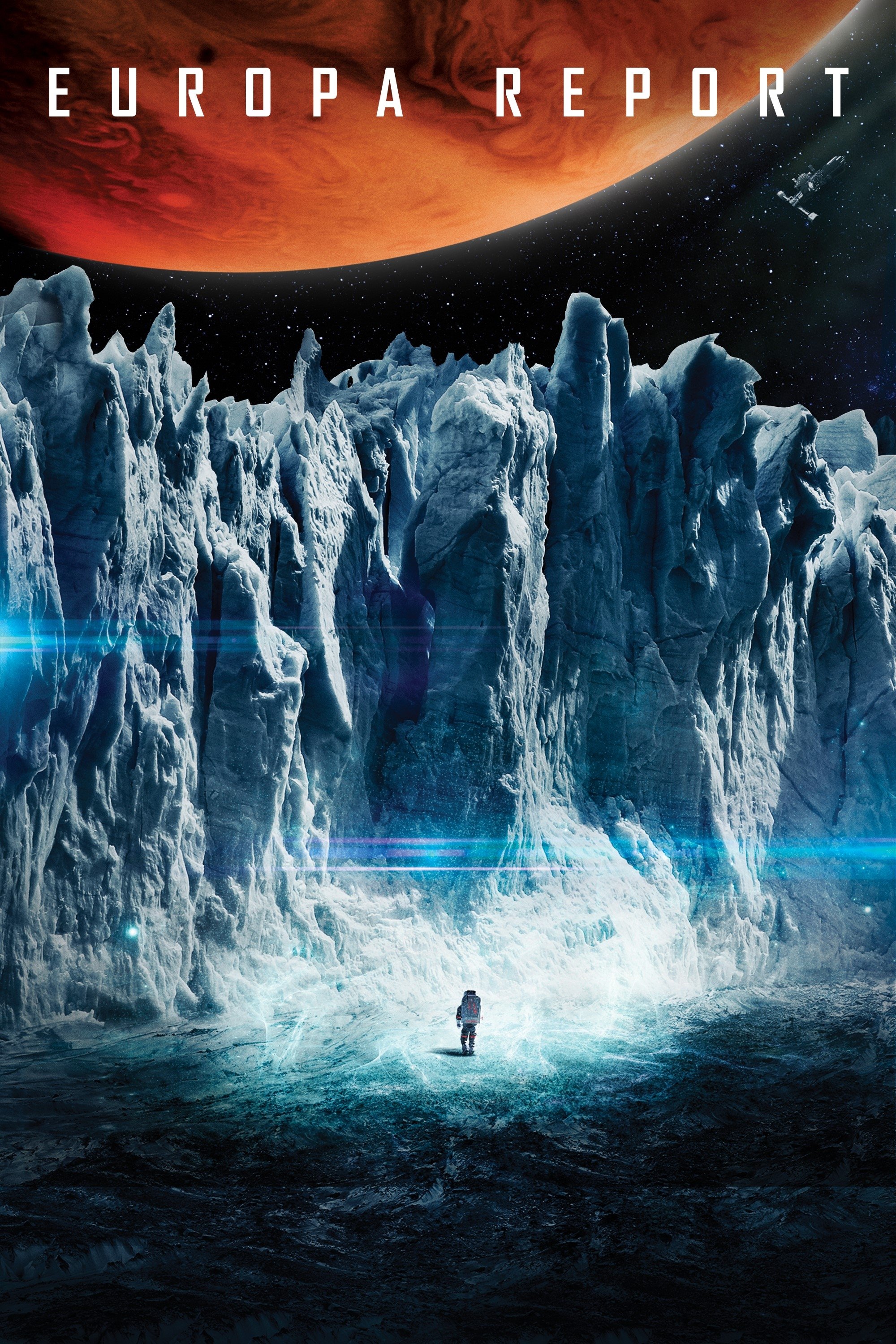
A privately funded mission sends a crew to an icy moon to investigate potential subsurface life. Mission control loses contact and later reconstructs events from recovered telemetry and video. The crew follows strict scientific protocols for contamination control and sample handling. The film uses a found footage structure to emphasize checklists, suit procedures, and risk tradeoffs.
‘The Iron Giant’ (1999)
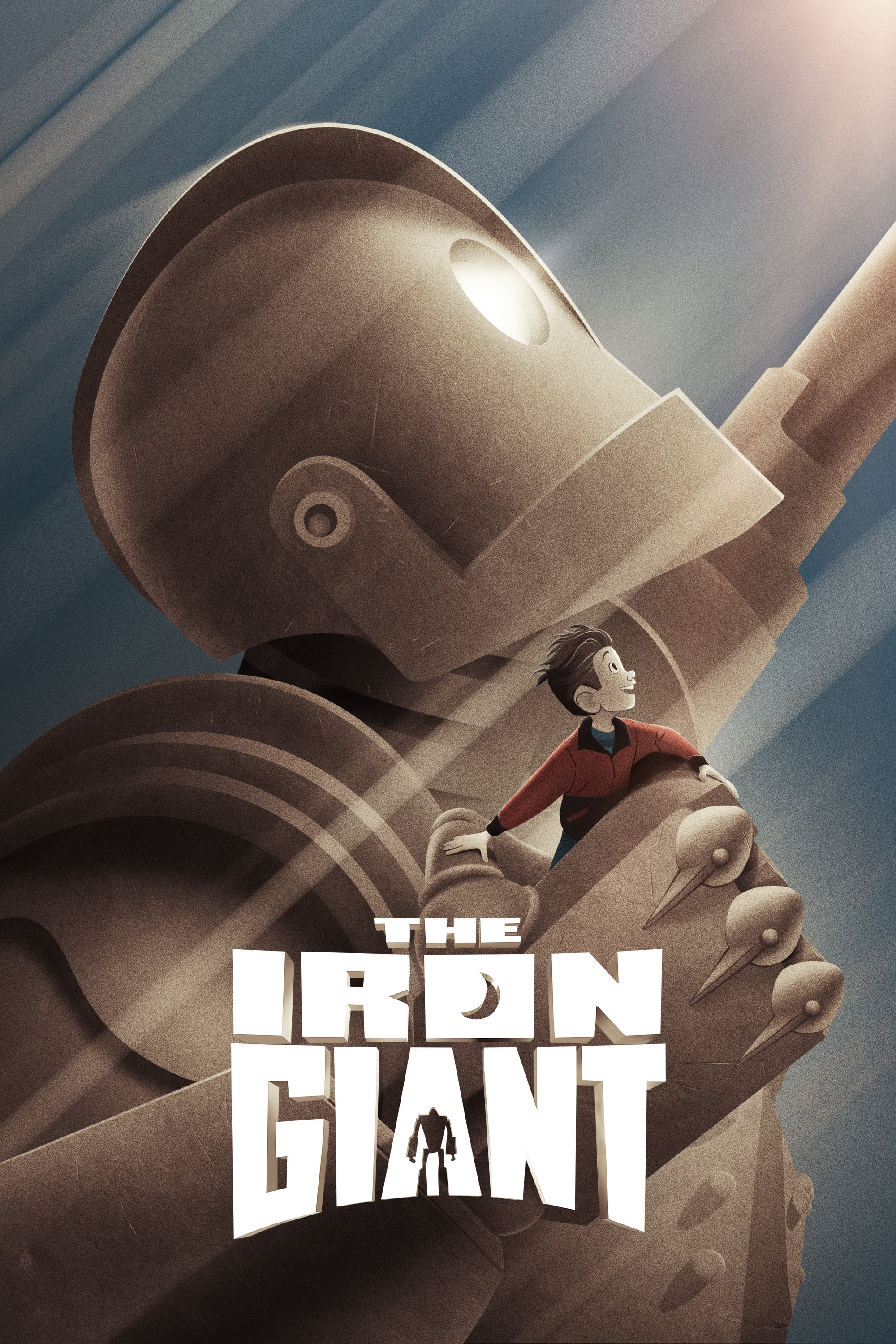
A boy discovers a towering visitor who cannot remember his origin. Local authorities suspect a weapon and call in the military. The boy introduces the guest to comics, food, and basic social rules while hiding him in a scrapyard. Animation blends Cold War anxieties with a story about learning choice and restraint.
‘Explorers’ (1985)
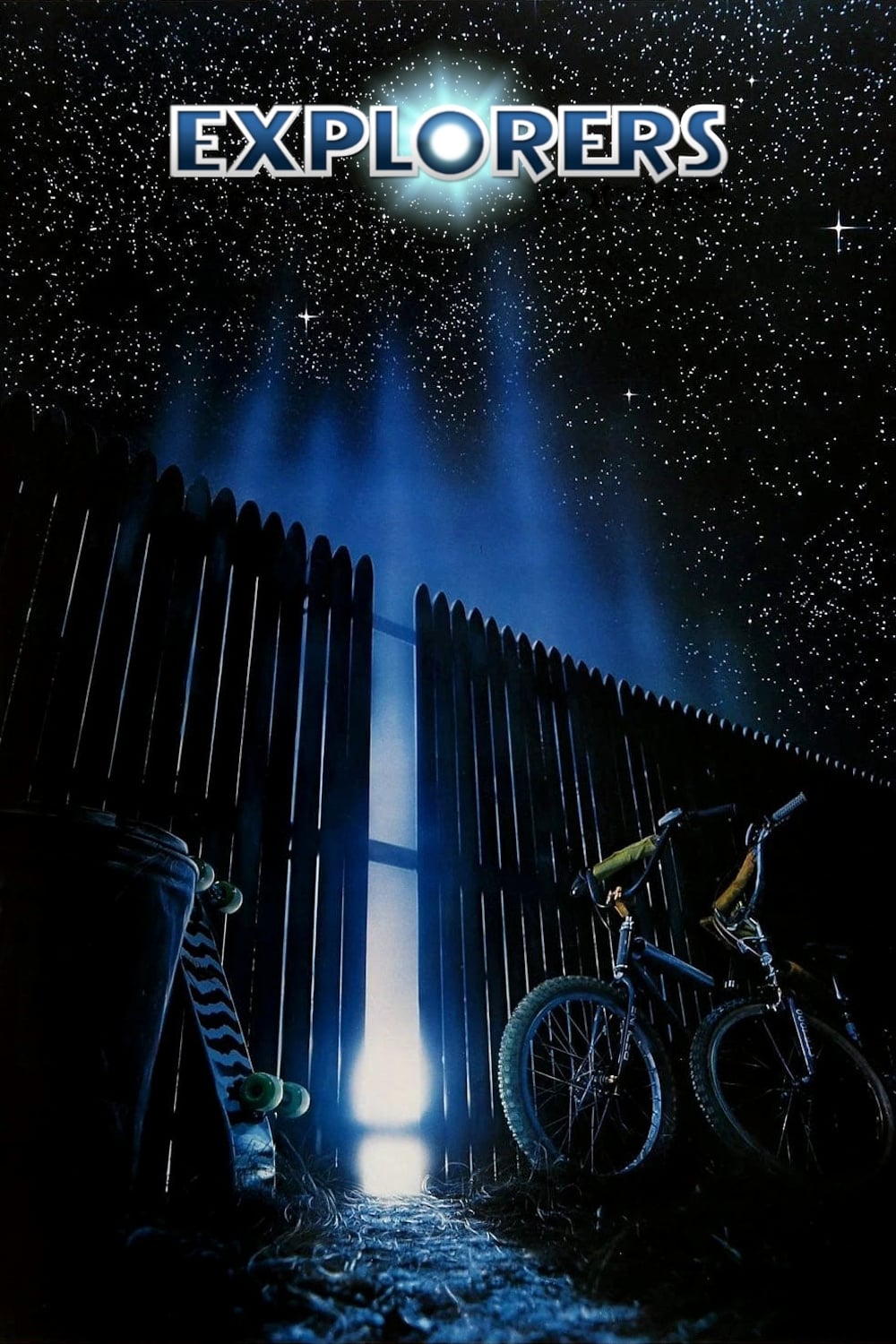
Three friends build a homemade craft after receiving technical blueprints in their dreams. The design allows for a protective field that makes flight possible. Their test flights escalate from neighborhood runs to an off world meeting. The film frames first contact as curiosity driven tinkering backed by school science, scavenged parts, and trial and error.
‘Annihilation’ (2018)
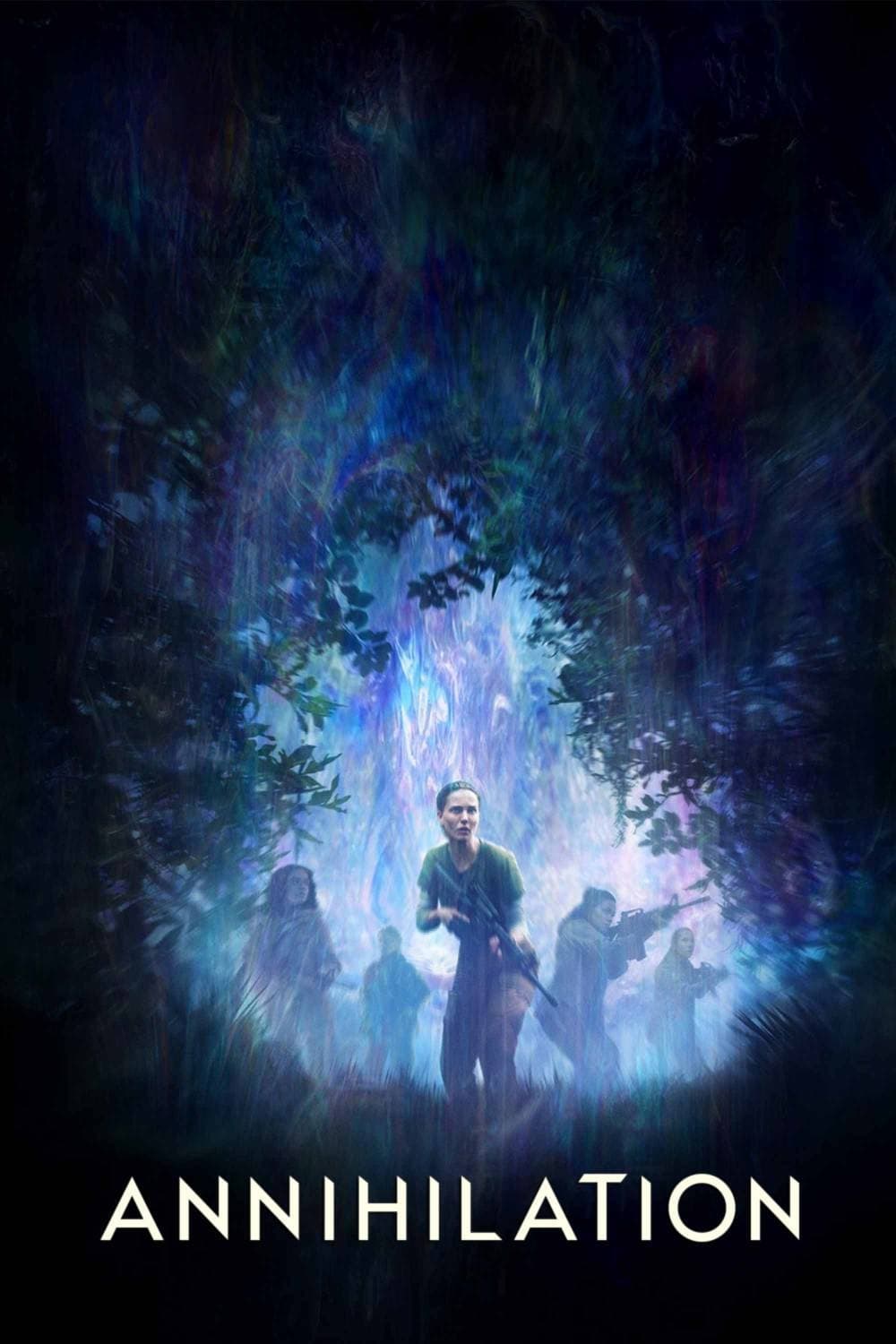
A meteor impact creates a zone where biology shifts and hybridizes at the boundary. An expedition team documents changes with cameras, samples, and field journals. Recordings from earlier missions reveal how exposure alters memory and perception. The encounter focuses on observation, mimicry, and environmental transformation rather than direct conversation.
‘The Thing from Another World’ (1951)
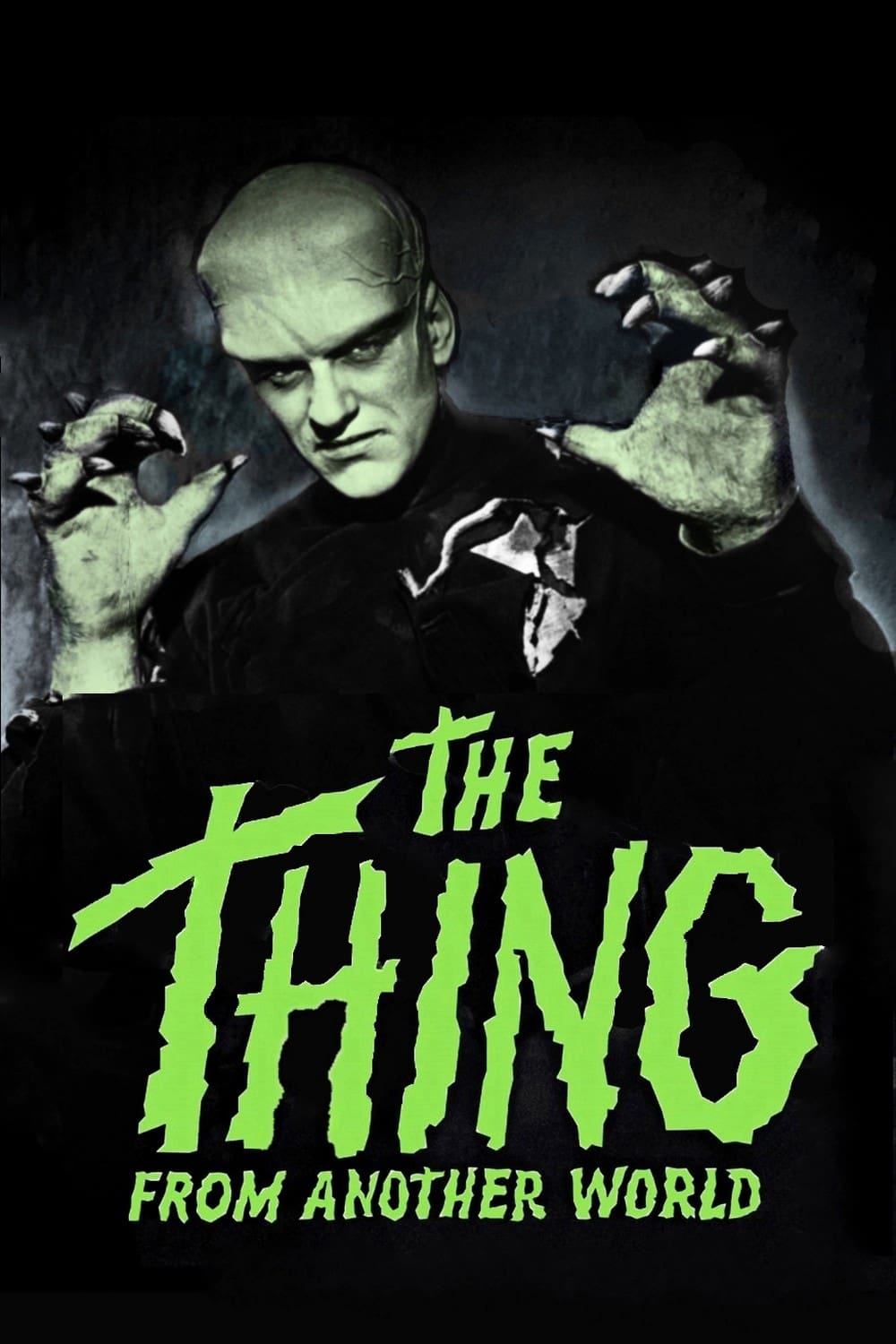
Researchers at a remote Arctic outpost recover a frozen pilot from a buried craft. Thawing triggers a survival response that threatens the station. The team uses Geiger counters, flame units, and perimeter defenses while arguing over scientific ethics. The plot treats contact as a containment problem inside a closed habitat.
‘The Andromeda Strain’ (1971)

A satellite returns with a deadly microorganism that wipes out a desert town. A biohazard team moves to a subterranean lab with strict decontamination levels. Computer models, automated analysis, and color coded zones structure the response. The investigation tracks mutations, growth conditions, and material interactions to find a countermeasure.
‘Independence Day’ (1996)
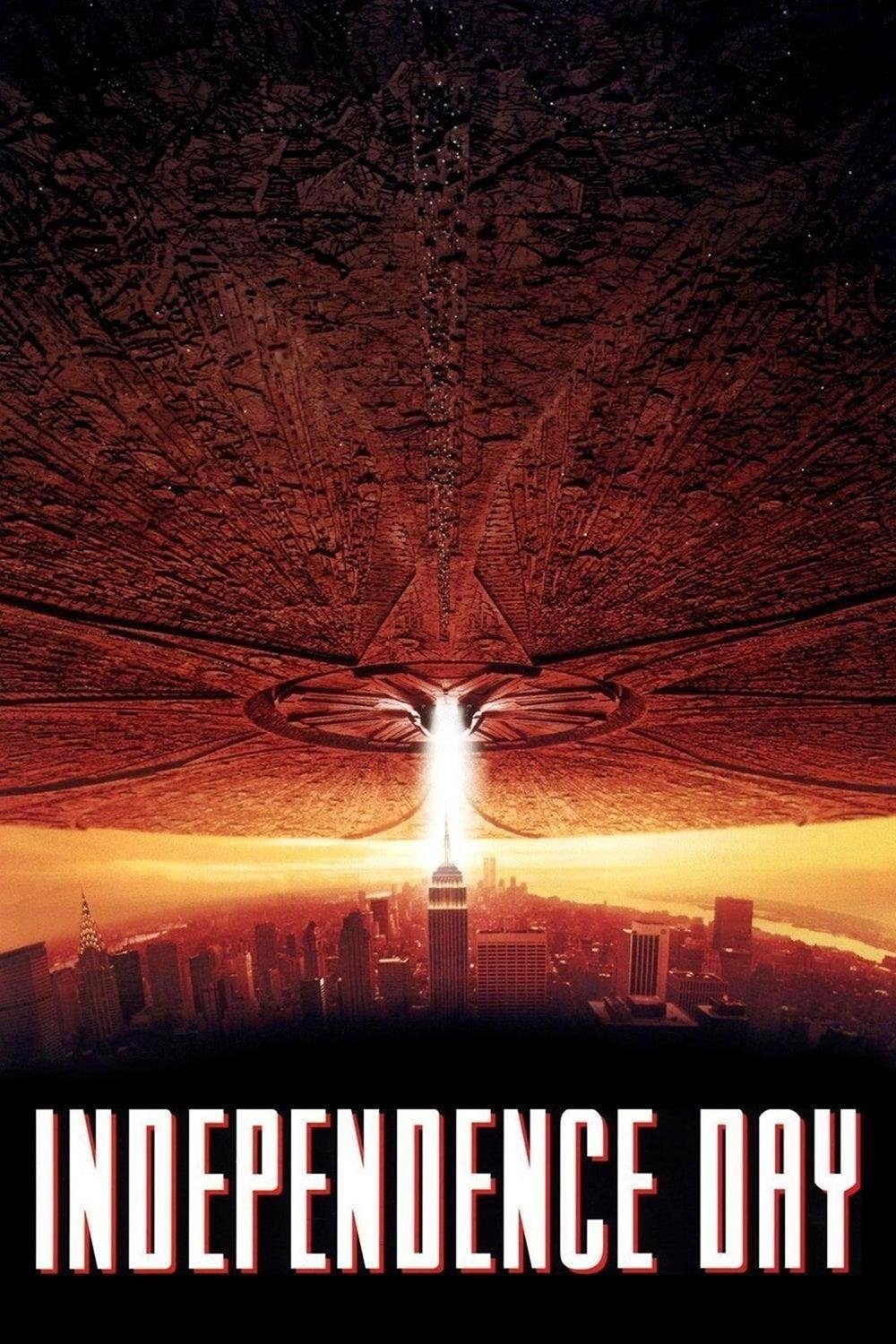
Multiple city sized ships arrive and take position over population centers. Signal specialists detect a countdown embedded in satellite traffic that synchronizes the attack. Military and civilian teams coordinate evacuation, reconnaissance flights, and a counterplan that requires access to the mothership. Miniatures, motion control, and large scale destruction effects depict the global scope of the event.
‘Solaris’ (1972)

A psychologist is sent to a research station where the planet below appears to manifest human memories. The crew experiences visitors who resemble people from their past. Logs and experiments attempt to determine whether the planet is conscious and how it communicates. The encounter shifts from hardware and sensors to introspection, language, and human perception.
‘Life’ (2017)
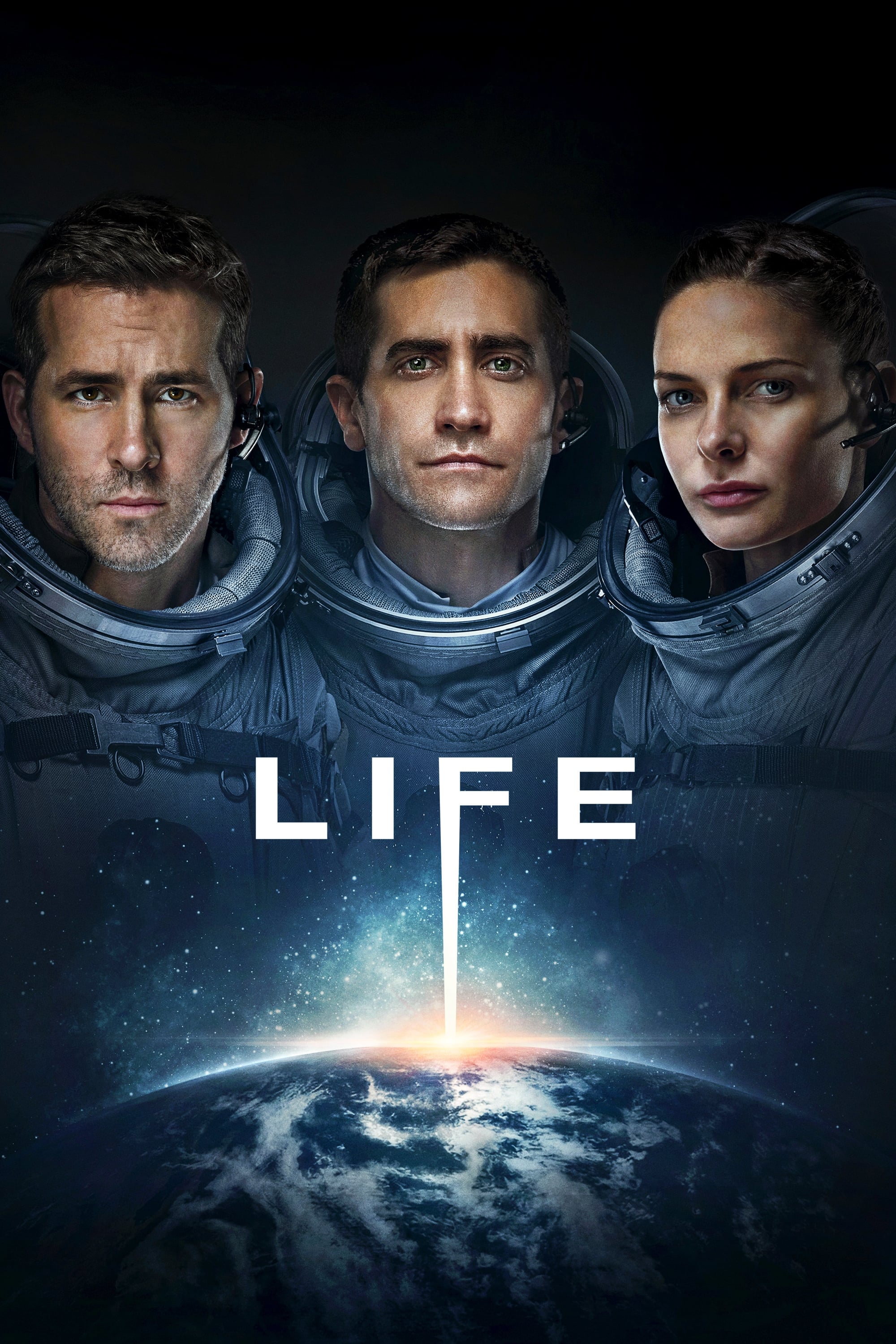
An international crew retrieves a sample that shows active metabolism in the lab. Sedated handling protocols fail after an unexpected growth spurt. The station’s modular design and airlock procedures become critical to containment efforts. The narrative follows escalating countermeasures as the organism adapts to microgravity.
‘K-PAX’ (2001)
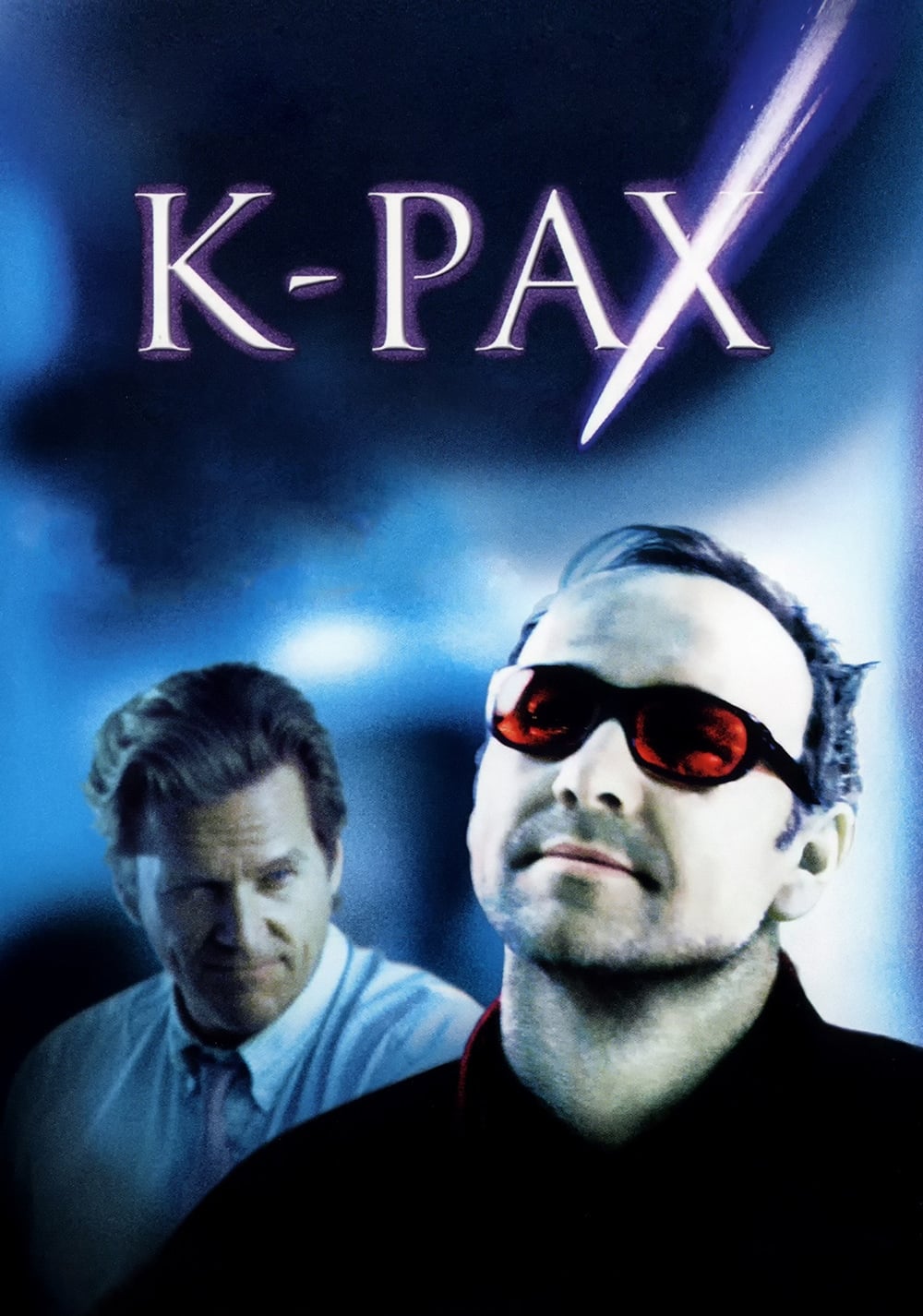
A psychiatric patient claims to be a traveler from a distant system and offers detailed astronomical knowledge. Doctors test the claim through spectroscopy, observational data, and psychological evaluation. Other patients respond to the visitor’s calm explanations and practical advice. The film presents contact as a puzzle that weighs clinical evidence against personal testimony.
Share your favorite first contact story in the comments and tell us why it sticks with you.