Best One-Season Wonders In Anime (Good From Start To Finish)

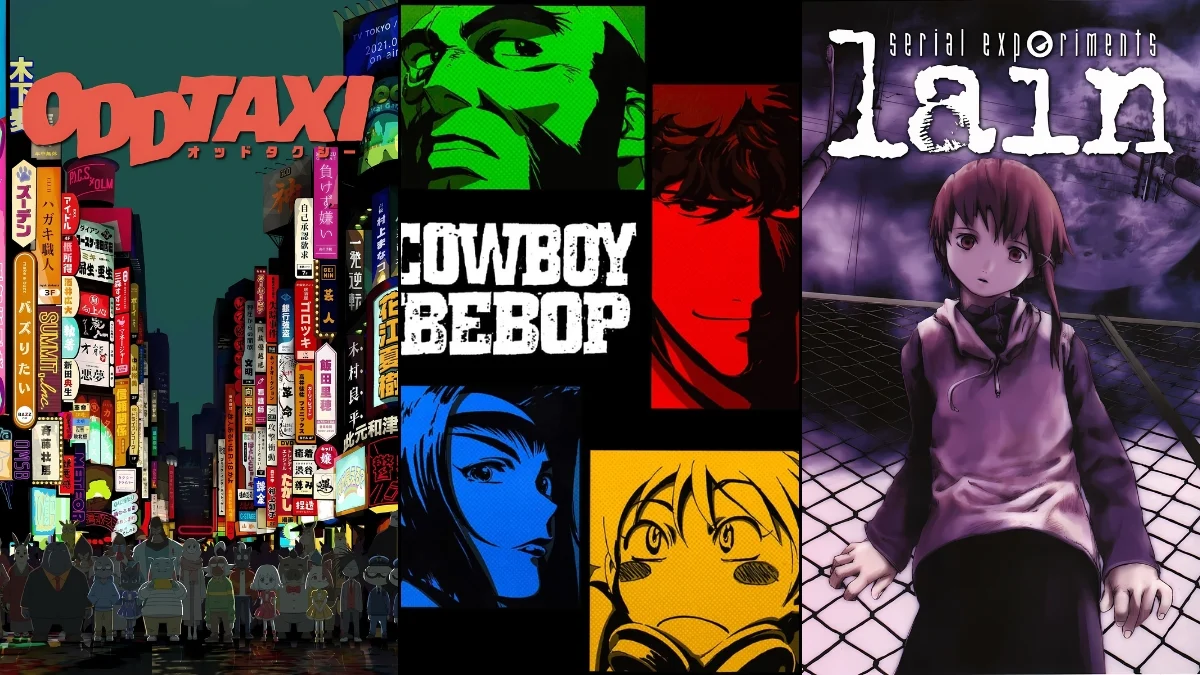

Some series arrive, make their mark in a single burst, and wrap up without needing a follow-up—and anime has plenty of these tightly told, self-contained gems. Below are one-season shows that begin and end their stories within one run, covering a range of genres from mystery and sci-fi to slice-of-life and sports. Each entry includes core details like studio, staff, episode count, and source material, so you can quickly decide what to watch next. Titles are formatted consistently, and everything here stands on its own without requiring later seasons.
‘Cowboy Bebop’ (1998)
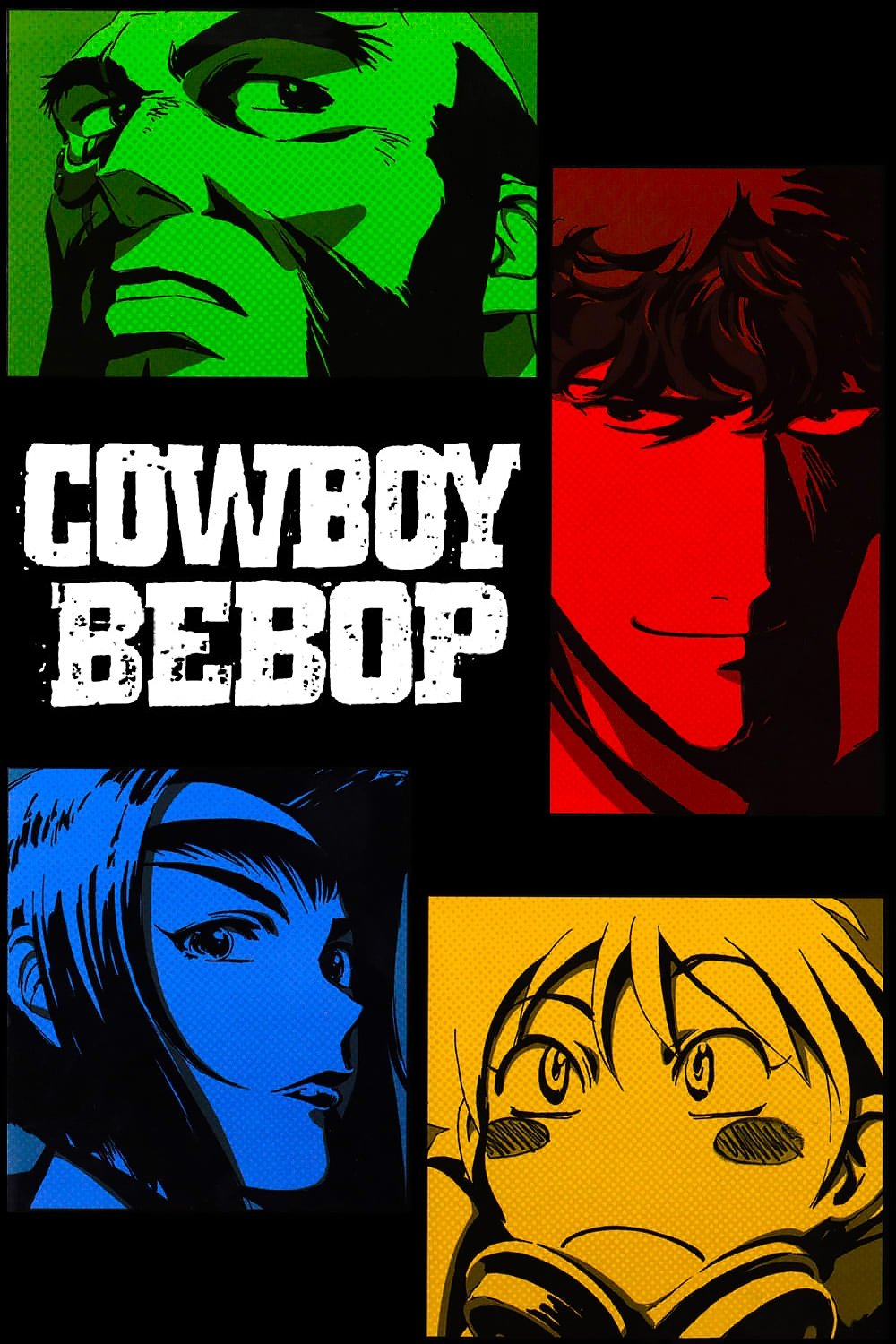
Produced by Sunrise and directed by Shinichirō Watanabe, ‘Cowboy Bebop’ runs 26 episodes that blend bounty-hunting adventures with jazz-infused style. The series features original music by Yoko Kanno and the Seatbelts, which heavily shapes its atmosphere. It follows the crew of the spaceship Bebop as they take on jobs across the solar system while confronting personal pasts. The original story format mixes episodic cases with a serialized through-line focused on the character Spike Spiegel.
‘Samurai Champloo’ (2004–2005)
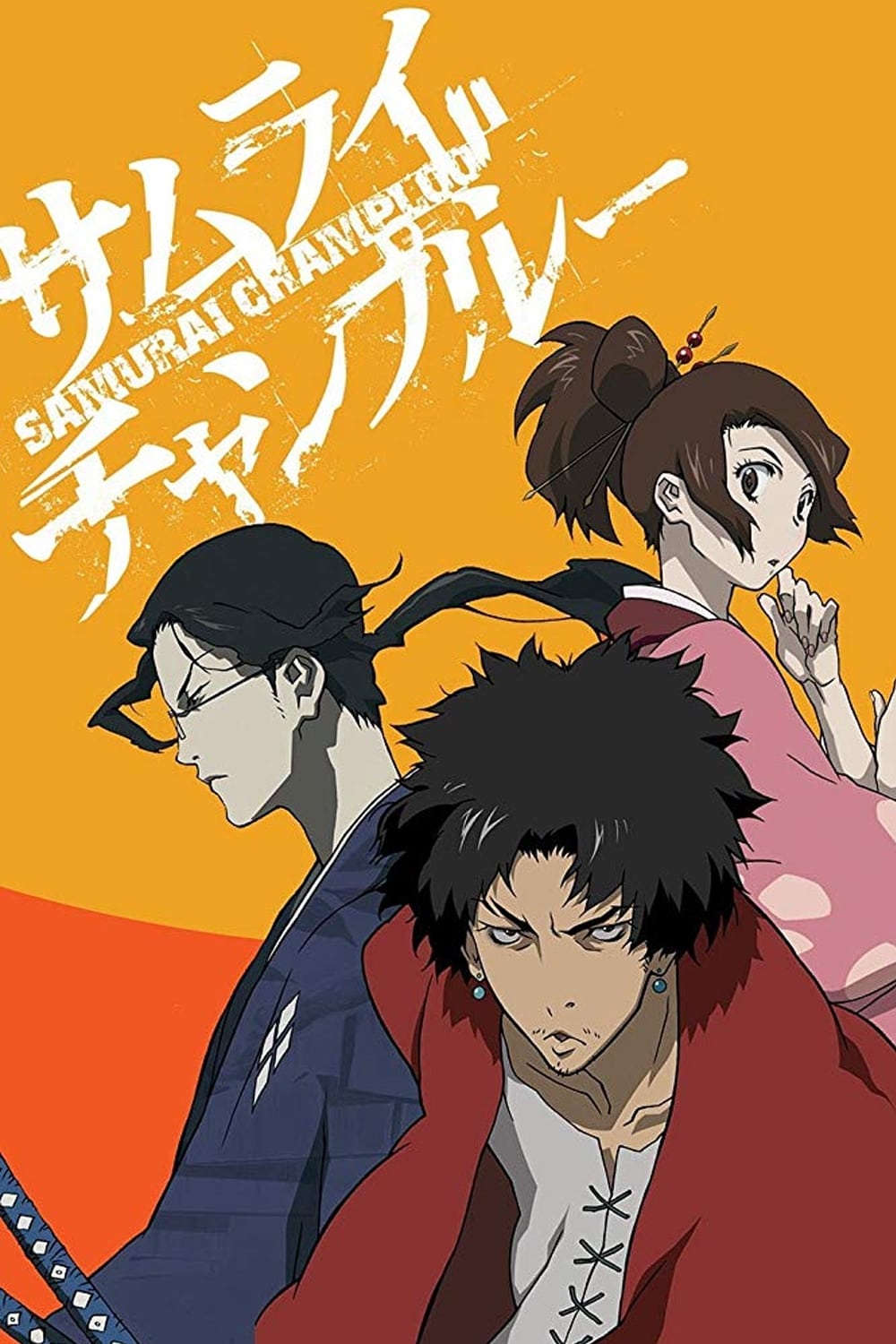
‘Samurai Champloo’ is a 26-episode series from Manglobe, directed by Shinichirō Watanabe. It fuses Edo-period swordplay with hip-hop culture, breakbeats, and graffiti-inspired visuals. The story follows Mugen, Jin, and Fuu on a road trip across Japan to find the “samurai who smells of sunflowers.” Its soundtrack features contributors like Nujabes, Fat Jon, and Tsutchie, giving the show a distinctive audio identity.
‘Paranoia Agent’ (2004)
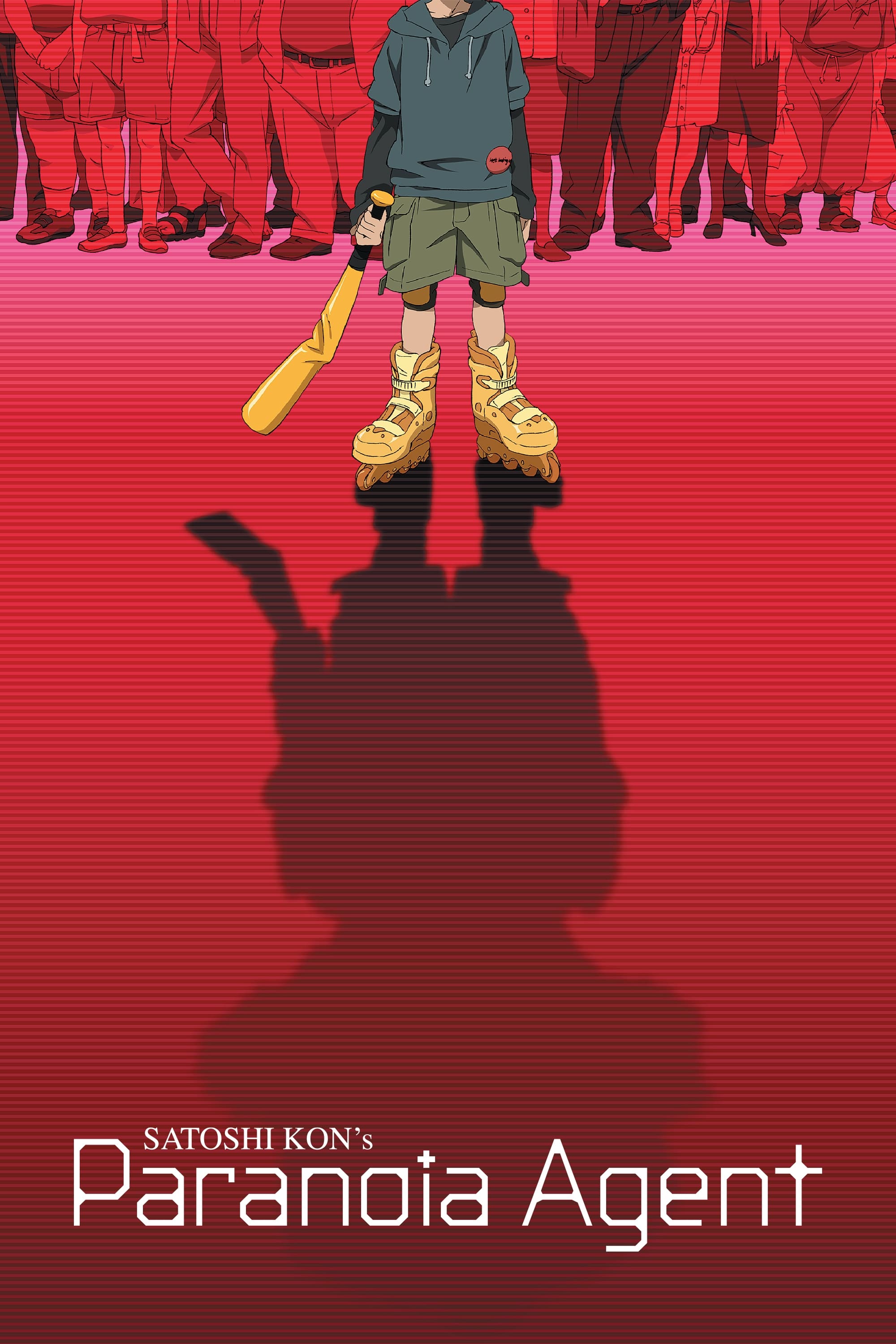
Created and directed by Satoshi Kon at Madhouse, ‘Paranoia Agent’ spans 13 episodes. It centers on a string of assaults by a figure known as Shōnen Bat, using a blend of psychological thriller and social satire. The anthology-like structure explores different victims and perspectives while connecting them through an overarching mystery. The show is an original project rather than a manga adaptation.
‘Death Parade’ (2015)
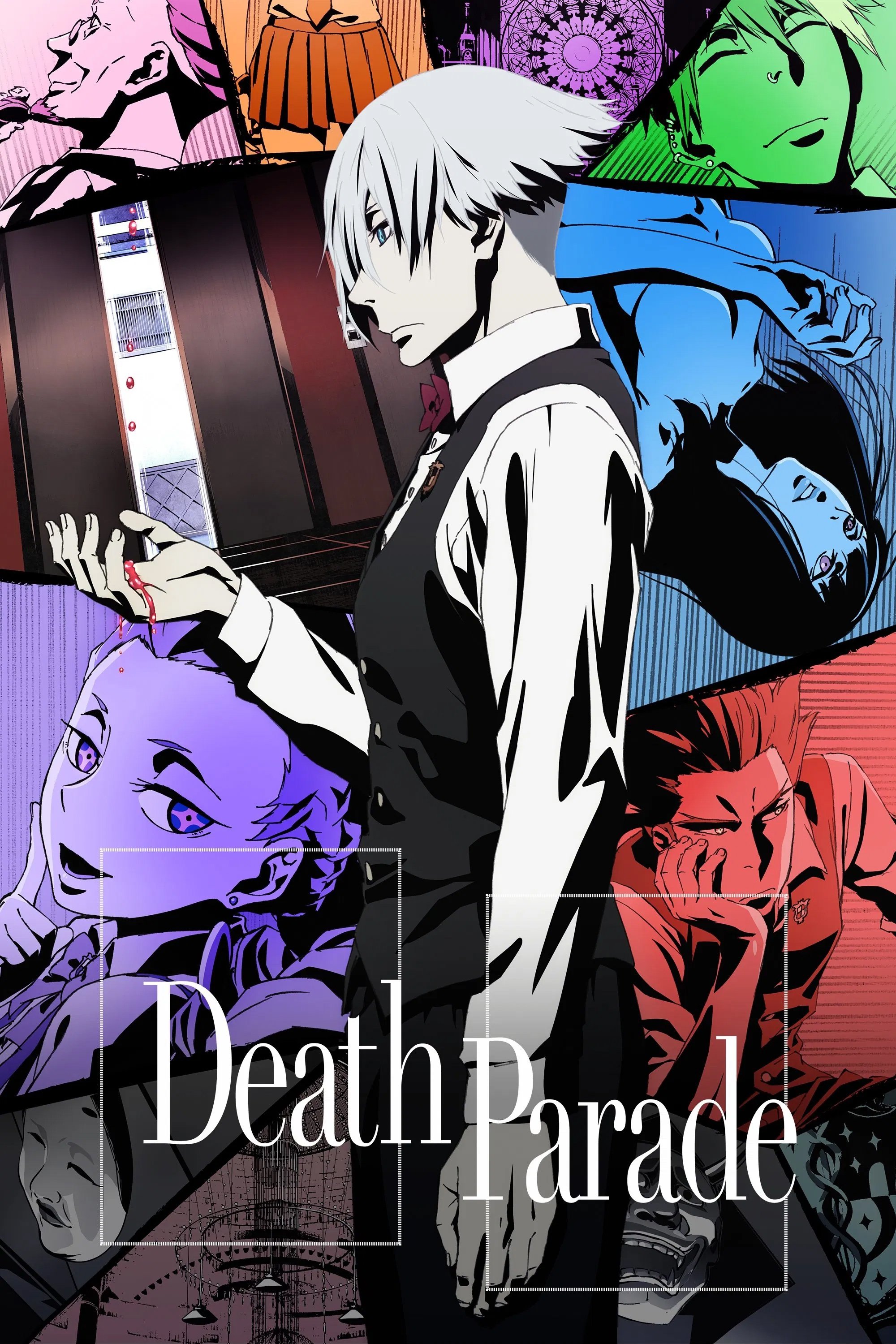
‘Death Parade’ is a 12-episode original from Madhouse, expanding on the short ‘Death Billiards.’ It takes place in the bar Quindecim, where newly deceased individuals play games that reveal their memories and moral choices. The series explores how arbiters judge humans, focusing on Decim and his assistant. It emphasizes contained, character-driven episodes tied together by a concluding arc.
‘Erased’ (2016)
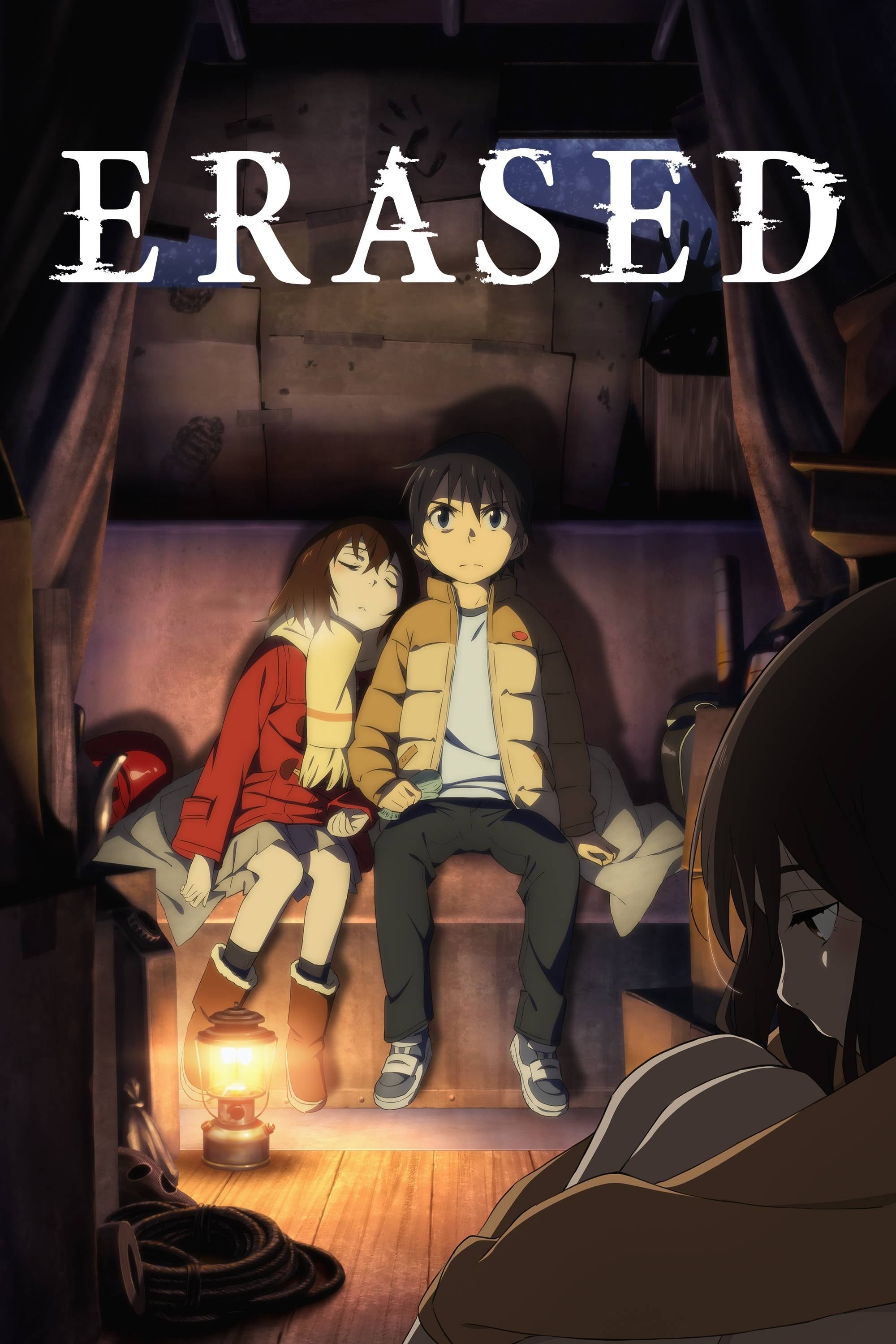
A-1 Pictures produced ‘Erased’ in 12 episodes, adapting Kei Sanbe’s manga ‘Boku dake ga Inai Machi.’ The story follows Satoru Fujinuma, who experiences “revival” time slips that let him prevent tragedies, including a childhood classmate’s abduction case. It alternates between adult and elementary-school timelines as clues are uncovered. The adaptation condenses the manga’s mystery while maintaining a clear investigative thread.
‘Anohana: The Flower We Saw That Day’ (2011)

Super Peace Busters—director Tatsuyuki Nagai, writer Mari Okada, and character designer Masayoshi Tanaka—crafted ‘Anohana’ as an 11-episode original at A-1 Pictures. The plot reunites a childhood friend group after an accident fractures their bond, focusing on grief and reconciliation. Central character “Menma” appears to the protagonist, prompting the group to fulfill an uncompleted wish. The limited episode count keeps the narrative focused on the friends’ shared history and resolution.
‘Baccano!’ (2007)
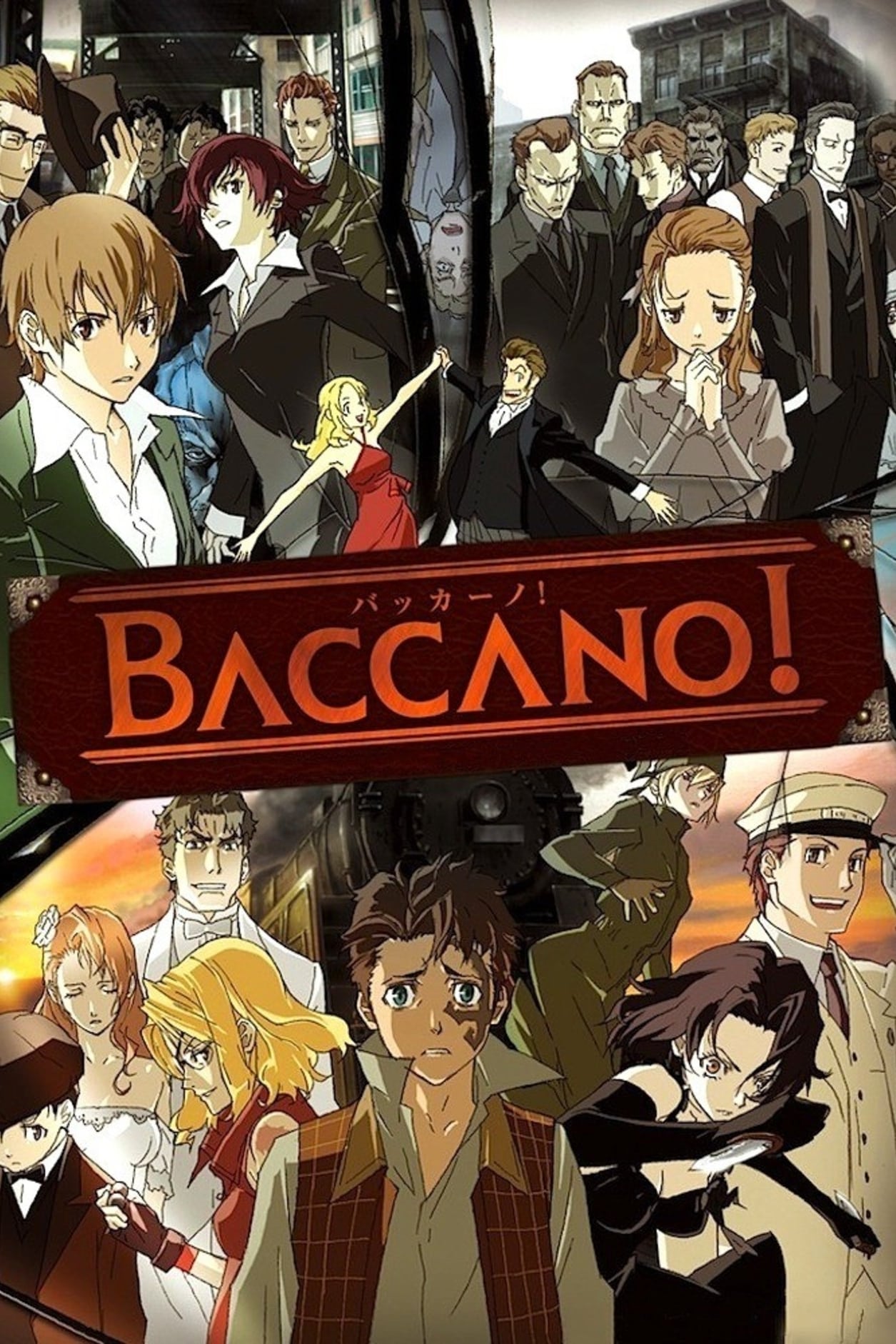
‘Baccano!’ adapts Ryohgo Narita’s light novels into 13 televised episodes plus 3 OVA installments, animated by Brain’s Base. Set primarily during Prohibition, it interweaves multiple timelines involving alchemists, immortals, and gangsters. The out-of-sequence storytelling gradually reveals how separate incidents are connected. Its ensemble cast structure keeps each episode moving among several plot threads that converge.
‘Terror in Resonance’ (2014)
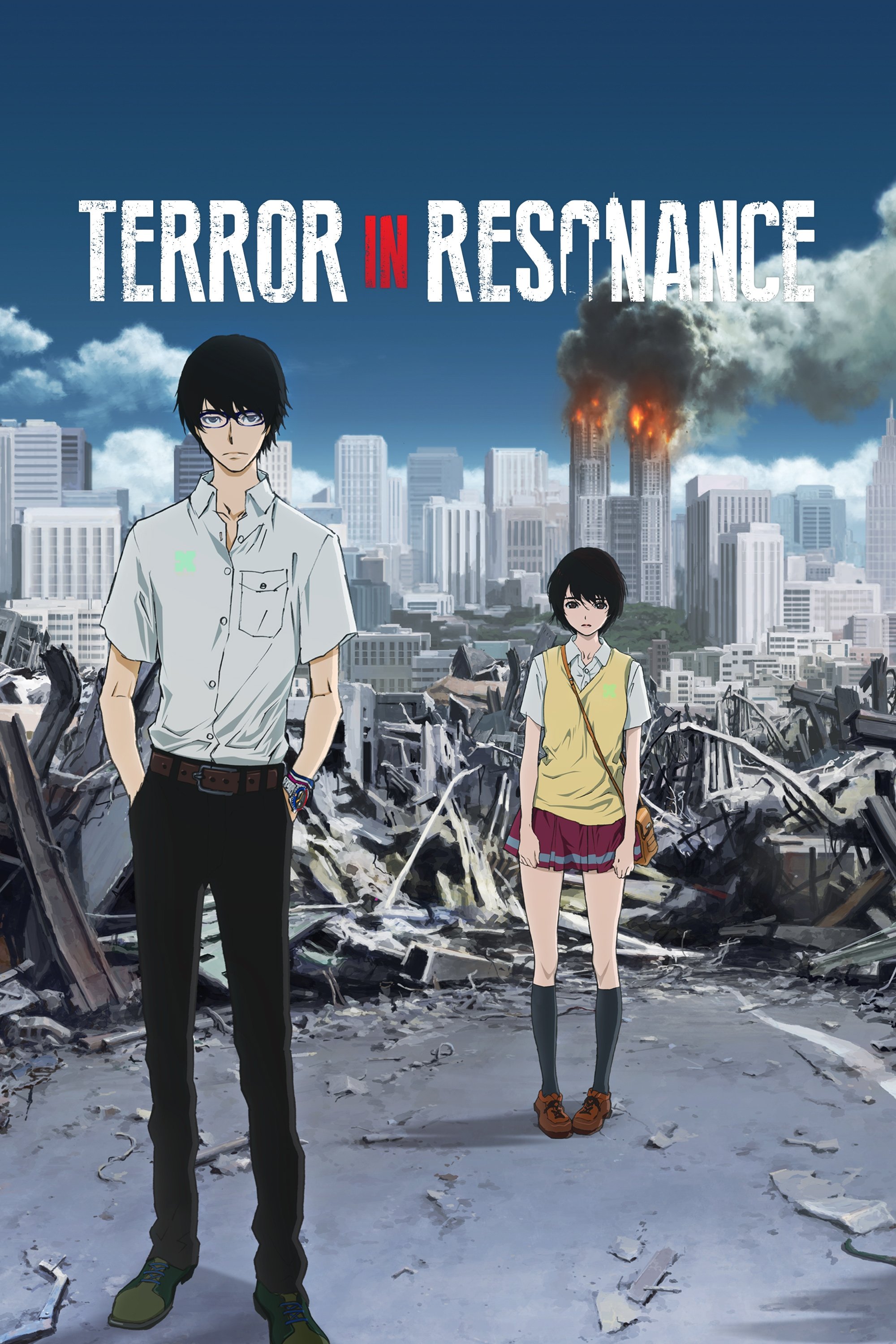
MAPPA produced ‘Terror in Resonance’ as an 11-episode original directed by Shinichirō Watanabe with music by Yoko Kanno. The story follows two teenage perpetrators of high-profile attacks in Tokyo, leaving riddles for authorities to solve. It examines their motivations through a cat-and-mouse dynamic with a skilled detective. The series is self-contained, concluding the mystery it sets up.
‘Devilman Crybaby’ (2018)
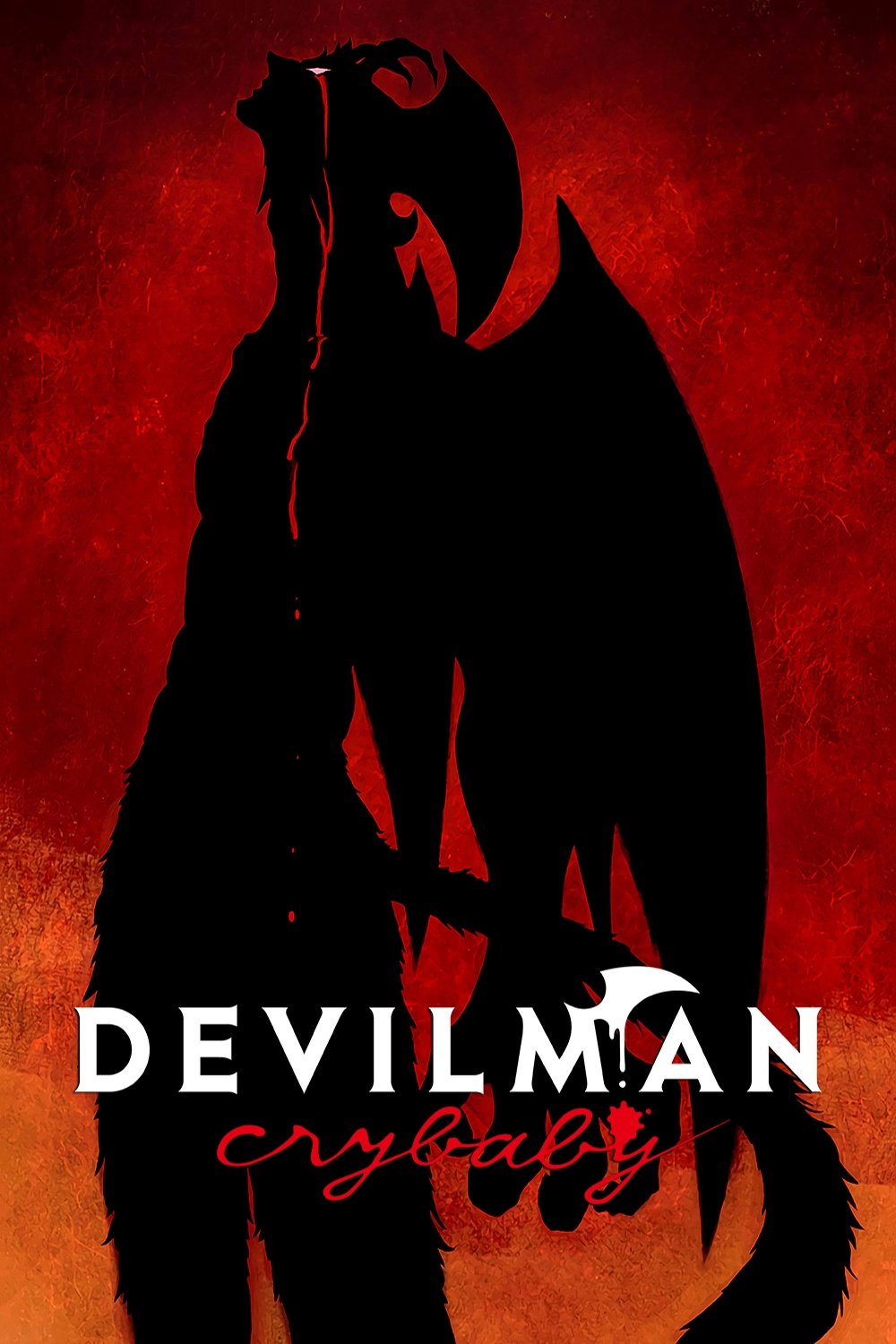
Science SARU’s ‘Devilman Crybaby’ adapts Go Nagai’s classic manga into 10 episodes directed by Masaaki Yuasa. The plot centers on Akira Fudō, who becomes a Devilman to confront a hidden demonic threat within humanity. The show modernizes settings, technology, and character dynamics while following the manga’s core conflict. It uses stylized animation and music to frame its apocalyptic narrative.
‘The Tatami Galaxy’ (2010)
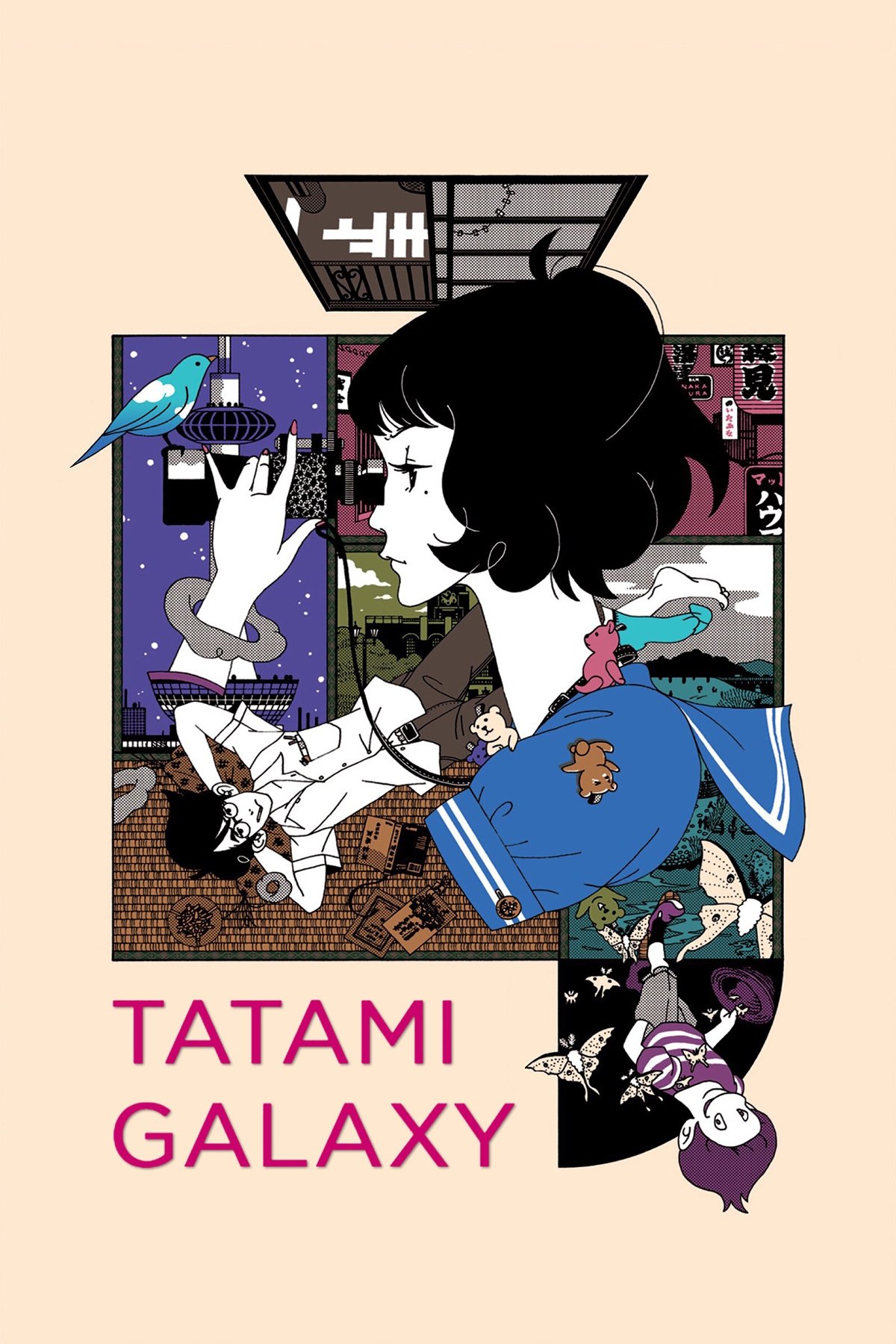
Masaaki Yuasa directed ‘The Tatami Galaxy’ at Madhouse, adapting Tomihiko Morimi’s novel into 11 episodes. The nameless protagonist repeatedly relives his university years, exploring alternate clubs and social choices. Each loop reframes prior events, revealing how small decisions alter outcomes. The rapid-fire narration and visual motifs tie the anthology-like episodes into a singular resolution.
‘Kaiba’ (2008)
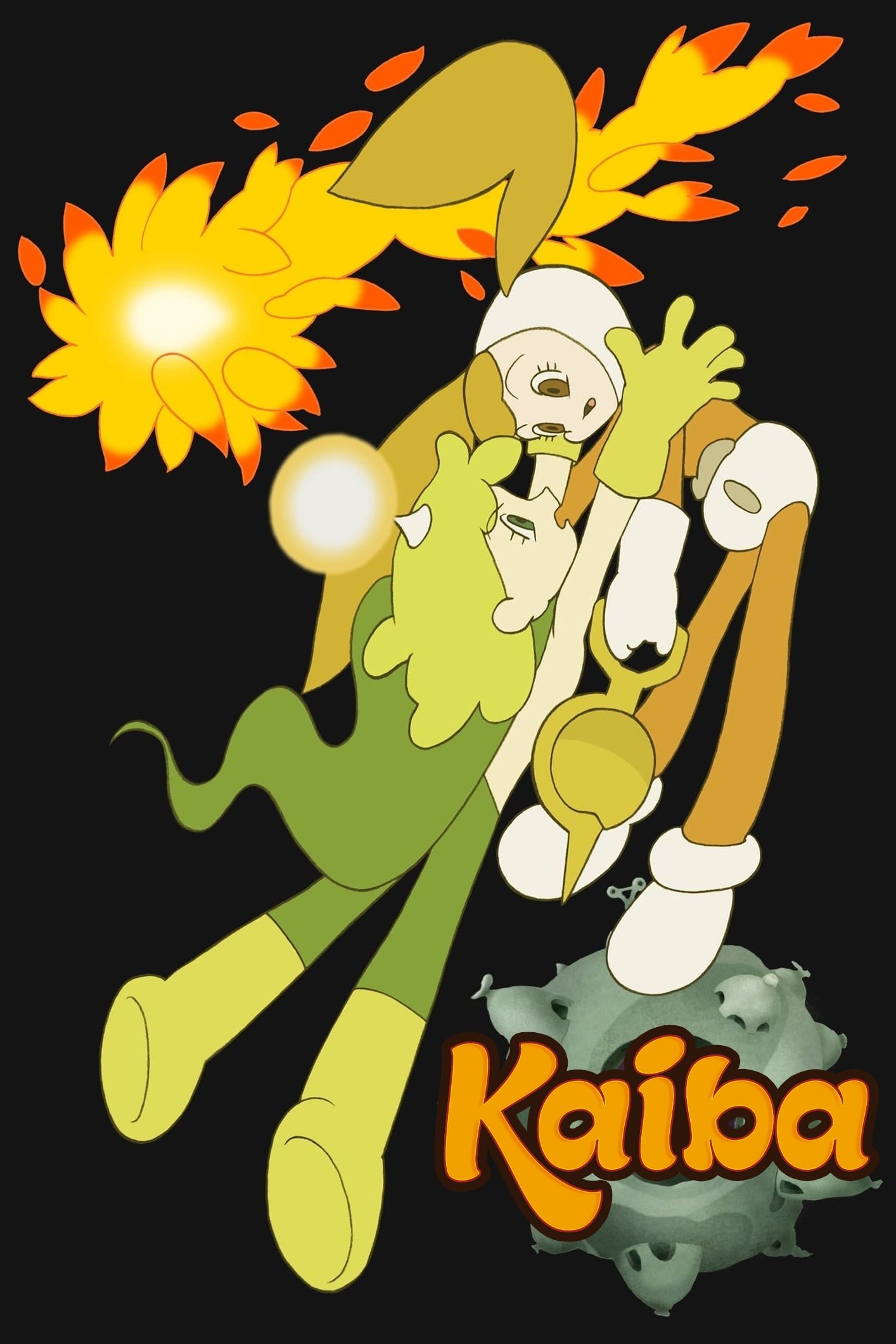
‘Kaiba’ is a 12-episode original by Masaaki Yuasa and Madhouse, set in a world where memories can be stored and bodies replaced. The protagonist awakens without memories and travels across class-divided worlds to uncover his identity. Episodic encounters highlight how memory technology affects society and relationships. The show concludes its central mystery within its single run.
‘ODDTAXI’ (2021)
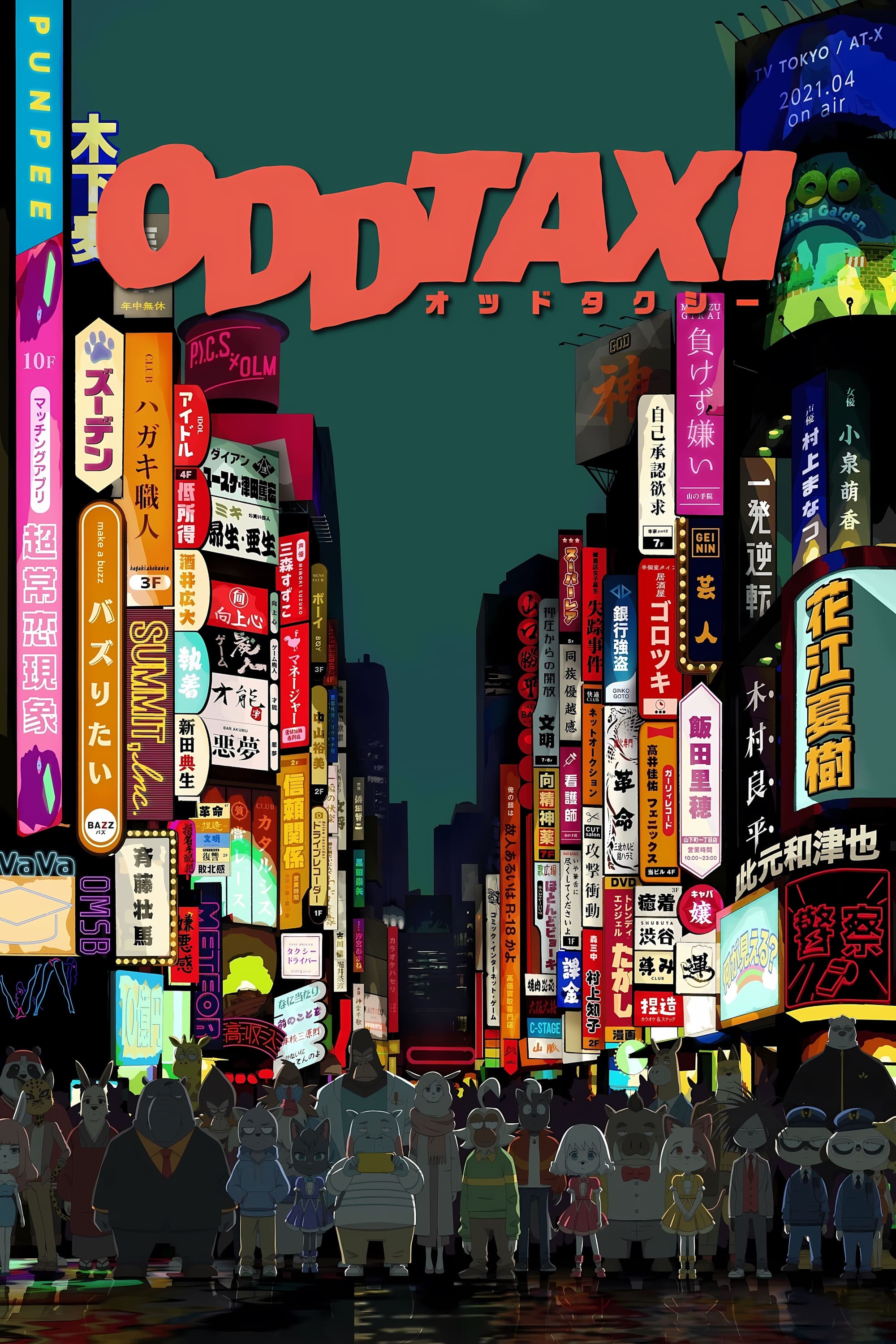
‘Odd Taxi’ is a 13-episode original by OLM and P.I.C.S., following taxi driver Odokawa as he ferries a web of interconnected passengers. A missing-person case underpins the narrative, with clues seeded across conversations and side stories. Character arcs intersect through social media, underground crime, and show business. The series wraps its plotlines and reveals with a closed ending.
‘Call of the Night’ (2022)
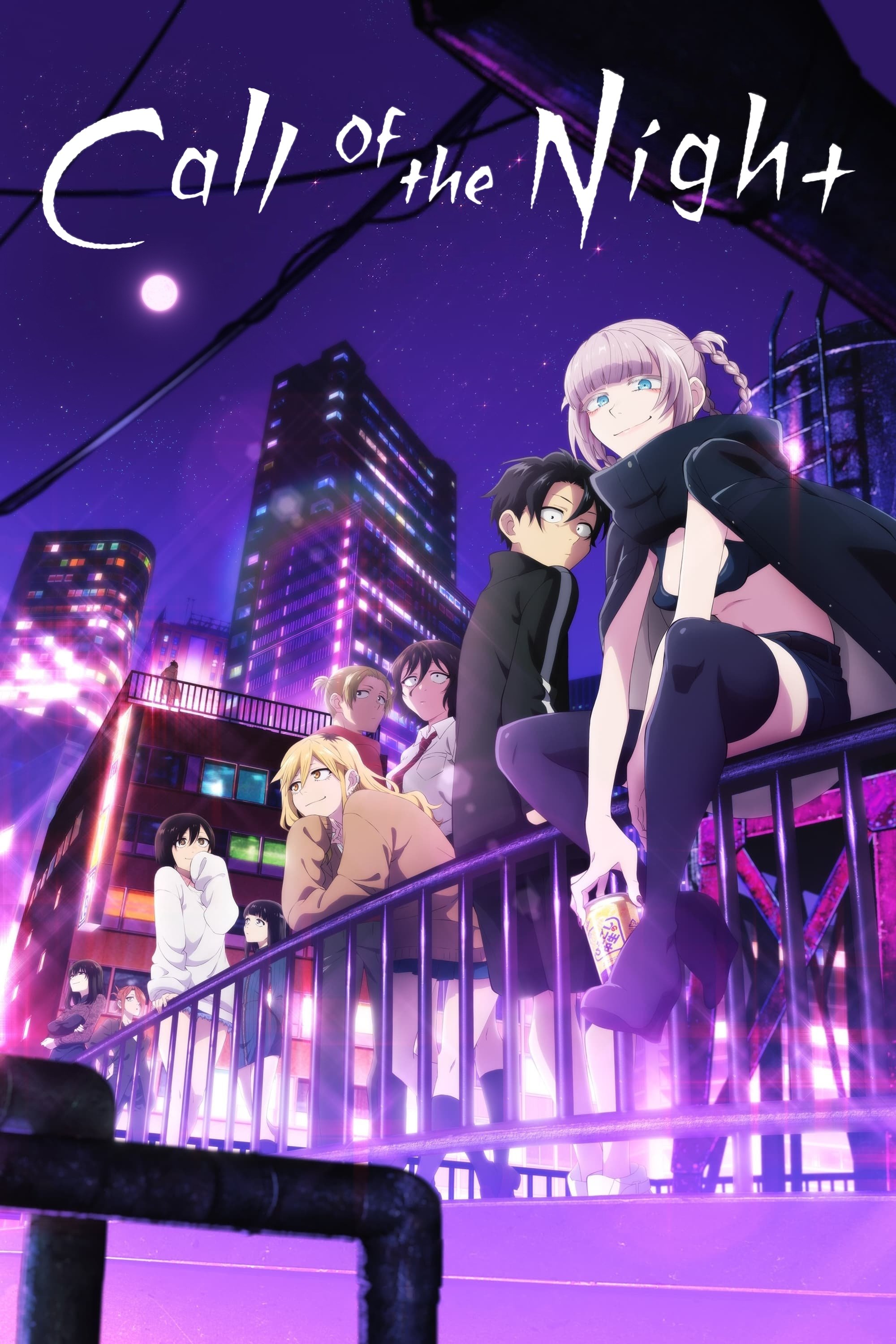
Liden Films adapts Kotoyama’s manga ‘Yofukashi no Uta’ into a 13-episode season. It follows teenager Kō Yamori’s nocturnal wanderings and his encounters with the vampire Nazuna Nanakusa. Urban nightscapes and low-key dialogue scenes structure the episodes around rules of vampirism and personal choice. The adaptation covers early arcs while delivering a self-contained emotional through-line.
‘No Game No Life’ (2014)
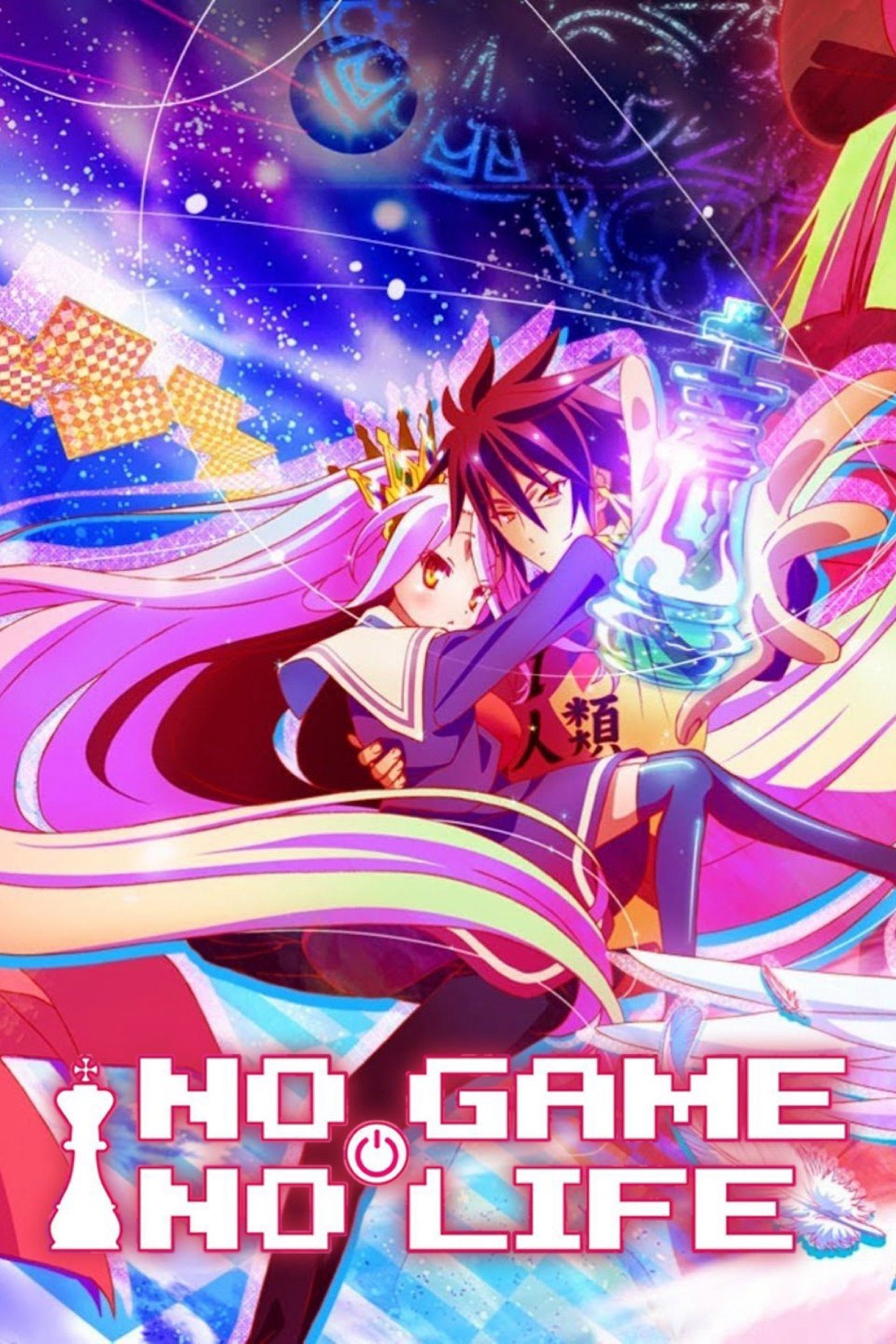
Madhouse adapted Yū Kamiya’s light novel ‘No Game No Life’ into 12 episodes. Siblings Sora and Shiro are transported to a world where conflicts are resolved through binding games. The series details game rules, strategies, and wagers that govern disputes among races. It concludes its season with a completed arc while pointing to broader world lore.
‘Angel Beats!’ (2010)
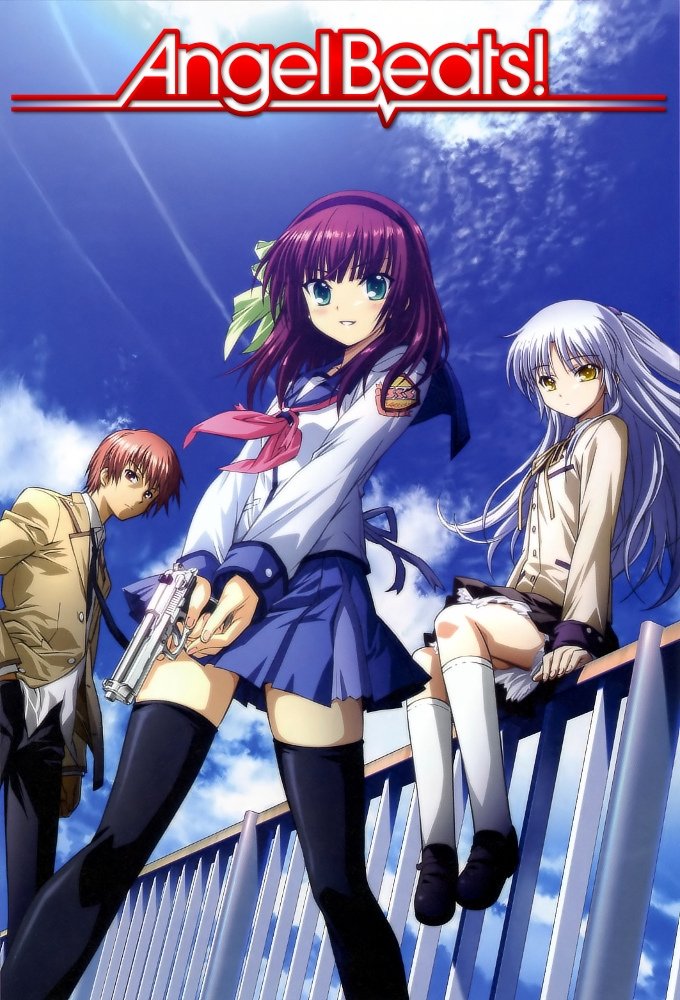
‘Angel Beats!’ is a 13-episode original by P.A. Works, created by Jun Maeda with character designs by Na-Ga. Set in a school-like afterlife, it follows students resisting predetermined fates while forming a band and a resistance group. Individual episodes focus on backstories and “graduation” from unresolved regrets. The series resolves its central conflict within the season, with additional OVA content as epilogues.
‘Another’ (2012)
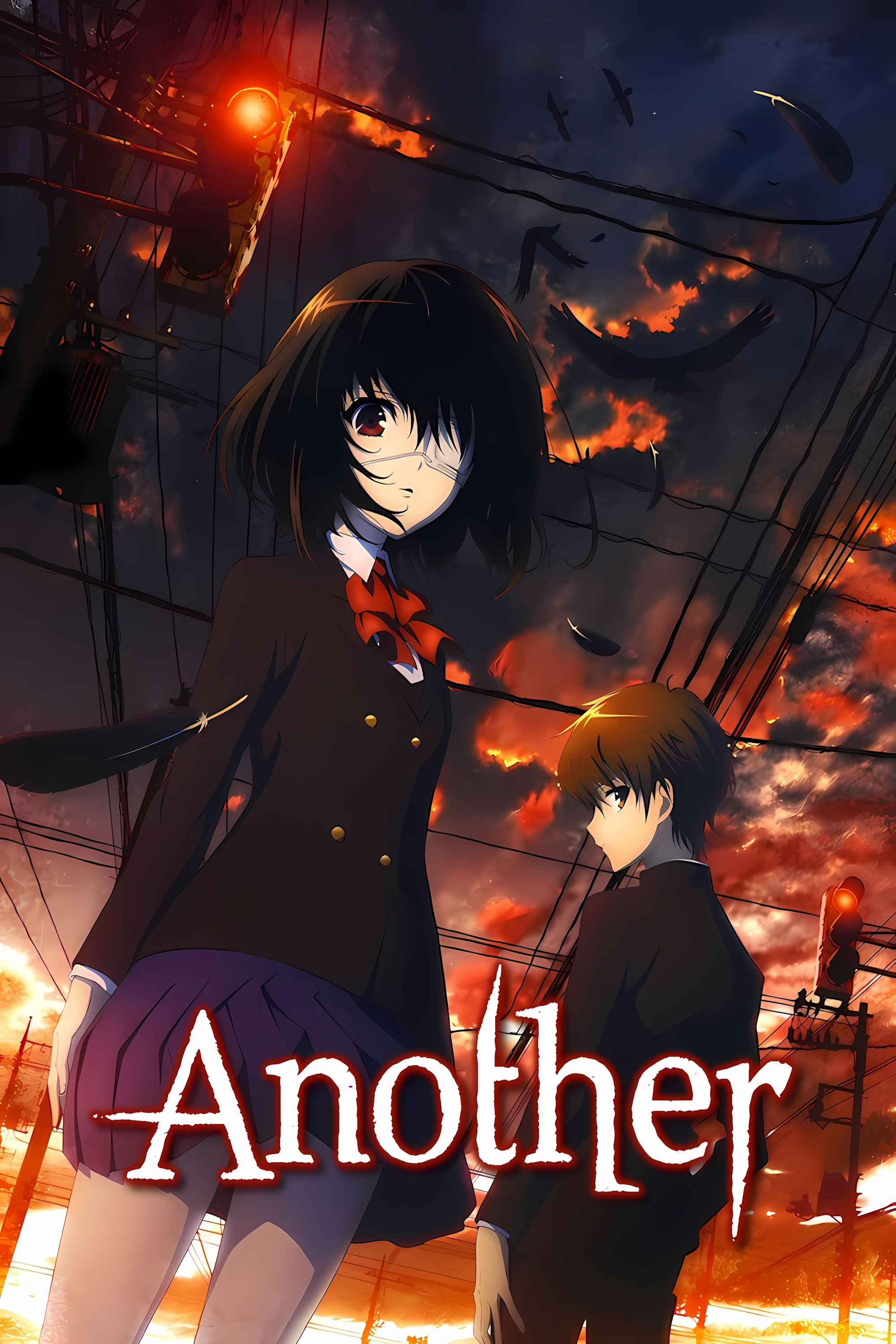
P.A. Works adapted Yukito Ayatsuji’s mystery novel ‘Another’ into 12 episodes plus an OVA. The story involves a cursed classroom and a cycle of unexplained deaths tied to a broken roster rule. Investigations revolve around class lists, seating charts, and rituals to break the phenomenon. The mystery is contained to the class’s cohort and concludes within the season.
‘Sarazanmai’ (2019)
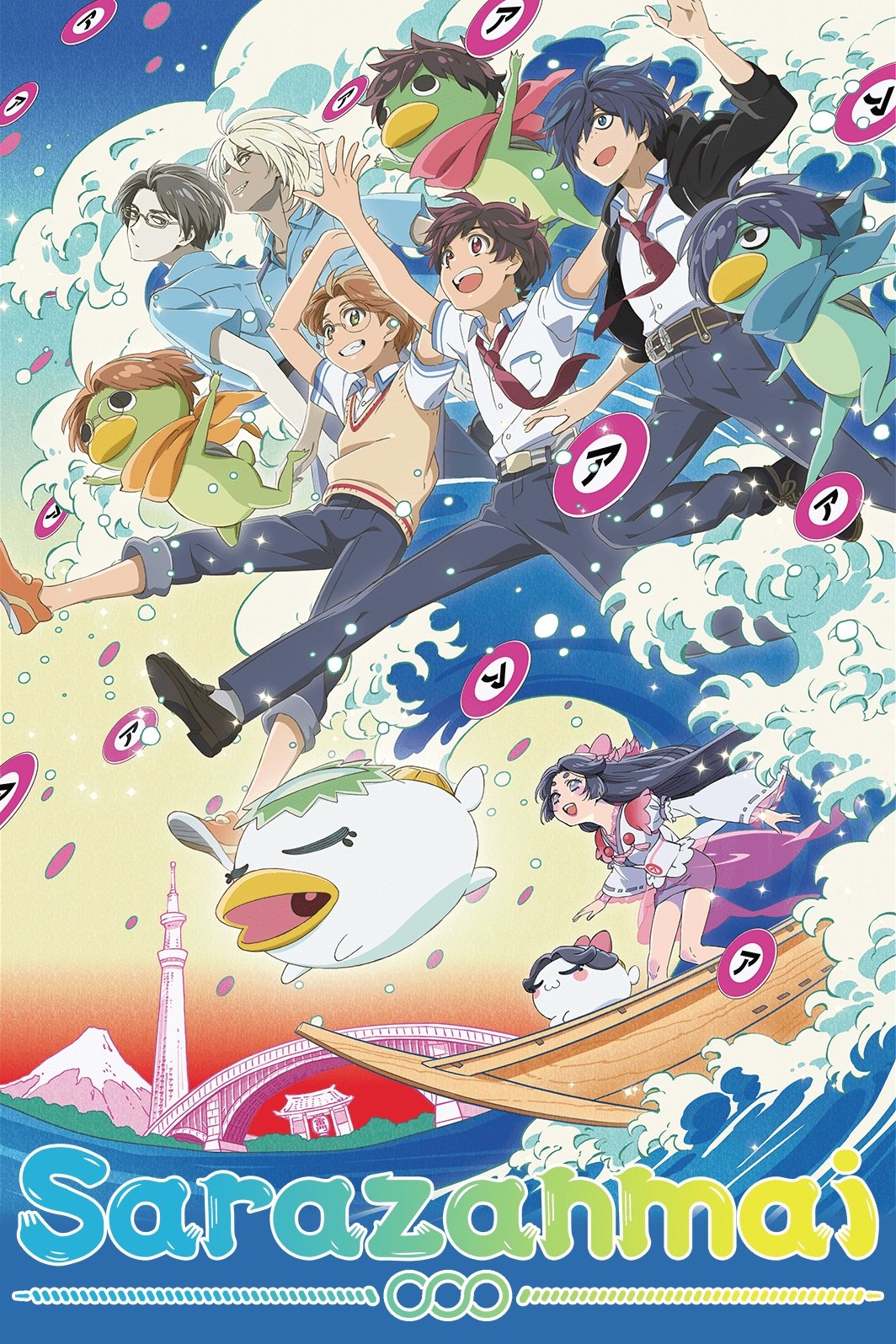
MAPPA and Lapin Track produced ‘Sarazanmai’ as an 11-episode original from director Kunihiko Ikuhara. Three middle-school boys are transformed into kappas and must collect shirikodama from victims to obtain “dish” rewards. The show uses monster-of-the-week structure while threading serialized revelations about connections among the boys. Musical set-pieces and repeated motifs serve narrative functions that pay off by the finale.
‘Dorohedoro’ (2020)
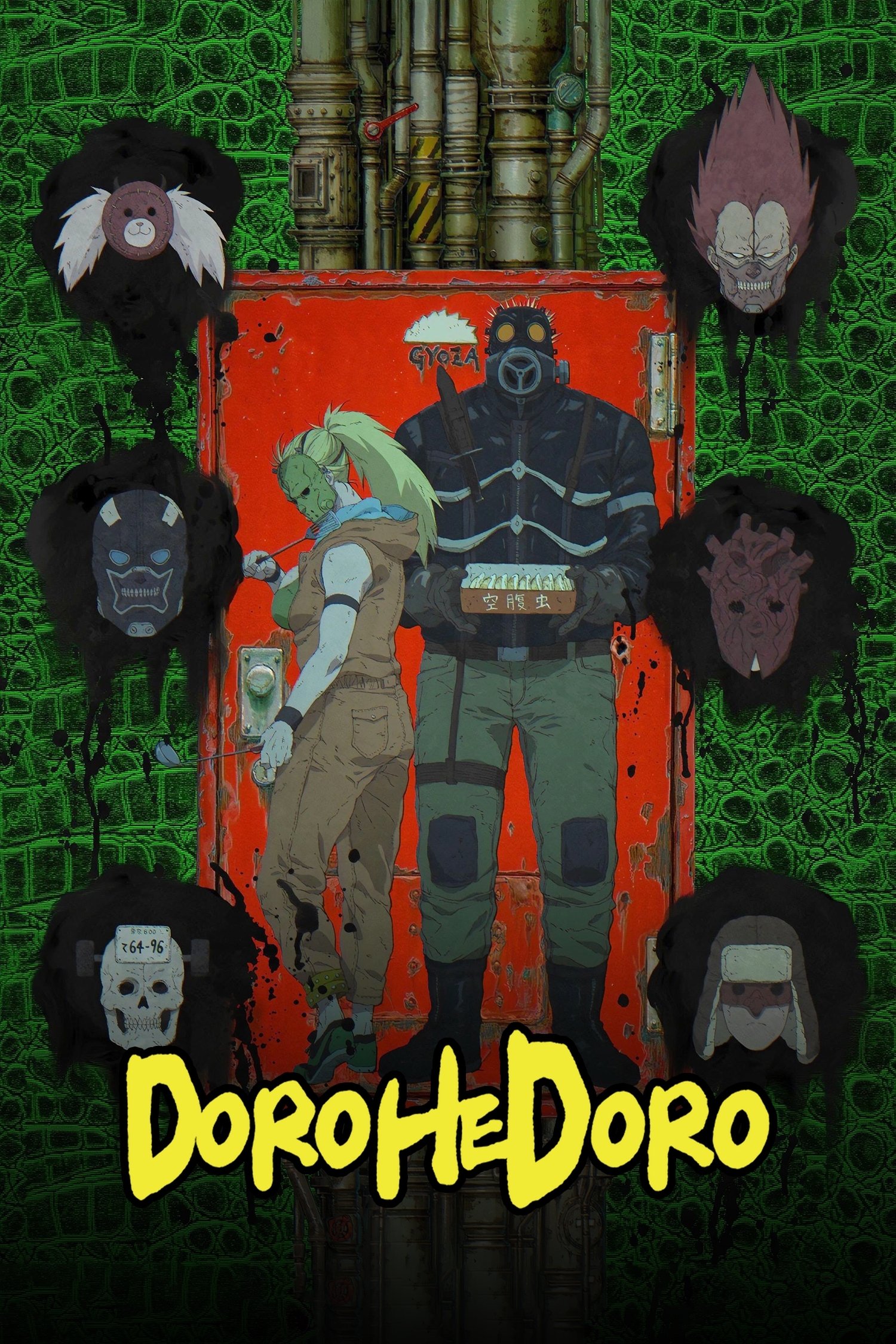
MAPPA’s ‘Dorohedoro’ adapts Q Hayashida’s manga across 12 episodes plus OVA shorts. It follows Caiman, a man with a reptilian head, and his search for the sorcerer who transformed him, set between the Hole and the sorcerers’ world. The adaptation balances episodic hunts with incremental discoveries about identities and factions. CG and hand-drawn elements are combined to depict combat and cityscapes.
‘Keep Your Hands Off Eizouken!’ (2020)
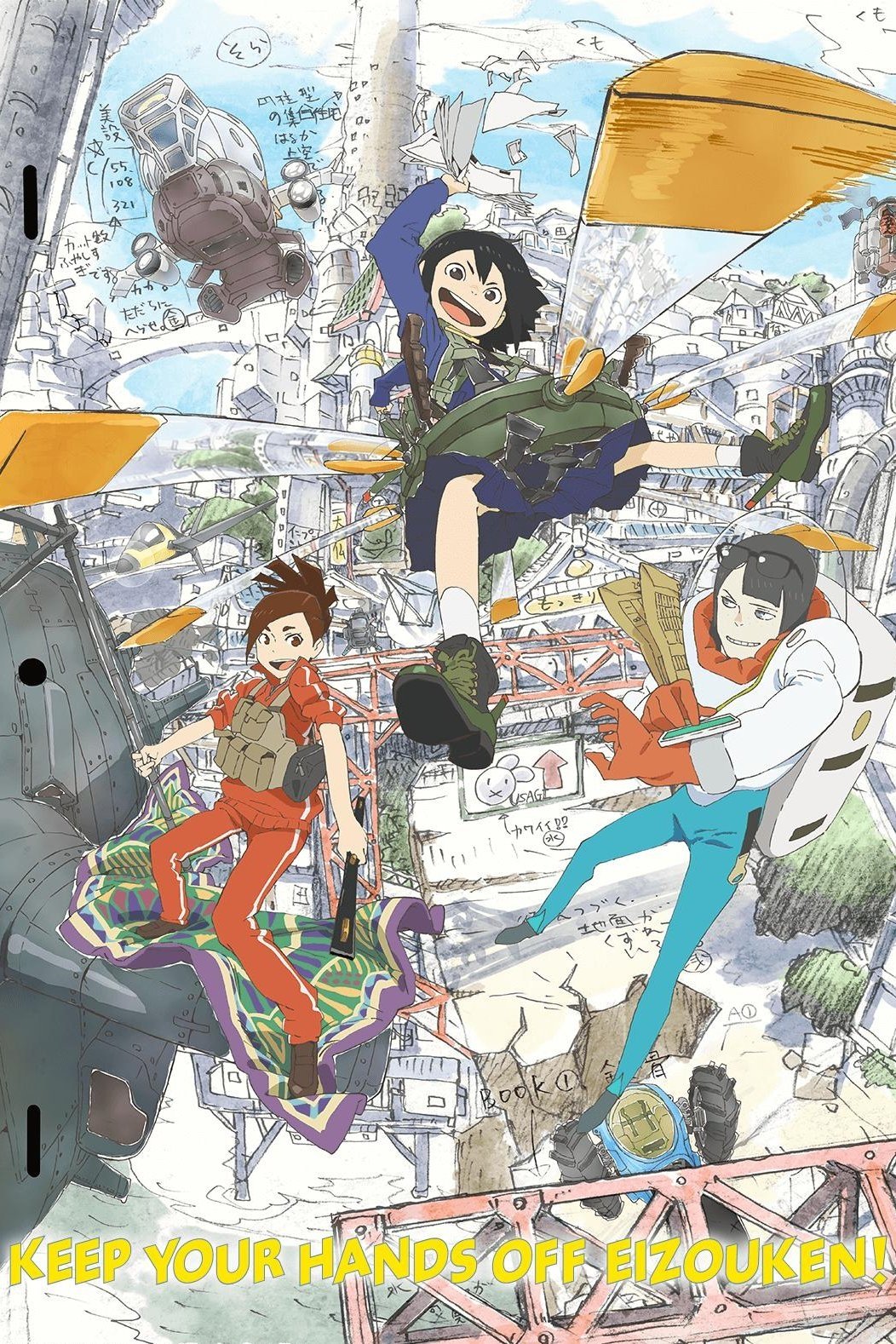
Science SARU adapted Sumito Ōwara’s manga into 12 episodes directed by Masaaki Yuasa. Three high-school girls build an unofficial club to produce animation, negotiating budgets, facilities, and school rules. Sequences alternate between real-world production hurdles and imaginative “world sketches” that visualize planning. The season tracks a full project pipeline from concept to screening.
‘Kabaneri of the Iron Fortress’ (2016)
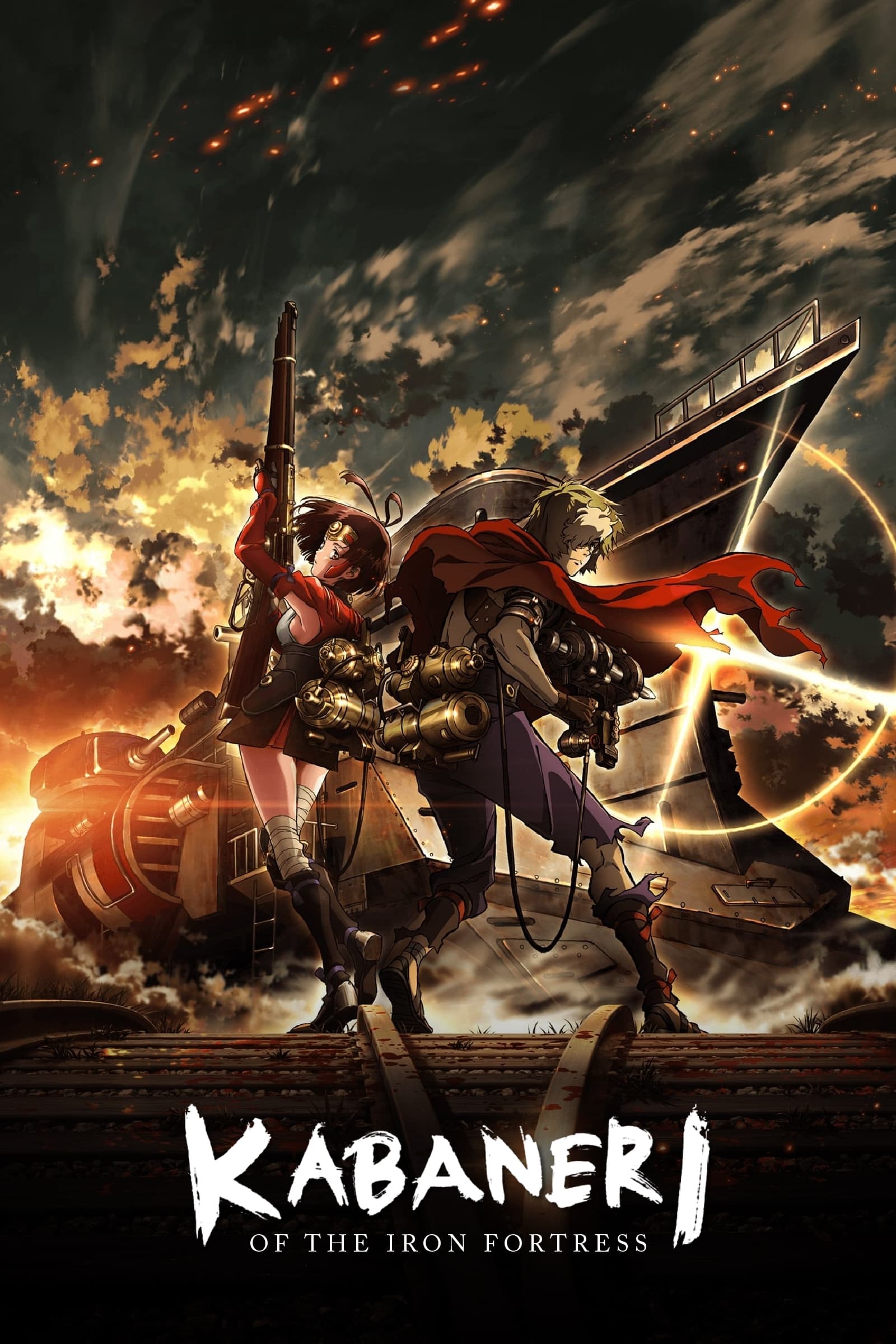
Wit Studio produced ‘Kabaneri of the Iron Fortress’ as a 12-episode original directed by Tetsurō Araki. Humanity survives on fortified stations and armored trains while fighting kabane—undead creatures with protected hearts. The protagonist develops a hybrid condition, changing combat tactics and social dynamics. The story covers a major threat to the network of stations and resolves it within the season.
‘Gankutsuou’ (2004–2005)
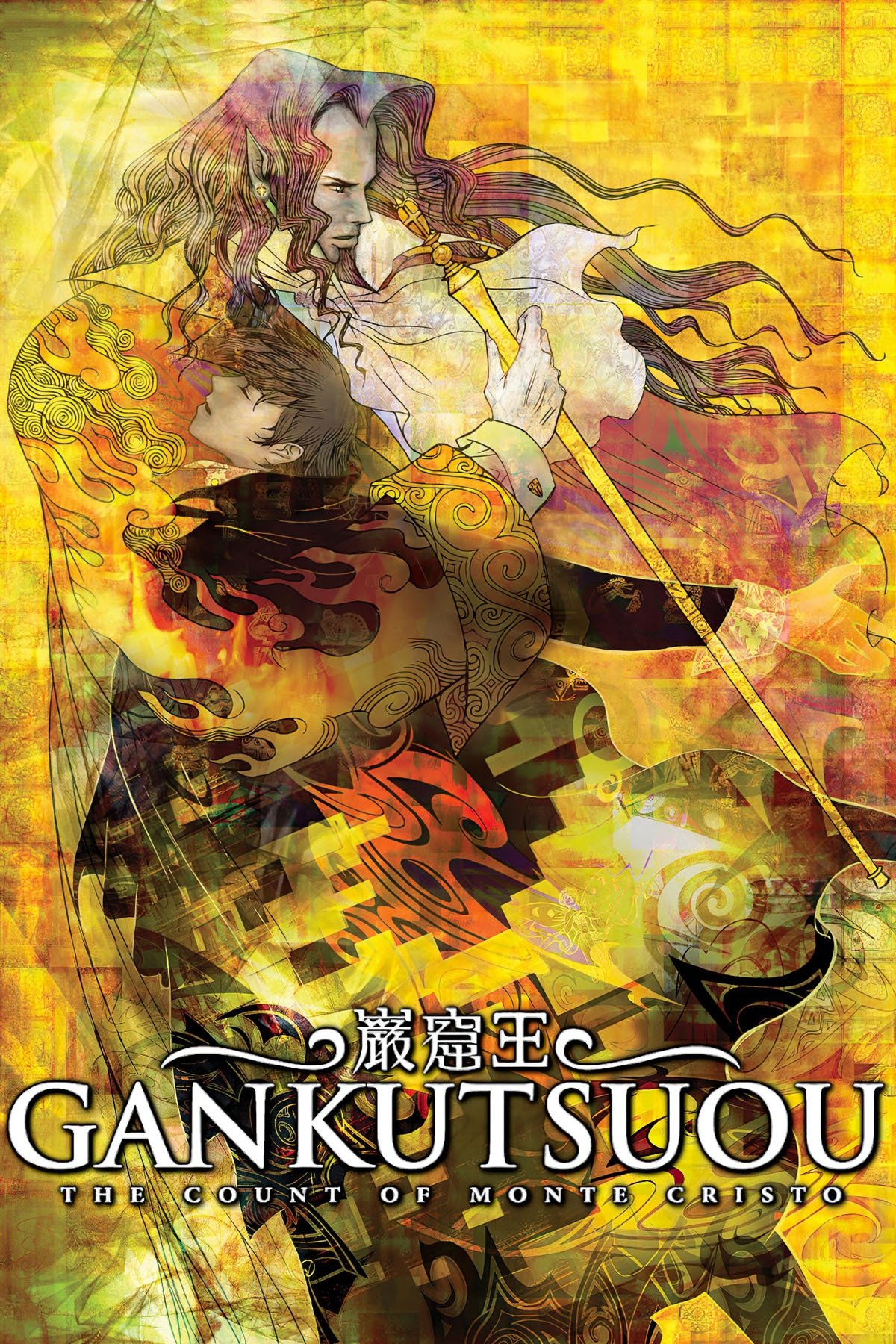
Gonzo’s ‘Gankutsuou’ reimagines Alexandre Dumas’s novel in a sci-fi setting across 24 episodes. It follows Albert de Morcerf’s friendship with the Count, whose hidden agenda drives political and personal upheavals. The series is known for its layered visual textures and patterned shading techniques. Its adaptation maps key plot points of the source material into a single complete run.
‘Planetes’ (2003–2004)
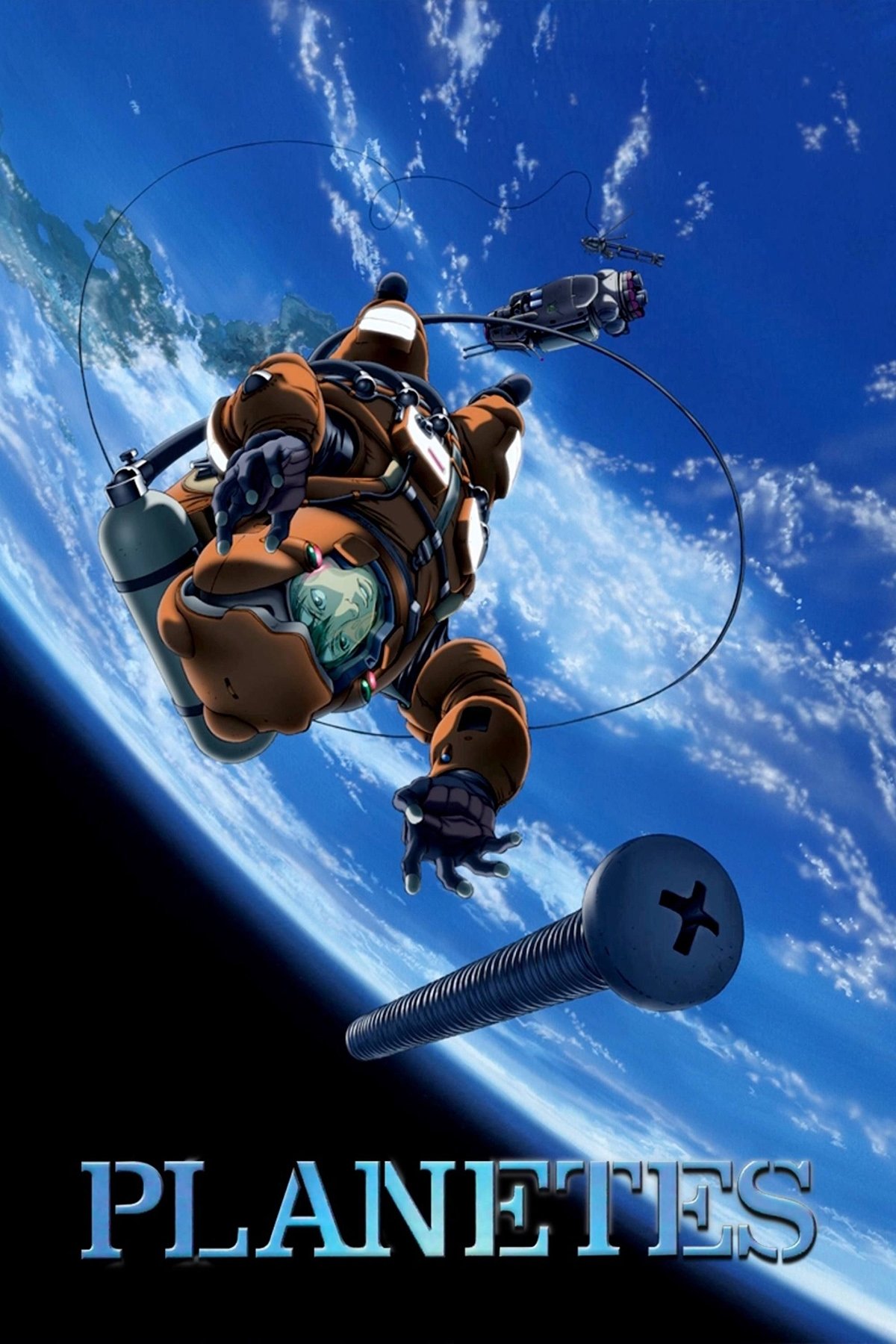
Sunrise adapted Makoto Yukimura’s manga ‘Planetes’ into 26 episodes focused on near-future orbital debris collection. The story examines commercial space operations, EVA procedures, and workplace dynamics in low Earth orbit. It explores corporate contracts, international crews, and the technical risks of debris impacts. The season presents a full career arc for its leads alongside a major space mission.
‘Texhnolyze’ (2003)
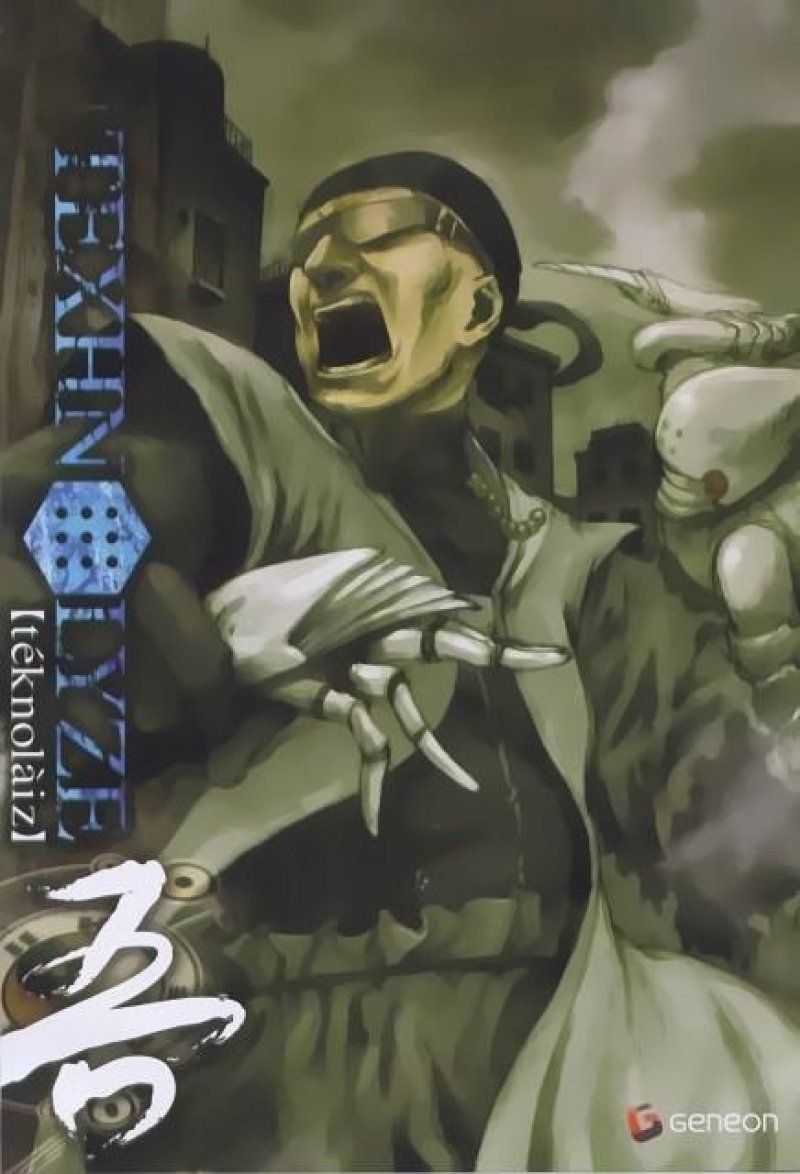
‘Texhnolyze’ is a 22-episode original by Madhouse and studio Triangle Staff, set in the underground city of Lux. It follows Ichise, a fighter who receives cybernetic limbs, amid conflicts between rival factions and a surface-world mystery. The show employs minimal dialogue in early episodes, relying on visual progression of power struggles. Themes of human augmentation and social collapse are contained within the single season.
‘Serial Experiments Lain’ (1998)
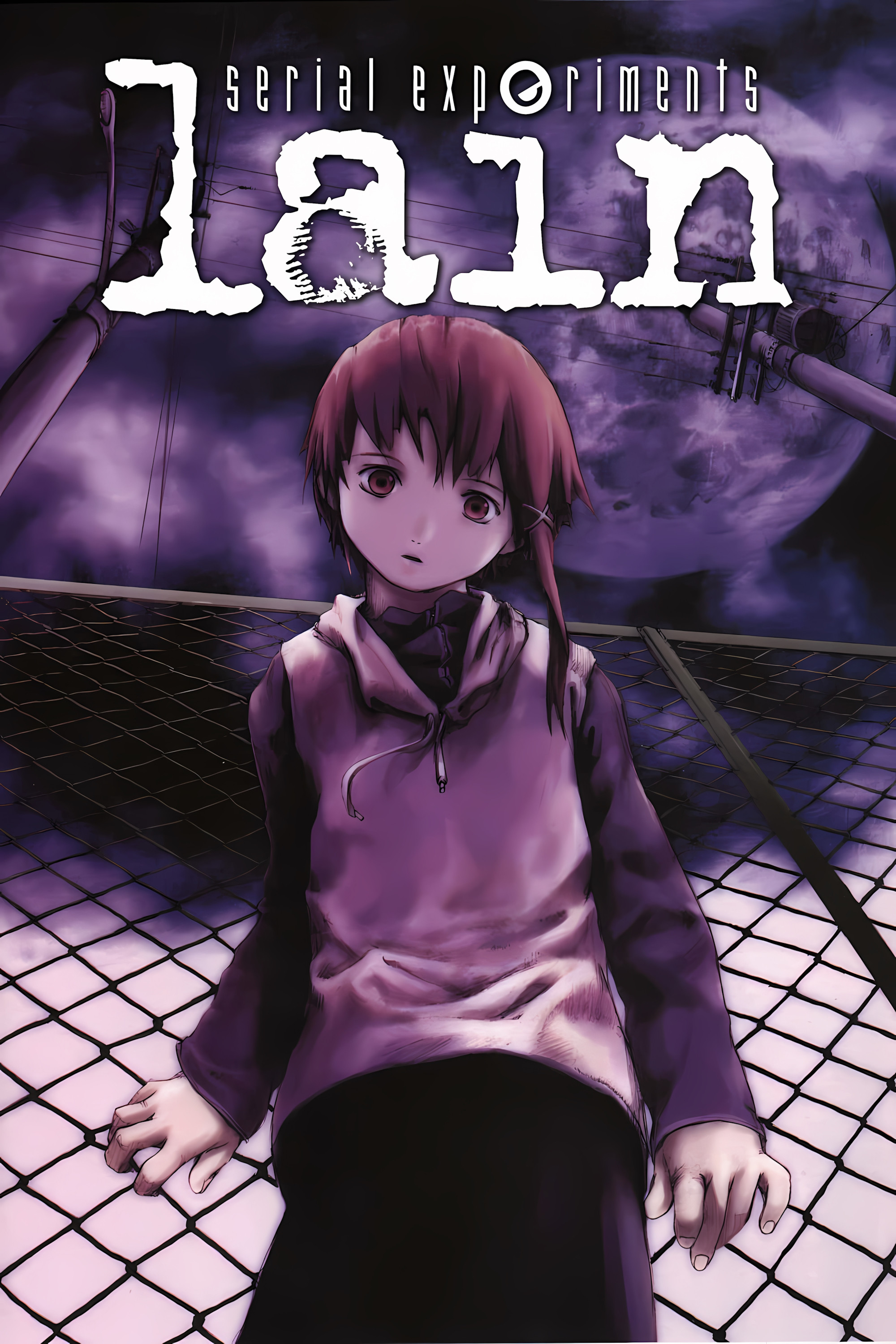
Triangle Staff and producer Yasuyuki Ueda created ‘Serial Experiments Lain’ as 13 episodes directed by Ryūtarō Nakamura. It centers on Lain Iwakura’s involvement with the Wired, a network that blurs boundaries between digital and physical identity. The series presents protocol-like jargon, shadow organizations, and hardware motifs to frame its mystery. Its narrative reaches a definitive endpoint tied to Lain’s choices.
‘Ping Pong the Animation’ (2014)
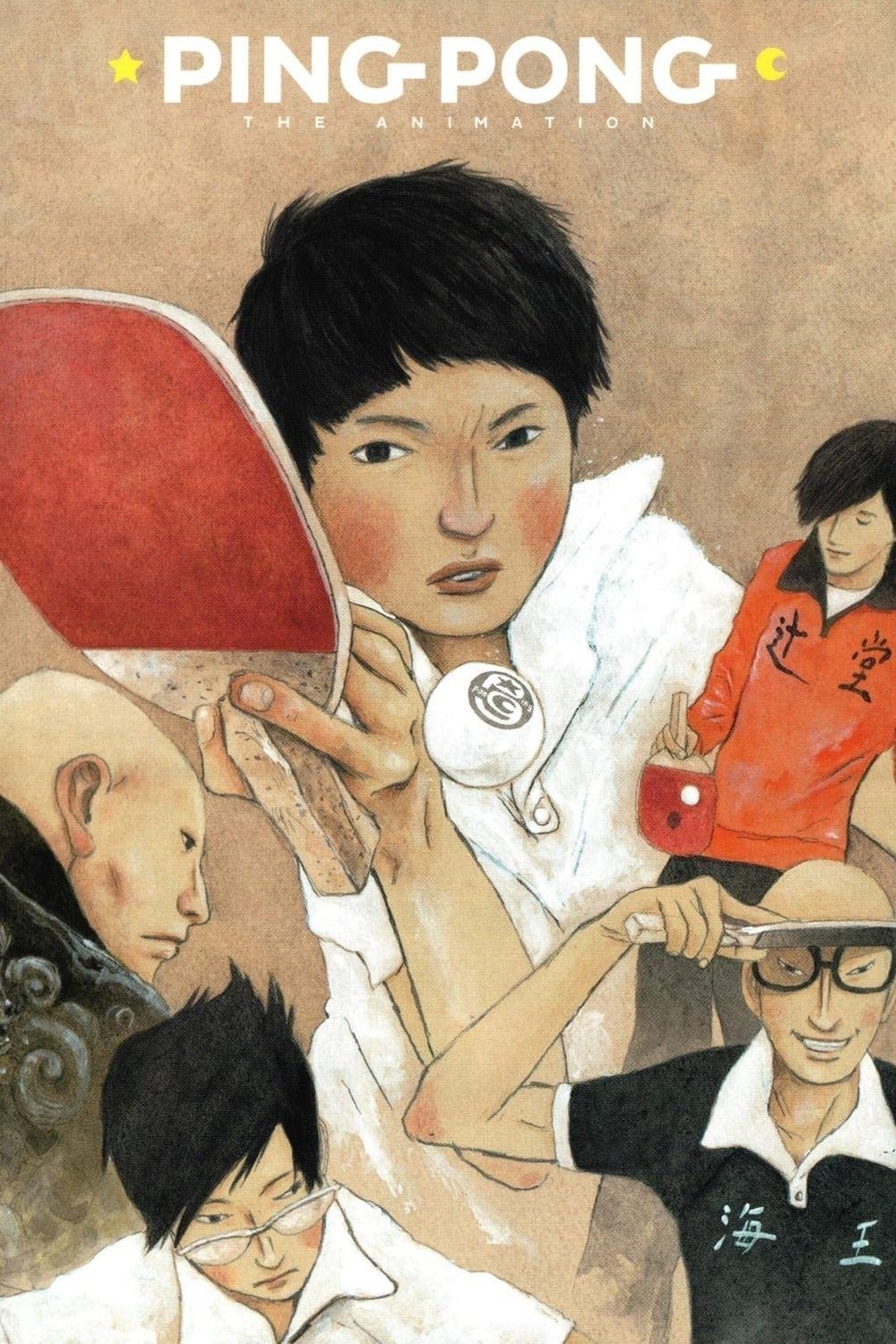
Tatsunoko Production adapted Taiyō Matsumoto’s manga into 11 episodes directed by Masaaki Yuasa. The series tracks high-school table tennis players through training, tournaments, and coaching philosophies. Distinctive animation choices emphasize movement analysis, footwork, and mental pacing. The adaptation completes the manga’s storyline within one season.
‘Hyouka’ (2012)
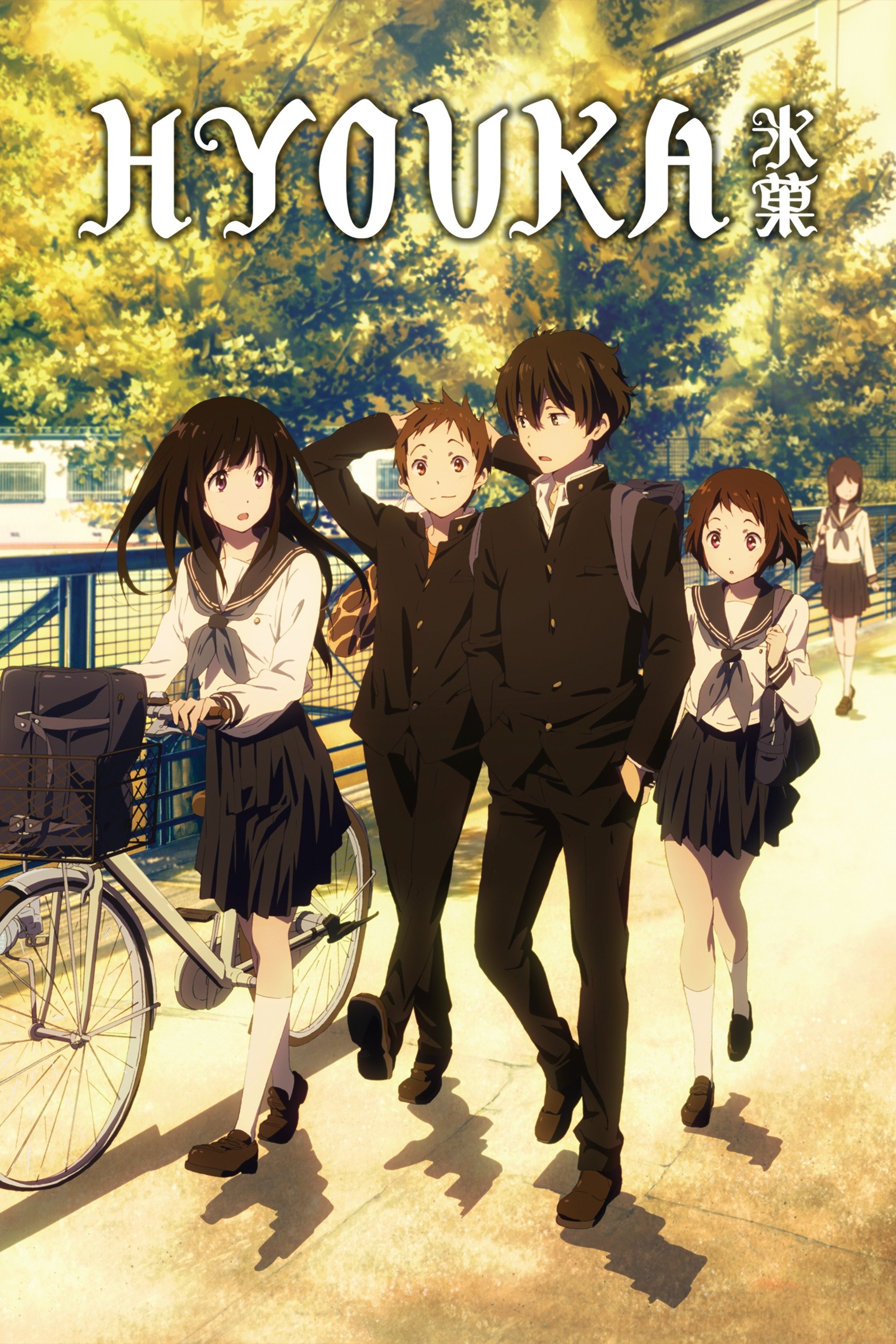
Kyoto Animation adapted Honobu Yonezawa’s ‘Classic Literature Club’ novels into 22 episodes. It follows Houtarō Oreki and Eru Chitanda as they investigate everyday mysteries tied to school history and club activities. The show details deduction methods, archival research, and student-council procedures. Each case advances character relationships while remaining self-contained within the season.
‘Barakamon’ (2014)
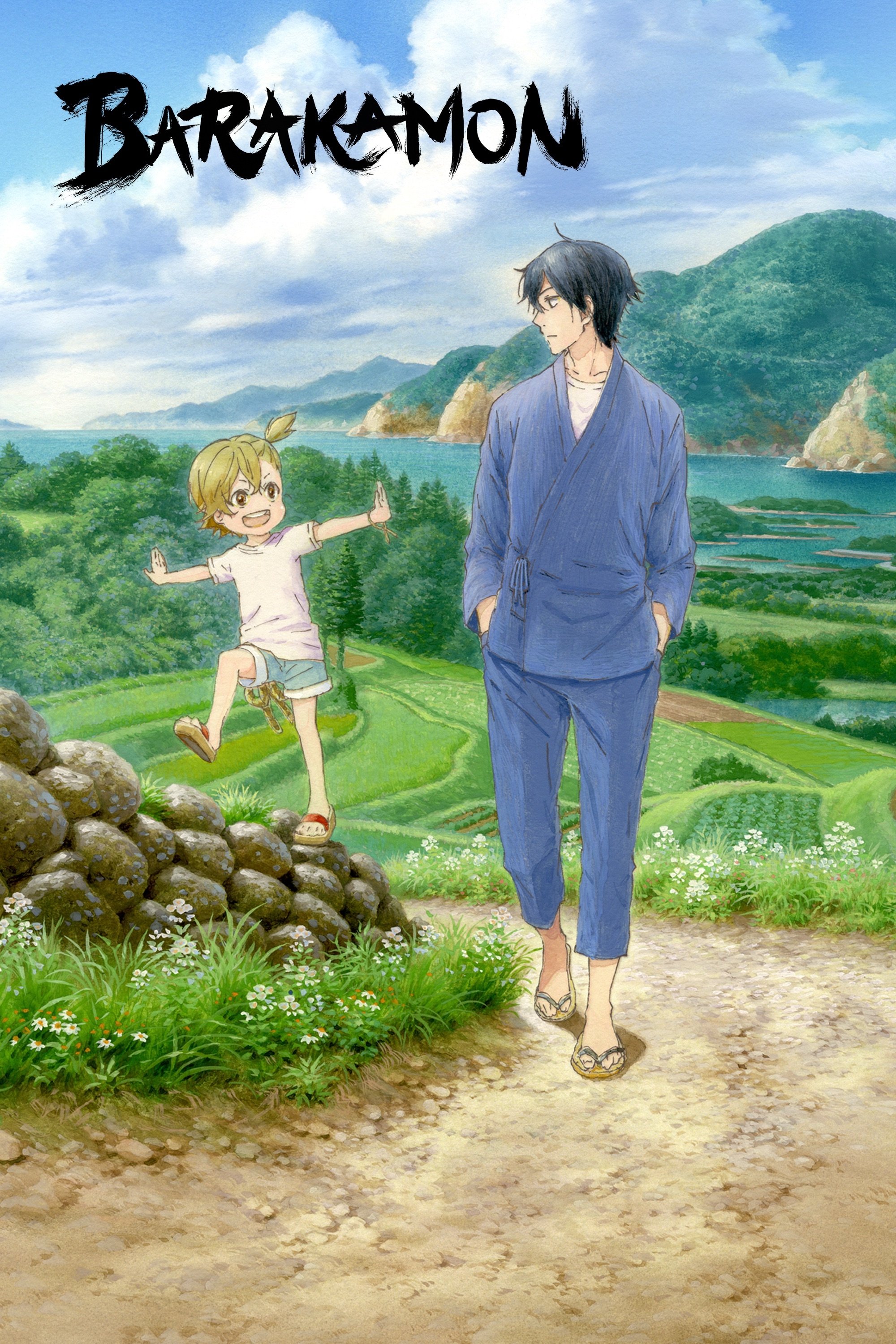
Kinema Citrus adapted Satsuki Yoshino’s manga into 12 episodes set on a remote island community. Calligrapher Seishū Handa works on commissions and exhibitions while integrating local dialect and customs into his practice. Episodes highlight gallery deadlines, festival preparations, and the logistics of large-format brushwork. The season covers a full professional arc culminating in a major submission.
Share your favorite one-season anime in the comments and tell readers which self-contained story grabbed you from the first episode to the last!