Clint Eastwood Just Named the Three Performances He Considers Untouchable From Old Hollywood

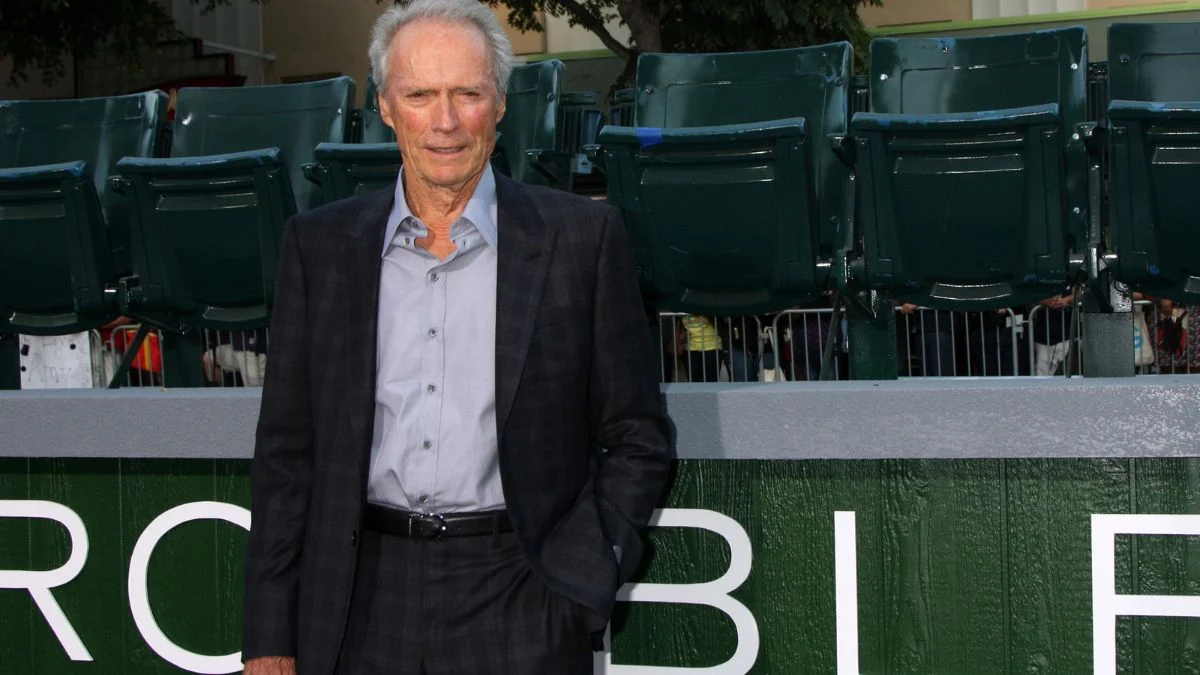

Clint Eastwood has spent more than six decades shaping how audiences think about screen acting, both in front of and behind the camera. Long before he became one of Hollywood’s most respected directors, he was carving out his own lane as a leading man who refused to follow the era’s dominant acting trends. That independent streak, it turns out, was inspired by a handful of performers Eastwood has always considered the gold standard.
In a resurfaced interview making the rounds online, Eastwood opened up about the performers who shaped his understanding of what makes a truly original screen performance. He explained that the actors he admired most were never trying to copy anyone else, a philosophy that clearly stuck with him throughout his own career.
Eastwood pointed to three specific turns from what is widely considered Hollywood’s golden age. He singled out Montgomery Clift in ‘The Search,’ Oskar Werner in ‘The Last Ten Days,’ and Albert Finney in ‘Saturday Night and Sunday Morning’ as performances that stood entirely on their own. According to Eastwood, none of those three actors imitated anybody else, and that individuality is what separated them from the pack.
He didn’t stop at naming names. Eastwood went further by describing his own philosophy on imitation in the industry, calling it something close to a betrayal of craft. He said it was a wild period in Hollywood acting, but insisted he was never influenced by the trend of copying other performers, calling imitation degrading and urging actors to simply do their own thing.
What makes the choices notable is the timeframe involved. The three performances Eastwood cited span roughly a dozen years between 1948 and 1960, giving him a tidy spread across the golden age rather than leaning on the most obvious or famous names of that period. Clift’s work in ‘The Search’ even earned him an Oscar nomination, while Werner and Finney’s choices reflect a more understated, less Brando-influenced style that Eastwood clearly gravitated toward.
It’s a fascinating glimpse into how Eastwood views the craft he’s built a legendary career on. He reflected that the greatest performances he could think of over those decades all came from people with a certain individuality, and that, to him, was the defining factor. For someone who became an icon precisely because he never tried to be anyone else, the throughline from his influences to his own approach feels almost inevitable.
Eastwood’s comments arrive at a moment when conversations about authenticity in performance feel more relevant than ever, with audiences and critics alike debating whether modern acting has drifted toward imitation rather than originality. His golden age picks may not be the most predictable choices, but they reveal a consistent thread in how he’s approached his own work for decades.
Do you think Montgomery Clift, Oskar Werner, and Albert Finney deserve to be remembered as the most original performers of Hollywood’s golden age, or would your own list look completely different?