15 Coolest Signature Moves In Anime

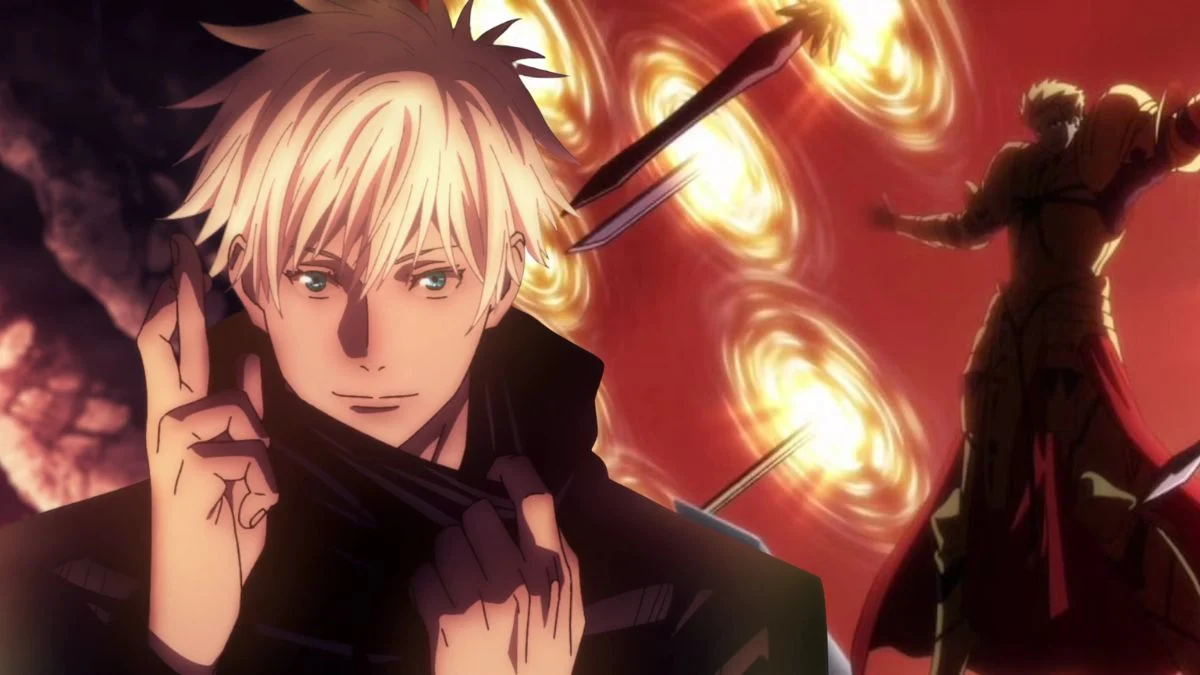

Anime is packed with unforgettable techniques that fans can spot in a heartbeat, from planet shaking blasts to reality bending powers that change the course of a fight. These moves are more than flashy attacks because they often carry history, training, and character growth. Each one below highlights how creators bake story logic into power systems so the action feels earned. You will also find the studios behind these moments mentioned along the way, since their animation choices helped cement these moves in pop culture.
Kamehameha
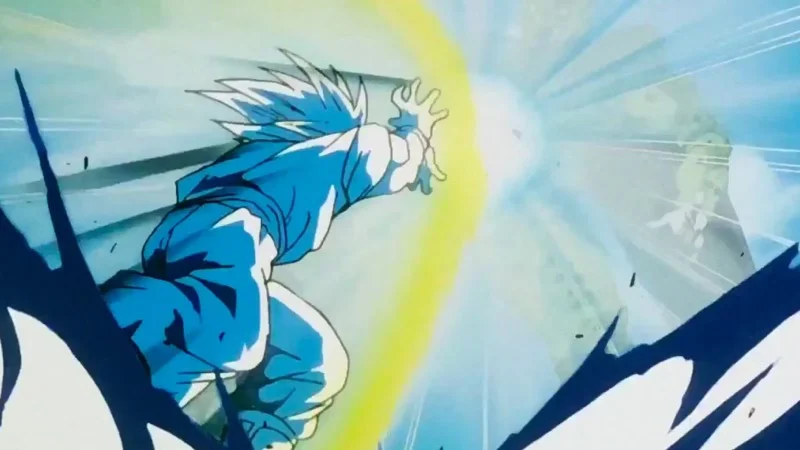
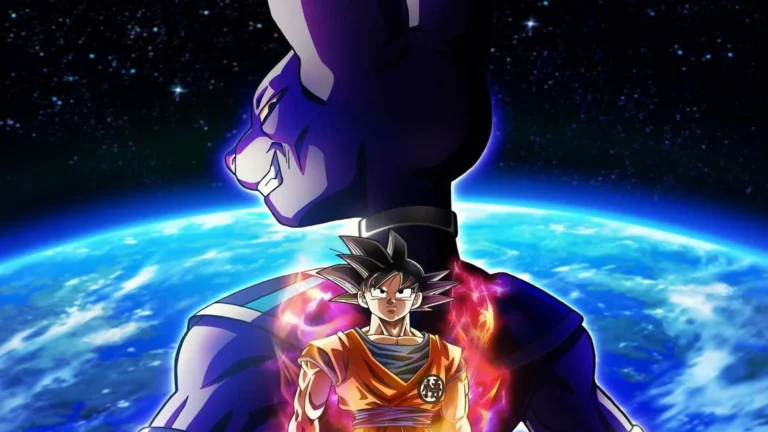
First introduced in ‘Dragon Ball’, the Kamehameha channels ki from the body into a concentrated energy wave that can be scaled from light taps to world ending blasts. Goku learned it after watching Master Roshi perform it only once and later refined it with variations like instant release and beam struggles. Toei Animation gave the technique its iconic charge up stance and luminous beam effects that evolved over the series. The move’s simplicity makes it a teaching tool for the franchise’s power control and stamina management.
Rasengan
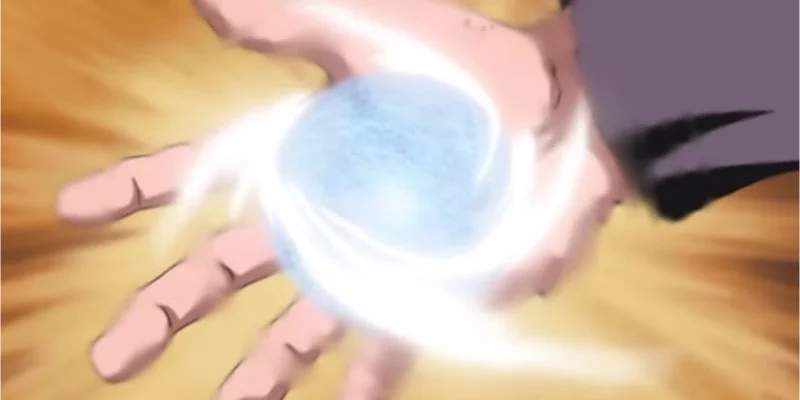
The Rasengan in ‘Naruto’ compresses chakra into a spinning sphere that grinds on impact without hand seals. Minato designed it as a shape transformation exercise and Jiraiya passed it on to Naruto, who then created multi shadow clone training methods to master it. Studio Pierrot visualizes its rotation through layered energy rings and escalating sound design as power increases. The technique later branches into element infused forms that expand its range and tactical uses.
Chidori
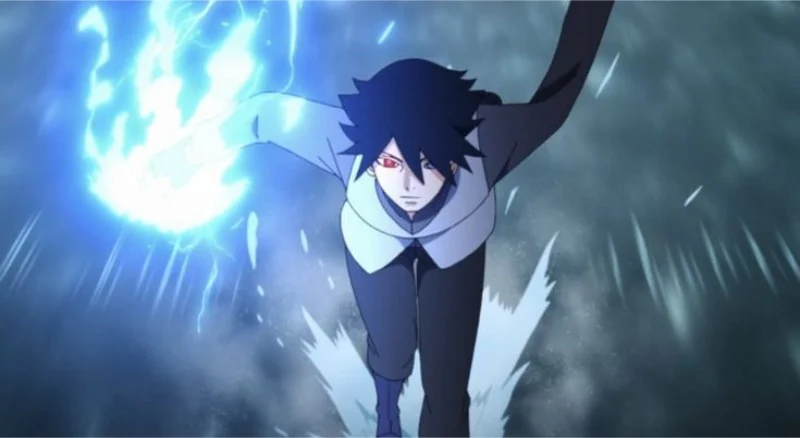
In ‘Naruto’, the Chidori channels lightning nature chakra into the hand to pierce defenses at high speed. Kakashi developed it after hitting the limits of his standard assassination techniques and taught it to Sasuke as a counterpoint to the Rasengan. Studio Pierrot emphasizes the move’s tunnel vision drawback with framing that narrows the user’s viewpoint during a charge. The technique gains versatility with shape changes and extensions that improve reach and control.
Getsuga Tensho
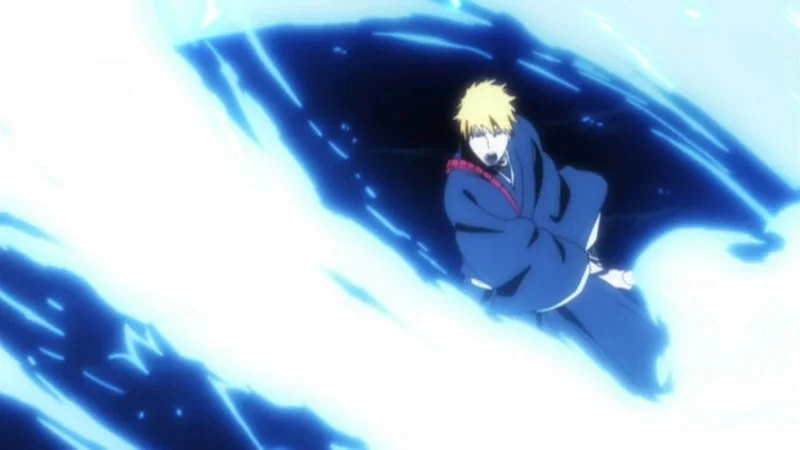
Ichigo’s signature slash in ‘Bleach’ projects dense spiritual pressure along Zangetsu’s swing. The move serves as a reliable mid to long range option that scales with his evolving power and weapon forms. Studio Pierrot stages it with stark black and blue energy trails that underline the series focus on spiritual force. In later battles the technique integrates with advanced states to deliver greater speed and impact without changing its core mechanics.
Spirit Bomb
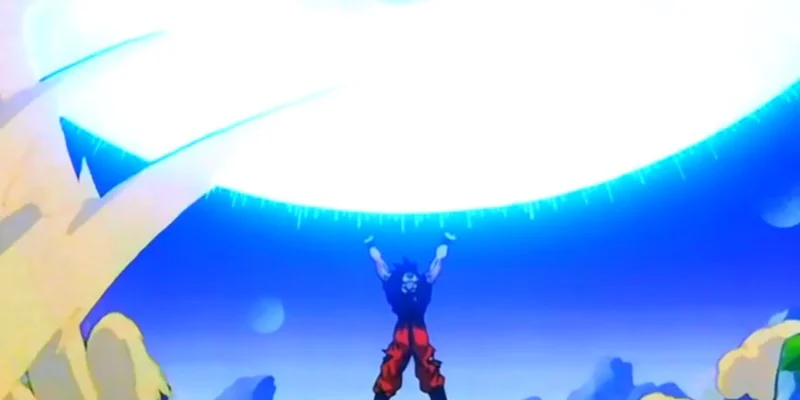
The Spirit Bomb in ‘Dragon Ball Z’ gathers life energy from surrounding beings into a single slow moving but overwhelming sphere. It requires pure intent and time to charge, which often forces allies to create openings under pressure. Toei Animation communicates scale by cutting between donors and the growing orb to show collective stakes. The technique’s strength depends on cooperation, making it a barometer of hope across arcs.
Gear Second
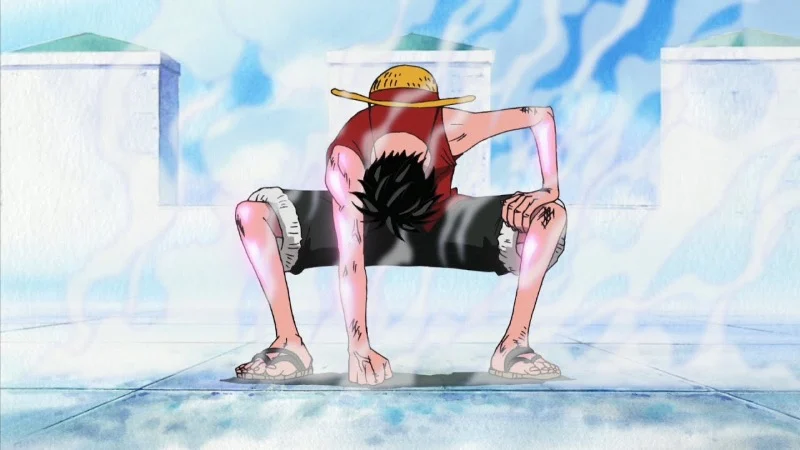
Luffy’s Gear Second in ‘One Piece’ pumps blood faster to supercharge rubber physiology for dramatic speed and power gains. The form shortens reaction windows and changes attack names while increasing steam emission as a visual cue. Toei Animation uses elastic smears and rapid cuts to sell acceleration during close quarters exchanges. The cost is stamina drain, so timing and short bursts keep it effective without exhausting the user.
Thunder Breathing First Form
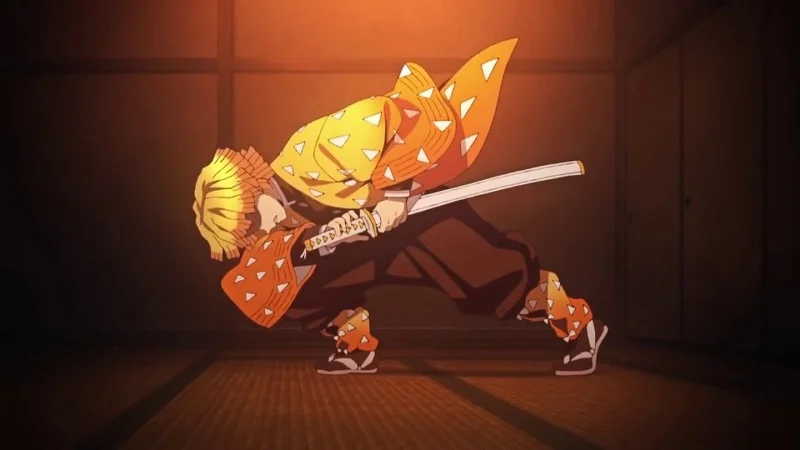
Zenitsu’s go to technique in ‘Demon Slayer’ focuses all motion into a single lightning quick dash from a grounded stance. He practices one form to perfection, converting fear into precise muscle memory during combat sleep. Ufotable enhances the strike with traditional pattern motifs and clean perspective shifts that track the line of attack. The move’s reliability comes from footwork discipline and breath control rather than flashy combinations.
Domain Expansion Unlimited Void
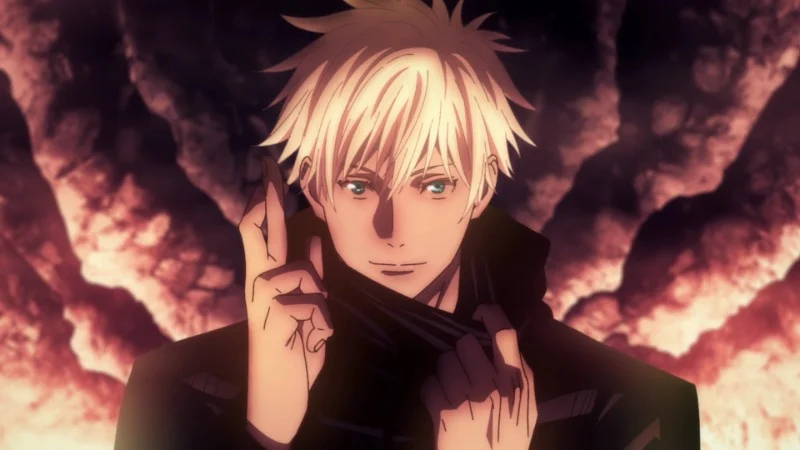
In ‘Jujutsu Kaisen’, this Domain Expansion traps targets inside a space that floods the senses with endless information, immobilizing them. The user must supply enough cursed energy to maintain the territory while ensuring allies are not caught. MAPPA conveys the effect with abstract visuals and frozen timing that contrast sharply with normal fight rhythm. The technique showcases how rules of domains govern advantage more than raw power alone.
Serious Punch
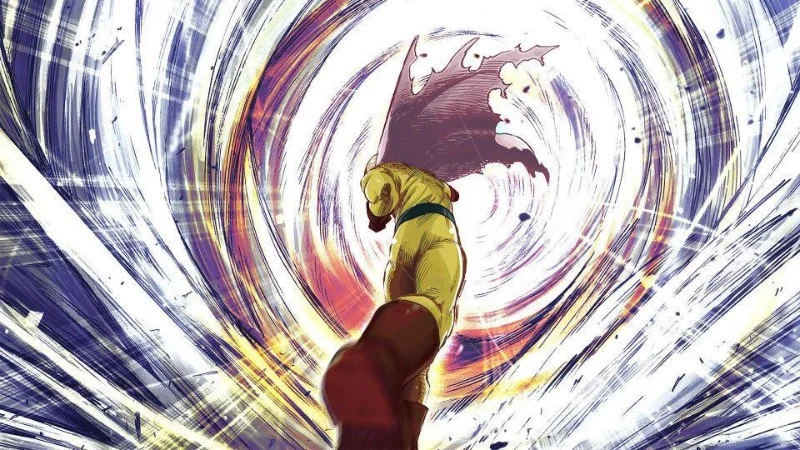
Saitama’s Serious Punch from ‘One Punch Man’ is a straight strike delivered only when he decides to treat a threat as worthy. The move has no complex setup and relies on perfect fundamentals amplified by absurd physical strength. Madhouse frames it with wide shots and environmental distortion to communicate force without elaborate choreography. Its narrative function is to end a conflict decisively while highlighting scale through collateral effects.
Dragon of the Darkness Flame
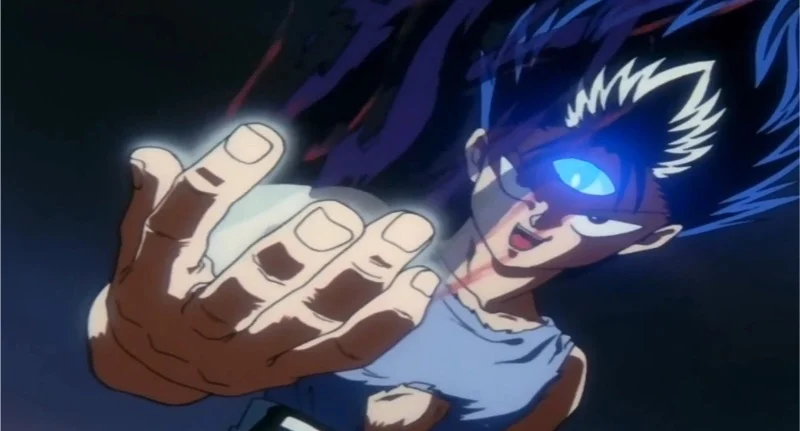
Hiei’s technique in ‘Yu Yu Hakusho’ summons demonic black fire and shapes it into a destructive dragon that he struggles to fully control. The move demands significant stamina and carries backlash risks if containment fails. Studio Pierrot depicts writhing flame textures and binding wrappings to show the cost of wielding it. Later mastery lets Hiei internalize portions of the power for faster deployment and reduced recoil.
Gate of Babylon
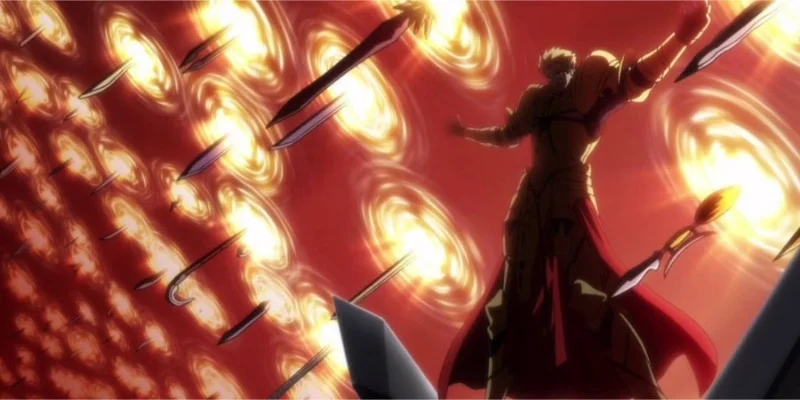
Gilgamesh in the ‘Fate’ series accesses a treasury that opens portals for countless Noble Phantasms, creating projectile barrages or situational counters. The system rewards knowledge of an opponent’s kit and selective weapon choice over brute force. Ufotable stages the portals in layered depth to keep trajectories readable during sustained fire. Management of angles and timing prevents friendly interference while maximizing pressure on multiple fronts.
Giga Drill Break

In ‘Gurren Lagann’, this finishing thrust scales with combined spiral energy and team resolve, allowing mecha to form drills of increasing size. The technique converts willpower into kinetic force that pierces heavy armor and dimensional barriers. Gainax animates the drill with bold perspective growth and motion that tracks momentum through space. The move’s escalation reflects synchronization between pilots and machine rather than a static power ceiling.
United States of Smash
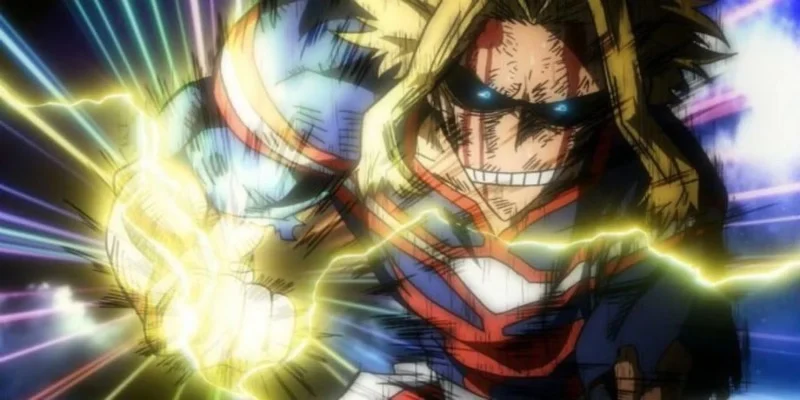
All Might’s ultimate blow in ‘My Hero Academia’ concentrates One For All into a single decisive strike that often ends a confrontation. The attack pushes a fading body beyond safe limits and consumes remaining strength. Bones underscores the toll with impact frames, debris waves, and quiet aftermaths that linger on consequences. The technique’s purpose is to create a definitive opening for the next generation rather than to chase endurance.
Star Platinum The World
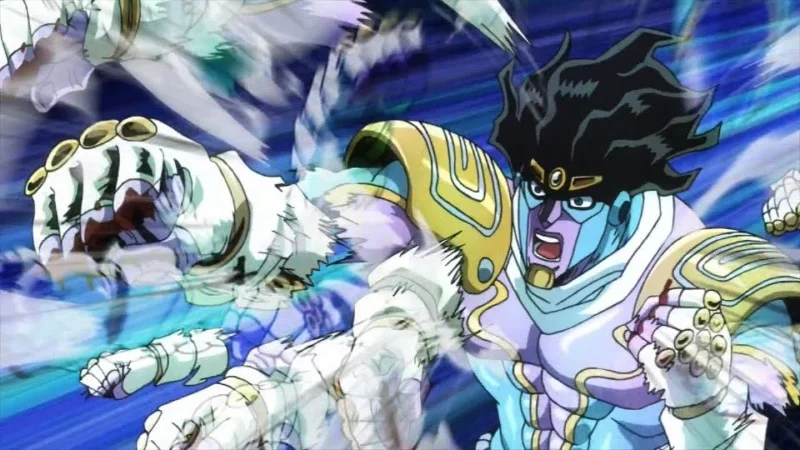
Jotaro’s stand in ‘JoJo’s Bizarre Adventure’ refines extreme precision into brief time stop after adapting to an enemy ability. The window is short, so planning and positioning determine whether a frozen moment becomes a winning exchange. David Production keeps clocks and heartbeat cues in frame to mark limits and resets. The move emphasizes tactical awareness since misuse wastes a rare advantage.
Full Counter
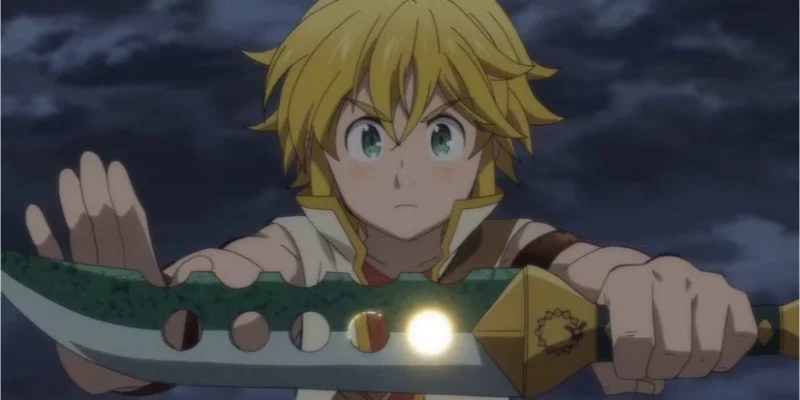
Meliodas in ‘The Seven Deadly Sins’ reflects magic based attacks back at the caster with greater power while leaving physical strikes unreturned. The technique requires reading the nature of incoming energy and timing the reversal precisely. A-1 Pictures visualizes the reflection with quick angle flips and mirrored effects to clarify direction. Smart opponents can bait it with mixed offense, which forces the user to evaluate risk before committing.
Tell us which signature move you think deserves a shoutout in the comments and share the moments that made it stick for you.