‘Gordon’ Season 1 Review: How a Common Thief Becomes the Face of State Terror

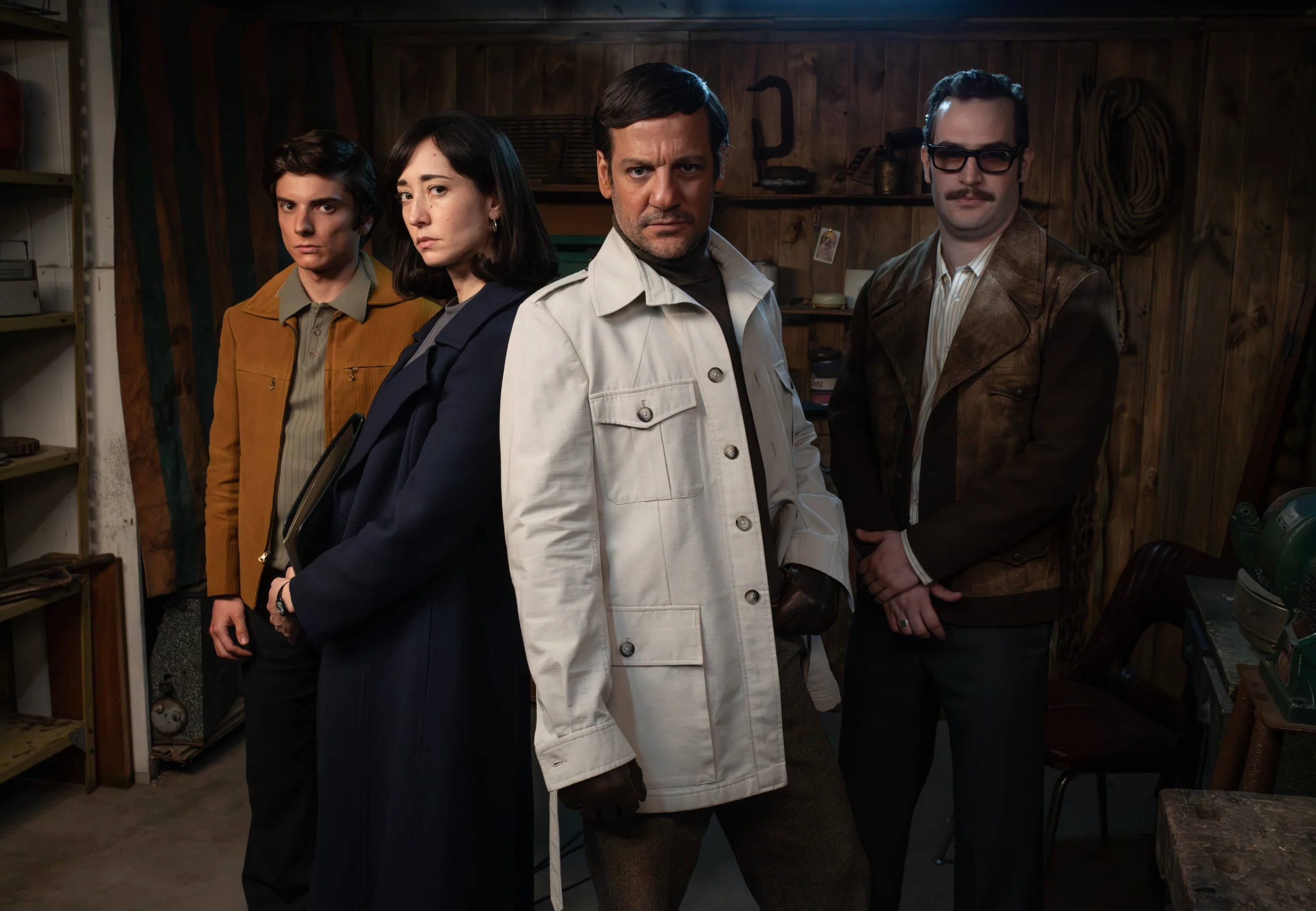
Netflix released ‘Gordon’ on November 18, and the seven episode Argentine drama arrives carrying an adults only rating and a runtime of just under five hours. It follows Aníbal Gordon, a small time robber in the early 1970s who slowly works his way into the dark machinery of the state. The story is adapted from the novels ‘Gordon’ and ‘Gordon, el aniquilador’ by Marcelo Larraquy.
Pablo Trapero acts as showrunner and shares directing duties with Pablo Fendrik. Trapero already has history with real crime stories through ‘El Clan’, the 2015 film that won him the Silver Lion for direction at Venice. Rodrigo de la Serna, whom many will remember as Palermo in ‘Money Heist’, plays Gordon opposite Matías Recalt, Camila Peralta and Fiorella Bottaioli.
The first episode works like a statement of intent. A bank robbery in Bariloche unfolds in one fluid, tightly choreographed take, and it ends with the thieves dissolving into a carnival crowd. It is a thrilling opening, and it also plants the show’s central idea about a man who can vanish into any crowd and any era.
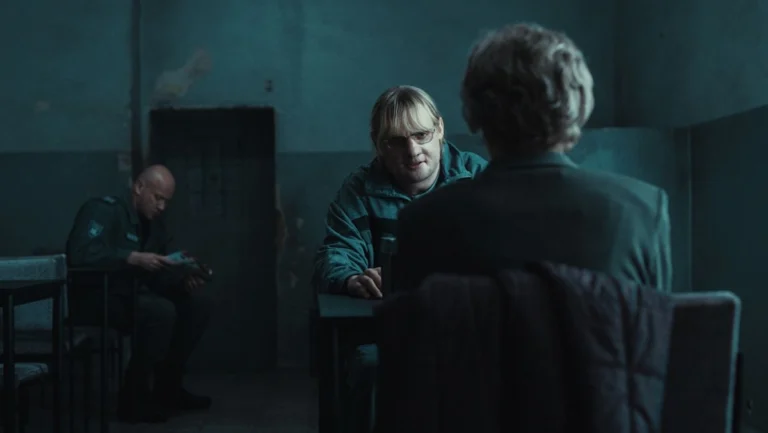
What follows is where ‘Gordon’ truly earned me. The series refuses to let its lead become a comfortable antihero, and De la Serna plays him with a terrifying lack of vanity. Early on he is a charming, almost likeable fraud, a man who passes for respectable. By the end he is something far uglier, and the performance gets there through broken mirrors, bruised skin and a face that seems to rearrange itself, rather than through speeches.
The show also changes its genre as Gordon changes. The early episodes play like a crime caper, the middle stretch tightens into a paranoid political thriller full of betrayals, and the closing hours slide into outright horror. That progression could have felt gimmicky, but it feels earned because the violence stops being exciting and becomes suffocating.
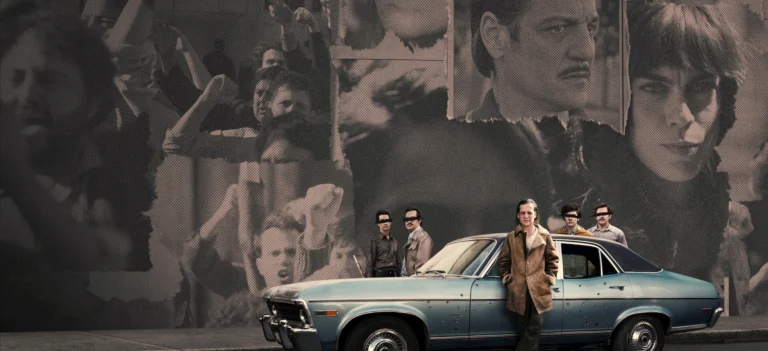
The supporting players give the show its pulse. A guerrilla fighter hunting Gordon for revenge and an intelligence agent who thinks she can control him give the story two sharp opposing forces. Real events of the period, including the killing of union leader José Ignacio Rucci and the coup of 1976, keep pulling the story toward a horror we already know is coming.
It is not flawless. A few scenes exist mostly to explain history, and they stall the momentum. The habit of laying rock songs of the era over action sequences also wears thin by the later episodes.
The bleakness is relentless too, and there is almost nobody to root for, which will test some patience. I did not mind, because the show never confuses proximity to Gordon with sympathy for him.
I finished ‘Gordon’ feeling rattled and oddly impressed, which is a rare combination in a streaming season crowded with polished but forgettable crime stories. The direction is bold, the period recreation is lavish, and De la Serna delivers one of the most fearless performances I have seen on Netflix this year. A handful of clumsy history lessons and an overworked soundtrack keep it just short of perfect, so I land at 9 out of 10.
Did ‘Gordon’ hit you as hard as it hit me, or does it push the brutality too far, tell me in the comments.