Healthy Gaming Habits for Hardcore Players

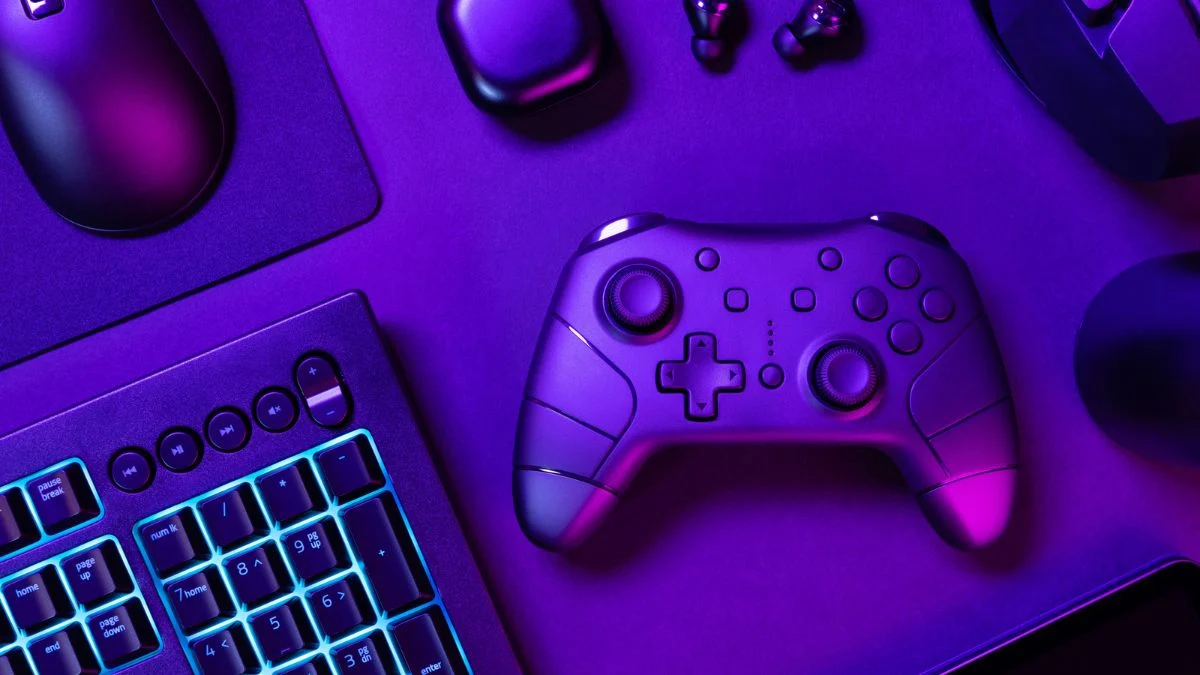

For many people, gaming has become far more than a hobby. For so many, it’s a serious passion that involves strategy, teamwork, competition and something you really do have to put the hours into. Whether it be climbing rankings, competing in tournaments or just investing heavily in immersive online worlds, gaming can be rewarding and socially engaging.
However, it can also create physical and mental health challenges when that balance is lost. Long hours in front of a screen, poor sleep patterns, stress and social isolation can all occur as a result, as well as triggering other issues such as addiction. More people are finding themselves needing addiction advise with this compulsive behaviour becoming as common as the likes of alcohol and drug abuse.
The good news is that healthy gaming habits do not require giving up gaming altogether. Instead, they involve building routines that support both performance and long-term health.
Take Regular Breaks
One of the most important habits for hardcore players is taking consistent breaks. Many gamers become so focused during long sessions that they lose track of time entirely. Hours can pass without standing up, stretching, or resting the eyes.
This can lead to physical strain, including neck pain, wrist discomfort, headaches, and eye fatigue. Sitting for long periods can also affect circulation and posture.
A simple solution is to take short breaks every hour. Standing up, stretching, walking around the room, or looking away from the screen for a few minutes can make a significant difference. Competitive players often perform better after brief breaks because their concentration and reaction times improve when mental fatigue is reduced.
Protect Your Sleep Schedule
Sleep is often one of the first things sacrificed by hardcore gamers, especially during late-night sessions or major game releases. Unfortunately, poor sleep can seriously affect gaming performance as well as overall health.
Lack of sleep reduces focus, reaction speed, memory, and emotional regulation. Players may become more frustrated, impulsive, or mentally exhausted during matches. Over time, chronic sleep deprivation can contribute to anxiety, low mood, and burnout.
Maintaining a consistent sleep routine is essential. Avoiding gaming immediately before bed can also help because bright screens and intense stimulation make it harder for the brain to relax. Even highly competitive players benefit from proper rest, as mental sharpness is a major part of gaming success.
Stay Physically Active
Gaming is a largely sedentary activity, which makes physical movement especially important. Exercise not only improves physical health but can also enhance gaming performance by reducing stress and improving concentration.
Hardcore gamers do not need to become athletes to benefit from movement. Even moderate activities such as walking, cycling, stretching, or home workouts can improve energy levels and posture. Physical activity also helps counterbalance the effects of sitting for extended periods.
Many professional esports organisations now include fitness programmes for players because physical wellbeing directly influences reaction times, focus, and endurance during competitions.
Avoid Emotional Burnout
Competitive gaming can become emotionally intense, particularly in ranked or online multiplayer environments. Constant pressure to improve, win matches, or maintain rankings can create frustration and stress.
Some players continue gaming even when they are clearly angry, exhausted, or emotionally drained. This often leads to poorer performance and a more negative experience overall.
Learning to recognise emotional burnout is important. Taking a step back after a frustrating session can prevent unhealthy habits from developing. Healthy gamers understand that losing streaks, mistakes, and setbacks are part of the experience.
Balancing gaming with offline hobbies, social activities, and relaxation also helps reduce emotional dependency on gaming success.
Maintain Real-World Relationships
Online gaming communities can provide valuable friendships and social interaction, especially for people with shared interests. However, maintaining offline relationships is equally important.
Hardcore gaming should not completely replace face-to-face interaction with family, friends, or partners. Spending time with people away from screens helps maintain emotional balance and reduces feelings of isolation.
Even simple activities such as meeting friends, exercising with others, or spending time outdoors can improve mental wellbeing and create healthier routines.
Watch for Unhealthy Patterns
Passion for gaming is not automatically unhealthy. Many people spend large amounts of time gaming while still maintaining balanced and fulfilling lives. The issue arises when gaming begins interfering with sleep, work, education, health, or relationships.
Warning signs may include neglecting responsibilities, losing interest in other activities, skipping meals, or feeling unable to stop playing even when no longer enjoying the experience.
Self-awareness is key. Healthy gaming habits involve recognising when balance is slipping and making adjustments before problems become more serious.
Gaming Can Be Healthy With Balance
Gaming itself is not the enemy. It can improve coordination, teamwork, problem-solving skills, and social connections. For hardcore players, gaming can also provide achievement, excitement, and community.
The key difference between healthy gaming and harmful behaviour is balance. By prioritising sleep, movement, emotional wellbeing, and offline relationships, players can continue enjoying gaming without sacrificing their long-term health.