Hollywood’s 15 Worst Casting Decisions of All Time

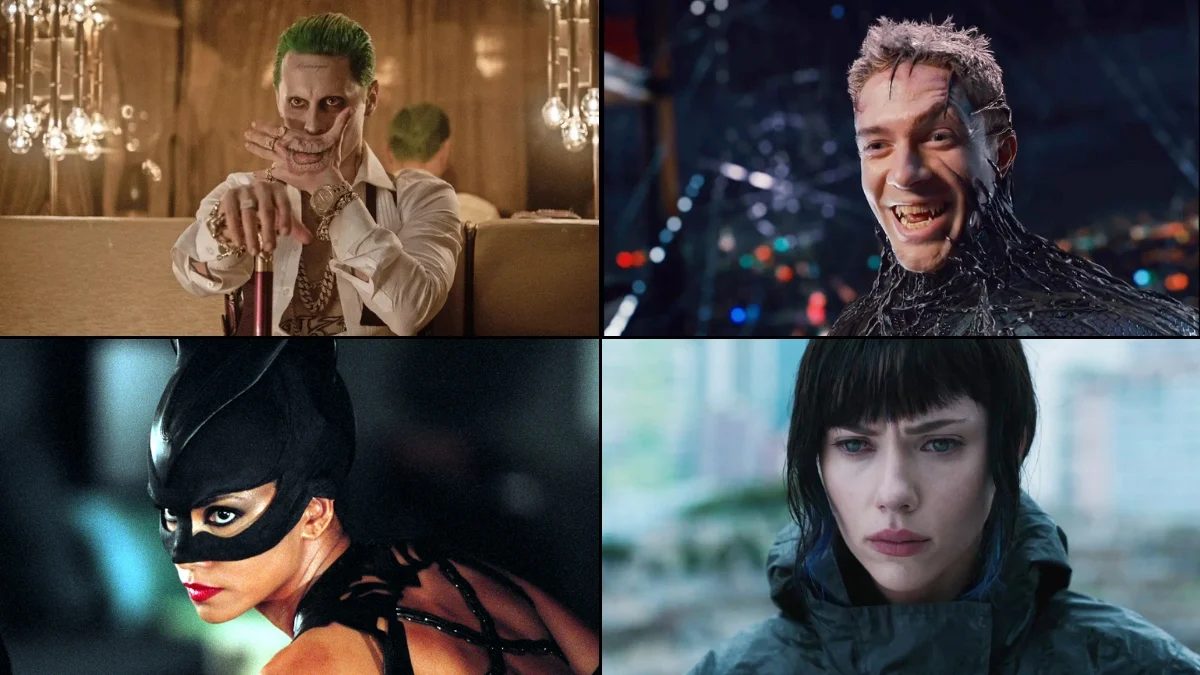

Some casting choices become instant classics, while others spark headlines, fan blowback, and studio course-corrections. The picks below focus on decisions that triggered controversy, retooling, or reputational fallout—things like accusations of whitewashing, high-profile recasts, creative clashes, and awards that called out poor fits. For each, you’ll find concrete background on how the choice happened, what the production did next, and how audiences, critics, or the industry responded. No shade—just the facts that made these roles infamous.
Jared Leto as The Joker in ‘Suicide Squad’ (2016)

Leto’s preparation for the role drew widespread media attention for its extreme on-set antics and extensive prosthetics and tattoos. Large portions of his footage were reportedly cut during post-production as the film’s tone and structure shifted after reshoots. The character returned only in brief appearances elsewhere in the franchise rather than anchoring a standalone follow-up. Subsequent DC projects pivoted to different creative directions for Gotham-set stories.
Sofia Coppola as Mary Corleone in ‘The Godfather Part III’ (1990)
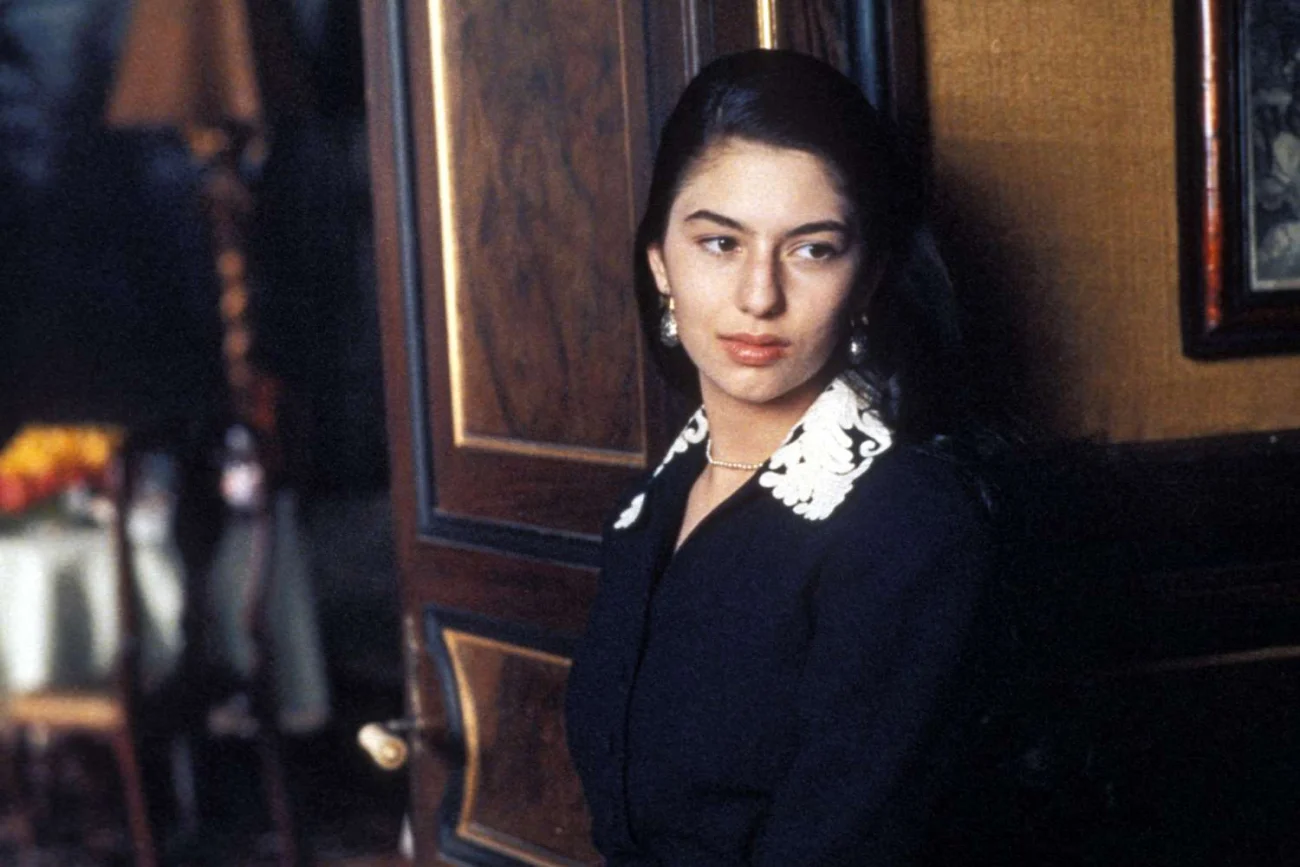
Coppola stepped into the role late after an intended star exited the production shortly before filming began. Reviews highlighted her performance as a weak link, and she received a Golden Raspberry Award for Worst Supporting Actress. Despite the backlash, the film completed the Corleone saga and performed strongly at the box office worldwide. Coppola later shifted behind the camera, earning acclaim as a writer-director.
John Wayne as Genghis Khan in ‘The Conqueror’ (1956)
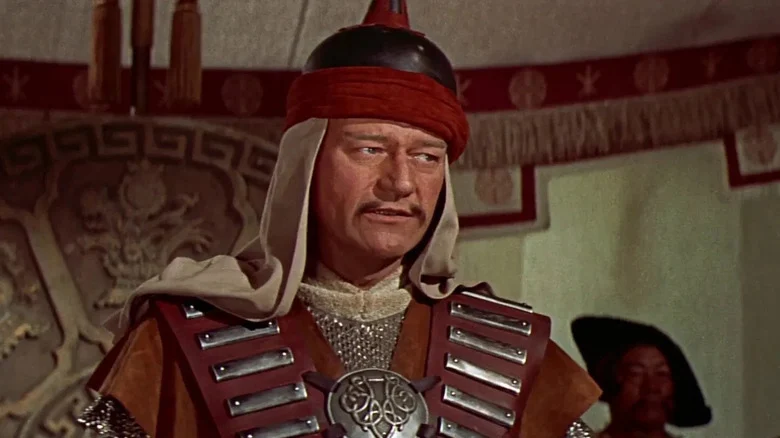
The production cast Wayne in heavy makeup as the Mongol ruler, a decision now widely cited in discussions of Hollywood’s history with race and representation. Filming took place near U.S. nuclear test sites, and many cast and crew later developed serious health issues, a grim footnote often linked to the shoot’s location. The movie fared poorly with critics and struggled commercially. It has since become a common case study in misaligned casting and production risk.
Russell Crowe as Javert in ‘Les Misérables’ (2012)
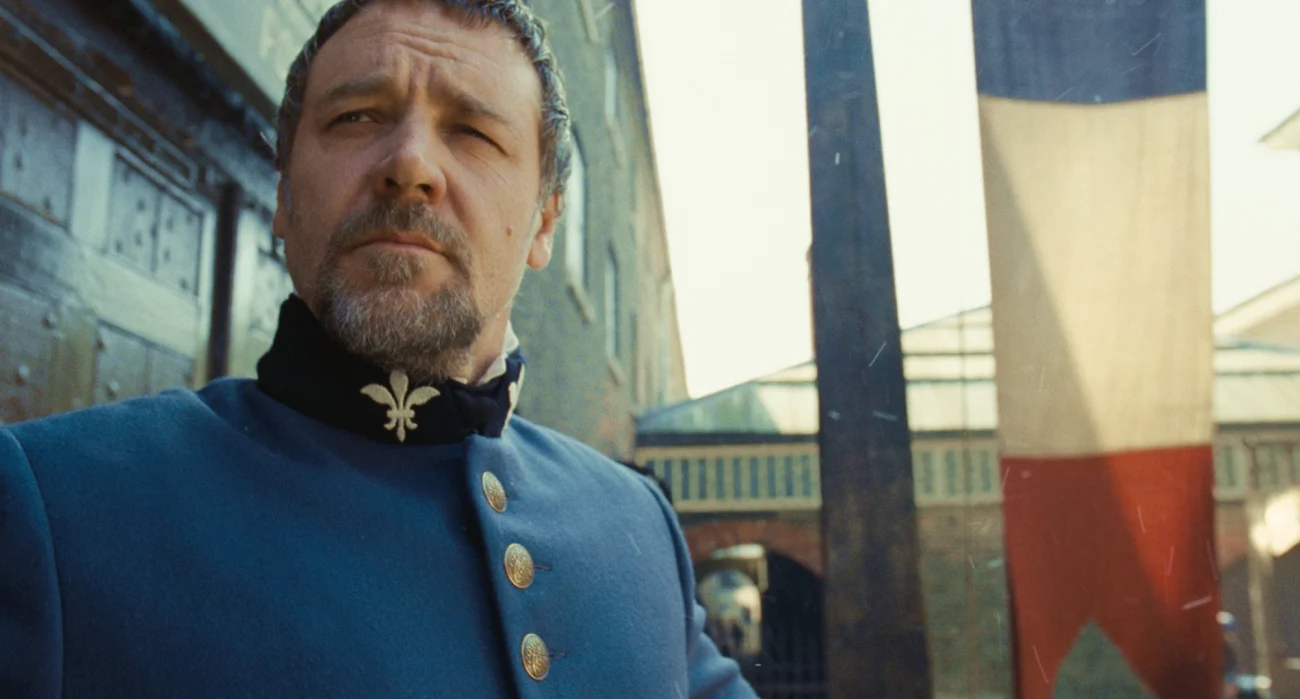
The adaptation recorded vocals live on set, a technique that challenged every singer’s range and control. Critics frequently contrasted Crowe’s vocals with those of his co-stars and the stage tradition of the role. The soundtrack still charted strongly, and the film earned multiple major awards and nominations. Crowe later discussed the technical demands of live singing and the toll of performing the role for camera.
Denise Richards as Dr. Christmas Jones in ‘The World Is Not Enough’ (1999)
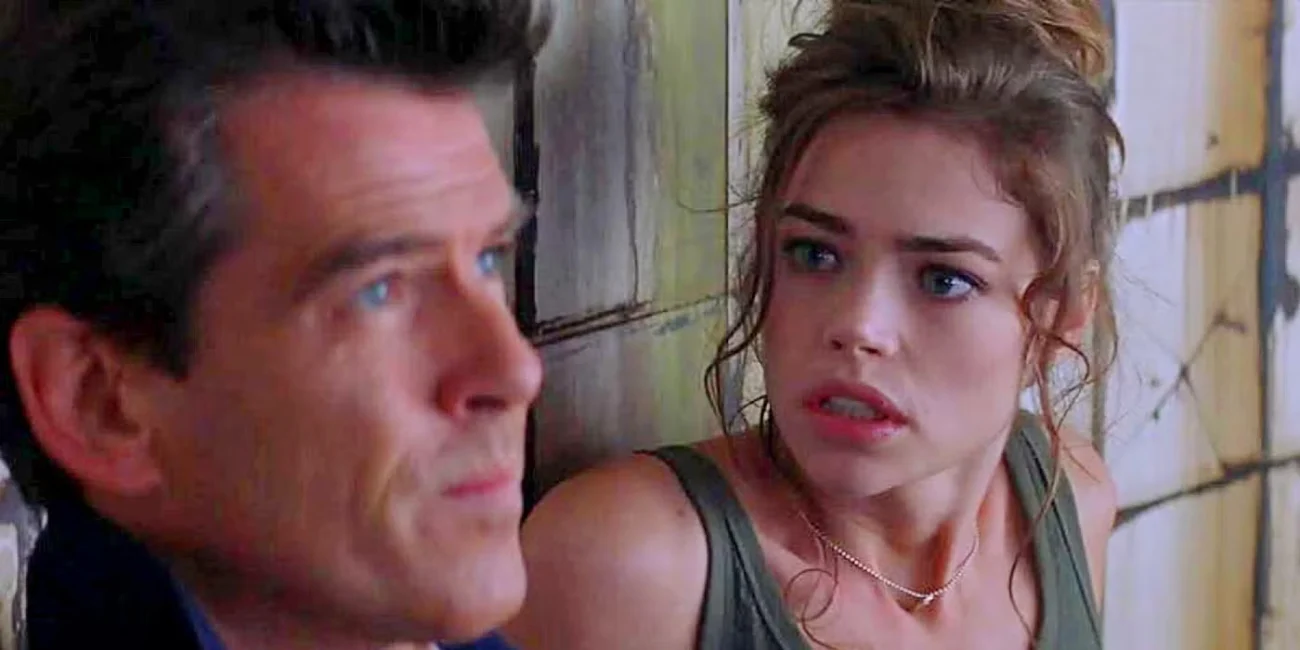
The film introduced Jones as a nuclear physicist and key ally in the narrative’s central conspiracy. Media coverage questioned the credibility of the character’s portrayal, and Richards received a Razzie for Worst Supporting Actress. The movie nevertheless proved a financial success and helped solidify the late-era Bond formula. Later franchise entries shifted toward different tones and character archetypes for Bond’s associates.
Mike Myers as The Cat in ‘The Cat in the Hat’ (2003)
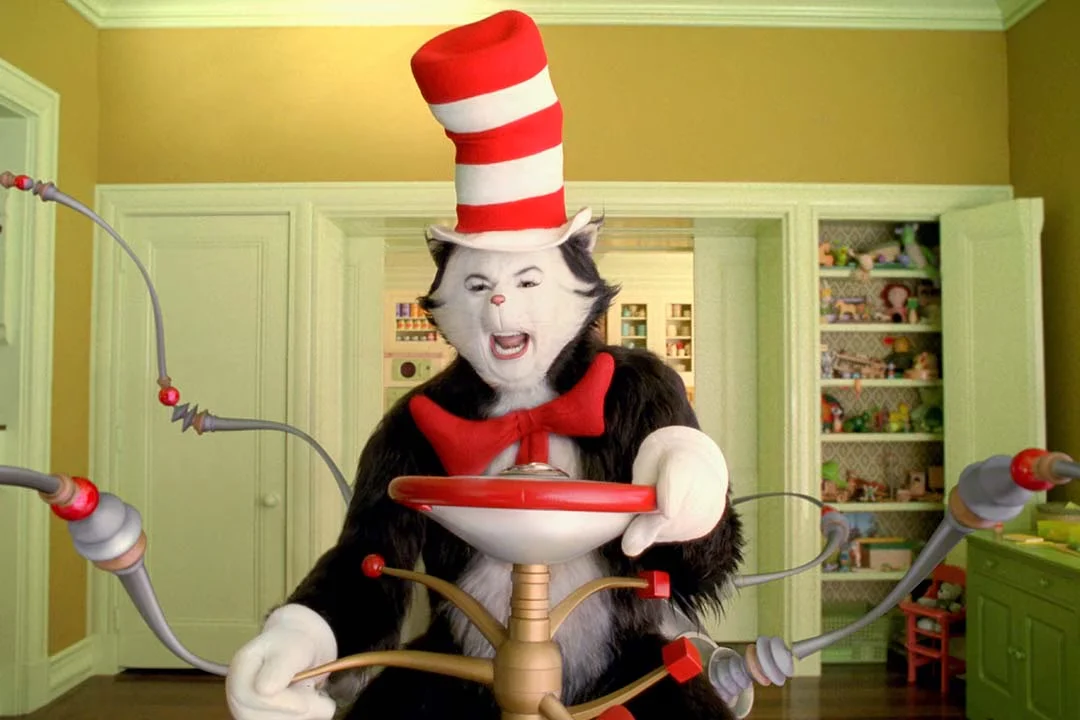
Universal mounted a high-budget, stylized live-action take on the beloved children’s book with Myers in heavy makeup and a full-body suit. Reviews were largely negative, especially regarding tone and humor. Following the release, the Seuss estate reportedly moved away from authorizing further live-action adaptations of the books. The title has since been used as a cautionary example in discussions about translating picture books to live-action formats.
Topher Grace as Eddie Brock/Venom in ‘Spider-Man 3’ (2007)
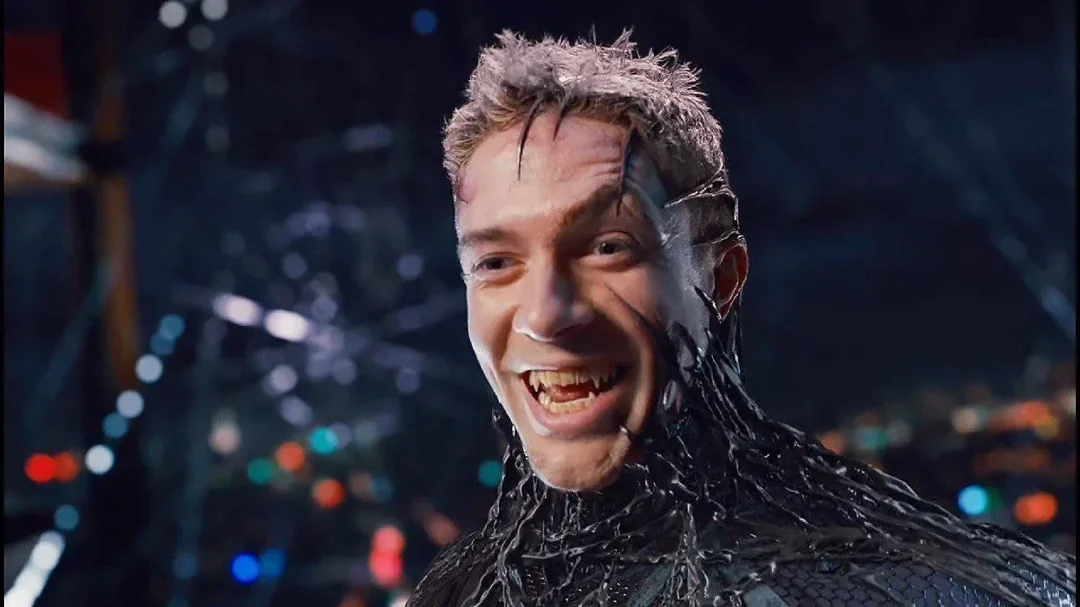
Studio pressure to include Venom compressed development time for the character, who shared screen space with multiple antagonists and subplots. Grace’s take on Brock differed markedly from the bulkier comic-book version and earlier animated portrayals. After mixed reactions, the character was later rebooted with a separate lead and creative team. Behind-the-scenes accounts frequently cite competing priorities during production as a factor in the final portrayal.
Kevin Costner as Robin Hood in ‘Robin Hood: Prince of Thieves’ (1991)
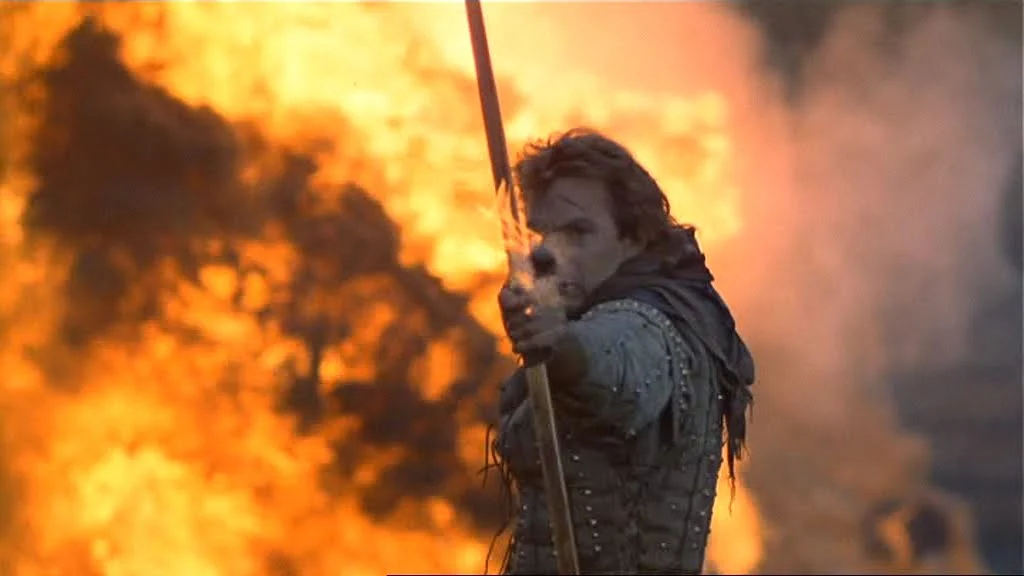
Public conversation focused heavily on Costner’s fluctuating accent and the movie’s swashbuckling tone. Despite criticism of the lead performance, the film became a box-office hit and generated a chart-topping soundtrack single. Supporting performances, especially the main antagonist, drew awards recognition. The role spurred a wave of subsequent Robin Hood adaptations exploring different tonal approaches.
Halle Berry as Catwoman in ‘Catwoman’ (2004)

The film reimagined the title character as Patience Phillips rather than the more familiar Selina Kyle from the comics. Narrative and design changes drew scrutiny from fans, and Berry accepted the Razzie Award for Worst Actress in person with a widely covered speech. The movie underperformed domestically relative to its production and marketing spend. DC later repositioned the character through other media and interpretations.
Jesse Eisenberg as Lex Luthor in ‘Batman v Superman: Dawn of Justice’ (2016)
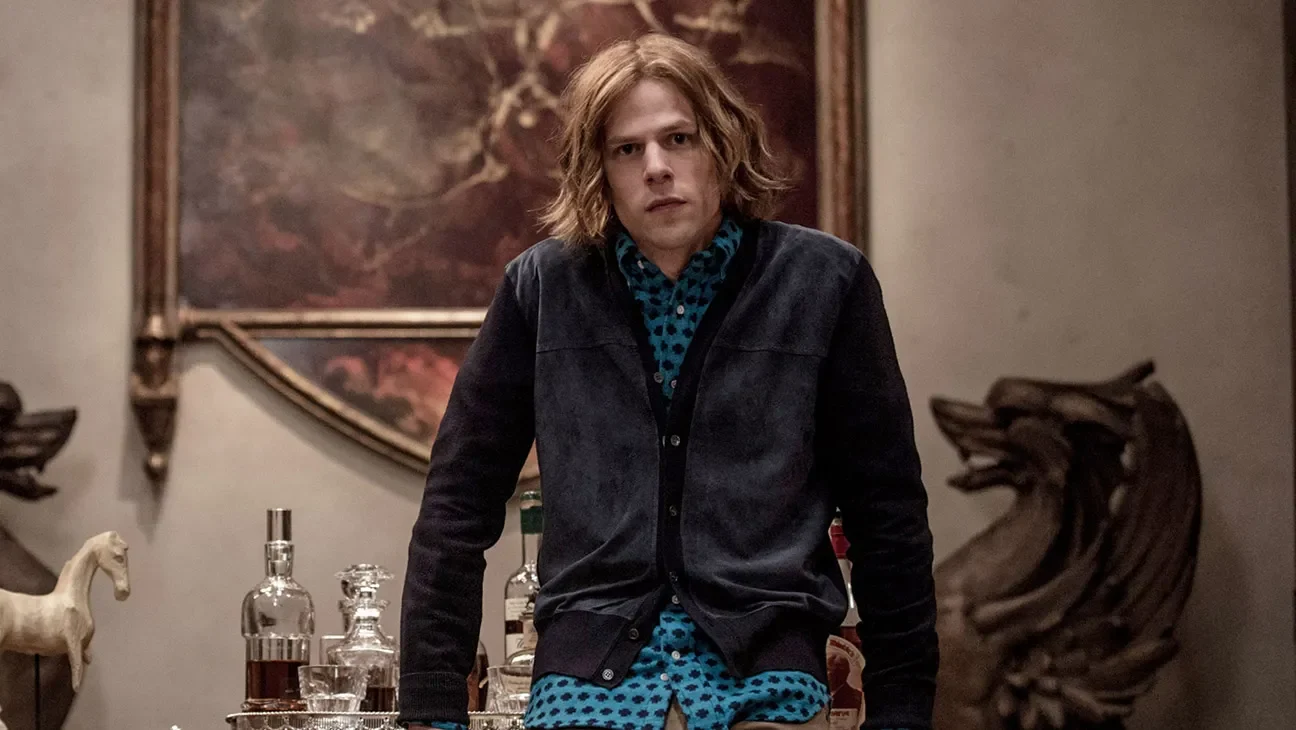
Eisenberg portrayed Luthor as an eccentric tech magnate with a public-facing persona masking private schemes. The performance generated significant debate among fans and critics, contrasting sharply with prior screen versions of the character. He returned briefly in a credits stinger for a subsequent ensemble entry before larger franchise plans changed. The casting remains a frequent reference point in discussions about modernizing classic comic villains.
Arnold Schwarzenegger as Mr. Freeze in ‘Batman & Robin’ (1997)
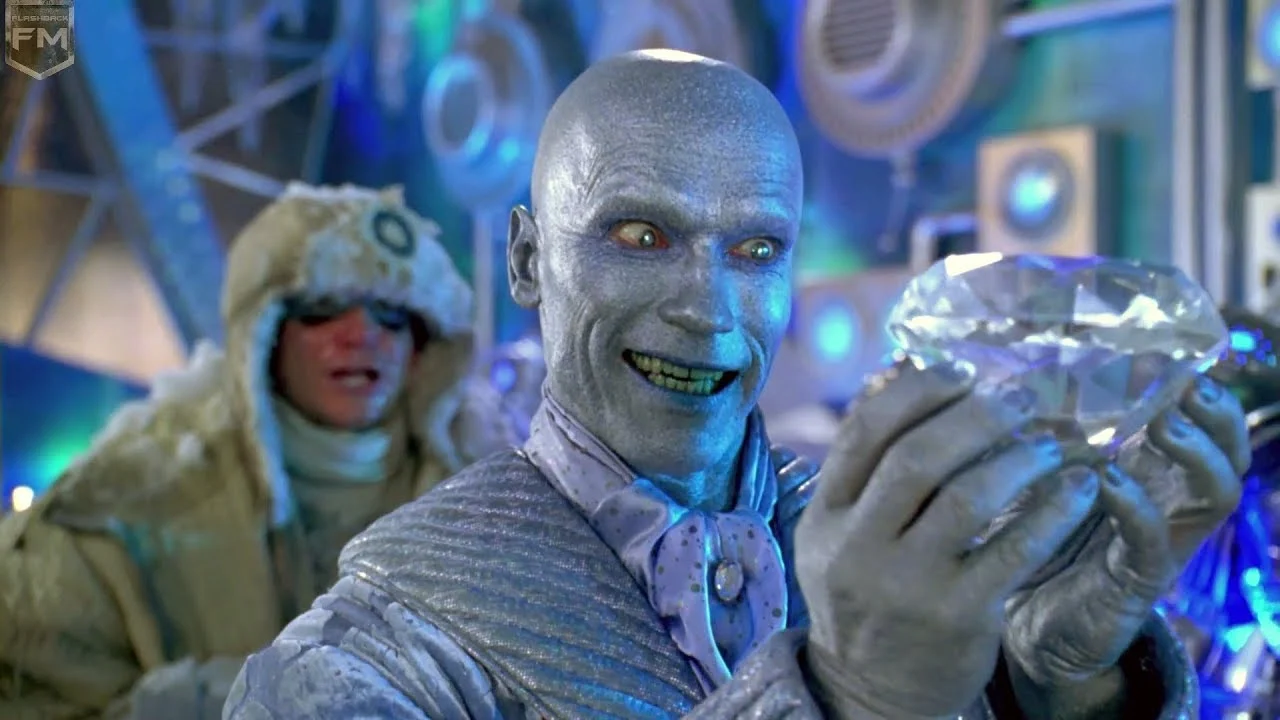
The production emphasized broad, family-friendly spectacle and ice-themed one-liners for the character. Schwarzenegger received top billing and a reported eight-figure salary, reflecting the franchise’s commercial peak at the time. Critical response to the film’s tone contributed to a franchise hiatus and eventual reboot. Mr. Freeze has since been reinterpreted in animation and games with different emphases.
Hayden Christensen as Anakin Skywalker in ‘Star Wars: Episode II – Attack of the Clones’ (2002)
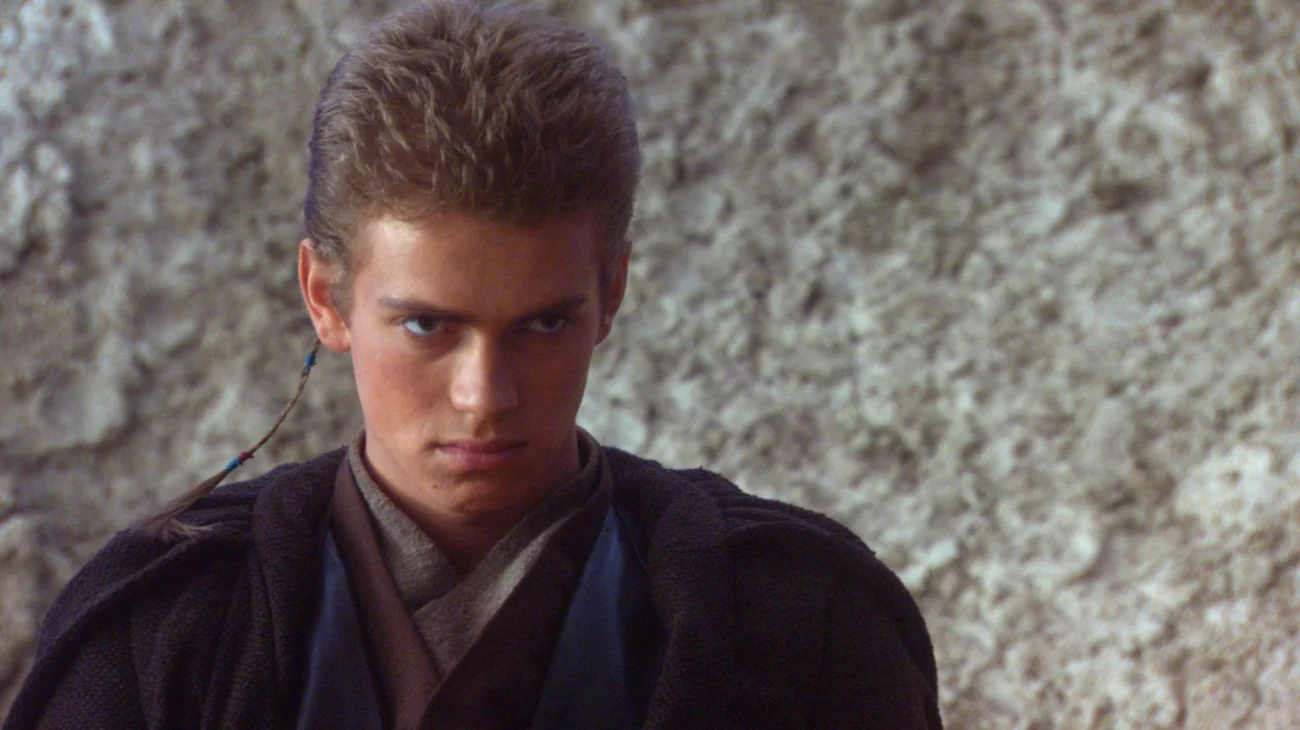
Christensen was cast after an extensive search to portray the franchise’s central tragic figure. Dialogue and romantic scenes drew heavy scrutiny on release, leading to Razzie nominations. He continued the role in the next installment and later reprised it in streaming series entries. Over time, parts of the fandom reassessed the performance within the saga’s broader arc.
Tilda Swinton as The Ancient One in ‘Doctor Strange’ (2016)
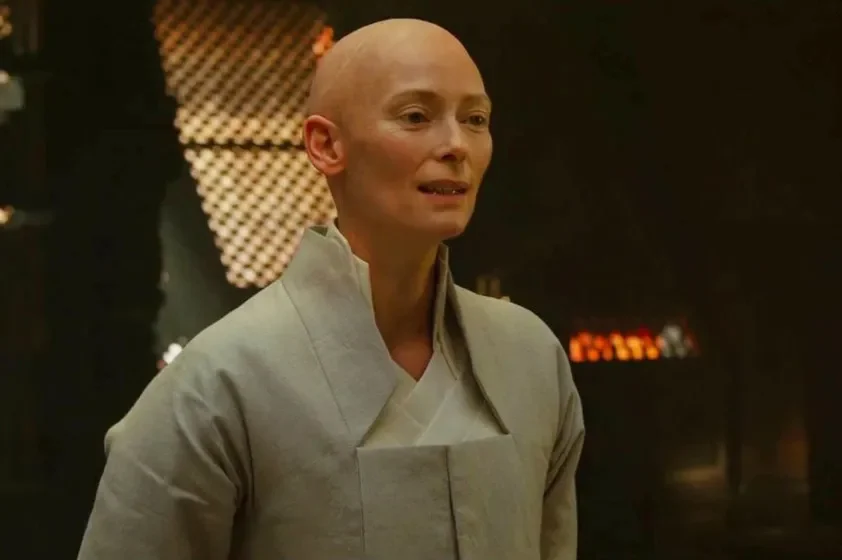
The film reconfigured the mentor character from the comics, removing Tibetan origins and presenting a Celtic mystic instead. The choice prompted industry-wide conversations about representation and the erasure of Asian identities in adaptations. Studio representatives and the actor later addressed the controversy in interviews and statements. Subsequent Marvel projects have engaged more directly with discussions around inclusive casting.
Scarlett Johansson as Major Mira Killian in ‘Ghost in the Shell’ (2017)
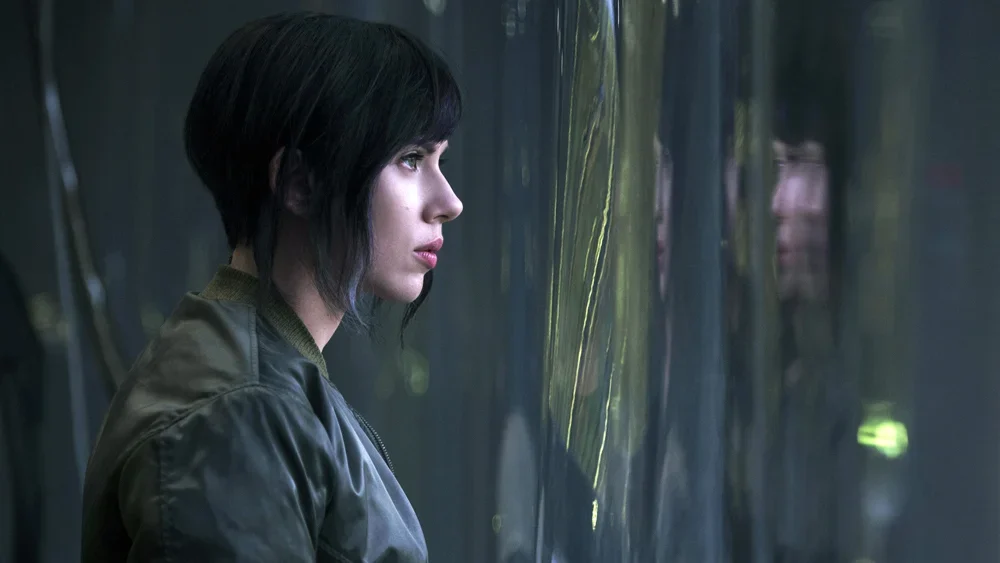
Casting Johansson in a role derived from a Japanese franchise led to widespread accusations of whitewashing from fans and advocacy groups. The movie struggled at the domestic box office compared to its production budget and marketing costs. The distributor publicly defended the choice during the rollout but later acknowledged the backlash’s impact on reception. The case became a high-profile example in debates over adapting anime and manga for Western audiences.
Emma Stone as Allison Ng in ‘Aloha’ (2015)

Stone played a character described as part Asian and part Native Hawaiian, which led to immediate criticism from representation advocates. The actor later apologized publicly, and the filmmaker addressed the controversy in subsequent interviews. The film’s reception was overshadowed by the casting discussion throughout its release cycle. The incident remains a commonly cited example in conversations about accurate, community-grounded casting.
Share your picks—along with the facts that back them up—in the comments!