‘House of the Dragon’ Star Abigail Thorn on That Brutal Admiral Sharako Lohar Death: “I Wanted the Audience to Feel That Ick”

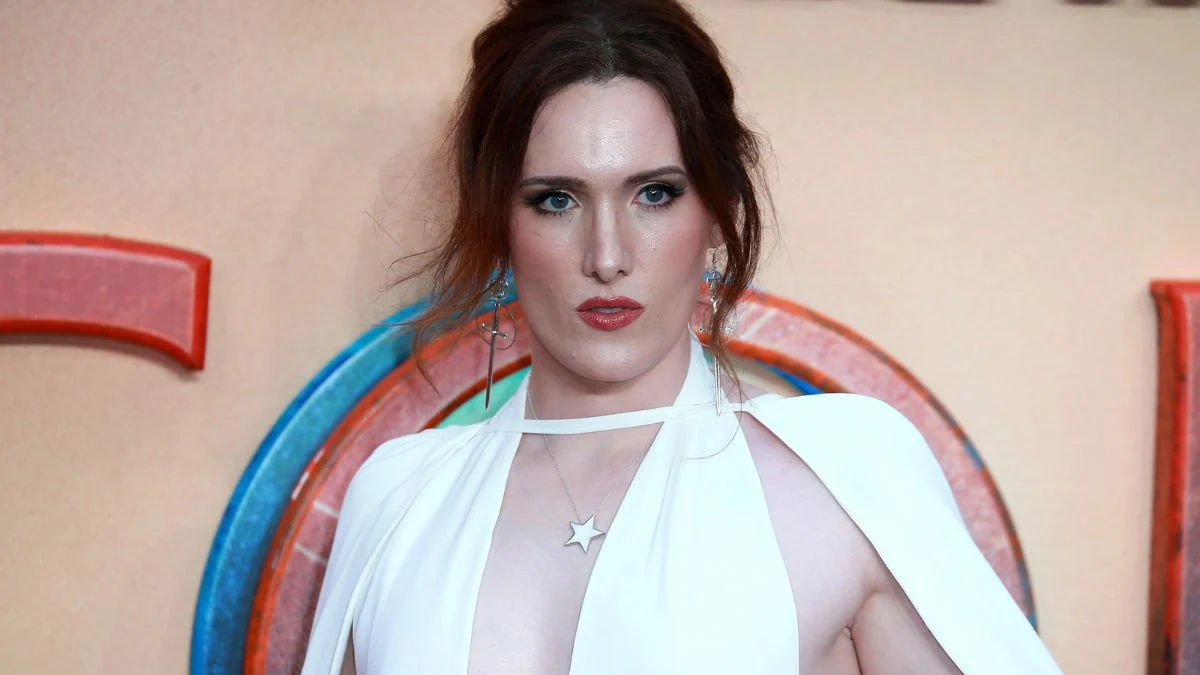

From YouTube creator to franchise performer, Abigail Thorn represents a new generation of artists reshaping the path from digital platforms to mainstream entertainment. While she built a global audience of nearly 1.7 million subscribers through her acclaimed channel Philosophy Tube, Thorn’s journey into acting was rooted in years of training, theatre, and performance long before her online success.
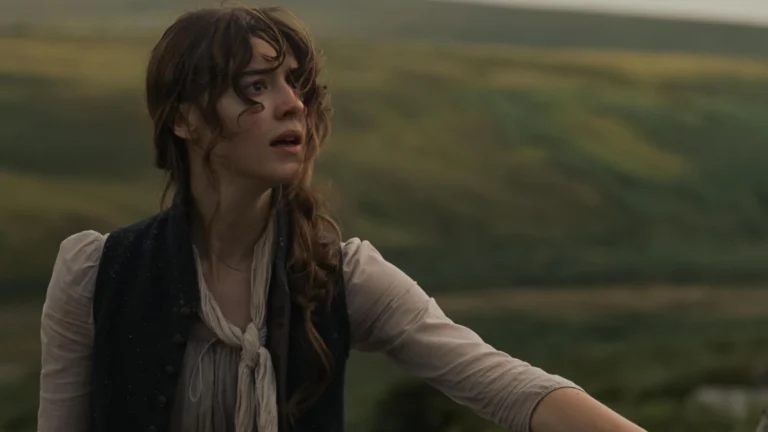
Now stepping into some of the biggest genre worlds, including HBO’s House of the Dragon, Disney+’s Star Wars: The Acolyte, and BBC/Sky’s Django, Thorn has become a standout example of how modern creators can move between independent projects and major productions. Her portrayal of Admiral Sharako Lohar in House of the Dragon has especially drawn attention, with Thorn bringing a new interpretation to the character through a combination of physical performance, combat training, and emotional depth.
In this conversation, Thorn opens up about her unusual path from YouTube to Westeros, explaining that online success was never a shortcut but something that existed alongside her traditional acting training and auditions.
She discusses how her self-written play The Prince helped lead to her House of the Dragon opportunity, the creative process behind transforming Lohar for the screen, and the inspirations she drew from characters like Captain Ahab and Khan.
Thorn also reflects on embracing action-driven roles, from stunt training and sword fighting to the physical choices that shaped Lohar’s movements, as well as the challenges of filming the character’s final moments and finding the humanity beneath her violence. She talks about fan reactions, the passionate House of the Dragon community, and what it means to portray a character who has connected with audiences in unexpected ways.
Editor’s Note: This interview has been condensed and edited for clarity.
You’ve built a global audience of almost 1.7 million subscribers through the cinematic, character-led essays on Philosophy Tube. How has your background as a digital creator and a self-authored writer on projects like The Prince uniquely prepared you for stepping into massive, highly established franchises like House of the Dragon and Star Wars?
Actually, I’ve been acting since I was a kid; I was classically trained at a British drama school too! YouTube was a side gig that kinda got big before my acting career did. We’re in this post-Backrooms, post-Obsession era now where people are fixated on “YouTubers going mainstream,” but the truth is I did it the old-fashioned way by just training hard and turning up to auditions.
A few years ago I was actually thinking about quitting online video to focus on acting, but it was Dave Wiskus, the founder of Nebula, who told me I should try combining them. That was how I got the idea to ask Nebula to finance The Prince. It did so well thanks to my YouTube audience buying tickets that the show made its money back before we even opened! The Prince had lots of fighting in it, and Kate Rhodes James, the casting director on House of the Dragon, saw me in that, so it was partly how I got the audition for HOTD. But yeah, I just go to auditions and do my best, and sometimes I get the job!
Admiral Sharako Lohar is written as a male character. The show’s decision to have you step into this role adds a fascinating new layer to the Triarchy’s leadership and the show’s exploration of gender and power. Can you walk us through the discussions you had with Ryan Condal and the creative team about reimagining Lohar for the screen?
Ryan told me in the audition that Lohar was supposed to be something totally different than anything we’d seen so far in the show. She evolved quite a bit from the script to the final on-screen portrayal: we tried a few different accents and physical approaches during the rehearsal stage before settling on her final form.
She’s the only character who’s having fun in Season 2; I think she might be the only one apart from Ulf who smiles! At first it’s funny: she’s playing around with Tyland, we’re not sure whether the cannibalism thing is serious, all the knives she carries are a joke, like “Oh, she’s a swashbuckling pirate!” In Season 3, we learn she’s really quite disturbed. We see her pain, and her mania.
Think about it: if you saw a person in real life with a bunch of weapons hanging off them, you’d be terrified! Seeing someone have a manic episode and start hurting others is really scary! It was wonderful that the creative team let me really flesh her out; it’s great to work with people who trust the artists to do our part.
When I got the scripts for Season 3, I read the novel Moby Dick and watched every adaptation of it I could find to make her this Captain Ahab-like figure at the Battle of the Gullet. She’s so wrapped up in her pain that she throws everything away to get revenge on Corlys. Ricardo Montalbán’s work in Star Trek II was a source of inspiration too: Khan’s charm juxtaposed with his brutality was perfect for Lohar.
Your transition into action-driven storytelling is incredibly well-timed, especially given your background in stunt training and combat choreography. How much of that physical expertise were you able to bring into your portrayal of a formidable fleet commander like Lohar?
The stunt team gave me a bit of action in Season 2 with that mud wrestling scene, and I kept asking for more ‘cause I love it! I’ve wanted to do action for ages: I’m six foot one, and I’ve done fencing, martial arts, swordfighting, SCUBA diving, shooting – the works! I was an army cadet for five years, so I don’t mind jumping into things; I just never really got the chance until HOTD.
So when Season 3 came along, and the team started training me in boxing and swordfighting, I was so pleased! Physicality has always been a big part of how I approach a character.
For Lohar in Season 2, the way she is on land, I studied monkeys – the way they reach for things with their knuckles whilst looking at something else; it’s all about checking who’s around, monitoring for threats, and you can see Lohar doing it in the banquet scene. For Season 3, I studied the tigers at London Zoo. You can see it in the scene when she shoots at Vermax, the way she prowls across the deck and gyrates her shoulders.
Without giving too much away for fans who are just catching up, we have to talk about “that death” and the intense stakes surrounding your character this season. What was your initial reaction to reading those specific script pages, and what was the energy like on set while filming?
The script for the death was quite simple; I think it just said something like “They fight. He swings the axe and kills her.” In the end, there was no axe; we changed things up – that’s normal for action sequences. My job as an actor was to be The Human Being Department and decide how she behaves move by move, second by second. The story of this episode and this season of the show is about the cost of war, so I wanted her to die in a way that helped serve that story. I decided in her final moments she wouldn’t be a fearsome rage machine; rather, we would see all the fear and pain she’s been burying since Season 2, the ache that lies behind all the bravado and rage.
A lot of the women I’ve spoken to say that scene is hard to watch because despite everything she’s done, in the end she’s a scared woman being strangled to death by a much larger man. On the day we filmed it, I remember the women on set picking up on that: Nina and Helen, Lohar’s hair and makeup team, checked in to make sure I was okay emotionally. Even in the ADR booth months later, some of the audio technicians winced because that kind of violence hits close to home! I’ve been violated by men (like almost every woman has), and I wanted the audience to feel that ick: it complicates Lohar and humanises her, and tells us there are no real winners in war.
It was a challenging scene to film but part of my drama school training was learning to deal with difficult material. Fortunately, everyone on set was wonderful and professional, especially Abu, who’s the biggest sweetheart in the world! When you have a wonderful team like on HOTD, tough scenes are all in a day’s work!
Joining the Game of Thrones universe means facing one of the most passionate and detail-oriented fanbases in the world. How have you navigated the fan reception so far, and what has surprised you the most about the House of the Dragon community since your casting was announced?
The fan response has been wonderful! The eye for detail some fans have is really nice because they notice the choices we make and appreciate the effort that goes into the craft of acting. I enjoy the creativity of the fanbase too: my social media manager showed me some TikTok edits of Lohar that made me smile. It’s been nice that so many women have reached out to say they enjoyed my portrayal, that it helped them feel seen in all their rage that we normally have to hide.
Quite a few have even said they found Lohar sexy! Most of the time, though, I try to maintain a professional distance from all that: my job as an actress is to serve the text and the director’s vision, so when I need feedback or guidance, I get it from there.
Have something to add? Let us know in the comments!