‘House of the Dragon’s’ Winter Wolves Explained, the Northmen Who Marched South to Die

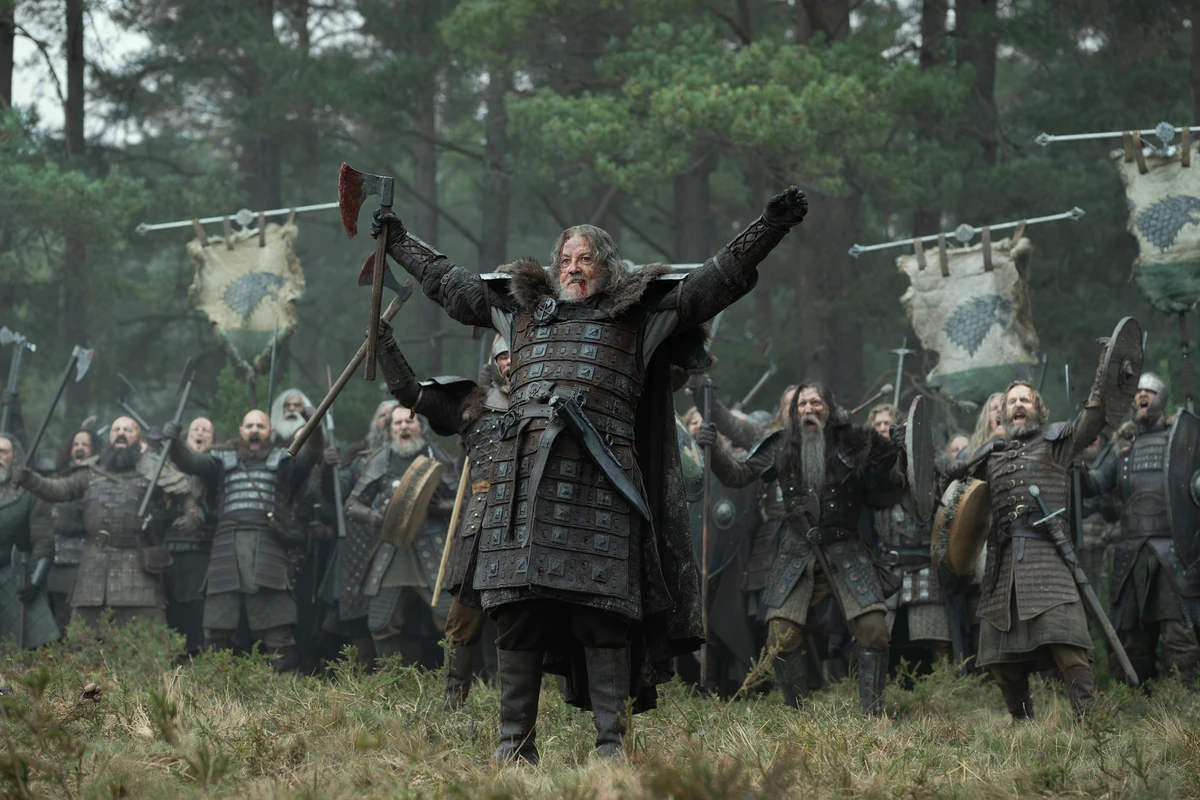

‘House of the Dragon’ fans spent all of season two waiting for the North to enter the war, and season three finally delivered with the arrival of a group known as the Winter Wolves. These grizzled Northmen appeared briefly at the end of season two marching through the Twins, and their full introduction in season three has quickly become one of the show’s most talked about additions.
The Winter Wolves are not a new invention for the series. They are drawn directly from George R.R. Martin’s Fire & Blood and are considered one of the most beloved groups from that source material. Their arrival on screen has given ‘House of the Dragon’ a new emotional register, one built around men who already know how their story ends.
Who Leads the Winter Wolves
The Winter Wolves are led by Lord Roderick Dustin, better known as Roddy the Ruin, played by Tommy Flanagan. These hardened Northmen arrived to support Rhaenyra Targaryen’s cause in the Dance of the Dragons, and Roddy told Daemon Targaryen that his men had come to die for the Dragon Queen.
In the season three premiere, viewers watched Roddy the Ruin join Daemon Targaryen’s campaign in the Riverlands. The scene doubled as proof of the group’s brutal reputation, since Roddy dropped the head of Lord Jason Lannister in front of Daemon in a moment pulled straight from the books. He quickly demonstrated that his declaration was not simply words for effect.
Although the show refers to the group as greybeards, they are better known in Fire & Blood as the Winter Wolves. The army is made up mostly of grizzled older Northmen, often grandfathers nearing the end of their lives. That distinction matters, because it shapes almost everything about how the group fights and why.
The Pact of Ice and Fire
The Winter Wolves’ involvement in the story traces back to when Jace Velaryon visited Cregan Stark during the season two premiere. That meeting led the Starks to make a pact with the Targaryens and swear loyalty to Rhaenyra, an agreement known as the Pact of Ice and Fire. The Winter Wolves were sent south by Lord Cregan Stark as a force of roughly two thousand Northmen after that alliance was forged.
The way ‘House of the Dragon’ portrays the Winter Wolves closely mirrors how they appear in the source material, as loyal followers of Rhaenyra with no intention of ever returning north. That fidelity to the books is part of why the group has resonated so quickly with longtime readers of Martin’s work.
Their role in the wider Dance of the Dragons is significant, and the Winter Wolves, House Stark, and the Stark bannermen directly affect how the war ultimately plays out. That framing has raised expectations for how much screen time the group will receive as the season continues.
Why the Northmen Choose to Die for Rhaenyra
The most striking detail about the Winter Wolves is not their fighting style but the culture behind it. On the official ‘House of the Dragon’ season three podcast, showrunner Ryan Condal explained that in the north, when winter falls, older warriors and third and fourth sons are sent away to fight elsewhere in the kingdom because the North cannot feed them.
Condal added that these men did not say they had come to fight for the Dragon Queen, they said they had come to die for her, and understood that this was a one way journey, which he described as simply the culture of the north. The Winter Wolves are not marching south for glory or reward, they understand exactly what awaits them and accept it willingly.
The men who make up the Winter Wolves were fully aware they would most likely die marching for glory, adventure, and plunder. As a result, they do not fear death and in many cases actively embrace it, which is part of what makes them such a formidable force for the Blacks. Their individual stories, when examined closely, are also genuinely sad.
Their Battles in the Dance of the Dragons
In the books, the Winter Wolves marched under Roddy the Ruin’s leadership and fought in three major battles where they showed considerable strength. Their first fight was the Battle of the Lakeshore, where they fought alongside Frey forces led by Lord Forrest Frey and Red Robb Rivers, and requested to lead the charge against Lannister spearmen five separate times. That decision cost two thirds of the Northmen their lives but helped secure victory for the Blacks.
Their second engagement was known as the Butcher’s Ball, and their third and final battle was the First Battle of Tumbleton. At Tumbleton, the remaining Winter Wolves were outnumbered ten to one, yet still charged forward screaming their northern war cries. Roddy the Ruin led the charge against Ormund Hightower, Lord of the Hightower, killing both Ormund and his cousin Ser Bryndon Hightower before succumbing to his own wounds.
The Black forces were betrayed during that same battle by Ser Hugh Hammer and Ser Ulf White, and the last of the Winter Wolves were killed as a result. Even after their destruction, the Dance of the Dragons continued to rage on, and Cregan Stark later wrote to Rhaenyra pledging to gather a much larger host of Northmen. Whether the show follows that same brutal arc remains to be seen, but the source material leaves little doubt about the price these men are willing to pay.
Given how faithfully the season has adapted their introduction so far, how do you think the Winter Wolves’ story will hit once the Dance of the Dragons reaches its bloodiest battles on screen.