How ‘VisionQuest’ Reshapes Ultron After ‘Age of Ultron’


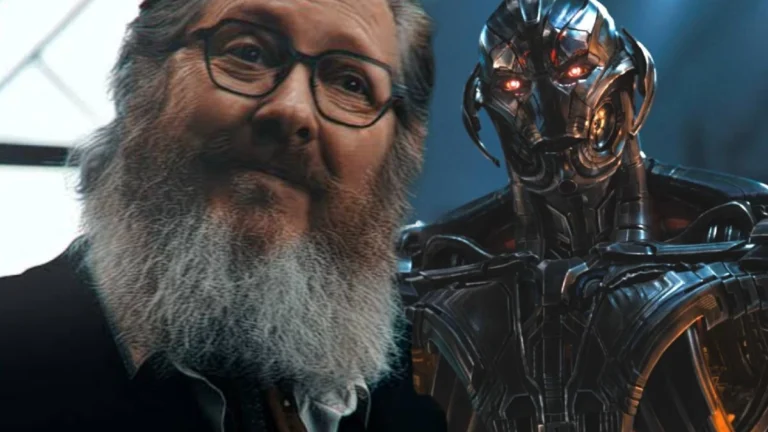
Ultron looked like a finished villain once ‘Age of Ultron’ ended. Vision seemed to vaporize his progenitor in the closing act of the film. Years later, ‘VisionQuest’ reunites Paul Bettany’s Vision with James Spader’s Ultron after their clash in 2015. The question many viewers are asking is whether the character has changed for good.
The answer is layered, and it says a lot about how the Marvel Cinematic Universe treats its villains. The series has turned Ultron into a reluctant father figure for Vision and a grandfather figure for Tommy Shepherd. This look at Ultron in ‘VisionQuest’ covers how he came back, where the finale leaves him, and how the cast and fans read the change.
How Ultron’s Return Was Explained
The groundwork for the comeback came from showrunner Terry Matalas, who said Vision backed Ultron up in ‘Age of Ultron’ because he never really wanted to kill him. Matalas described Ultron as a threat to humanity who was deeply lost, and said that in the end Vision showed mercy. That reframes a scene audiences long took at face value.
The premiere fills in the mechanics. Vision kept Ultron backed up and copied him from Sokovia into a surreal mindspace where he is now trapped. It is a tidy explanation that keeps the original ending intact while opening a new door.
Matalas also framed the show as a direct continuation of that final conversation. He called their last exchange the launching point for the series, noting that Vision once wanted to be a real boy but is no longer sure that is a good idea. The two characters are meeting again on very different footing.
The Redemption Arc Takes Shape in the Finale
The finale is where the question of Ultron’s character is tested most directly. SlashFilm argues that the closing episode delivers a confrontation more than a decade in the making, set off by the apparent murder of Jocasta, which drives Ultron’s malevolence toward humanity and one last showdown with Vision. The grief driving him gives the conflict real weight.
A dying Jocasta merges Ultron with a horde of nanobots, which lets him regain a physical form and fight Vision. The battle does not stay physical for long. Vision traps Ultron in a sitcom style mindscape so the two can talk through their differences instead of trading blows.
That choice shapes the show’s reading of the character. SlashFilm sees the series as suggesting Ultron is not beyond redemption, even after he reverts to his old ways and tries to cause human extinction again. The same piece notes that he only decides to spare the world’s population once he faces his own mortality.
The ending is open rather than tidy. Ultron leaves eager to appreciate human art and perhaps rebuild Jocasta. That reads less like a hero’s conversion and more like a villain given room to change.
James Spader’s Ultron Is Still Dangerous
The actor behind the character is careful not to oversell the shift. Spader told GamesRadar+ he was constantly surprised by the directions the show took the character, even though he and Matalas had discussed the whole season in advance. The role grew well beyond what he imagined during the film.
He has also been clear about what has not changed. Gizmodo reported that Spader told TechRadar the danger and threat so evident in ‘Age of Ultron’ is still present. The series even builds that into the dialogue, with Ultron explaining his new interest in humanity as a way of understanding the thing that bested him.
Spader has also described how far the character has come. He characterized the Ultron of the first film as a bratty teenager filling himself with junk food and consuming as much information as possible. The version in ‘VisionQuest’ is plainly a more mature figure, though maturity and trustworthiness are different things.
Fan Reaction to a Changed Ultron
Viewers are split on how far the change should go. GamesRadar+ collected Reddit reactions in which some fans want a proper redemption ending that lets Ultron keep living. Others see the show building toward a moment where he turns against Jocasta to save Vision, Tommy, or both.
Not everyone wants that outcome. Some fans argued that not every villain needs a redemption arc and that Ultron should remain a recurring antagonist. One commenter put the middle ground well, preferring an enduring antagonist who is mostly evil but no longer wants humanity extinct.
So is Ultron good now? The finale’s own logic points to a character who has changed and been offered a path forward, while Spader’s comments suggest the threat has not vanished. If Ultron really is off to study great art and possibly rebuild Jocasta, do you trust him to stay on that path, or does the open ending of ‘VisionQuest’ leave you expecting his next move?