How ‘Whalefall’ Built Its Ocean Ordeal Between Real Coastline and a Whale Sized Set

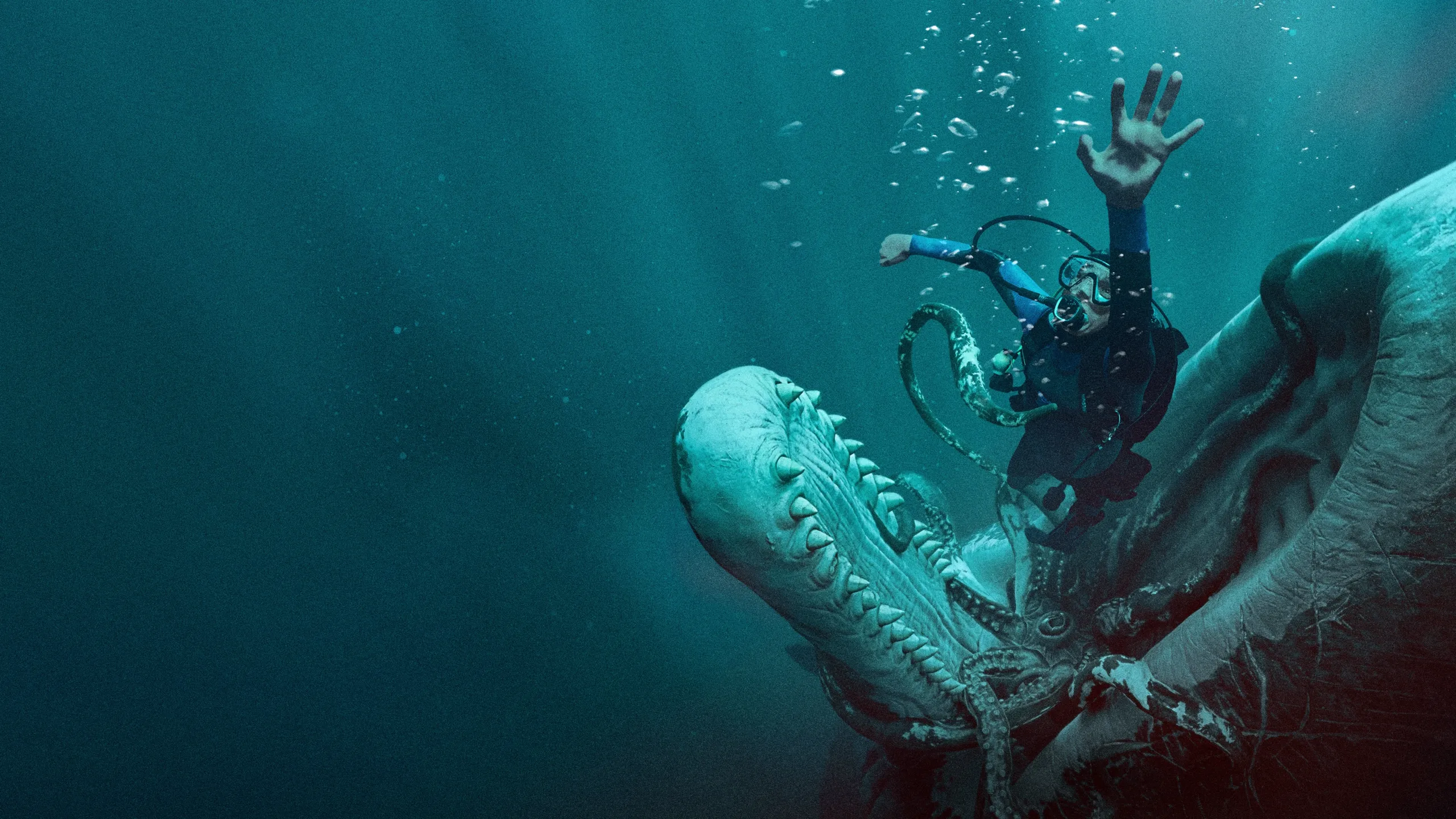

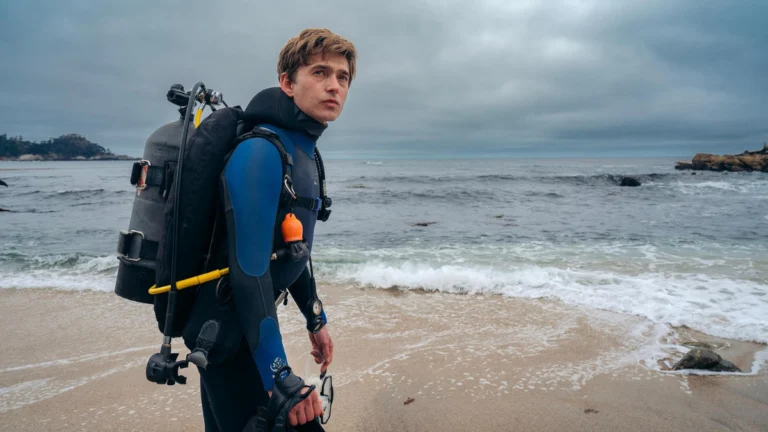
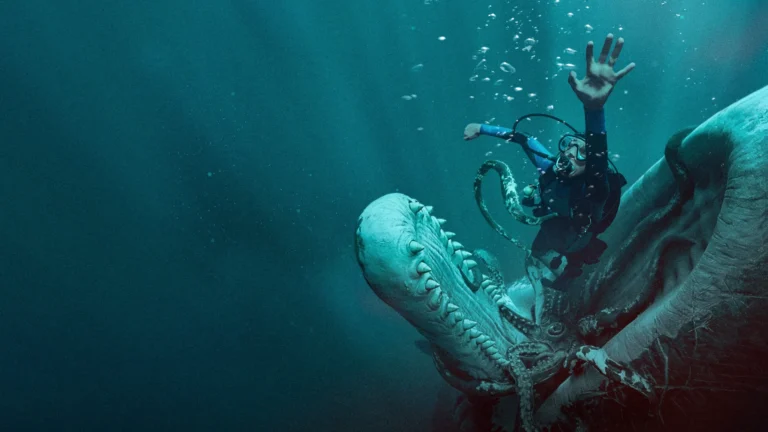
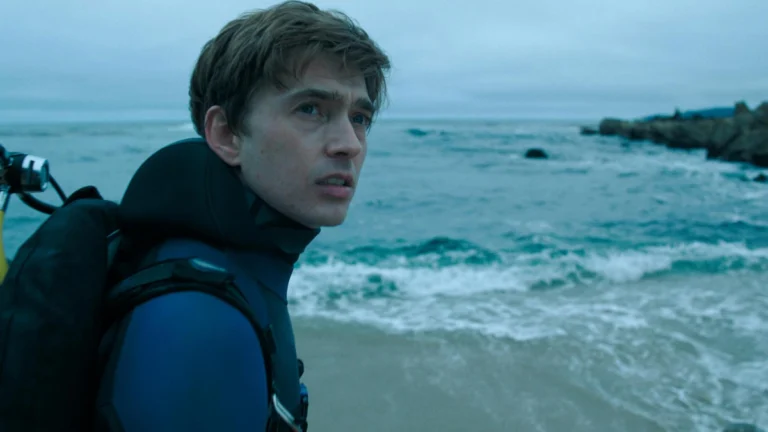
Anyone curious about the ‘Whalefall’ filming locations will find that the production split its work between real California coastline and a purpose built interior. The story follows Jay Gardiner, played by Austin Abrams, who goes diving off the central coast of California in search of his late father’s remains and is swallowed by a massive sperm whale. With only one hour of oxygen left, Jay realizes that the lessons his father taught him may be the key to getting out.
That premise asks a lot of a film crew, because it needs believable open water and a believable interior at the same time. The answer from 20th Century Studios and director Brian Duffield involved a mix of coastal shooting and carefully constructed sets. Here is what has been reported so far about where the film was made and why those choices matter.
Whalefall Filming Locations Across the Monterey Peninsula
According to the Monterey County Film Commission, the production filmed off the coast of Monterey for a week and used the county as its backdrop. Spanish language film database Sensacine also notes that much of the shoot took place on the Monterey Peninsula, in the northern part of California’s central coast. That fits the story, which places Jay’s dive on the central coast.
Box office tracker The Numbers lists the filming location only as California, United States. The broader picture is more detailed, though some of it comes from less established outlets. One location roundup reports that principal photography began on 9 June 2025 with a 62 day schedule that combined outdoor locations and studio built environments.
That same roundup is careful to add a caveat worth repeating. It says not every individual filming spot or soundstage has been publicly documented, so reported production locations should be kept separate from places that merely suit the film’s setting. Readers planning a trip should treat the confirmed list as shorter than some online guides suggest.
Monastery Beach and Pacific Grove on Screen
The locations named by the Monterey County Film Commission include Monastery Beach, Pacific Grove, Monterey High School and Jacks Peak County Park. Taken together, they cover shoreline, town and hillside, which gives the film room to build an ordinary world around Jay before the water takes over.
Monastery Beach sits in Carmel and is described as one of the most striking coastal locations associated with the film. It is a real destination on the Monterey Peninsula, but the same guide warns that its scenic appearance is no invitation to enter the water. That is a sensible note for fans tempted to recreate a scene.
Pacific Grove is a small seaside city known for its oceanfront paths, Victorian era homes and scenic stretches of coastline. Jacks Peak County Park, by contrast, lies in the hills above the peninsula and is known for wooded surroundings, trails and elevated views. The contrast suggests a film that moves between land and sea rather than staying underwater.
The Studio City Soundstage and Practical Whale Set
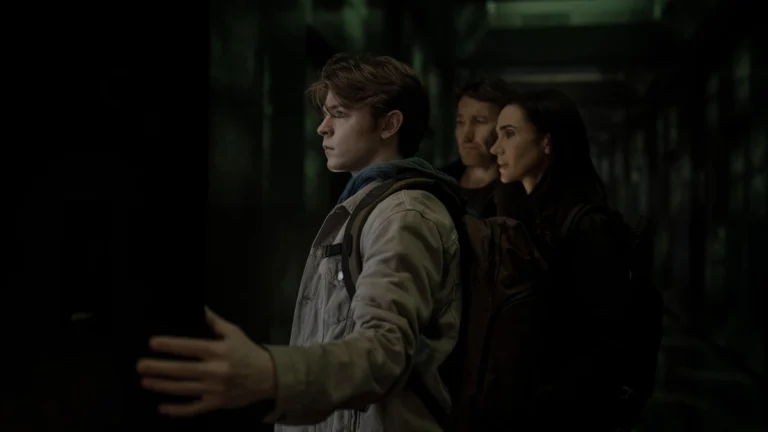
Real beaches could only do so much for a story set largely inside an animal. That is where the studio work comes in. Duffield has said that his cast and crew spent a summer inside a whale on a sound stage in Studio City, California, according to Variety India.
The physical build appears to have been a deliberate choice. Dread Central reported that the production built a practical whale stomach set so that Abrams could actually be placed inside it during filming, rather than relying entirely on digital effects. The report adds that the full scope of the practical work has not been detailed.
A grounded set also suits the tone the studio is selling. Disney’s marketing has described the film as ‘The Martian’ meets ‘127 Hours’, with a diver trapped in the body of an 80 foot, 60 ton sperm whale. Both comparison titles are stories about a lone person solving problems in a hostile space, and a tangible set gives an actor something real to push against.
What the Central Coast Setting Means for ‘Whalefall’
The choice of the Monterey area also keeps the film tied to its source material. The film adapts a 2023 novel by Daniel Kraus, and 20th Century Studios is the studio behind it. The screenplay was written by Duffield and Kraus, based on Kraus’ novel of the same name. Setting the dive off the central coast keeps the geography consistent with the story as described in the studio’s own synopsis.
The timing of the release gives audiences a chance to judge the results for themselves. ‘Whalefall’ premiered in London on October 5 and is scheduled to reach United States theaters on October 16. The cast includes Austin Abrams and Josh Brolin in the leading roles, with Elisabeth Shue, John Ortiz, Jane Levy and Emily Rudd also featured.
What the reporting makes clear is that the film’s credibility depends on two very different environments feeling like one continuous world, a sunlit peninsula and a cramped interior built on a soundstage. Viewers who recognize Monastery Beach or Pacific Grove on screen may find the transition into the whale all the more striking, so which part of the film’s blend of real coastline and built set did you find most convincing once Jay went under?