Judge Rejects OpenAI’s Bid to Toss George R.R. Martin and Authors’ AI Lawsuit – They Can Sue

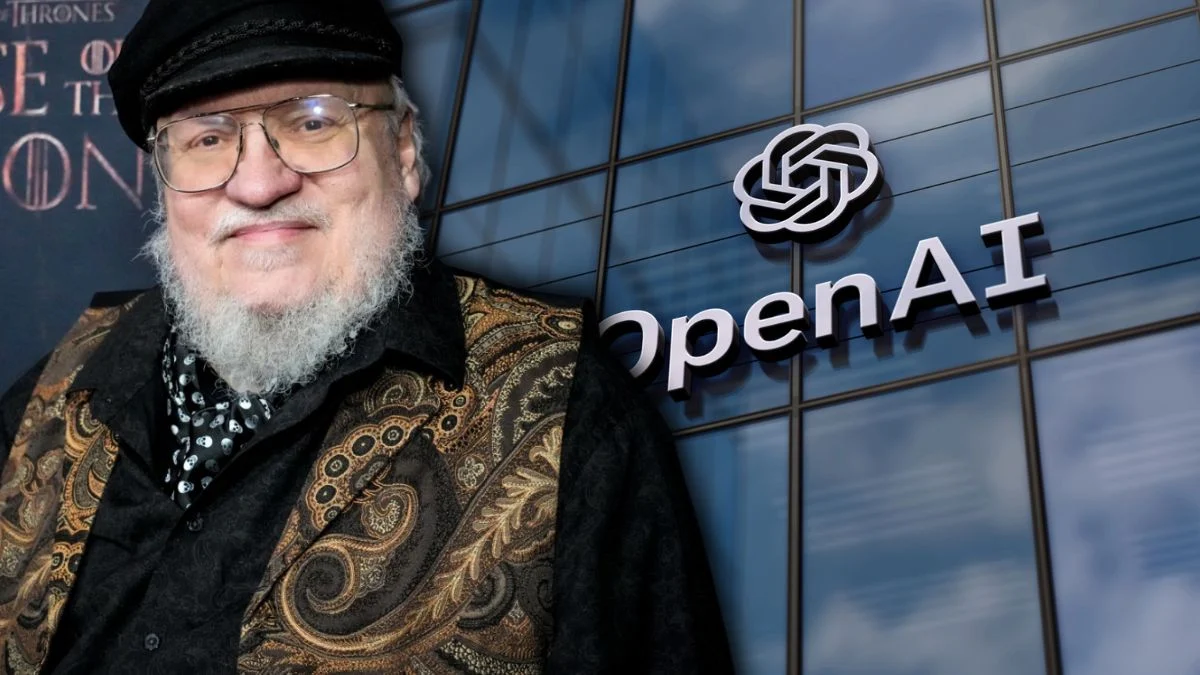

OpenAI seems to be losing some footing in courts related to lawsuits filed nearly three years ago. The firm, led by Sam Altman, is facing an ongoing lawsuit from several authors, including Game of Thrones writer George R.R. Martin.
This week, a federal judge allowed two new arguments from the authors to move forward, giving them more options to win their case.
According to court documents reported by The Hollywood Reporter, the authors are now moving forward with three main claims. The first argues that using copyrighted books to train AI models like ChatGPT counts as copyright infringement.
The second focuses on the alleged downloading of books from “shadow libraries,” which are online databases containing pirated works. The third claim says ChatGPT’s responses are too similar to the books it was trained on, potentially copying key elements like plot and characters.
The “shadow library” claim has evolved over time. Early on, lawyers linked the illegal downloading of books directly to the training of OpenAI’s models. But after the lawsuits against OpenAI and Microsoft were combined into one case, the authors’ legal team decided to separate that theory.
They now argue that even downloading the copyrighted books, regardless of whether they were used for training, is itself a violation.
OpenAI pushed back, saying the authors were adding a new claim too late in the case. But U.S. District Judge Sidney Stein disagreed. He ruled that the authors’ previous filings already covered that issue, writing, “The prior class complaints asserted a cause of action for copyright infringement and alleged that OpenAI impermissibly downloaded and reproduced plaintiffs’ books.”
The ruling means the authors have more than one route to claim damages. Under U.S. copyright law, penalties can reach up to $150,000 per violation, though each work can only count once, so the authors only need to win on one of their claims.
Judge Stein also made another key point: ChatGPT’s answers might themselves infringe on the authors’ works. In one example, the court highlighted a summary of A Song of Ice and Fire that ChatGPT produced.
The summary included details about the Night’s Watch and the White Walkers. The judge wrote that a reader could “easily conclude that this detailed summary is substantially similar” to Martin’s work, since it echoes the “plot, characters, and themes of the original.”
The judge also mentioned that the chatbot had generated possible sequels to Martin’s novels when asked. One of those outputs described a different storyline where “Robb Stark creates a surprise alliance with Renly Baratheon’s remaining supporters.” The court said that a jury could reasonably find these kinds of answers to be infringing.
The decision doesn’t mean OpenAI has lost the case, it only means the lawsuit can continue with these new claims. Still, the outcome shows that the authors’ legal team, led by lawyer Justin Nelson, has built a strong position. Nelson also represented novelist Andrea Bartz in a similar lawsuit against Anthropic, which ended with a $1.5 billion settlement.
For now, Judge Stein’s ruling shifts momentum toward the authors. The next step will be summary judgment, where the court decides which issues go before a jury. That will determine how strong each side’s case really is.
Have something to add? Let us know in the comments!