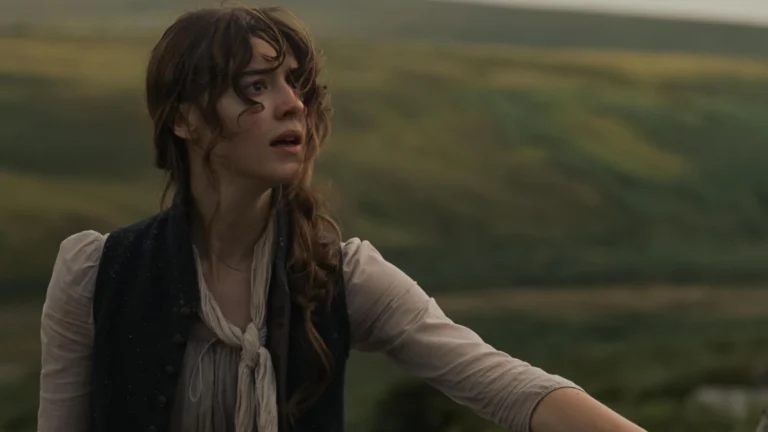
‘La Bola Negra’ Recap and Ending Explained: How Three Timelines Finally Connect

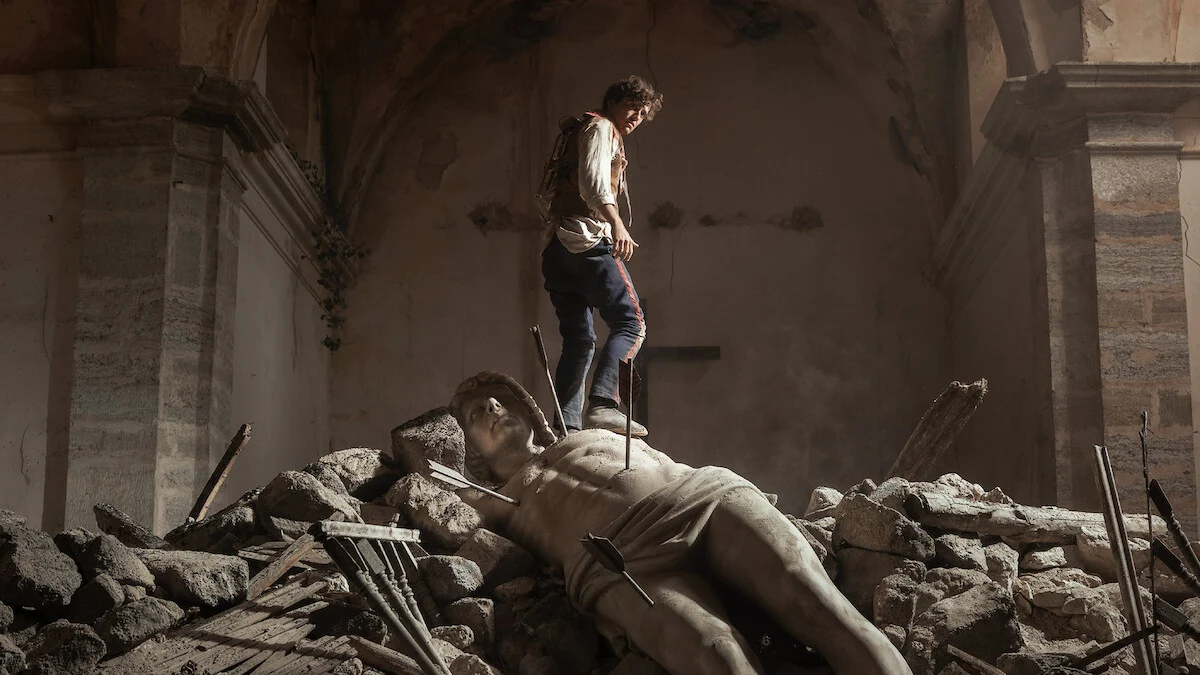

‘La Bola Negra’ has become one of the more talked about Spanish releases of the year. The film won the best director prize at Cannes for Javier Ambrossi and Javier Calvo, and its premiere drew a standing ovation reported at 16 to 20 minutes. That reception has sent many viewers looking for a full ‘La Bola Negra’ recap and an explanation of how it all ends.
The title comes from an unfinished play by Federico García Lorca, who was assassinated in 1936. The film uses that lost work as a thread to tie together three men in three eras. What follows covers the full story and the ending, so spoilers appear throughout.
‘La Bola Negra’ Recap Across Three Timelines
The story moves between Republican Spain in 1932, the Civil War in 1937 and contemporary Spain in 2017. Each period follows a different young man, and the connections between them only become clear as the film goes on. The structure asks for patience, but the payoff is built into how the strands eventually meet.
In the earliest timeline, Carlos, played by Milo Quifes, is hit with the black ball vote of the title when he asks for access to an exclusive social club. His spiral begins when he is denied entry to his father’s casino amid rumors about his homosexuality. The rejection sets the personal and political stakes for everything that follows.
The 1937 strand centers on a young Nationalist soldier assigned to watch over a Republican prisoner, toward whom he feels intense empathy. Guitarricadelafuente plays Sebastián and Miguel Bernardeau plays Rafael. Both men understand that Sebastián will probably be ordered to kill Rafael.
The modern story follows Alberto, played by Carlos González. He learns in 2017 that his estranged grandfather has died and left him something in his will. That inheritance becomes the key that links the other two timelines.
The Ending Explained and the Final Manuscript
The ending depends on what happens to Rafael. Rafael is fated to be killed on 18 August 1937, and he asks Sebastián to go to the home of the recently murdered author and retrieve the manuscript of his last work. That request is what carries Lorca’s unfinished pages out of the war.
When Sebastián dies, he leaves the manuscript to Alberto. Alberto then tracks down Isabelle, played by Glenn Close, an expert in gay literature who verifies the missing pages of the unfinished play. Her official confirmation that the manuscript is authentic and original gives the inheritance real weight.
The film then closes with an epilogue. Los Javis invent an ending for Lorca’s play using only two surviving pages and a list of characters. One guide describes that epilogue as deeply emotional.
The final image ties back to the film’s central idea. In an embrace, Rafael whispers to Sebastián that no one disappears completely. Sensacine reads the film as being about passion and freedom, and above all about being at peace with oneself.
What the Skiers Mean in the Final Scenes
The skiers are among the characters that appear at the end of the surviving pages of Lorca’s play. Calvo told Cannes audiences that the snow and the skiers caught the directors’ attention first, and they began imagining the rest of the film from there. The image works as the seed from which the whole story grows.
The credits carry a small nod to that origin. One of the production companies is named Los Esquiadores AIE. The name suggests how central that single image was to the project.
Carlos’s storyline reaches its climax as the 1932 Sanjurjada military coup strikes the Casino, right after his humiliation at the club. Private rejection and public upheaval collide in the same moment. It is the clearest example of the film linking intimate pain to wider political change.
How Critics Received the Film
Many critics responded warmly. One review called it a generations spanning study of war, sexuality, homophobia and buried love, with a novelistic approach to storytelling. Sensacine’s critic said they were sobbing in the screening room.
Not every response was glowing. TheWrap found Sebastián and Alberto’s stories more fleshed out than Carlos’s, which made the screen time feel uneven. JoBlo said the modern day section felt flat compared with the 1937 sequences.
Another review was harsher. Micropsia called the film overlong and said its themes are underlined repeatedly, with actors made to state aloud what the images already show. Those complaints echo the debate over whether the third act earns its excess.
The directors have been clear about their intent. In a statement shared through Netflix, Calvo and Ambrossi said they set out to tell a story about freedom, legacy and LGBTQ+ visibility. Now that you know how Sebastián’s choice reaches Alberto and how the Javis finish Lorca’s play, did the invented epilogue feel like the right ending for Carlos, Sebastián and Rafael, or would you have wanted more of Carlos’s story to reach the last scene?