Most Inventive Episode Structures In Anime


Anime has experimented with structure for decades, from looping timelines and unreliable narrators to documentary spoofs and genre pastiches. This list spotlights episodes that play with form in memorable ways—single-episode time loops, dual audio casts, mosaic narratives, mockumentaries, and more. Each entry notes the show, the specific episode or device, and what makes its construction unusual, focusing on concrete details like dates, creators, techniques, and broadcast context where relevant.
‘Neon Genesis Evangelion’ (1995–1996) – ‘The Ending Inside the Mind’ (Episodes 25–26)
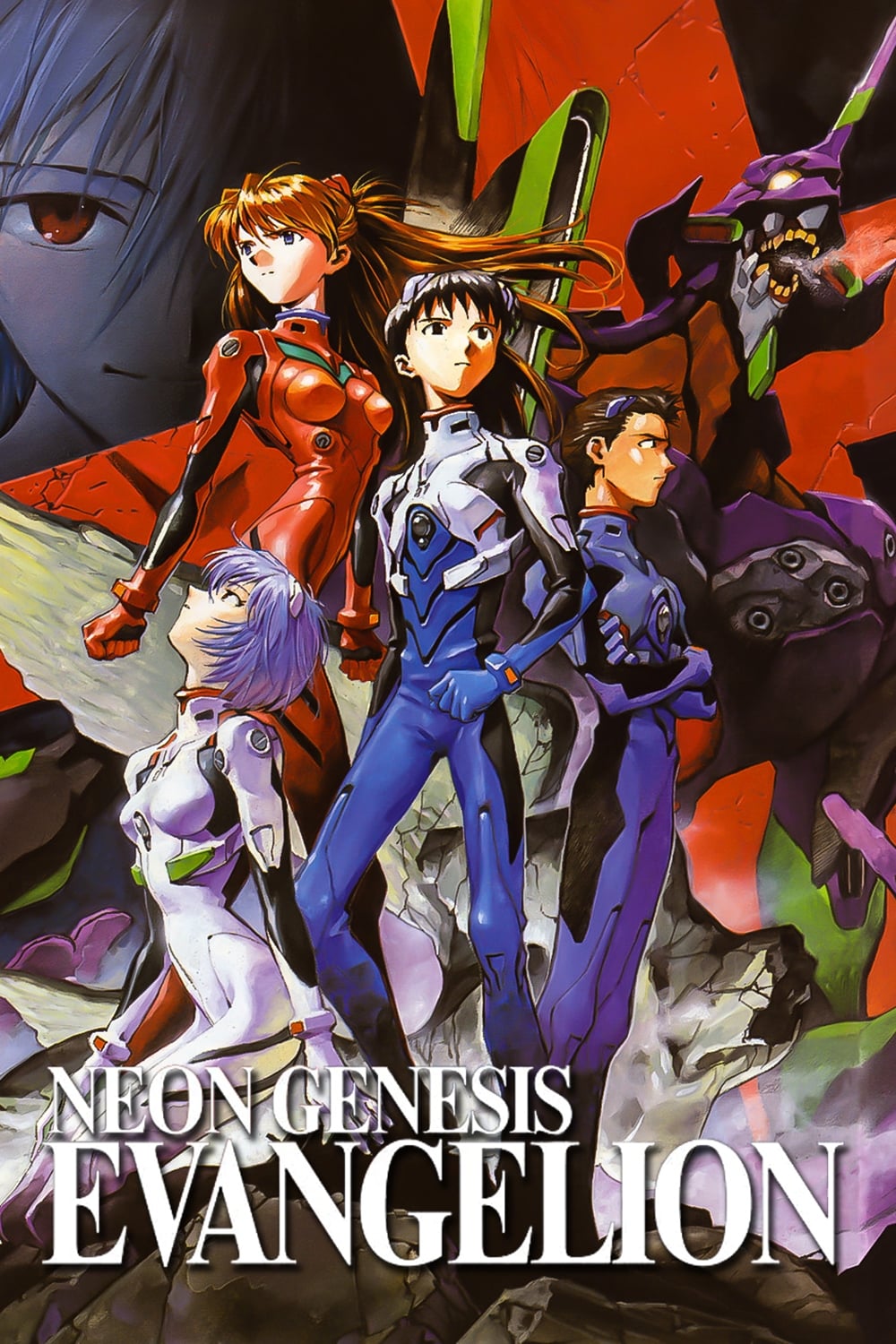
The final two episodes reframe the story as an interior psychological drama, replacing conventional action with monologue, stills, storyboard frames, and abstract title-card intercuts. Dialogue is staged like therapy sessions, with characters interrogating motives and identities across black-on-white text screens and sketch animation. Production materials such as rough layouts and repeated cels are used deliberately to visualize instrumentality. The approach contrasts with the later theatrical conclusion, which resolves events externally rather than through this introspective structure.
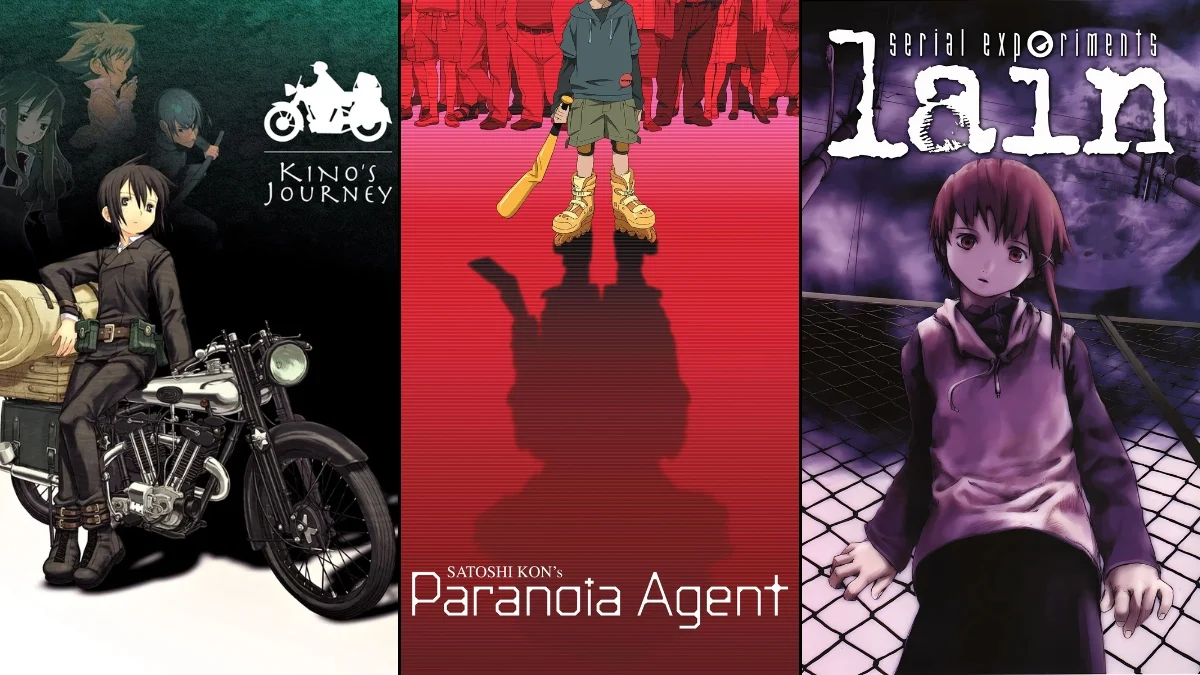
‘Paranoia Agent’ (2004) – ‘Mellow Maromi’
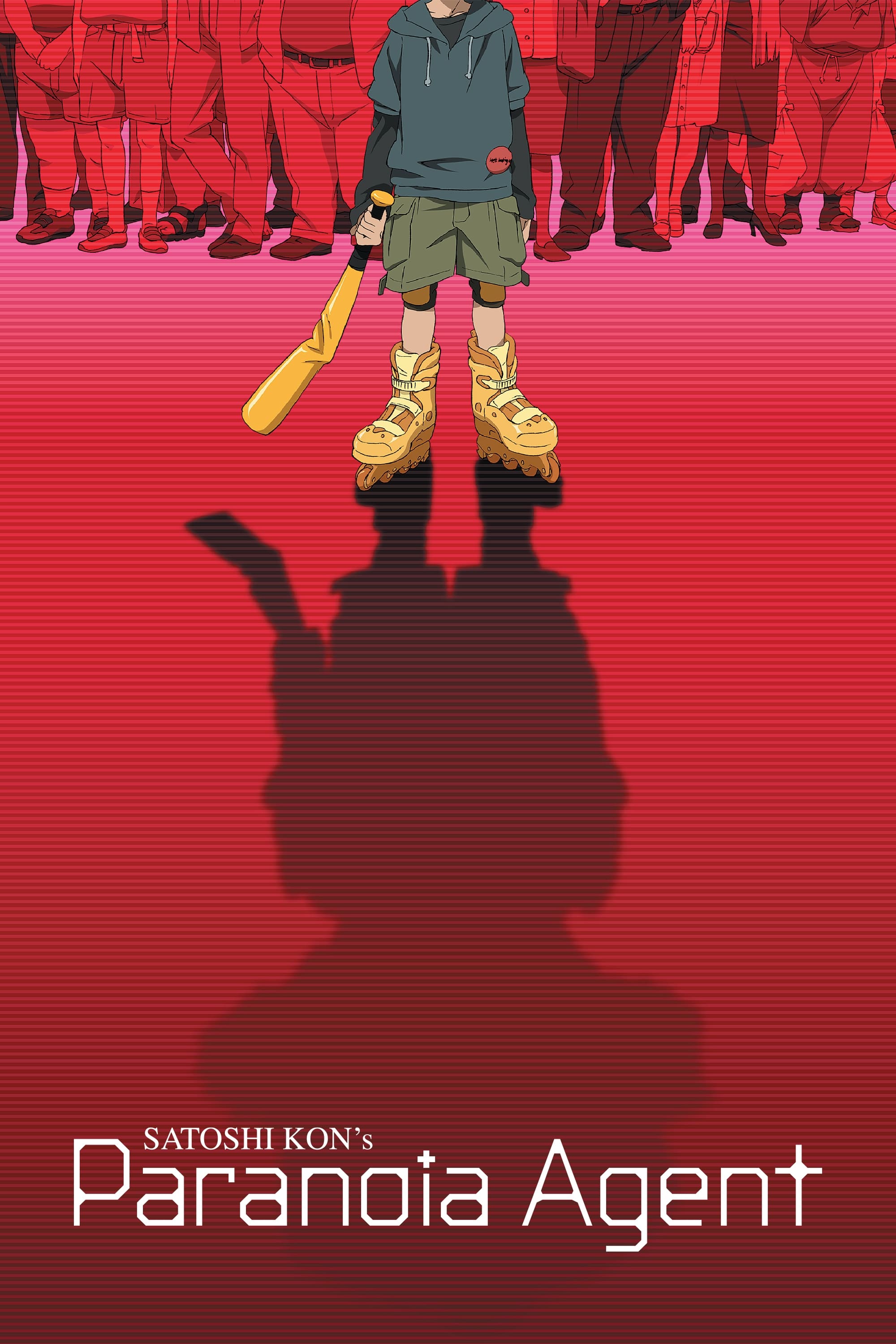
This episode is presented as a behind-the-scenes production documentary following the team making an in-universe ‘Maromi’ anime. It uses shaky camera shots, staff interviews, and ticking deadlines to mimic television nonfiction style. The plot advances entirely through workplace footage and cutaway gags rather than standard scene coverage. The mock-doc form folds into the main mystery by showing how rumor and pressure reshape reality for the crew.
‘Paranoia Agent’ (2004) – ‘Happy Family Planning’
Structured as an anthology triptych, this episode follows three strangers who meet on a suicide forum and embark on a darkly comic pact. Each segment adopts a different visual rhythm and tonal register while sharing recurring motifs and locations. The episode advances the series mythology only indirectly, using parallel vignette construction. The segmented form lets the show examine urban alienation from multiple angles within one broadcast slot.
‘The Melancholy of Haruhi Suzumiya’ (2006–2009) – ‘Endless Eight’
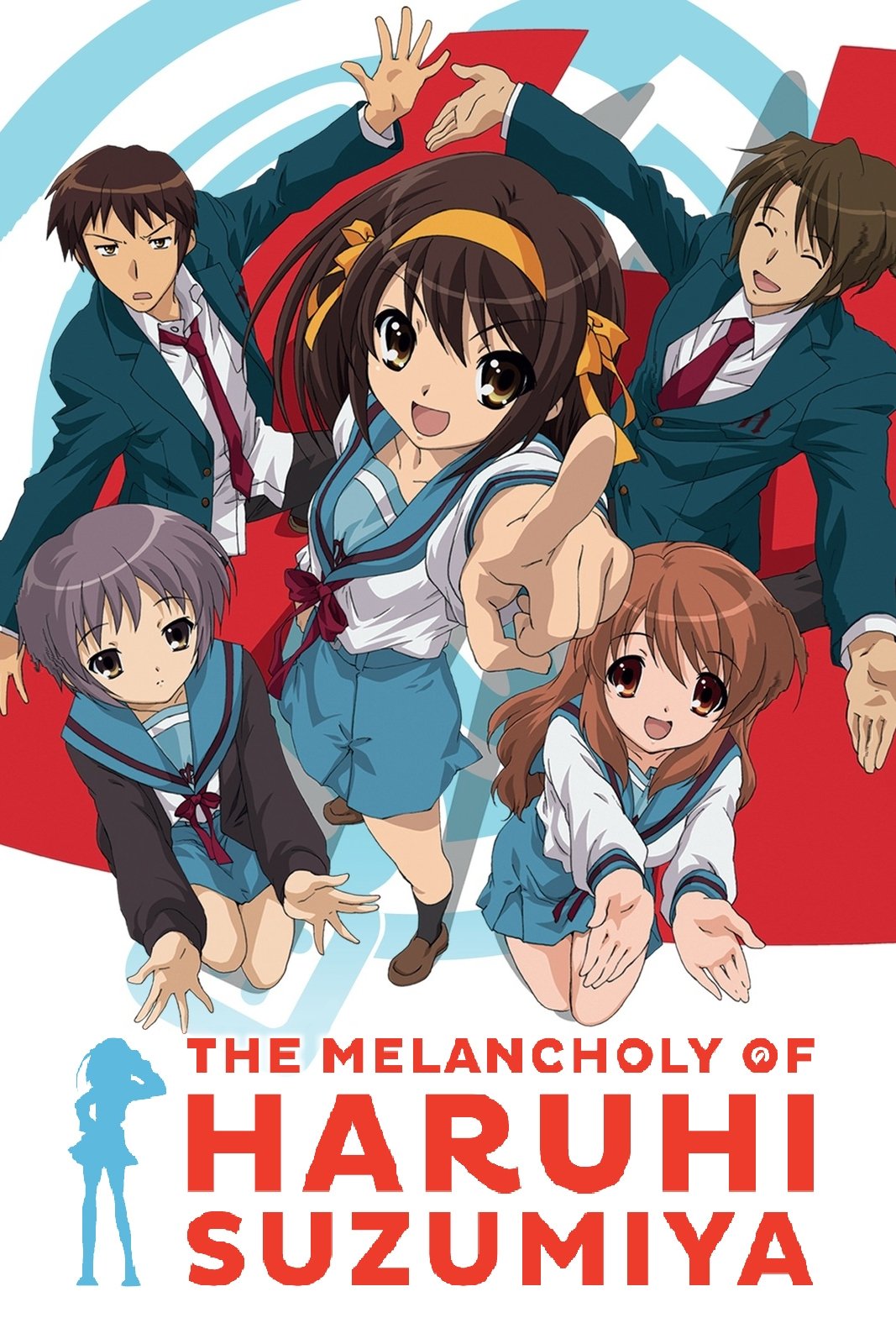
Across eight separate broadcasts, the same summer-vacation scenario repeats with only subtle differences, recreating a time-loop diegetically. Each installment is newly animated and recorded, with unique direction and staging despite near-identical scripts. The arc emphasizes déjà vu through altered shot choices, wardrobe details, and timing shifts. Viewers experienced the loop in real time over consecutive airings before the narrative finally diverged.
‘The Tatami Galaxy’ (2010) – ‘Parallel Campus Lives, One Choice Each Week’
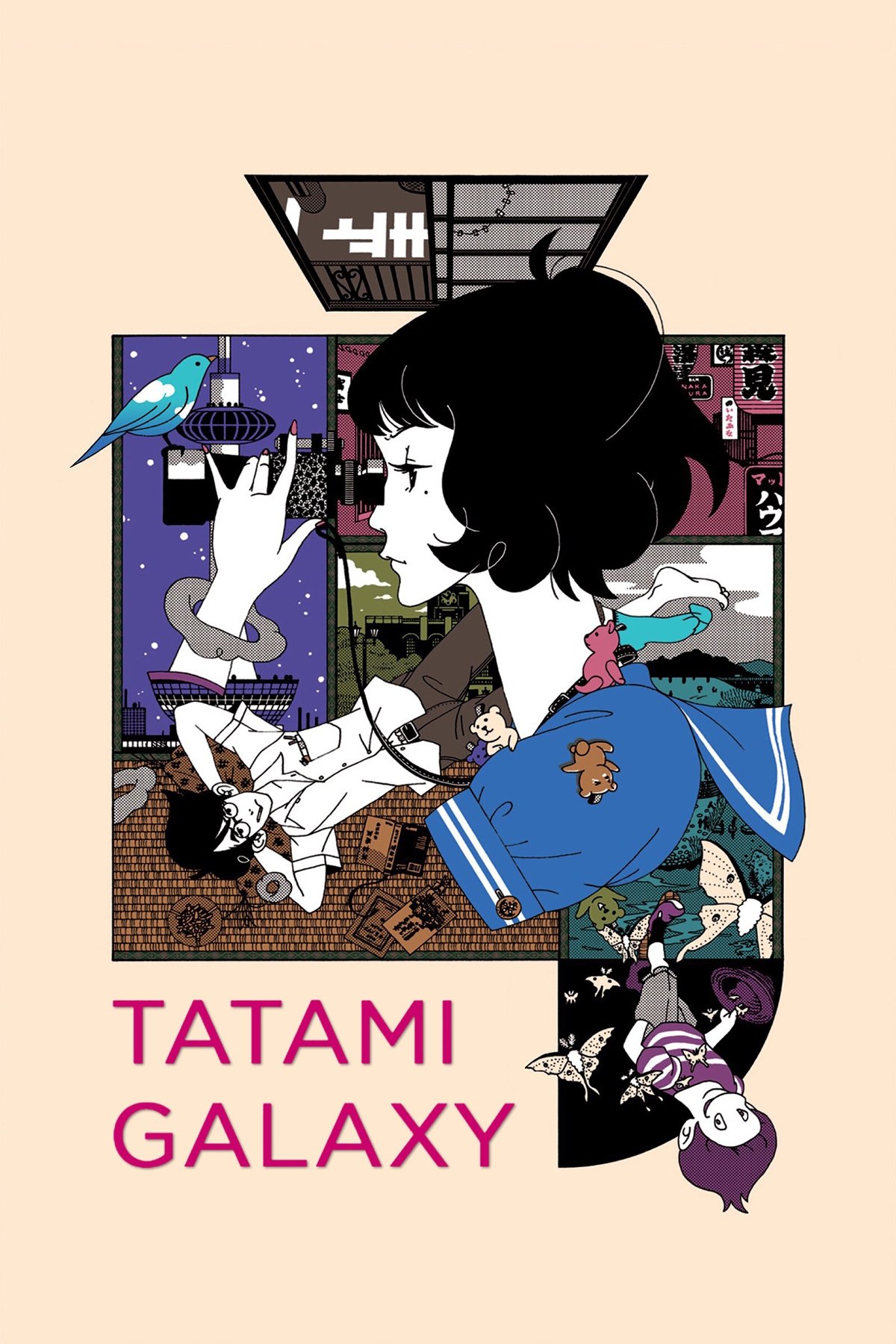
Every episode restarts the protagonist’s university life with a different club selection, running through alternate timelines in brisk first-person narration. Identical scenes are re-blocked and re-edited to highlight what changes when a single decision differs. Refrains, eyecatches, and rapid monologues keep structure consistent while outcomes vary wildly. The finale ties the loops together by collapsing the parallel episodes into a single choice.
‘Baccano!’ (2007) – ‘The Vice President Discusses the Meaning of Life…’ (Episode 1)
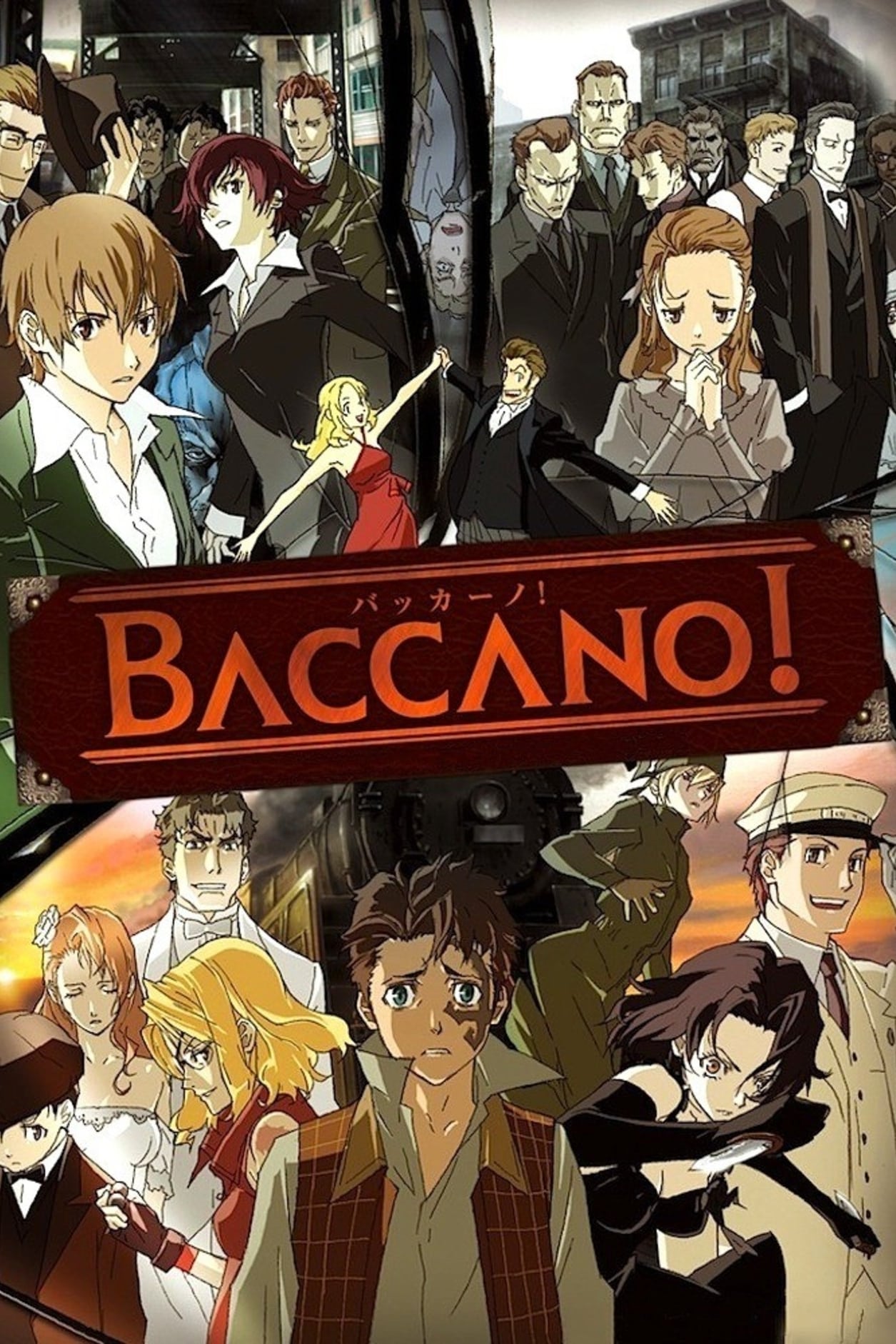
The opener is a non-linear mosaic that jumps among years and locations while introducing events from multiple points on the timeline. A framing conversation about where to “start” the story becomes the episode’s organizing principle. Scenes aboard a 1930s train intercut with New York crime incidents and alchemical mysteries, with characters identified by on-screen captions. Subsequent episodes continue to backfill context rather than moving chronologically.
‘Durarara!!’ (2010–2016) – ‘Rotating Narrators Per Episode’
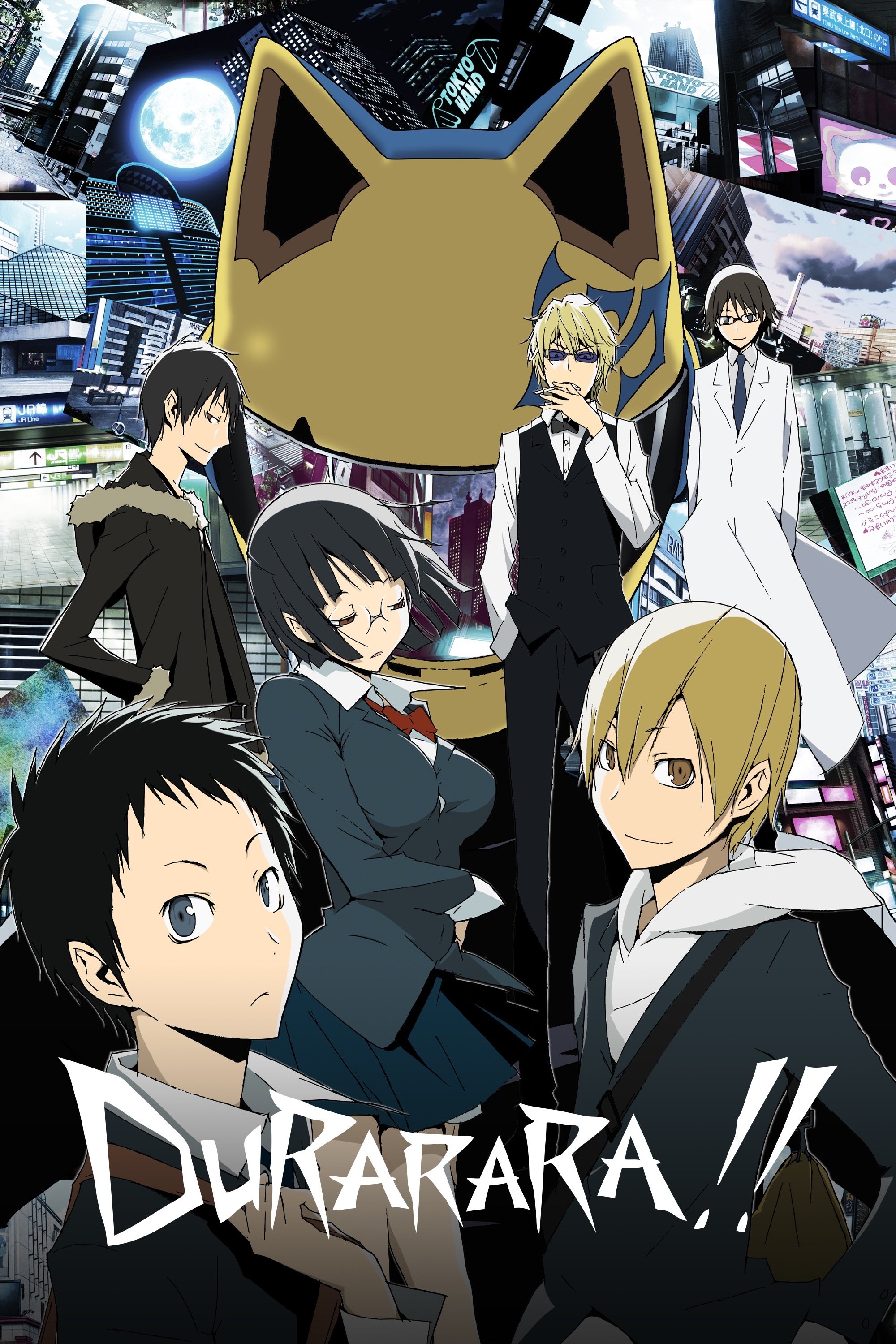
Episodes adopt a character-of-the-week narrator whose internal monologue guides the edit and selective reveals. The same incidents are revisited across broadcasts with new context, using voiceover to reassign meaning to earlier scenes. Title cards and cold opens shift perspective cues so that the city itself feels like a shared stage. This rotating-voice structure lets the series braid criminal plots, urban legends, and personal dramas without a single viewpoint.
‘Bakemonogatari’ (2009) – ‘Chapter Cards and Graphic Intertitles’
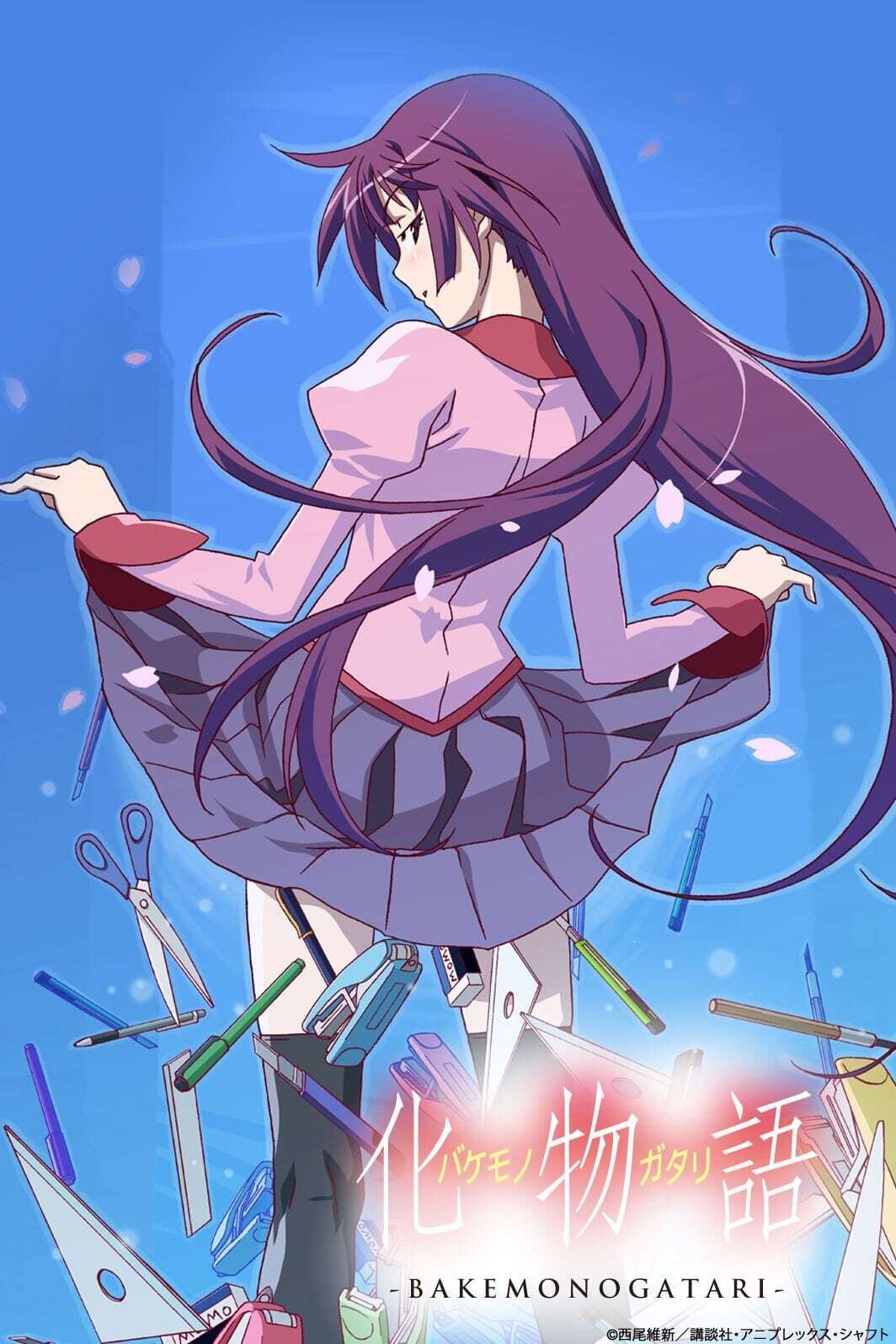
Episodes punctuate dialogue with rapid intertitles, chapter slates, and single-frame text flashes that carry exposition, jokes, and POV. Long conversational scenes are staged on minimal sets with stylized cuts and typography doing narrative heavy lifting. The camera frequently holds on abstract compositions while captions deliver key backstory. This graphic design–driven structure became a signature carried into later ‘Monogatari’ installments.
‘Samurai Champloo’ (2004–2005) – ‘Baseball Blues’
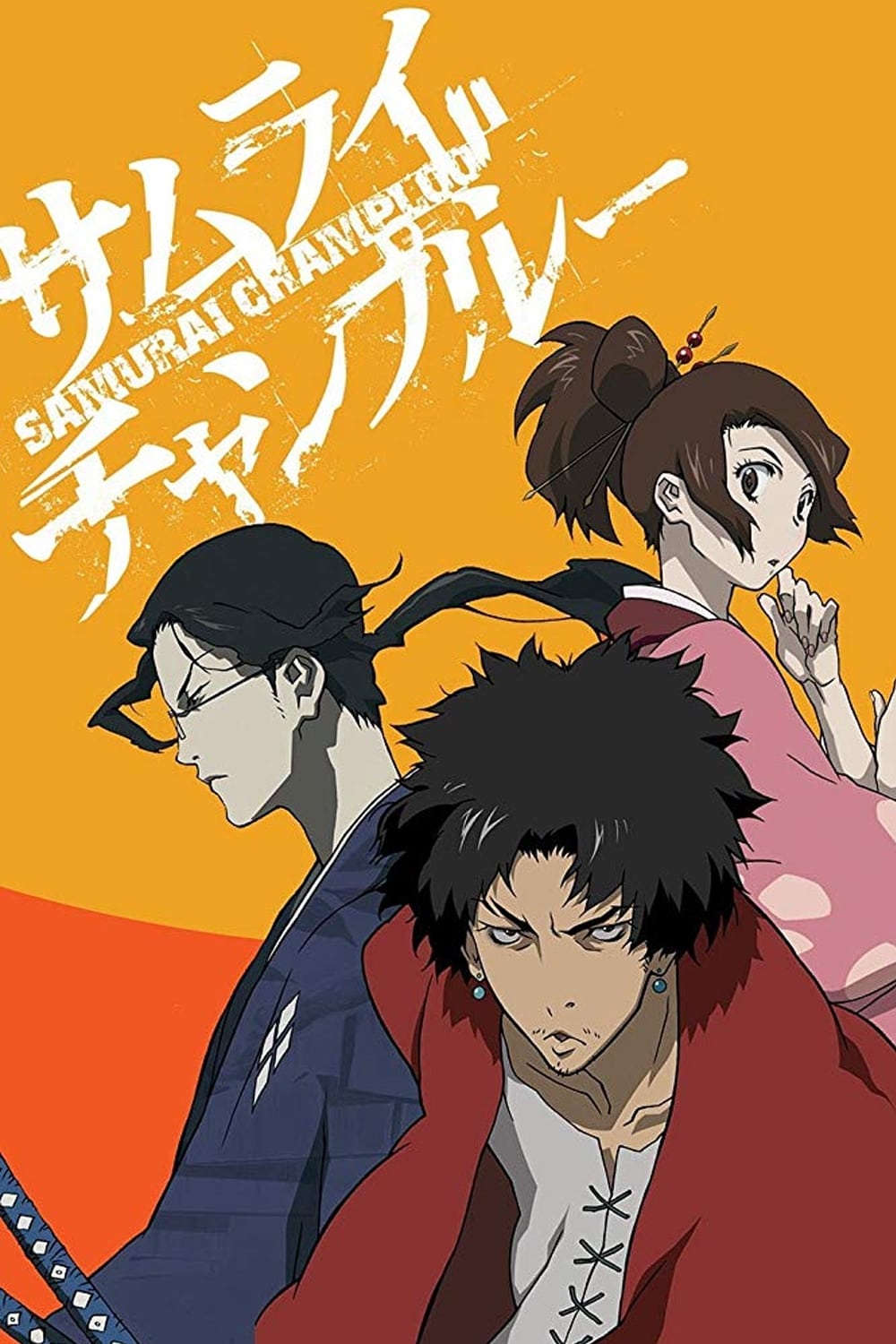
The episode stages Edo-period culture clash as a full baseball game, complete with lineup intros, innings, and play-by-play escalation. Rules explanations, score updates, and team strategies provide the backbone instead of conventional act breaks. Visual gags and historical anachronisms are timed to the sports format’s beats. The match outcome effectively serves as the episode’s climax and resolution.
‘Cowboy Bebop’ (1998–1999) – ‘Speak Like a Child’
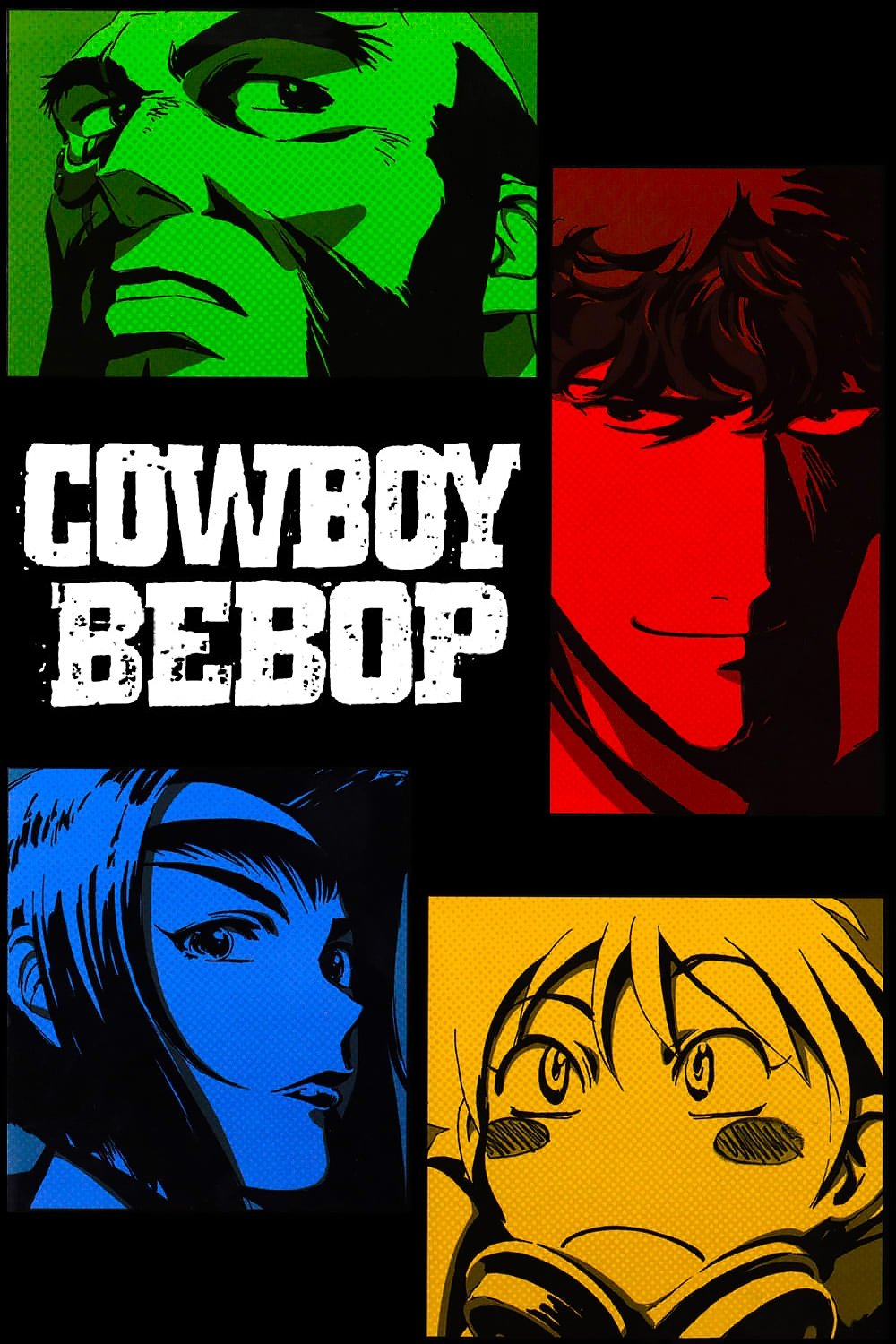
A bottle-mystery structure sends the crew on a scavenger hunt to decode an old video format, moving from debt collectors to obsolete media stores. The final playback—presented as a home-movie tape—functions as an embedded film within the episode. Dialogue and music drop out to let the recovered footage play unbroken, recontextualizing the search. The investigation format lets the episode hinge on technology history as plot engine.
‘Boogiepop Phantom’ (2000) – ‘Overlapping Nights’
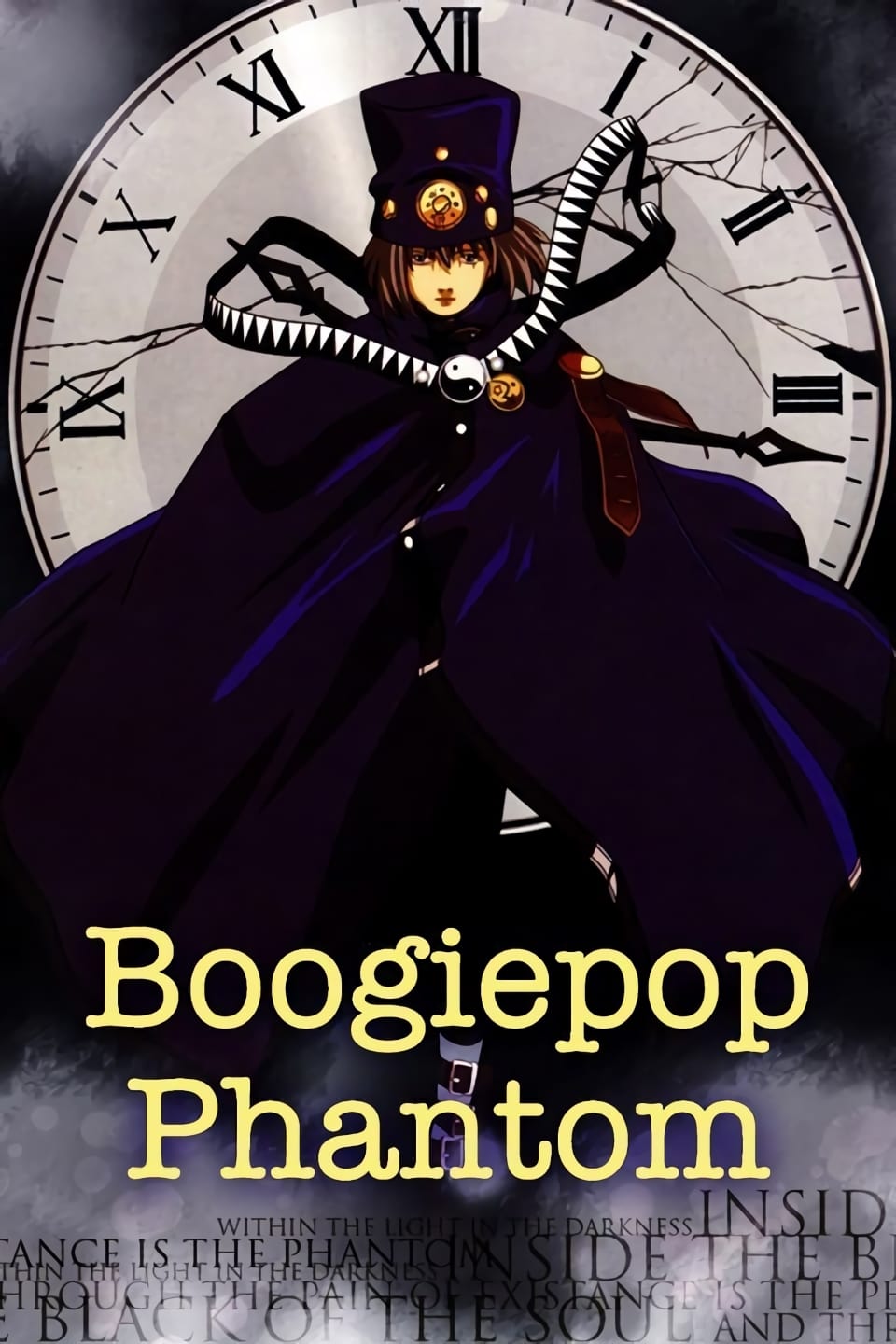
The series opens with an episode that crosscuts different characters’ nights around a single event, then later episodes revisit the same timeframe from new angles. Audio motifs and light patterns serve as anchors to align overlapping chronology. Scenes that seem supernatural initially are reframed once the viewer recognizes the mosaic arrangement. The structure relies on repetition and echo rather than linear cause-and-effect.
‘Serial Experiments Lain’ (1998) – ‘Protocol’
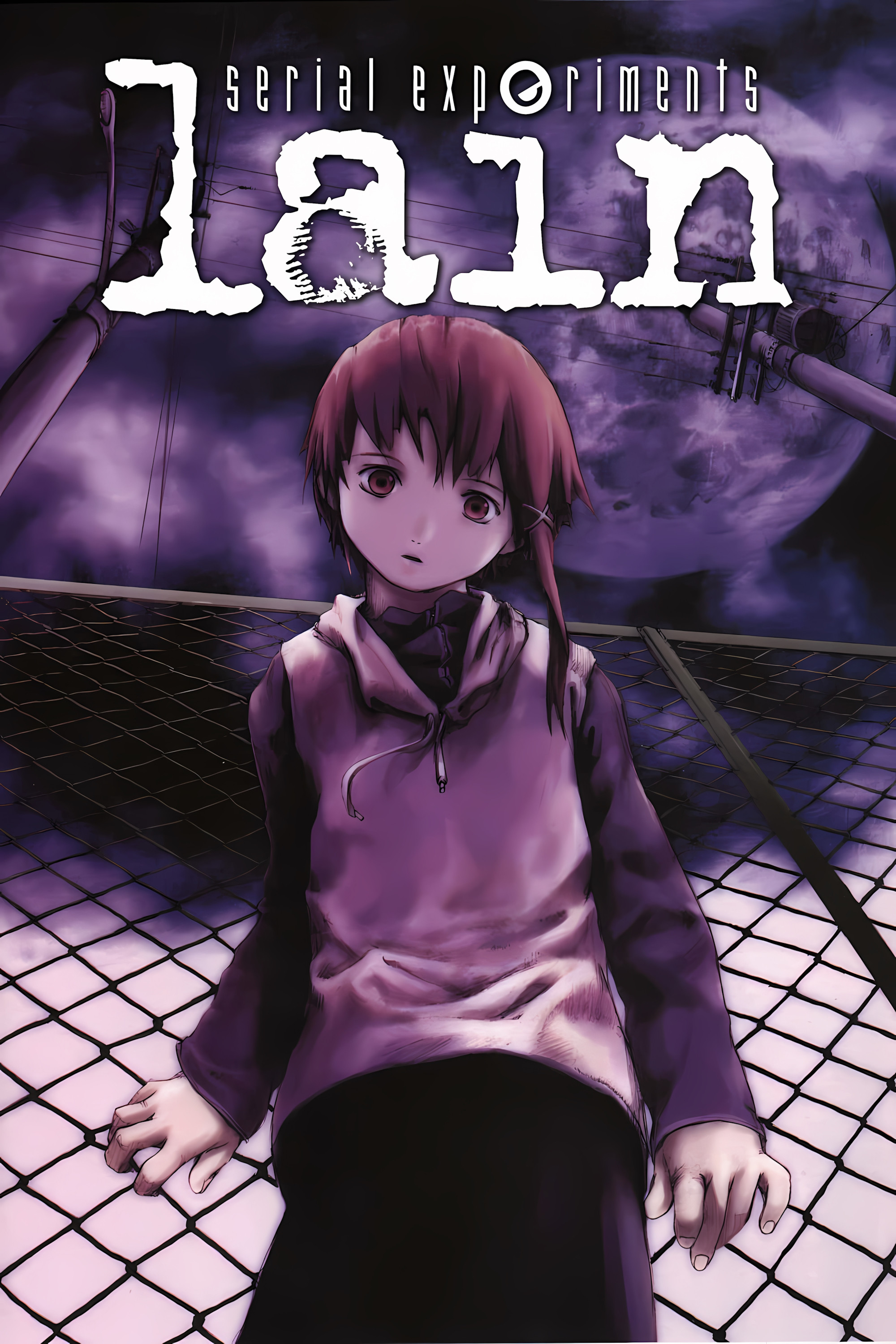
This episode integrates computer-network terminology and standards as on-screen headings that divide segments like a technical manual. Cold, documentary-style narration explains networking concepts while the plot advances in fragmented scenes. Visual artifacts—signal noise, frame drops, and UI overlays—become narrative punctuation. The hybrid of infodoc formatting and drama emphasizes the boundary between the wired world and everyday life.
‘Pop Team Epic’ (2018– ) – ‘Two Casts, Same Episode’

Each broadcast episode runs twice back-to-back: once with a women’s voice-actor duo, then again re-performed by a men’s duo, often with altered ad-libs. Skits remain in the same order, but delivery, timing, and improv create fresh variants. Opening and ending segments sometimes swap or remix mid-airing to play with expectations. The structure formalizes repetition as the show’s core gimmick rather than a one-off stunt.
‘Space Dandy’ (2014) – ‘A World with No Sadness, Baby’
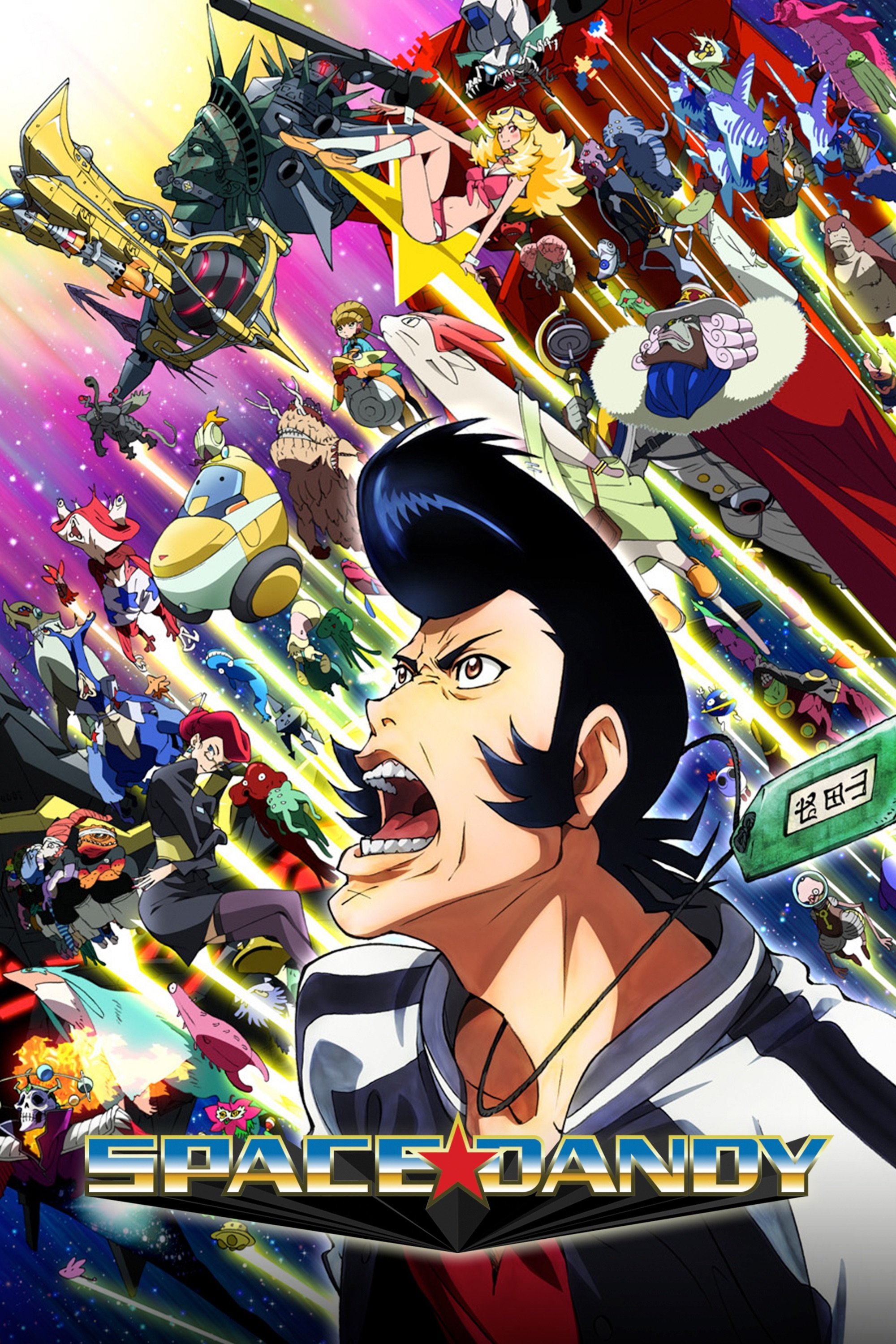
Presented as a surreal afterlife excursion, the episode treats death as the premise and rebuilds reality with dream-logic edits. Scene transitions ignore geography, using musical cues and visual non sequiturs as connective tissue. The script’s cause-and-effect is intentionally discontinuous, culminating in a reset that preserves no memory. Anthology formatting in the series allows this self-contained metaphysical structure to stand alone.
‘Puella Magi Madoka Magica’ (2011) – ‘I Won’t Rely on Anyone Anymore’ (Episode 10)
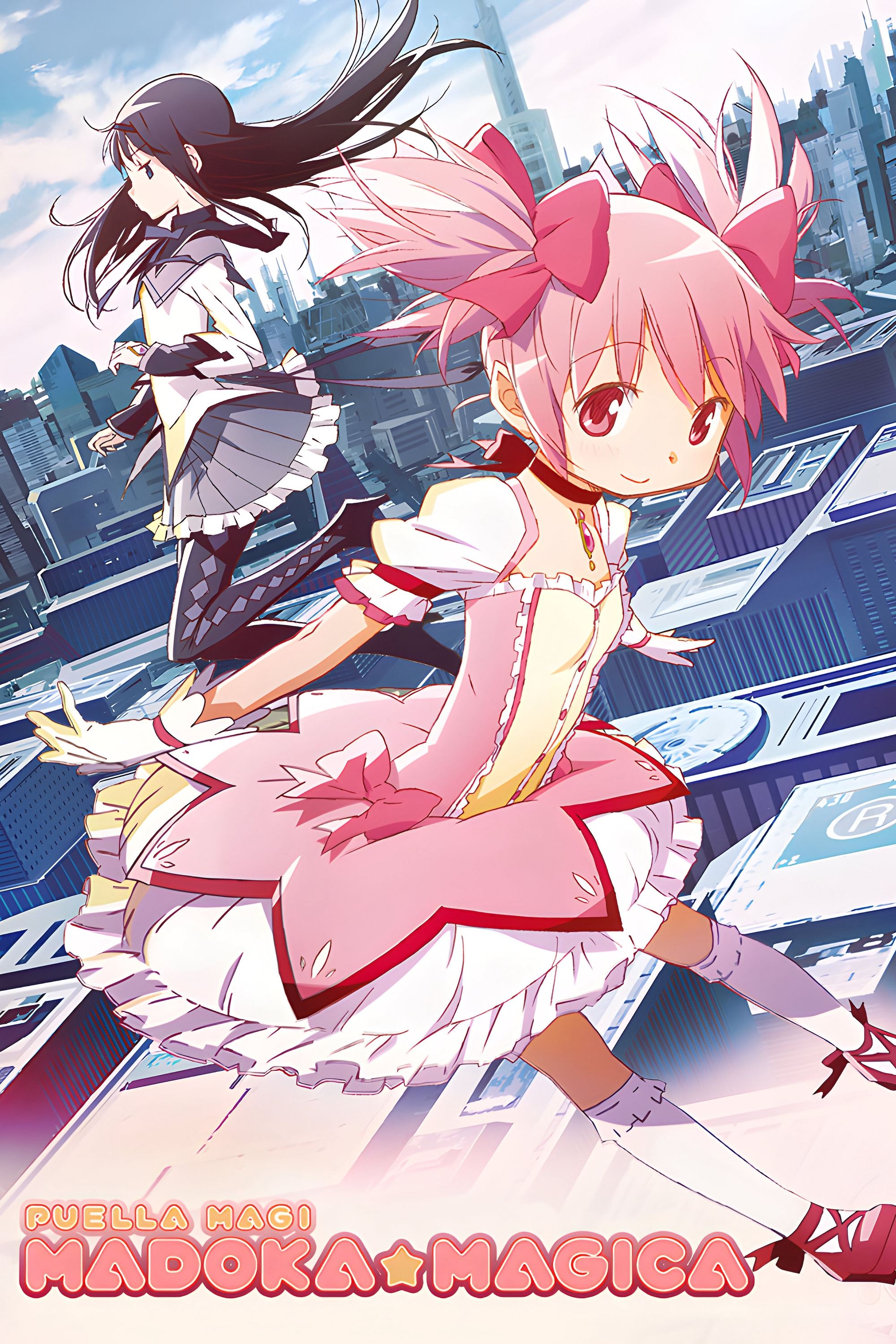
This flashback episode compresses multiple timeline resets to explain a supporting character’s motivations and the series’ causality. The episode cycles through iterations of the same key events with different outcomes and alliances. Visual shorthand—costume state, injury, and city damage—signals which loop the viewer is seeing. By the end, prior episodes’ mysteries gain mechanical explanations grounded in the reset structure.
‘Higurashi: When They Cry’ (2006–2007) – ‘Arc Resets and Answer Pairs’
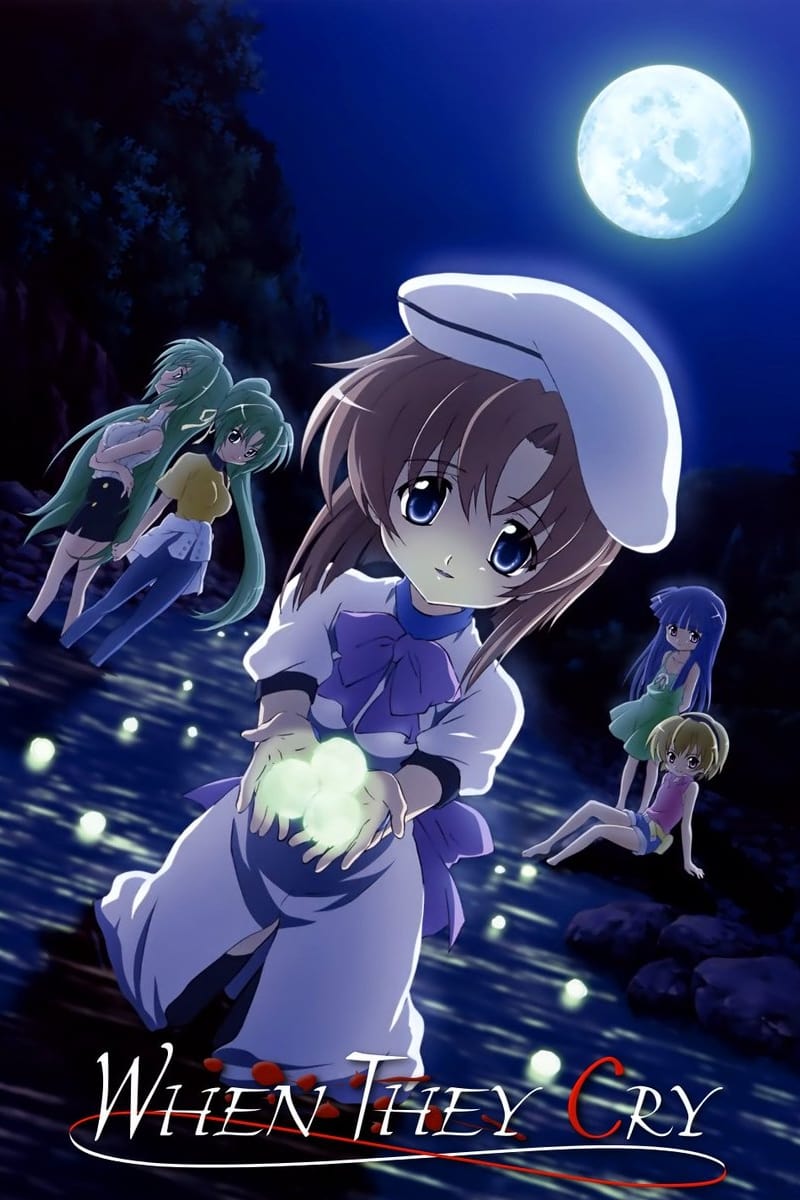
The show organizes its broadcast into “question” arcs followed by “answer” arcs that replay scenarios with missing information restored. Each arc ends in catastrophe, then the next returns to the same starting period with altered variables. Clues planted in early arcs are only solvable once the structure reveals new angles later. The episode arrangement turns repetition into a problem-solving framework for the audience.
‘Mononoke’ (2007) – ‘Bakeneko’ (Final Arc)
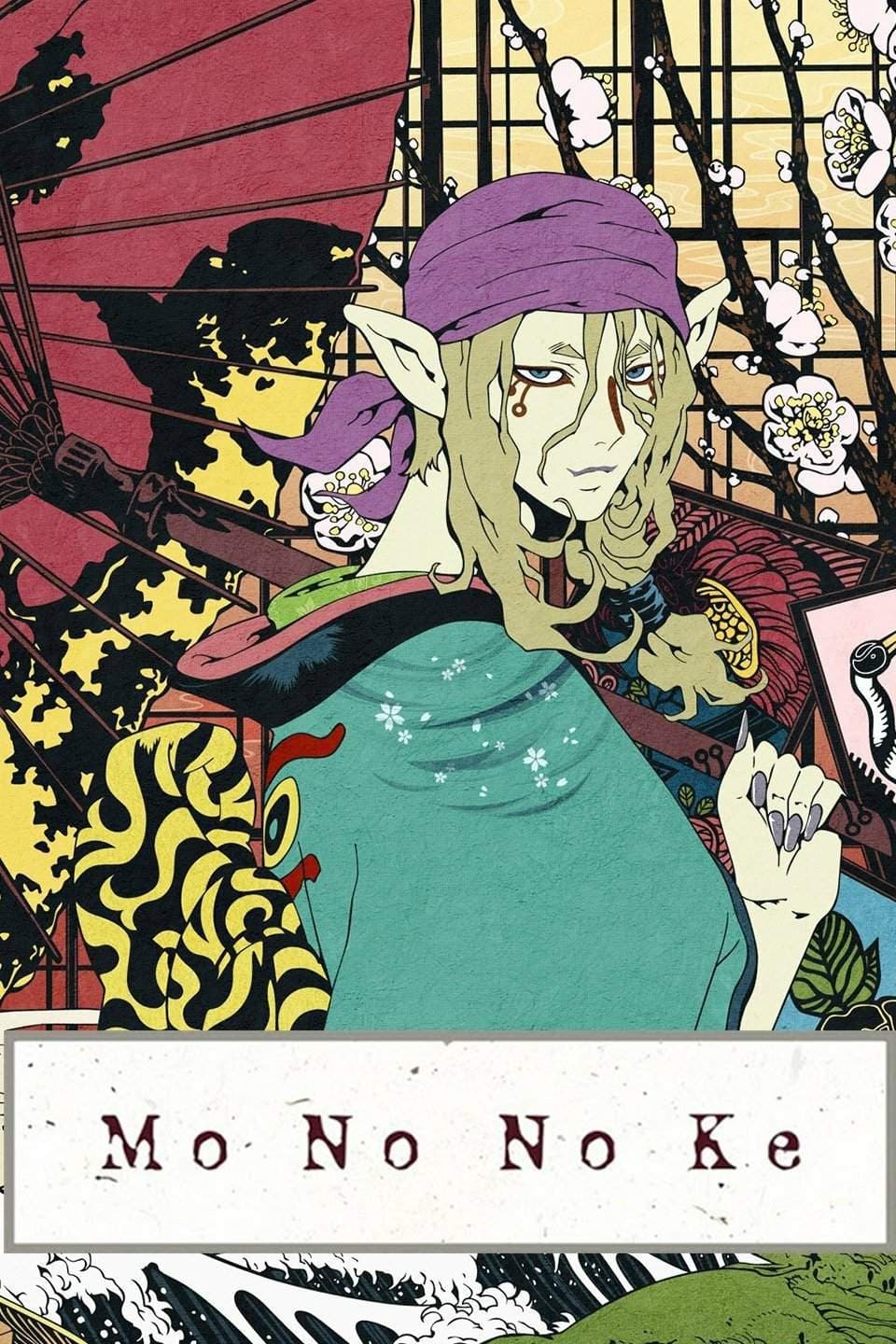
Episodes are divided into labeled parts like a classical theater program, with recurring prologue and verdict segments. Ukiyo-e-inspired backgrounds, paneling, and freeze-frame compositions act like stage flats that slide to introduce revelations. The Medicine Seller’s ritual inquiry—shape, truth, and reason—gives each part a procedural focus. This formal, chaptered design differentiates the arc from standard monster-of-the-week pacing.
‘Kaiba’ (2008) – ‘The Body-Swap Memory Tour’

An episode charts a character’s journey across rented and stolen bodies, making identity shifts the scene-change device. Memory chips become literal props that trigger flashbacks and reassign point of view. Design simplicity lets swaps read instantly without expositional dialogue. The structure treats memory as editing, jumping among lives like hard cuts on a timeline.
‘ODDTAXI’ (2021) – ‘Tanaka’s Revolution’
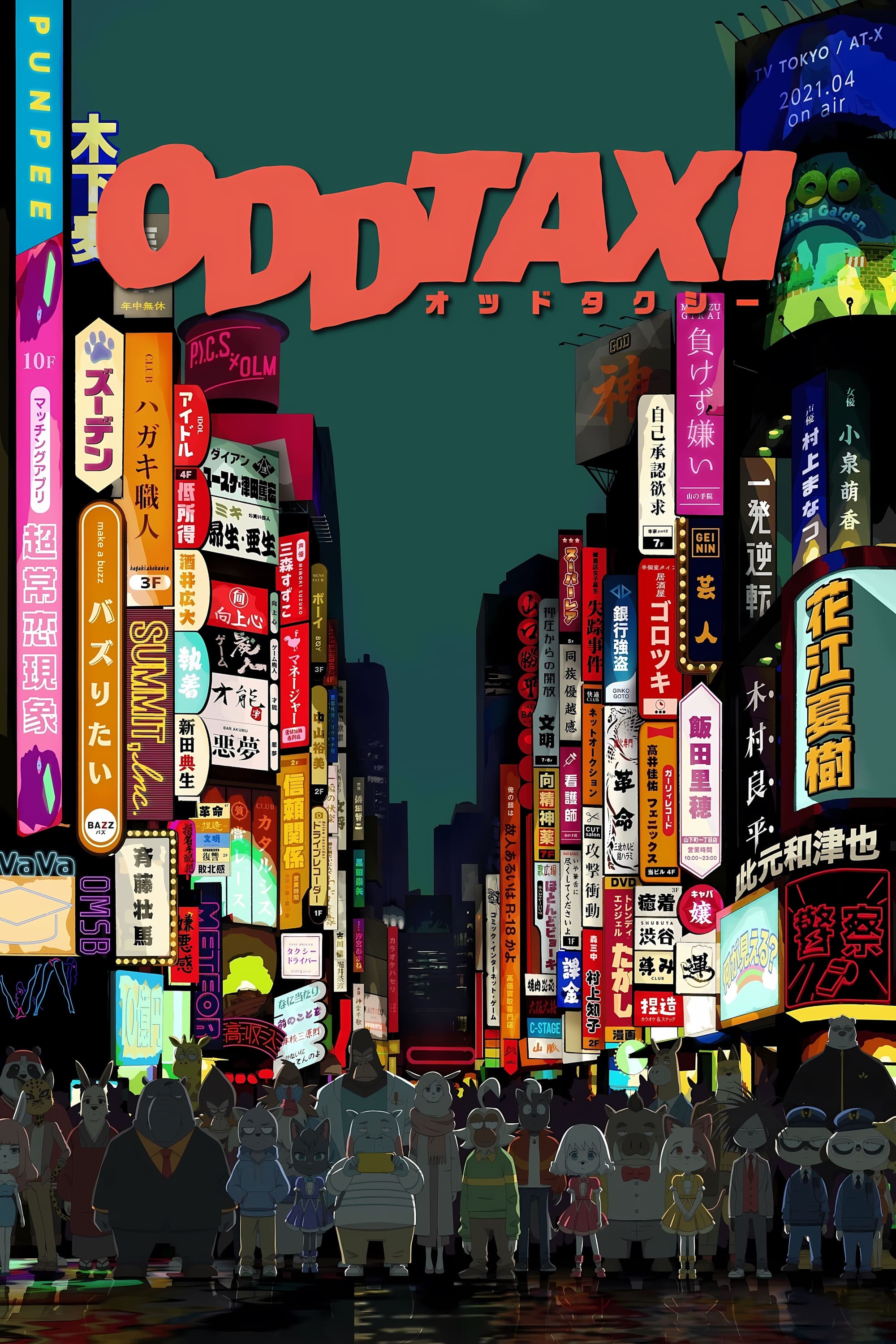
Told largely through one side character’s long descent into obsession with a mobile game, the episode reorients the series around a single POV. Social media posts, gacha pulls, and delivery logs provide the timestamps and act markers. The episode’s chronology marches from a childhood incident to a present-day confrontation without returning to the ensemble. By isolating perspective, it reframes earlier plot points in a new causal chain.
‘Nichijou: My Ordinary Life’ (2011) – ‘Segmented Sketch Blocks’
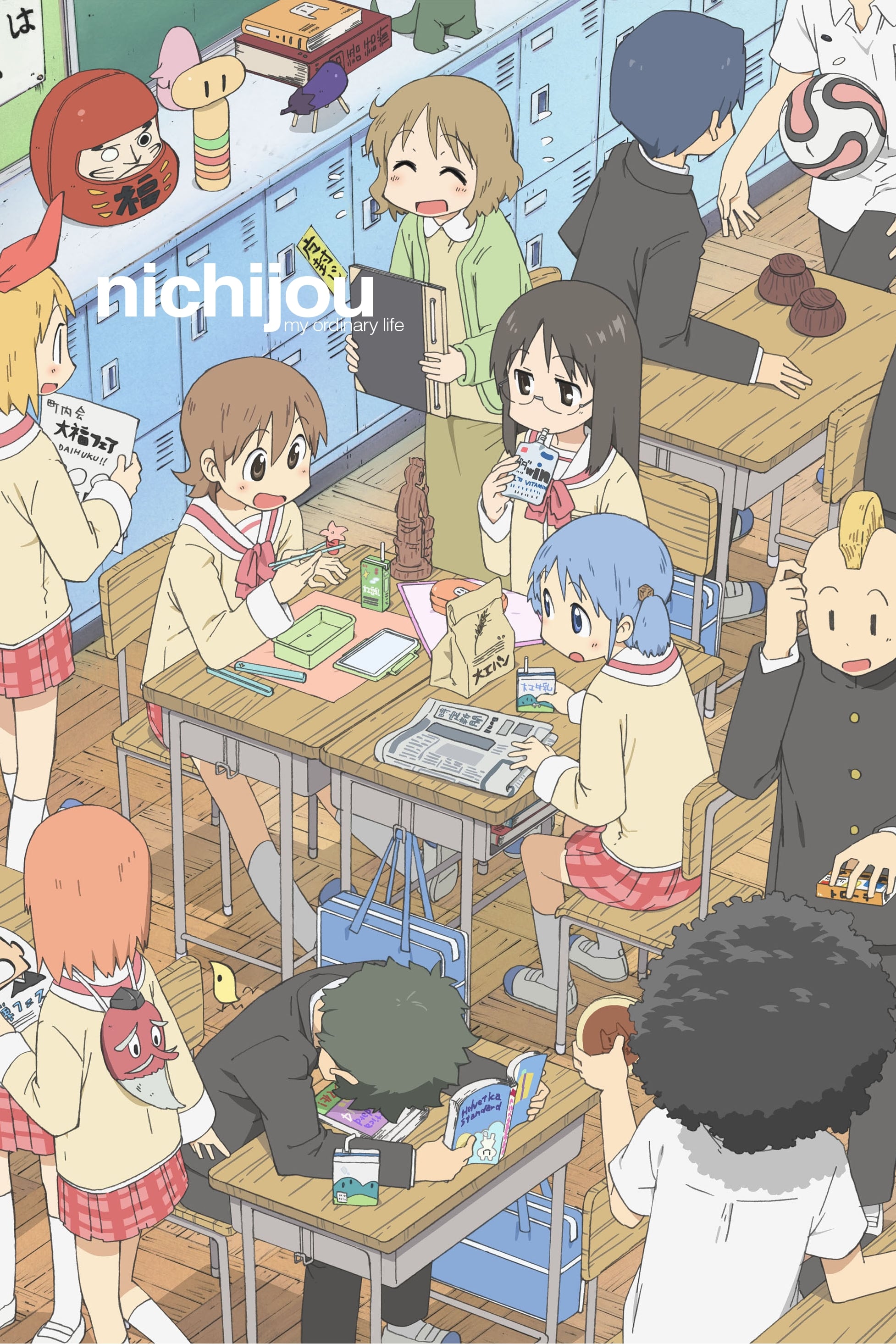
Episodes are constructed from multiple titled shorts, each with its own cold open, eyecatch, and punchline. Recurring segments—like a school principal’s antics or a variety-show parody—slot into different positions week to week. Musical stings and on-screen captions standardize transitions so disparate gags feel unified. The format mirrors magazine-style omnibus editing rather than a single A-plot.
‘Kino’s Journey’ (2003) – ‘Country-of-the-Week Parables’
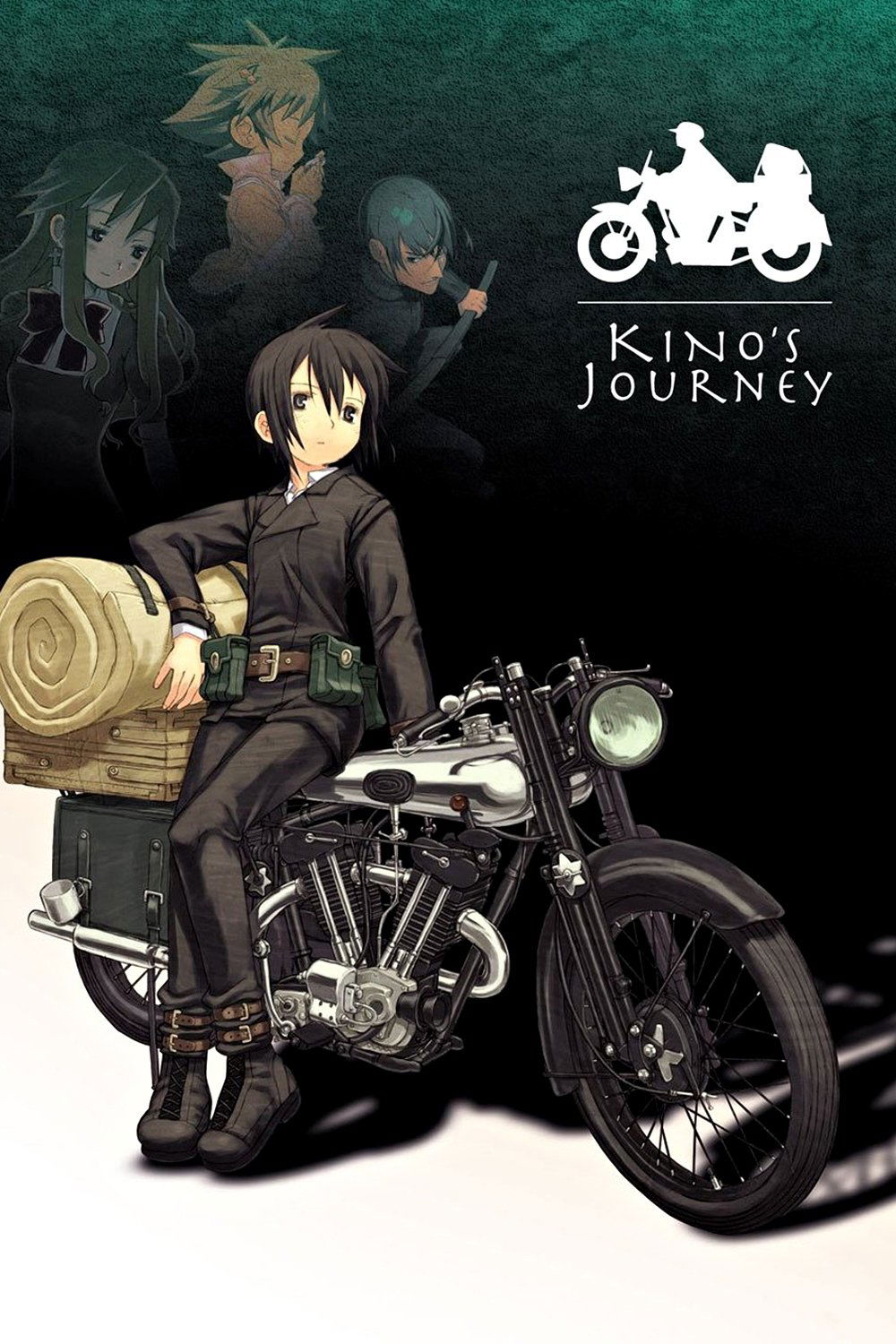
Each episode is a self-contained travelogue that introduces a country, its rule or custom, and a parable-like dilemma. Narration and diary-style interludes bookend the main incident, while action remains minimal by design. The structure allows philosophical questions to resolve in quiet codas instead of climactic battles. Titles and pre-episode taglines set expectations for the moral explored.
‘Excel Saga’ (1999–2000) – ‘Going Too Far’ (Unaired Episode 26)
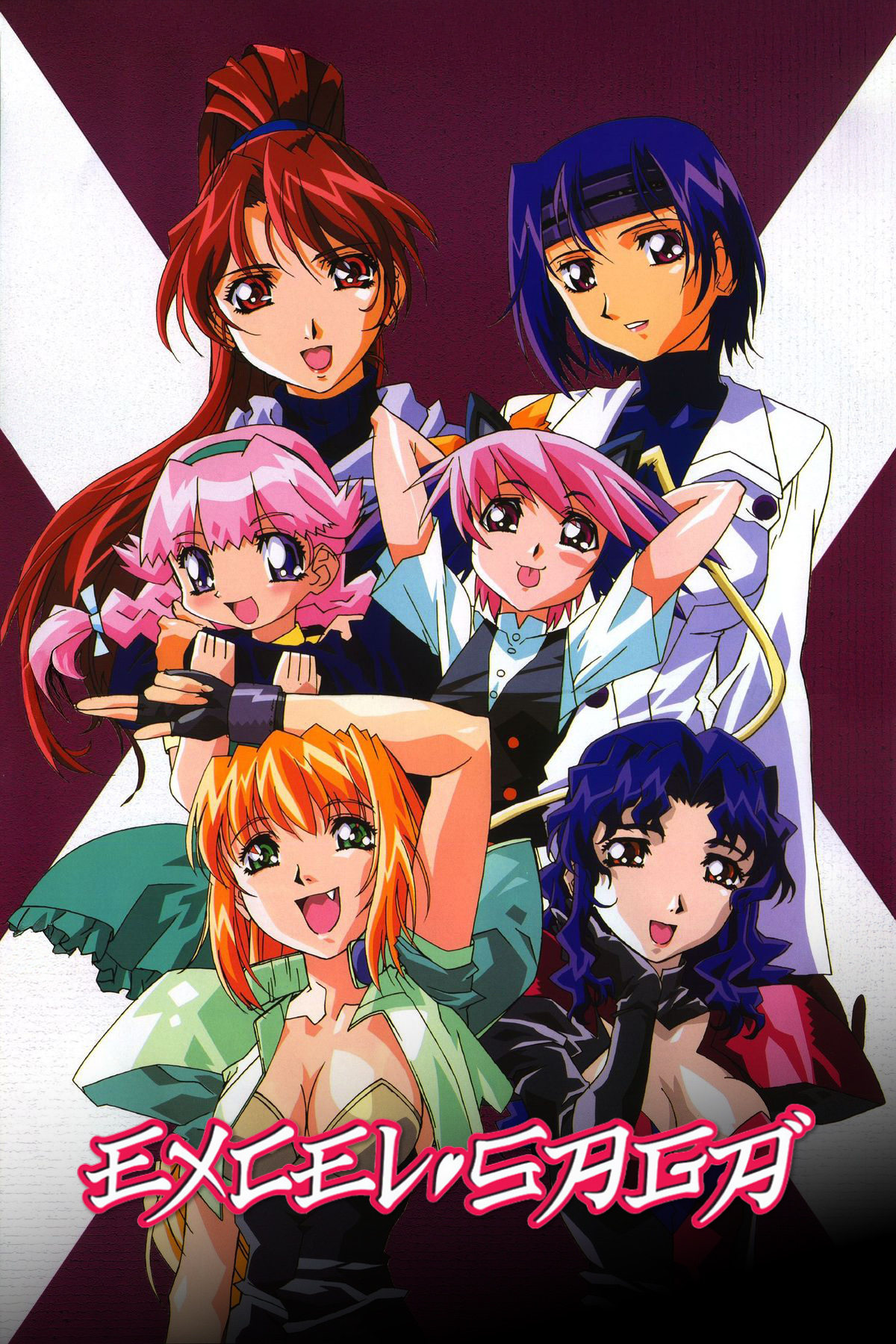
The production created a “too extreme for TV” finale that exceeded broadcast standards and was held back from initial airing. It parodies late-night specials by escalating violence, innuendo, and fourth-wall breaks beyond weekly limits. The episode’s framing acknowledges the network’s content rules as part of its structure. Later releases included it as a special, preserving the meta-commentary on broadcast constraints.
‘Hyouka’ (2012) – ‘Wild Fire’
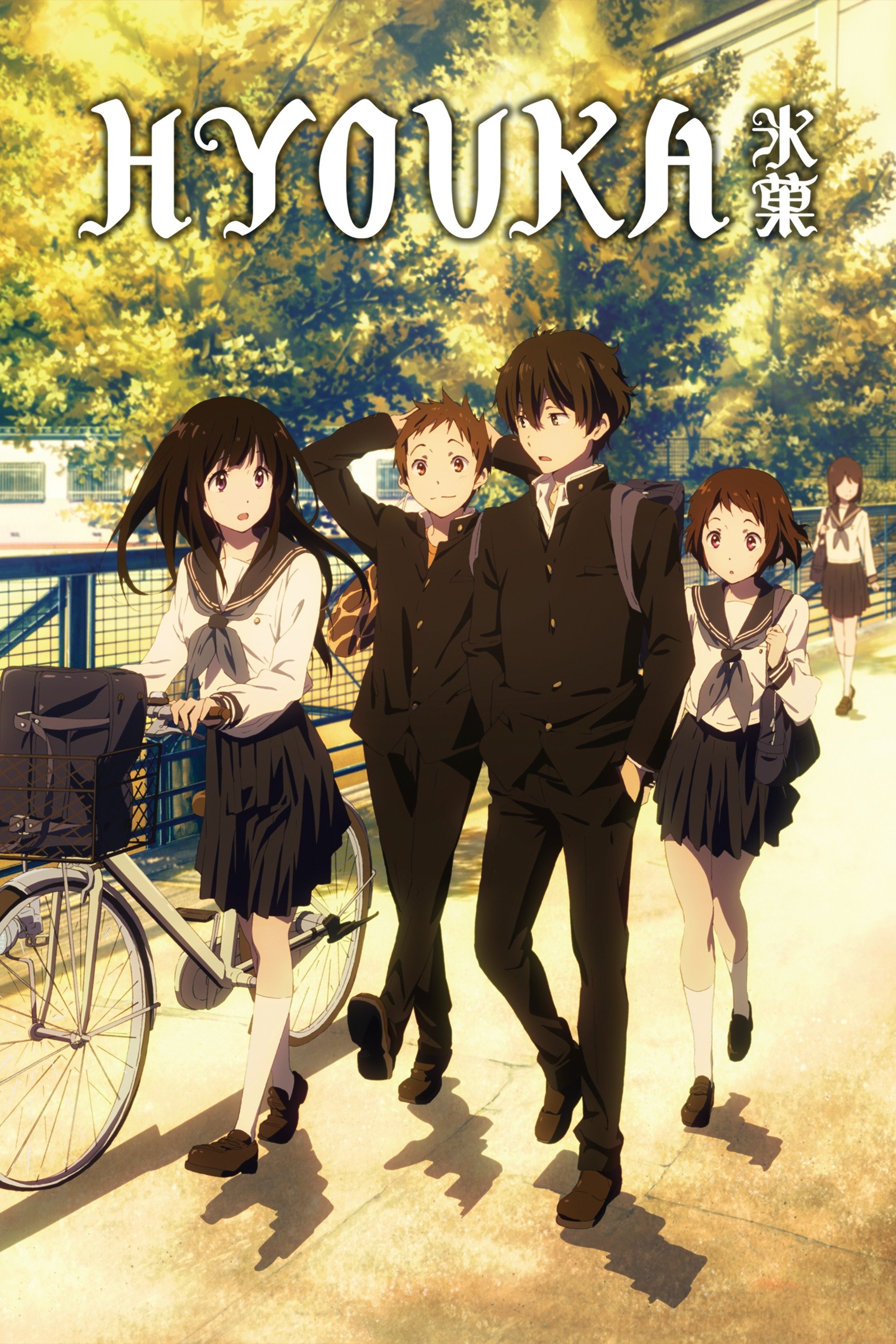
Designed as a real-time cooking competition, the episode uses countdown clocks, ingredient reveals, and judge reactions as plot beats. Character dynamics are expressed through task assignments and quick problem-solving rather than traditional mystery deduction. Camera placements focus on process and timing to maintain the contest’s live-event feel. The format provides stakes and resolution entirely within the festival kitchen.
‘Keep Your Hands Off Eizouken!’ (2020) – ‘The Grand Shibahama Festival’
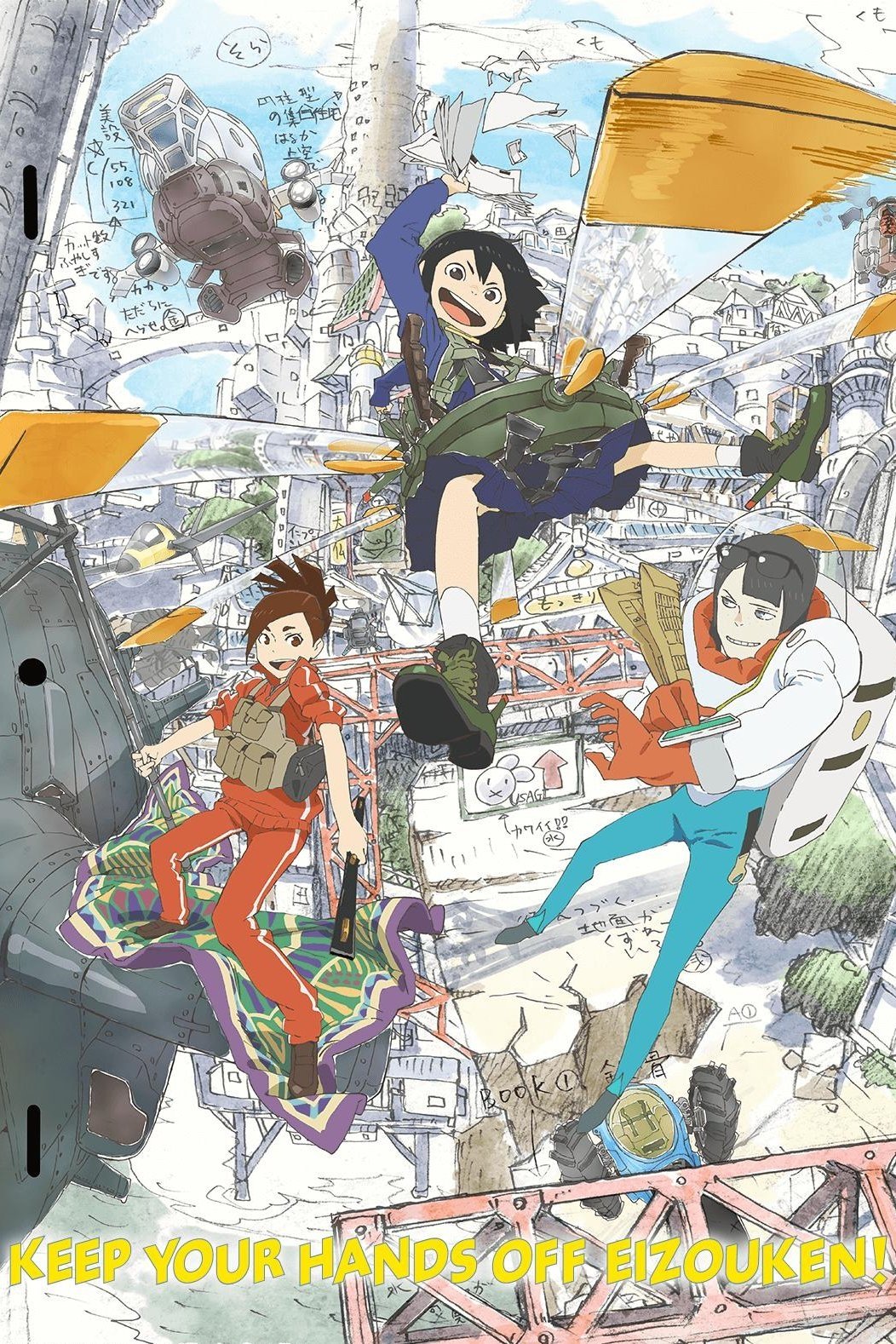
The episode interweaves diegetic pre-vis sequences with the girls’ in-progress anime, letting sketches bloom into full scenes mid-conversation. Sound effects and rough boards transition into completed cuts as their production hurdles are solved. Meeting notes, budgets, and location scouting double as scene transitions. The structure externalizes a student production pipeline as the week’s narrative spine.
‘Devilman Crybaby’ (2018) – ‘Viral World’
An episode builds momentum through montage of social-media clips, amateur footage, and rapid news segments that track panic spreading. Rap cyphers from recurring characters function as Greek-chorus commentary between scenes. The cutting pattern prioritizes acceleration of public perception over linear travel from location to location. This media-saturation structure ties character turns to the pace of online rumor.
‘Kaguya-sama: Love Is War’ (2019–2022) – ‘Chapters with an Omniscient Narrator’

Episodes are arranged as multiple titled chapters, each a self-contained psychological duel narrated by an all-knowing voice. The narrator’s asides set rules, define stakes, and tally “victories,” giving each segment a game-show cadence. Recurring eyecatches and endcards separate chapters while keeping continuity across the school term. The structure adapts the source manga’s short-chapter format directly to broadcast pacing.
If we missed your favorite structural experiment, tell us which episode bent the rules best in the comments!