20 Movies That Destroyed Actors’ Careers That Are Actually Worth Watching


Some films hit theaters with big stars and bigger expectations, only to backfire and stall the careers of the people headlining them. That does not mean the movies themselves lack craft or entertainment value. Many of these projects feature ambitious direction, striking design, or bold swings that found their audience later. Here are twenty titles that dented reputations at release yet still offer plenty to see.
‘Ishtar’ (1987)

Elaine May pairs Warren Beatty and Dustin Hoffman as hapless lounge singers who stumble into a Cold War mess in North Africa. The movie’s desert shoot produced grand widescreen vistas and well staged comic set pieces. Behind the slapstick is a sharp script about misplaced confidence and American blundering abroad. The original songs are intentionally awkward and become part of the joke.
‘Gigli’ (2003)
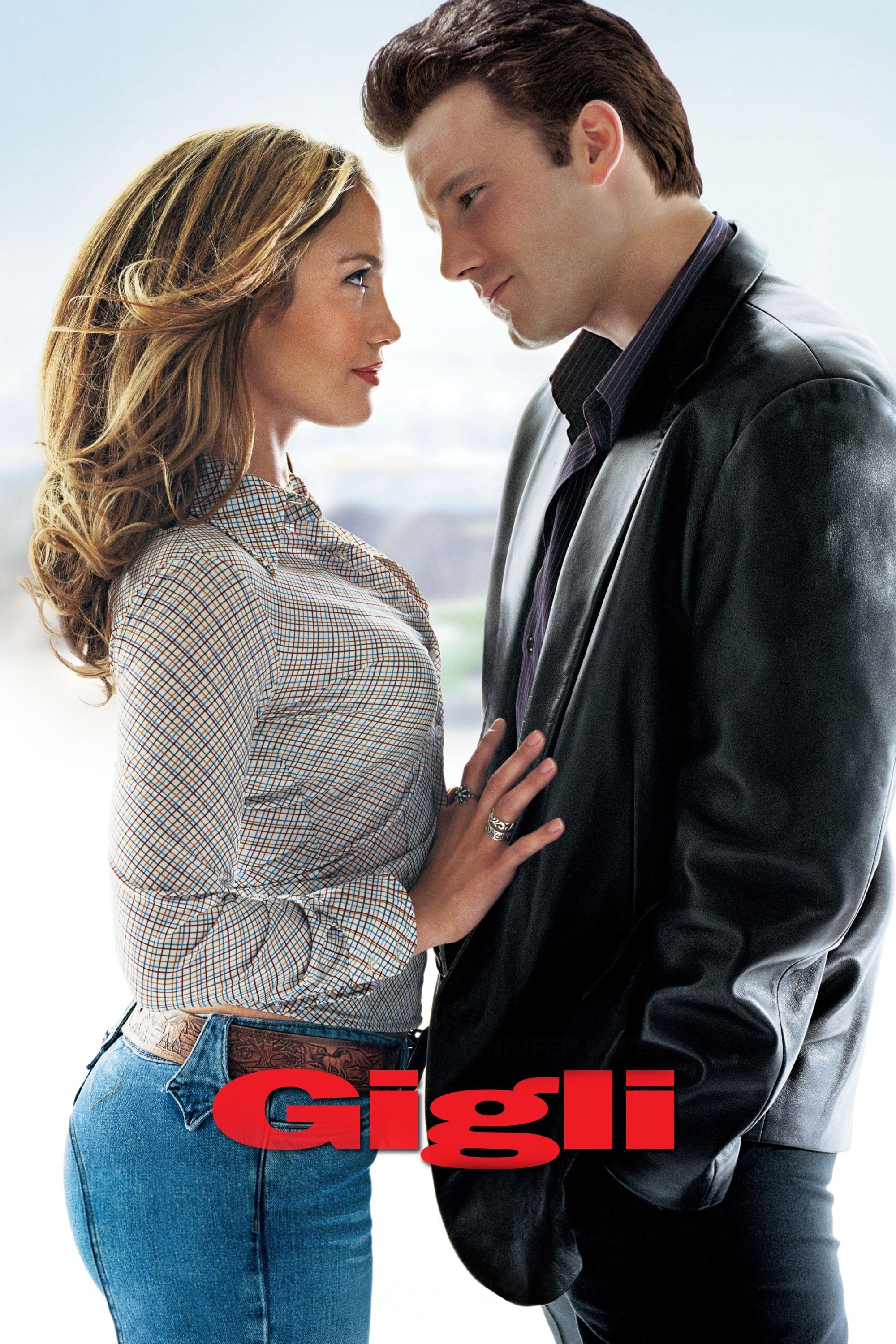
Martin Brest directs a crime romance where a low level enforcer and a fellow fixer are thrown together on a botched job. The film’s sunny Los Angeles locations and patient two hander scenes give it a small scale intimacy. It plays as a character study about people who are tired of violent routines and want out. Christopher Walken and Al Pacino drop in for eccentric supporting turns that keep the energy unpredictable.
‘Cutthroat Island’ (1995)
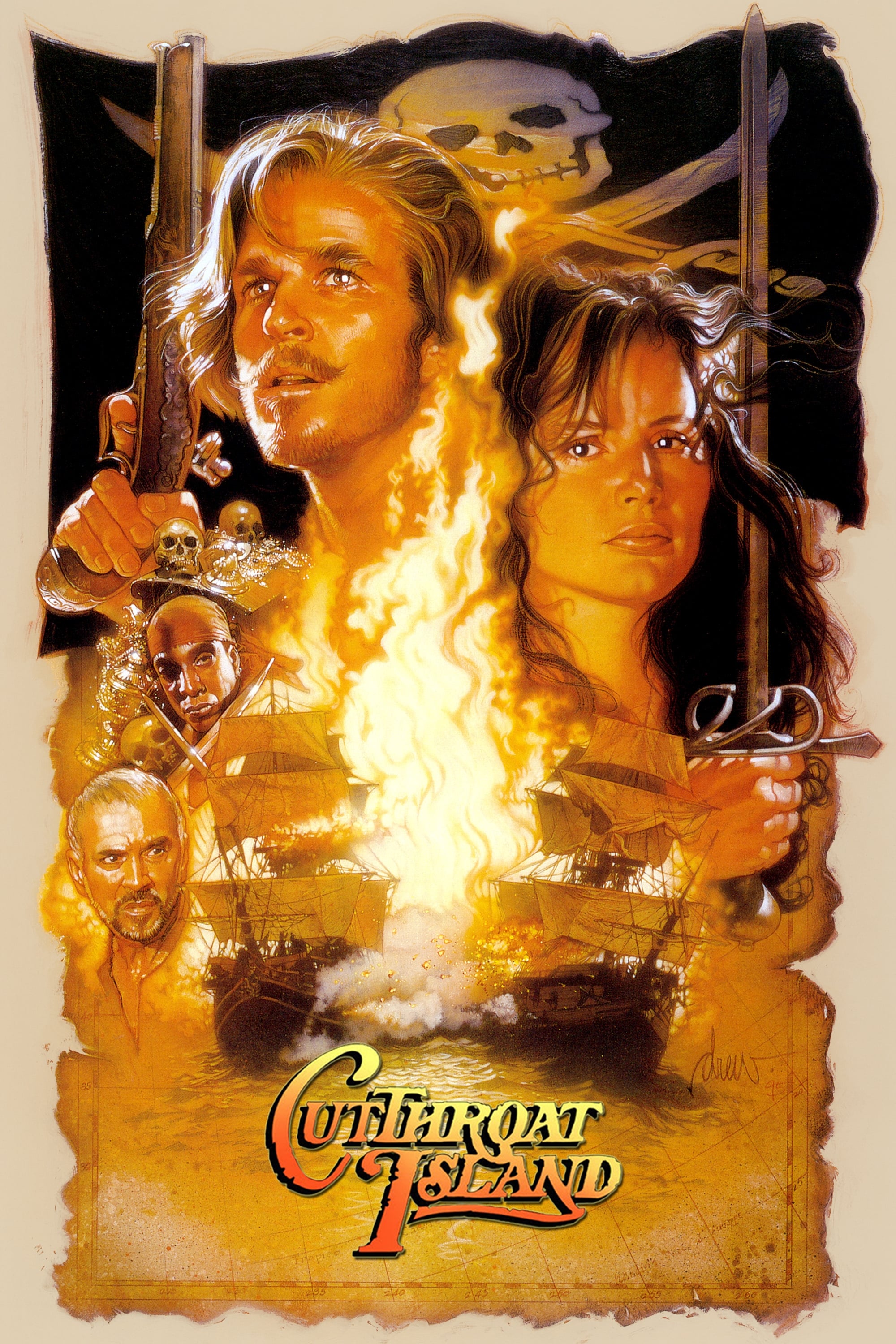
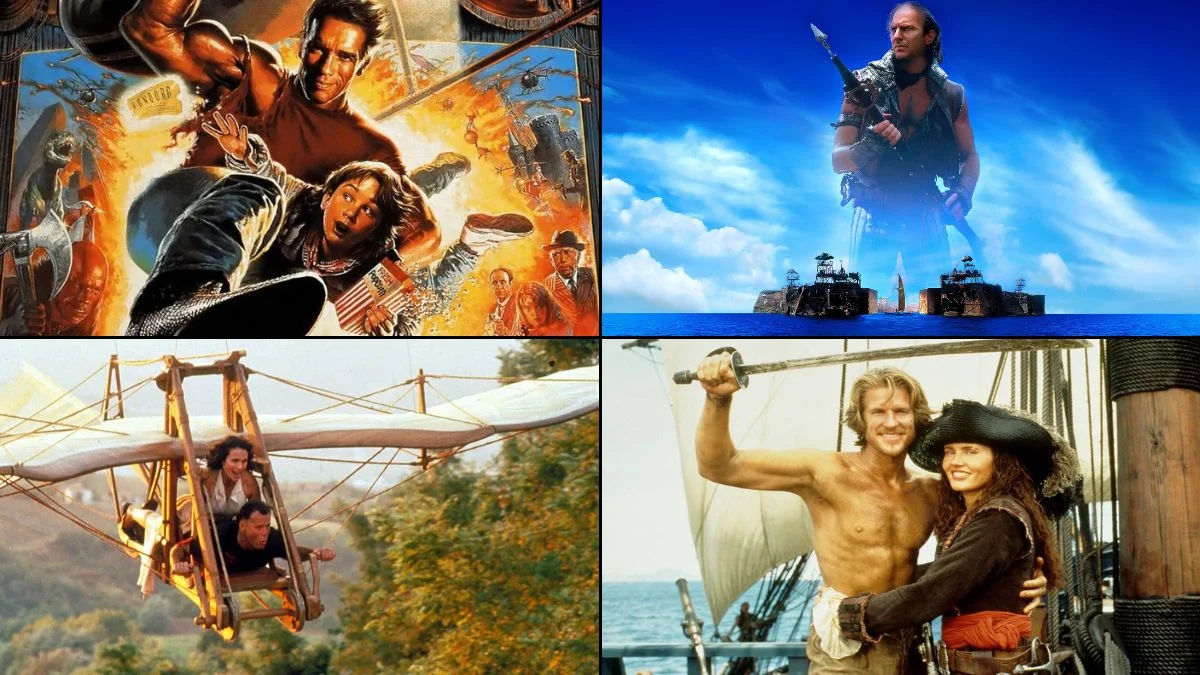
Renny Harlin mounts a full blown pirate adventure with practical ship sets, sweeping crane shots, and booming sea battles. Geena Davis leads a treasure hunt that moves from cliff dives to cannon duels with old school swashbuckler flair. The stunt work and on water photography still look muscular and tactile. It is a rare 90s pirate film that treats the genre with straight faced gusto.
‘Waterworld’ (1995)
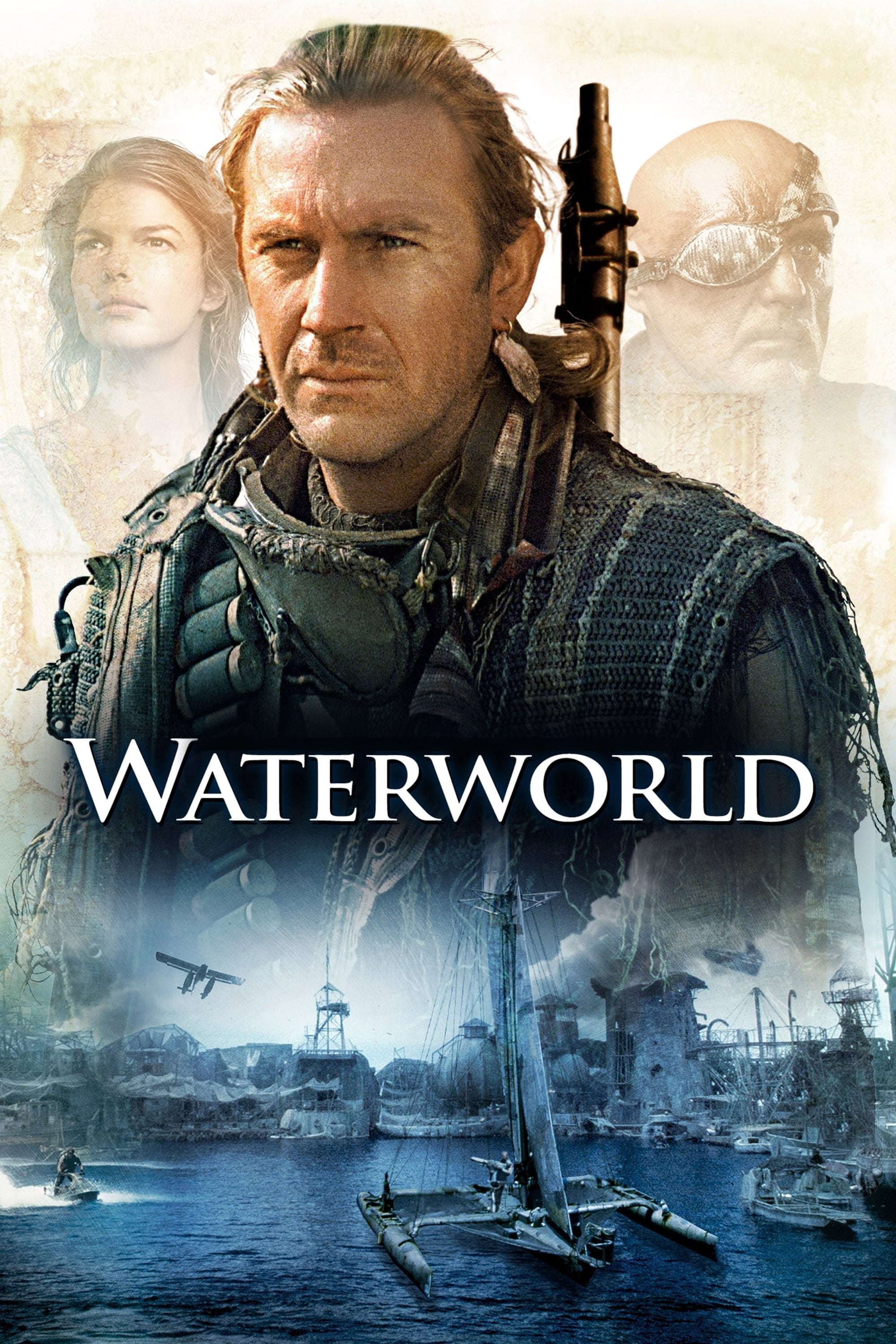
Kevin Reynolds imagines a flooded Earth where drifting atolls and rusted catamarans become entire societies. The production built floating sets and staged real ocean chases that lend scale and texture to the action. James Newton Howard’s score swells over inventive world building details like barter economies and mythic maps. Dennis Hopper’s exuberant villainy gives the film a lively counterpoint to its stoic hero.
‘The Postman’ (1997)
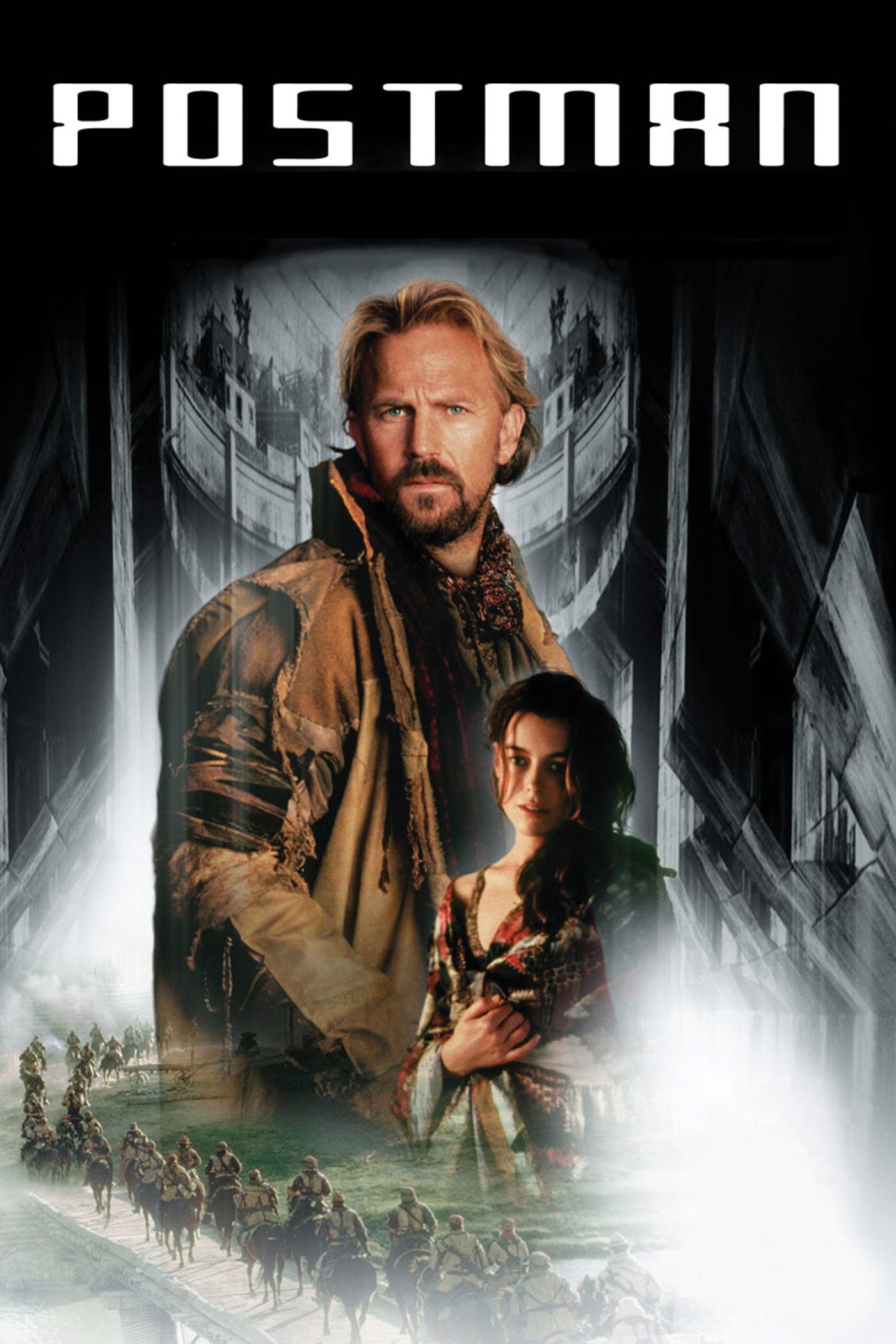
Kevin Costner crafts a frontier myth set after a collapse, where a drifter pretends to be a mail carrier and accidentally restores civic hope. The film showcases majestic Western landscapes and period styled costuming for a future rebuilt from scraps. Its episodic structure lets communities and local leaders step into focus. The message about institutions and shared stories gives it an earnest heart.
‘Battlefield Earth’ (2000)

Roger Christian adapts a far future rebellion with towering alien sets and oversized production design. Dutch angles and saturated lighting create an exaggerated comic book feel. Under the bombast there is an old fashioned prison break tale with gadget tinkering and training montages. The makeup and prosthetics show off elaborate creature craft rarely attempted at this budget level.
‘Showgirls’ (1995)

Paul Verhoeven blends backstage melodrama with razor edged satire as a newcomer claws her way into a glitzy Las Vegas revue. The film features lavish choreography, neon soaked cinematography, and an icy score that underscores its rags to riches spiral. Elizabeth Berkley delivers a ferocious physical performance that anchors every scene. Its frank look at ambition and exploitation makes it a fascinating time capsule of 90s spectacle.
‘Hudson Hawk’ (1991)
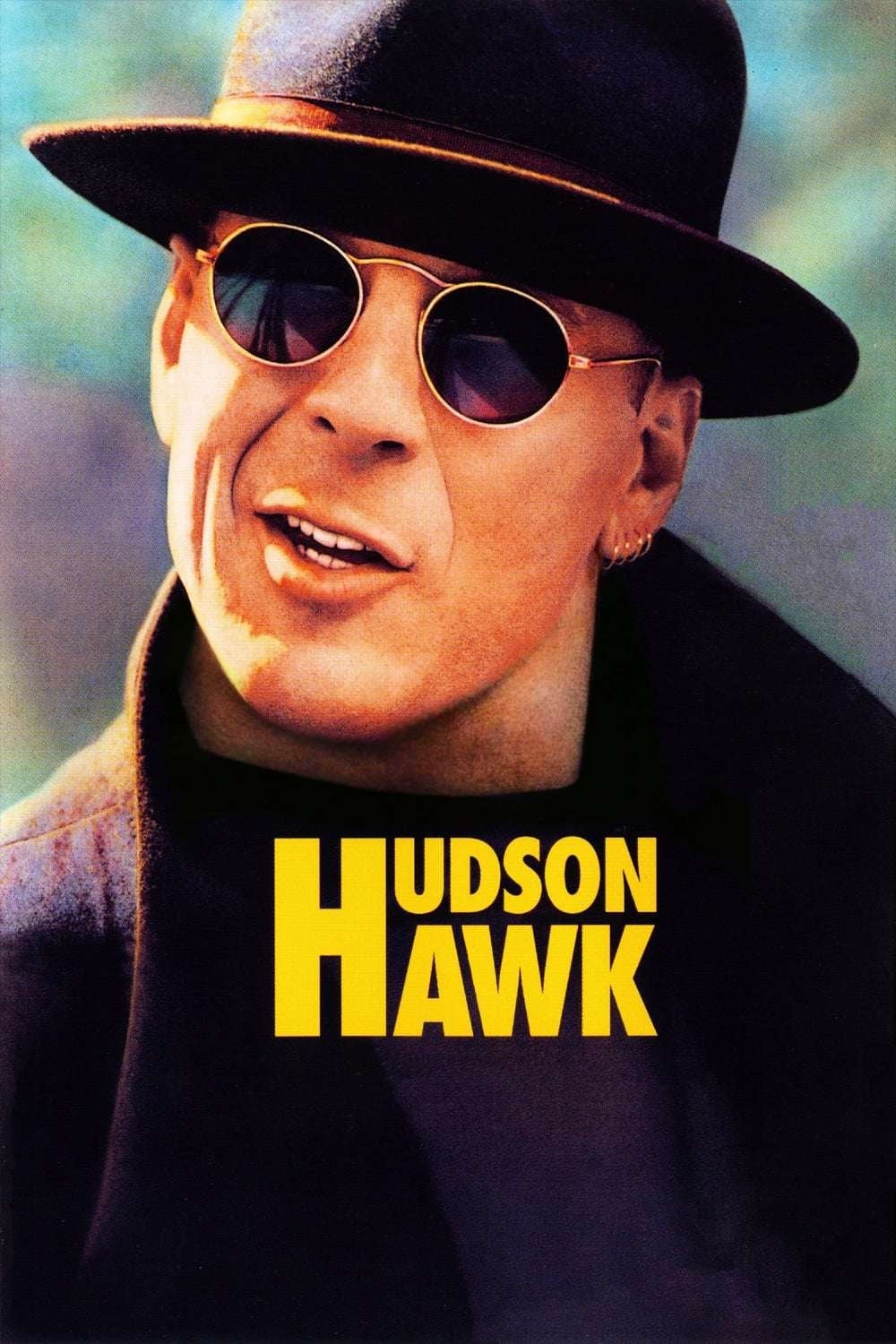
This caper blends musical timing with art heist puzzles as Bruce Willis times robberies to pop tunes. The film moves through ornate European museums, Renaissance conspiracies, and gadget gags that play like live action cartoons. It delivers a steady stream of visual jokes, prop comedy, and rhythm based stunts. Danny Aiello and Andie MacDowell add loose, breezy chemistry to the ensemble.
‘Last Action Hero’ (1993)
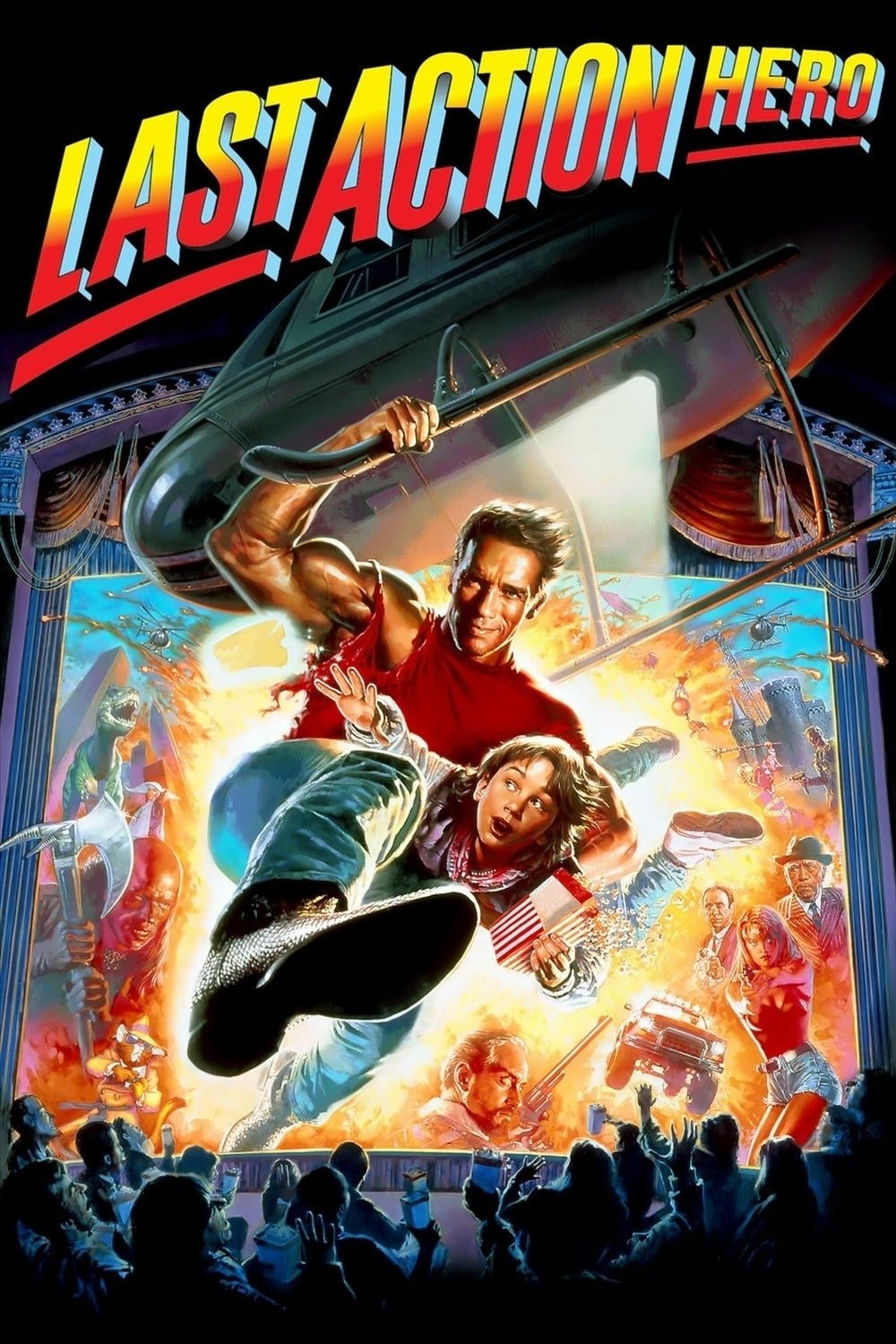
John McTiernan fires a meta action comedy where a kid literalizes movie logic inside a cop blockbuster. It features big practical explosions, massive sets, and cameos that map the 90s star system. The villain’s glass eyed assassin brings slick menace that balances the jokes. The score and cinematography give the film a glossy sheen that rewards big screen viewing.
‘The 13th Warrior’ (1999)
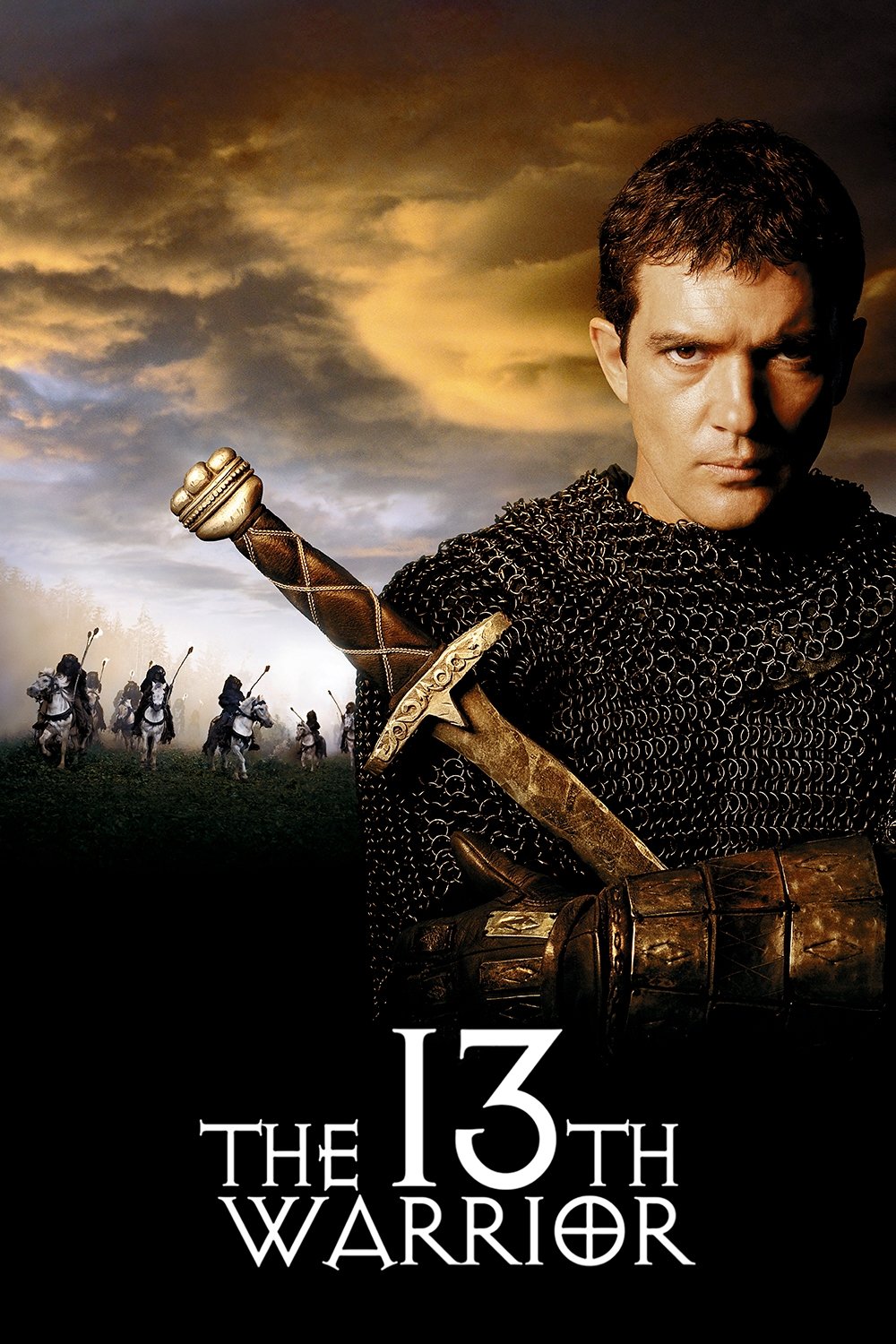
John McTiernan adapts Michael Crichton’s tale of an outsider joining Norse warriors against a mysterious threat. The movie leans on location photography, muddy battles, and detailed armor to evoke a lived in Dark Ages. The language learning sequence builds cross cultural camaraderie through observation and rhythm. Jerry Goldsmith’s thunderous music powers the march and lends weight to the final stand.
‘Alexander’ (2004)
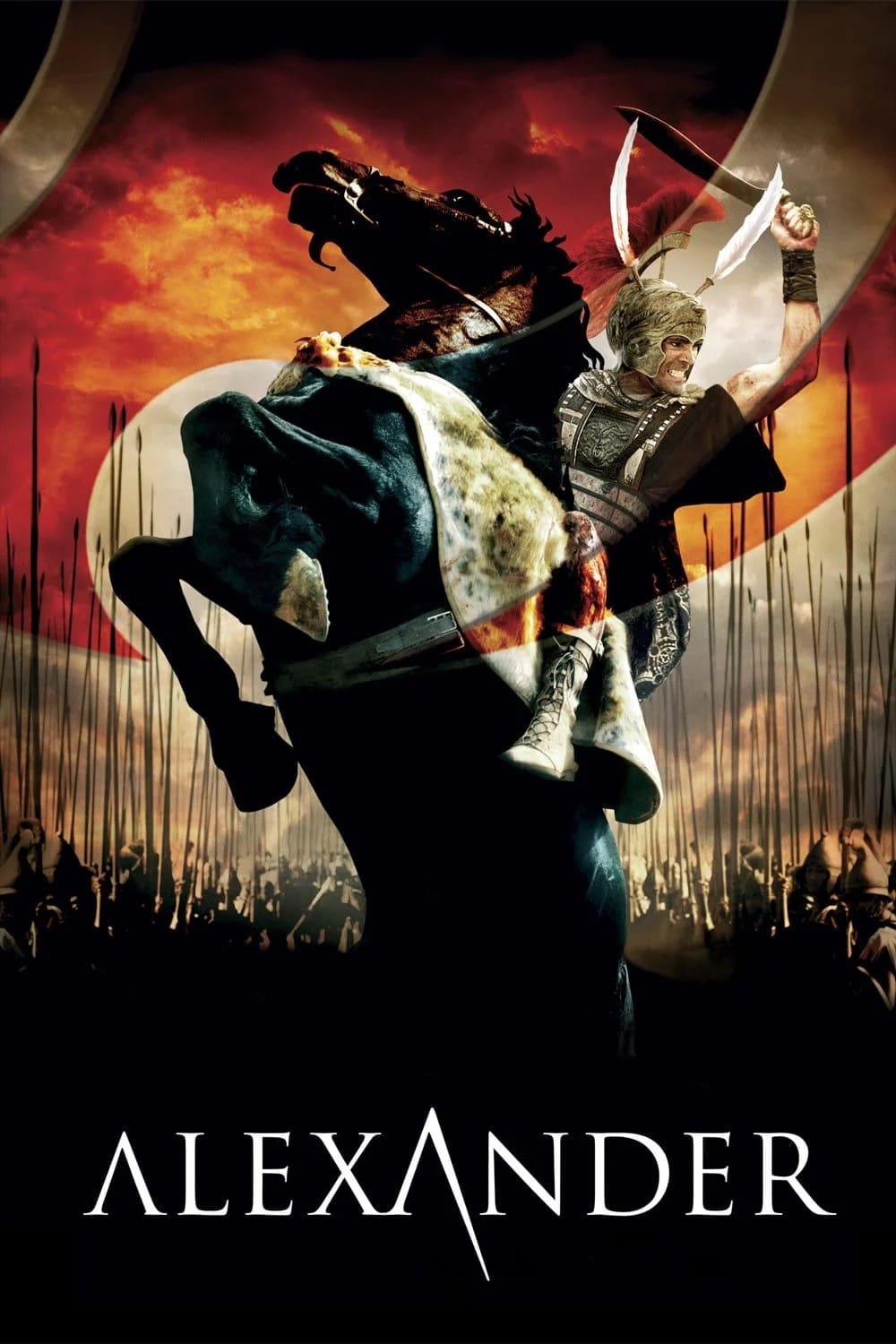
Oliver Stone stages sweeping campaigns across deserts and jungles with vivid color palettes and massed cavalry charges. The film looks closely at court politics, logistics, and the strain of empire on a young ruler’s circle. Vangelis supplies an ethereal score that drifts between triumph and melancholy. Multiple cuts exist, which lets viewers explore different emphases on character and strategy.
‘The Adventures of Pluto Nash’ (2002)
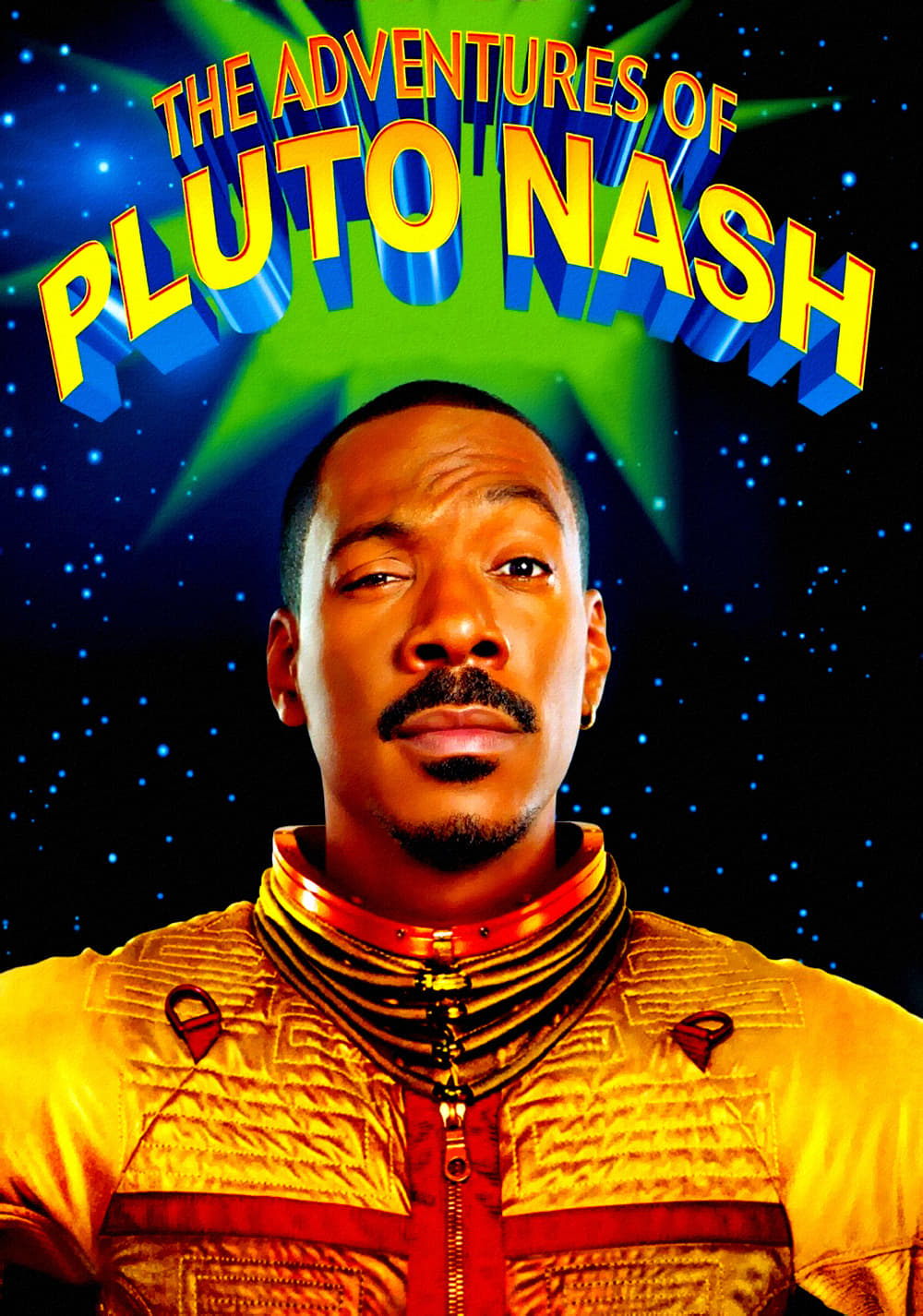
This sci fi comedy imagines lunar nightlife with glowing cityscapes and retro futurist cars gliding over cratered streets. Eddie Murphy plays a club owner navigating rival syndicates, cloning mishaps, and upbeat robot sidekicks. The production design fills the frame with neon signage, space fashion, and playful gadgetry. Its breezy tone makes it a curio of early 2000s studio world building.
‘Catwoman’ (2004)
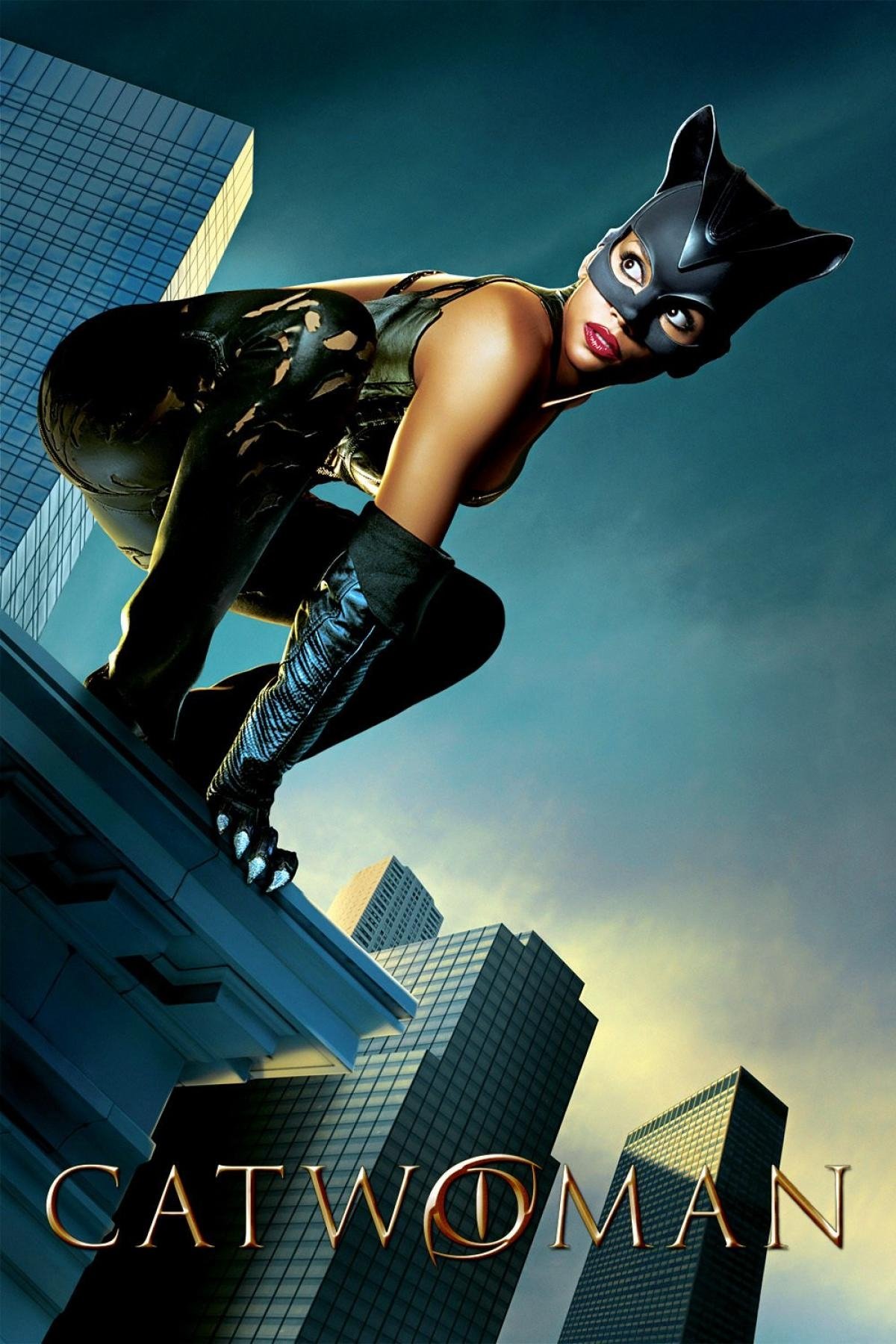
Halle Berry headlines a sleek urban fantasy with feline agility sequences and glossy nighttime photography. The costume and movement work lean into dance like fights and acrobatic camera moves. Sharon Stone’s antagonist brings a corporate beauty industry angle that frames the conflict. The soundtrack and color graded cityscapes deliver a stylized comic book vibe.
‘Speed 2: Cruise Control’ (1997)
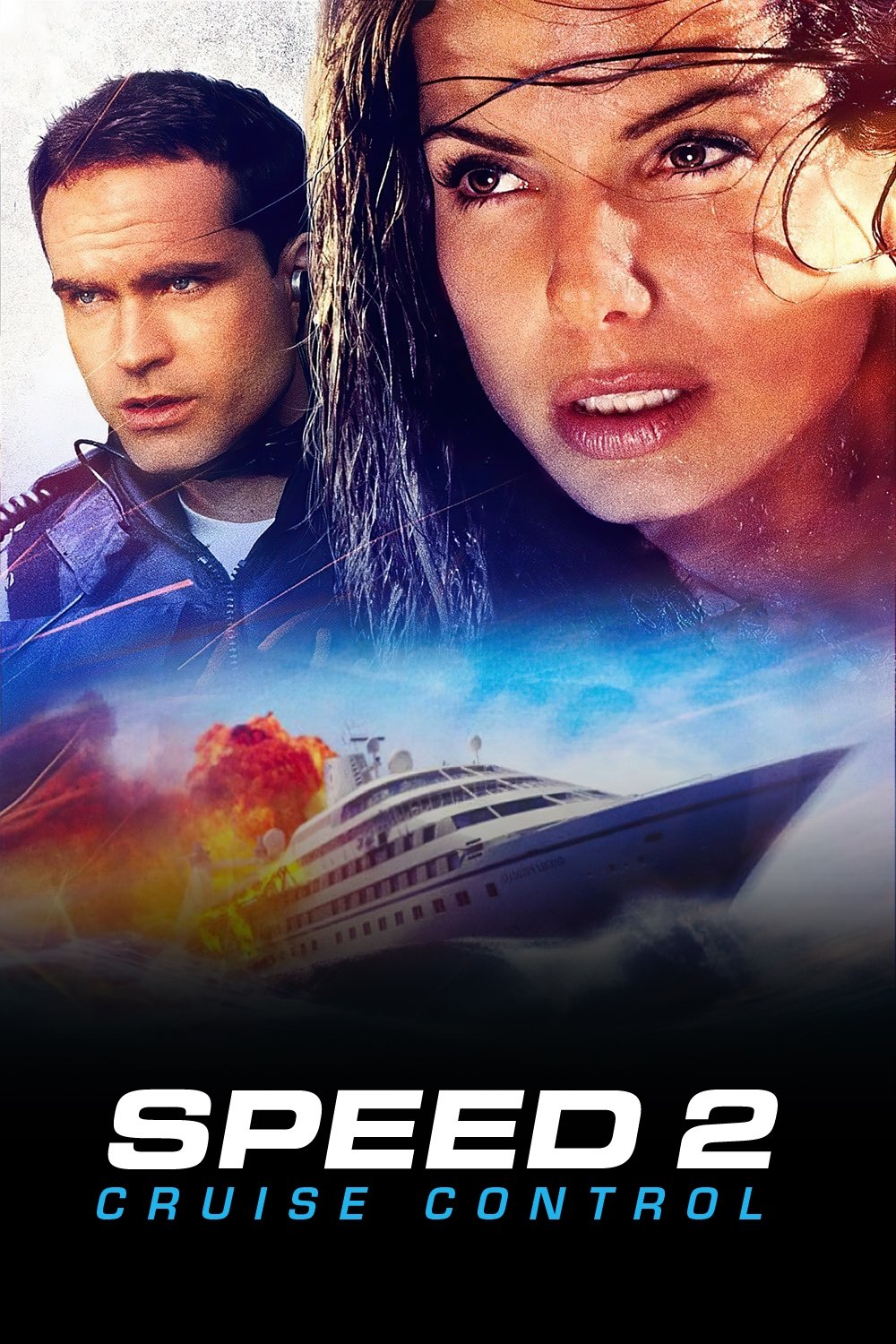
Jan de Bont shifts the action from freeways to a luxury ship where systems fail and momentum becomes the enemy. The film commits to practical marine stunts, including a harbor crash that uses full scale sets. Sandra Bullock carries a string of escalating crises that involve navigation rooms and engine bays. The Caribbean locations add sunlit contrast to the mechanical chaos.
‘The Lone Ranger’ (2013)
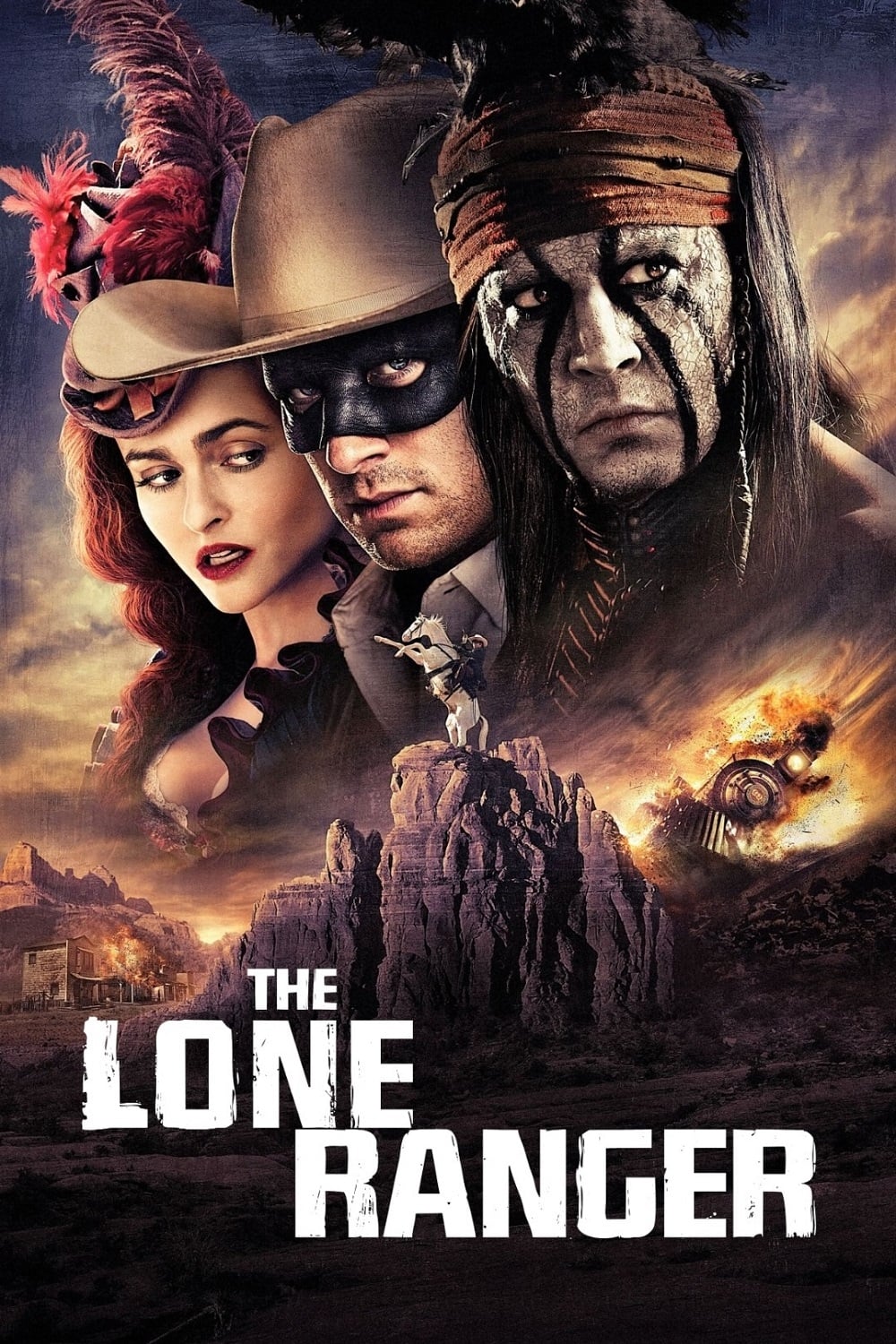
Gore Verbinski brings Western vistas, rail barons, and a runaway train finale staged with precise choreography. The film mixes slapstick and peril in elongated set pieces that show off meticulous stunt planning. Hans Zimmer’s score reworks classic motifs to goose the action crescendos. The production captures Monument Valley grandeur with a painterly eye.
‘The Love Guru’ (2008)
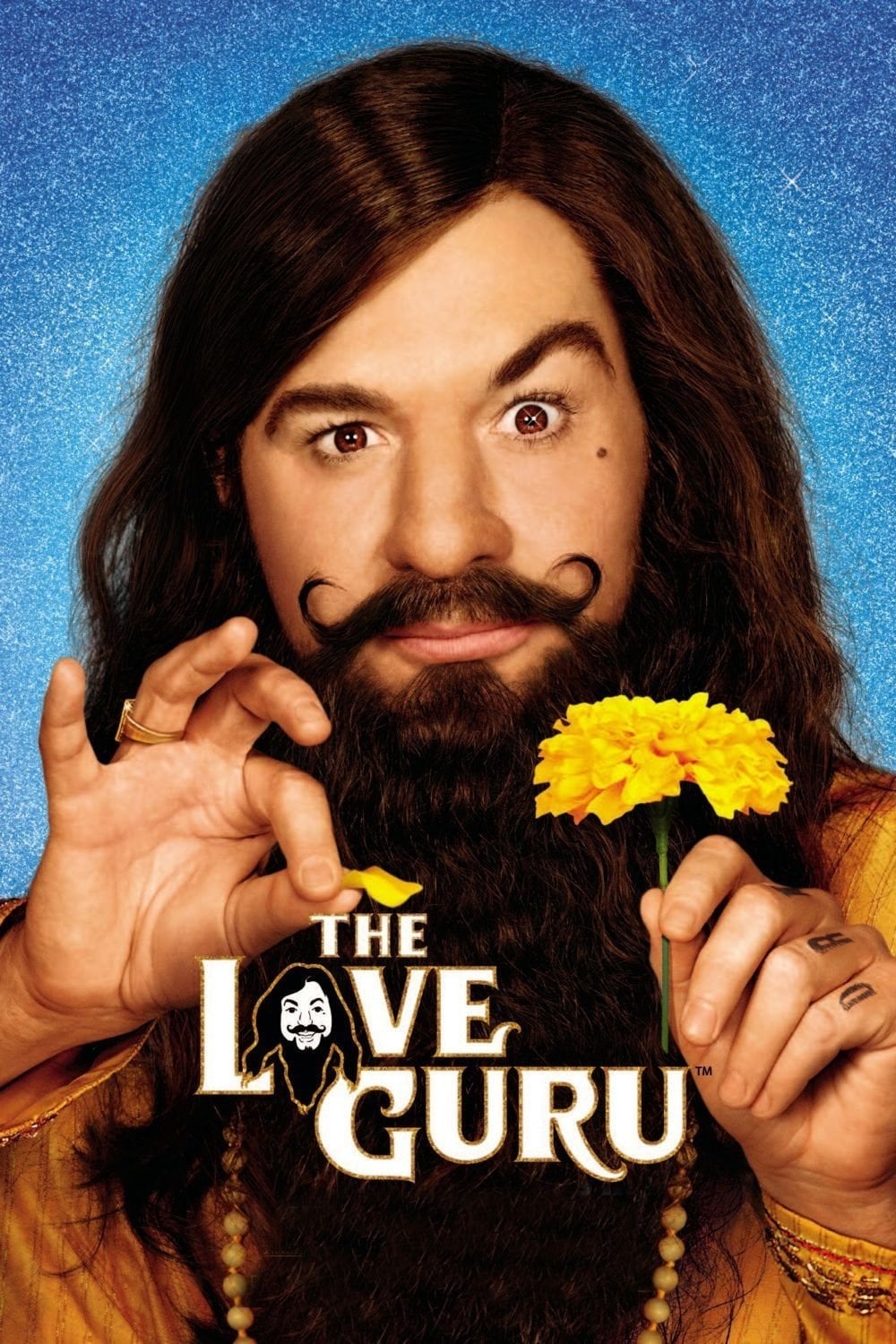
Mike Myers builds a character vehicle around a self help celebrity who tangles with a hockey team and romance woes. The movie fills scenes with wordplay, sight gags, and running bits that stack at rapid pace. Stephen Colbert and Justin Timberlake pop in with heightened sports and pop culture caricatures. The soundtrack threads in upbeat cues that match the silly energy.
‘Wild Wild West’ (1999)
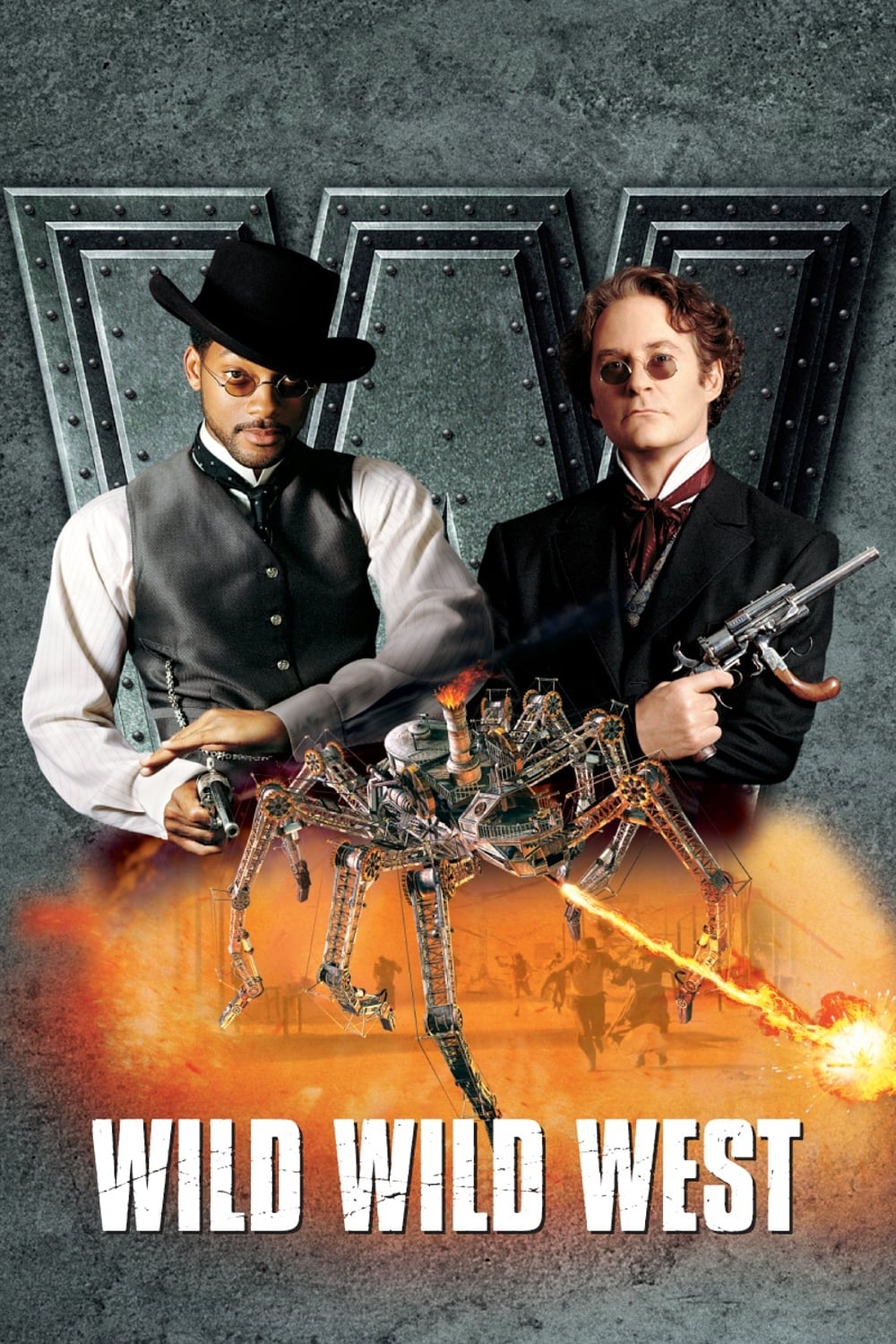
Barry Sonnenfeld crafts a steampunk romp with brass gadgets, giant mechanical contraptions, and ornate costumes. Will Smith and Kevin Kline bounce through desert towns, laboratories, and a massive spider device built with impressive effects. The film’s production design packs frames with Victorian tech and mad scientist whimsy. It plays as a buddy adventure inside a speculative Western sandbox.
‘Howard the Duck’ (1986)
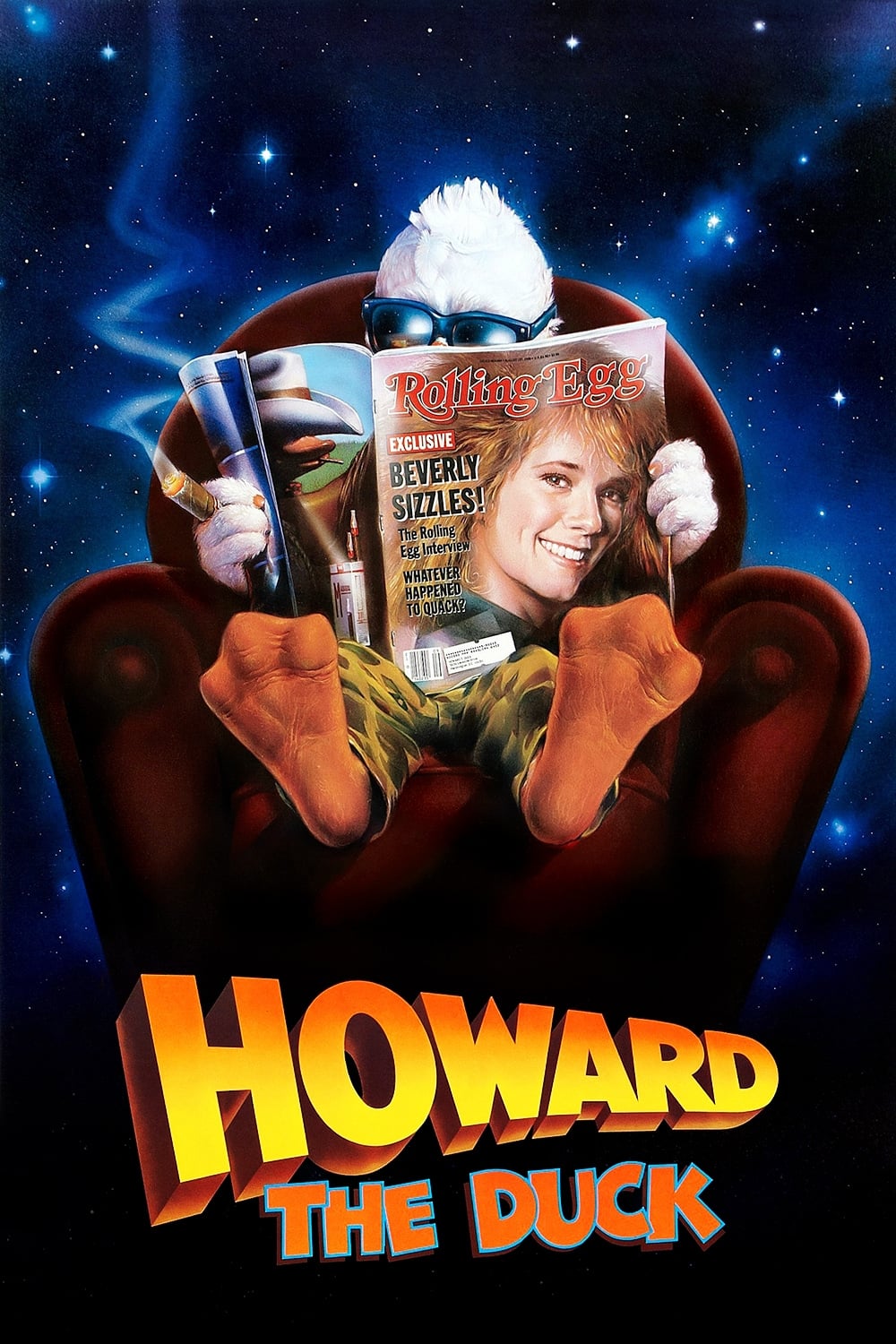
George Lucas produced this oddball comic adaptation that mixes creature suits, animatronics, and rock venue chaos. Lea Thompson fronts a band storyline that brushes against interdimensional mayhem and laboratory mishaps. The duck suit work shows off 80s practical effects craftsmanship in close ups and full body movement. Thomas Dolby’s music gives the performances a fizzy club vibe.
‘Basic Instinct 2’ (2006)

Sharon Stone returns to a psychological thriller set among London elites, with sleek interiors and cool gray palettes. The film stages interrogation duels, car sequences, and therapy sessions that blur manipulation with desire. Its production design leans on glass, steel, and reflective surfaces to amplify themes of control. The orchestral score underlines a chilly mood that never lets characters relax.
‘The Bonfire of the Vanities’ (1990)
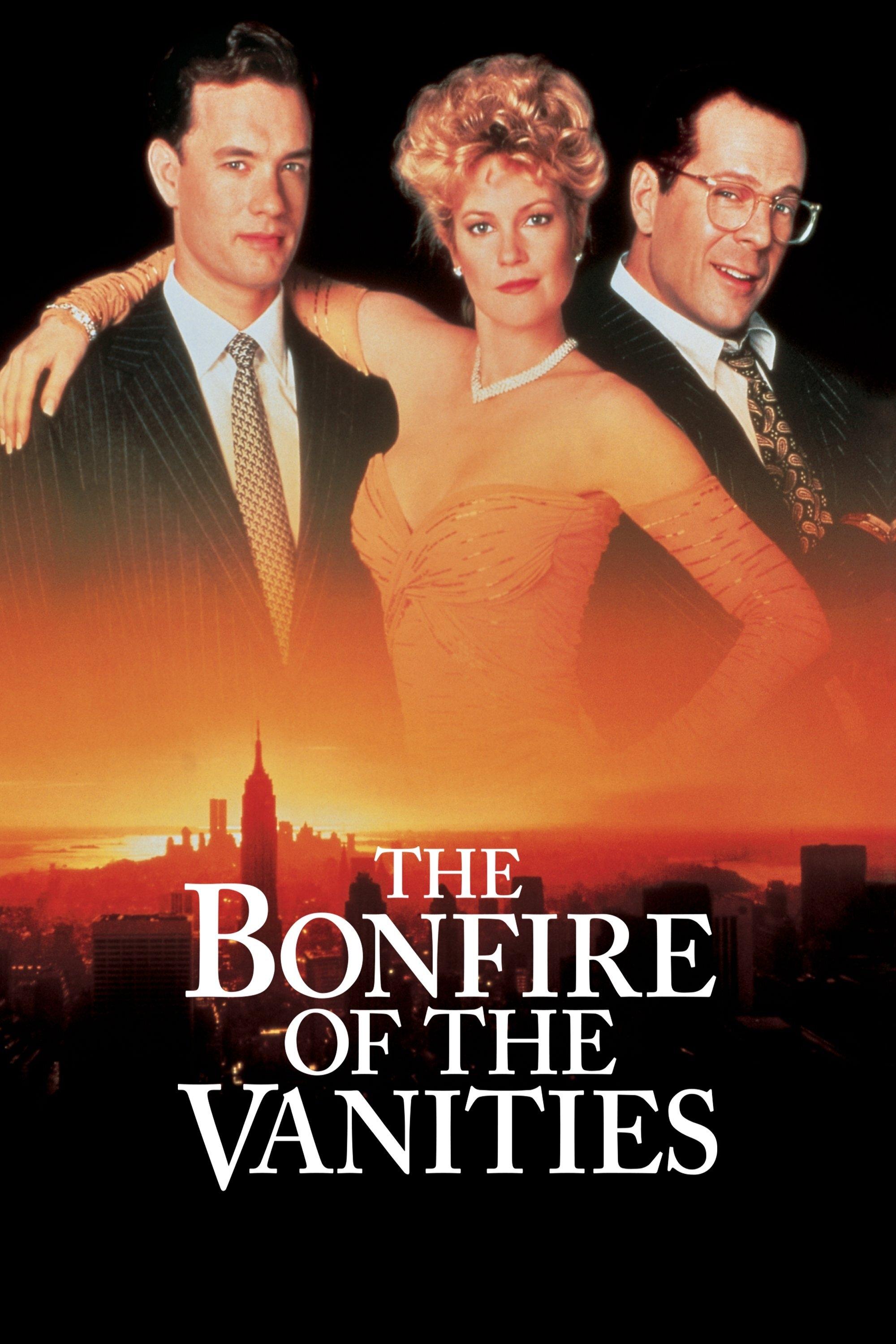
Brian De Palma adapts the Wall Street era satire with extended steadicam shots and lavish New York locations. The story tracks media frenzies, legal maneuvering, and status anxieties through intersecting perspectives. The ensemble captures the period’s fixation on image and influence. Dante Ferretti’s design and the costume work recreate late 80s opulence in meticulous detail.
Share the movies you would add to this list in the comments.