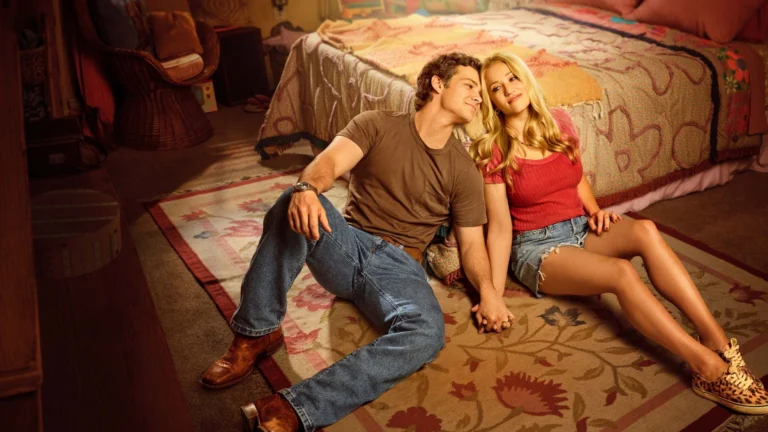
Netflix’s ‘Human Vapor’ Recap and Ending Explained: What Kyoko’s Voicemail Reveals About Ren’s Fate

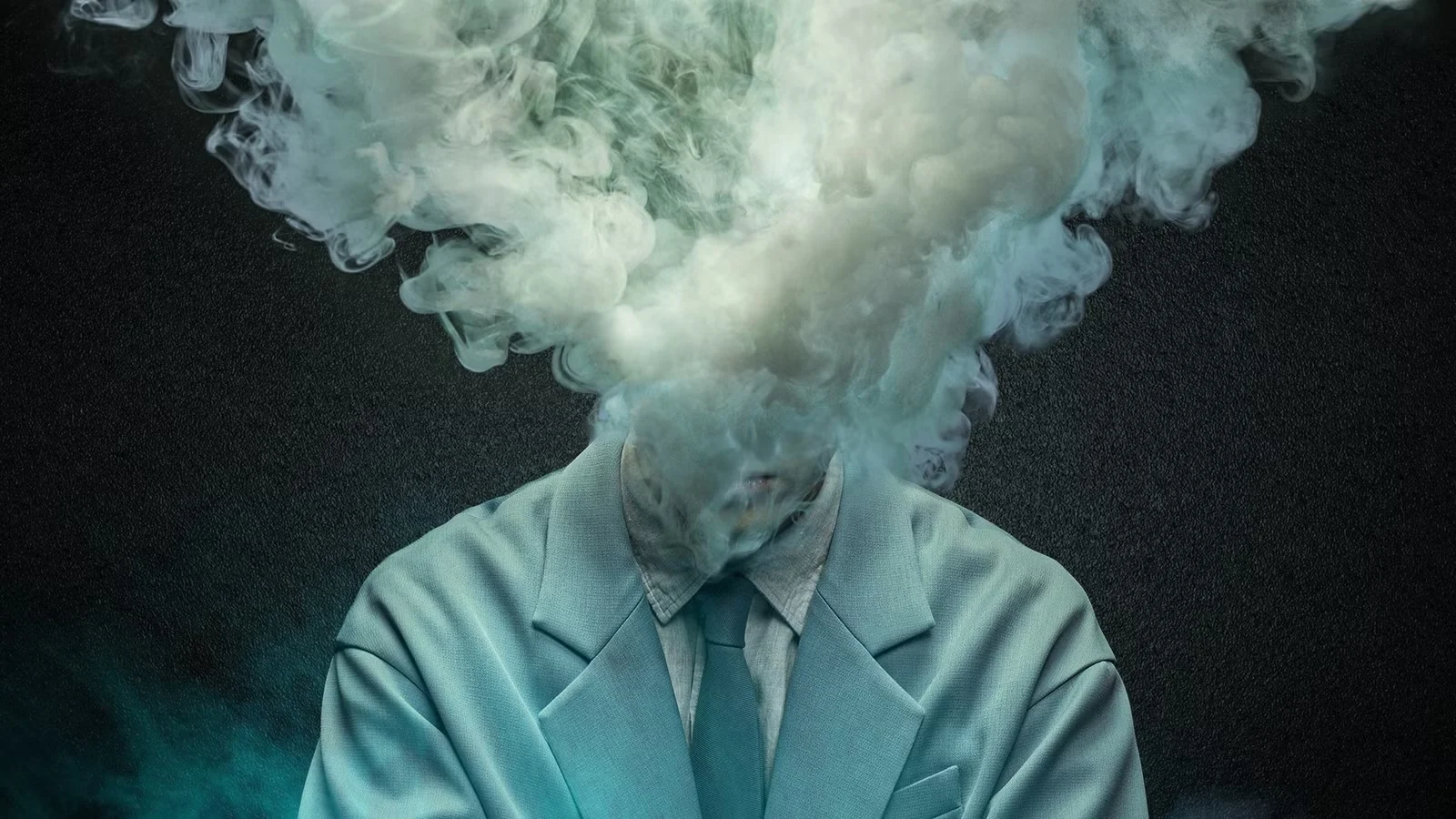

‘Human Vapor’ arrived on Netflix with all eight episodes at once, and the finale has left viewers untangling a story that turned out to be far more personal than its opening body horror suggested. The series premiered on July 2, reimagining Toho’s legendary 1960 tokusatsu film as an entirely original eight episode drama, marking the first collaboration between Toho and Netflix. What starts as a manhunt for a man who can turn his body into gas ends as a story about institutional betrayal, and the finale ties together threads that had been simmering since the premiere.
The show follows detective Kenji Okamoto and reporter Kyoko Kono as they uncover the buried history of a program called White Center, with the season closing on Kyoko walking into her newsroom with a renewed sense of purpose. The ending answers most of the season’s central mysteries while leaving several threads open, and understanding how everything connects requires walking through the finale’s key turns.
Human Vapor Ending Explained Through the Finale’s Final Moves
Episode eight opens with Governor Miura arriving at a volunteer office, praising the workers and rehearsing a speech ahead of an election that is only two days away. Kenji eventually reveals to Miura that the incriminating video recording is with Kyoko and about to air, prompting Miura to order the Human Vapor to retrieve the footage and kill her while giving his men free rein over Kenji.
What Miura does not realize is that this is exactly the plan Kyoko, Kenji, and Kaho engineered, with Kyoko asking Kenji to divert Miura so he would send Ren directly to her, since she believes she knows how to stop him. While Kaho distracts an executive named Kirishima, Kyoko sends the footage to a colleague to broadcast immediately, and Kenji fights his way out of the warehouse after successfully pulling Miura’s attention away.
The public turns on Miura as angry residents attack him mid speech, and Kenji moves to arrest him with his team, though Yoshida nearly kills Kenji before Michiko intervenes and sends him after the escaping governor. Kenji finds Miura on a rooftop attempting to jump, manages to catch him, and takes him into custody.
In the aftermath, Kenji listens to a voicemail Kyoko left admitting she lied about being able to stop Ren, since she knows she cannot end him but believes she can lock him inside a vault at the JNT building. Kenji rushes to find her as she flees from Ren through the building, and the two eventually watch him escape once more in his vapor form.
Kyoko and Kenji Trace the Conspiracy Back to Its Source
Watching news coverage of the attack, Kaho begins questioning why the Human Vapor targeted Miura at all, given that Miura was the one who ordered the attack that killed her brother. That confusion leads the group to remember that a camera belonging to Fujita, still sitting in an abandoned warehouse, may have captured footage identifying whoever actually ordered the hit on Miura.
Returning to the warehouse, the group finds it guarded by two men, whom Kenji is able to take down before the trio retrieves Fujita’s camera. The footage on that camera reveals the identity of the person truly pulling strings behind Miura, reframing the governor as a pawn rather than the true architect of the conspiracy.
Earlier episodes had already established how deep this history runs, showing a young Kyoko stowing away to Tokyo after witnessing the bodies of dead peers piled into a truck twenty seven years earlier at White Center, and how Ren saved her at a ramen shop soon after. Later episodes connect Kenji’s own father’s death to the Fujishiro Syndicate and White Center, while Kyoko comes to understand the full scope of a program referred to as Mufu.
That layered backstory is what separates this version of the character from Toho’s original film. The 1960 source material followed a librarian named Mizuno who turned gaseous after a rogue experiment and used the ability to rob banks funding his girlfriend’s dancing career, framed by director Ishiro Honda as a doomed love story rather than a monster tale. The 2026 series keeps names like Okamoto and Kyoko along with the core transformation, but completely rewrites the origin and motivation behind it.
White Center and the Fujishiro Syndicate Cast a Long Shadow
The show frames Ren’s rampage as revenge against the group he holds responsible for turning him into what he became, rather than random villainy. That choice gives the season’s institutional conspiracy a vengeance driven backbone, and the narrative digs into a secret project that used and then discarded vulnerable people to build its power.
With White Center’s history fully exposed by the finale, the show leaves plenty of room for that conspiracy to keep unraveling if Netflix orders another season. Critics covering the premiere pointed out that this expanded origin story leaves space for a larger franchise should the streamer choose to move forward.
Yeon Sang-ho, the South Korean filmmaker behind ‘Train to Busan’ and ‘Colony’, developed the series as a bold reimagining of Toho’s original film rather than a direct remake. Speaking about joining the project, Yu Aoi told Netflix that she was looking forward to discovering what kind of experience the show would become while striving to maintain her team’s spirit of adventure.
Is There a Human Vapor Season 2 in the Works
As of now, Netflix has not announced a renewal, and the eight episode run was marketed as a complete first season rather than an open ended one. Genre coverage has been blunt about the uncertainty, noting the show could remain a one and done limited series or continue, while pointing out Netflix’s well documented habit of cancelling shows regardless of quality.
Because this marks the first project between Netflix and Toho, a strong debut could open the door to further collaborations even if this particular story wraps as a single season. Any renewal decision will likely hinge on viewership data in the coming weeks rather than critical reception alone.
The first season already sets up a sprawling web of competing agendas among police, media, the criminal underworld, and livestreamers, any of which could anchor a follow up story. Reviewers also noted the show’s slower midsection between its bigger set pieces, suggesting a potential second season could tighten its pacing while leaning further into the conspiracy it just cracked open.
With Miura in custody, Ren still loose in his vapor form, and the true mastermind behind the Fujishiro Syndicate finally caught on camera, what do you think Kyoko and Kenji should do next if Netflix brings ‘Human Vapor’ back for a second run.