Netflix’s The Prediction Games Explores a Debate Bigger Than Gambling

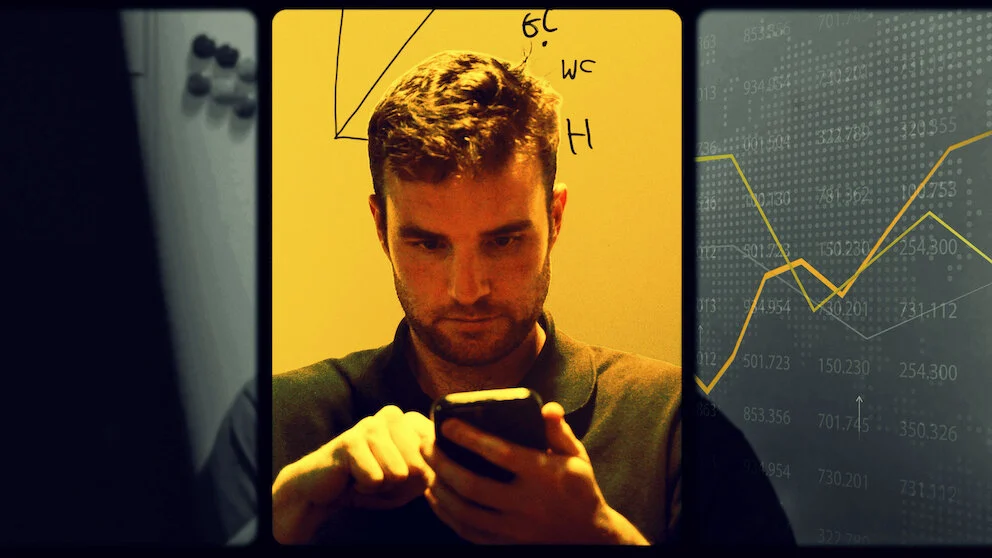

Netflix released Instadocs: The Prediction Games on 26 July 2026, and it arrived carrying an argument with it. The film is part of the streamer’s Instadocs strand of fast-turnaround documentaries, which means it landed while the story it covers was still moving. Within days of the trailer going live, one of the companies featured in it had sent Netflix a cease-and-desist letter.
That’s unusual for a documentary about financial products. Less so once you see what prediction markets have turned into.
What the documentary is actually about
The film follows the rise of platforms where people trade contracts on the outcome of real events, from election results to World Cup finals to celebrity weddings. It features interviews with Polymarket founder Shayne Coplan, Kalshi chief executive Tarek Mansour, and Michael Selig, chairman of the Commodity Futures Trading Commission. The regulator and the regulated share the same runtime, which alone makes it more interesting than most finance documentaries.
Netflix built the film around one striking figure: more than 5.6 billion dollars traded on the 2026 World Cup final alone across Kalshi and Polymarket. That number is why a niche corner of derivatives trading now gets a documentary aimed at a general audience.
Why prediction markets stopped being niche
Prediction markets are old. Informal betting on election outcomes ran in American newspapers long before anyone built an app for it, and academics have spent decades arguing about whether market prices forecast events better than polls or pundits do.
What changed was distribution. Mobile apps, instant settlement, and a regulatory opening at the federal level turned a research curiosity into something you can open on your phone during a match. Sports drove the volume, but the same platforms now list contracts on weather, monetary policy, awards shows, and armed conflicts.
The argument the film keeps returning to
The central question sounds dry and isn’t: is an event contract a financial instrument or a bet? Companies like Kalshi argue their products are derivatives regulated under federal commodities law, overseen by the CFTC. A large coalition of state regulators argues the opposite, that these platforms are running unlicensed sportsbooks and belong under state gambling law. More than forty states have taken that position in one form or another.
The answer decides who issues licences, who collects tax, what consumer protections apply, and whether a platform can operate in a given state at all. Dozens of lawsuits are working through the courts on exactly this point, and judges in several states have already blocked at least some activity.
The documentary doesn’t resolve the question, which is probably the honest choice. What it does show is what the disagreement looks like from both sides of the table.
How Kalshi ended up at the centre of it
Kalshi objected to the trailer before the film even premiered, arguing that footage of traders at a Las Vegas watch party created a misleading impression about trading in Nevada, where a court order restricts its sports contracts. Netflix said none of the footage was fabricated and that the trade shown on screen predated the order.
The dispute compresses the whole regulatory fight into one argument about a screenshot, which makes it worth understanding on its own terms. GamblingSites.com published a detailed breakdown of Kalshi’s role in the prediction market debate and the timeline behind the cease-and-desist, useful background if the film leaves you wanting specifics.
There’s a language dimension too. Kalshi avoids words like “wager” and “bet” in its own materials and calls its products swap contracts instead. That word choice sounds petty until you realise it’s the entire case.
Why a documentary moved the conversation
Regulatory fights usually stay inside trade publications and court filings. A Netflix release puts the same material in front of an audience that has never read a CFTC filing and never will.
The film’s less comfortable material does more work than the interviews. A young cook loses most of what he earns. Professional traders describe a market where a small number of sharp participants profit from a much larger number who don’t. That framing sits closer to poker than to a savings account, and it lands harder on screen than in any policy paper.
If you want more of the platform’s recent nonfiction output, Fiction Horizon’s roundup of the best Netflix true crime documentaries covers the same fast-turnaround approach applied to very different subject matter.
What happens next
Netflix says the film meets its editorial standards, and the documentary remains available. The platform’s own summary of the release and its interview list is on Netflix’s Tudum page for the film.
The larger question stays open. Courts will decide whether event contracts are securities or bets, legislatures may decide something different, and the platforms will keep expanding the list of things you can trade on in the meantime. The documentary is a snapshot of an argument mid-fight. That’s its limitation, and also the reason to watch it now instead of in five years.