Olivia Wilde’s ‘I Want Your Sex’ Review Roundup, Should You Watch Gregg Araki’s Provocative Comeback


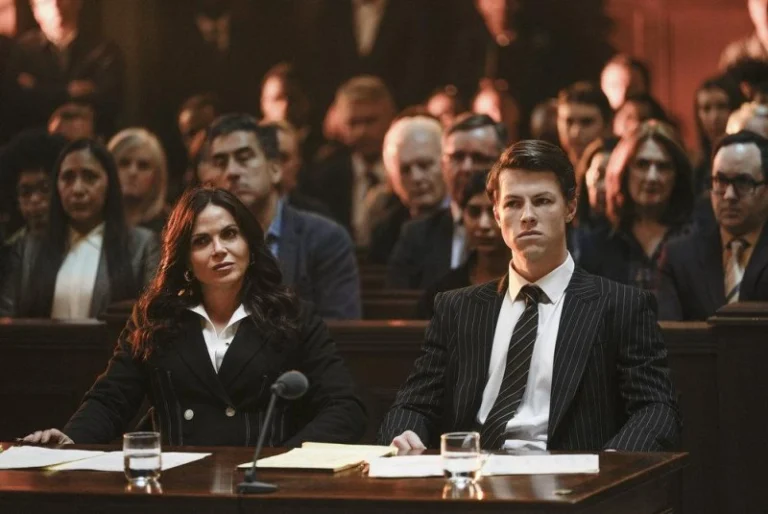
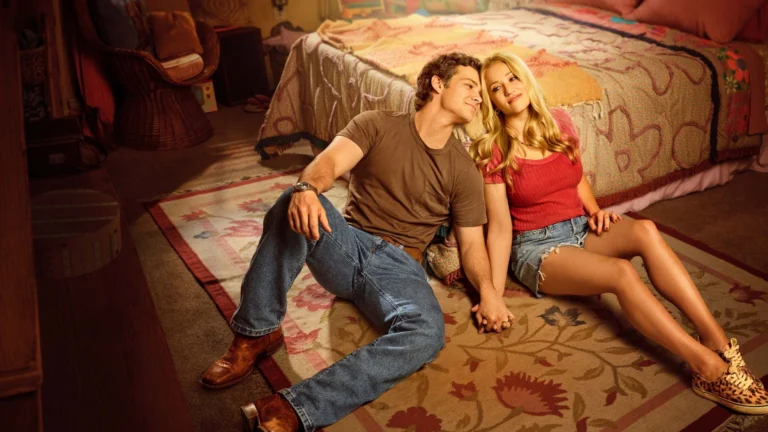
Olivia Wilde is drawing some of the most pointed critical attention of her acting career for ‘I Want Your Sex,’ the new film from director Gregg Araki. The film marks Araki’s first feature in eleven years and stars Wilde alongside Cooper Hoffman, Mason Gooding, Chase Sui Wonders, Johnny Knoxville, Margaret Cho, Roxane Mesquida, Charli xcx and Daveed Diggs. The project premiered at Sundance and has since generated a wide range of critical reactions, which makes the question of whether it is worth your time a genuinely open one.
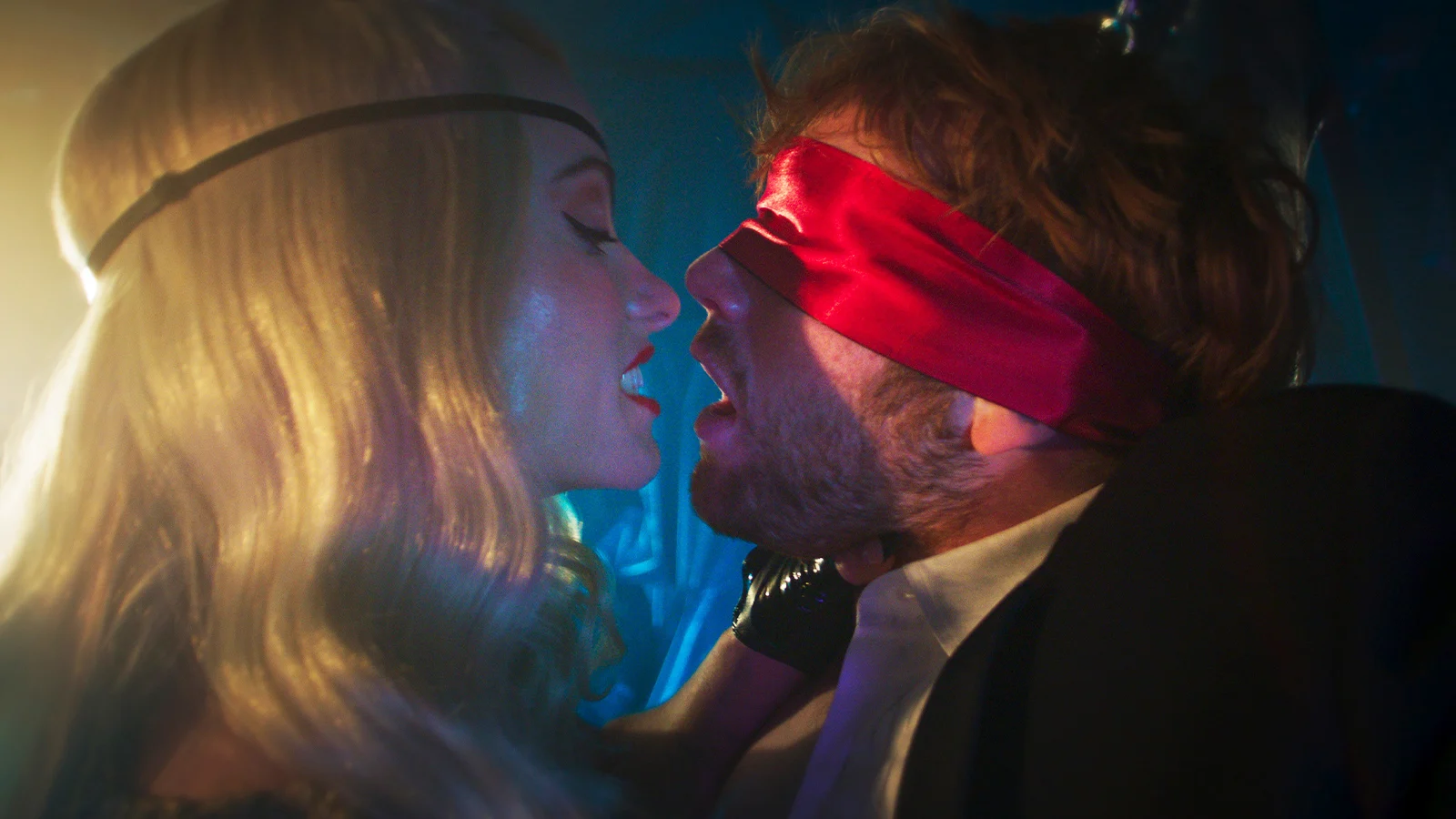
The film centers on a young assistant who becomes entangled in a relationship built on control and desire with the artist he works for. The synopsis describes fresh faced Elliot landing an exciting job for renowned artist, icon and provocateur Erika Tracy, whose offer to make him her sexual muse pulls him into a world of sex, obsession, power, betrayal and murder. With a theatrical release now in place, audiences finally have the chance to decide for themselves what to make of it.
What ‘I Want Your Sex’ Is About
The plot follows the shifting power dynamic between an established artist and her much younger assistant. Elliot, played by Cooper Hoffman, is introduced reeling and bloodied as he dives into a pool to save his boss, the famous artist Erika, played by Wilde, setting the tone for a story built around water, blood and nudity as recurring visual motifs.
As their relationship develops, the film pushes Elliot toward uncomfortable territory. As Elliot and Erika grow closer, he finds himself edging near feelings of degradation and exploitation, with the line between that discomfort and genuine harm kept deliberately thin. That tension between consent and control is presented as the emotional engine of the story rather than a side detail.
The supporting cast adds complications to Elliot’s personal life outside his arrangement with Erika. Elliot signs on for what he believes will be a strings free affair, all while Erika mocks his generation as whiny and repressed, and his relationship with his girlfriend Minerva, played by Charli xcx cast against type, adds further pressure to his situation.
Behind the scenes, the production dealt with some unusual scheduling realities tied to its cast. The film was shot during the height of Charli XCX’s Brat tour, which left her time on set very limited, so all of her scenes were completed in a single day.
Olivia Wilde’s Performance Reviews
Much of the critical conversation around the film centers on Wilde’s turn as Erika. She plays the visual artist and provocateur with what one review called gloriously depraved command, embodying a character who rolls her eyes at Gen Z’s mix of chronic anxiety and what she views as retro sex negativity.
Other reviewers echoed that Wilde’s presence elevates material that might otherwise feel thin. Wilde is described as an often misused or misunderstood actor, one that Araki himself has compared to old time stars like Ingrid Bergman or Greta Garbo.
Even critics who found the film underwhelming as a whole singled out Wilde specifically. One review argued Wilde makes the film half bearable, praising how she relishes every snarky glare and harsh judgment her character passes on the contemporary art world.
Her chemistry with Hoffman also drew consistent praise across outlets. Wilde plays Erika with a flamboyant intensity, portraying a woman accustomed to getting what she wants and skilled at using her body and position to make those wants a reality.
Gregg Araki’s Return And Critical Reception
Araki’s comeback carries weight given his history as a defining figure in New Queer Cinema. Since his breakthrough with The Living End in 1992, Araki has built a reputation for smashing social and sexual taboos with irreverent humor and maximalist visual energy, and this film continues that thread while reaching an audience far younger than his original one.
Reception has genuinely split, with some outlets calling the film a highlight of the festival. One review framed it simply as a fun, X rated comedy in which Wilde and Hoffman dominate the screen.
Others were far more skeptical, arguing the film’s take on kink feels out of step with the present moment. One critic wrote that the film offers a surprisingly straight, dated imagination of kink for today’s era, calling it tepid and frequently flat despite Araki’s pedigree.
A more measured take suggested the film has energy without quite reaching its full potential. One review noted the film returns to Araki’s signature vibrant colors and unfettered sex, but felt it was missing the same infectiously boisterous energy of his earlier work, leaning on nostalgia rather than fresh invention.
Aggregated scores land closer to the positive end of that spectrum. On Rotten Tomatoes, 89 percent of 37 critics gave the film a positive review.
Should You Watch It
Deciding whether ‘I Want Your Sex’ is worth watching depends heavily on what you want from it. Araki has been candid about his intentions behind the film’s provocations, and Variety captured him addressing the subject directly at an OutfestNEXT appearance. Speaking with Variety, Araki explained that sex has always been tied to his identity as both a person and an artist, and that he finds it hard to imagine life without exploring it in his work.
The film’s genuine draw is Wilde’s performance, which multiple critics agree carries the movie even when the surrounding material falters. If you are drawn in by bold performances and willing to sit with a story that leans into discomfort rather than away from it, the film has real substance to offer.
If you are looking for a tightly controlled thriller with a sharp edge of danger, some reviewers suggest you may walk away wanting more tension than the film ultimately delivers. Either way, the movie arrives in theaters with enough buzz and critical disagreement to make it one of the more talked about releases of the season.
‘I Want Your Sex’ opens in theaters on July 31, and with critics so divided on Araki’s approach to modern sexuality, it feels like the kind of film built for spirited debate once audiences have actually seen Erika and Elliot’s story play out for themselves.