‘One Hundred Years of Solitude’ Episodes 9–15 Recap & Ending Explained: The Buendía Curse Comes Full Circle

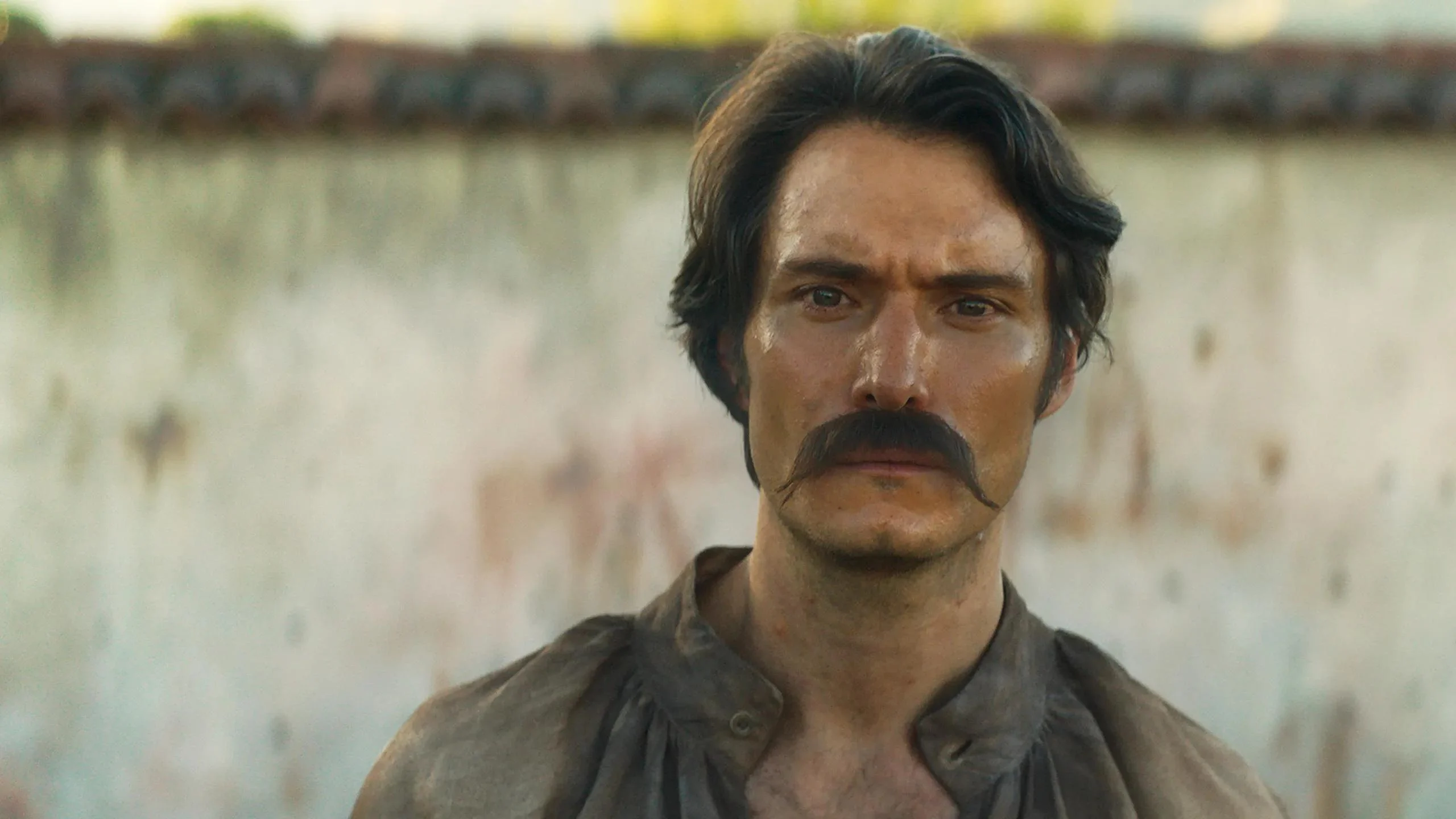

‘One Hundred Years of Solitude’ returned to Netflix on August 5, delivering the first seven episodes of its concluding chapter after the streamer split the adaptation of Gabriel García Márquez’s novel into two installments. Netflix confirmed that Part 2 would premiere in August 2026, closing out the sweeping Buendía family saga that first launched in December 2024.
The first part of the series earned a Certified Fresh score of 84 percent from critics on Rotten Tomatoes and dominated Netflix’s charts in Colombia while landing in the platform’s Global Top 10. That reception set expectations high for how the back half of the story, spanning episodes 9 through 15 in the show’s overall numbering, would carry Macondo toward its long foretold conclusion.
What Happens in One Hundred Years of Solitude Part 2
The seven episodes released on August 5 are titled The Armistice, The Queen of Madagascar, Fernanda del Carpio, The Innocent Train Had Arrived, It was October 11, More than Three Thousand of Them, and It Rained For Four Years, Eleven Months and Two Days. Directing duties on these episodes were split between Laura Mora and Carlos Moreno, with the finale still to come as a separate special episode later in August.
The season picks up after the signing of the armistice, though peace still does not settle over Macondo. Fearful of Colonel Aureliano Buendía’s continued influence, the Conservatives orchestrate an assassination attempt that, through a twist of fate, brings Fernanda del Carpio from Bogotá into the town.
Netflix divided the adaptation into two eight-episode parts given the complexity of the story and the demands of production, with the first installment alone requiring nine months of filming and an additional year of post-production. Director Alex García López has said that figuring out how to divide the story was one of the biggest challenges, describing the choice to split it almost at the book’s midpoint to mark the end of one generation and the start of the next.
Fernanda del Carpio Reshapes the Buendía Family
When Fernanda marries Aureliano Segundo, one of the twin sons born to Arcadio, Úrsula Iguarán finally sees the arrival of legitimate heirs to the family line. Aureliano Segundo and his brother José Arcadio Segundo had already appeared by the end of Part 1, with Úrsula convinced the two had somehow been switched at birth given how each behaved more like the other’s namesake.
The confirmed cast for this stretch of episodes includes Julián Román and Jorge Quintero as José Arcadio Segundo and Aureliano Segundo, Claudio Cataño as Aureliano Buendía, and Marleyda Soto as Úrsula Iguarán. Carla Baratta takes on the adult version of Fernanda, while Laura Taylor plays her in her younger years, alongside Ángela Cano as Petra Cotes and Licinia Alzate portraying the character later in life.
Are you happy with how the book was adapted into a series?
A recent review of the new episodes described the tension that follows Fernanda’s arrival, noting that her relationship with sister in law Remedios the Beauty becomes one of the season’s central sources of conflict. The review points to the twins Aureliano Segundo and José Arcadio Segundo, along with Fernanda, as the three figures who come to dominate this stretch of the story, describing a household caught between excess, repression, and everything in between.
The Railroad and the Banana Massacre Change Macondo Forever
While Fernanda settles into the Buendía household, Aureliano Segundo’s twin José Arcadio Segundo becomes absorbed in their grandfather’s old manuscripts and scientific ambitions, eventually leading the effort to connect Macondo to the outside world. That breakthrough opens the door to a foreign banana company setting up operations near the town, which unleashes Macondo’s downfall and ultimately fulfills Úrsula Iguarán’s curse.
José Arcadio Segundo ends up at the center of a major workers’ strike at the banana company that ends in a massacre, and he is the sole survivor, though no one else in Macondo remembers the event or how it happened. This sequence pulls directly from history rather than invention. The storyline serves as an allusion to the real Banana Massacre of 1928, in which workers for the United Fruit Company were killed near Santa Marta, Colombia.
The title of the seventh episode, It Rained For Four Years, Eleven Months and Two Days, points to what follows the violence at the banana company. In García Márquez’s telling, this flood becomes the town’s response to the massacre and to the official silence that buries it, and the show appears to be carrying that same image into its final stretch of episodes before the grand finale.
How the Ending Sets Up the Grand Finale
Rather than releasing every episode at once, Netflix chose to drop the first seven installments on August 5 while holding back the cinematic grand finale, which runs nearly two hours, for August 26. The final part of the series was confirmed by Deadline, which shared the trailer and first images exclusively ahead of the August release.
Laura Mora, who also directed episodes of the first season, has said the team pushed this second part to another level aesthetically, narratively, and through sound and music in order to build a more cinematic and emotional ending. She has described wanting the close of the story to feel as grand and epic as the three years the crew spent living inside that house and town.
The season’s official framing makes clear that progress in Macondo ultimately gives way to decay, fulfilling the curse that has followed the Buendía family since its origins. With episode 15 leaving José Arcadio Segundo as the lone witness to a massacre the rest of the town refuses to acknowledge, the stage is set for the flood, the family’s slow unraveling, and the arrival of the final chapter later this month.
Which member of the Buendía family do you think carries the weight of Macondo’s ending into that grand finale.