Prime Video’s New AI Trick Could Finally Make Dubbed Shows Feel Less Weird



Prime Video is trying to fix one of the biggest problems with watching a dubbed show, and this time the change is happening on screen instead of just through the audio. The streaming service is testing new AI technology that can change the way an actor’s mouth moves so it better matches translated dialogue. The goal is simple: make dubbed shows feel more natural and less distracting for people watching international content.
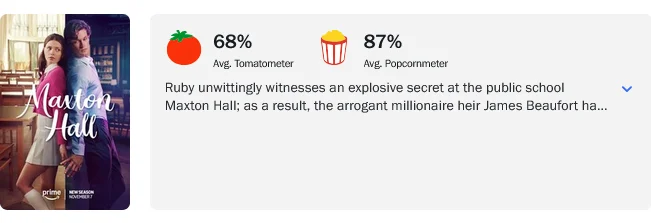
The new technology is making its debut with Maxton Hall, the German-language romance that became one of Prime Video’s biggest international hits. The series has already attracted viewers around the world, and Prime Video now sees it as the perfect place to test a new approach to dubbing. Instead of having viewers hear English while watching German mouth movements, the new system attempts to bring those two parts closer together.
Prime Video says the technology combines artificial intelligence with visual effects. The system works with professionally recorded dubbed dialogue and changes parts of the actors’ mouth movements to better fit the new words. That is an important detail because the company is not simply replacing human performers with AI voices. The dubbed audio is still produced by people, while the technology is being used to make the visual side of the translation look more convincing.
Raf Soltanovich, vice president of technology at Prime Video and Amazon MGM Studios, explained the idea in a statement shared through Amazon’s newsroom. He said the company is always looking for new ways to improve the viewing experience and described the technology as another step toward making international entertainment feel more seamless. For viewers, that could mean spending less time noticing that a show has been dubbed and more time getting lost in the story.
Maxton Hall is a smart choice for this experiment because the show already has a huge international audience. According to Prime Video, its first season became the service’s most successful International Original at the time of its release. It also reached the number one spot on Prime Video’s charts in more than 120 countries and territories during its first week. That makes the series a strong test case for a feature designed to make international hits easier to watch across different languages.
The new lip-sync version is available for both Seasons 1 and 2 in English around the world. Prime Video also plans to use the technology for the third and final season, which is scheduled to arrive on December 9. That season will have six episodes and is based on Save Me, the 2018 novel by Mona Kasten. The series is expected to be available across more than 240 countries and regions, giving the new technology a very large potential audience.
This is also not Prime Video’s first attempt to use AI in the dubbing process. In 2025, the company tested AI-assisted dubbing on a group of licensed titles in English and Latin American Spanish. The earlier experiment included shows such as El Cid: La Leyenda, Mi Mamá Lora, and Long Lost. Prime Video presented that system as a mix of AI tools and human work, with localization experts still involved in checking the final product.
The company has not revealed exactly which AI technology is being used for the new lip-sync system. That leaves plenty of questions about how far the process can go and how convincing the results will be on different types of scenes. Changing an actor’s mouth movements may work well in some situations, but keeping everything natural during fast conversations, emotional scenes, or close-up shots could be much harder.
Still, Prime Video’s move could be important if the technology works as promised. International shows have become a major part of streaming, but some viewers still avoid dubbed versions because they find the mismatch between voices and faces distracting. If AI can reduce that problem without removing human control from the dubbing process, watching foreign-language shows could become a much smoother experience.
For now, Maxton Hall is the testing ground. But if viewers respond well to the new feature, Prime Video has already made it clear that more titles could receive the same treatment. What looks like a small technical upgrade could eventually change how millions of people watch shows from around the world.
What do you think about Prime Video using AI to improve dubbed shows?
Have something to add? Let us know in the comments.