Robert Pattinson’s Entire Film Career Mapped Out In Chronological Order

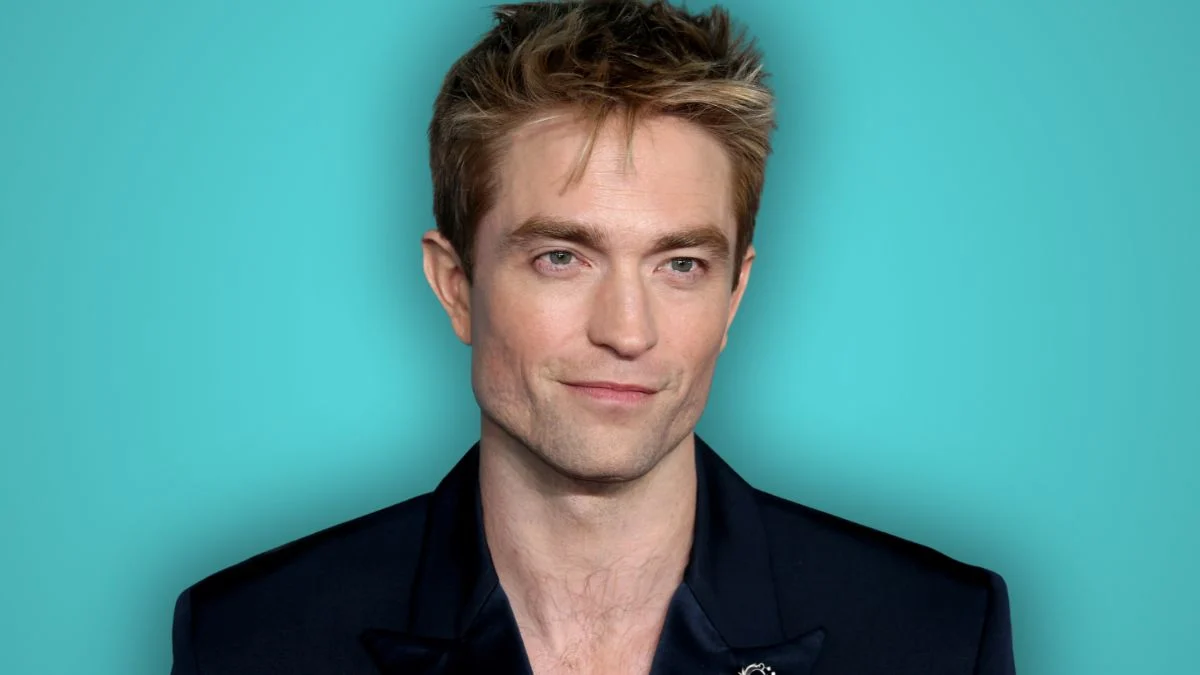

Robert Pattinson has built one of the more unpredictable filmographies in modern Hollywood, moving from teen fantasy blockbusters to auteur driven arthouse work and back to studio tentpoles without ever settling into one lane. Tracing his movies in order shows a deliberate pattern, an actor who used early franchise success to fund riskier choices later on.
Pattinson first became known worldwide for playing Edward Cullen in ‘The Twilight Saga,’ the franchise that ran from 2008 to 2012 and turned him and co-stars Kristen Stewart and Taylor Lautner into global stars overnight. From there his choices grew steadily stranger and more interesting, and the list below runs through that evolution title by title.
‘Vanity Fair’ (2004)
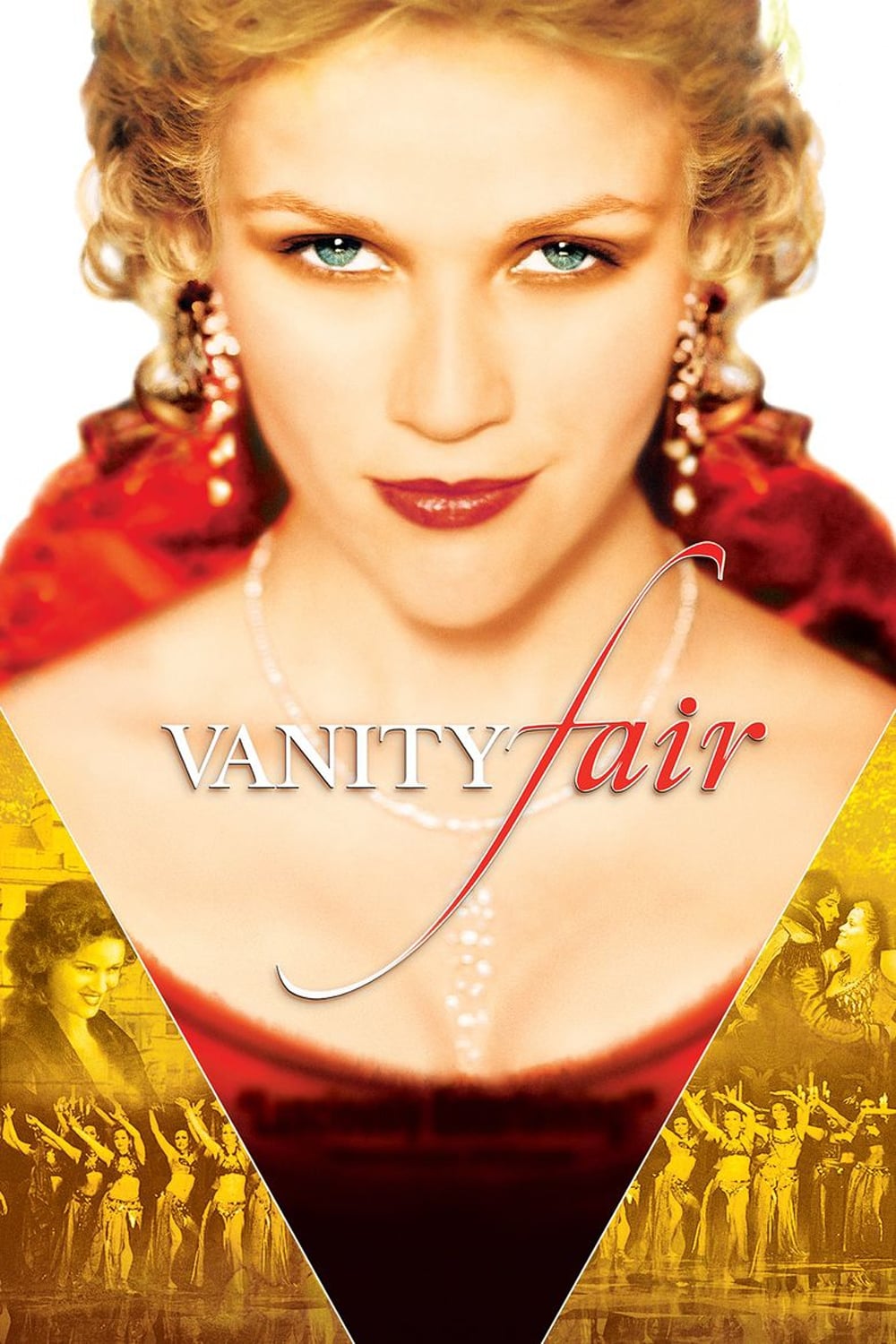
Pattinson made his professional debut with a small role in Mira Nair’s ‘Vanity Fair,’ though his scene was ultimately cut from the finished film. It remains a footnote credit rather than a proper introduction to audiences.
‘Harry Potter and the Goblet of Fire’ (2005)
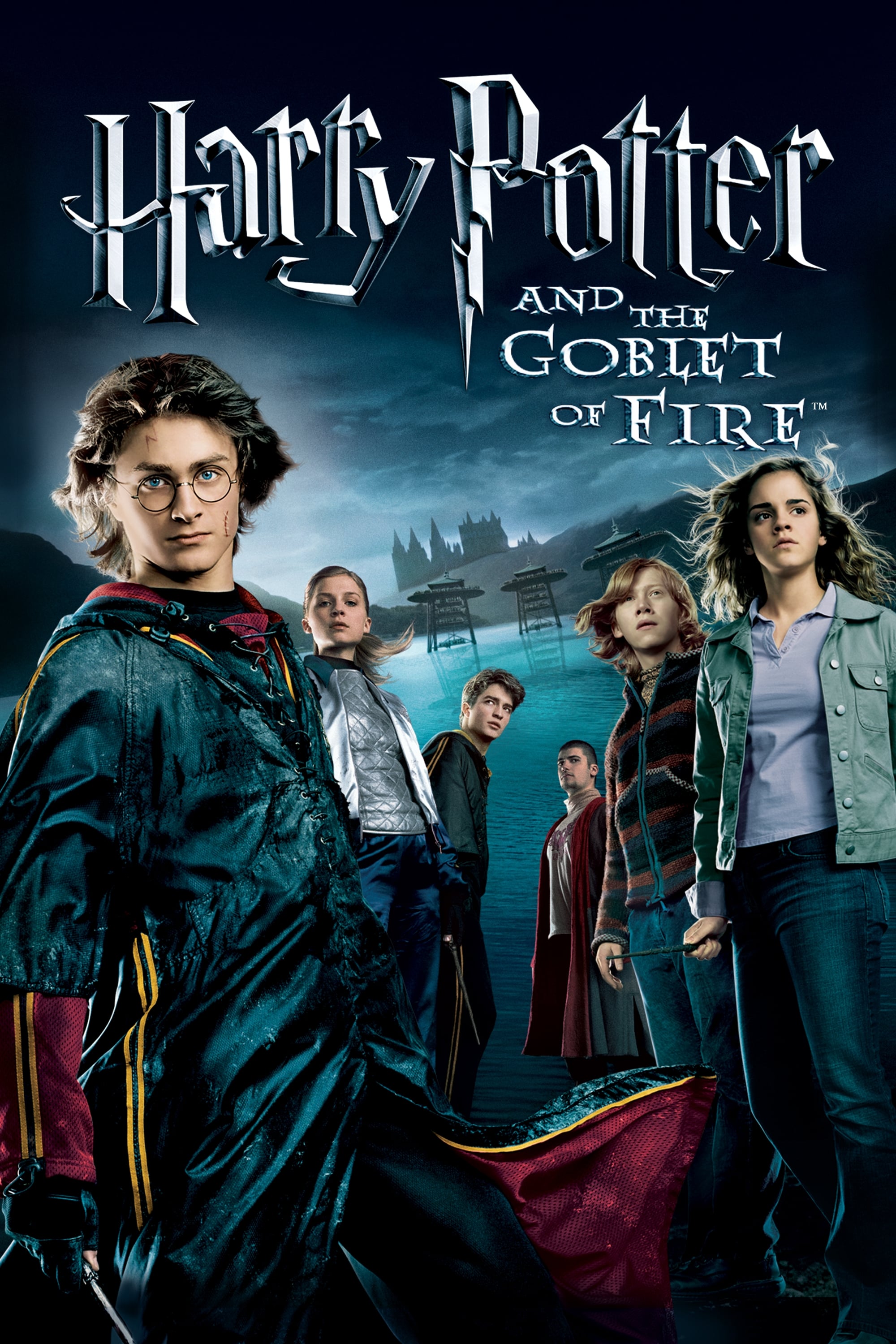
Pattinson landed his breakout role playing Cedric Diggory in ‘Harry Potter and the Goblet of Fire,’ a part he took on when he was considering studying politics at university instead. The role gave him his first real visibility in a major franchise.
‘The Haunted Airman’ (2006)
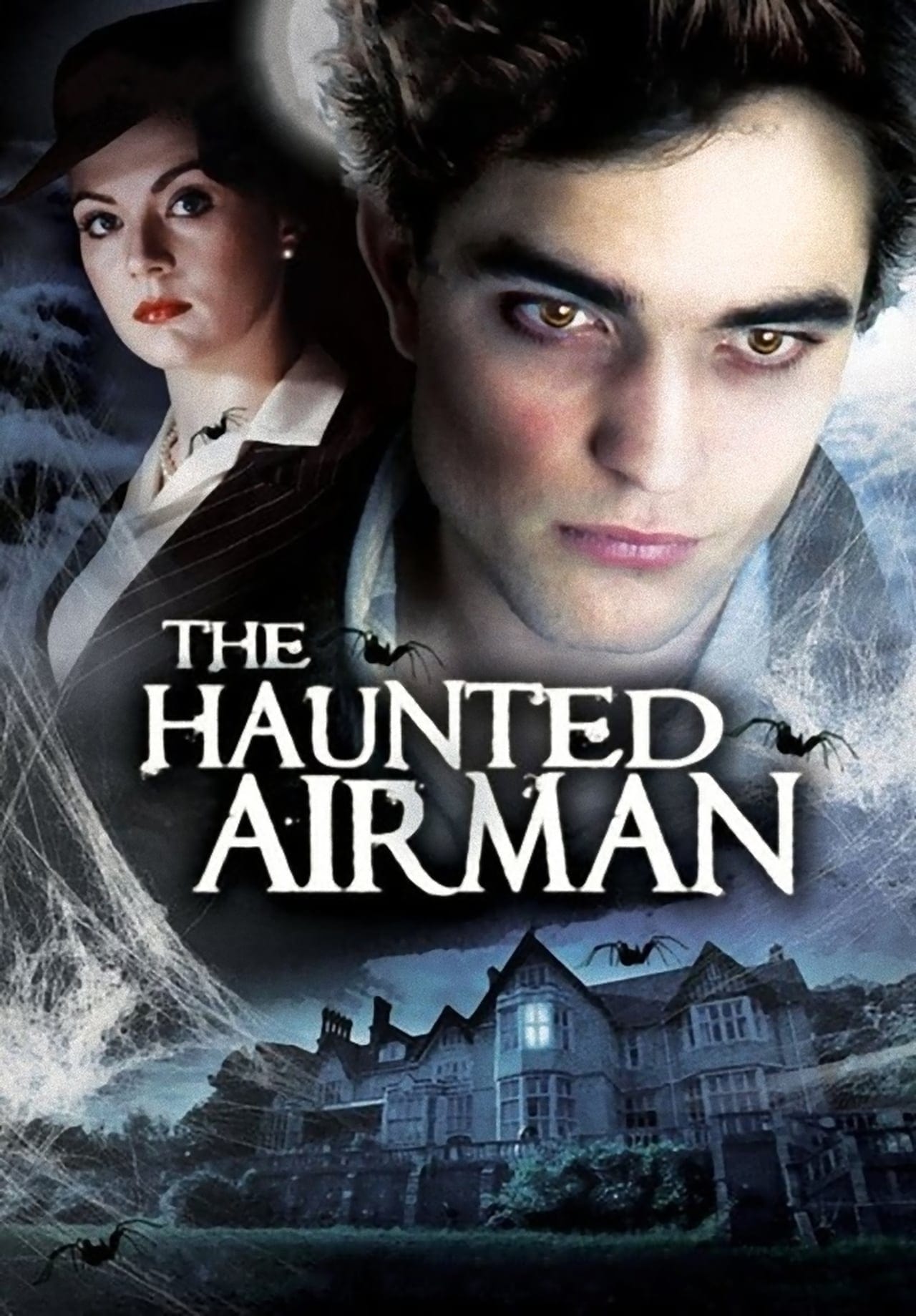
After the Potter film, Pattinson spent a few years in smaller television movies, including ‘The Haunted Airman,’ while also playing in a rock band on the side. This period kept him working outside the spotlight before his next big shift.
‘The Bad Mother’s Handbook’ (2007)
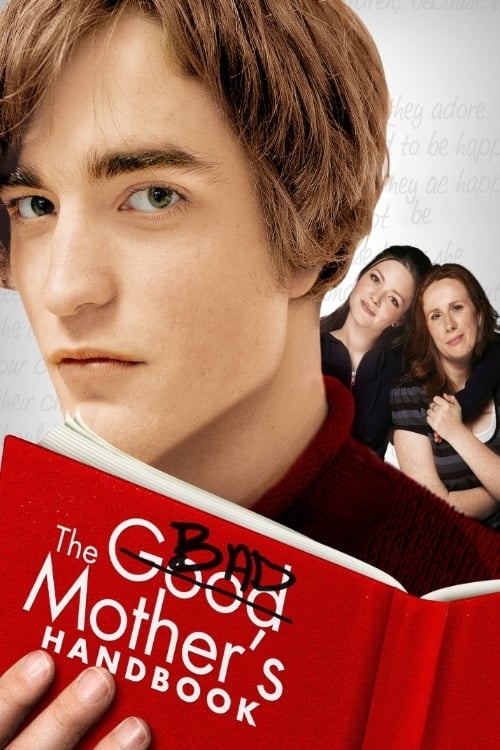
‘The Bad Mother’s Handbook’ was another of the little seen projects Pattinson took during his early career, made while he continued building experience away from major studio productions. It bridged the gap between his Potter debut and his eventual leap to leading roles.
‘How to Be’ (2008)
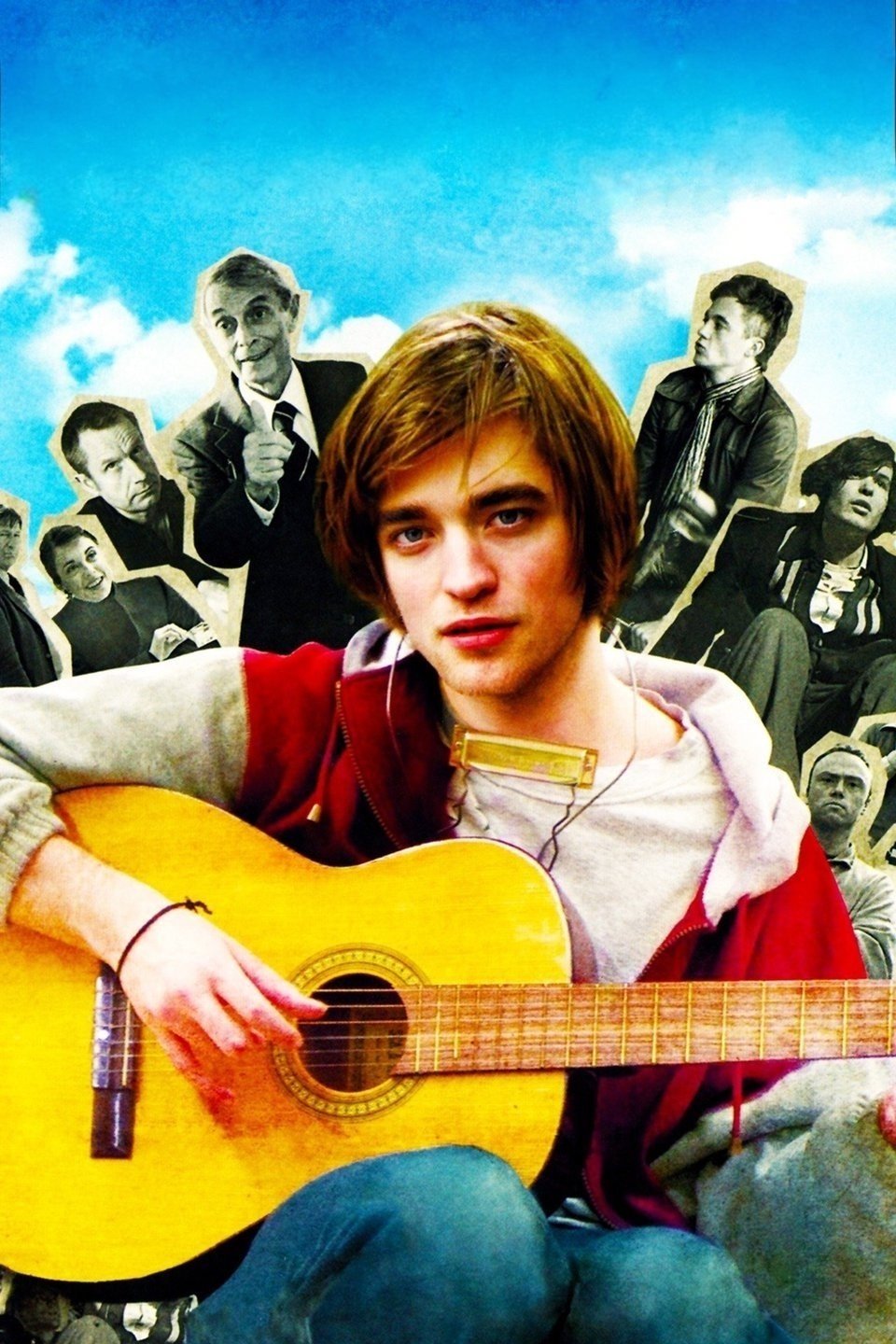
In this independent comedy drama directed by Oliver Irving, Pattinson plays Art, a young man navigating a quarter life crisis after a dead end job and a heartbreak send him back to his parents’ house. The performance earned Pattinson the Strasbourg Film Festival’s Best Actor award.
‘Little Ashes’ (2008)
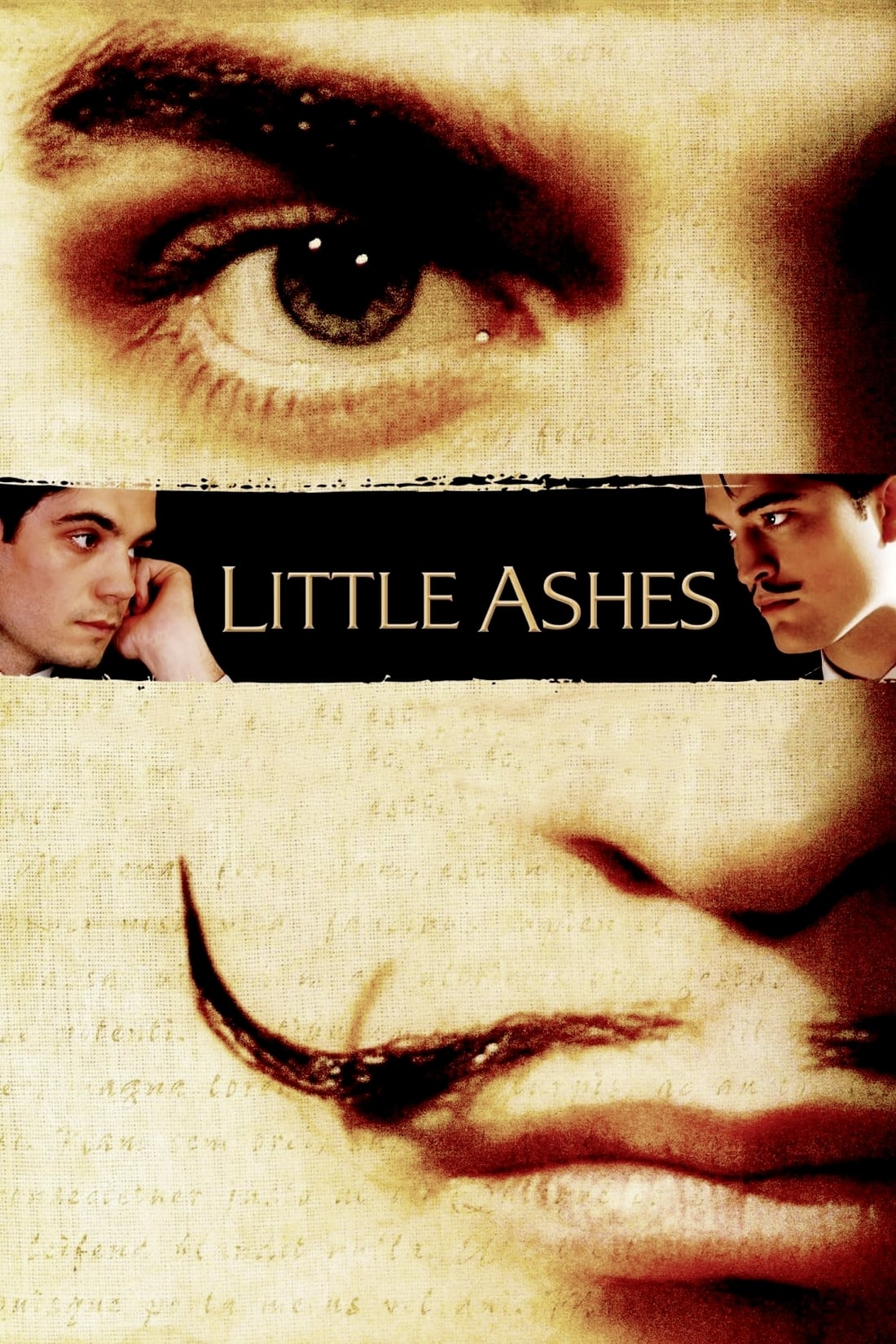
Pattinson played Salvador Dali opposite Javier Beltran as Federico Garcia Lorca in this drama, one of his more unconventional early choices. The film showed an early willingness to take on historical and artistic figures rather than straightforward leading man parts.
‘Twilight’ (2008)
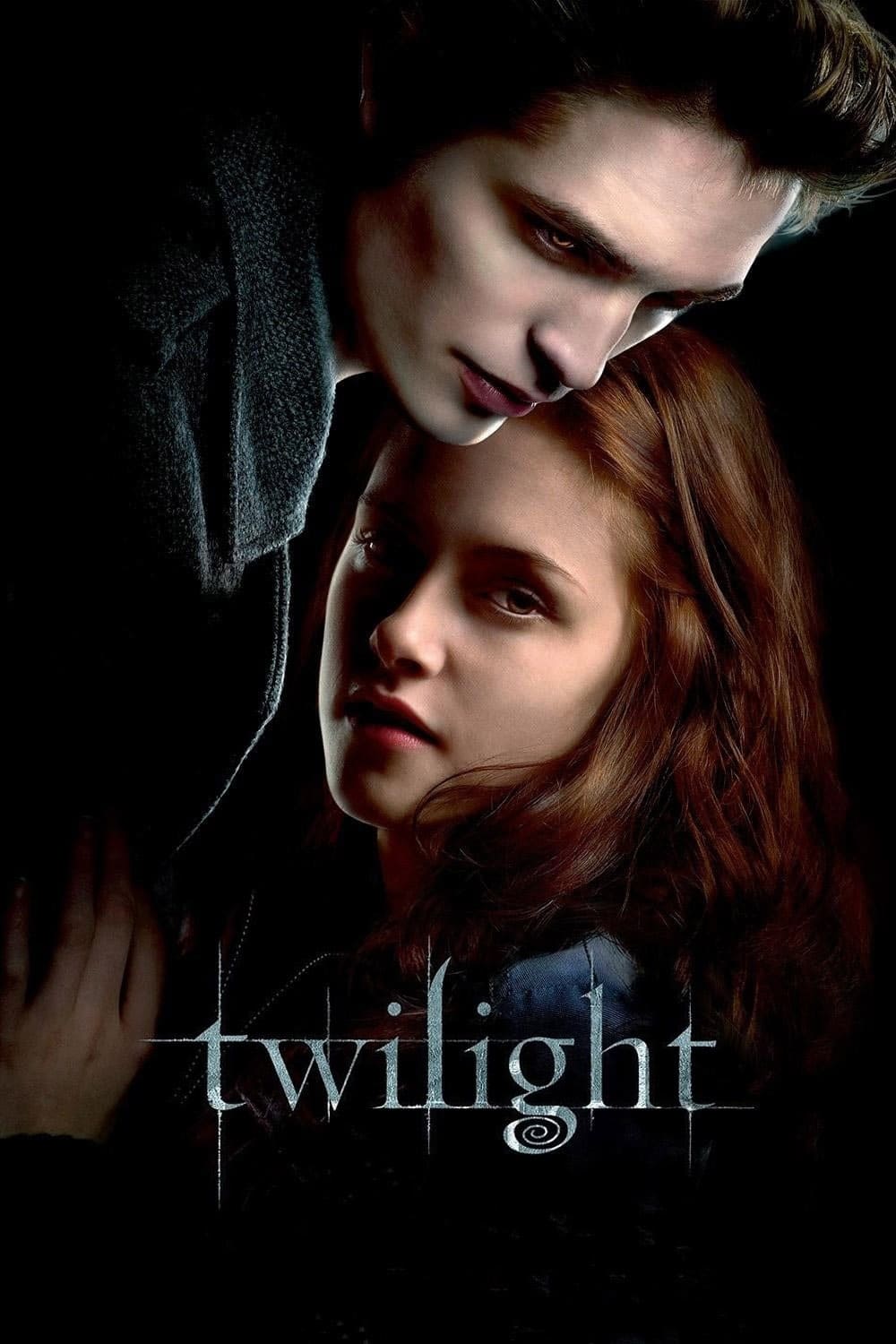
This was the film that made Pattinson a household name, casting him as vampire Edward Cullen opposite Kristen Stewart’s Bella Swan. It launched a saga that would define the next several years of his career.
‘The Twilight Saga: New Moon’ (2009)

The second entry in the franchise continued the love triangle at the center of the story, with Pattinson reprising his role as Edward. The films were based on the four novels by Stephenie Meyer and depicted the central romance between Bella and Edward as it grew more complicated once Bella learned the truth about him.
‘Remember Me’ (2010)
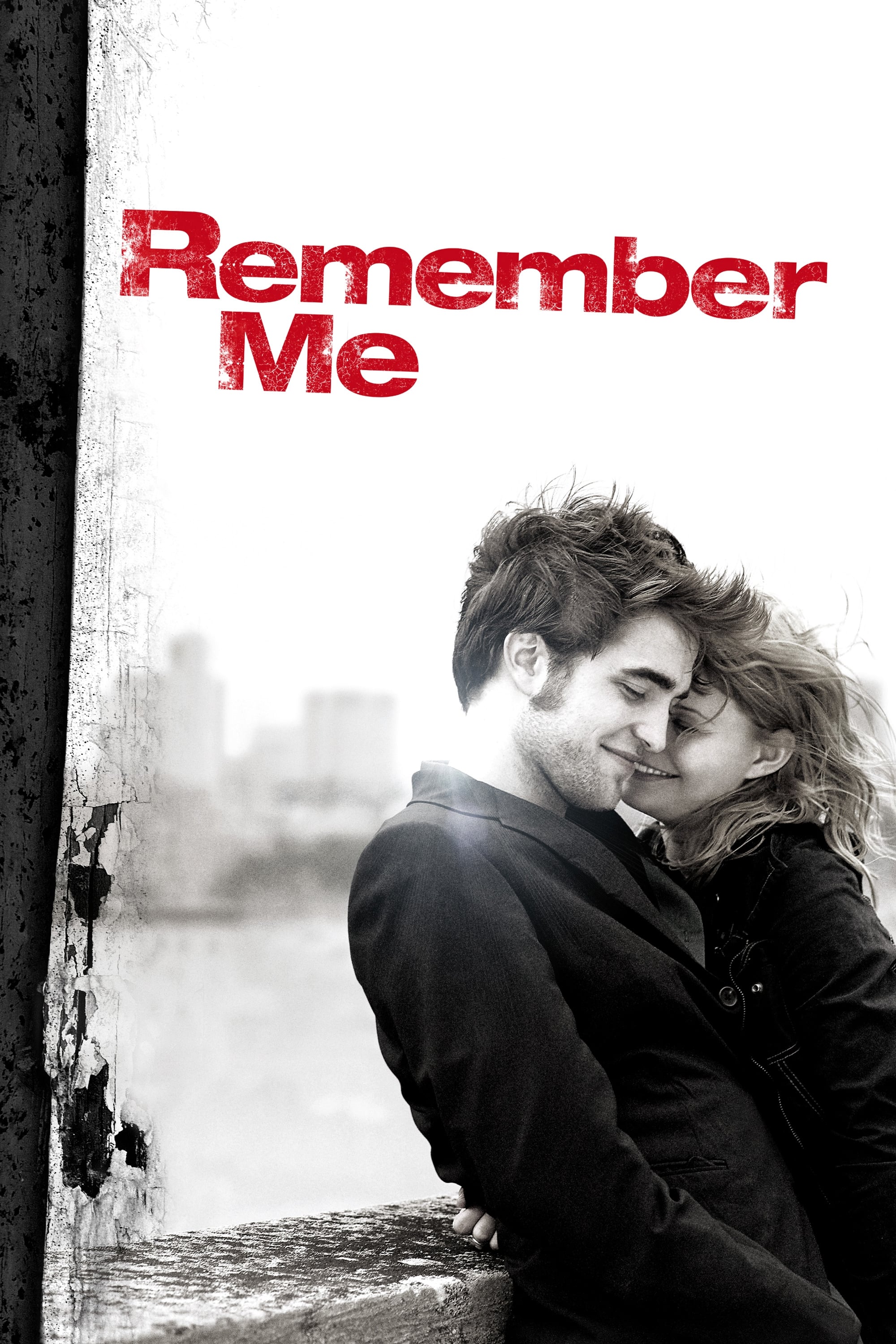
Pattinson starred in this romantic drama alongside Chris Cooper and Emilie de Ravin, released the same year as his second ‘Twilight’ sequel. It gave him a rare non franchise leading role during the height of ‘Twilight’ mania.
‘The Twilight Saga: Eclipse’ (2010)
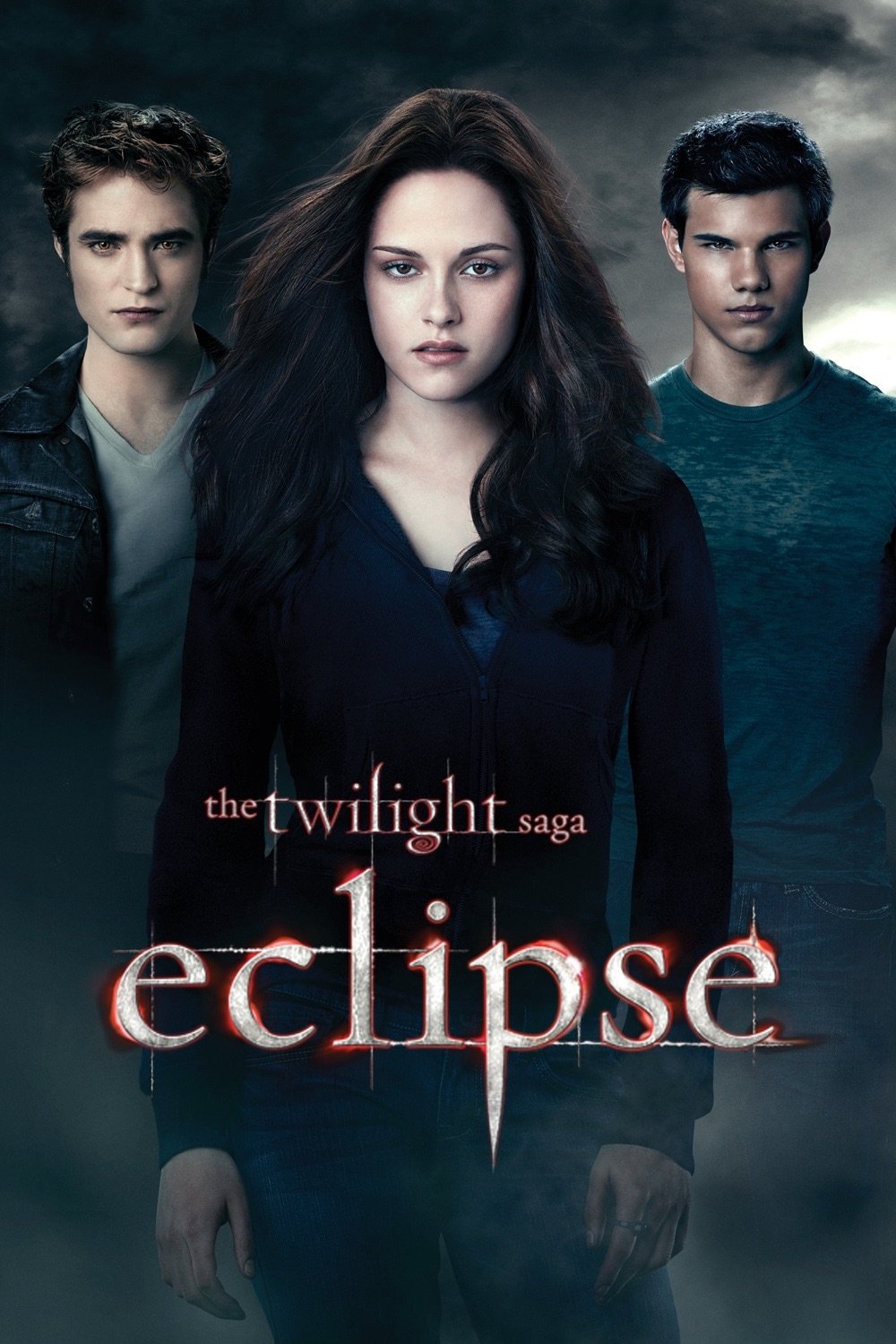
The third ‘Twilight’ film kept Pattinson in the role that had made him famous, continuing the saga’s central love triangle. It arrived as the franchise’s box office momentum was still climbing.
‘Water for Elephants’ (2011)
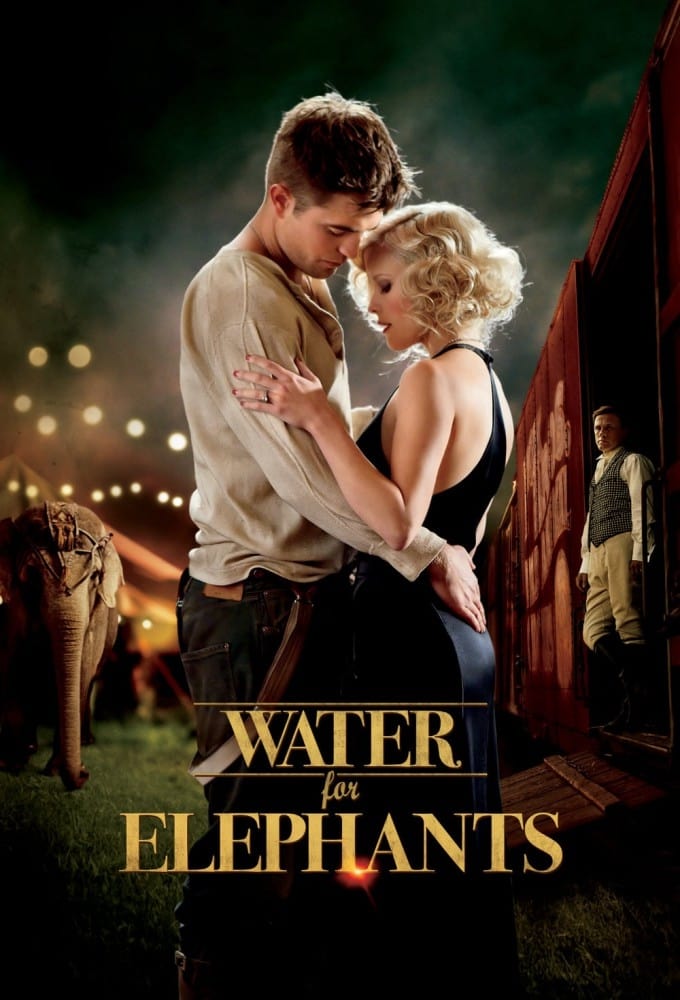
Pattinson led this romantic drama, one of the projects that showed his range outside of the vampire franchise while it was still ongoing. It paired him with an ensemble built around a traveling circus setting.
‘The Twilight Saga: Breaking Dawn – Part 1’ (2011)
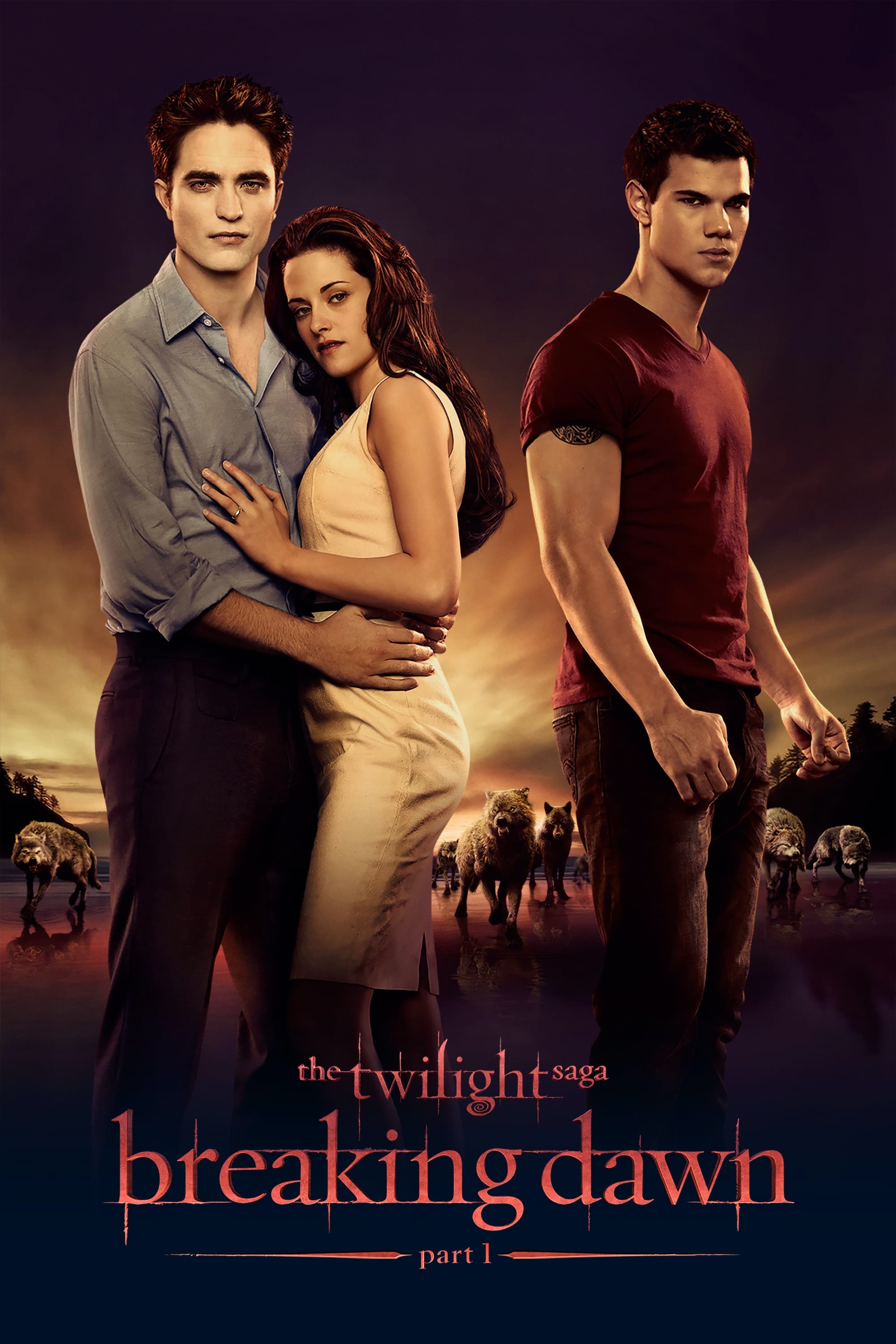
The penultimate ‘Twilight’ installment split the final novel into two films, with Pattinson’s Edward now married to Bella as the story moved toward its climax. The franchise was nearing the end of its five film run.
‘Bel Ami’ (2012)
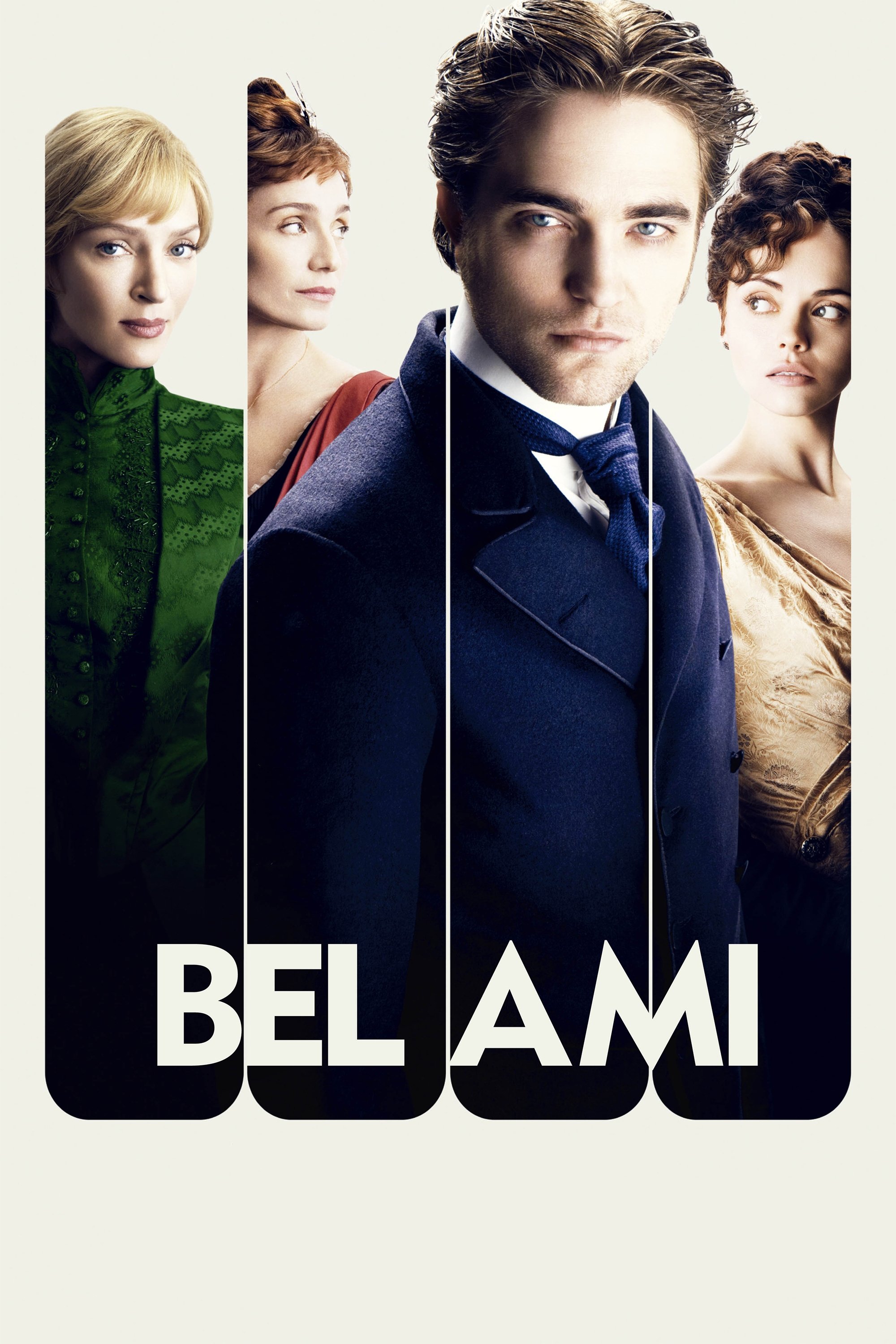
Pattinson starred in this period drama, one of several credits from this stretch of his career listed among his feature film work. It continued his pattern of alternating between blockbuster obligations and smaller character pieces.
‘Cosmopolis’ (2012)
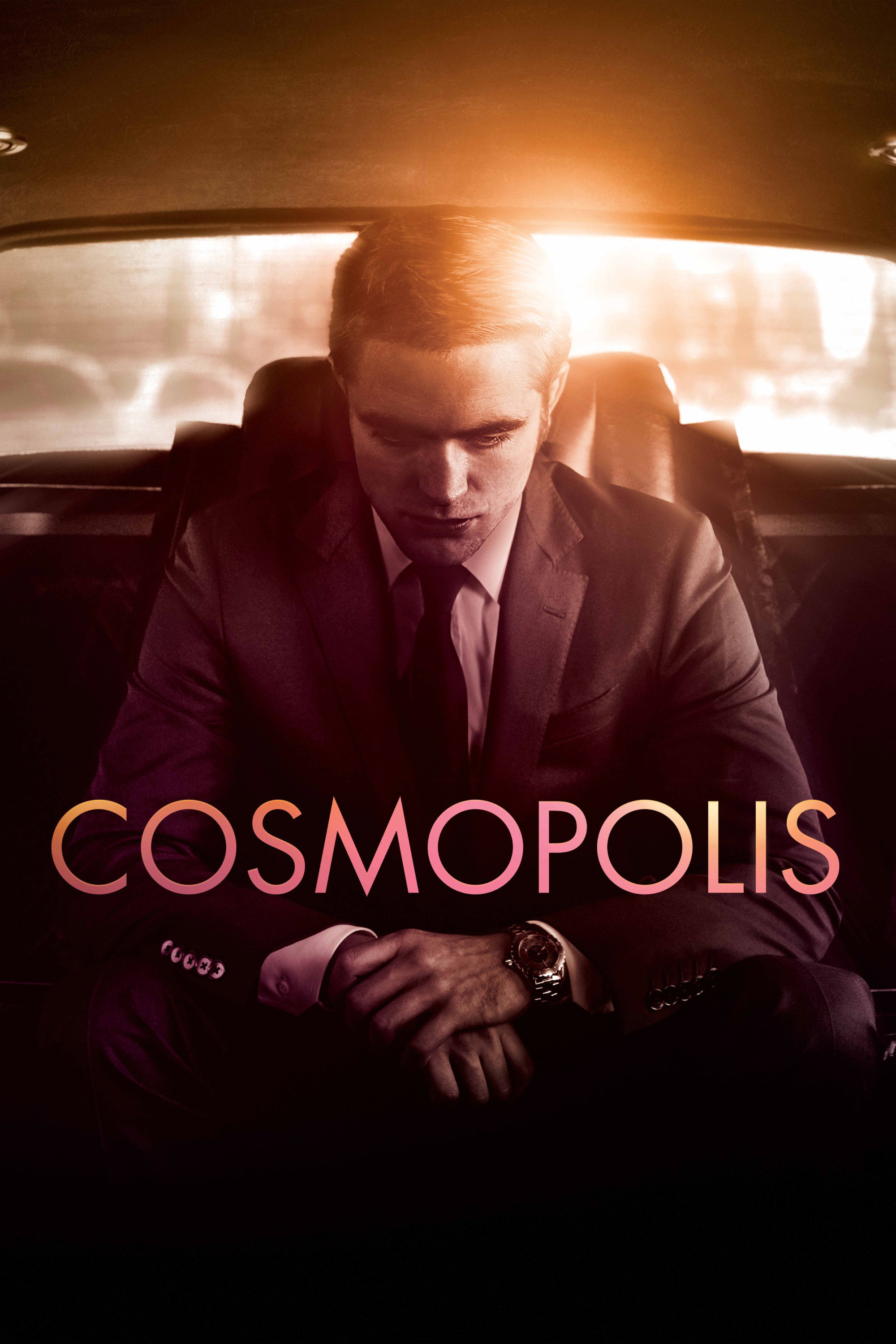
Pattinson worked with director David Cronenberg for the first time on ‘Cosmopolis,’ beginning a collaboration that would continue two years later. In the film he portrays a wealthy young financier, delivering what has been described as one of his most arresting and dynamic performances.
‘The Twilight Saga: Breaking Dawn – Part 2’ (2012)
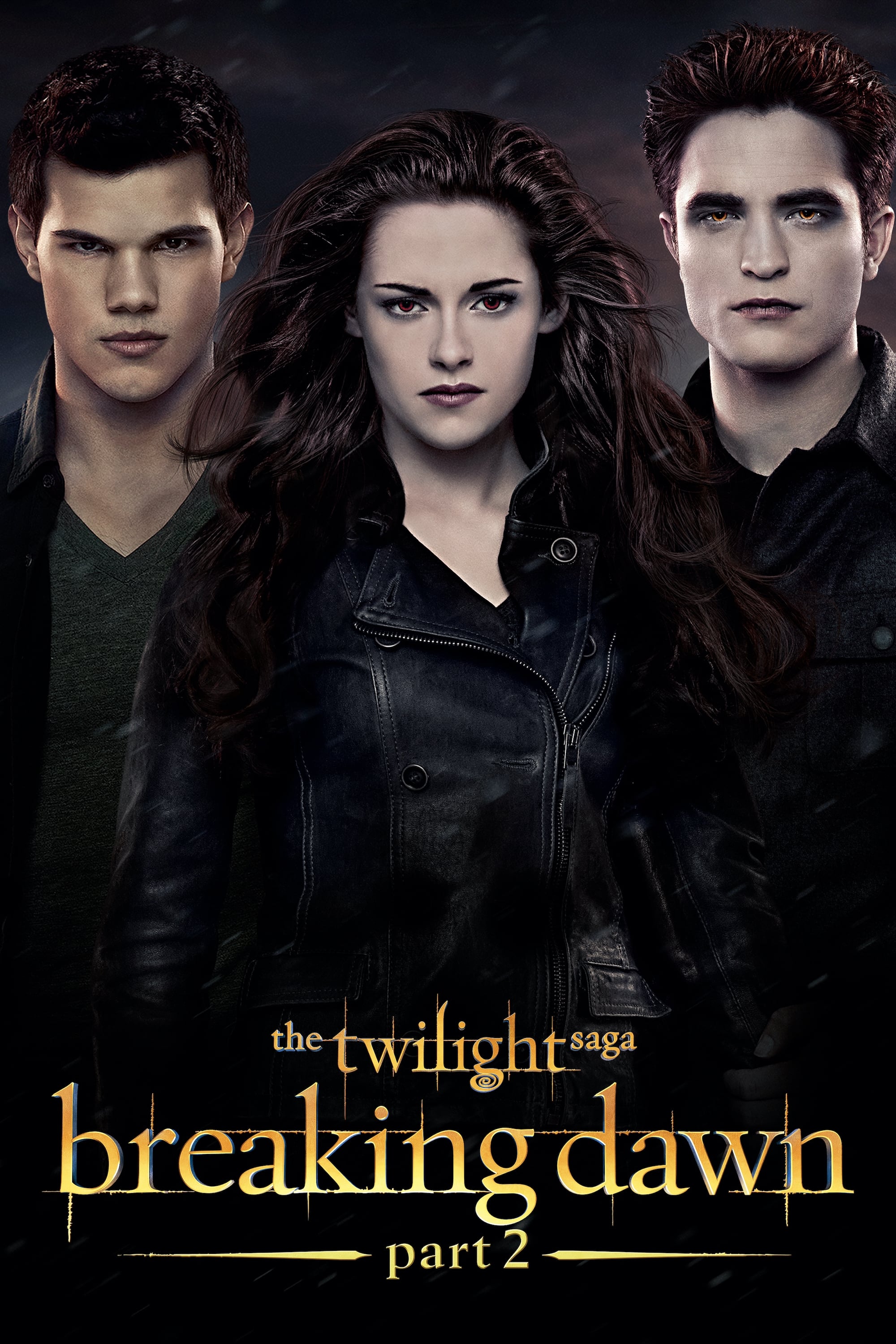
Pattinson closed out the saga with ‘The Twilight Saga: Breaking Dawn Part 2,’ his final appearance as Edward Cullen. The conclusion marked the end of a franchise that had defined his early twenties.
‘The Rover’ (2014)
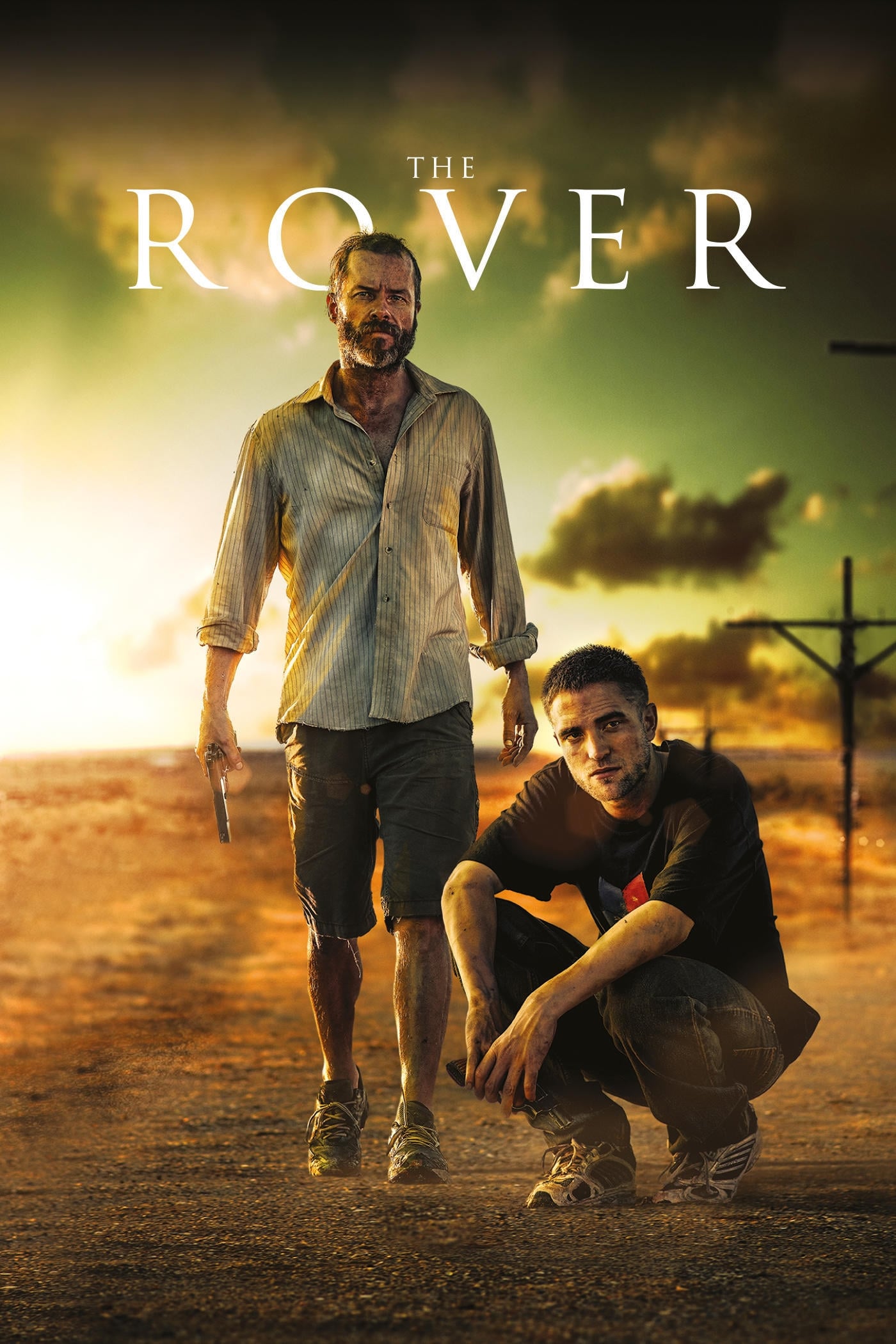
Pattinson appeared in David Michôd’s dystopian western, continuing his post ‘Twilight’ pivot toward auteur driven filmmaking. His performance earned him a nomination at the Australian Academy Awards.
‘Maps to the Stars’ (2014)
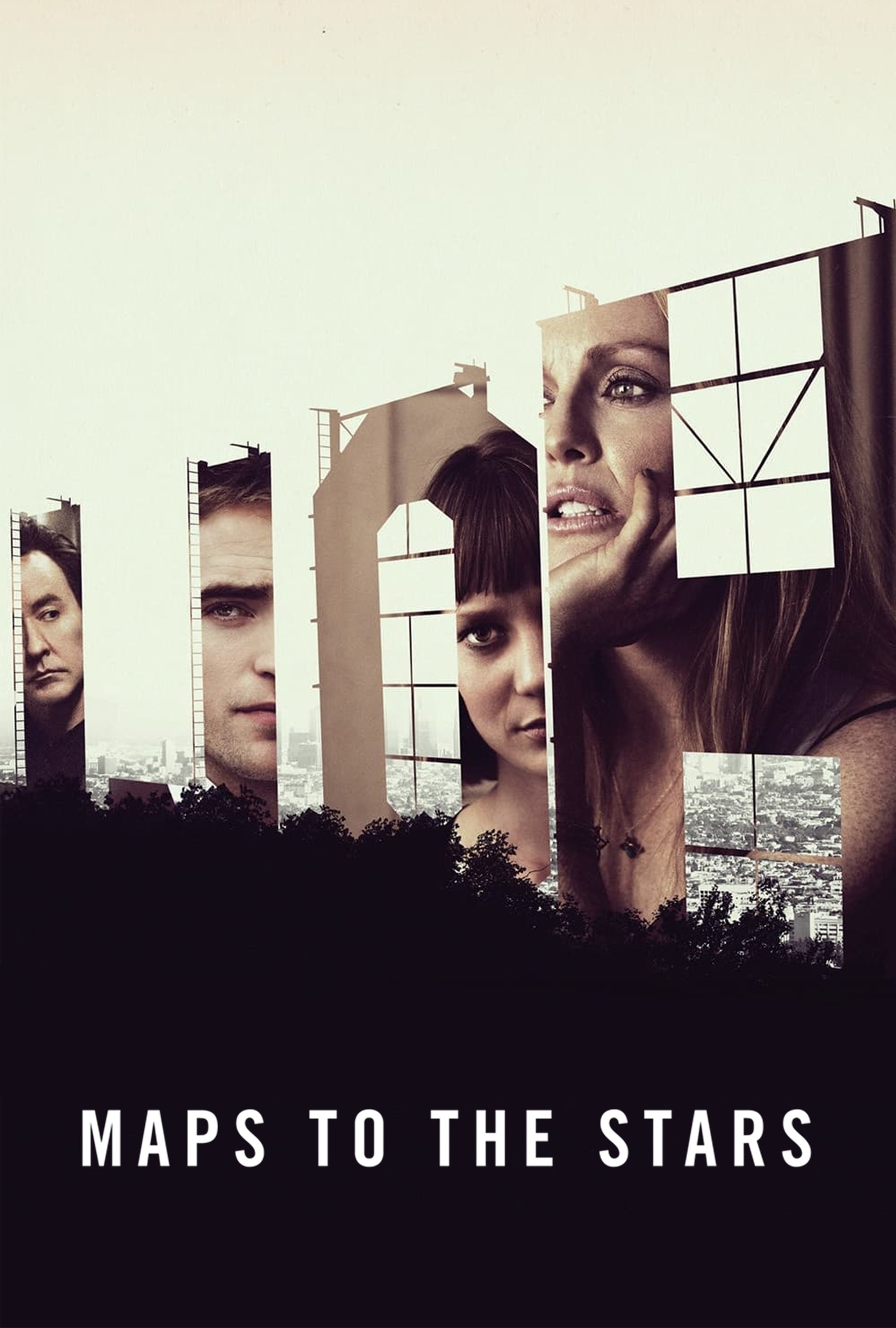
Pattinson reunited with David Cronenberg for this drama, marking their second collaboration together. The role also brought him a nomination at the Canadian Screen Awards.
‘Queen of the Desert’ (2015)
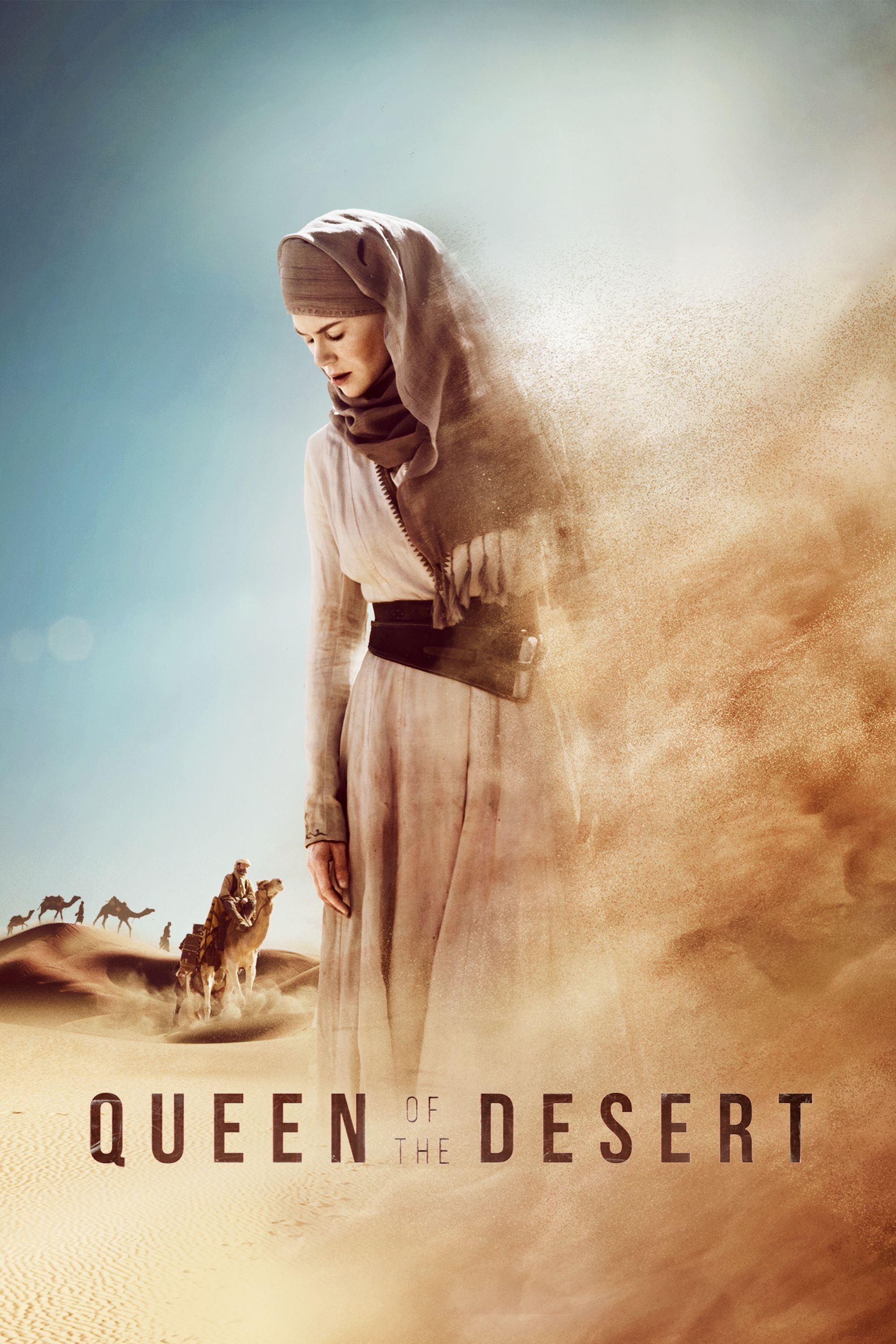
Pattinson took a supporting role in this historical drama, part of a busy stretch of smaller scale releases. It kept him working with filmmakers outside the studio system.
‘Life’ (2015)
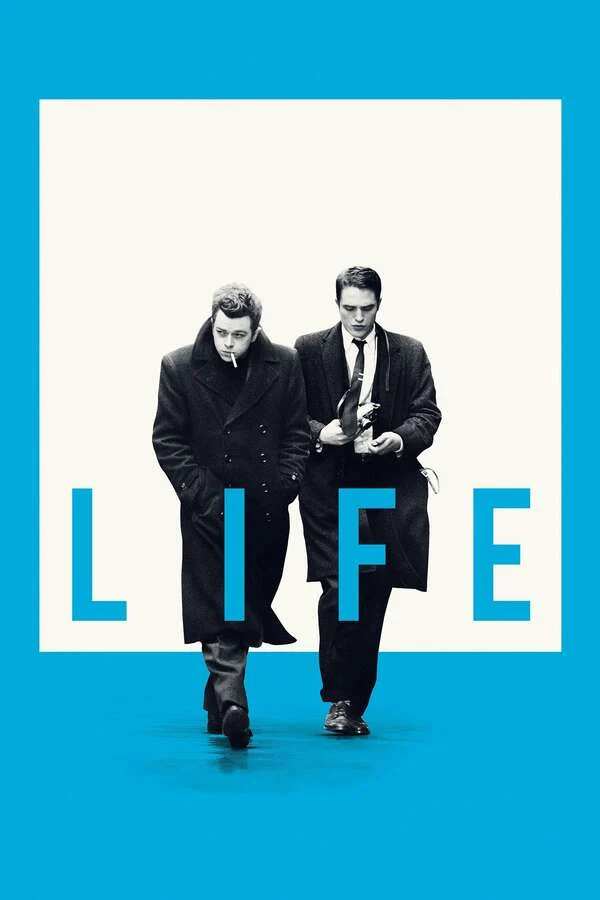
Pattinson played a photographer for LIFE Magazine assigned to shoot pictures of James Dean, played by Dane DeHaan. The performance earned him the Hollywood Rising Star Award at the Deauville American Film Festival.
‘The Childhood of a Leader’ (2015)
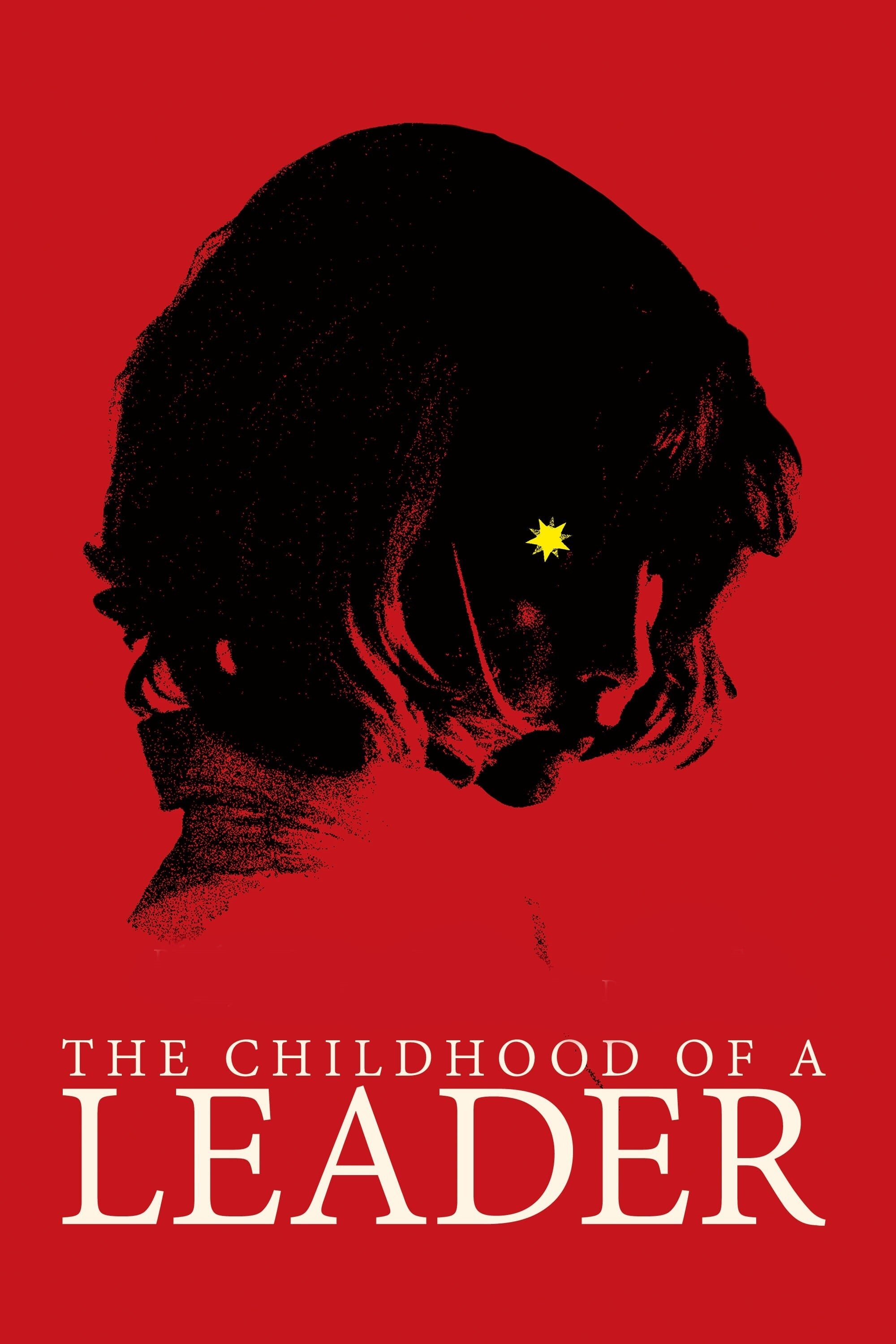
This drama rounded out a year that saw Pattinson take on several distinct period and character pieces. It reinforced his reputation for picking unconventional projects during this stretch.
‘The Lost City of Z’ (2016)
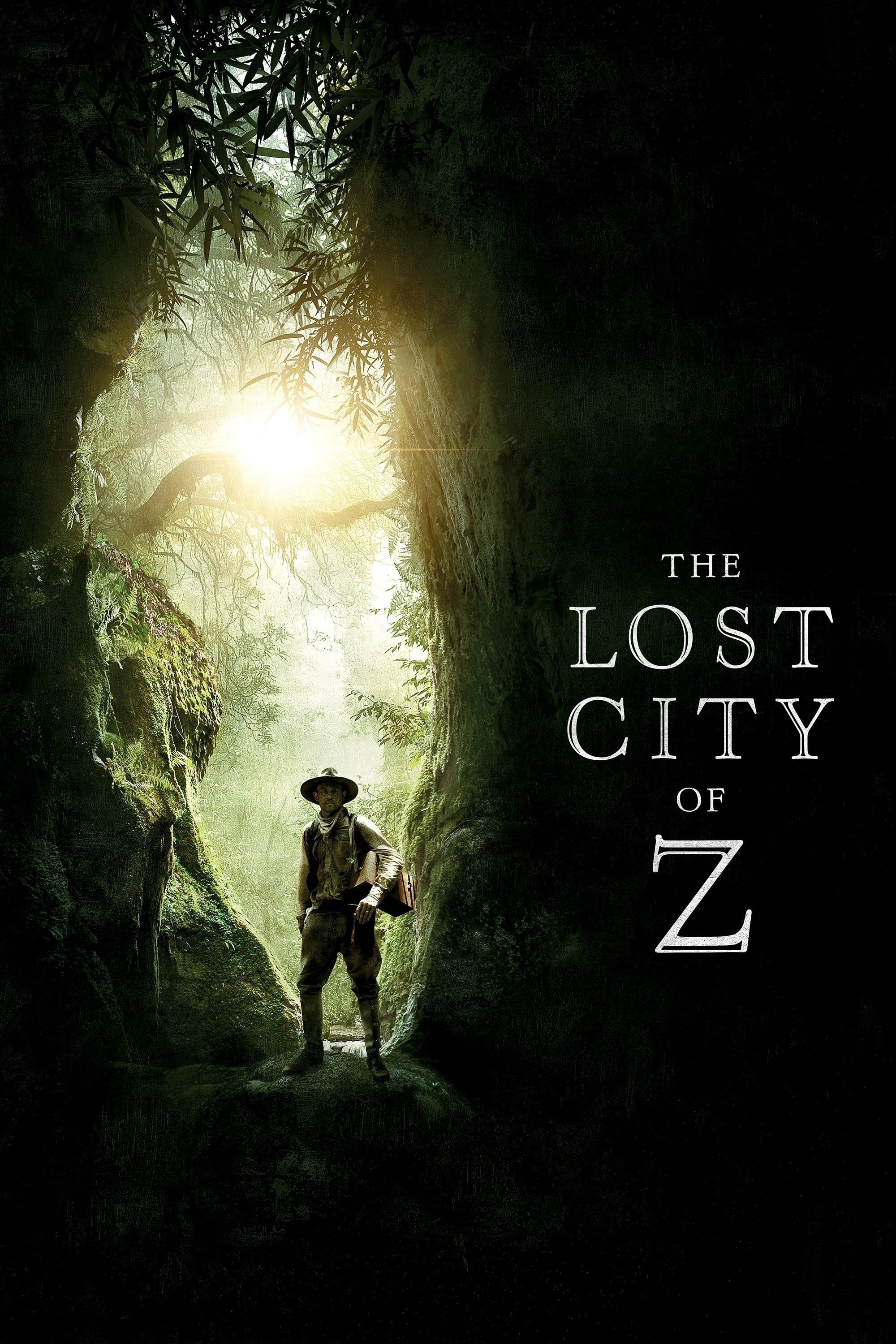
Pattinson co-starred alongside Charlie Hunnam and Sienna Miller in this true life drama about British explorer Major Percival Fawcett, who vanished while searching for a lost city in the Amazon in the 1920s. The film was directed by James Gray.
‘Good Time’ (2017)
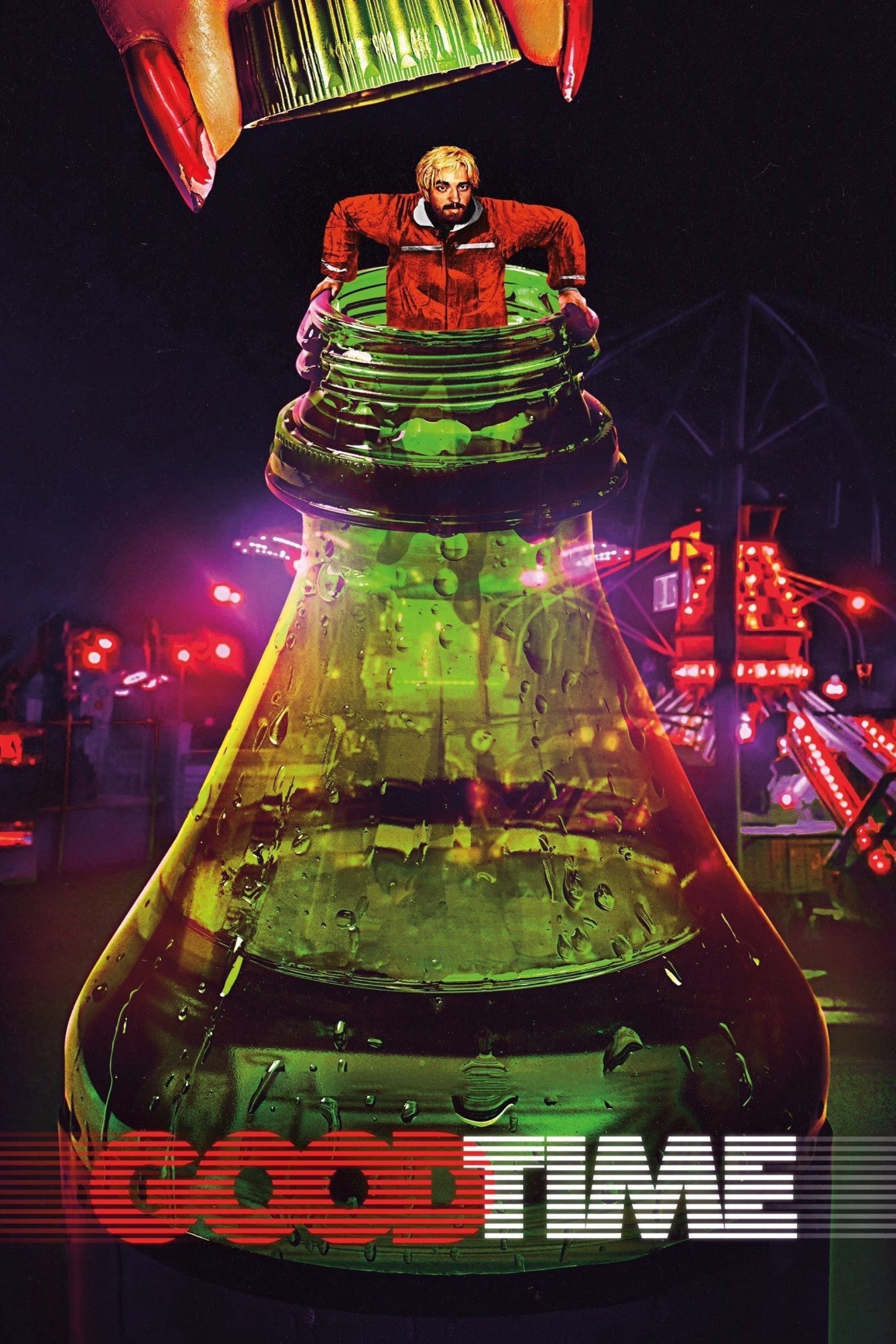
Directed by Josh and Benny Safdie, this crime drama follows a small time criminal navigating New York City’s underworld to raise bail money after a robbery goes wrong and lands his brother in jail. The performance is widely regarded as one of the turning points that cemented Pattinson’s credibility as a serious dramatic actor.
‘Damsel’ (2018)
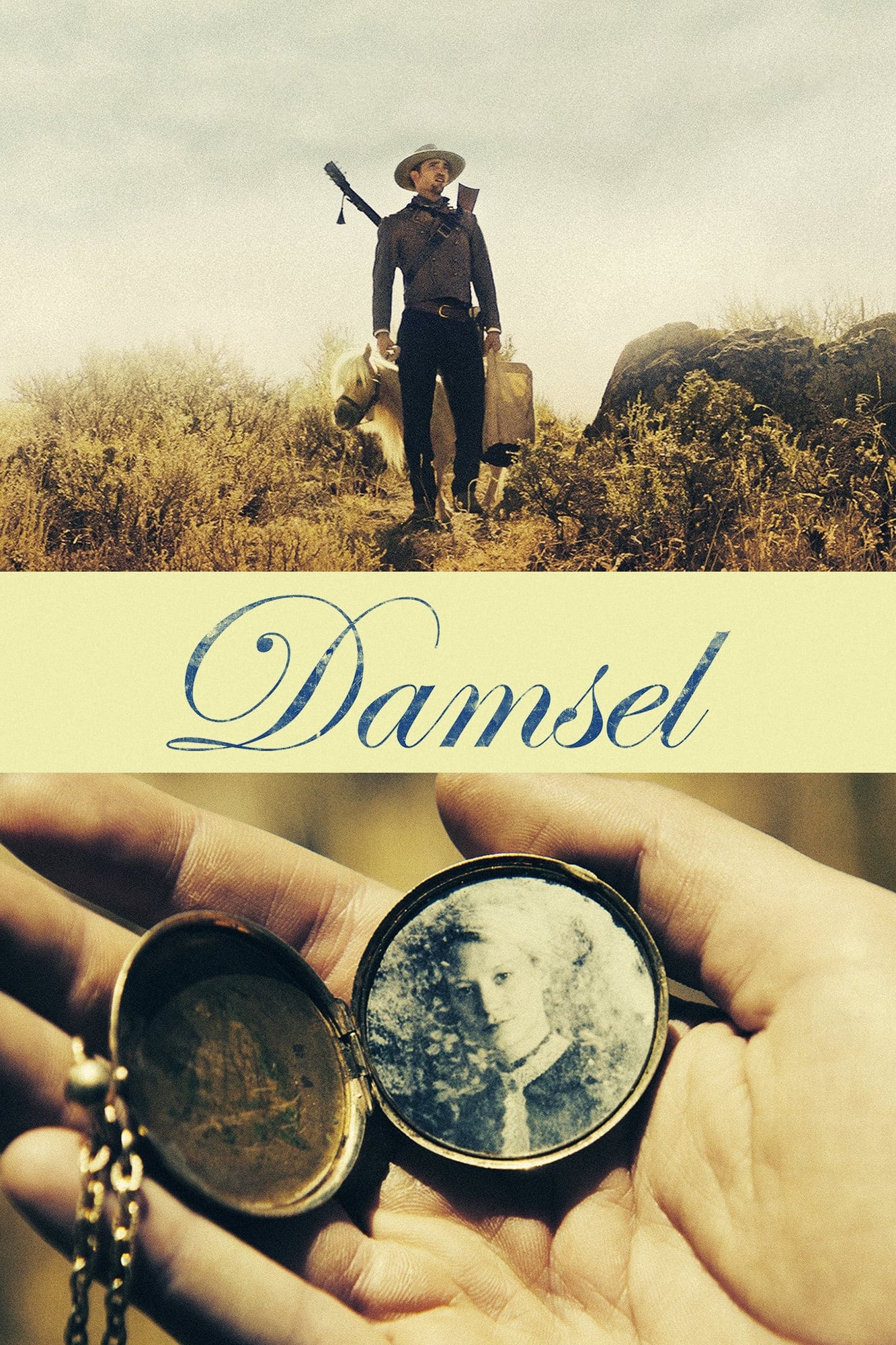
Set in the Wild West around 1870, this film follows an affluent pioneer named Samuel Alabaster as he crosses the frontier to marry the woman he loves, only for the journey to grow treacherous. It was directed by David and Nathan Zellner, with Mia Wasikowska co-starring.
‘High Life’ (2018)
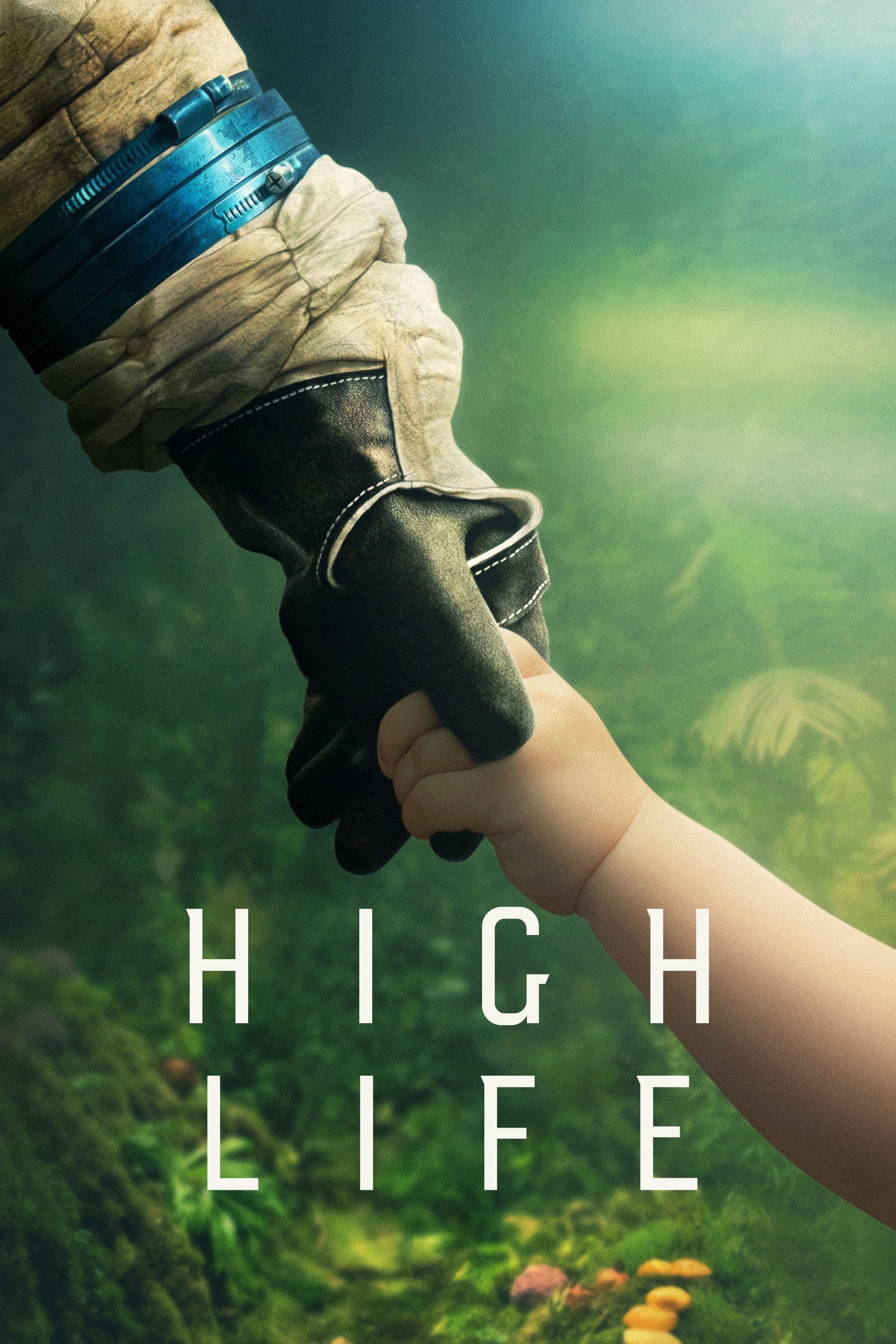
Pattinson starred in Claire Denis’ science fiction drama, continuing his run of collaborations with acclaimed international filmmakers. The role added another unconventional genre credit to his growing independent film résumé.
‘The Lighthouse’ (2019)
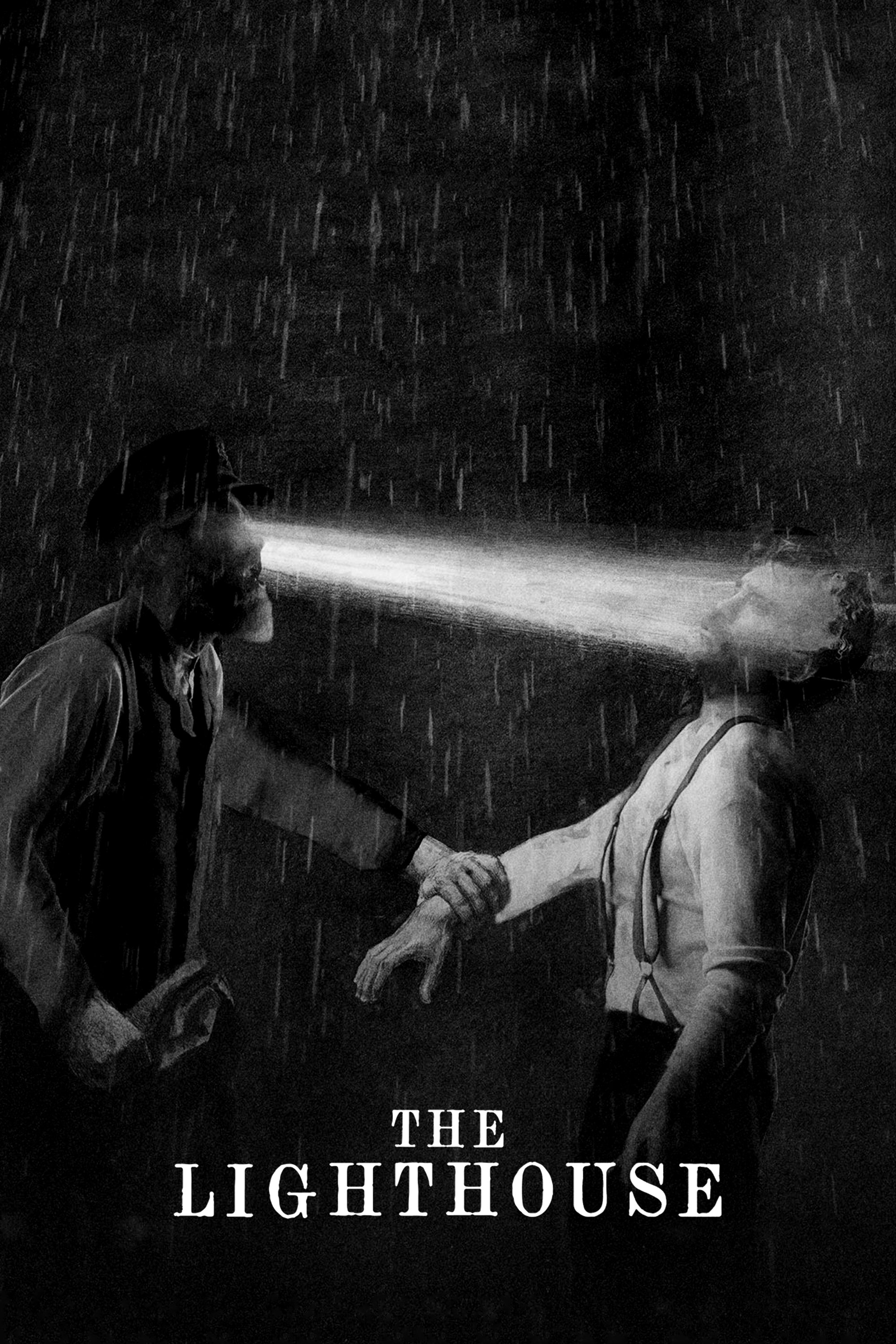
Directed by Robert Eggers and co-starring Willem Dafoe, this psychological thriller follows lighthouse keeper Ephraim as he begins to have strange visions under the direction of a senior sailor. The film is widely cited as one of the projects that established Pattinson’s credentials as a serious actor.
‘The King’ (2019)
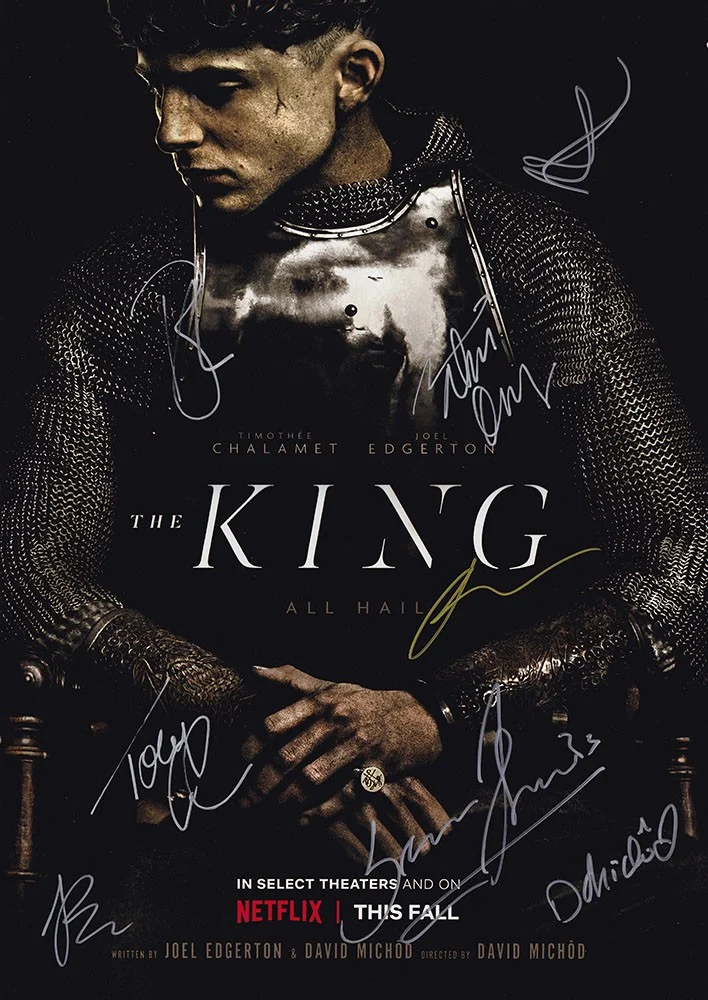
Pattinson took a supporting role in this historical drama, part of a busy 2019 that also included two other prestige releases. It kept him working across multiple genres in the same calendar year.
‘Waiting for the Barbarians’ (2019)
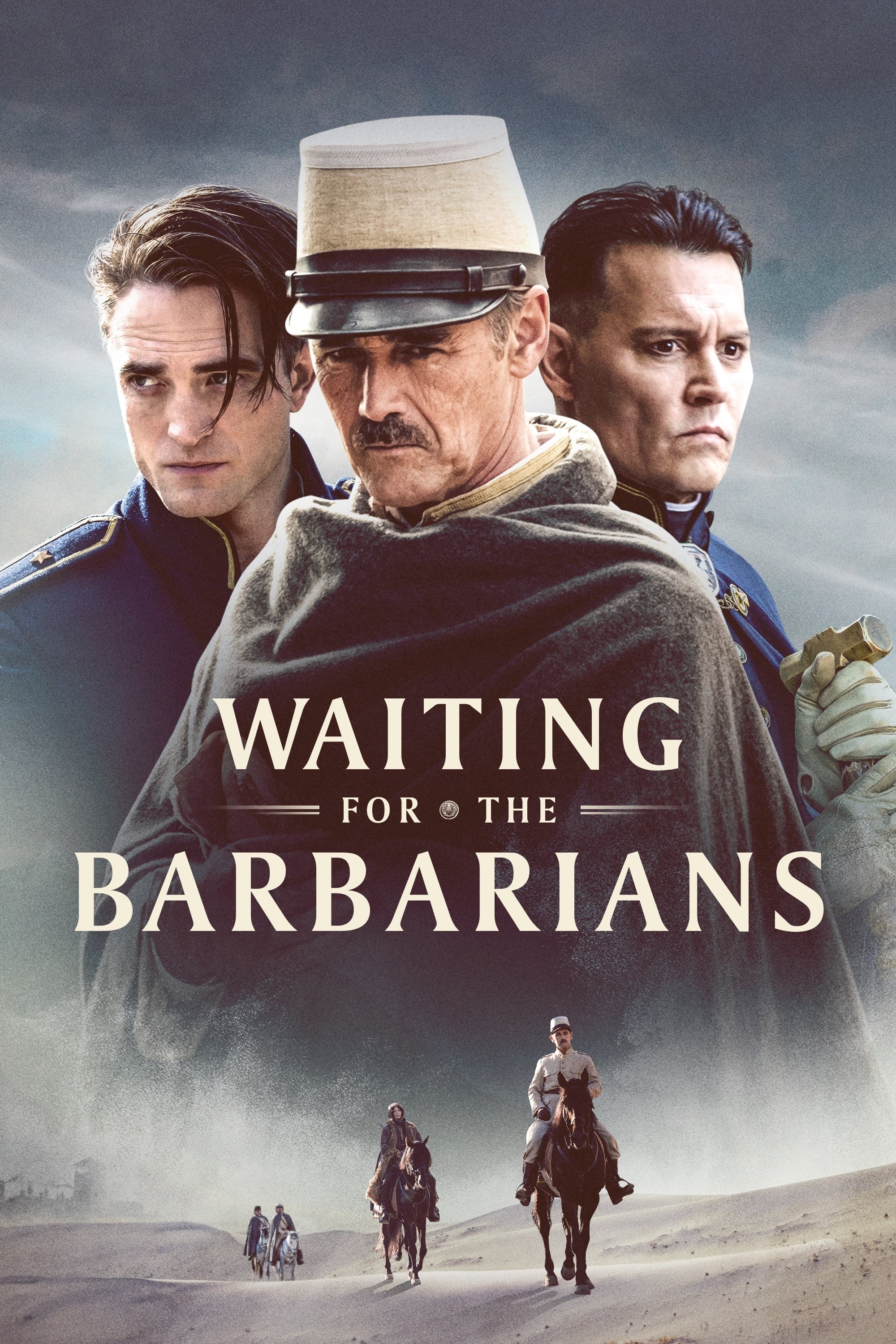
This drama rounded out Pattinson’s especially productive 2019, sitting alongside ‘The Lighthouse’ and ‘The King’ among his credits from that year. It continued his streak of literary and historically grounded material.
‘Tenet’ (2020)
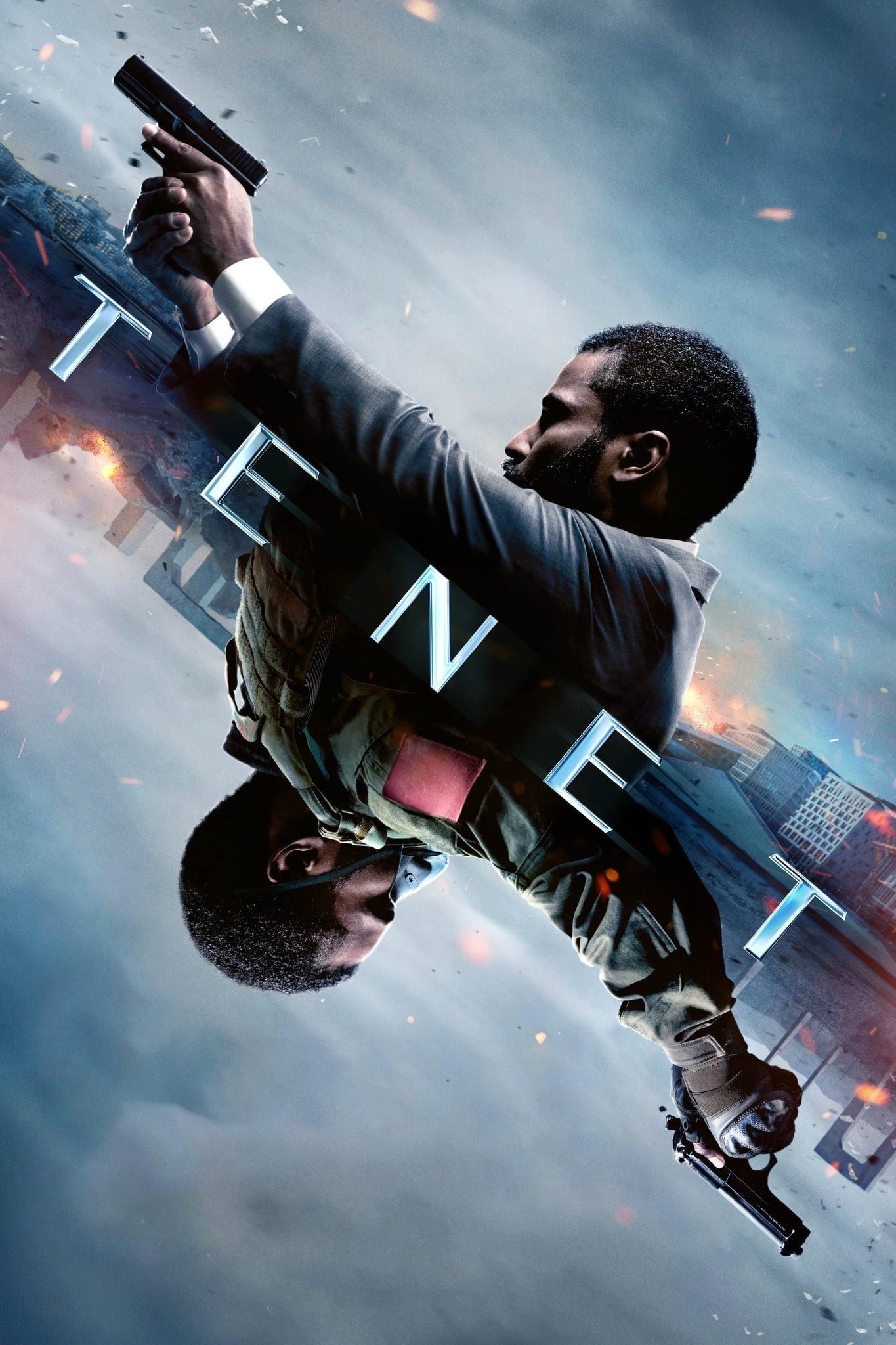
Pattinson joined Christopher Nolan’s science fiction thriller, his first collaboration with the director ahead of later projects. The film marked a return to large scale studio filmmaking after several years focused on independent work.
‘The Devil All the Time’ (2020)

Pattinson appeared in this Netflix drama the same year as ‘Tenet,’ continuing his pattern of alternating between big budget and streaming driven projects. It added another dark, character driven role to his catalog.
‘The Batman’ (2022)
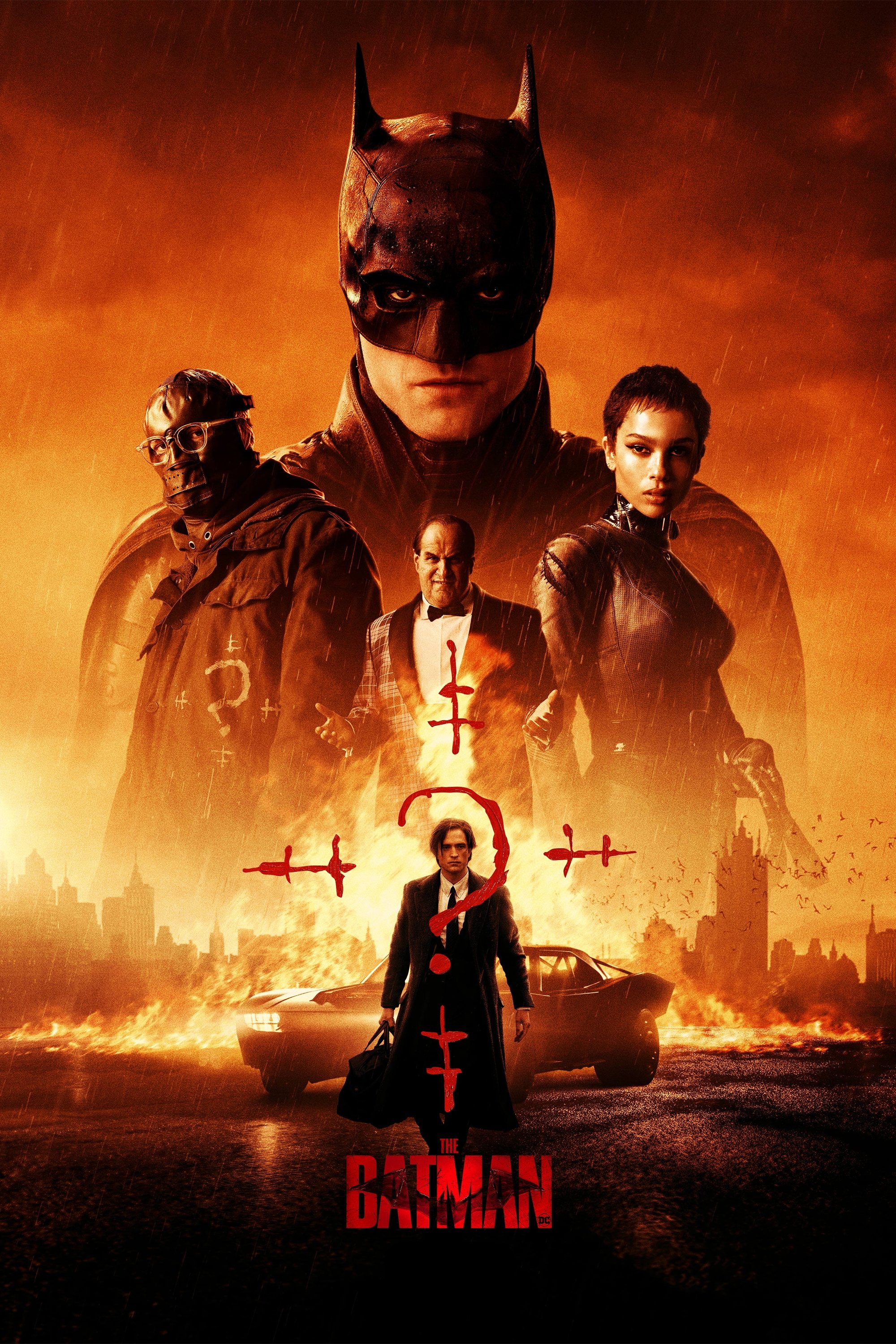
Pattinson took over the role of Bruce Wayne and Batman, a casting decision announced in 2019 after Ben Affleck departed the role entirely in 2017. The film became his first major appearance as the Dark Knight.
‘Mickey 17’ (2025)
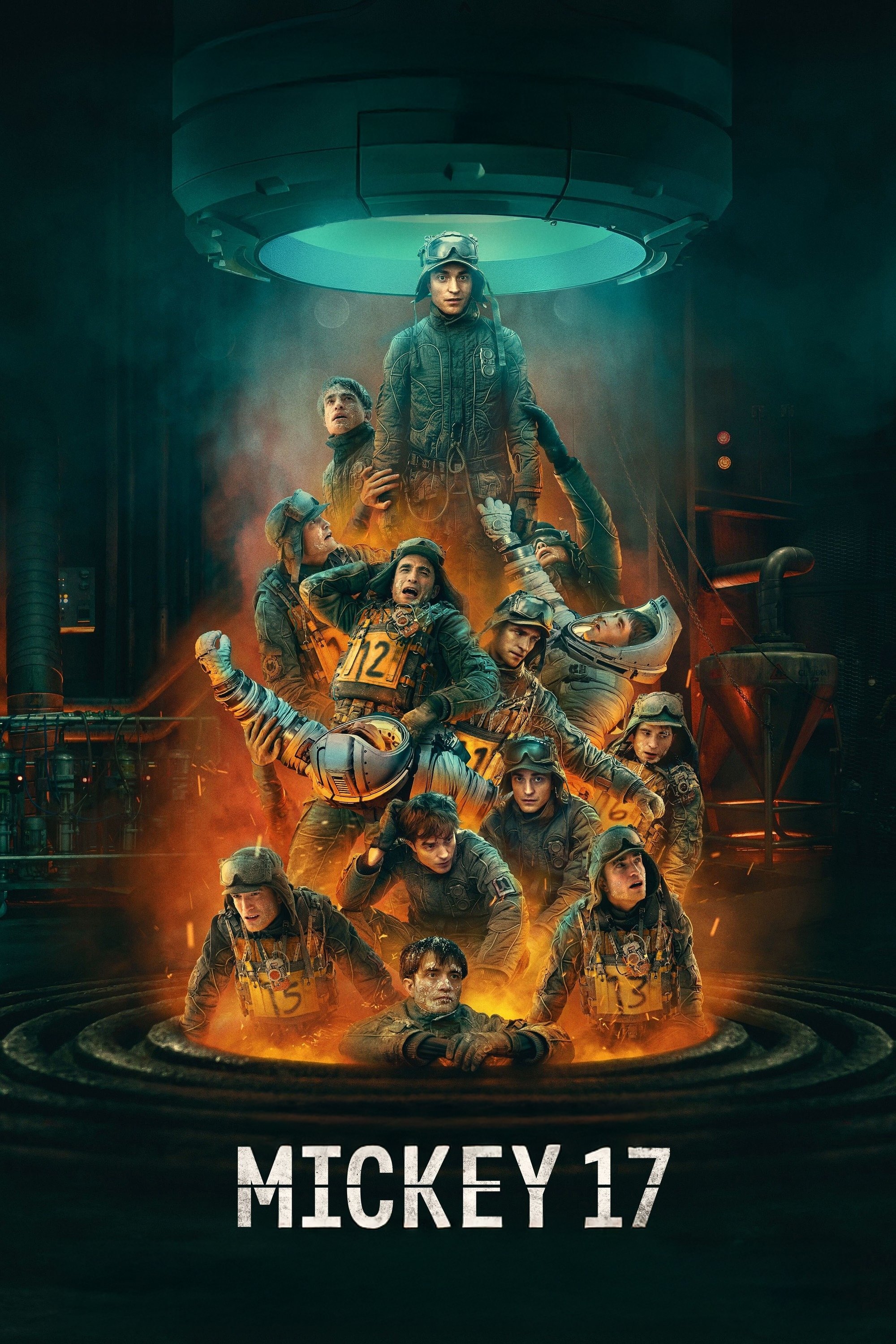
Pattinson’s next major release after ‘The Batman’ arrived as Mickey 17, continuing his mix of blockbuster and genre defying choices. The project kept fans anticipating what direction his career would take next.
‘The Odyssey’ (2026)
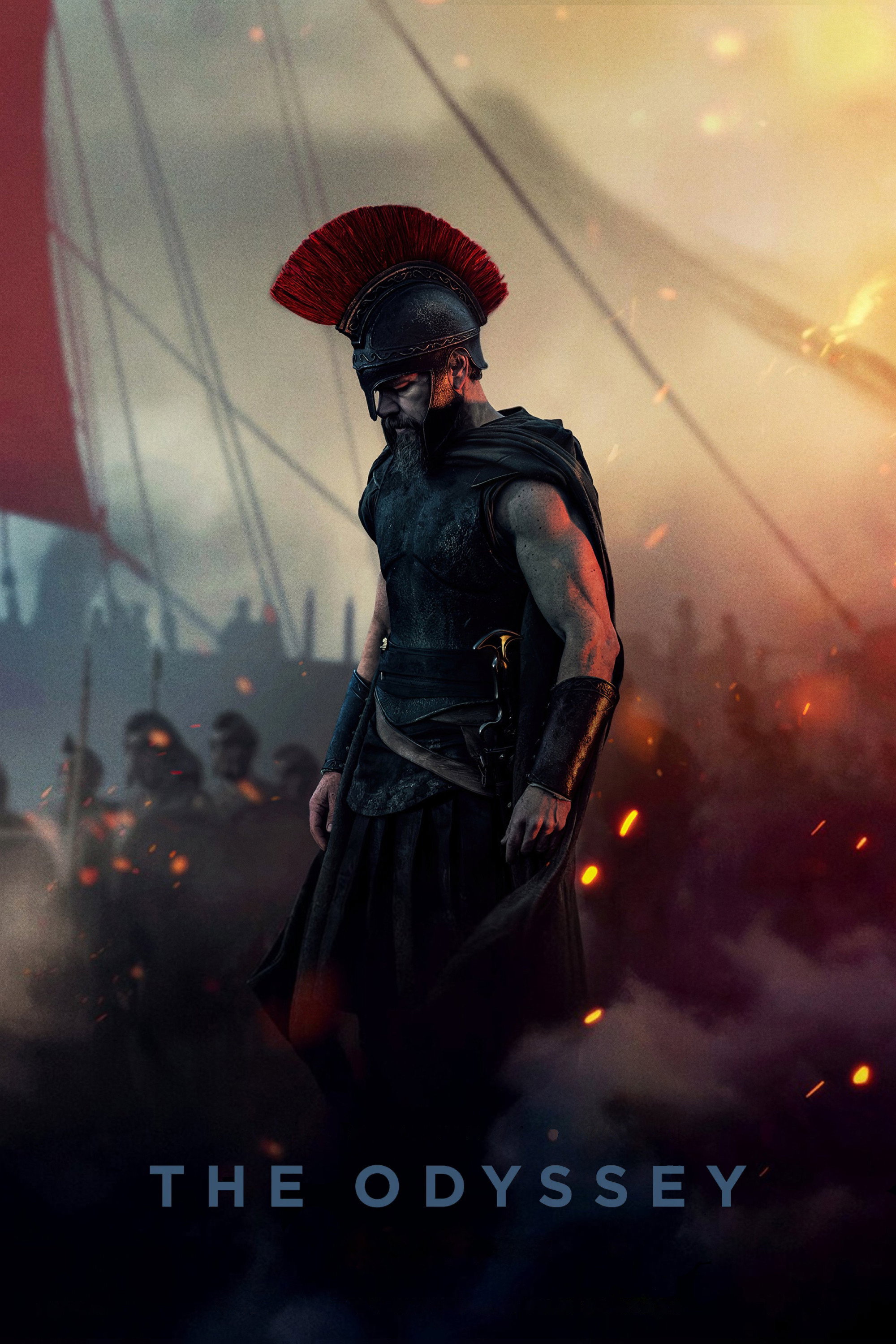
Pattinson plays Antinous, the most prominent of Penelope’s suitors and the first to be killed by Odysseus upon his return to Ithaca, in Christopher Nolan’s adaptation of Homer’s epic. It marks his second collaboration with Nolan after ‘Tenet.’
‘The Batman: Part II’ (Upcoming)
Pattinson is set to return as Bruce Wayne in ‘The Batman Part II,’ continuing the franchise that relaunched his career as a leading man in studio tentpoles. Additional upcoming credits reportedly on his slate include further collaborations still taking shape.
Looking at this full run, from a cut scene in ‘Vanity Fair’ to headlining Gotham’s next chapter, which era of Robert Pattinson’s filmography do you think represents his best work so far.