15 Sequels You Didn’t Know Were Sequels


Some movies quietly continue earlier stories without using a number in the title or advertising the connection loudly. Studios do this for all kinds of reasons, from rights issues to creative refreshes to attracting new viewers. The result is a surprising group of films that are technically sequels or set in an existing universe even though many people think of them as standalones. Here are fifteen that fit the bill, along with clear notes on what they follow and how they connect.
‘The Road Warrior’ (1981)
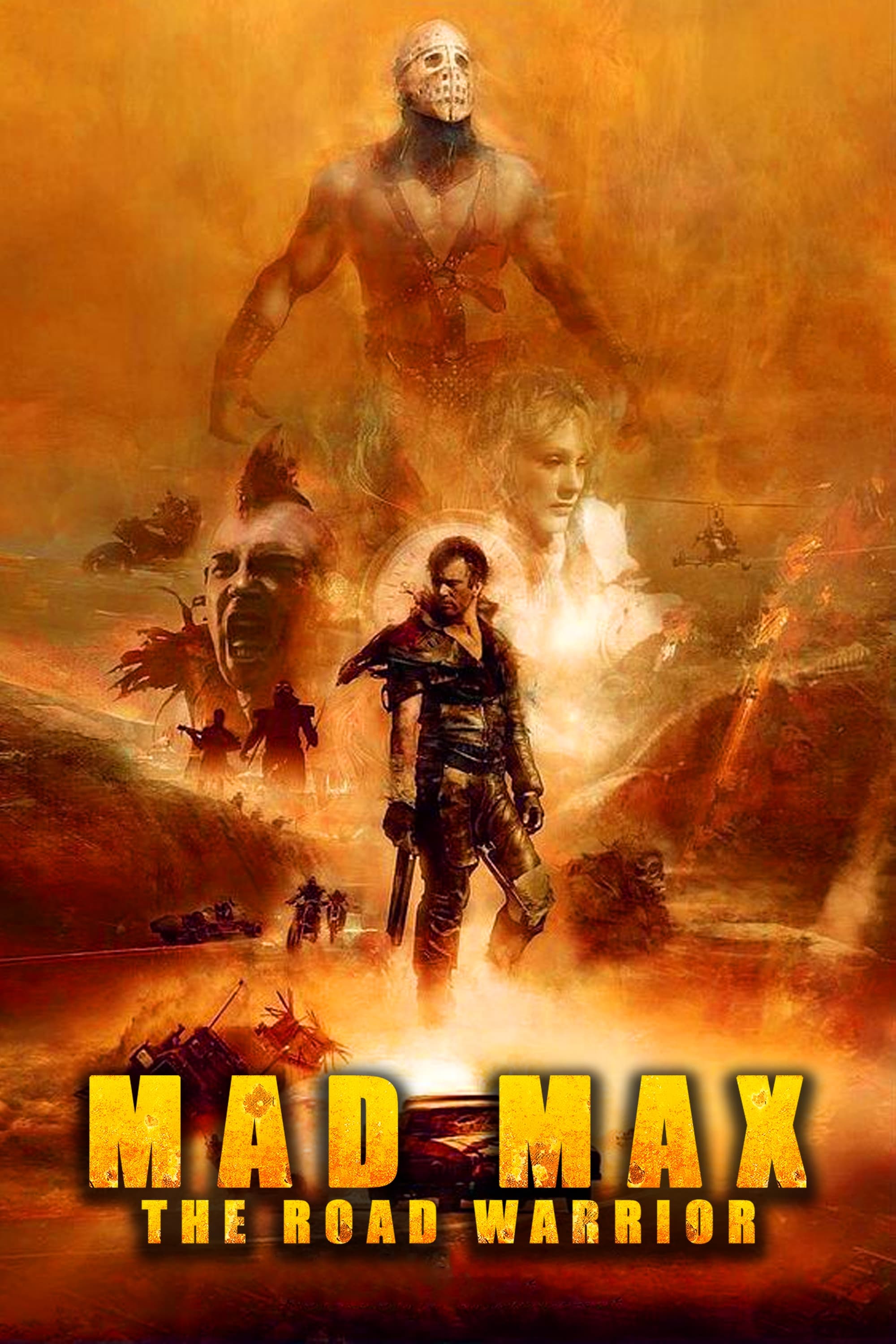
In many regions this film was released without the main character’s name in the title, even though it directly follows ‘Mad Max’. It brings back the same protagonist, world, and continuity while expanding the wasteland setting established earlier. Marketing minimized the numeric sequel label to help new viewers jump in easily. In some markets it was even introduced as if it were the first entry, which added to the confusion.
‘The Silence of the Lambs’ (1991)
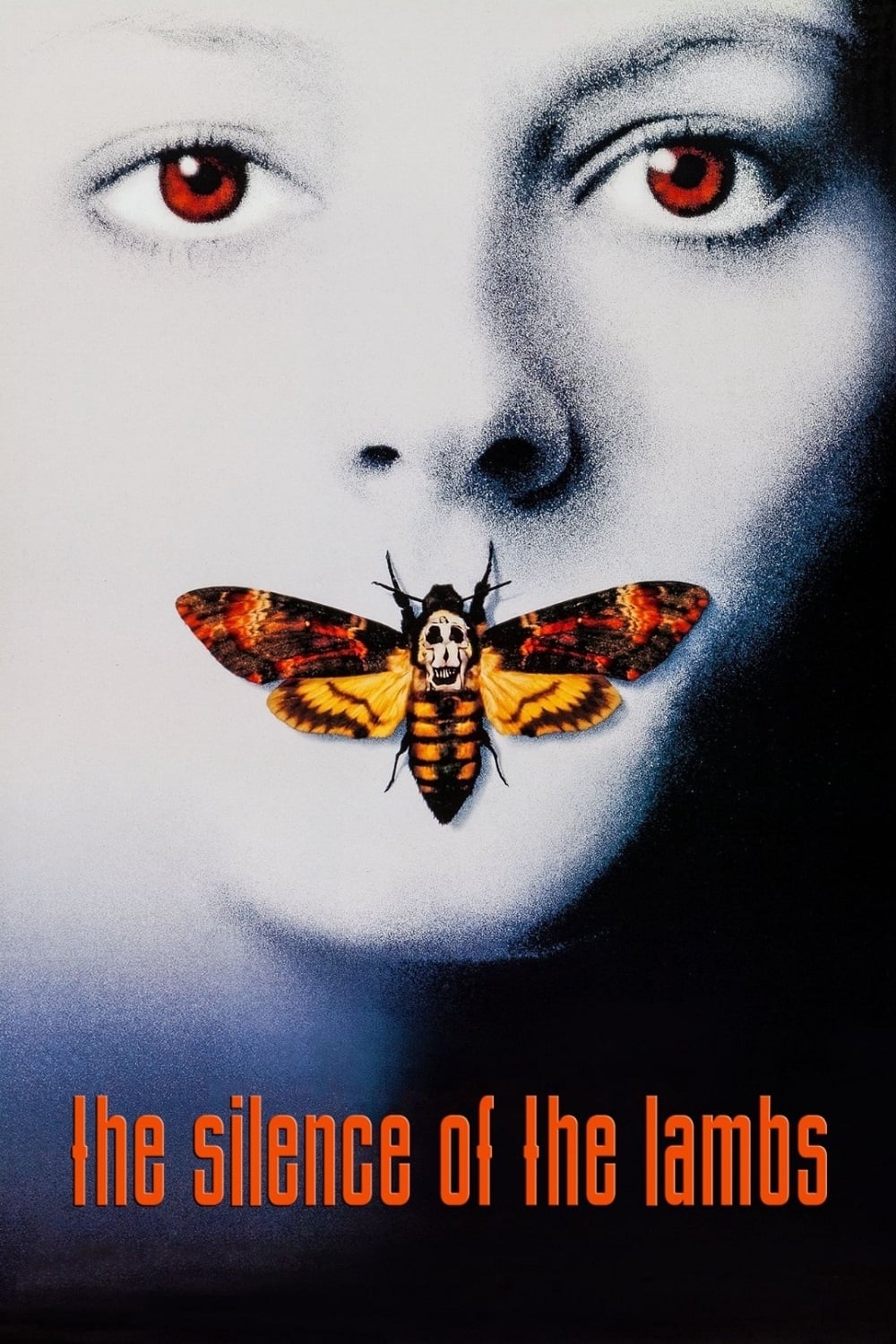
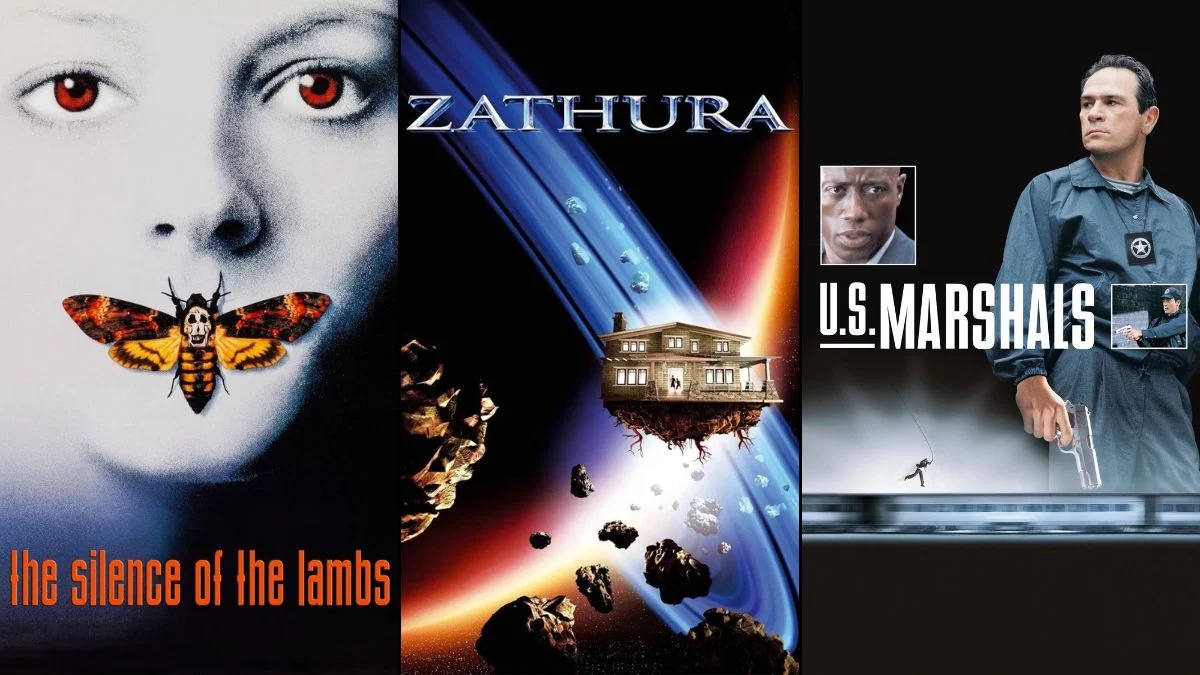
This is a follow up to the Hannibal Lecter story first put on screen in ‘Manhunter’. The earlier film adapted the novel ‘Red Dragon’ and featured a different actor as Lecter. Rights and casting changes created a fresh package that many see as a starting point, though it continues the canon of Thomas Harris’ books. The connection becomes clear when you trace the same characters and timeline across both films.
‘U.S. Marshals’ (1998)
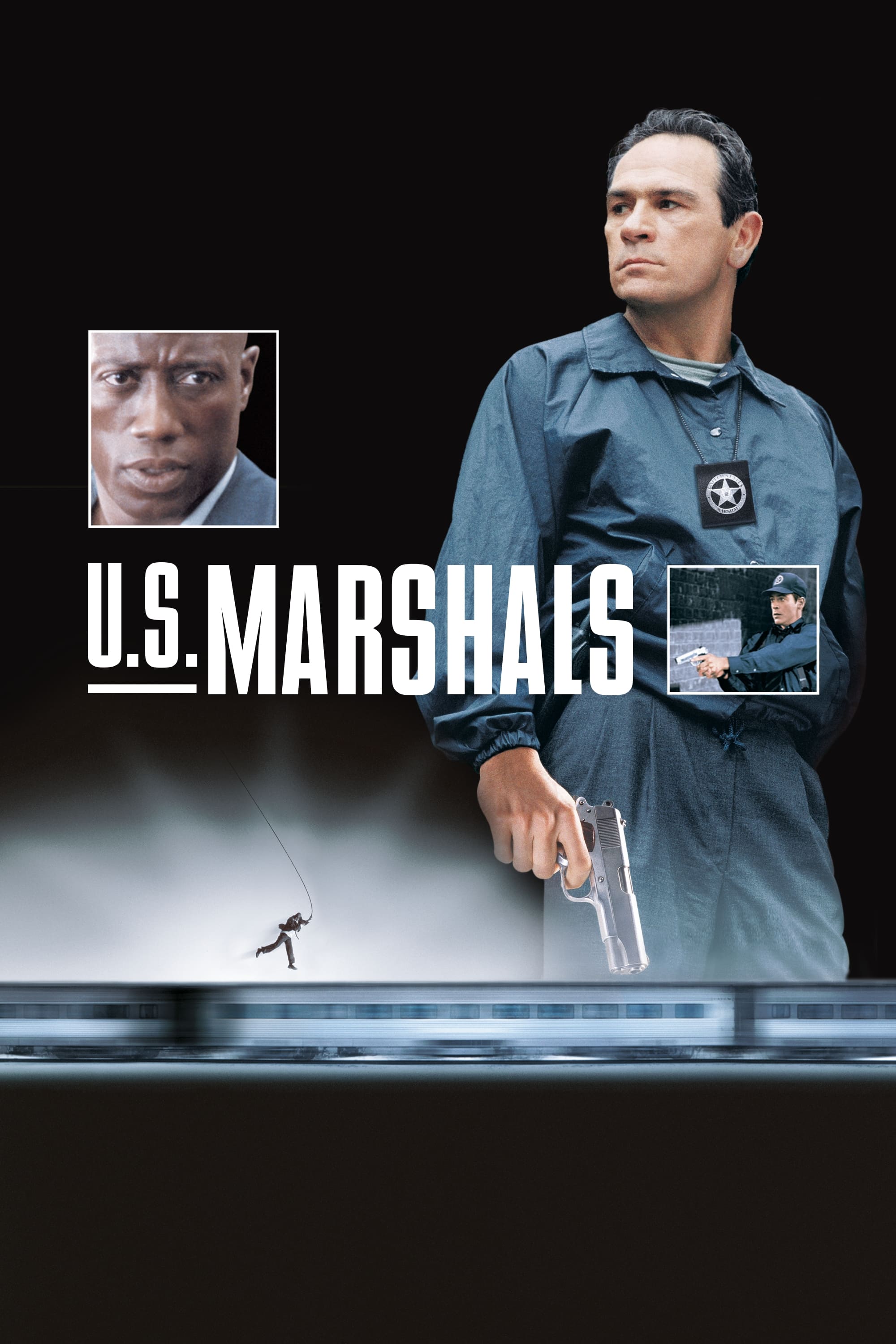
This is a direct spin off from ‘The Fugitive’ and follows the same lawman, Deputy Marshal Samuel Gerard. It continues his team’s exploits on a new manhunt with returning supporting characters and shared backstory. The plot references the previous case to establish continuity while focusing on a different fugitive. It functions as a sequel centered on the pursuers rather than the wrongfully accused doctor.
‘Split’ (2016)
The story secretly shares a universe with ‘Unbreakable’ and reveals that connection in its closing moments. A returning character appears to confirm that the events belong to the same grounded take on comic book archetypes. Themes and rules established earlier carry through, including how extraordinary abilities manifest. This later led directly into a crossover continuation titled ‘Glass’.
‘The Color of Money’ (1986)
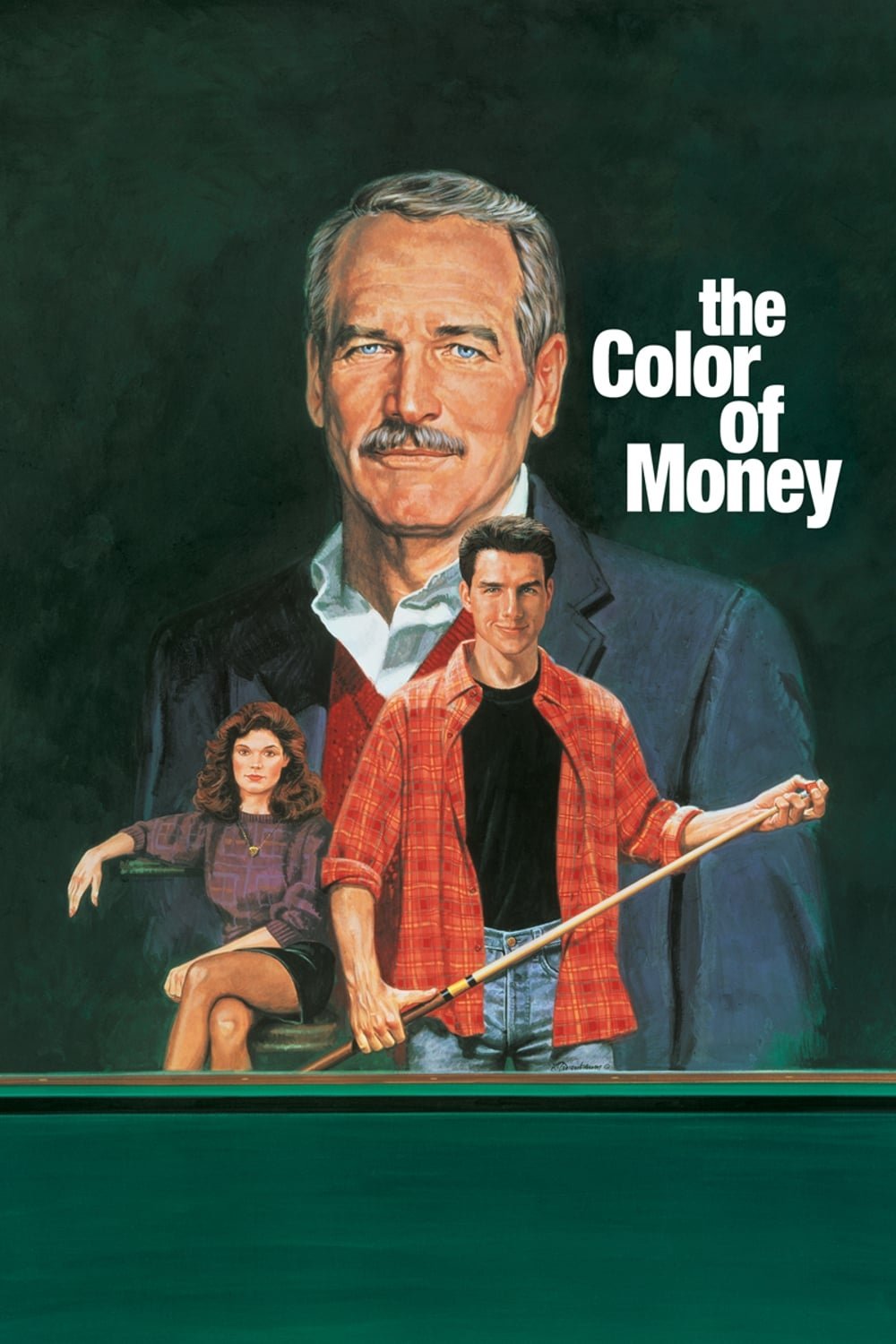
This continues the story of pool hustler Fast Eddie Felson from ‘The Hustler’. It brings back the same lead character decades later to explore his life after the earlier con game circuit. The film introduces a young protégé and shows Eddie navigating the modern pool hall scene with lessons learned from his past. Director and cast changes updated the franchise while keeping the original character arc intact.
‘The Cat Returns’ (2002)

This is a spin off from ‘Whisper of the Heart’ set in the same creative universe. It brings back the Baron and Muta, characters that first appeared as works of art and imagination in the earlier film. What began as a proposed short project evolved into a feature that explores the cats’ world directly. The continuity is clear through recurring designs, names, and the whimsical kingdom concept.
‘Zathura: A Space Adventure’ (2005)
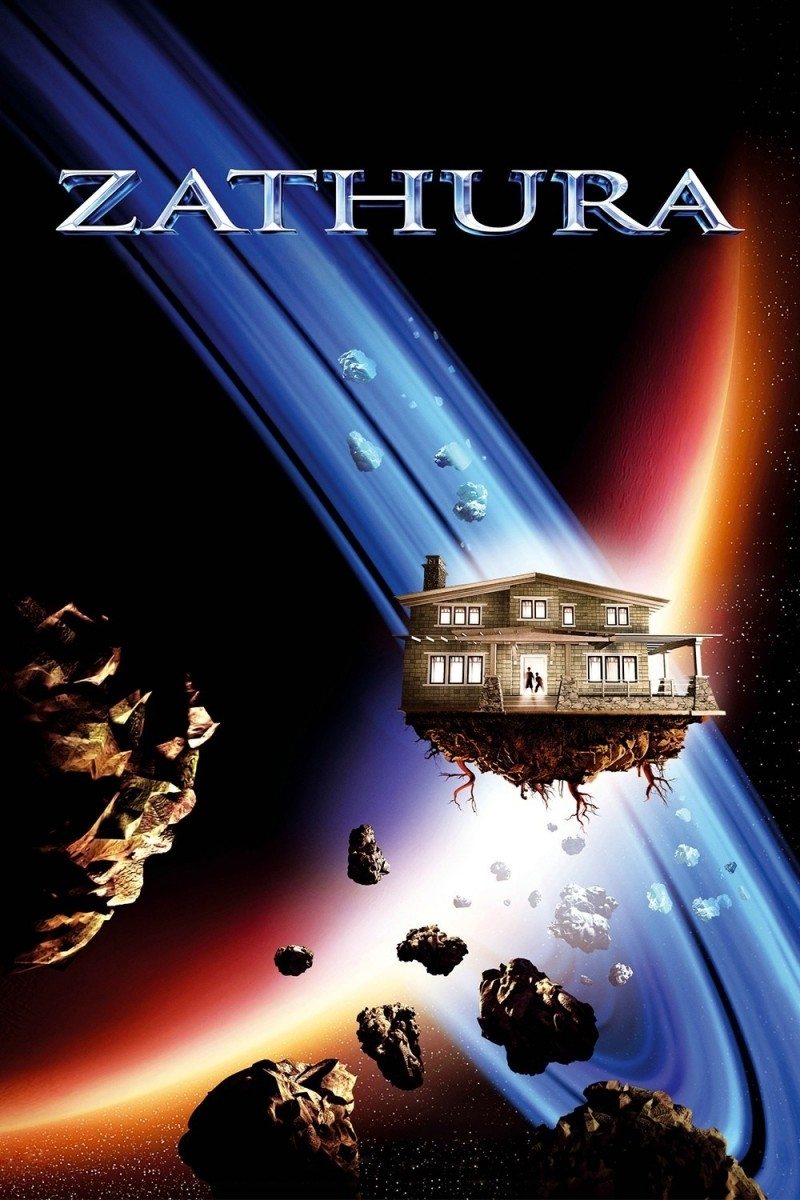
This shares a universe with ‘Jumanji’ because both adapt companion books by Chris Van Allsburg. The same board game premise drives the plot, only the setting shifts from jungle chaos to outer space hazards. The film does not require knowledge of the earlier story but follows the same rules about turns, consequences, and reality bending. That makes it a spiritual sequel rooted in the same author’s connected ideas.
‘Troll 2’ (1990)
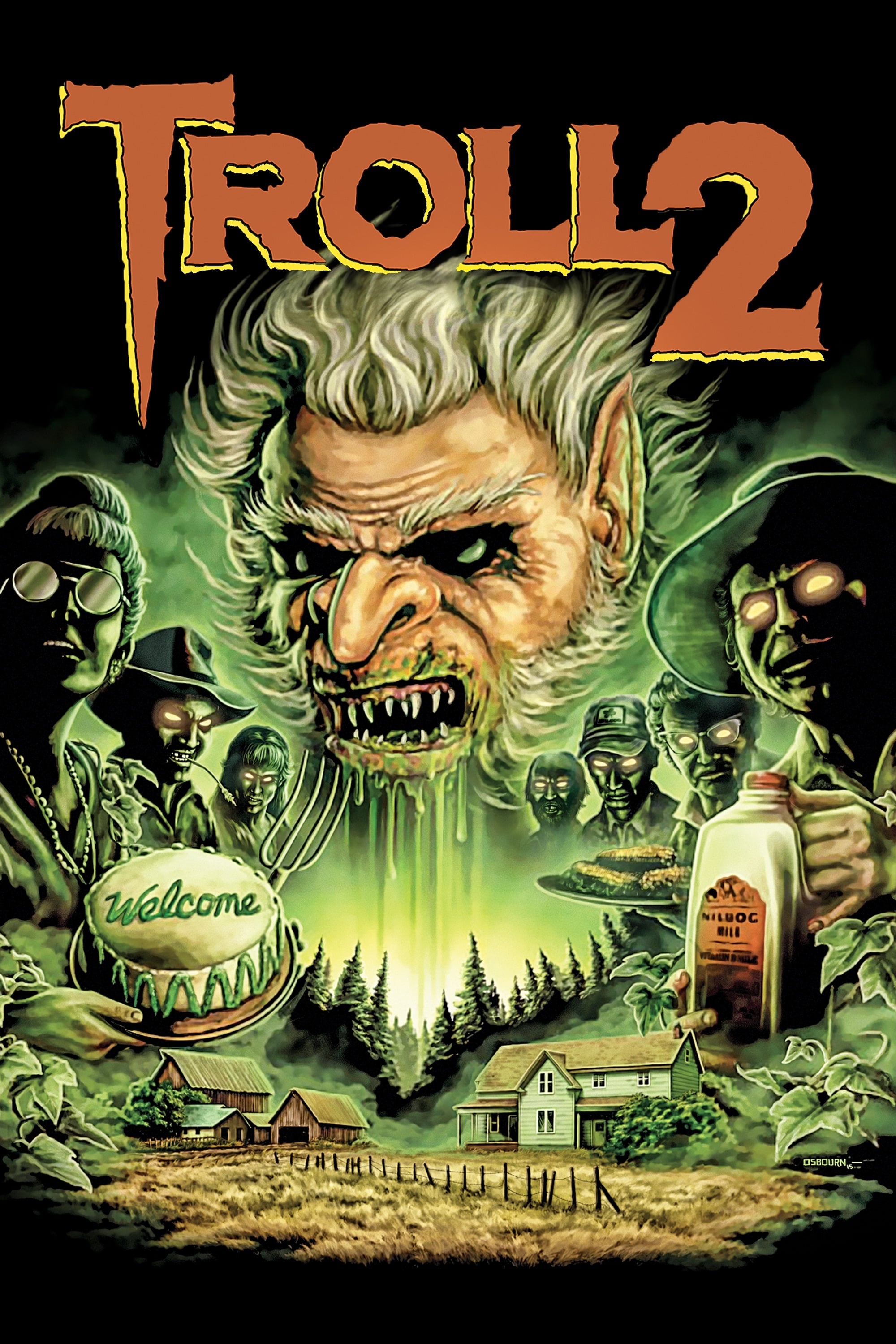
Despite the title, this has no narrative connection to ‘Troll’ and was produced by a different creative team. The name was chosen for marketing, but the story features goblins and an unrelated town and family. It became labeled a sequel by release strategy rather than by character or plot continuity. The mismatch explains why viewers searching for returning characters will not find them.
‘The Suicide Squad’ (2021)
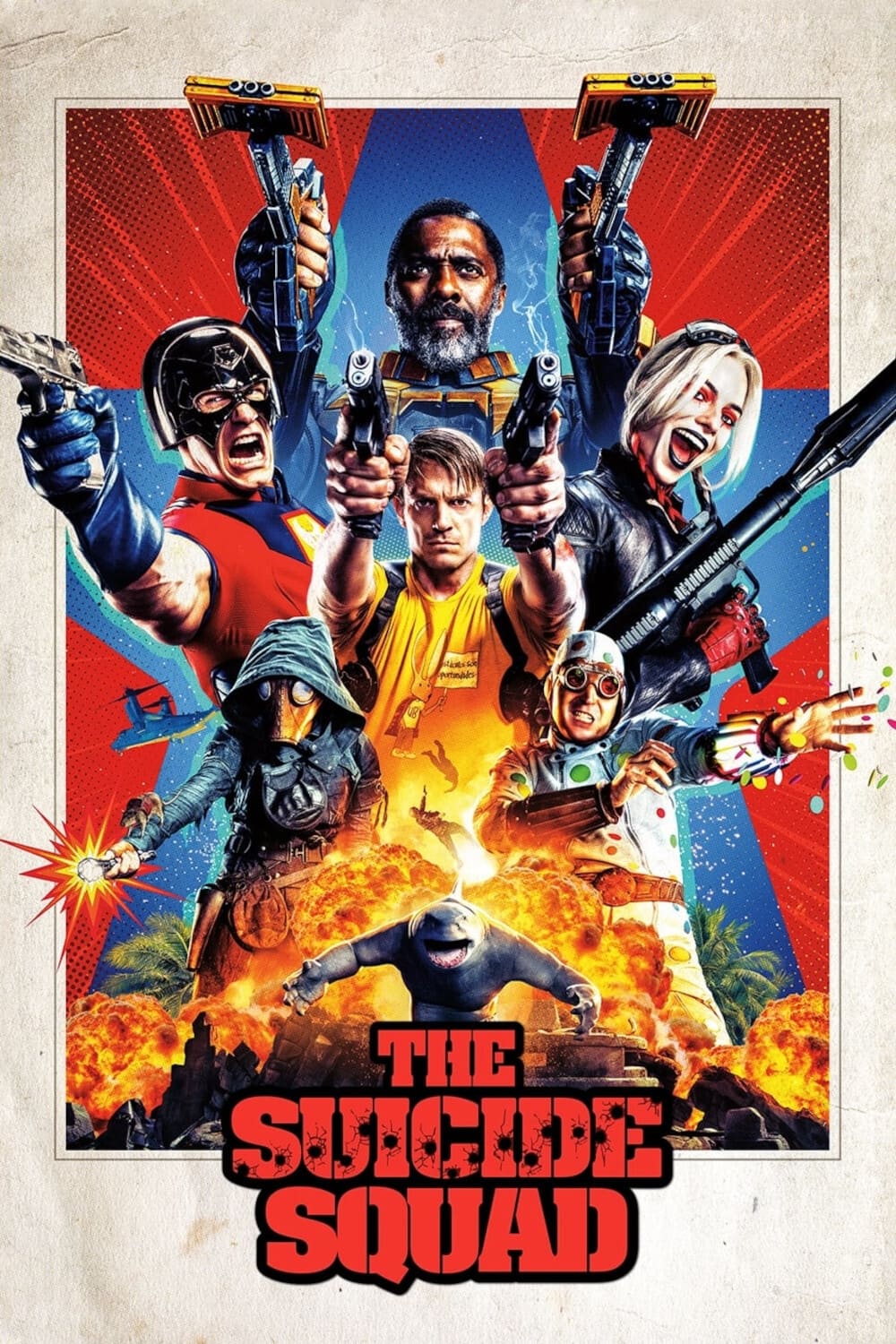
This continues the timeline after ‘Suicide Squad’ while refreshing the roster and tone. Several characters return with their established histories, including the government handler and key operatives. References to prior missions confirm that it exists in the same continuity even with a new creative direction. It operates as a soft reboot that still counts as a sequel inside the shared universe.
‘Ocean’s Eight’ (2018)
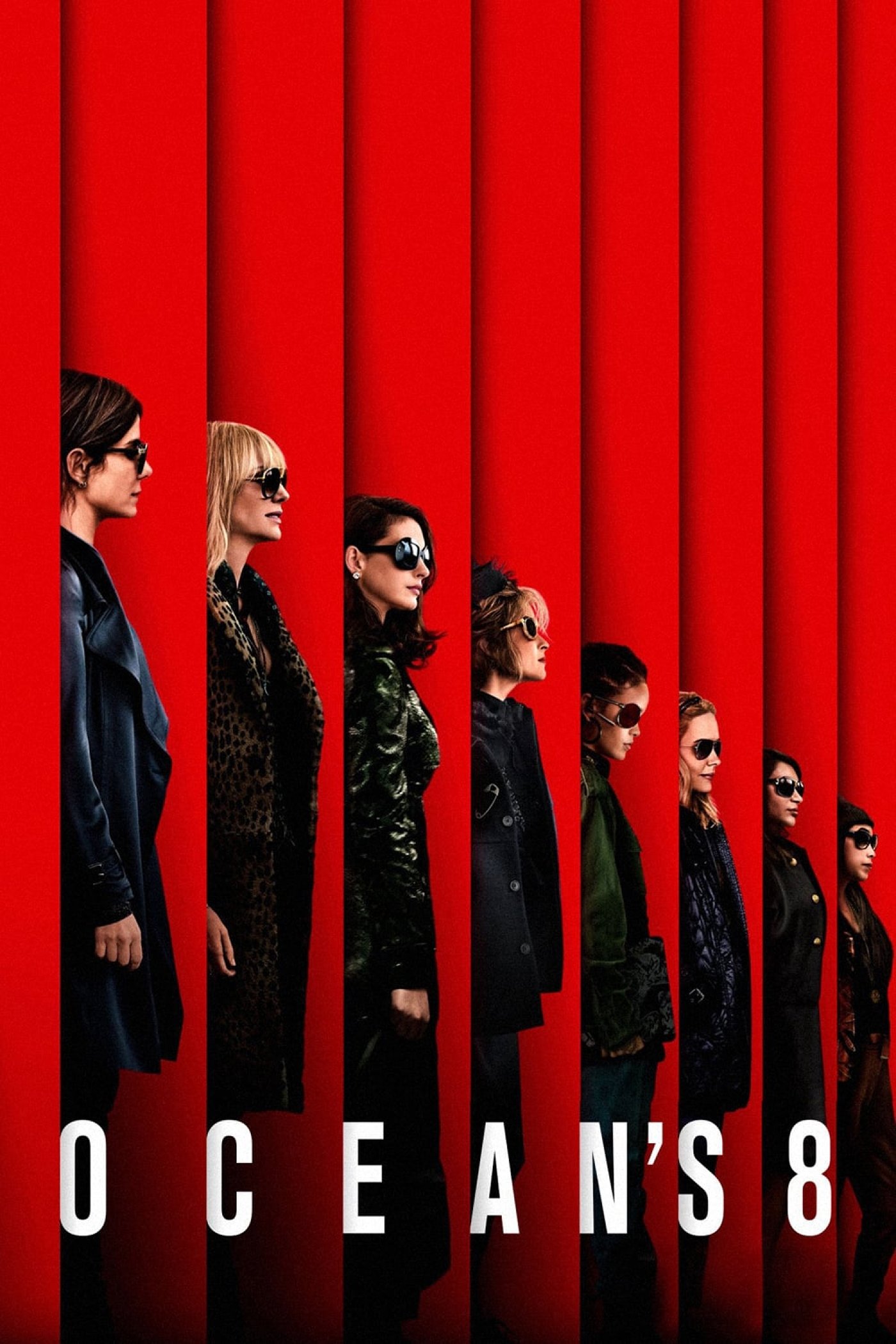
Set in the same world as the ‘Ocean’s’ trilogy, this follows Debbie Ocean, the sister of Danny Ocean. Cameos and character mentions tie it directly to the earlier heist crew and their exploits. The film uses the established rules of planning, misdirection, and ensemble coordination associated with the franchise. Its new team and target make it feel fresh while remaining a continuation.
‘A Shot in the Dark’ (1964)
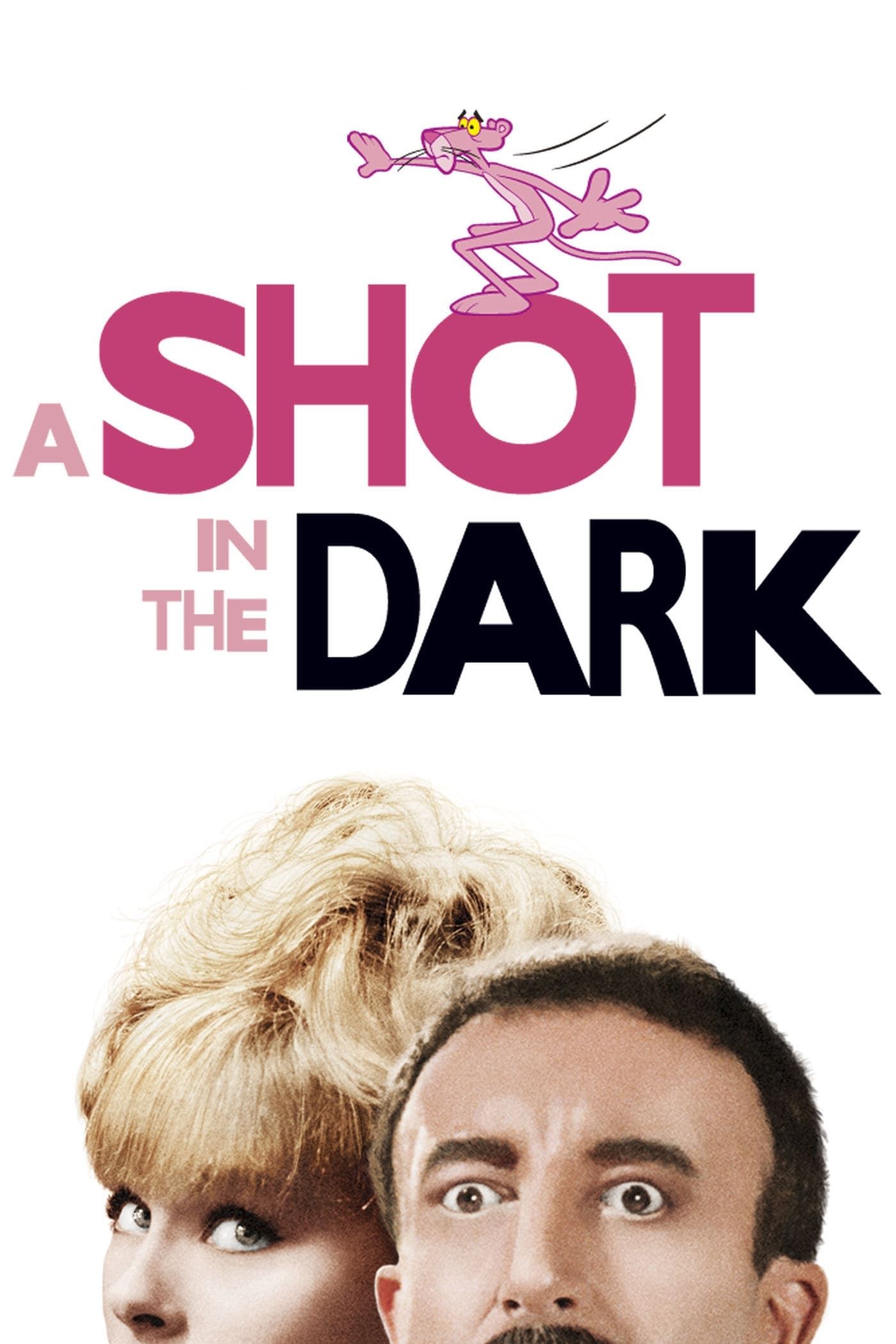
This is the second entry in the ‘Pink Panther’ series even though the title drops the jewel motif. It continues Inspector Clouseau’s misadventures and further defines supporting elements that later became series staples. The change in case and setup made it easy to view independently from the first film. Production carried over the central detective to cement continuity.
‘The Bourne Legacy’ (2012)
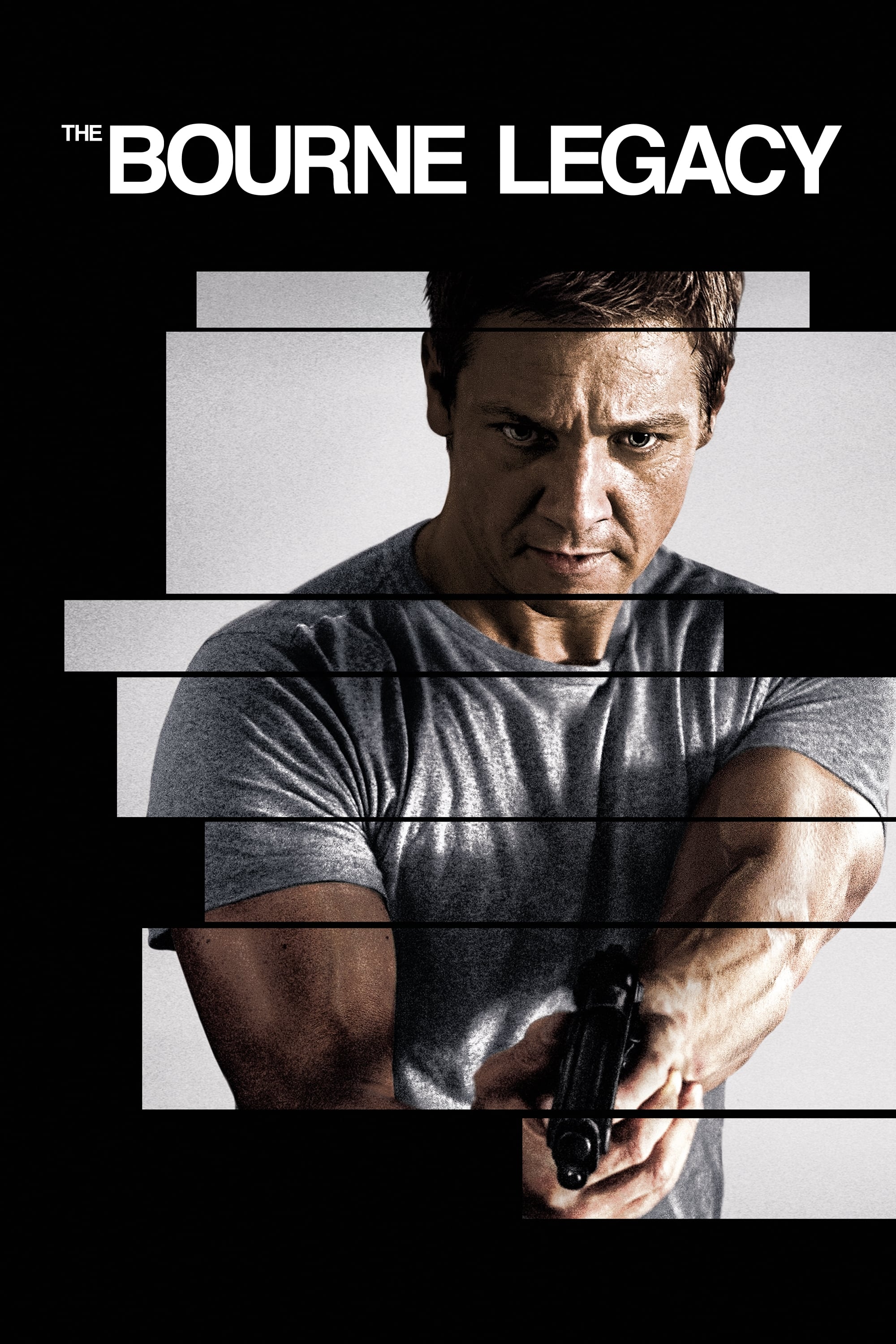
This picks up after the events of the earlier Bourne trilogy but shifts focus to a different operative. It references Treadstone and related programs to anchor the timeline and consequences from previous films. Key intelligence figures reappear to link the investigation threads across stories. The plot unfolds alongside fallout from earlier exposures of covert projects.
‘The Wolverine’ (2013)
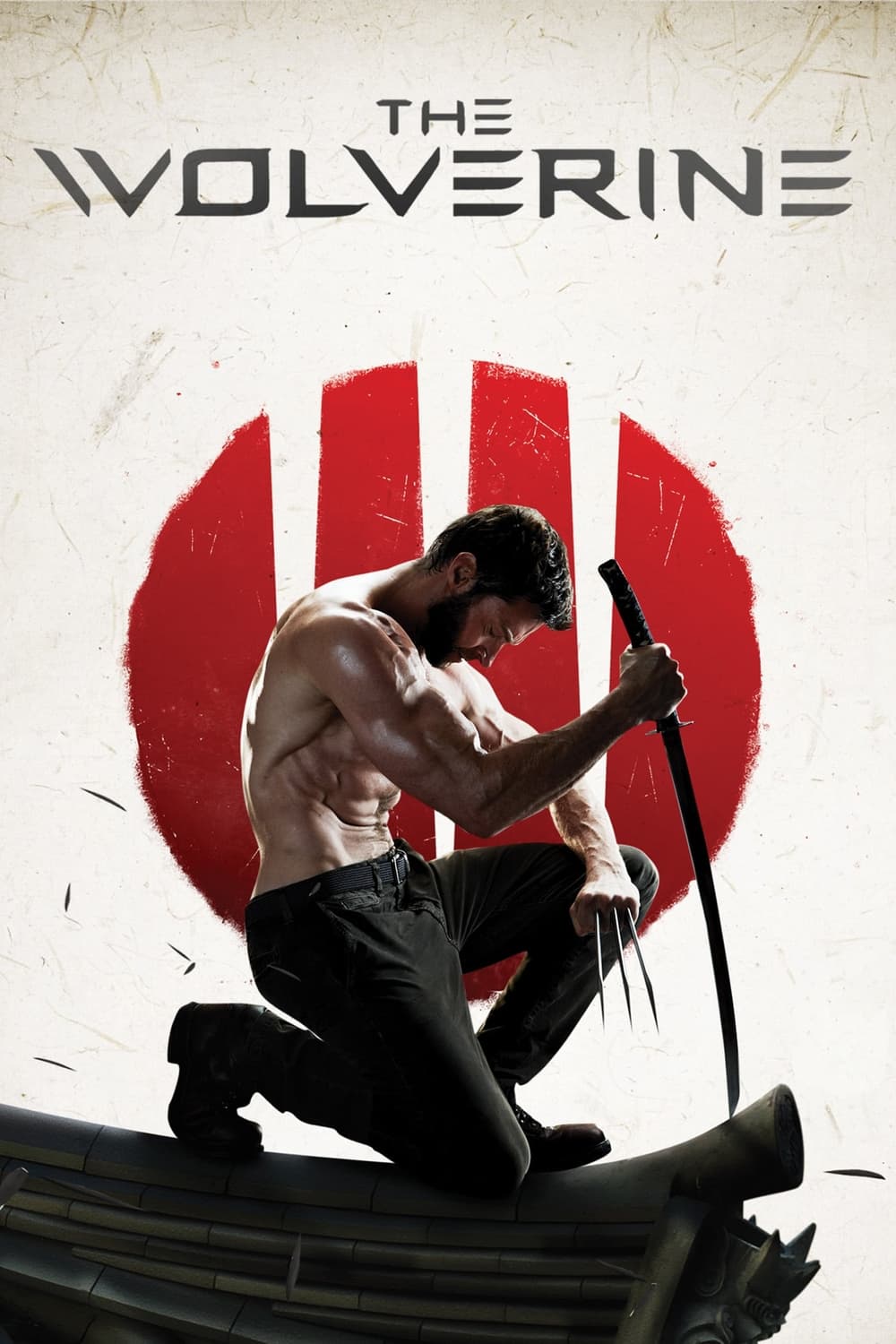
This follows ‘X-Men: The Last Stand’ by exploring Logan’s life after the events that changed the mutant team. It acknowledges past losses and relationships while sending the character on a new mission abroad. Mid credits developments explicitly set up the next ensemble chapter, confirming placement in the larger saga. The film advances the hero’s personal arc between ensemble entries.
‘Doctor Sleep’ (2019)
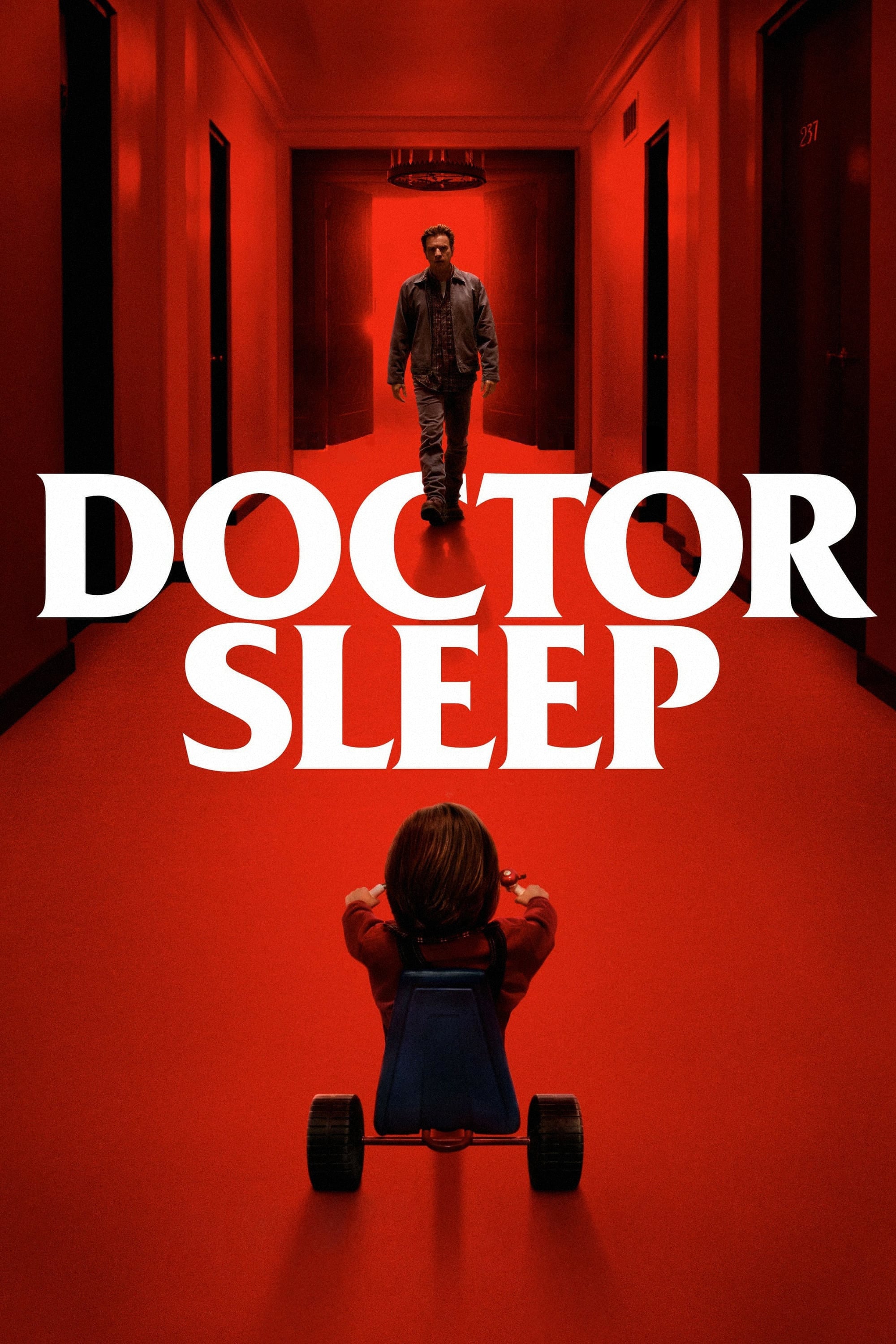
This adapts Stephen King’s continuation of ‘The Shining’ and follows Danny Torrance as an adult. It revisits locations and psychic concepts introduced in the earlier story to resolve long running threads. The narrative addresses the aftermath of the childhood trauma depicted before. Visual and musical cues connect it to both the source novel and the earlier film adaptation.
‘Prometheus’ (2012)
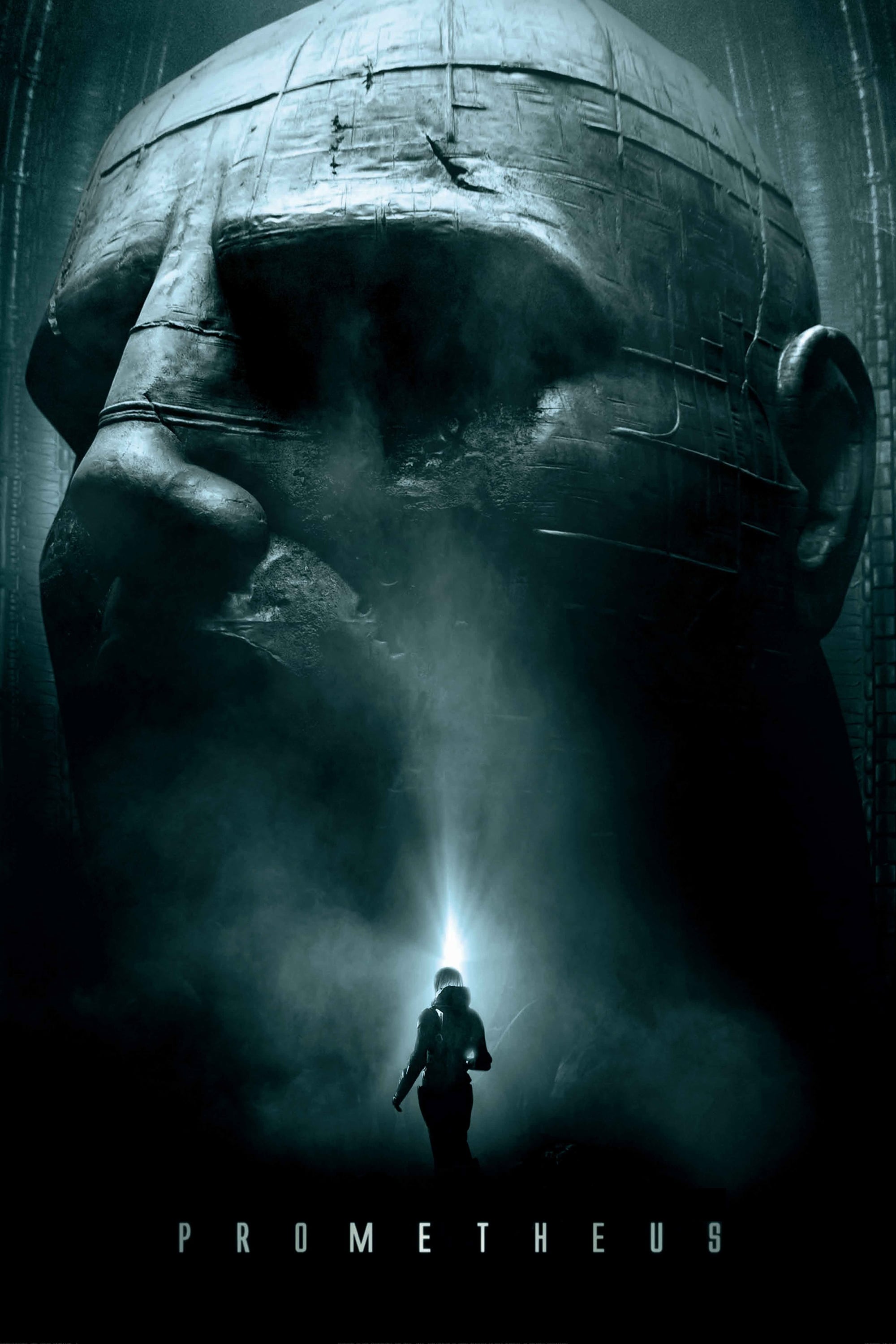
This serves as a prequel within the ‘Alien’ franchise while being marketed as a new science fiction story. It explores the origins of the species and technology that later appear in the mainline entries. Shared corporations, ship design elements, and biological details make the lineage explicit. The closing developments bridge directly to the familiar creature mythology.
Share your favorite hidden or stealth sequels in the comments and tell us which connections surprised you most.