‘Sheila Atim Breaks Down Akasha’s Long-Awaited Awakening On ‘The Vampire Lestat”

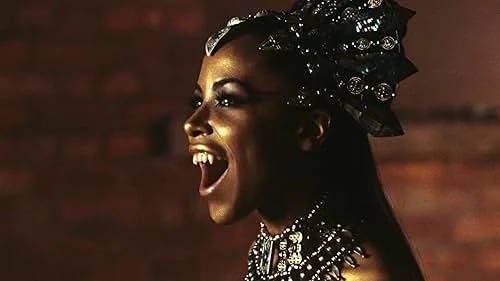

The Queen of the Damned has finally arrived on AMC’s vampire saga, and the woman behind her is not holding back on what it took to bring the character to life. Sheila Atim’s debut as Akasha in ‘The Vampire Lestat’ has become one of the most discussed moments of the season, and the actress has spent the days since the episode aired walking press through her approach to the role.
Atim, known for her work in “The Woman King” and “Bruised,” takes on the ancient vampire queen previously portrayed by Aaliyah in the 2002 film adaptation of “Queen of the Damned.” The character’s arrival in episode five, titled “New York,” has been building since the second season of ‘Interview with the Vampire,’ and Atim’s performance is already reshaping the conversation around where the show goes next.
Akasha’s Awakening Brings The Queen Of The Damned Into Focus
Akasha’s awakening in the episode came after Lestat, played by Sam Reid, was pulled out of an eighty year dirt nap by Marius de Romanus, portrayed by Christopher Heyerdahl, and tasked with looking after the ancient queen. The flashbacks reveal how Lestat first roused the queen and was imbued with her powerful blood in the process.
Atim has described Akasha’s pain as deeply personal, tied to a broader rage against the oppression of women that fuels her quest to reset the balance of power in the vampire world and beyond. The show has been dropping breadcrumbs about Akasha’s arrival for most of the season, and the brief but significant scenes involving her point toward global consequences still to come.
Atim’s casting places her at the center of the third season of the AMC gothic horror drama, a season that formally shifted the show’s identity from ‘Interview with the Vampire’ toward the title ‘The Vampire Lestat.’ That shift has allowed the writers room to build toward Akasha’s introduction for months before she ever appeared on screen.
Sheila Atim’s Performance Draws On Ancient Influences For Akasha’s Voice
Atim built Akasha’s voice by imagining an ancient woman from somewhere between Kemet, Egypt, and Sumeria, blending East African vocal inflections with Middle Eastern ones to create something that does not read as specific to any modern country. She has confirmed the voice work in the finished episode is entirely her own, without alteration in post production.
The queen’s big monologue after her awakening amounted to four carefully written pages in the script, penned by executive producer Hannah Moscovitch and composer Daniel Hart. Atim has joked that her abs were shaking by the end of delivering the speech, given how physically demanding the moment turned out to be.
She has framed the monologue as the roar of a god lashing out against those who tried to control her, mixed with rage over the subjugation of women she witnessed telepathically throughout her imprisonment. Atim compared the force of that expression to a cork popping out of a bottle, noting that Akasha still carries a lot of uncertainty about the world she is reentering after so long locked away.
The Connection Between Akasha And Lestat Takes Center Stage
Atim has suggested that Akasha is drawn to Lestat because of something she sees in him specifically, describing his infectiousness, flair, and magnetism as qualities she wants near her when she has big plans in store. She has pointed to his curiosity and his passion for experience, even undead experience, as something Akasha shares and responds to.
Music emerges as a key bond between the two characters, with Atim explaining that Akasha would have had few outlets for creativity or expression in her own era beyond music, dance, and storytelling. The queen senses Lestat’s genuine passion for learning instruments, which Atim has said is what truly wakes her rather than any prompting from Marius.
Atim has also described Lestat as embodying all the complexities of being undead without filter, moving between extreme passion, rage, love, and dismissal in ways that make him distinct from the show’s other vampires. According to ComicBook.com, she has described their pairing as a kind of calm before the storm, with Lestat serving as the entity Akasha needs by her side for whatever she plans to embark upon next.
Depicting Akasha’s Ancient Power Required New Solutions
Because Akasha ranks as the most powerful vampire in the show’s mythology, figuring out how to convey her physical prowess became a significant topic of discussion once Atim arrived on set in Toronto. The writers told her directly that they needed to find ways to make her presence feel more powerful than the vampires audiences had already come to know.
Atim has noted that Akasha remains partly frozen to a stone table for much of her debut scene while Lestat spins uncontrollably in the air after drinking from her, a visual contrast she felt communicated the queen’s power without requiring much movement on her part. She has said she expects Akasha to become more mobile in future appearances and plans to consult the show’s movement director once that time comes.
Akasha was previously name dropped at the end of the second season of ‘Interview with the Vampire,’ when Lestat told Armand he carried the blood of Akasha inside him, a line that first signaled the character’s eventual arrival. Atim has acknowledged that the show’s trajectory appears set to carry the story from ‘The Vampire Lestat’ into “Queen of the Damned” territory in subsequent seasons, though she has declined to confirm specifics.
She has also spoken about paying tribute to Aaliyah, who originated the role on screen in 2002, describing it as a matter of showing huge respect to her predecessor while building something distinct for the series. Atim has said her goal is to let audiences connect with Akasha as someone who was once human and still feels rage, rather than as a purely godly figure detached from that history.
Akasha’s arrival has clearly changed the shape of the season, and with Sam Reid’s Lestat now bound to her by blood, fans have plenty to sit with before the story moves any further toward its next chapter. What do you make of the queen’s first real moments on screen, and where do you think her bond with Lestat is headed from here.