Smartest Uses of Silence in Anime

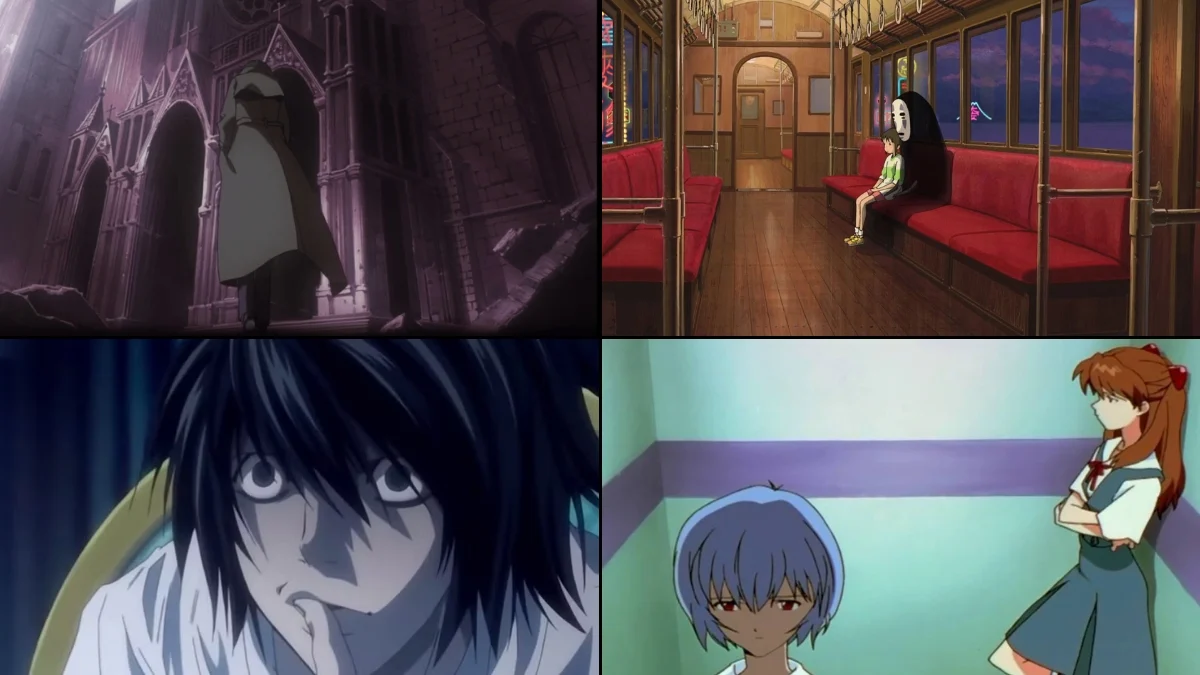

Silence in anime isn’t just the absence of sound—it’s a precise storytelling choice that shapes pacing, clarifies visual information, and lets environments and actions speak for themselves. Sound teams mute score, thin out ambience, or hold on still frames so posture, timing, and tiny foley cues carry meaning. Directors use these quiet beats to underline transitions, reveal decisions, and map space without extra dialogue. Below are twenty-five moments where silence is used deliberately to guide attention and deepen the story.
‘Neon Genesis Evangelion’ (1995–1996) – elevator standoff
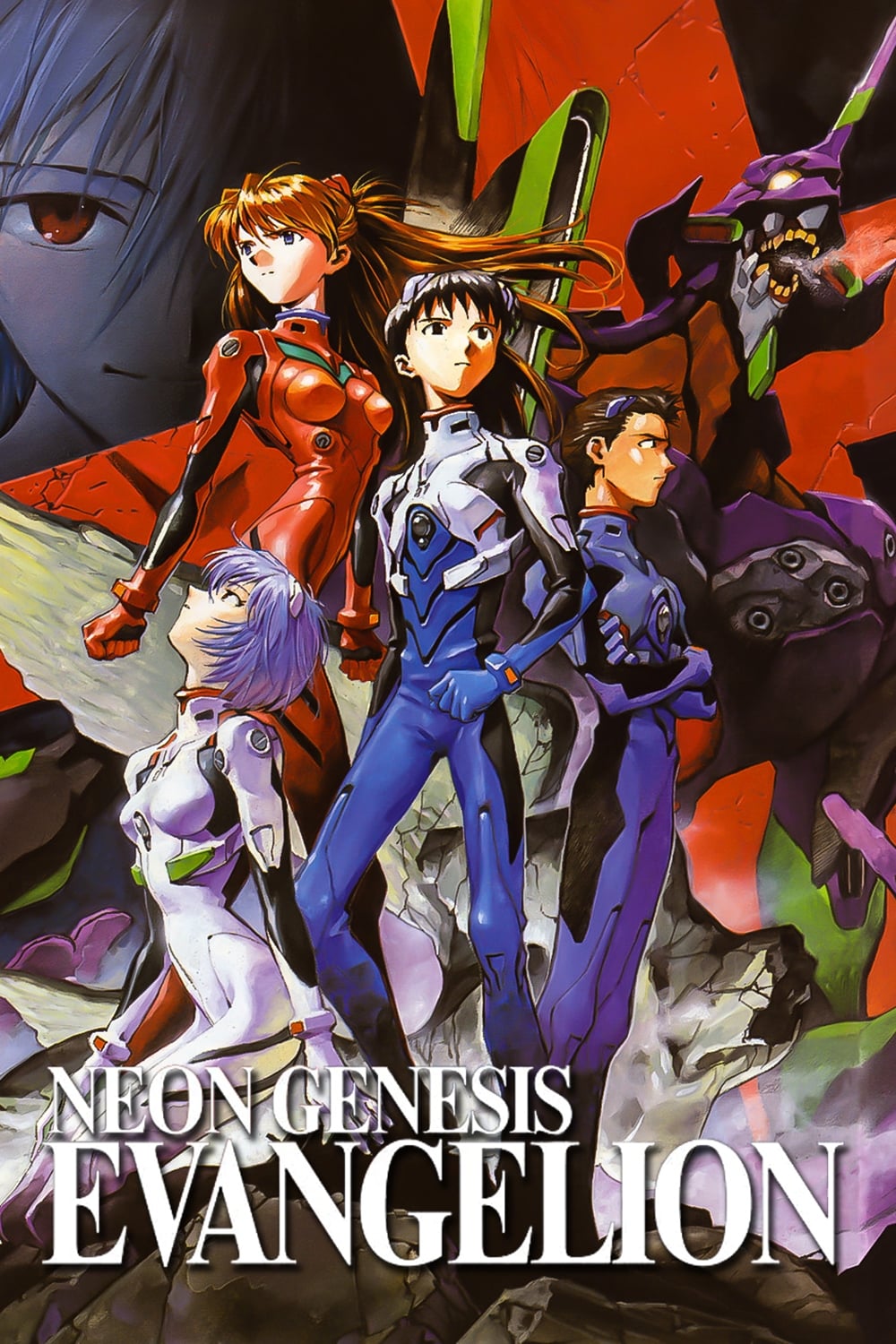
A long, unbroken elevator shot drops music and most effects so posture, gaze, and breathing convey the scene’s stasis. The quiet stretches past typical shot length, converting stillness into a readable cue for distance between characters. Sparse foley—fabric shifts, a faint mechanical hum—acts as signposts instead of filler. The timing lets the cut itself function like a statement, with silence structuring the exchange.
‘Spirited Away’ (2001) – quiet train ride
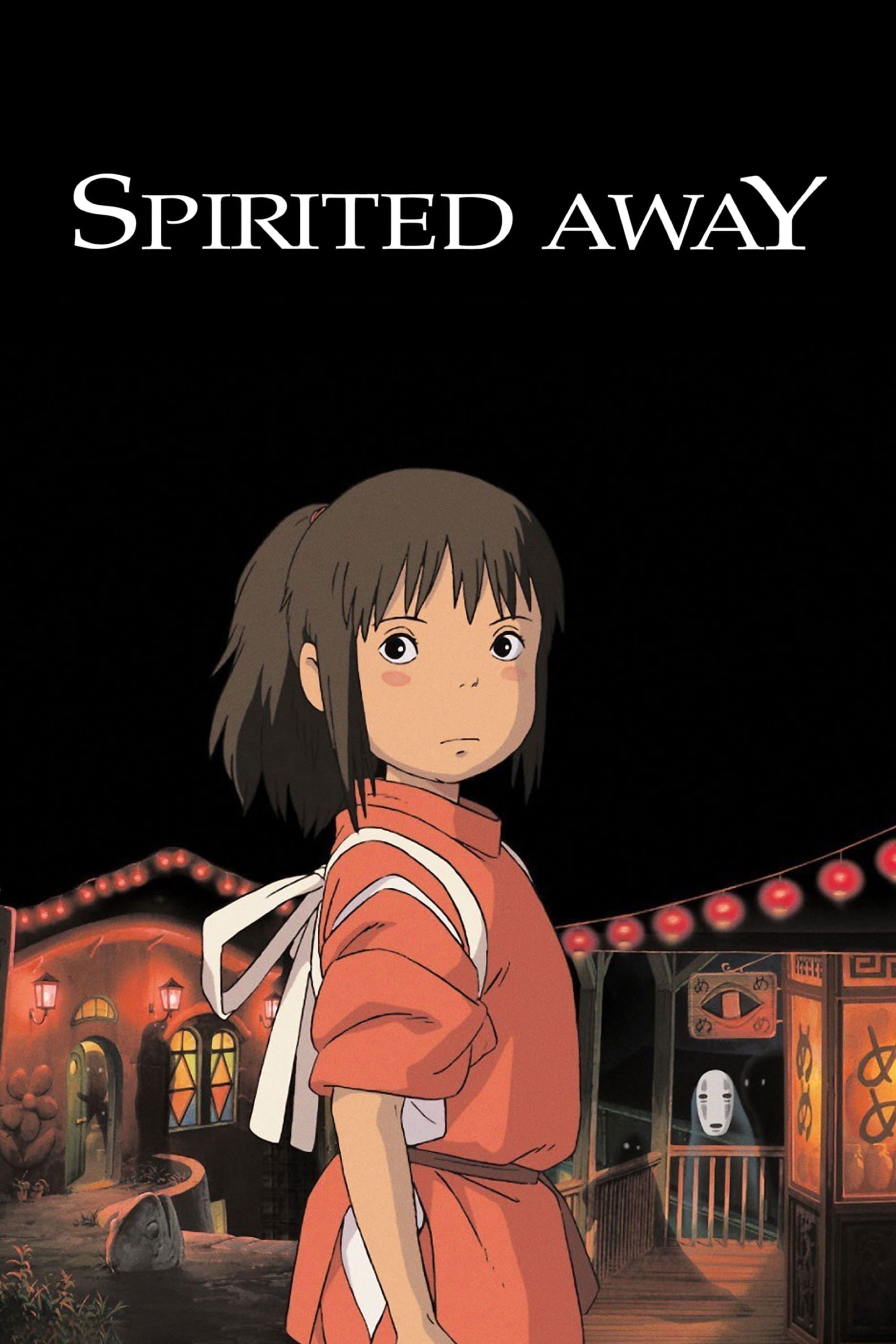
A near-wordless ride uses only soft carriage noise and water ambience to mark steady forward motion. The absence of score turns passing stations, reflections, and seated figures into narrative carriers. Unhurried cuts match the subtle rhythm of wheels on track, mapping a transition without exposition. Environmental detail provides orientation while silence centers the images.
‘My Neighbor Totoro’ (1988) – rain-soaked bus stop
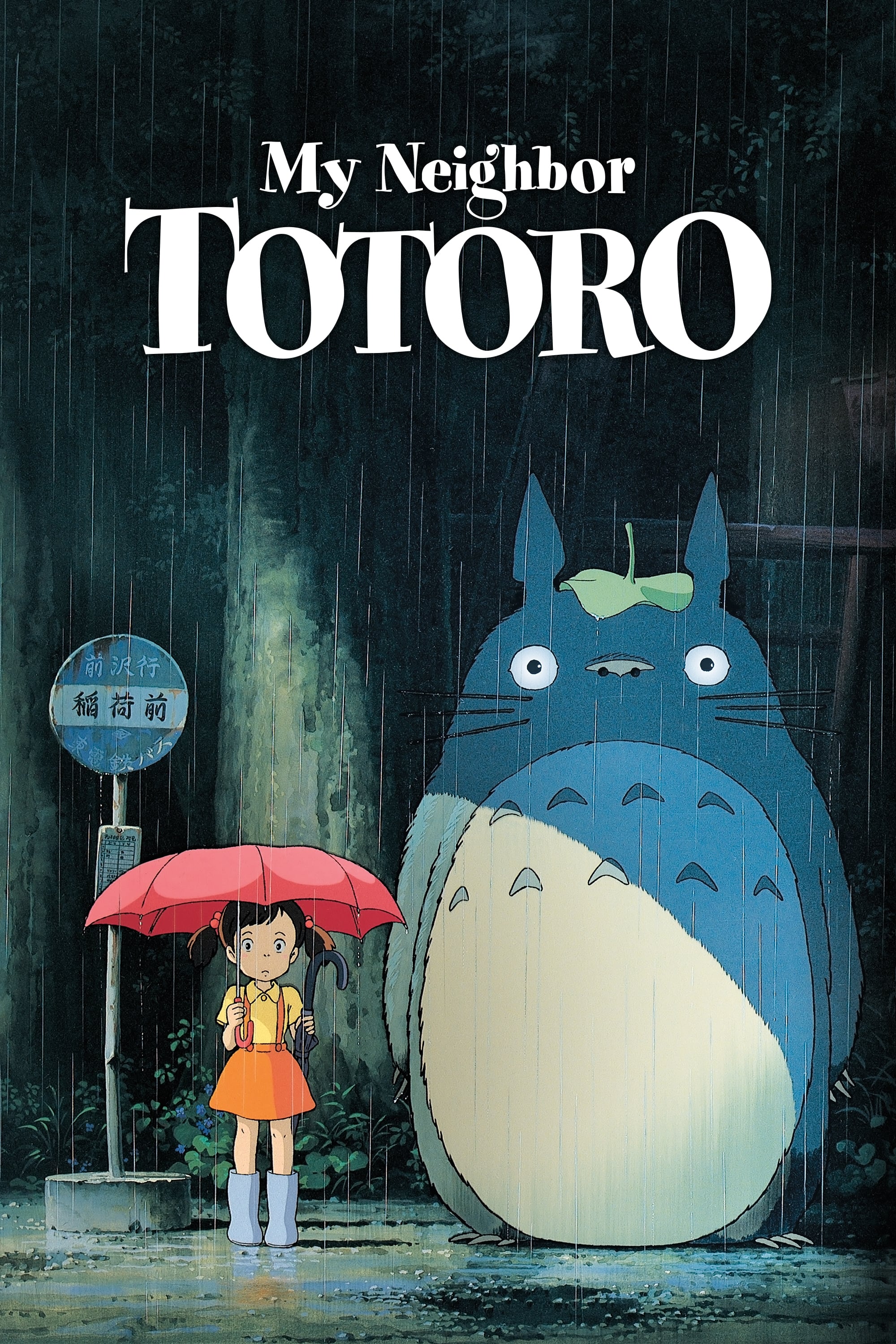
Dialogue recedes while rainfall, dripping trees, and umbrella taps set the tempo of a night wait. Minimal scoring keeps attention on small actions like weight shifts and eye-line changes. The restrained mix frames a fantastical arrival as a visual beat rather than a musical cue. The hush makes each foley element distinct and legible.
‘Princess Mononoke’ (1997) – forest stillness and kodama clicks

Extended quiet foregrounds wind in branches, creaks, and faint rattles that delineate depth in the ancient woods. The track’s transparency lets the environment operate as an active presence. Occasional droplets and distant calls punctuate silence to map scale. Visual rhythm syncs to natural ambience, aligning movement with the space itself.
‘A Silent Voice: The Movie’ (2016) – classroom pauses and eye contact
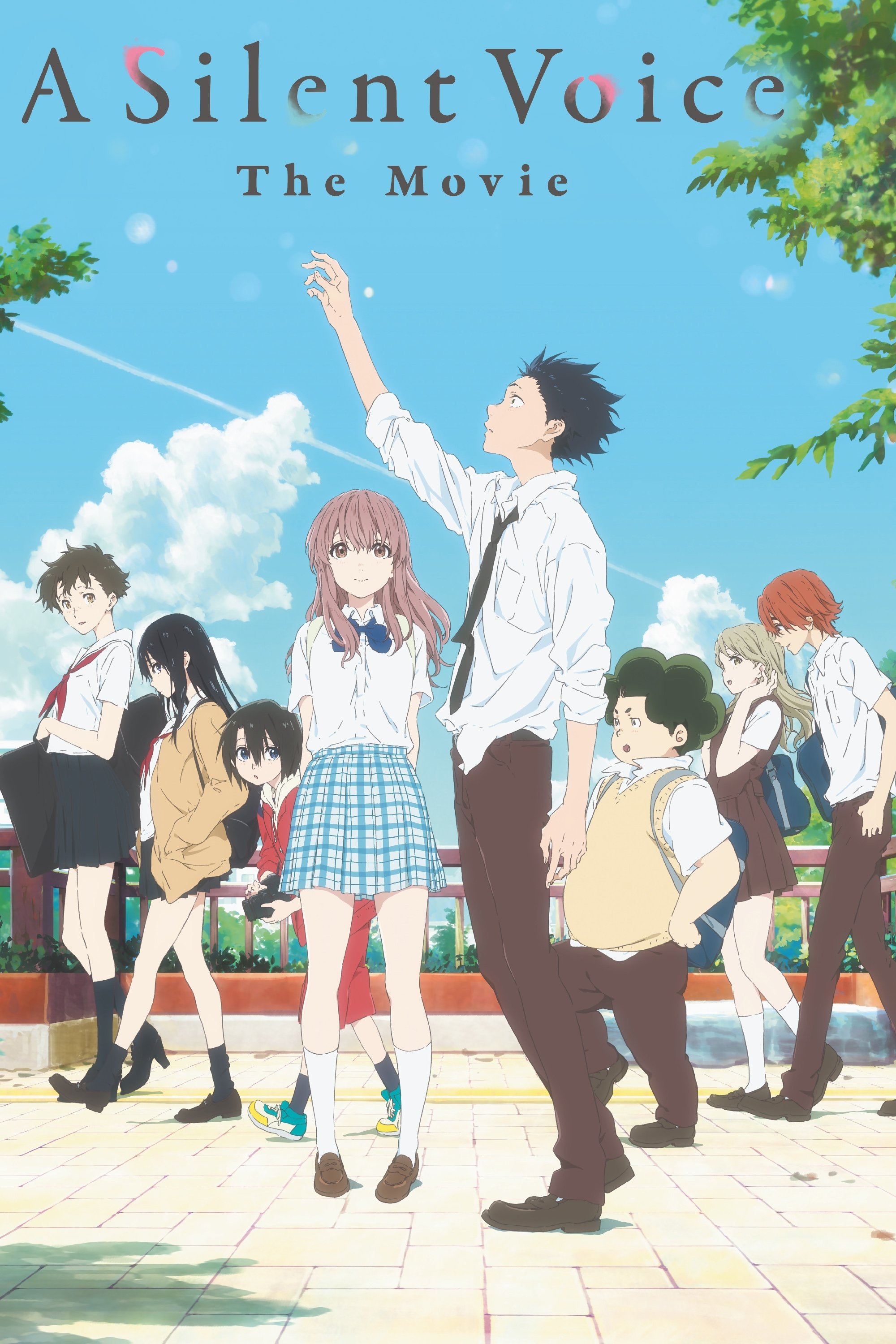
Music drops out during key conversations so chair scrapes, page turns, and subtle shuffles mark beats. Elongated pauses keep reaction shots readable without explanatory lines. The mix emphasizes room tone, making glances and hand movements informational. Silence segments interactions into clear units the viewer can follow.
‘Ghost in the Shell’ (1995) – city drift montage

An urban sequence reduces dialogue and thins the mix so reflections, signage, and waterways communicate world-building. Low-level street noise sits under long, quiet holds that invite scanning of frame details. Repeated motifs gain clarity because the ear isn’t crowded by score. The city’s cadence emerges through restrained sound and measured editing.
‘5 Centimeters per Second’ (2007) – snowfall and station waits
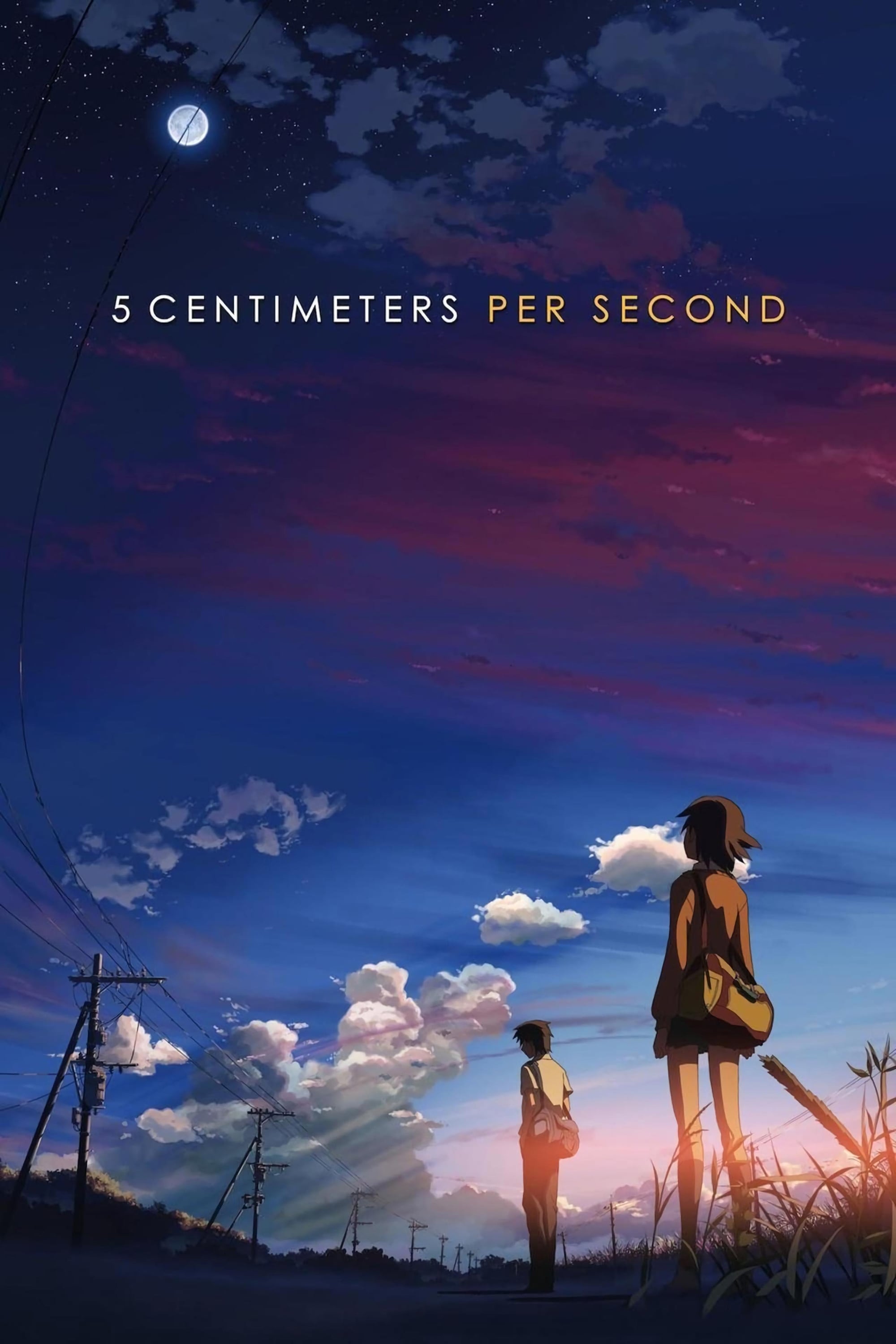
Falling snow and train delays proceed with minimal speech, using mechanical rhythms and weather hush to mark time. Lingering edits highlight small actions like text composition and breath plumes. Ambient sound stays light so on-screen text and framing carry progress. Silence links distance to recurring visual motifs.
‘March Comes in Like a Lion’ (2016–2018) – focused shogi stillness
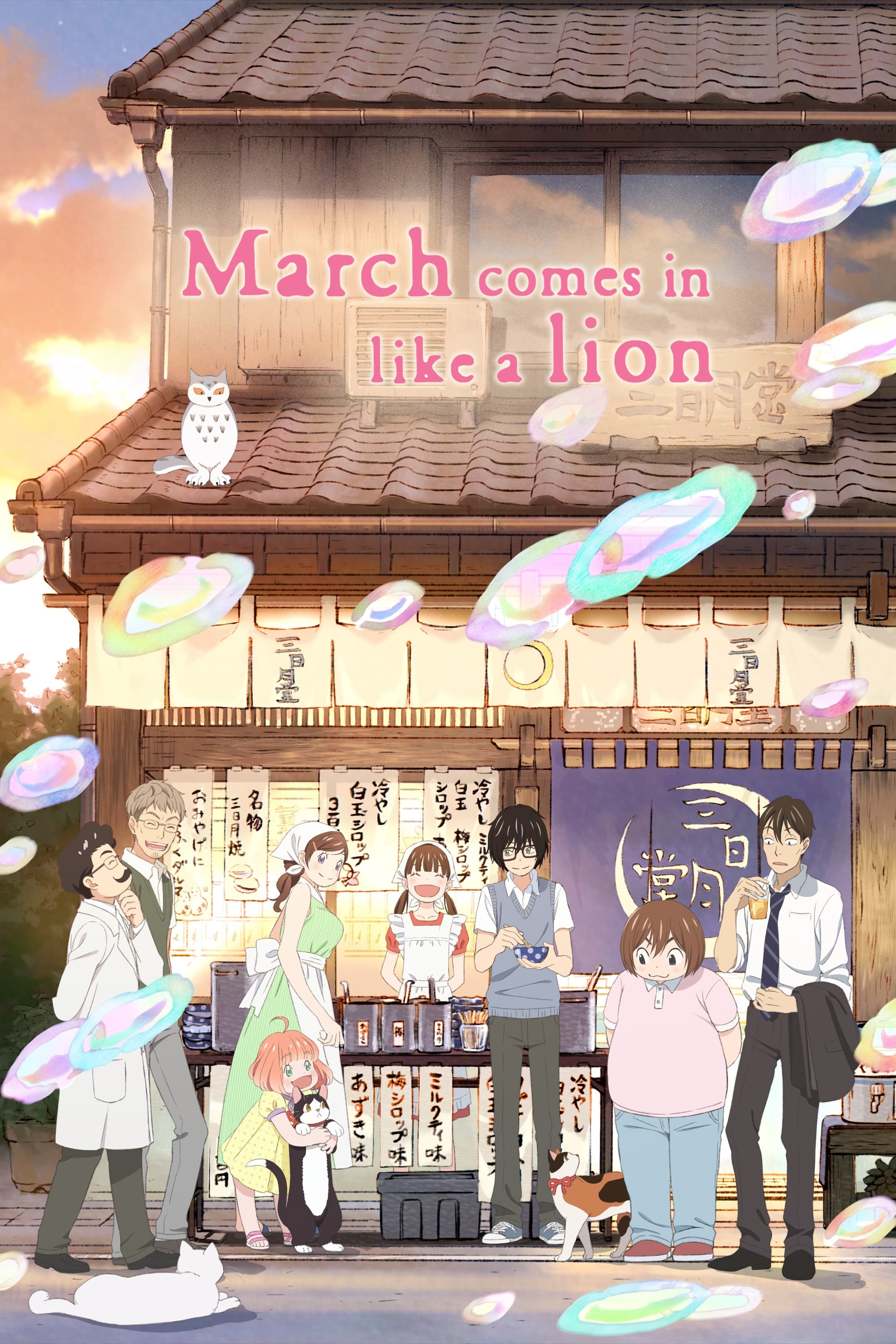
Match scenes lower the soundtrack to spotlight piece taps, clock ticks, and controlled breathing. Quiet gaps between moves operate like punctuation that separates tactical phases. Tight shots of hands and board grids read clearly without musical overlay. The sound field functions as a diagram of thought, beat by beat.
‘Samurai Champloo’ (2004–2005) – pre-duel tension with cicadas

Score recedes while dense summer ambience—cicadas, wind, fabric rustle—forms a steady bed. Wide, patient framing holds position so the first movement registers as a clean break in the quiet. The absence of dialogue preserves spatial clarity before blades cross. When action begins, impact stands out against the preceding hush.
‘Cowboy Bebop’ (1998–1999) – church interior hush

Cathedral acoustics—long reverb and delayed echoes—replace conventional scoring at pivotal beats. Footsteps and falling debris define scale and direction in a tall space. Pauses let vertical compositions and stained glass read without competing audio. Gunshots and glass become structural markers within the silence.
‘Made in Abyss’ (2017) – descent lulls

Passages during descents pare the track down to breathing, rope strain, and distant drips to map verticality. Score withholds to make pressure shifts and fabric friction informative. Stretched holds align with the hush, letting the viewer feel altitude changes. Sparse cues guide orientation through layered depths.
‘Mushi-shi’ (2005–2006) – quiet observation of phenomena
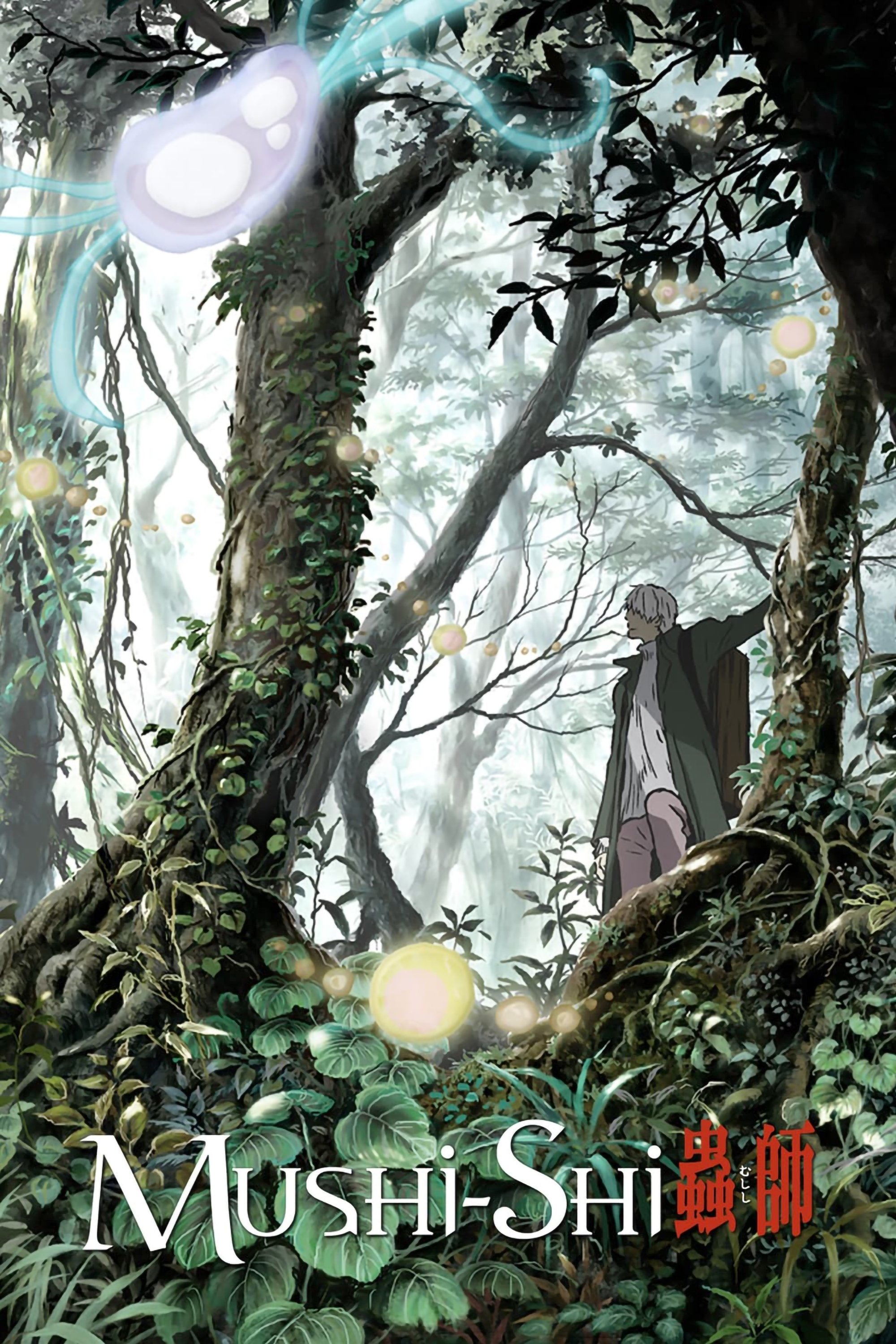
Long, nearly silent shots of forests, mists, and water surfaces provide context before events manifest. Light ambient beds encourage noticing minute visual changes. With dialogue minimized, cause-and-effect is demonstrated through environment. Repeated use of hush establishes a calm, investigative tone.
‘The Tale of the Princess Kaguya’ (2013) – bamboo grove pauses
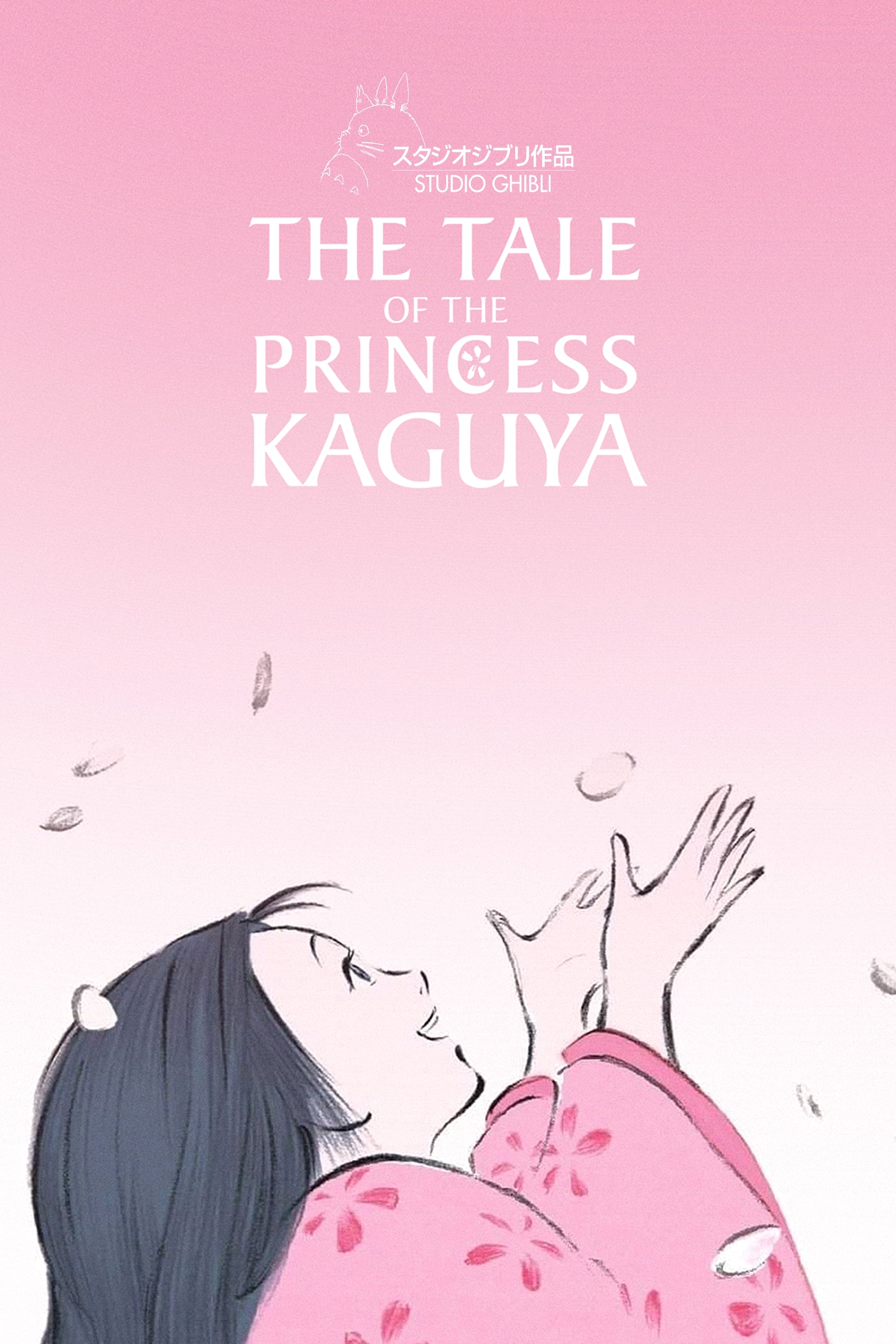
Unscored rural scenes let wind through bamboo and footfall textures set rhythm. Quiet framing heightens brushy backgrounds and soft linework, making motion cues legible. Cut timing follows breath and body momentum rather than musical beats. Seasonal detail comes forward through restrained sound.
‘Grave of the Fireflies’ (1988) – shelter hush and firefly glow
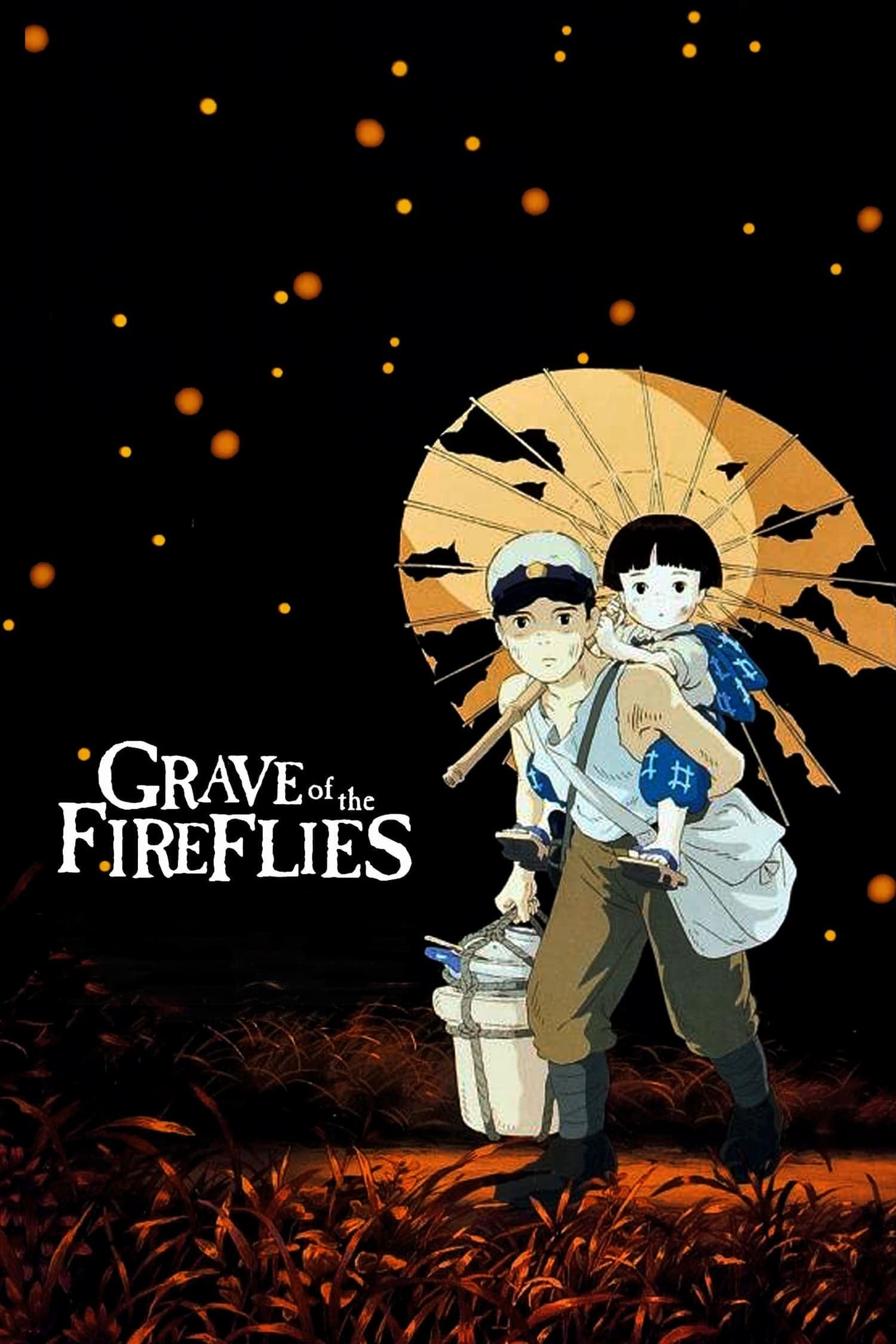
Nighttime scenes maintain near-silence so insect calls and fabric movement carry weight. Precision foley—stirring rice, opening a tin—stands out against the subdued bed. Lantern light and small gestures read as narrative beats without speech. The quiet calibrates scale to everyday actions.
‘Your Name.’ (2016) – transitional quiet between settings
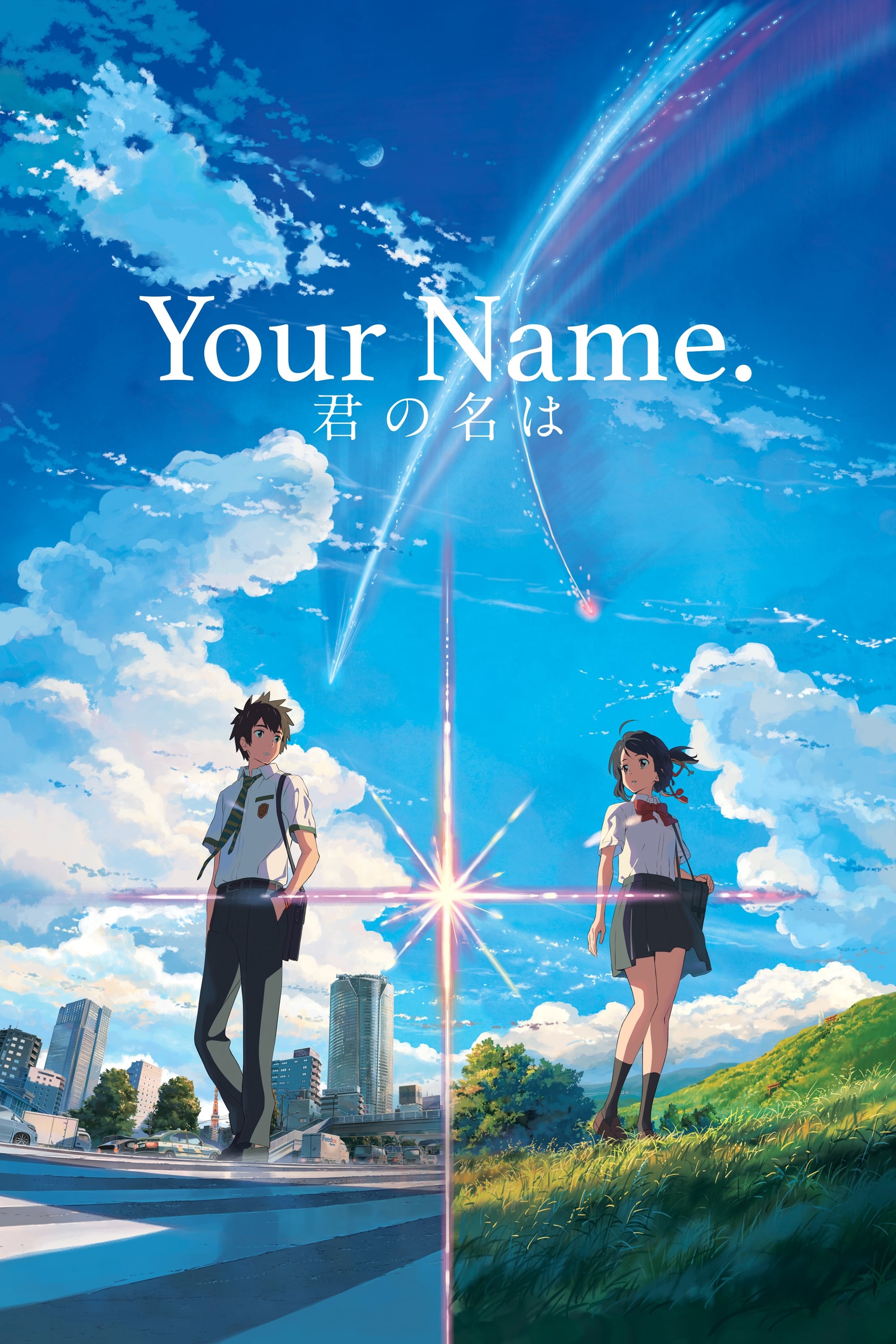
Key handoffs reduce dialogue while station announcements, wind, and footsteps orient location. Score drops at specific cuts so recurring visual motifs supply continuity. Object close-ups and on-screen text communicate identity shifts. Ambient rhythms anchor transitions without verbal explanation.
‘Monster’ (2004–2005) – interrogation gaps

Conversations employ elongated pauses and steady room tone to frame non-answers. Chair creaks and clock ticks measure time passing in stalemates. Camera holds preserve reactions, letting silence carry pressure. The spacing of quiet segments maps shifts in control.
‘Paranoia Agent’ (2004) – hallway voids
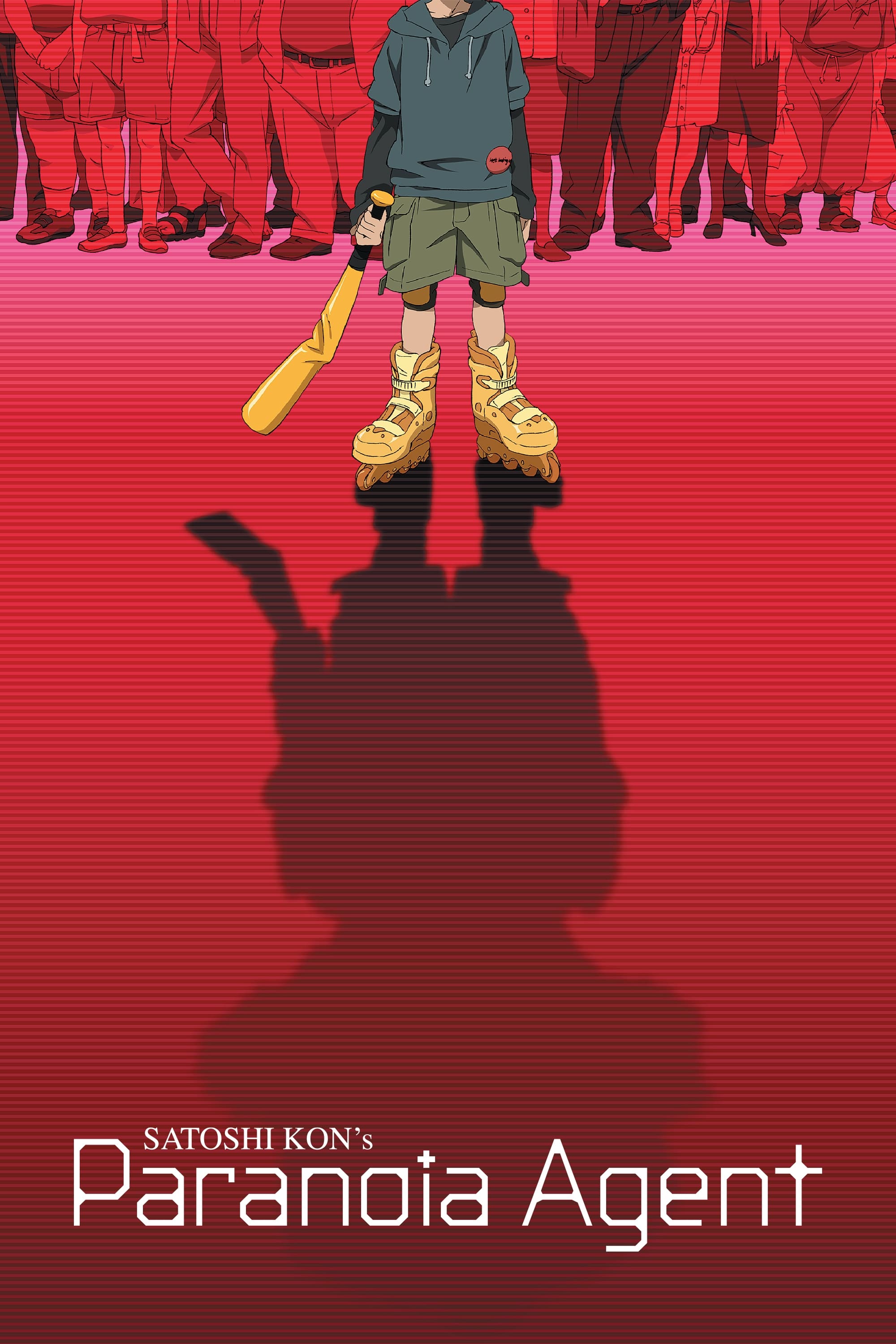
Empty corridors quiet the mix so fluorescent buzz and distant steps dominate. Sparse tracks emphasize spatial uncertainty in institutional settings. Still frames linger long enough for the ear to settle before motion resumes. The effect makes each entrance and exit feel like crossing an acoustic threshold.
‘Erased’ (2016) – time-slip freezes

Moments around a temporal shift thin to soft ambience or full hush to mark boundaries. Visuals—condensed breath, suspended snow—carry the transfer between states. Single foley elements return first, clarifying the restart of action. Silence frames the handover as a discrete, perceivable beat.
‘Death Note’ (2006–2007) – strategic quiet during gambits
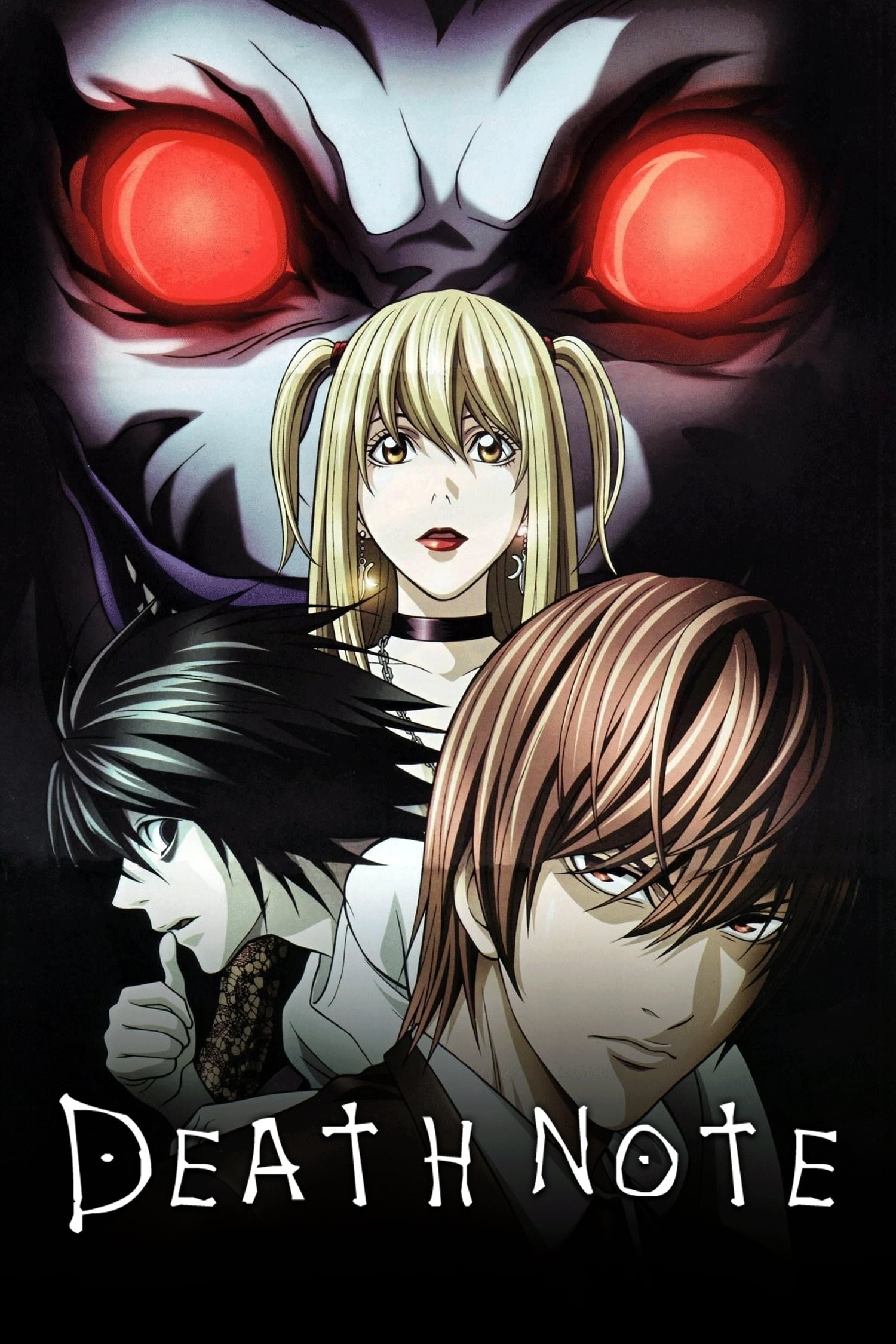
Planning sequences mute score and reduce dialogue so pen scratches, page turns, and ticks become primary data. Isolated shots of hands and eyes read as steps in a procedure. Quiet intervals separate logical moves into digestible units. The mix treats writing and observation as the scene’s central actions.
‘Attack on Titan’ (2013–2023) – pre-breach stillness

Before operations, soundscapes simplify to wind, leather checks, and gear adjustments. Dialogue is minimal, delaying any musical surge until movement begins. Slowed camera motion preserves spatial orientation. The contrast between staged quiet and subsequent impact clarifies the operation’s phases.
‘Haikyu!!’ (2014–2020) – serve-toss hush

Crowd and music levels drop during toss and contact so approach steps and ball spin are audible. Brief holds and slow-downs coincide with the muted moment for clarity. The strike’s instant reads cleanly because competing audio is withheld. Silence isolates technique details for the viewer.
‘Ping Pong the Animation’ (2014) – breath-held rallies

Peak exchanges often slip into near-silence, leaving shoe squeaks and table hits as markers. Score reenters after key points to maintain contrast. Smears and sharp cuts remain readable with fewer sonic inputs. The quiet turns momentum changes into discrete signals.
‘Demon Slayer: Kimetsu no Yaiba’ (2019–2024) – battle micro-silences
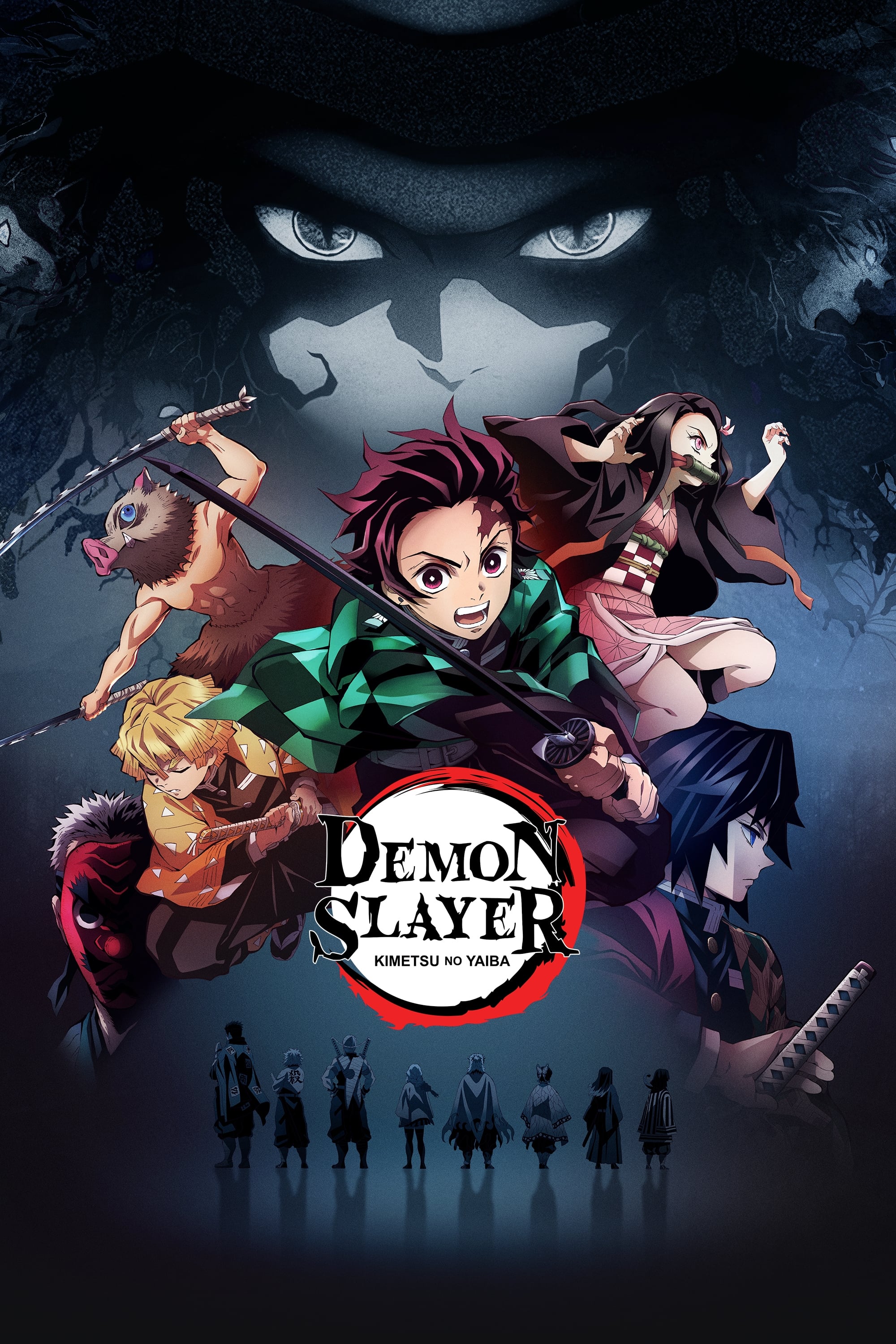
Action forms insert brief holds where only wind or water sits in the track. These micro-pauses spotlight blade paths and posture resets. Effects crash back in on impact to heighten contrast. The structure improves choreography readability through disciplined sound.
‘The Wind Rises’ (2013) – workshop winds and drafting
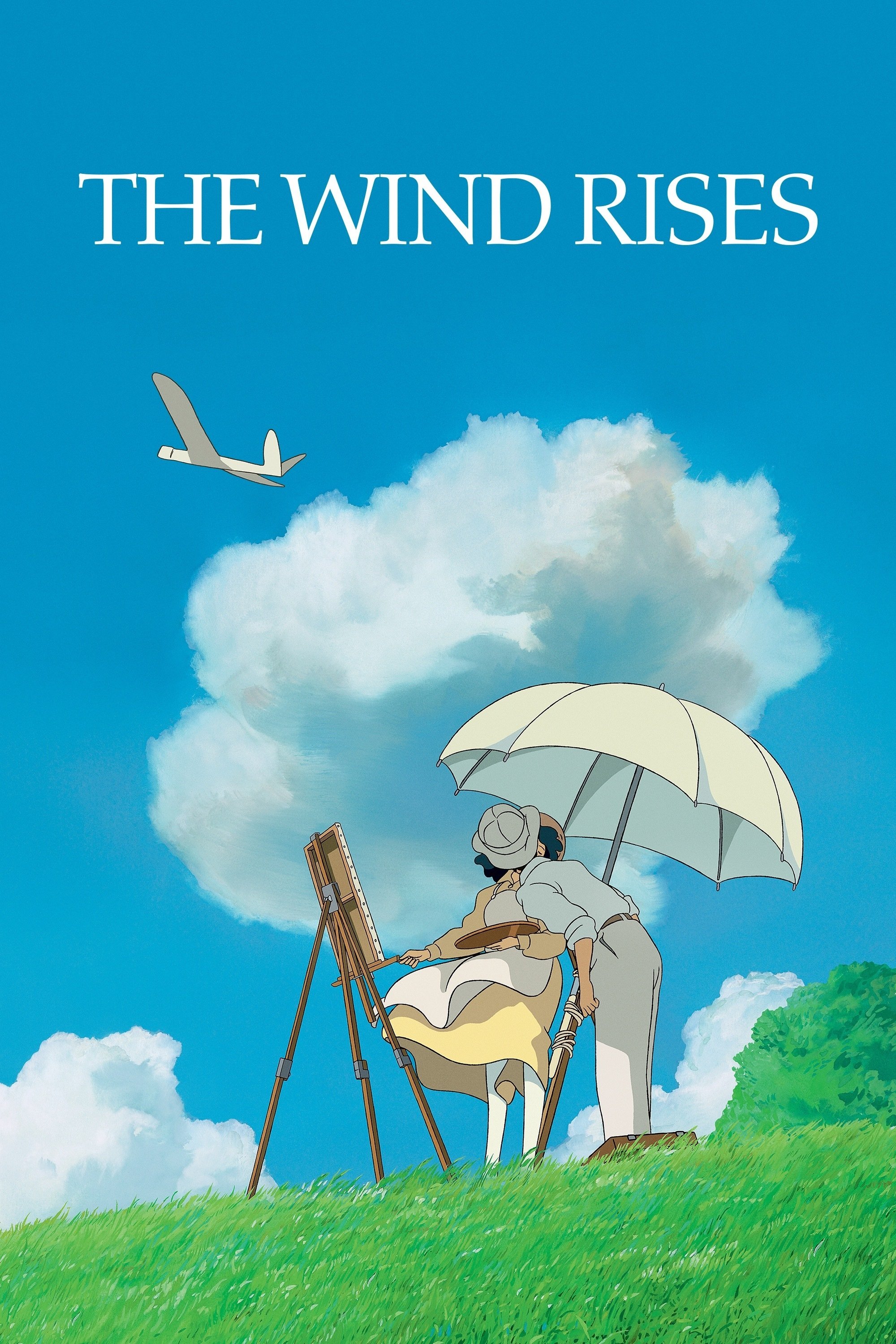
Design scenes keep score minimal so pencil strokes, sanding, and breeze define tempo. Mechanical details gain acoustic prominence within the quiet field. Steady shots let tools and materials communicate process. The subdued mix links creative work to controlled stillness.
‘Berserk’ (1997–1998) – eclipse onset hush
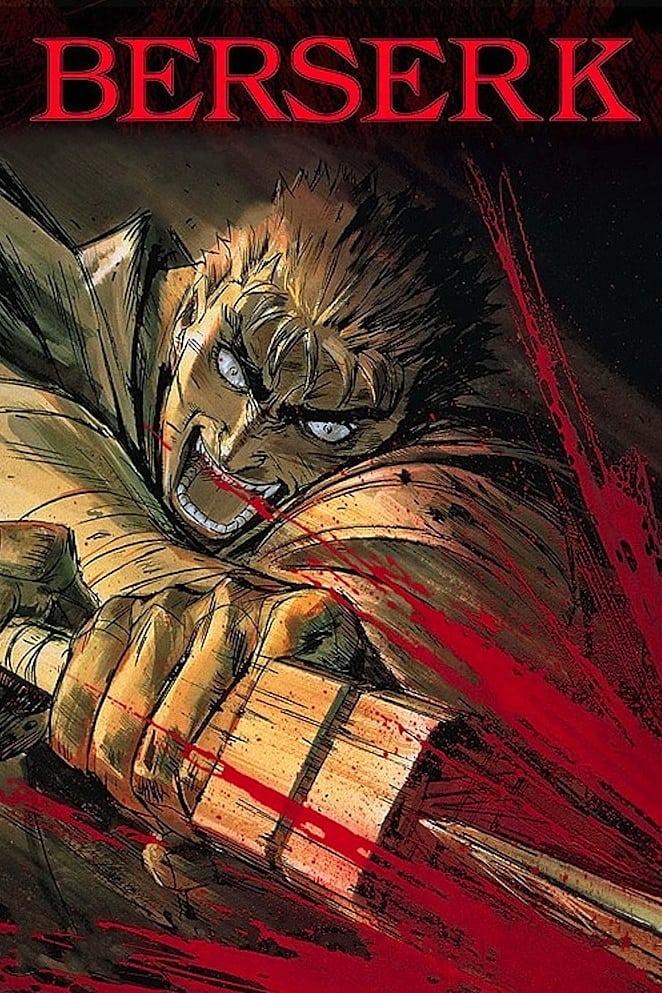
Atmosphere narrows to subdued ambience ahead of a catastrophic turn. Fluttering fabric and distant rumbles become the only cues before escalation. Extended holds let environmental changes register. The constructed silence delineates a threshold the story is about to cross.
Share your favorite quiet moments from anime in the comments and tell everyone which scenes you think use silence most effectively.