Tarantino’s Unfiltered Verdict on Stanley Kubrick and the Film He Called Pure Hypocrisy

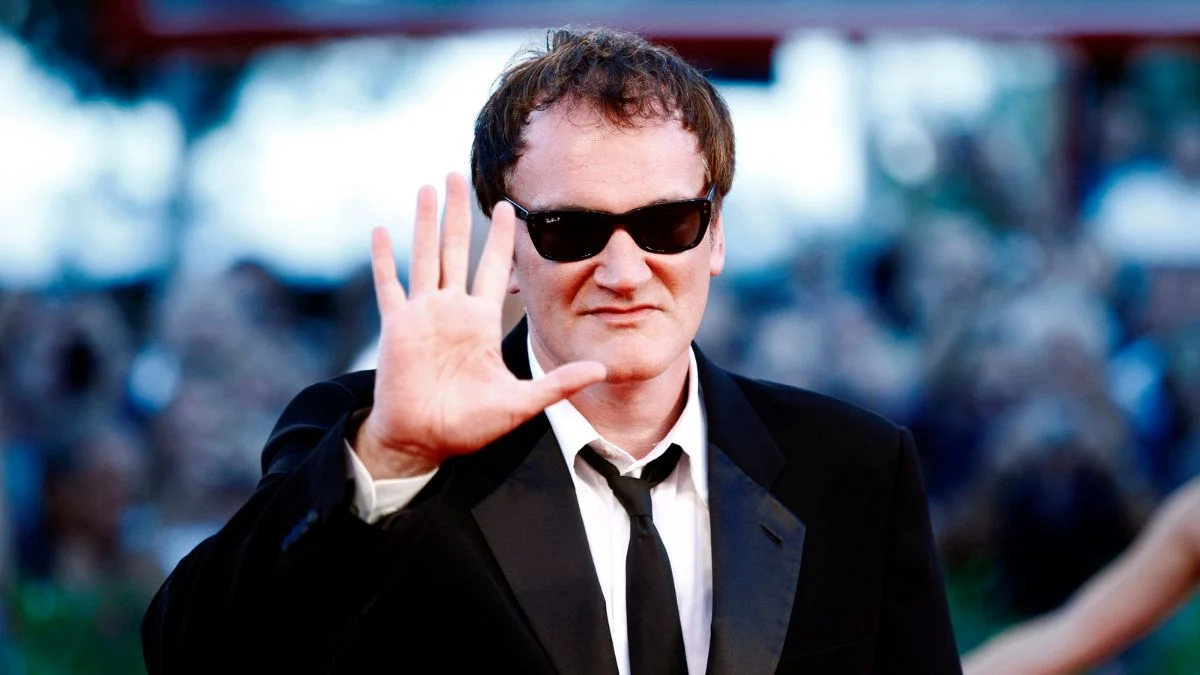

Few filmmakers in Hollywood history have been as outspoken about their contemporaries and predecessors as Quentin Tarantino. The director behind ‘Pulp Fiction’ and ‘Reservoir Dogs’ has built a reputation not just for his visceral, genre-bending films but also for his willingness to challenge the reputations of directors most cinephiles treat as untouchable. His opinions on cinema are as sharp and uncompromising as the films he makes, and no target has drawn more colorful commentary from him than the legendary Stanley Kubrick.
Tarantino has never hidden behind the idea that cinematic violence serves some higher moral purpose. He openly admits that his use of bloodshed is for entertainment only, a philosophy that puts him in direct philosophical opposition to Kubrick, whose films were frequently positioned as morally complex meditations on human darkness. That fundamental disagreement became the foundation for one of Tarantino’s most talked-about critical takedowns.
In a conversation with The New Yorker in 2003, conducted ahead of the release of his martial arts epic ‘Kill Bill’, Tarantino unloaded on Kubrick’s landmark dystopian film ‘A Clockwork Orange’, accusing the director of a fundamental dishonesty about his own work. “I always thought Kubrick was a hypocrite,” he told the publication, “because his party line was, I’m not making a movie about violence, I’m making a movie against violence.”
The criticism didn’t stop there. Tarantino went on to accuse Kubrick of essentially lying to himself and his audience about the pleasure he took in crafting the film’s most savage material, insisting that Kubrick “couldn’t keep it in his pants” during the editing and scoring of the opening sequence, and adding that any denial of that enjoyment made the director a liar. It was a striking charge to level at one of cinema’s most revered figures, and it landed with the kind of unfiltered bluntness that has always defined Tarantino’s public persona.
What makes the critique particularly fascinating is that Tarantino actually admires the opening of ‘A Clockwork Orange’ enormously, once describing it to The New Yorker as “as poppy and visceral and perfect a piece of cinematic moviemaking as I think had ever been done up until that time.” The problem, in his view, was never the violence itself but the intellectual dishonesty Kubrick wrapped around it. He acknowledged that those first twenty minutes were “pretty fucking perfect” before pivoting to the hypocrisy charge, suggesting that Kubrick privately relished what he publicly disavowed.
For Tarantino, the main issue with ‘A Clockwork Orange’ was not its content but the gap between what Kubrick claimed the film was doing and what it was actually doing in practice. The film itself was no stranger to controversy, having been withdrawn from British cinemas at Kubrick’s own request after it was cited as a possible influence behind copycat acts of violence, a decision that only deepened the debate around what the film was actually saying about brutality.
Tarantino’s complicated feelings about Kubrick extended beyond ‘A Clockwork Orange’, with the director also labeling Kubrick’s adaptation of ‘Lolita’ as “fraudulent” and going so far as to call Adrian Lyne’s later remake a masterpiece by comparison. While Tarantino has consistently praised directors like Brian De Palma, Howard Hawks, and Steven Spielberg, his admiration for Kubrick has always come laced with reservations, finding his films too cold and emotionally detached to connect with on a personal level.
The debate Tarantino reignited with these comments cuts straight to one of cinema’s oldest fault lines: whether violent films can ever honestly claim they are critiquing the very thing that makes them exciting. Where do you stand on Tarantino’s charge that Kubrick was being dishonest about his own relationship with the violence in ‘A Clockwork Orange’?