The All-Time Greatest Martial Arts Actors



Martial arts cinema has shaped action storytelling for generations, blending real training with screen choreography that still inspires new performers. These actors built careers on discipline, athletic precision, and inventiveness that pushed filming techniques forward and opened doors across global markets. Their work spans classic Hong Kong studios, independent breakthroughs, and modern blockbusters that bring specialized styles to mainstream audiences. Here are the figures whose screen fighting skills and training histories made a lasting mark on film.
Bruce Lee
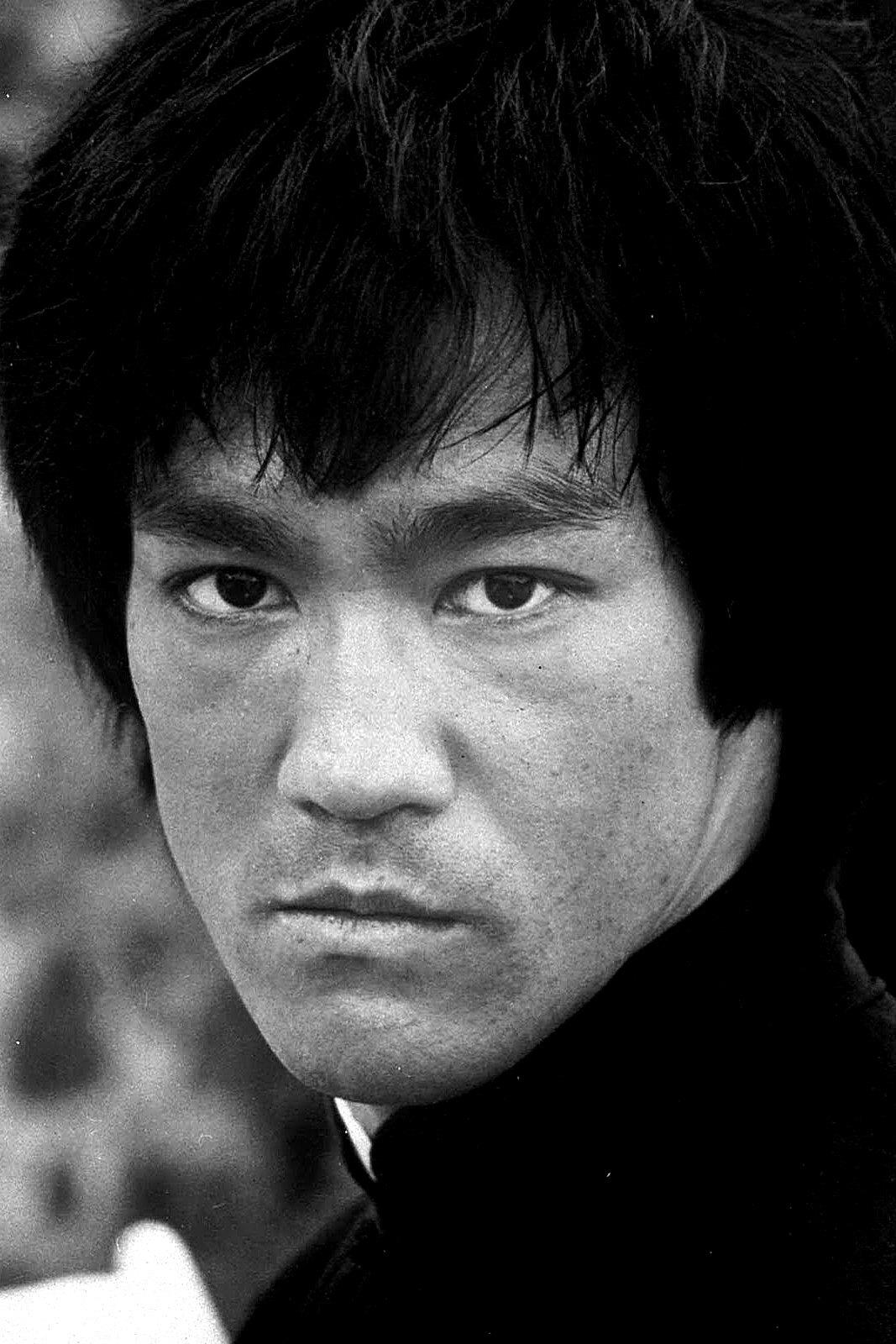
Bruce Lee popularized Chinese martial arts worldwide through a short but transformative film career. He trained in Wing Chun and integrated footwork, boxing, and fencing concepts into Jeet Kune Do. His choreography emphasized speed, economy of motion, and clear storytelling beats that editors could follow. Films like ‘Enter the Dragon’ and ‘The Way of the Dragon’ helped studios recognize the global box office potential of martial arts movies.
Jackie Chan
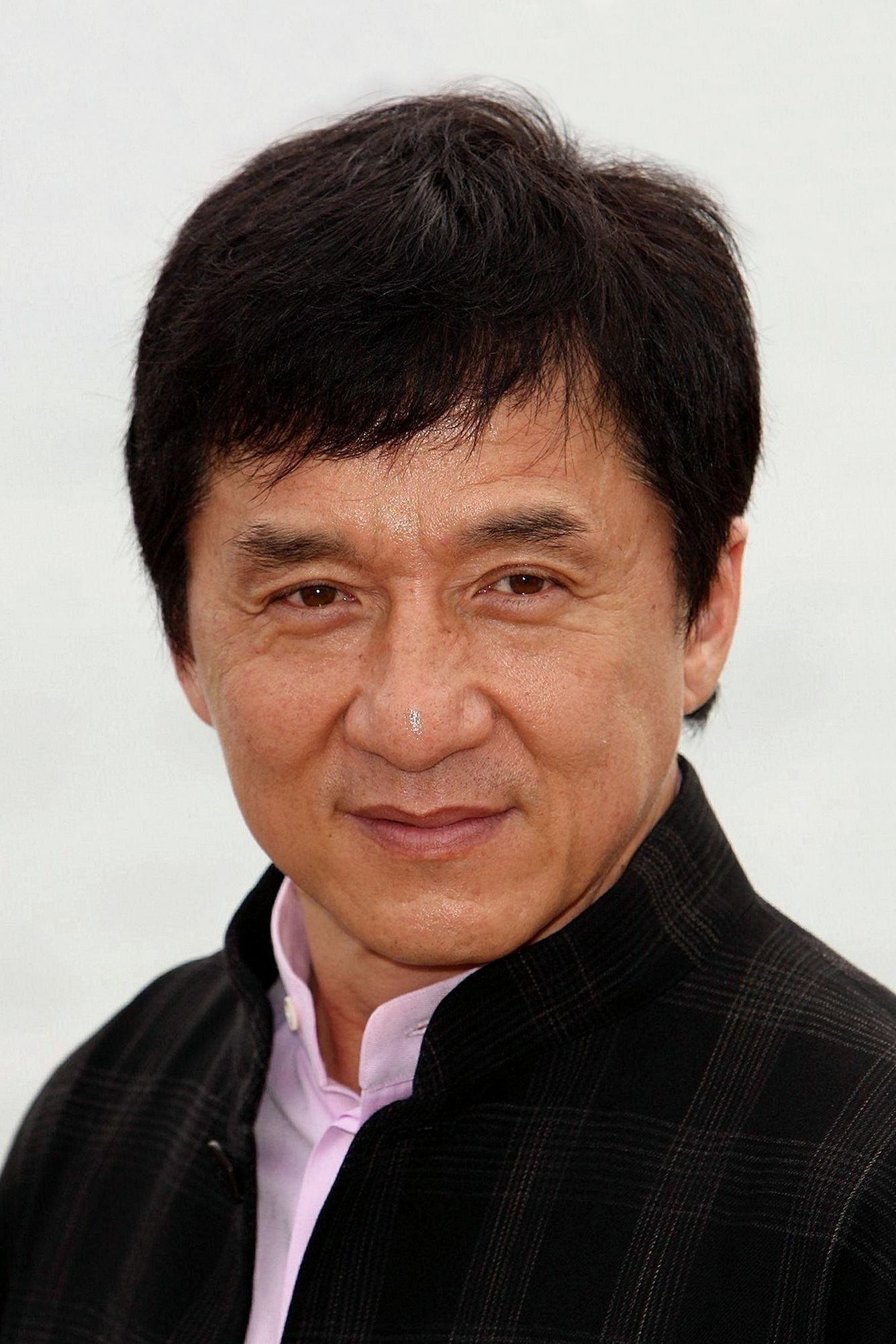
Jackie Chan combined Cantonese opera acrobatics with inventive stunt work that he designed and performed himself. He built fight scenes around everyday props and complex timing that demanded wide shots and long takes. His stunt team systemized rehearsals and safety planning for fast moving set pieces. Hits such as ‘Police Story’ and ‘Drunken Master’ influenced action comedy across Asia and Hollywood.
Jet Li
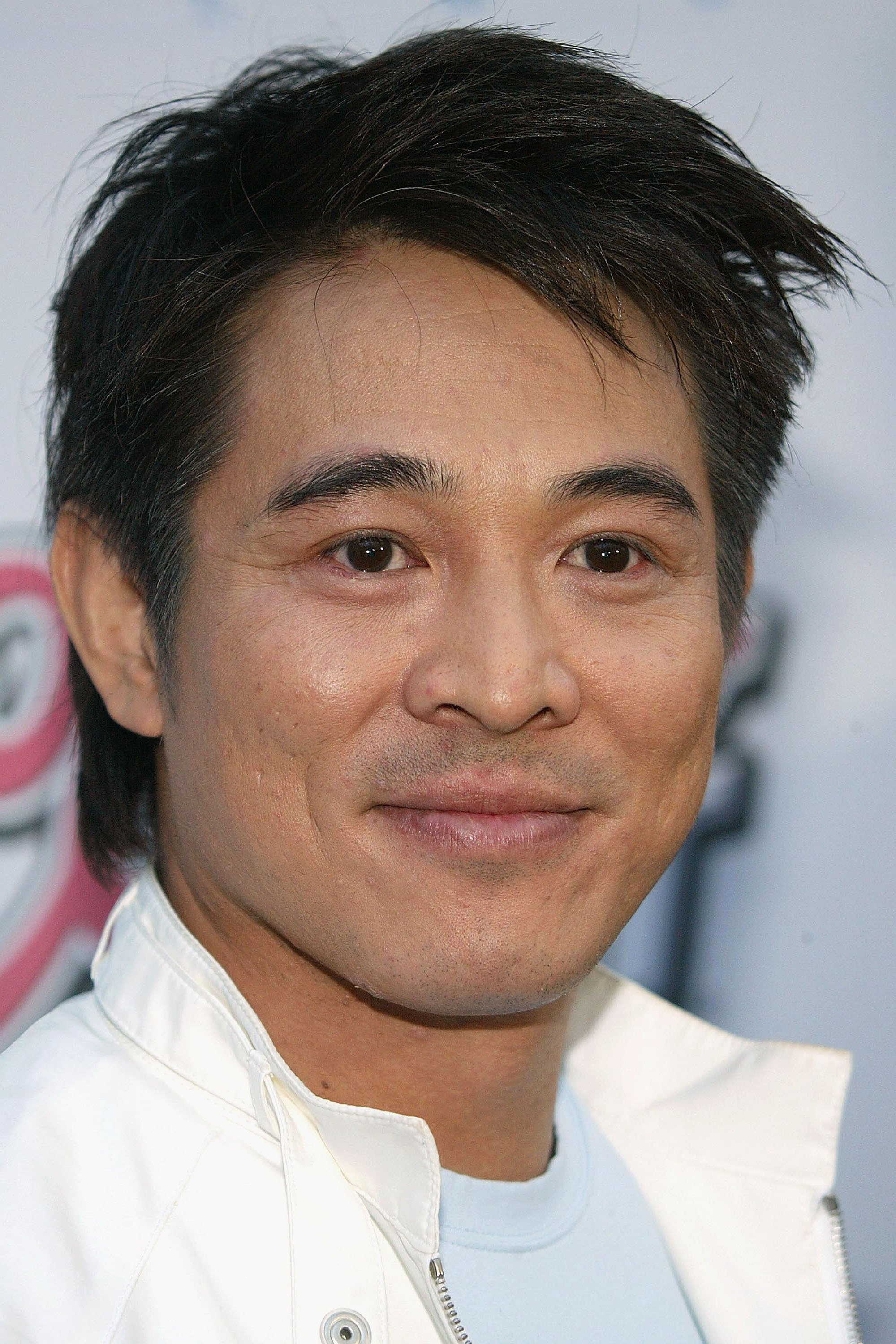
Jet Li began as a national wushu champion before transitioning to film with polished forms and powerful weapon work. He brought classical northern styles to large scale period epics and modern thrillers alike. Directors relied on his precise technique to anchor wire assisted choreography with grounded movement. Key films include ‘Once Upon a Time in China’ and ‘Hero’.
Donnie Yen
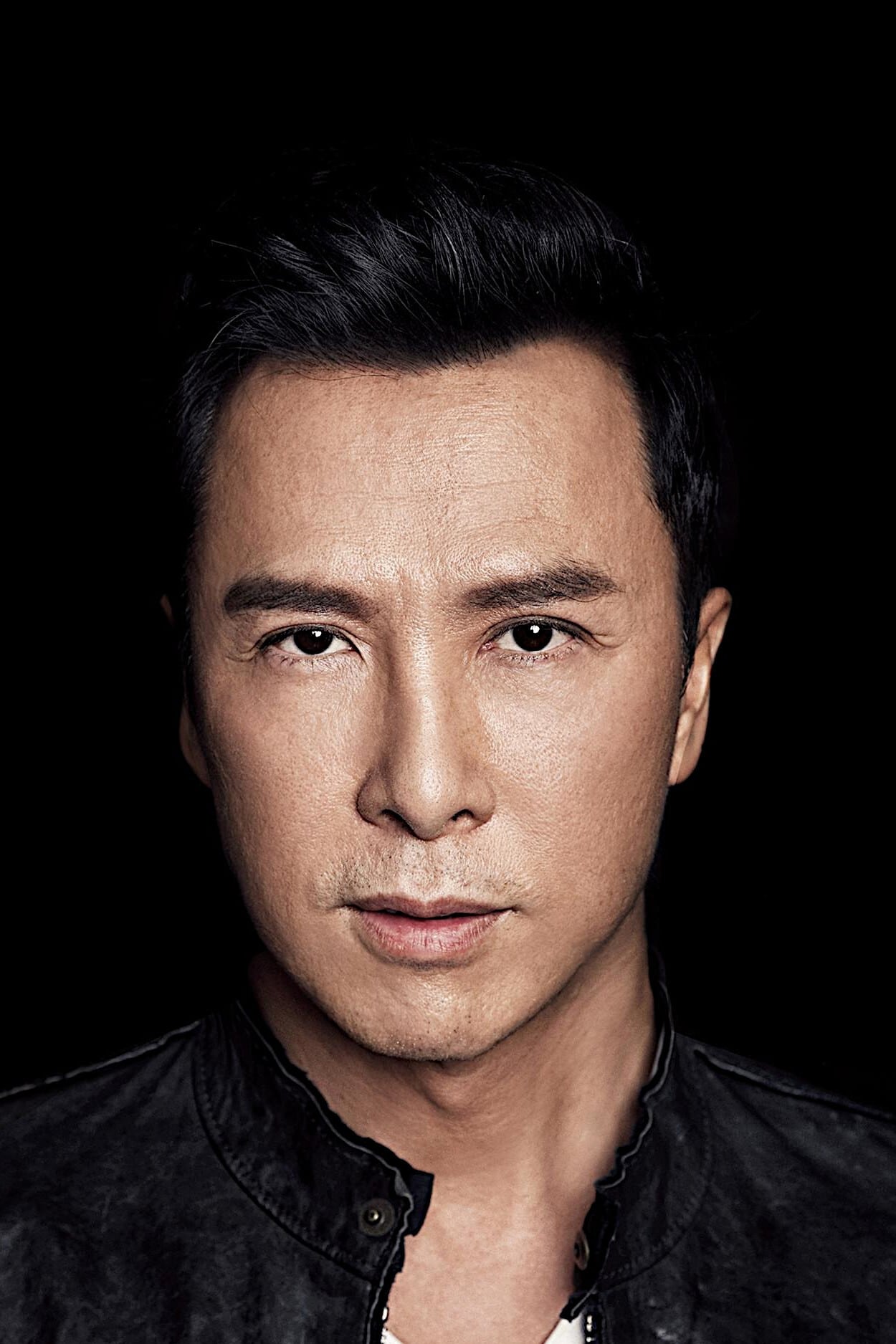
Donnie Yen blended traditional training with boxing, grappling, and contemporary rhythm to create modern screen realism. He collaborated closely with action directors to adjust camera speed and cutting patterns around his movement. The ‘Ip Man’ series showcased structured Wing Chun exchanges built for narrative progression. He also served as action director on multiple projects, shaping Hong Kong’s transition into mixed style screen fighting.
Michelle Yeoh
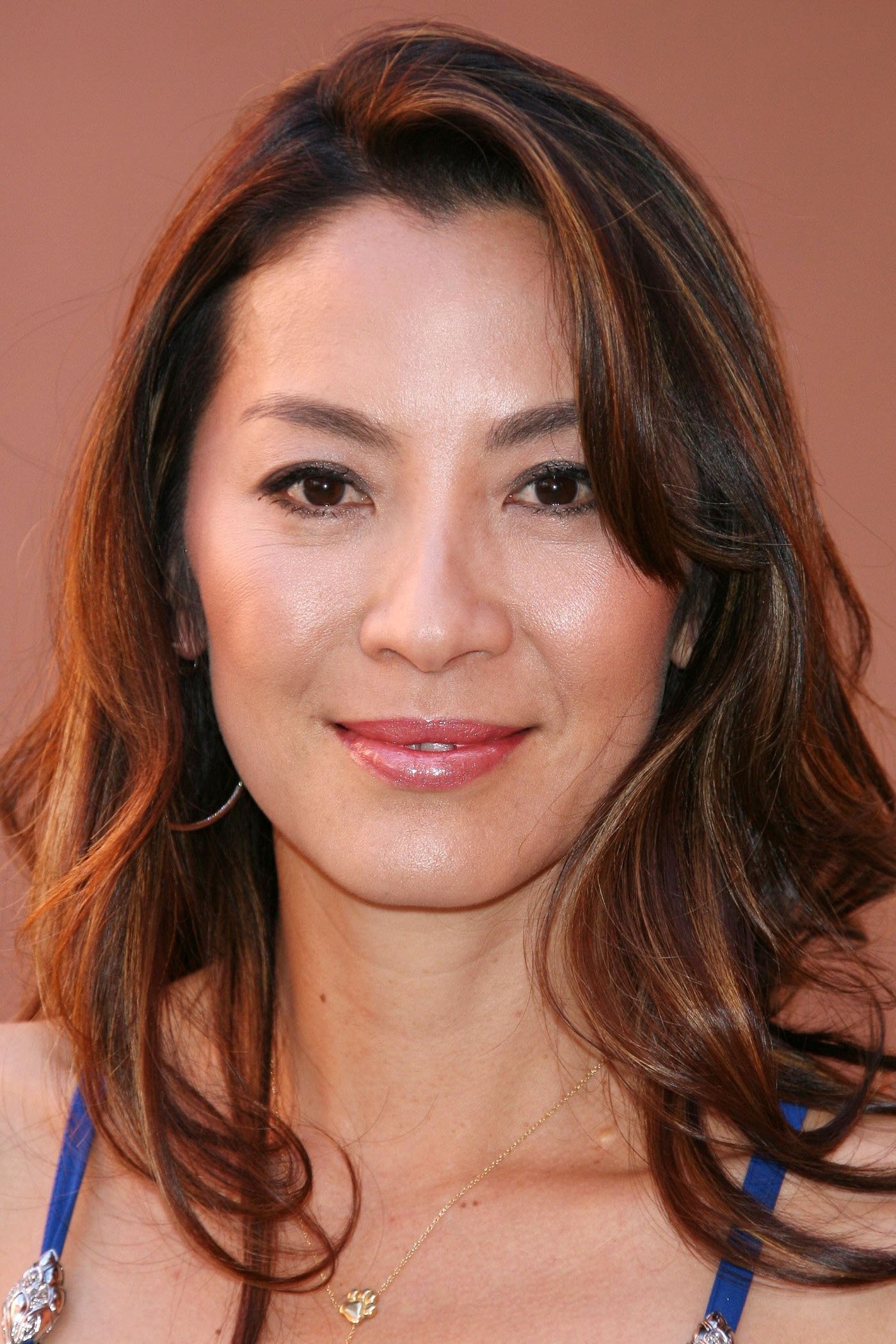
Michelle Yeoh trained in dance and adapted that foundation to intricate weapon and wire choreography. She performed extensive stunt work herself and worked with leading action directors in both period and contemporary settings. Her roles in ‘Yes, Madam’ and ‘Crouching Tiger, Hidden Dragon’ demonstrated precision with timing and partner work. She later carried those skills into major franchises while maintaining hands on involvement in action design.
Sammo Hung
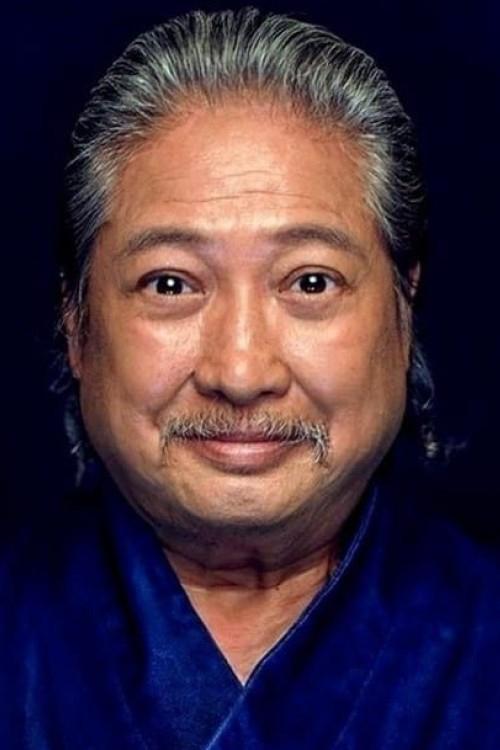
Sammo Hung helped define modern Hong Kong action through directing, acting, and stunt coordination. A graduate of the Peking Opera tradition, he emphasized rhythm changes, ensemble timing, and spatial clarity. He mentored performers and built sequences that balanced comedy with full contact exchanges. Notable work spans ‘Eastern Condors’, ‘Pedicab Driver’, and extensive behind the scenes choreography credits.
Gordon Liu
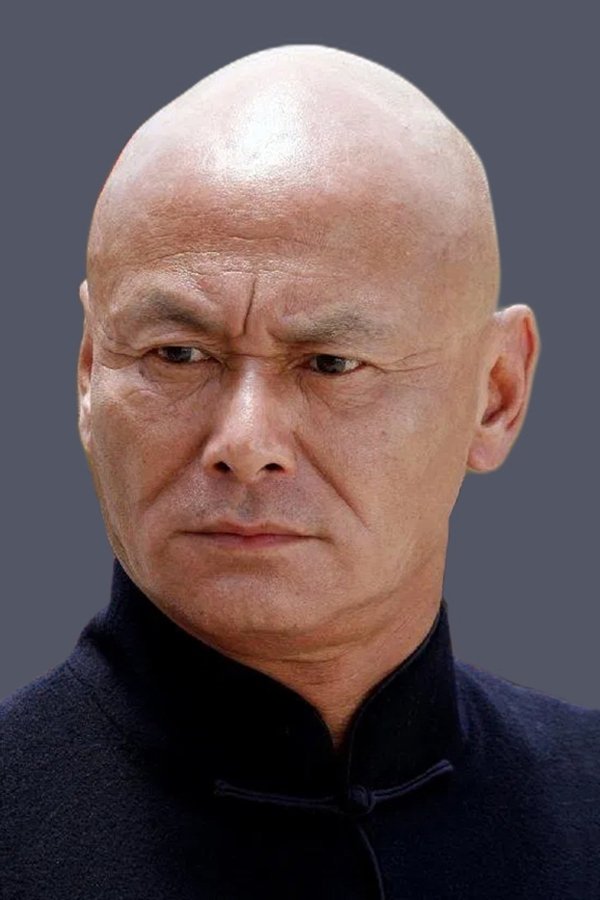
Gordon Liu became a Shaolin cinema icon with disciplined forms and strong stage presence. He trained under the Lau family and worked closely with director Lau Kar Leung on technique driven choreography. ‘The 36th Chamber of Shaolin’ set a template for training montages and weapon progressions. He later returned to global screens with memorable appearances that honored his classic image.
Tony Jaa
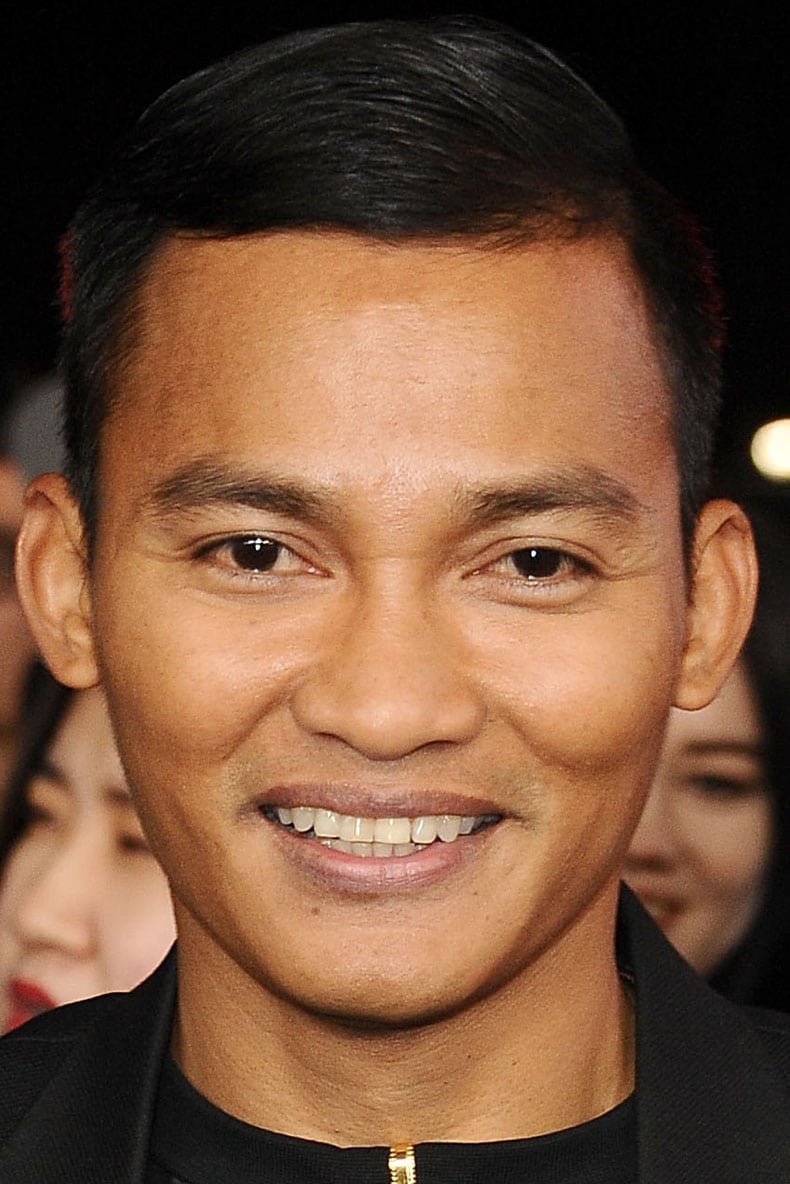
Tony Jaa introduced a Muay Thai showcase built on elbow and knee strikes executed without wire assistance. His stunt team designed chase sequences and vertical movement that highlighted real impact. ‘Ong Bak’ and ‘The Protector’ revived interest in Thai action filmmaking and practical stunt design. He expanded into international productions while preserving the core elements of his style.
Yuen Biao
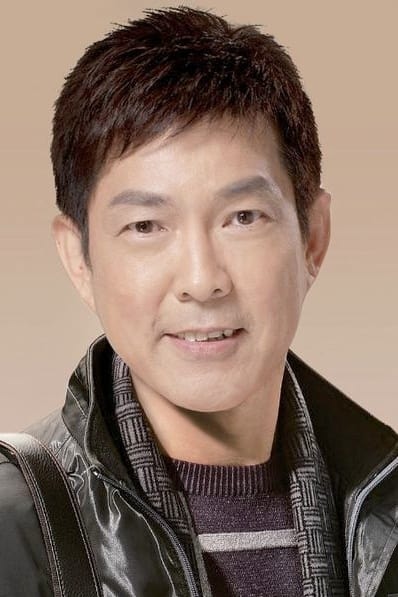
Yuen Biao brought elite acrobatics from opera school training to high speed fights and rooftop stunts. He often partnered with Jackie Chan and Sammo Hung to craft trio rhythms with clean geography. Films such as ‘Knockabout’ and ‘Prodigal Son’ feature intricate exchanges that rely on balance and spinning footwork. His athletic baseline supported both comedy and serious period action.
Cynthia Rothrock
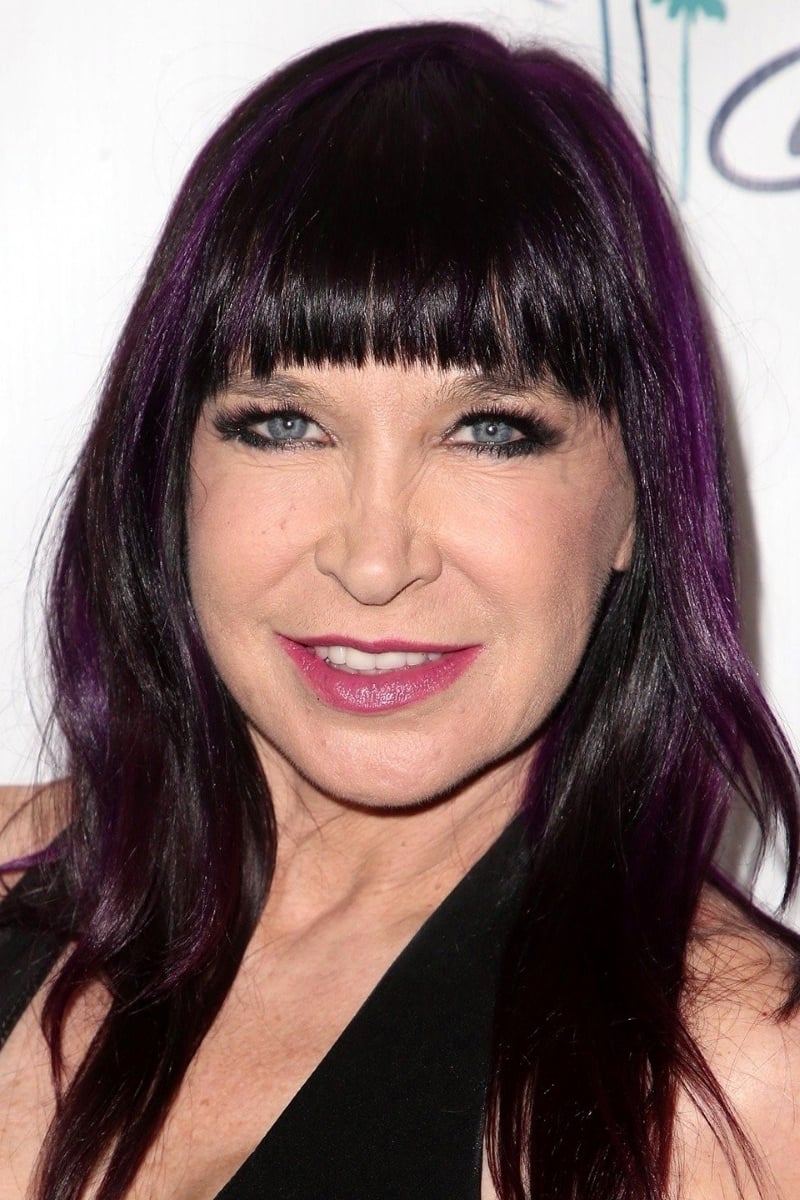
Cynthia Rothrock moved from competitive forms and weapons into Hong Kong and American productions with strong kicking technique. She collaborated with action directors to translate tournament skills into cinematic combinations. Early roles like ‘Yes, Madam’ and ‘Righting Wrongs’ placed her in ensemble set pieces with veteran stunt teams. She later led a wave of American direct to video action anchored by consistent technique.
Chuck Norris
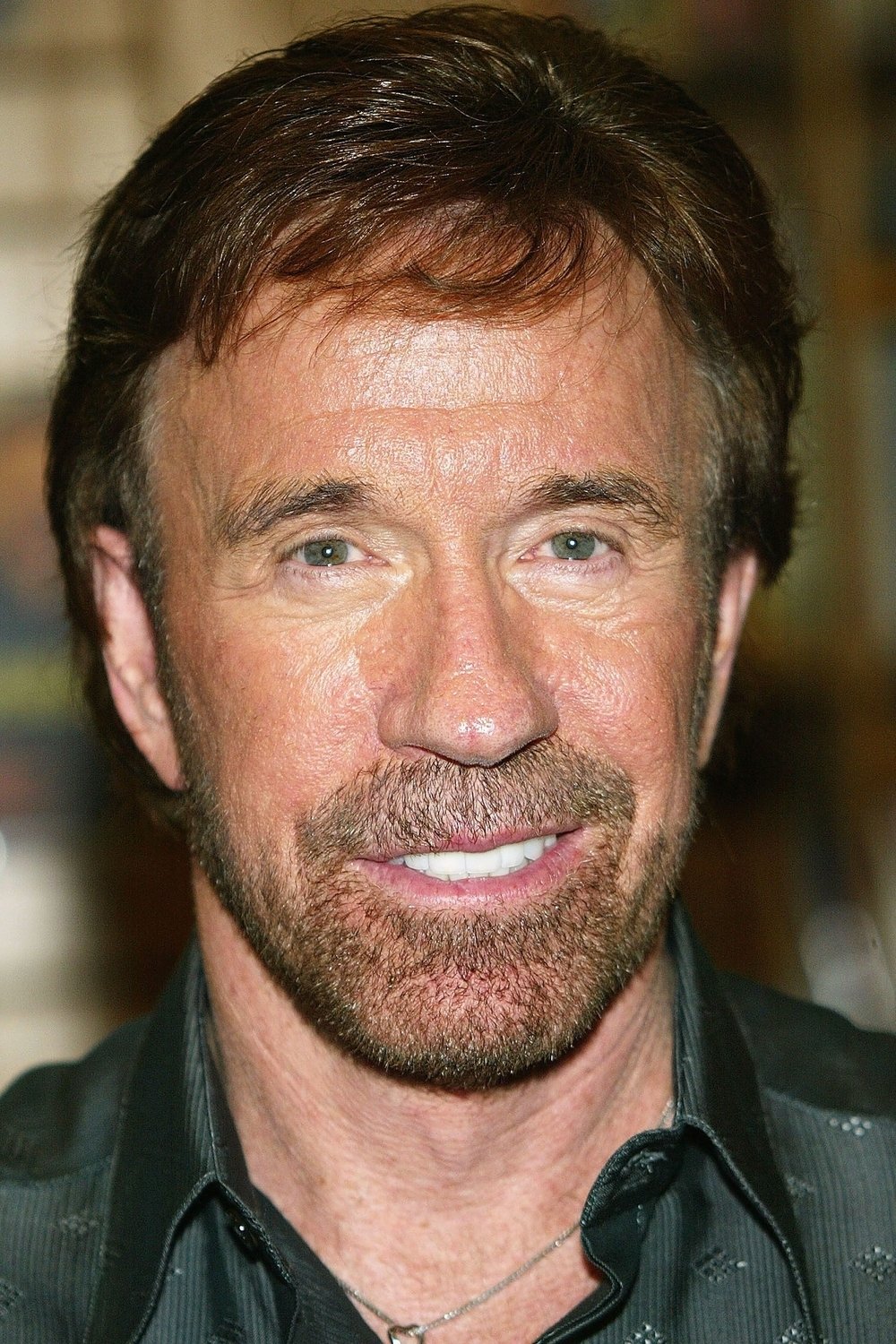
Chuck Norris transitioned from karate championships to film, bringing point fighting speed and disciplined footwork. His screen style emphasized linear kicks, step in strikes, and straightforward coverage. Titles like ‘Way of the Dragon’ and ‘Missing in Action’ connected tournament pedigree to military themed narratives. He also helped popularize training through books and televised programs.
Jean-Claude Van Damme
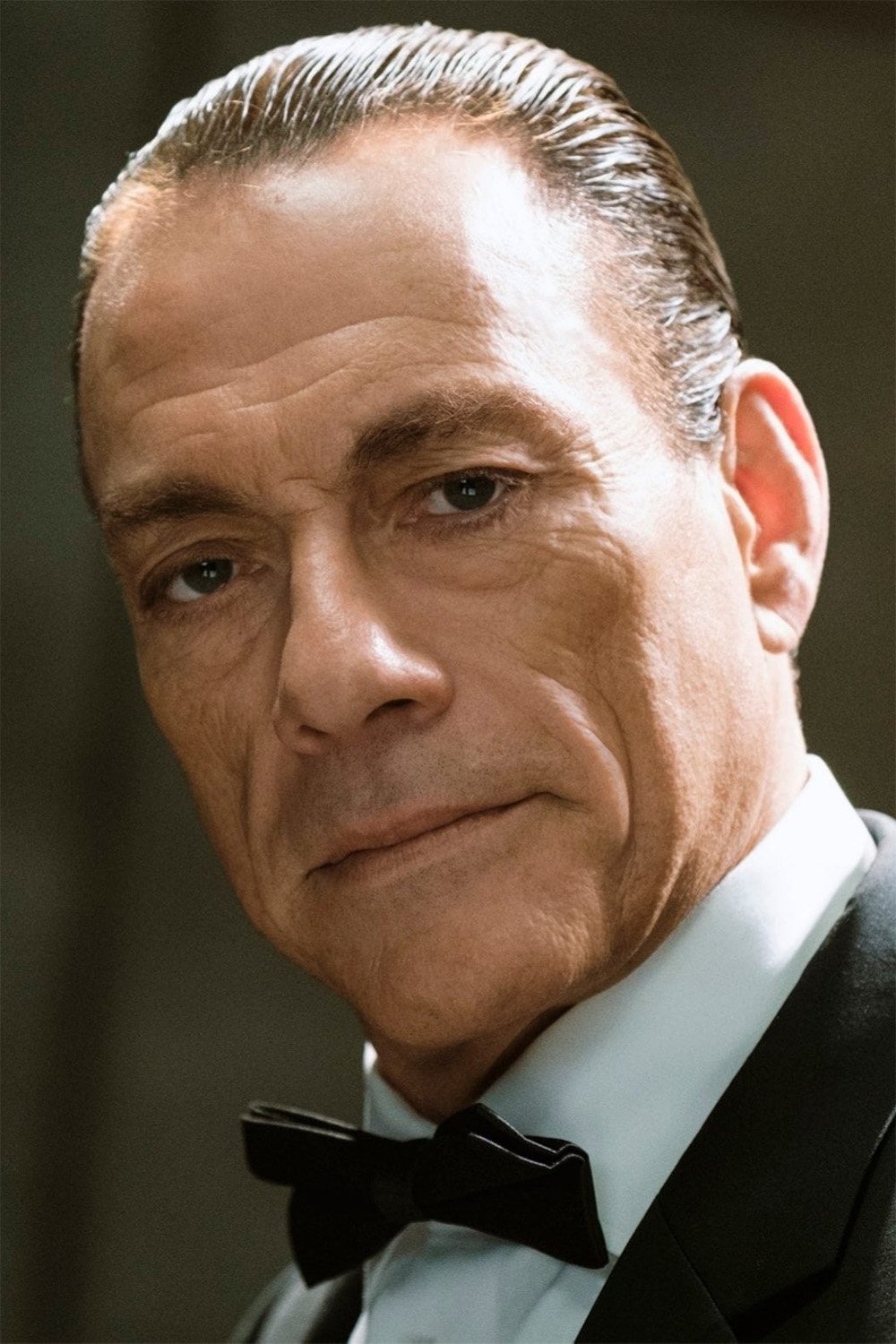
Jean-Claude Van Damme used a kickboxing and karate background to deliver clean, camera friendly technique. Editors highlighted his flexibility with high round kicks and split based poses that became visual signatures. Films such as ‘Bloodsport’ and ‘Kickboxer’ framed tournament structures around escalating opponent styles. He later produced and choreographed projects that tailored coverage to his rhythm.
Steven Seagal
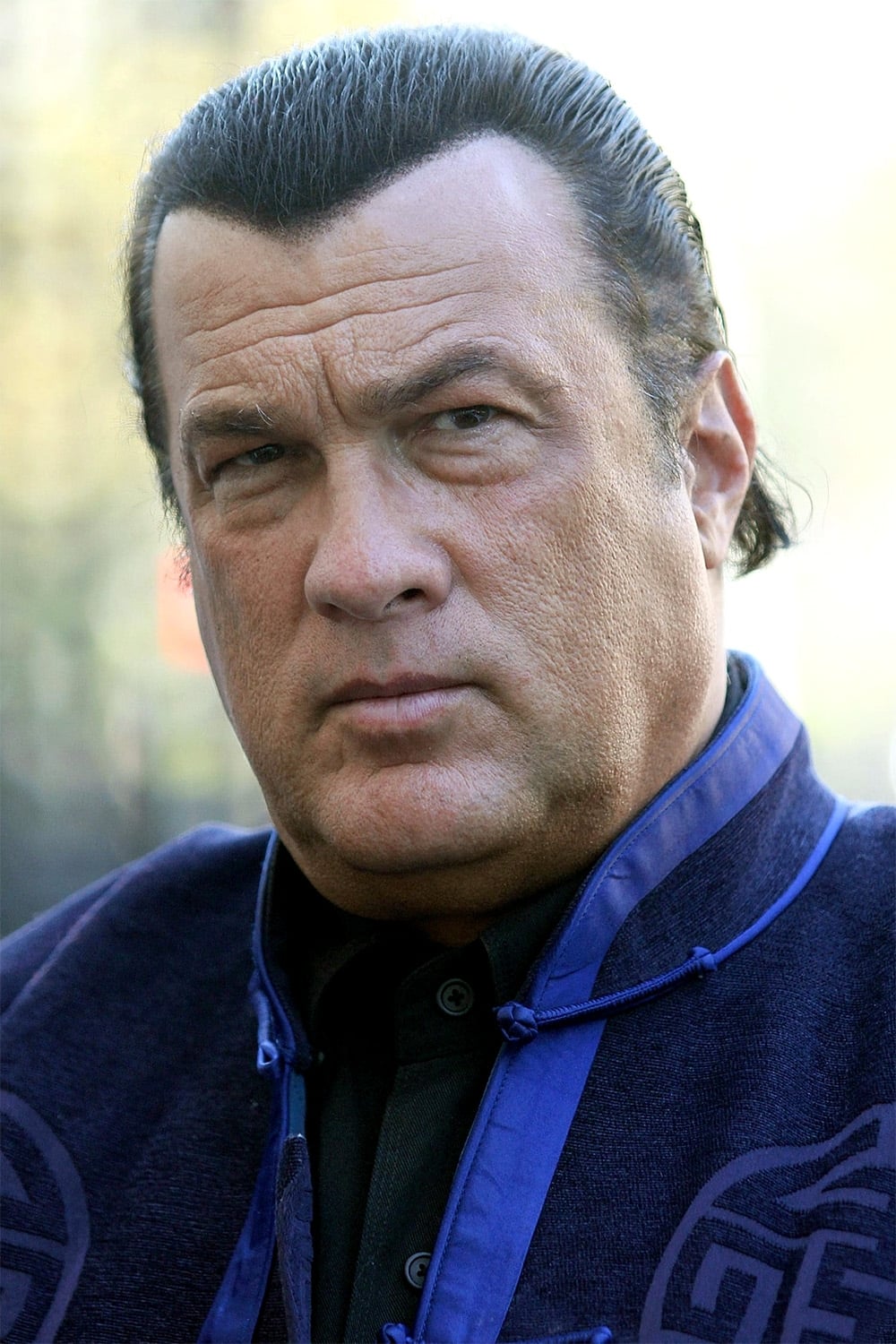
Steven Seagal brought Aikido principles of joint locks and off balancing into mainstream action cinema. His early films featured rapid wrist control, directional throws, and short range strikes filmed in medium frames. He operated a dojo in Japan before moving into the industry, which informed his on screen authenticity. Projects like ‘Above the Law’ and ‘Under Siege’ presented a distinct close quarters approach.
Michael Jai White
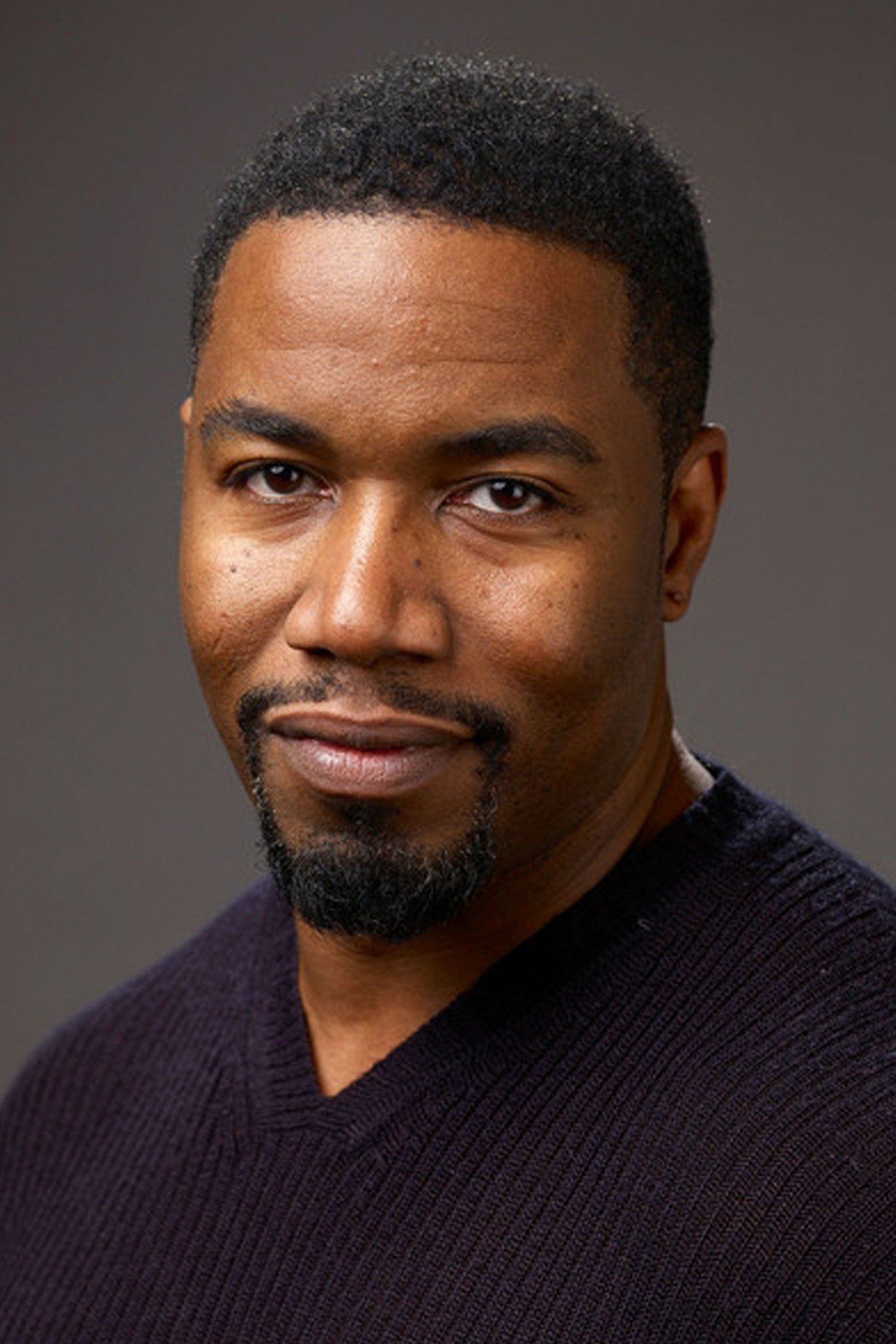
Michael Jai White trained across multiple striking and grappling disciplines and adapted them for camera movement. He designs combinations that read clearly in wide shots and then compress for inserts. ‘Blood and Bone’ and ‘Undisputed II’ showcase structured one on one scenes with precise beat changes. He also works as a fight choreographer and director, shaping action to highlight partner safety and power generation.
Iko Uwais
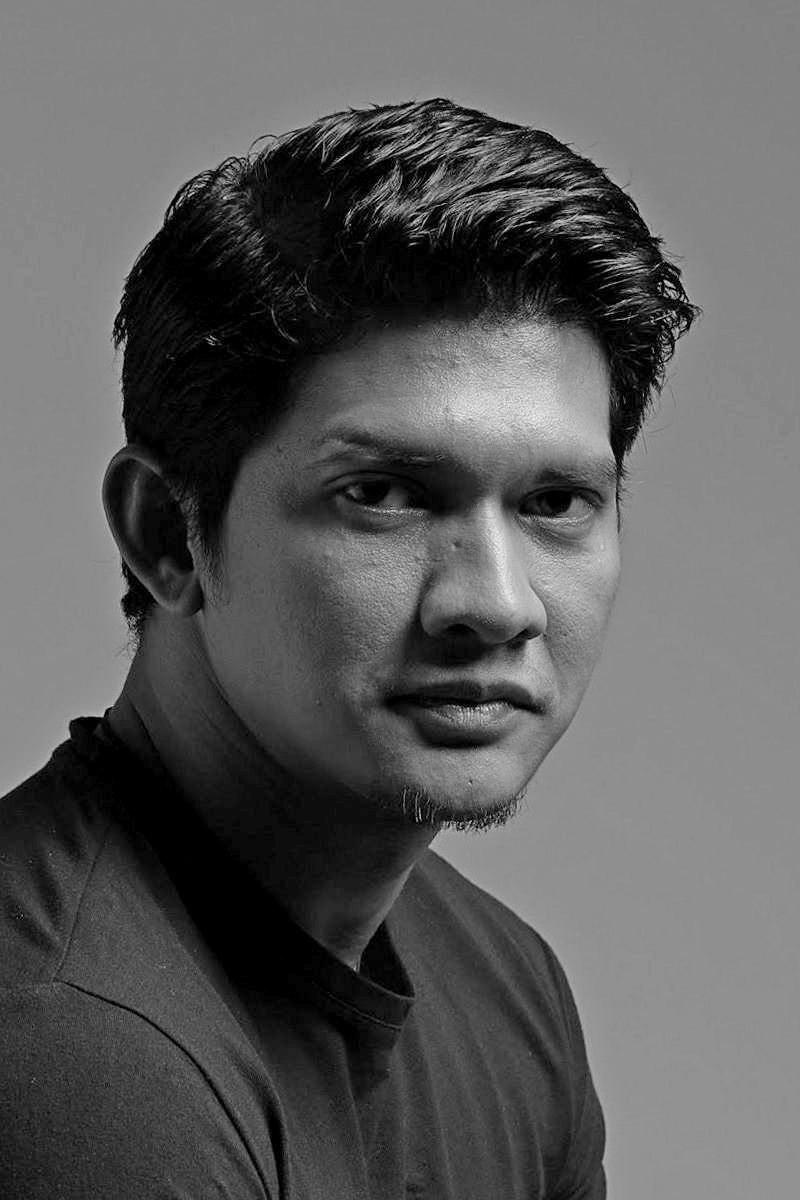
Iko Uwais trained in pencak silat and brought its distinctive angles and limb control to global audiences. Collaboration with Indonesian stunt teams produced long take hall fights and stairwell sequences that track momentum. ‘The Raid’ series introduced choreography that uses close quarters architecture as part of the fight design. He continues to serve as both performer and action designer on international projects.
Wu Jing
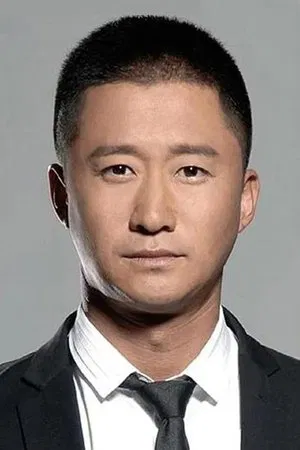
Wu Jing trained in wushu and transitioned from supporting roles to leading large scale action productions. He invested in training camps and equipment to build complex battlefield set pieces. The ‘Wolf Warrior’ films expanded his profile with tactical choreography and stunt integration. He also directs, aligning story beats with weapon work and group movement.
Hiroyuki Sanada
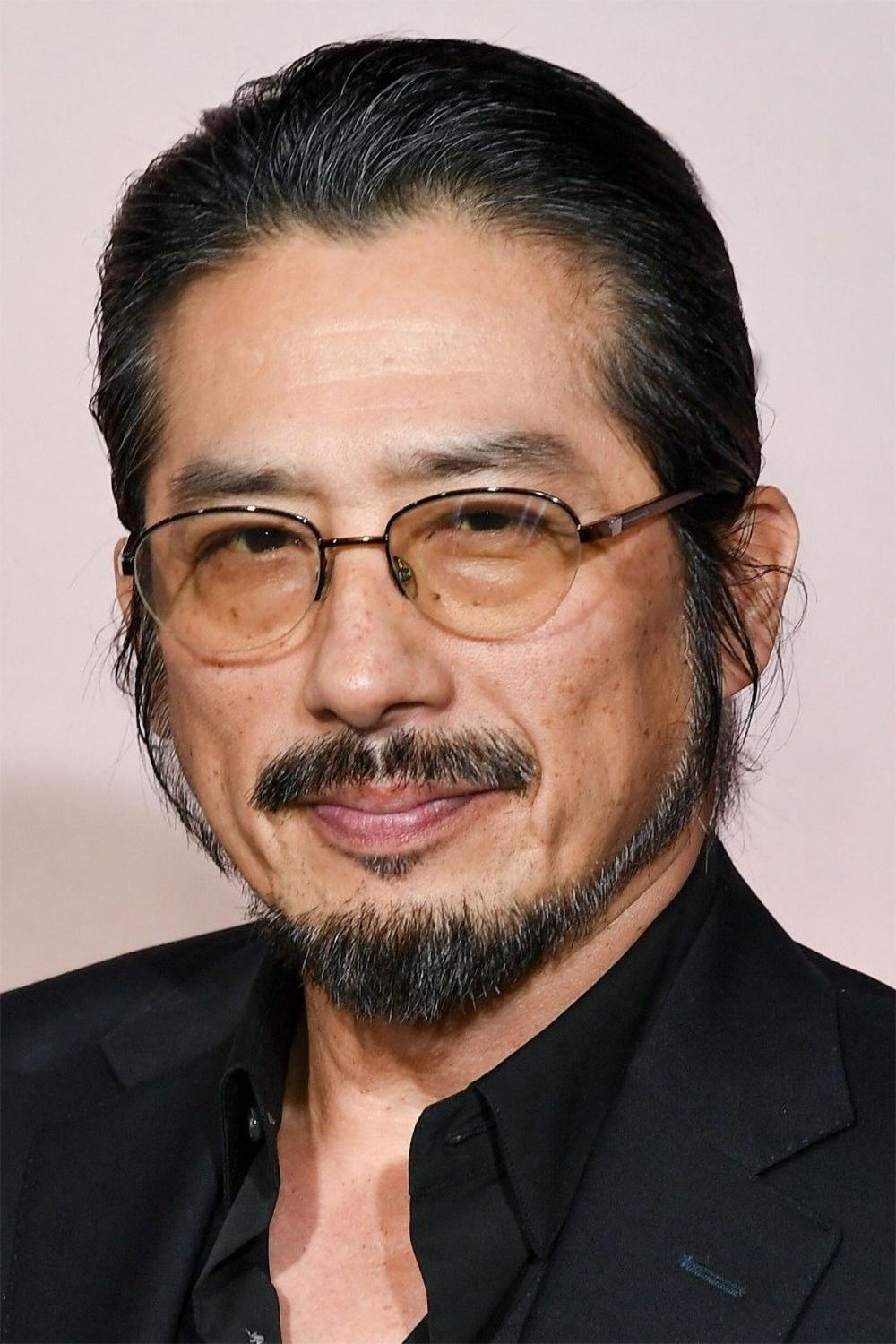
Hiroyuki Sanada trained with the Japan Action Club under Sonny Chiba and built a career balancing drama and action. He performs precise sword work and integrates traditional training with modern cinematic pacing. Roles in ‘Ninja in the Dragon’s Den’ and ‘The Last Samurai’ demonstrate attention to stance and partner distance. He continues to coordinate closely with stunt teams across Japanese and international productions.
Sonny Chiba
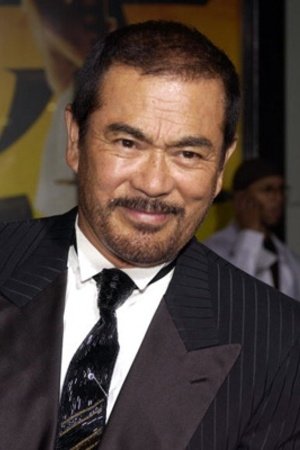
Sonny Chiba brought full force karate based techniques to screens with a raw physical style. He founded and led the Japan Action Club to train performers in safe yet intense choreography. Films like ‘The Street Fighter’ established a reputation for hard striking visuals and practical stunt work. He mentored talent who carried those methods into later decades.
Bolo Yeung Sze
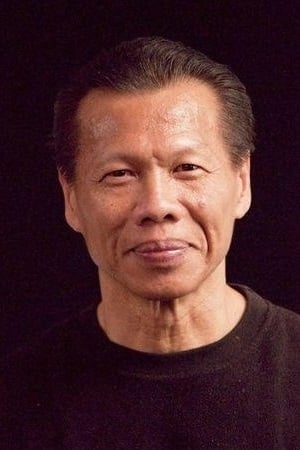
Bolo Yeung transitioned from bodybuilding and competitive training into iconic villain roles. His screen presence relied on powerful grappling beats and heavy striking poses that register clearly in wide shots. Appearances in ‘Enter the Dragon’ and ‘Bloodsport’ set templates for climactic tournament antagonists. He maintained training regimens that supported repeat takes and demanding camera setups.
Mark Dacascos
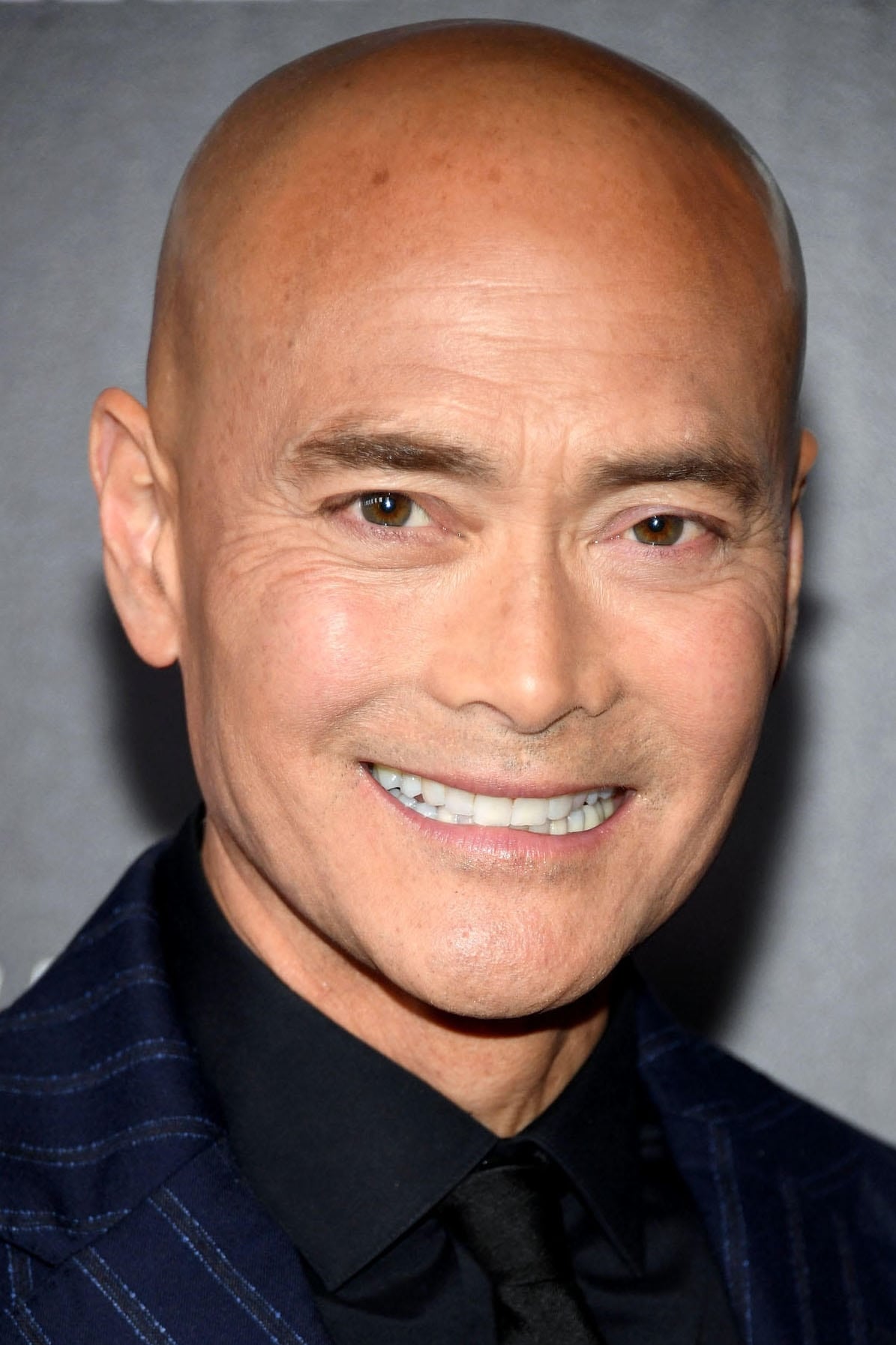
Mark Dacascos grew up in a family of martial arts teachers and trained in Wun Hop Kuen Do and related systems. He adapted to capoeira and other styles for roles that required varied movement vocabulary. Films such as ‘Only the Strong’ and ‘Drive’ highlight rhythm changes and weapon work designed for long takes. He continues to work in international productions and television while contributing to choreography and training.
Cynthia Khan
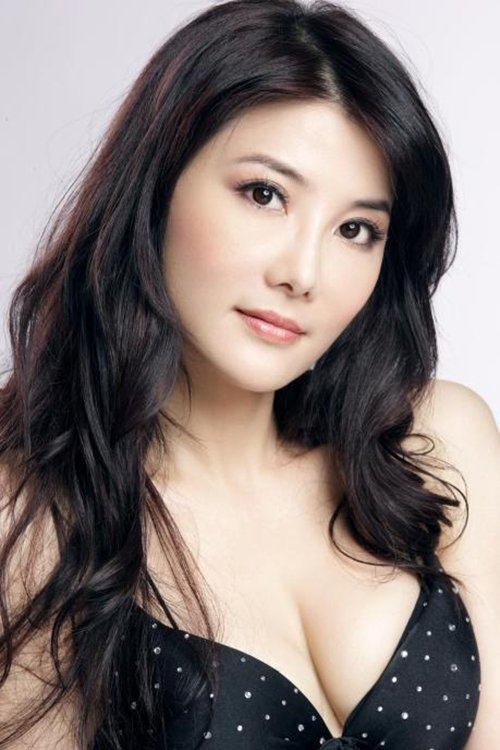
Cynthia Khan, also credited as Yang Li Ching, became a lead in the ‘In the Line of Duty’ series with agile kicking and weapons handling. She trained intensively for screen timing and worked with veteran Hong Kong stunt teams. Her films paired police procedural plots with dynamic gymnastic exchanges and stairwell chases. She helped keep female led action features prominent during a key era for the genre.
Share your favorites and any names we missed in the comments so we can keep the conversation going.