The Pomodoro Method Explained Through Quests, Breaks, and Boss Battles

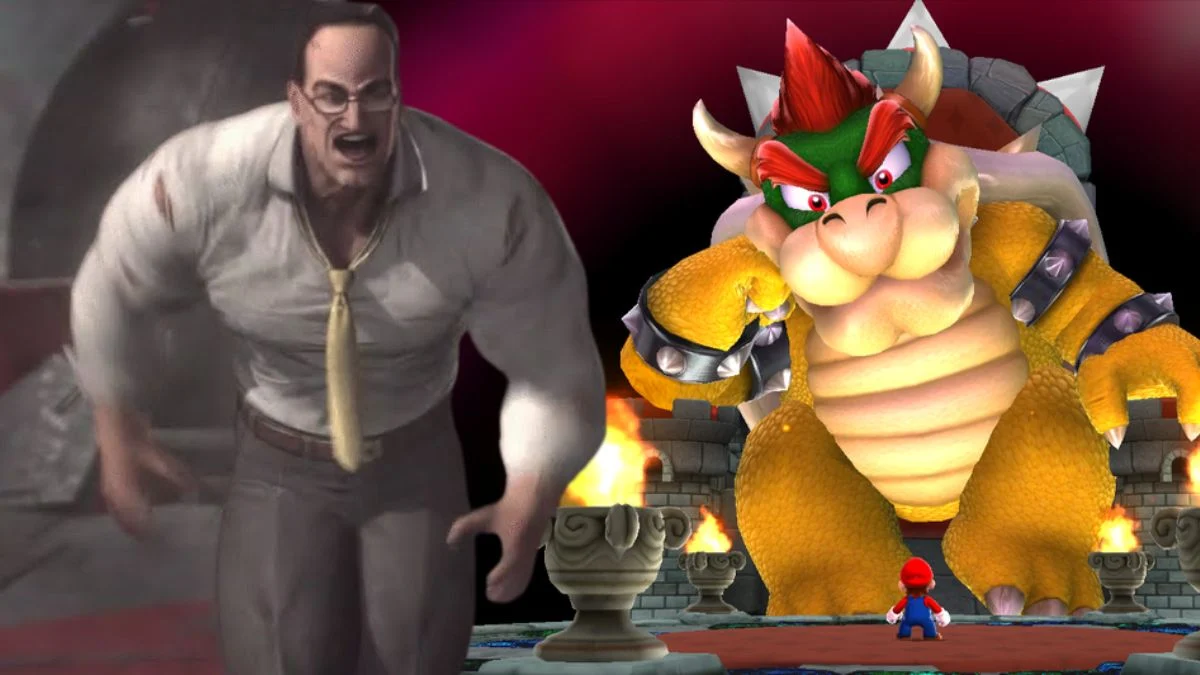

Do you struggle to stay focused when your task list feels like a final boss with too much health?
The Pomodoro Method can make that fight feel clearer, lighter, and far less stressful.
Pomodoro Basics
The Pomodoro Method is a time management system built around short focus sessions and planned breaks. Most people use 25 minutes of work followed by 5 minutes of rest. After four rounds, they take a longer break.
The quest format
Think of each focus session as one small quest. You do not need to finish the whole campaign in one sitting. You only need to complete the next mission.
For example, instead of saying, “I need to study for three hours,” you can say, “I will review one chapter for 25 minutes.” That small shift makes the task easier to start.
Focus Sprints
A focus sprint works because it gives your brain a clear limit. You are not trapped at your desk all day. You are only committing to one short round.
The 25-minute mission
During the sprint, choose one task and stay with it. Do not check messages, scroll feeds, or jump between tabs. Treat distractions like side enemies that waste health before the main fight.
This is where the pomodoro method becomes useful. It gives structure to messy work and helps you move from “I should start” to “I am already in the round.”
Breaks That Matter
Breaks are not rewards for being lazy. They are part of the system. A short pause helps your brain reset before the next quest begins.
The recovery phase
Use breaks wisely. Stand up, drink water, stretch, or look away from the screen. Avoid anything that can pull you into a longer pause, such as starting a new episode or opening a game lobby.
A good break should leave you refreshed, not distracted. In gaming terms, it is like healing before the next boss room.
Boss Battles
Every day has at least one boss battle. It may be a hard assignment, a work report, a long reading list, or a task you have avoided for days.
The difficult task
The Pomodoro Method helps because it lowers the pressure. You are not promising to defeat the boss in one move. You are only entering the arena for 25 minutes.
Often, the hardest part is not the task itself. It is the fear of starting. Once the timer begins, your brain gets a clear signal: focus now, rest soon.
Why It Works
The method works because it respects real human limits. People are not built to stay sharp for hours without pause. Focus needs rhythm, and the Pomodoro Method creates that rhythm.
The mental reward
Each completed session gives you a small win. Those wins build momentum. After one round, starting the second round feels easier. After four rounds, the task no longer feels impossible.
Here is a simple count:
- Pick one task
- Set a 25-minute timer
- Work without switching tasks
- Take a 5-minute break
- Repeat four times
- Take a longer break
Best Uses
The Pomodoro Method fits many tasks, especially ones that feel boring, long, or mentally heavy. It is useful for reading, writing, studying, cleaning, editing, planning, and creative work.
The right tasks
It works best when the task has a clear next step. “Write introduction,” “read 10 pages,” or “organize notes” is better than “be productive.” Clear missions lead to a cleaner focus.
However, deep creative work may need longer sessions. In that case, you can adjust the timer. The rule is simple: keep the structure, but make it fit the task.
Common Mistakes
Many people fail with the method because they treat the timer as magic. It is not magic. It is a tool, and it works best when paired with honest planning.
The usual traps
Do not fill one session with five tasks. Do not skip every break. Do not keep working after the timer if your focus is already fading. Also, do not use the break to start something harder to stop than the task itself.
The goal is steady progress, not perfect discipline. A missed round does not ruin the day. Start the next one.
Final Thoughts
The Pomodoro Method turns heavy work into a series of small, winnable quests. It gives your brain a timer, a target, and a break before the next round begins. For students, writers, gamers, readers, and busy workers, that structure can make a real difference. Big goals feel less intimidating when they are split into short missions. And once the first quest is complete, the boss battle no longer looks unbeatable.