Top 20 Most Popular Anime Songs of All Time


Anime songs have a way of sticking in your head long after the credits roll, and the most popular tracks often become cultural touchstones in their own right. Below is a collection of fan favorites that defined shows, broke into mainstream playlists, and kept viewers glued to the screen from the very first note.
‘Neon Genesis Evangelion’ (1995–1996) – A Cruel Angel’s Thesis
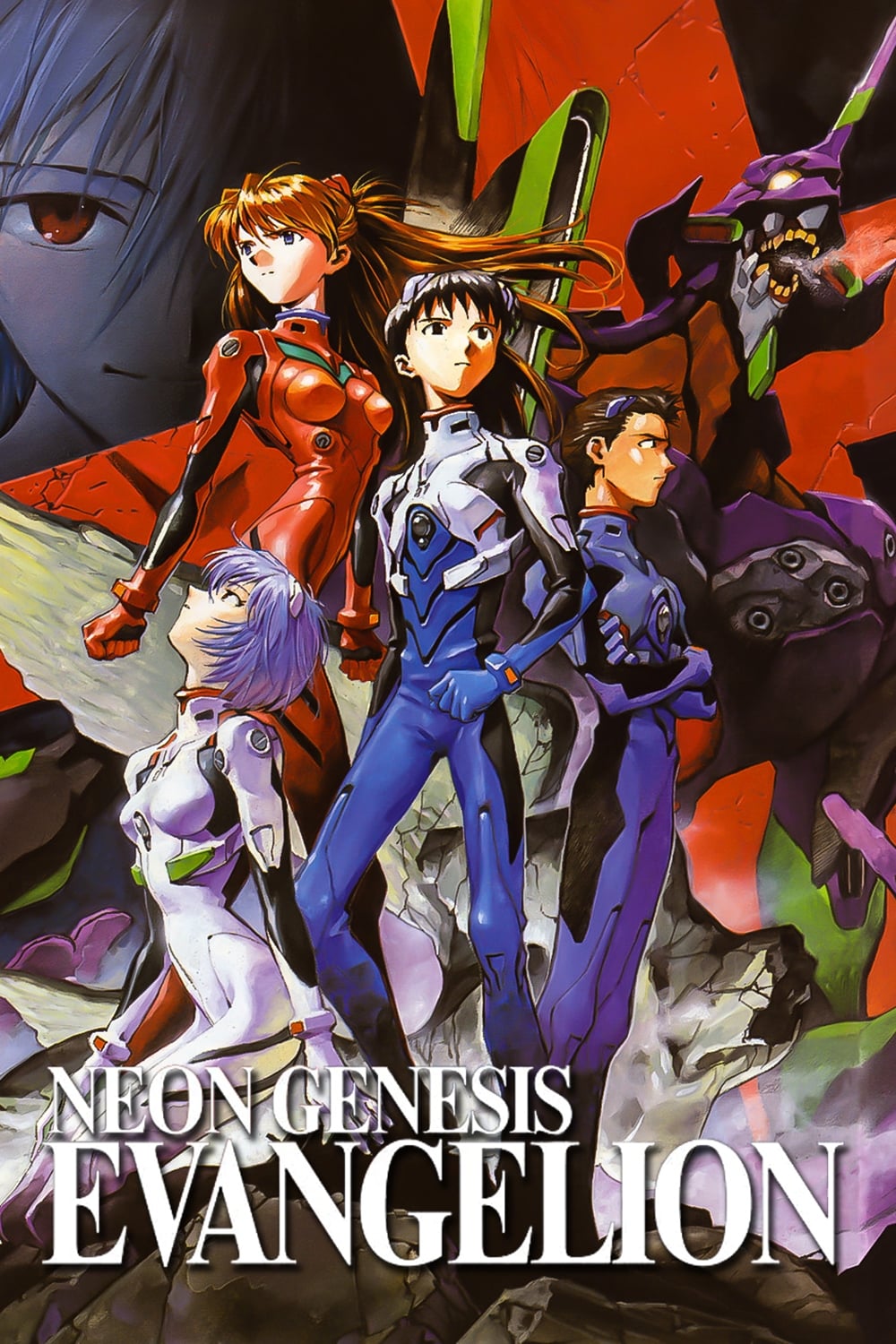
This opening theme is performed by Yoko Takahashi and plays over the iconic title sequence in every episode. The song was recorded specifically for the series and helped set the tone for the show’s blend of action and introspection. Multiple releases and remasters have kept it in circulation for decades. Karaoke and cover versions are widely available across Japan and abroad.
‘Cowboy Bebop’ (1998–1999) – Tank!
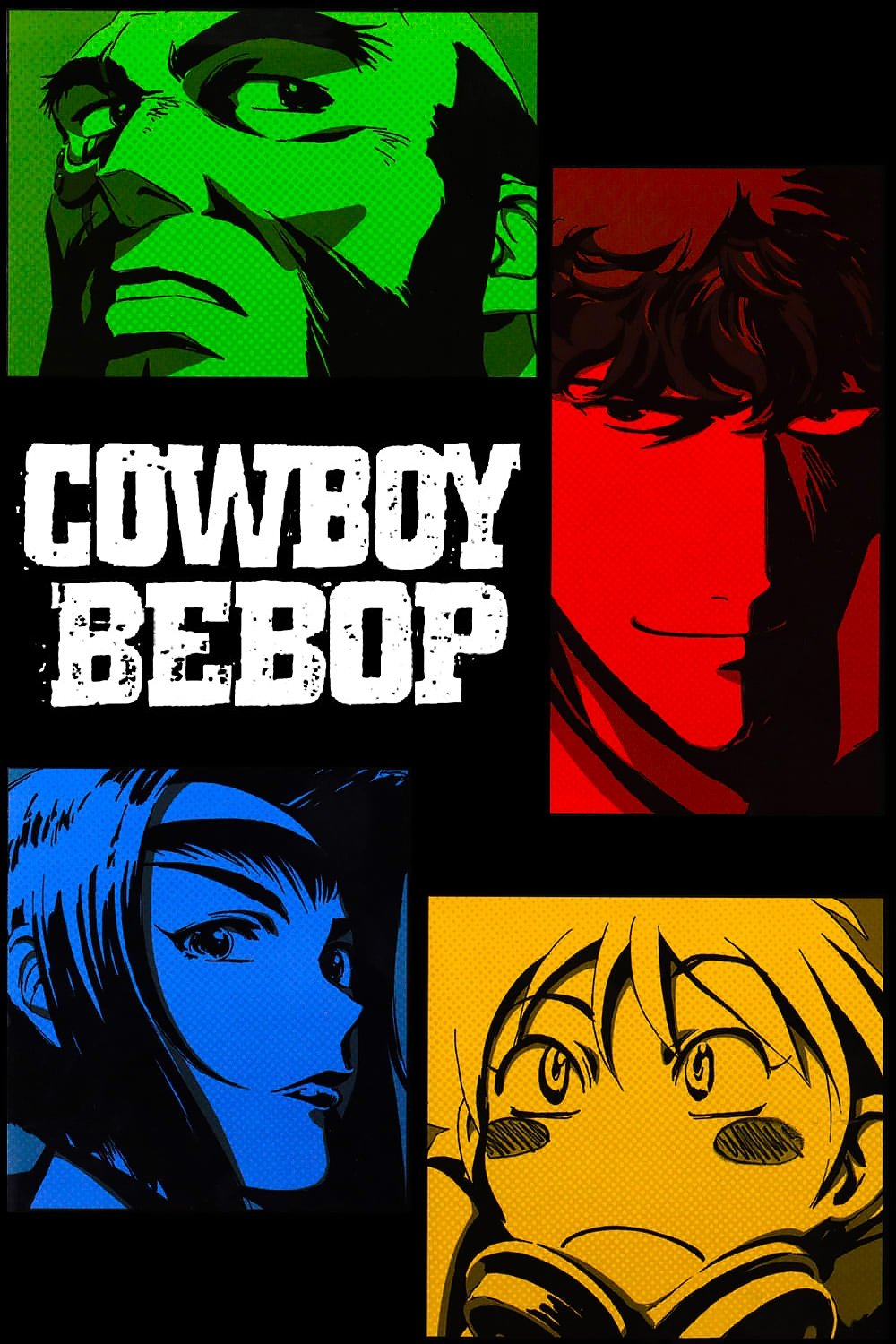
Composed by Yoko Kanno and performed by The Seatbelts, this jazz number opens every episode with a burst of brass and upright bass. The track was recorded with session players to capture a live big band feel. It appears on official soundtrack albums tied to the series. The full version includes extended instrumental breaks beyond the TV cut.
‘One Piece’ (1999–present) – We Are!
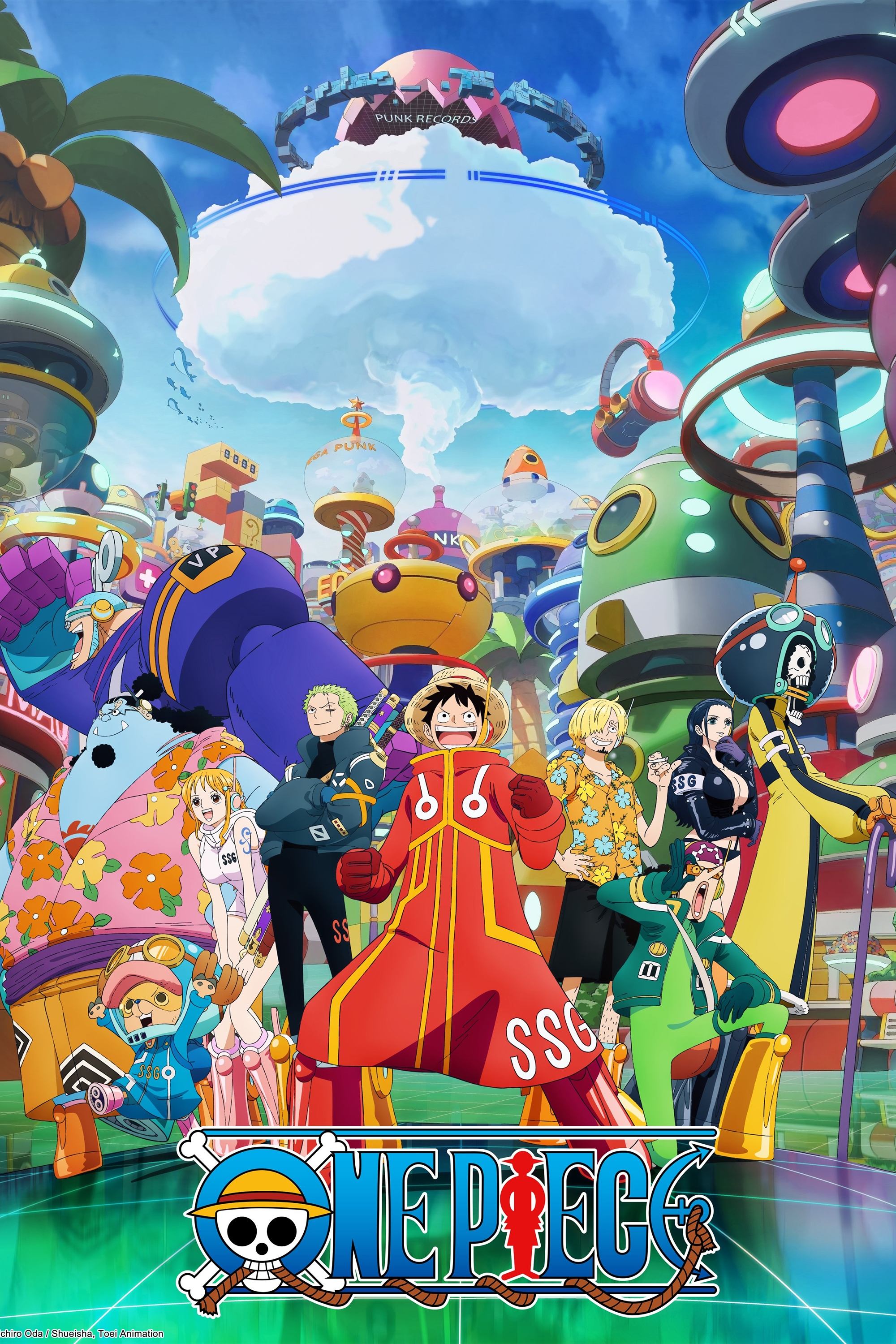
Hiroshi Kitadani performs this first opening theme for the series. The song introduces viewers to the Straw Hat crew’s voyage and was later re recorded for anniversary episodes. It appears on multiple soundtrack compilations connected to the show. Different language versions have been used for international broadcasts.
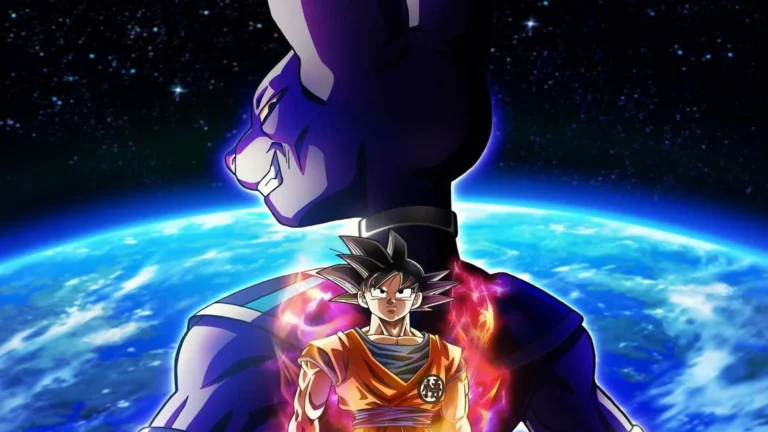
‘Dragon Ball Z’ (1989–1996) – Cha La Head Cha La

Hironobu Kageyama sings this opening theme, which debuted early in the series run. The song’s arrangement features prominent guitar riffs and synths typical of its era. It appears on official singles and series sound collections. Alternate edits were prepared for TV use and for full length releases.
‘Naruto’ (2002–2007) – Haruka Kanata
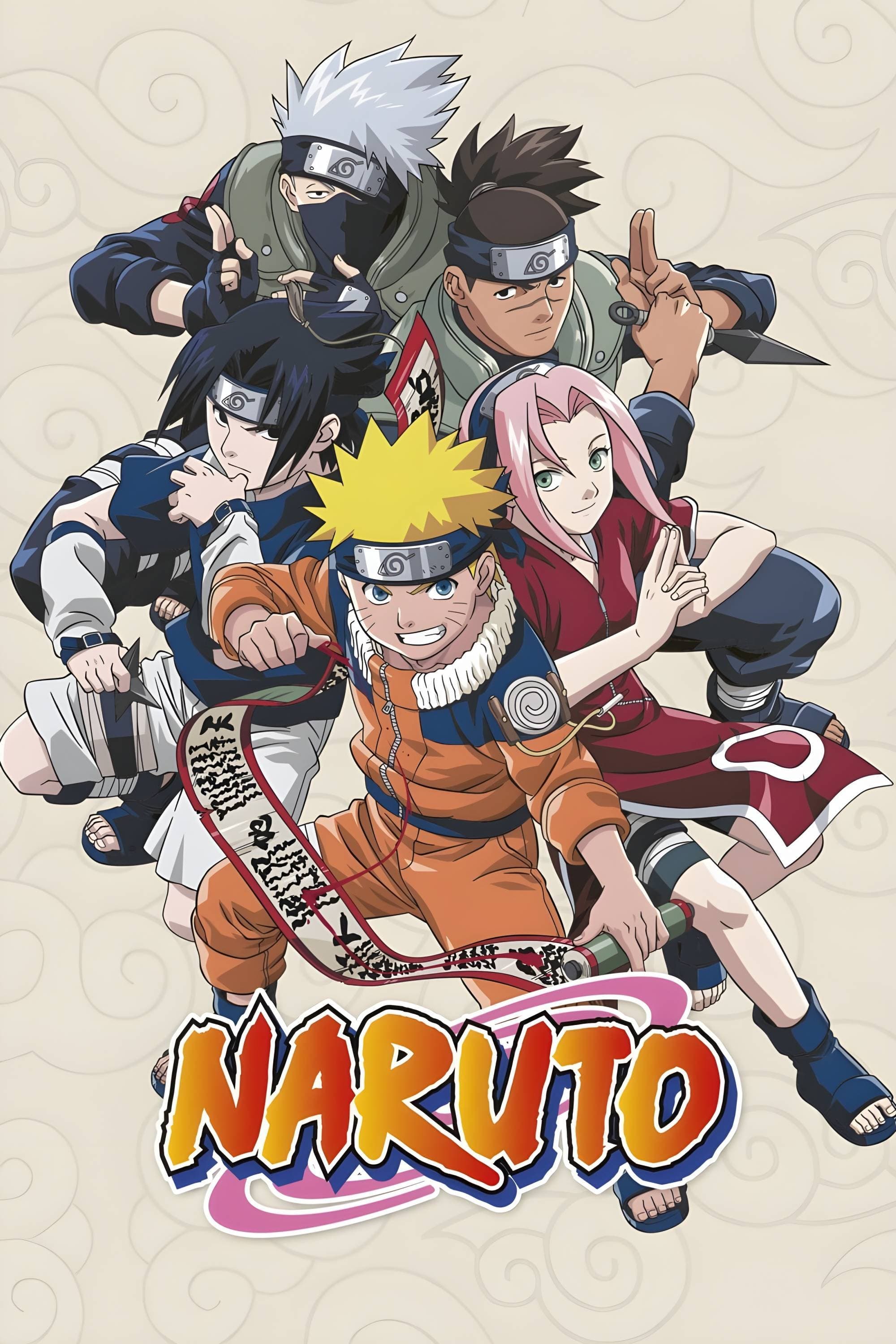
Asian Kung Fu Generation provides this second opening theme for the original series. The track’s studio version differs slightly from the television cut used during broadcasts. It appears on the band’s single release and on official anime compilations. The song accompanied key arcs that introduced major rivalries.
‘Naruto Shippūden’ (2007–2017) – Blue Bird

Ikimono gakari performs this third opening theme for the sequel series. The track features bright vocals and a memorable chorus timed to action heavy visuals. It was released as a single alongside instrumental and TV size versions. The sequence that uses it includes updated designs for returning characters.
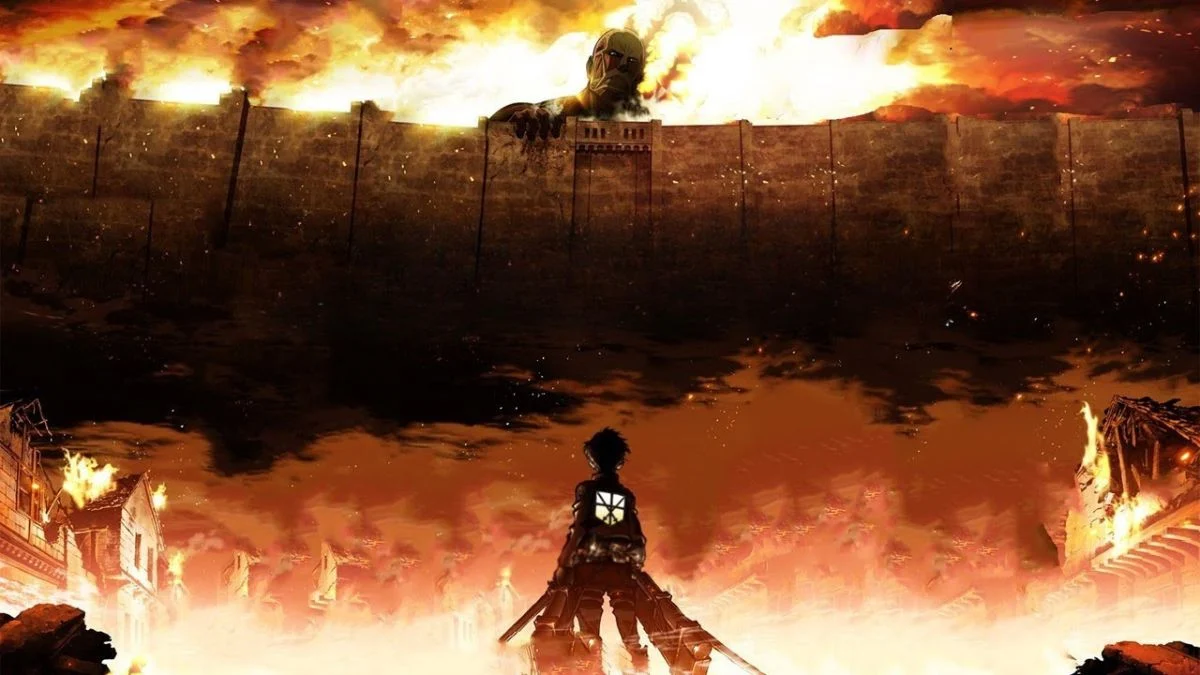
‘Attack on Titan’ (2013–2023) – Guren no Yumiya
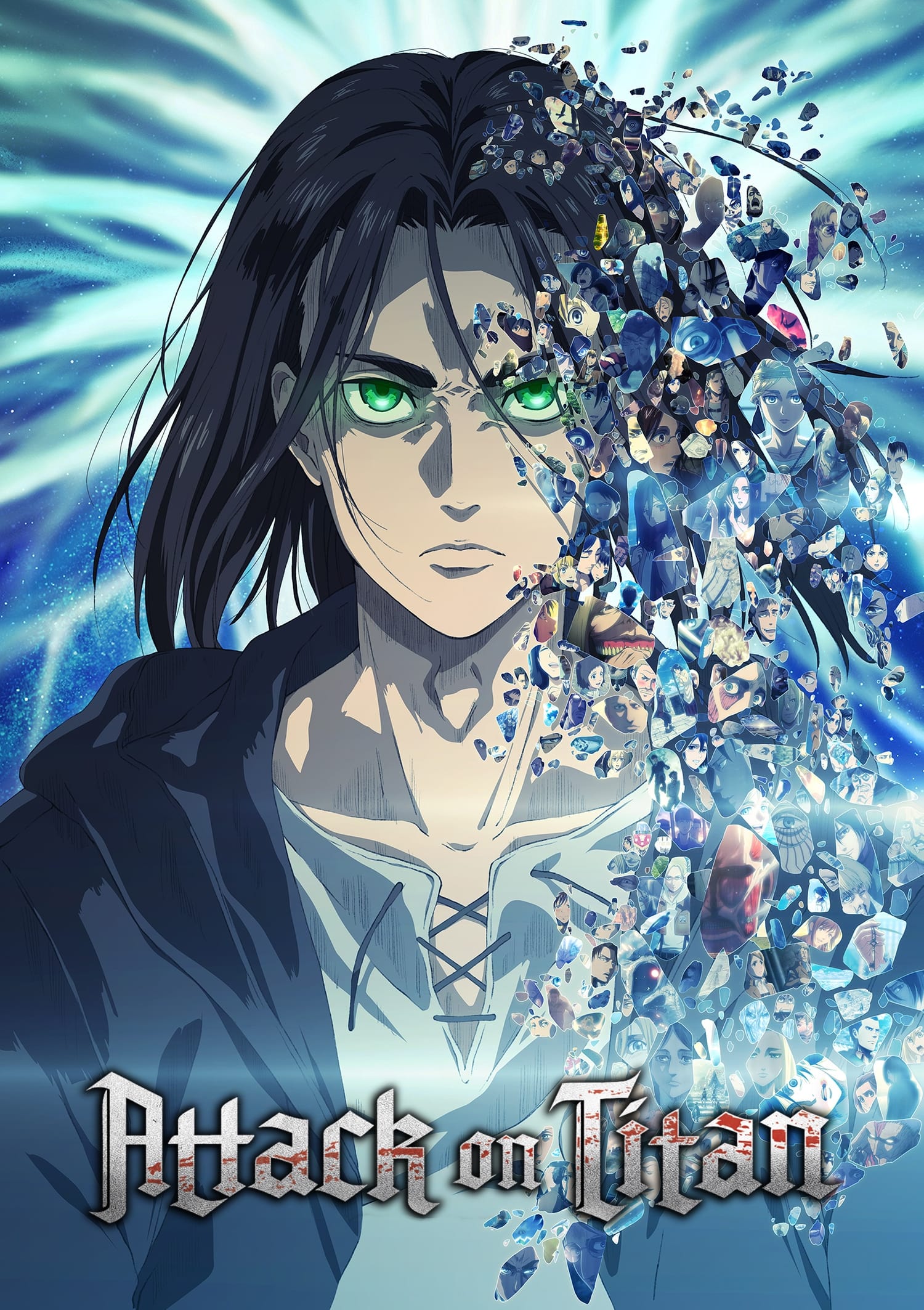
Linked Horizon recorded this opening for the show’s first season. The arrangement blends rock instrumentation with choral elements to match the series scale. Official releases include the full length track and shorter TV edit. The song anchors early episodes that introduce the Walls and the Survey Corps.
‘Tokyo Ghoul’ (2014–2018) – Unravel
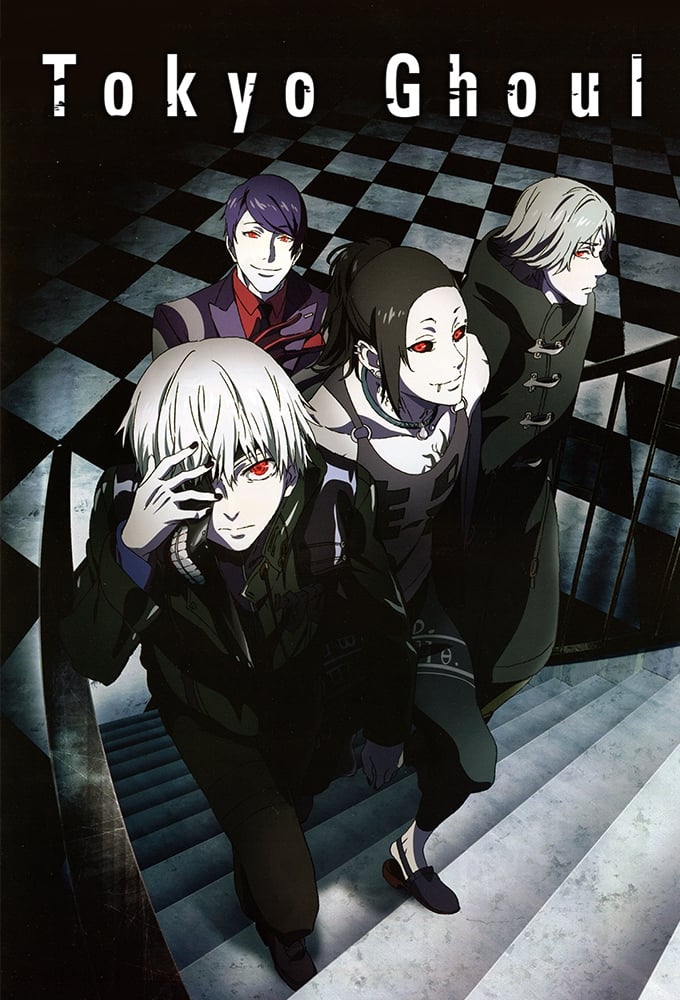
TK from Ling tosite sigure performs this opening theme that plays over the first season credits. The song’s studio version showcases TK’s signature vocal layering and guitar work. It appears on single and album releases associated with the artist. The TV cut emphasizes the quiet introduction before the chorus hits.
‘Demon Slayer: Kimetsu no Yaiba’ (2019–present) – Gurenge
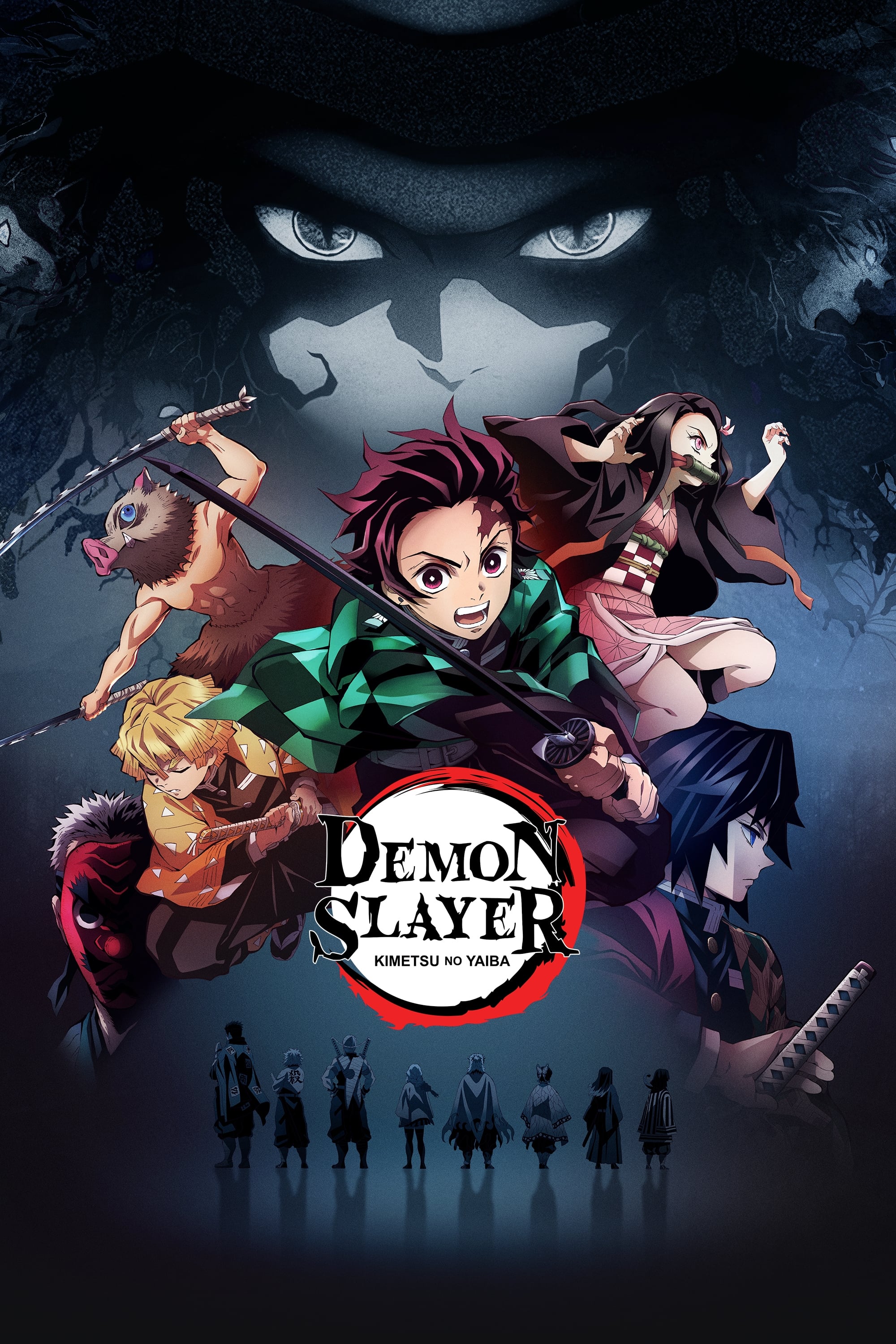
LiSA performs this opening theme for the first season. The song was released as a single with multiple editions, including instrumental and short versions. It is used over a credit sequence that introduces the main cast and demon slaying techniques. Live performances by the artist often include this track.
‘Sword Art Online’ (2012–present) – Crossing Field

LiSA provides the first opening theme for the Aincrad arc. The single includes versions tailored for radio, TV, and full length listening. The track is synced to footage of early game world battles and character pairings. It appears on official soundtrack and best of collections tied to the franchise.
‘Fullmetal Alchemist: Brotherhood’ (2009–2010) – Again
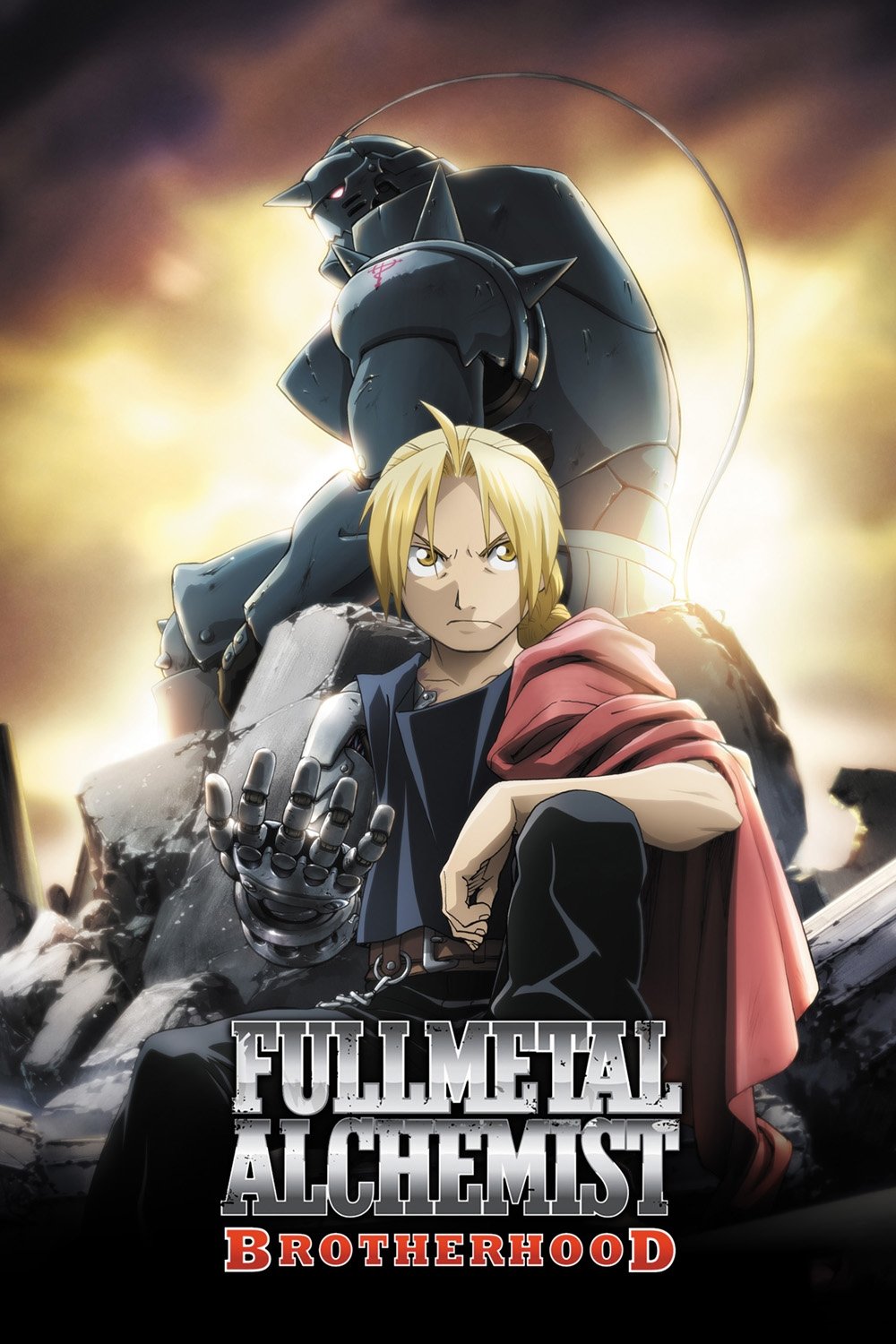
YUI performs this debut opening theme for the series. The release includes guitar driven arrangements that match the show’s energetic pacing. TV edits shorten the intro to fit broadcast timing while the single offers a complete version. The song accompanies visuals that highlight the Elric brothers and alchemy motifs.
‘Bakemonogatari’ (2009) – Kimi no Shiranai Monogatari
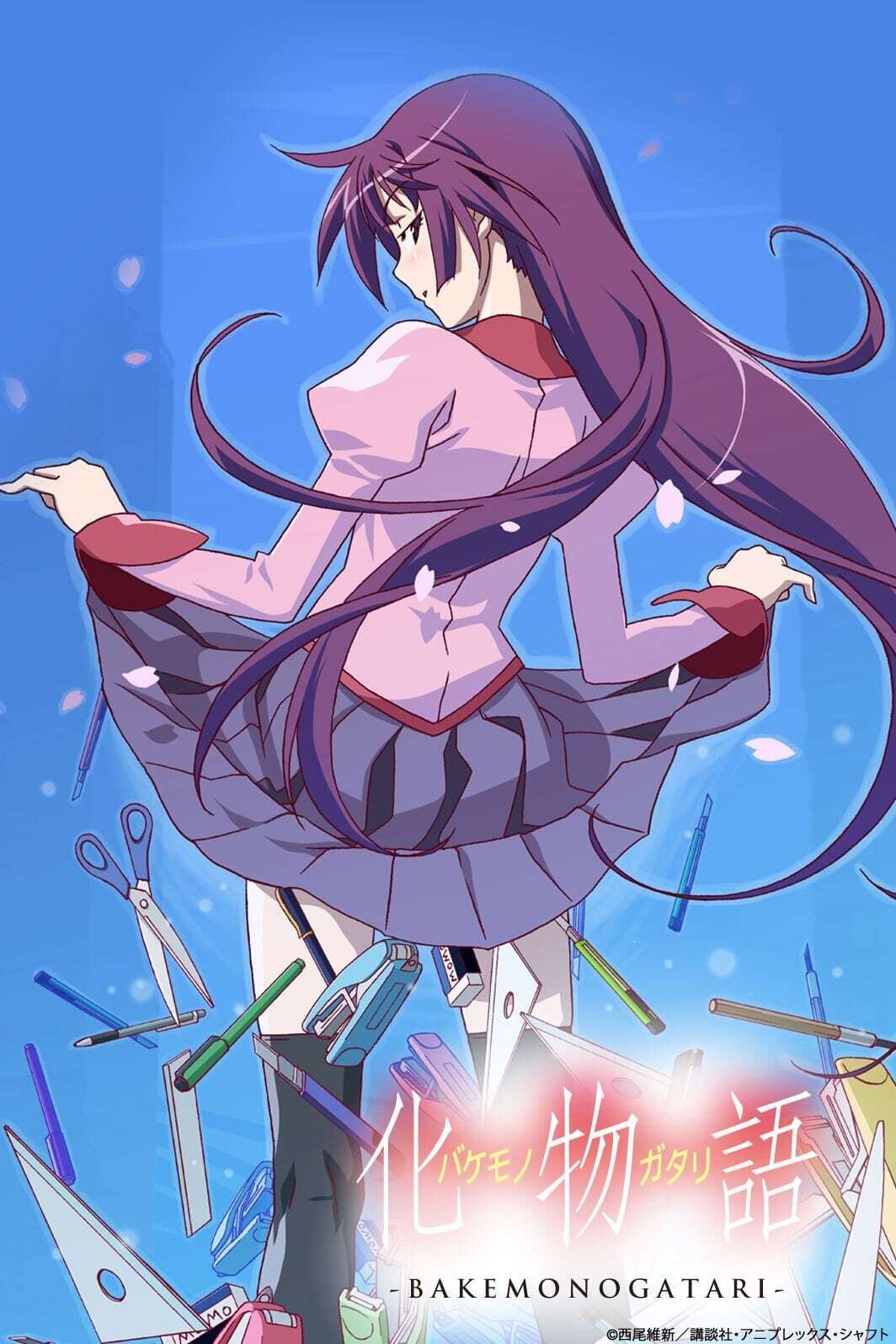
Supercell recorded this ending theme for the series. The single features Ryo’s production with vocals by Nagi Yanagi. The track appears after each episode’s story and is paired with distinctive end card imagery. It is included on official soundtrack releases tied to the franchise.
‘Your Lie in April’ (2014–2015) – Hikaru Nara
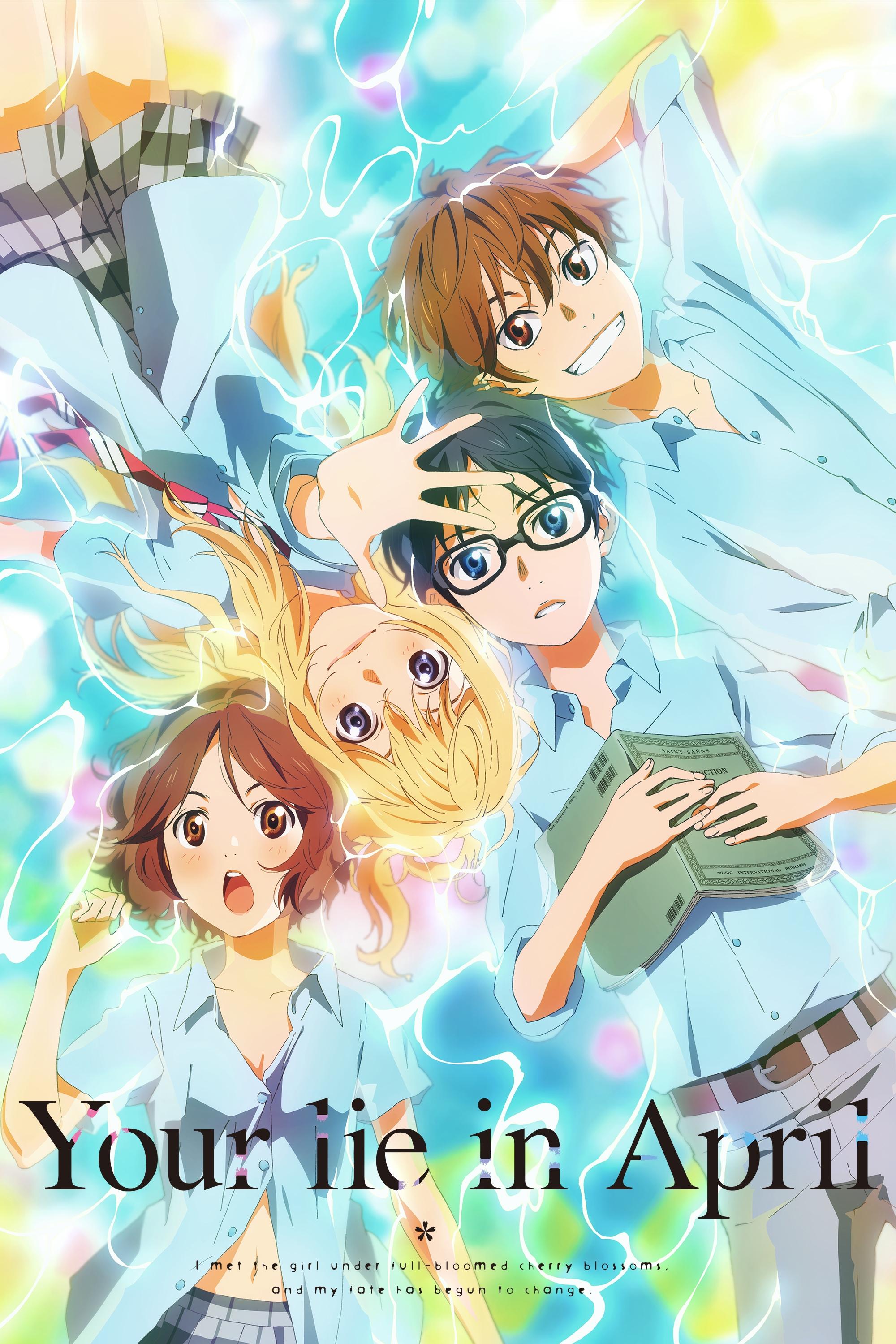
Goose house performs this first opening theme, which aligns with the show’s musical focus. The single includes acoustic textures that complement the series emphasis on classical performance. TV edits time the chorus to character introductions and performance scenes. The song appears on compilation albums connected to the group.
‘Yuri!!! on Ice’ (2016) – History Maker
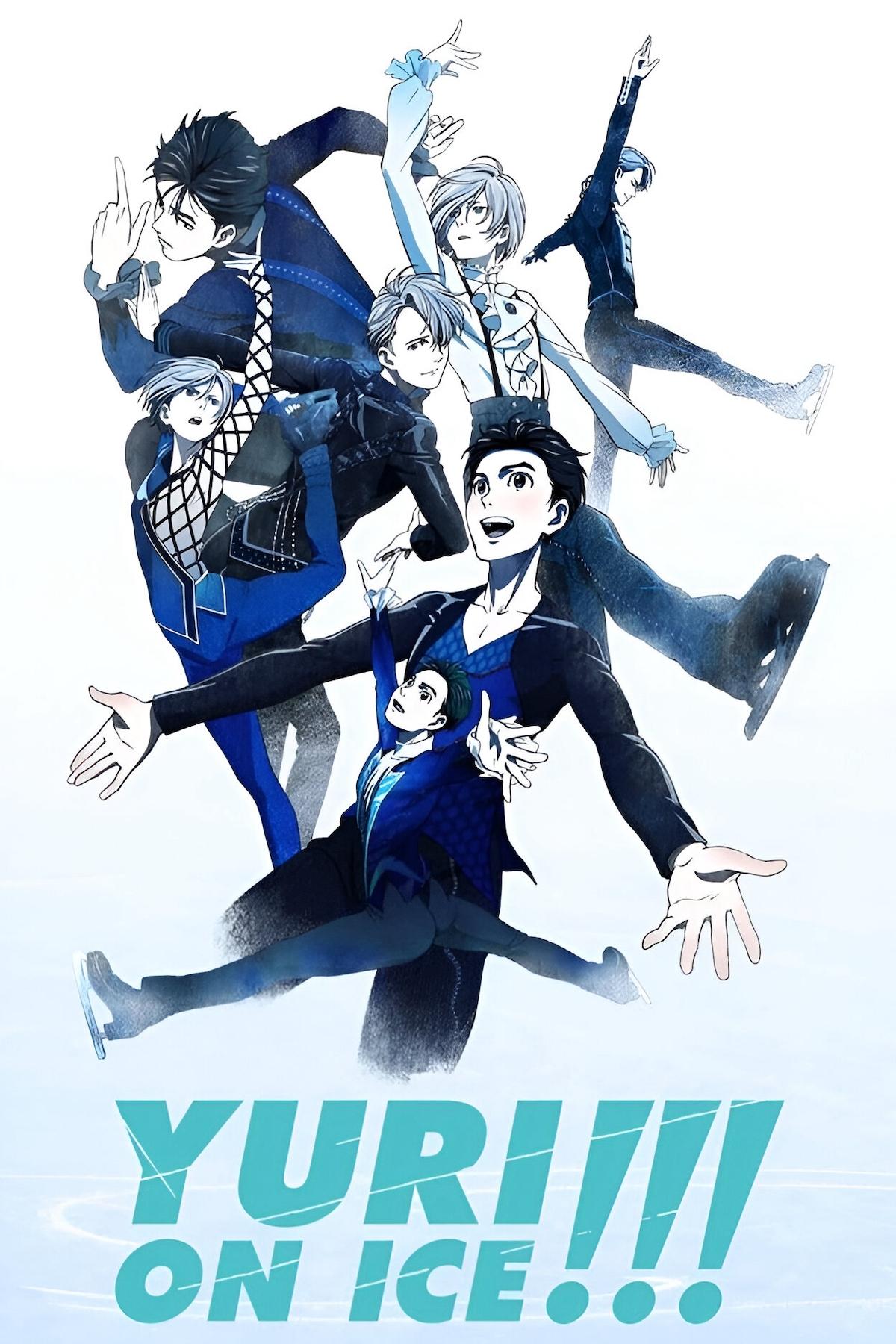
Dean Fujioka provides this opening theme for the figure skating series. The track uses an uplifting pop arrangement that fits the show’s training and competition sequences. Official releases include the full song and shorter television version. It is featured across streaming and broadcast versions worldwide.
‘The Melancholy of Haruhi Suzumiya’ (2006–2009) – God knows…
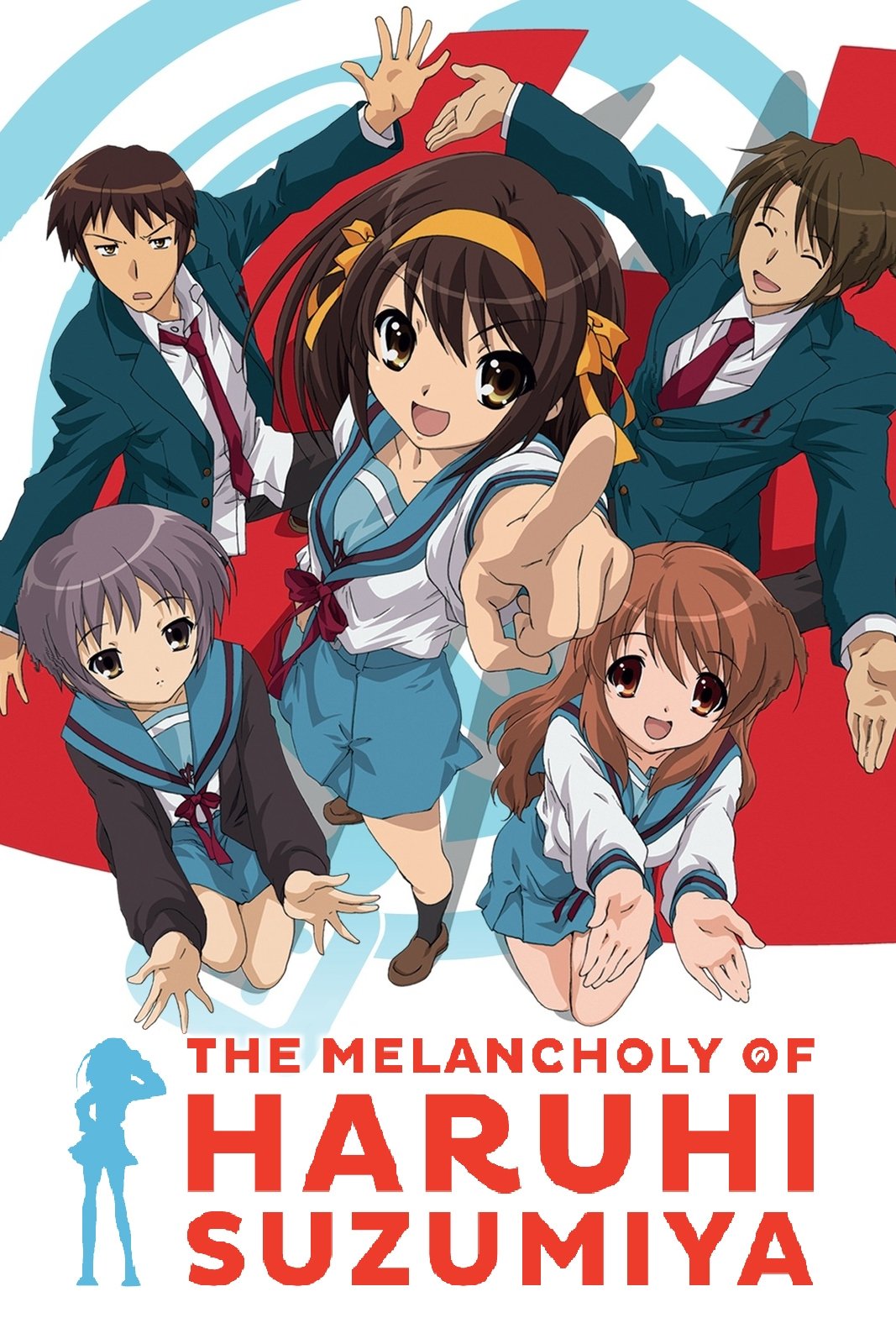
Aya Hirano performs this insert song in character as Haruhi during the school festival episode. The recording uses a live performance setup within the narrative. The track appears on character song CDs and official series music collections. Guitar and drum parts were arranged to match the on screen band.
‘Jujutsu Kaisen’ (2020–present) – Kaikai Kitan
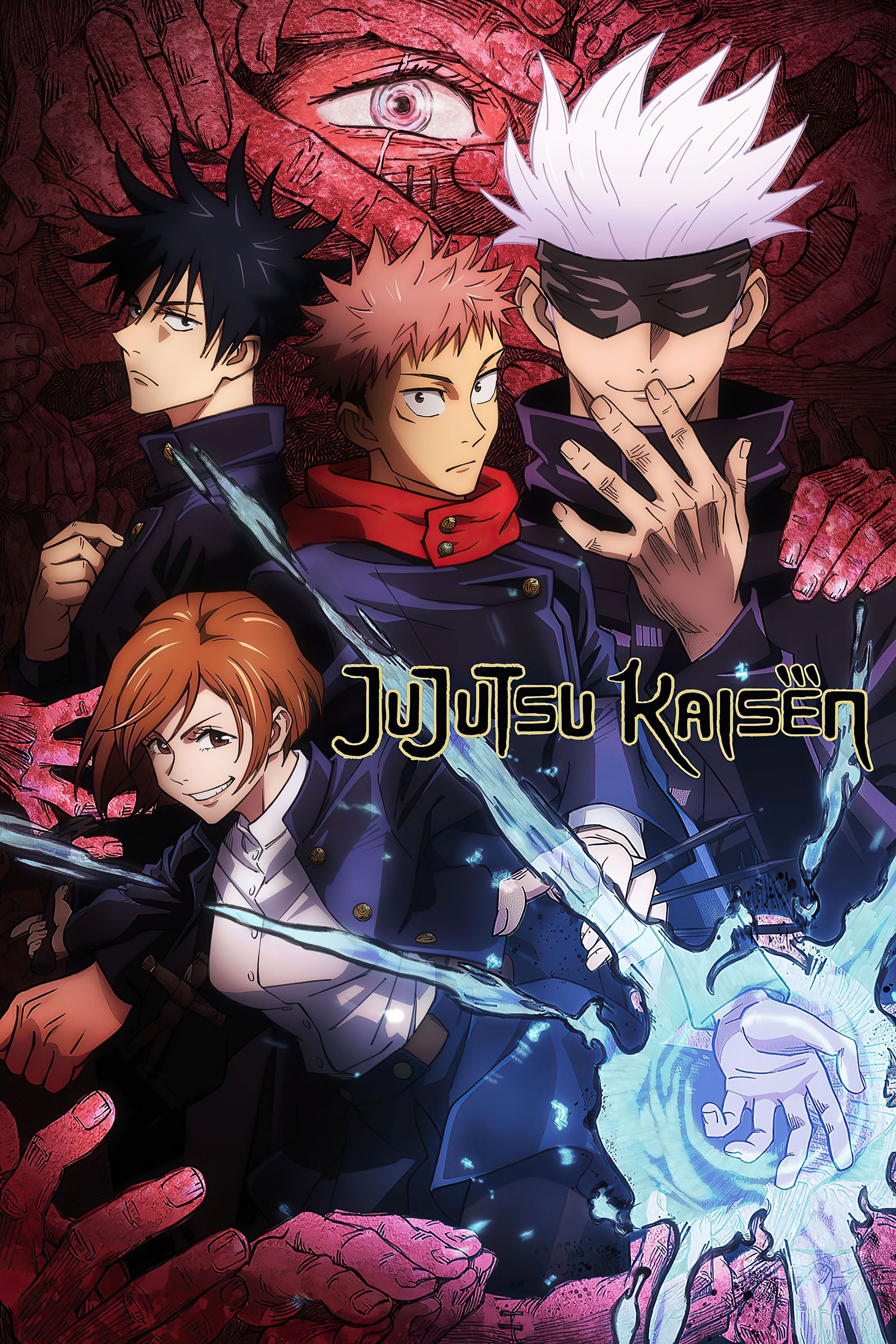
Eve performs this opening theme for the first cour of the series. The song’s studio version features intricate guitar runs and rapid vocal phrasing. It appears on digital platforms and in physical releases tied to the artist. The TV sequence overlays the track with stylized shots of the main cast and cursed techniques.
‘Oshi no Ko’ (2023–present) – Idol
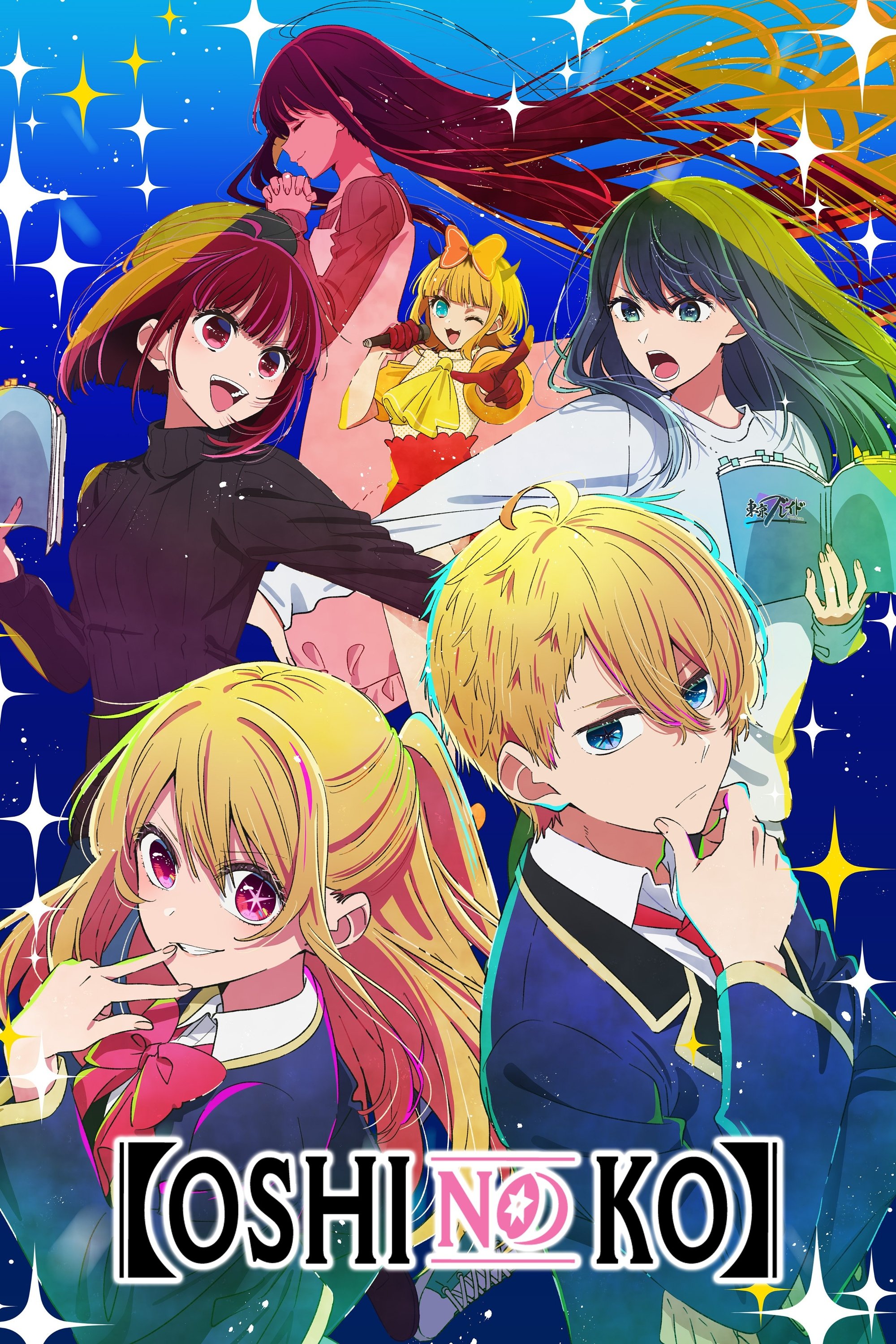
YOASOBI recorded this opening theme for the anime’s debut season. The release includes versions edited for broadcast and full length listening. Lyrics reference the story’s entertainment industry setting in coded ways. The song is included in official singles and has accompanying performance videos.
‘Code Geass: Lelouch of the Rebellion’ (2006–2008) – Colors
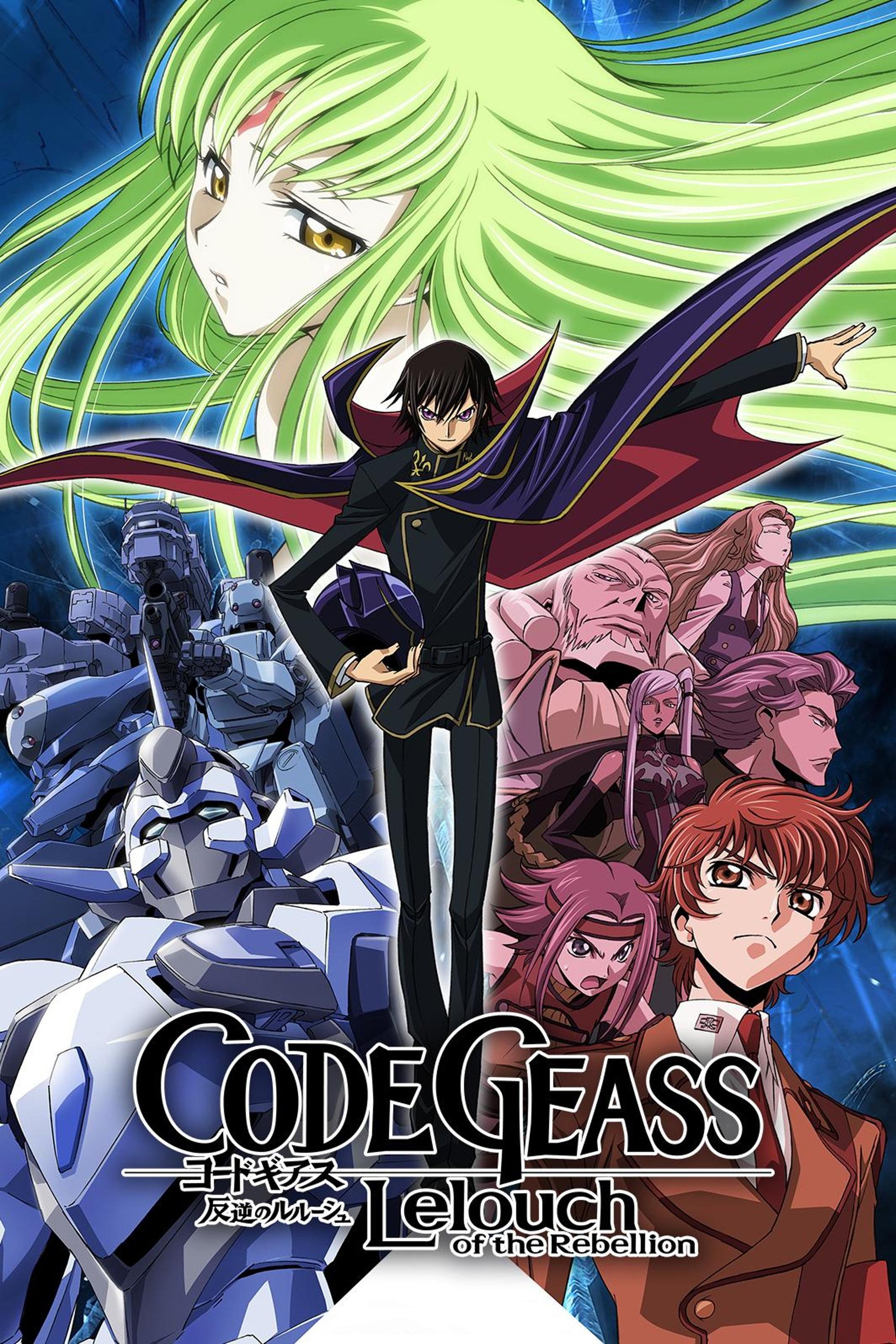
FLOW performs this first opening theme for the series. The track’s tempo and structure were adapted for an effective TV size cut. It appears on the band’s single and on Code Geass soundtrack compilations. Later seasons used different openings while this one remains linked to the show’s early episodes.
‘Steins;Gate’ (2011) – Hacking to the Gate
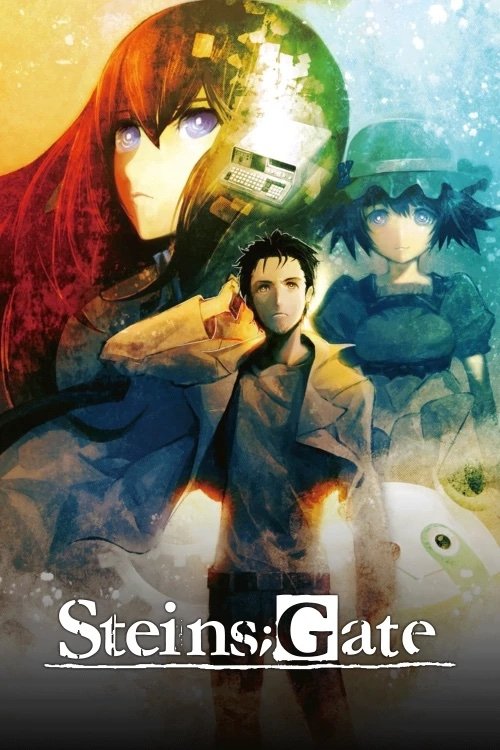
Kanako Itou performs this opening theme for the adaptation of the visual novel. The arrangement blends electronic elements with rock instrumentation. The single includes instrumental tracks and the full length version beyond the TV edit. The song accompanies visuals centered on time travel devices and the Future Gadget Lab.
‘Love Live! School Idol Project’ (2013–2014) – Snow halation
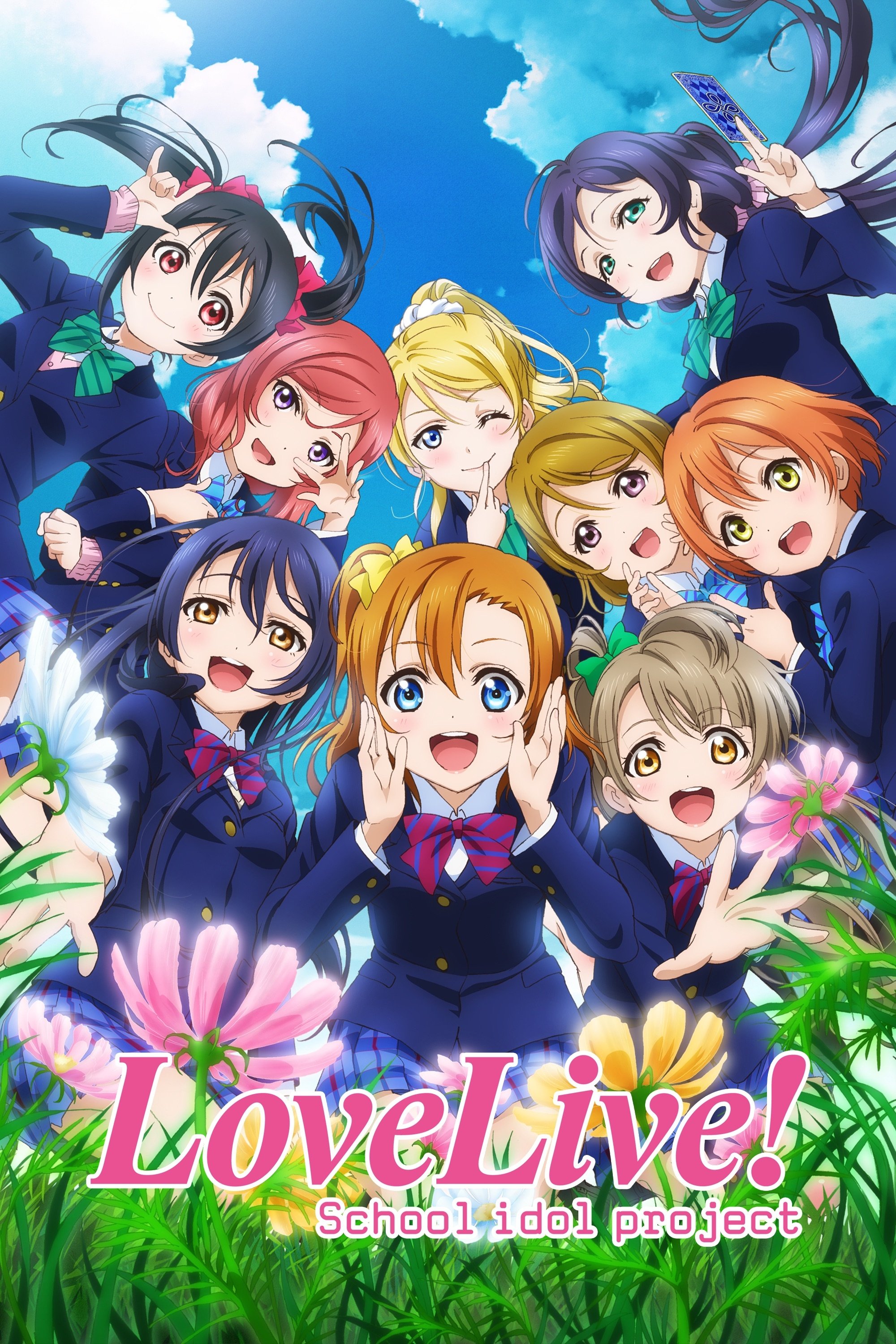
This song is performed by μ’s and appears in the series as a featured performance. The track predates the television run as a single and was later integrated into the anime’s concerts. Official releases include music videos and multiple audio mixes. It remains a staple number within the franchise’s live setlists.
Share your favorite anime song in the comments and tell us which moment made it unforgettable.