What Viewers Can Expect When the Credits Begin on ‘La Bola Negra’

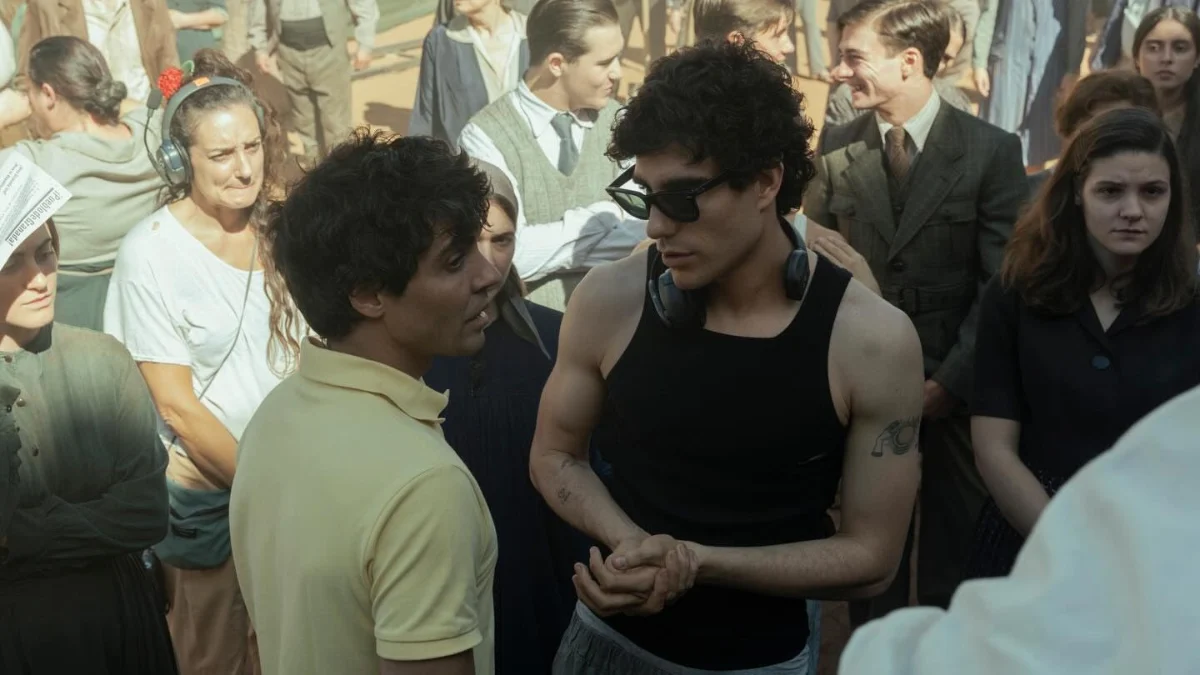

Viewers heading into ‘La Bola Negra’ often wonder whether they should stay in their seats once the final image fades. The film from Javier Ambrossi and Javier Calvo, known in Spain as Los Javis, runs 155 minutes, so the question is a practical one as much as a curious one.
The ‘La Bola Negra’ post credits scene is a topic of real interest because the film has become a cultural event in Spain and beyond. This piece looks at what is known about the credits, how the story concludes, and why the ending has stayed with audiences.
Is There a Post Credits Scene in ‘La Bola Negra’
According to the PostCréditos directory, which lets viewers check whether a film has extra material after the credits, ‘La Bola Negra’ is listed with a plain no. That means there is no known teaser or bonus sequence waiting for those who sit through the full roll. The film is a standalone drama rather than a chapter in a larger franchise.
This fits the nature of the project. ‘La Bola Negra’ tells the interconnected stories of three men in three different eras, and it is built as one complete emotional arc rather than a setup for a sequel. Nothing in the available coverage suggests a mid credits or end credits tag.
Staying for the credits still carries some value, though not in the way a superhero release might reward patience. Audiences have used the time to process what they just watched. In one Spanish cinema, much of the room was still watching the closing credits through tears when two young viewers stood up and embraced.
How the Ending of ‘La Bola Negra’ Plays Out
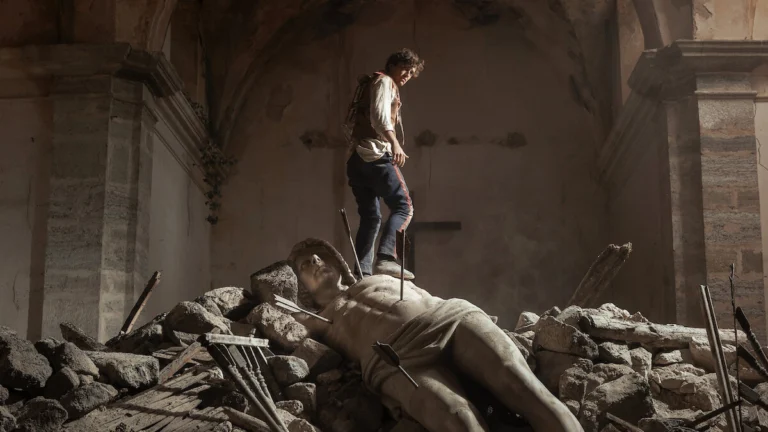
The closing stretch pulls the three timelines together. In the Civil War strand, Sebastián is placed in the firing squad ordered to execute Rafael, the man he has secretly loved, and takes the manuscript of the unfinished work from Rafael’s clothing. That manuscript becomes the thread that links the past to the present day.
In the contemporary story, the academic Isabelle Durand, played by Glenn Close, confirms that the manuscript held by Alberto is authentic. Sebastián leaves the manuscript to Alberto when he dies, and its verification gives his grandfather’s life a sense of meaning. The resolution is quiet but pointed.
The directors also had to invent an ending for the Lorca material itself. According to SensaCine, they built a finale for the poet’s play using only two pages and the list of characters, with a figure called Snow speaking to the protagonist Carlos. That invented sequence is the only fiction inside the story’s own game between the two layers.
What the Final Snow Imagery Means in the Film
The snow that closes the film is not decoration. Los Javis explained in the Cannes dossier that the snow is tied to death and also to peace. The imagery gives the ending a calm tone even as the story reaches its most painful moments.
Ambrossi has described a deliberate visual structure. He wanted to open with a black ball that stands for rejection and finish with immaculate snow, a poetic journey told through color. The title itself carries that meaning, since Lorca’s unfinished work alludes to the rejection a young gay man faces when he tries to join a social club in Granada.
There is also a surreal image late in the story. Two skiers glide down a mountain and cross paths with a gypsy woman climbing the steep slope. The scene reflects the Lorca inspired imagery that first drew the filmmakers to the project.
Reception and Release Behind ‘La Bola Negra’
The film premiered at Cannes and the response was immediate. It received applause for more than twenty minutes at its gala screening, and Los Javis took the prize for best director. A bidding war followed for United States rights, with A24 and Mubi among the suitors before Netflix acquired the film.
Commercial results have followed. In Spain, the film collected more than 4.7 million euros in its first three days, and the Spanish Film Academy has chosen it as the country’s submission for the international feature Oscar category. Critics have been warm as well, with one Mondo Sonoro review calling it an overwhelming film that gains from being seen in a theater and praising the work of cinematographer Gris Jordana, editor Alberto Gutiérrez and composer Raül Refree.
For those outside Spain, Netflix lists a limited release in the United States on October 16 and a video release on December 2. The cast is led by the musician Guitarricadelafuente in his acting debut, alongside Carlos González and Milo Quifes. Penélope Cruz and Glenn Close appear in supporting roles.
Since there is nothing extra to wait for once the screen goes dark, the credits of ‘La Bola Negra’ work best as a pause rather than a promise of more. Did the quiet of that final snowfall land for you as peace or as loss, and what did you make of the manuscript passing from Sebastián to Alberto?