Who Is Khamûl and Why Does He Matter in ‘The Rings of Power’?


A figure of dread has stepped to the front of ‘The Rings of Power’, and his name carries real weight for anyone who knows Tolkien’s work. Khamûl is an Easterling from the lands east of Middle-earth and one of Sauron’s future Nine Ringwraiths. The series is now showing audiences how a mortal man might travel that road.
Understanding Khamûl in ‘The Rings of Power’ means separating what the books tell us from what the show is building. Prime Video’s eight-episode third season began on November 11, 2026, with four episodes on the premiere date. Two more arrive on November 18 and the final two on November 25.
Khamûl the Easterling in Tolkien’s Lore
Khamûl was one of the nine Ringwraiths, second only to the Witch-king, and he was also known as the Shadow of the East. Like the other Ringwraiths, he was one of nine Men who were given Rings of Power by Sauron. Those men were once mighty figures, and the rings slowly consumed them.
Khamûl is traditionally identified as the Shadow of the East, and he is one of the nine mortal Men who received Rings of Power and lost their independence to Sauron. That fate is what makes him such an effective subject for a prequel. Viewers already know where the story ends, so the tension lies in the choices along the way.
J.R.R. Tolkien does not give any background on Khamûl until long after the events the series covers. That leaves the writers with a wide gap to fill. It also explains why the character’s origins have drawn so much attention from fans.
Zubin Varla and the Casting of a Ringwraith
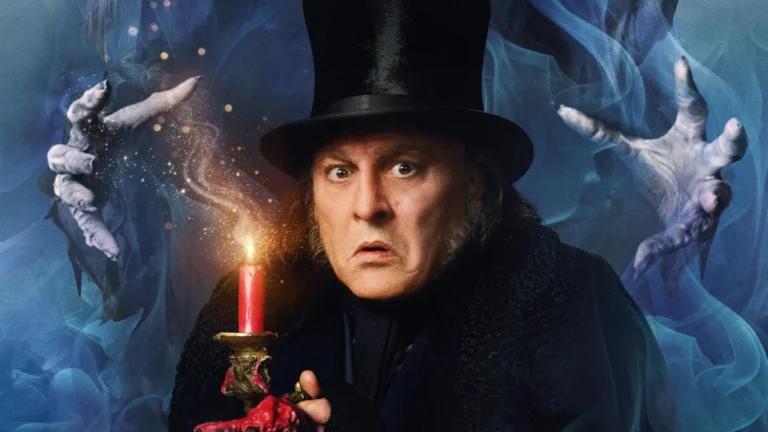
Khamûl is played by Zubin Varla in the third season. Varla is a British stage actor. A theatre background suits a role that depends on presence and menace more than spectacle.
Promotional material had already confirmed that Khamûl would appear this season, and he will likely follow a storyline in the east, in Rhûn. Khamûl was an Easterling who ruled in Rhûn, where Gandalf and Nori were already headed in the second season. That geography sets up a natural collision between the Ringwraith and the show’s existing heroes.
By the end of the first four episodes, viewers have met Khamûl as played by Varla. The speed of his arrival suggests the show is not holding him back as a distant threat. He is meant to be part of the story from the opening stretch of the season.
The Nazgnagôl and Sauron’s Growing Army
The series has its own name for the early Ringwraiths. Showrunners J.D. Payne and Patrick McKay have dubbed the earliest Nazgûl the Nazgnagôl in their Second Age adaptation. The label signals that the writers see these figures as something distinct from the wraiths audiences already know from the films.
By the end of the second season, the Nine Rings had been forged and Sauron held them, but they were not yet on anyone’s fingers. The third season takes up that moment directly. Sauron is shown handing out the rings in order to gather a larger and larger army.
Tolkien named only two of the nine individually, Khamûl and the Witch-king of Angmar. That scarcity gives the writers freedom, and it raises the stakes for the one name they do have. Every choice about Khamûl also shapes how the rest of the Nine might be imagined.
The Dark Wizard Theory and Khamûl’s Motives
Before Khamûl appeared, fans had a different mystery to chew on. The character played by Ciarán Hinds, known as the Dark Wizard, caused much debate after appearing in a trailer for the second season. One theory held that this figure could be a pre-corrupted version of Khamûl who served as a dark wizard before becoming a Nazgûl.
The latest reporting complicates that idea. Payne told Empire that Khamûl sees himself as a warlord who deserves to rule after his power was taken by a dark wizard. That places the two characters as separate figures with a shared history, rather than one man in two roles.
It also gives Khamûl a clear emotional engine. A man who believes he was robbed is exactly the sort of person Sauron’s offer of power would tempt. The series appears ready to treat his corruption as a grievance that curdles into ambition, which makes the eventual fall feel earned rather than inevitable. Do you think Khamûl’s sense of being wronged by the Dark Wizard makes him a tragic figure, or does it simply make him the perfect target for Sauron’s rings?