Worst Uses of Deus Ex Machina In Anime

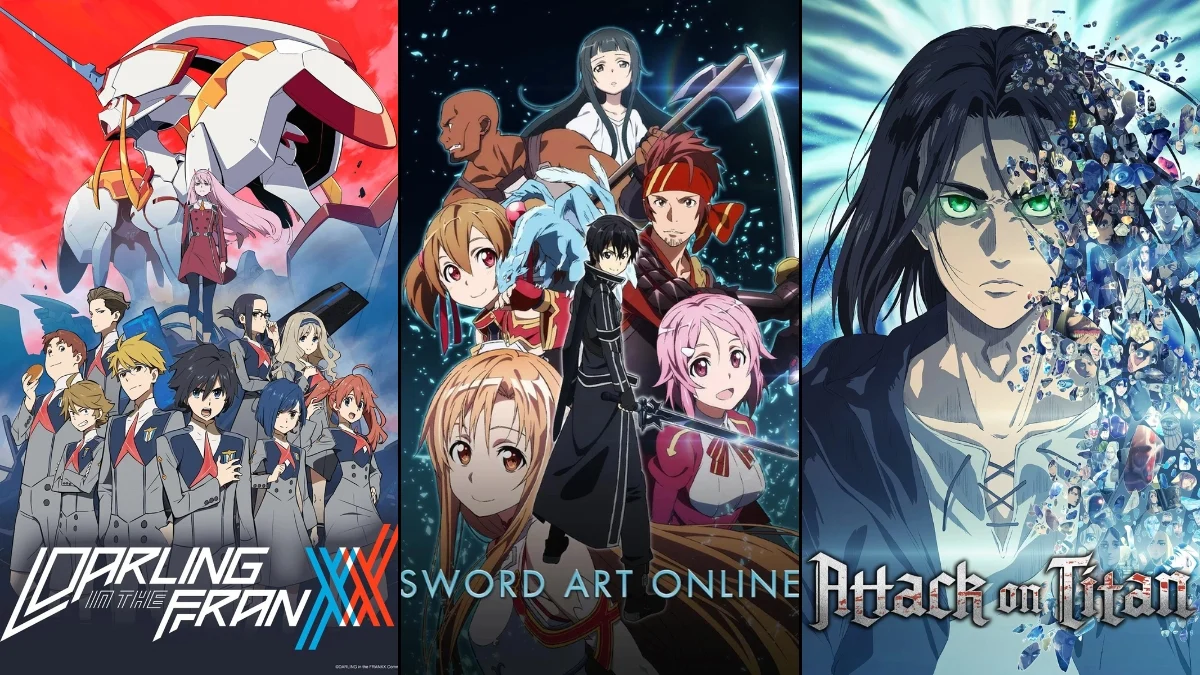

Deus ex machina moments show up across anime when an unexpected power, item, or twist suddenly resolves a crisis that seemed impossible to beat, and they’re worth tracking because they shape plots, character arcs, and even whole franchises. Below are notable cases where an abrupt rescue, rule change, or reality-bending ability steps in at the last second, with context on what happens, how it works in-universe, and the immediate story consequences that follow.
‘Neon Genesis Evangelion’ (1995–1996)
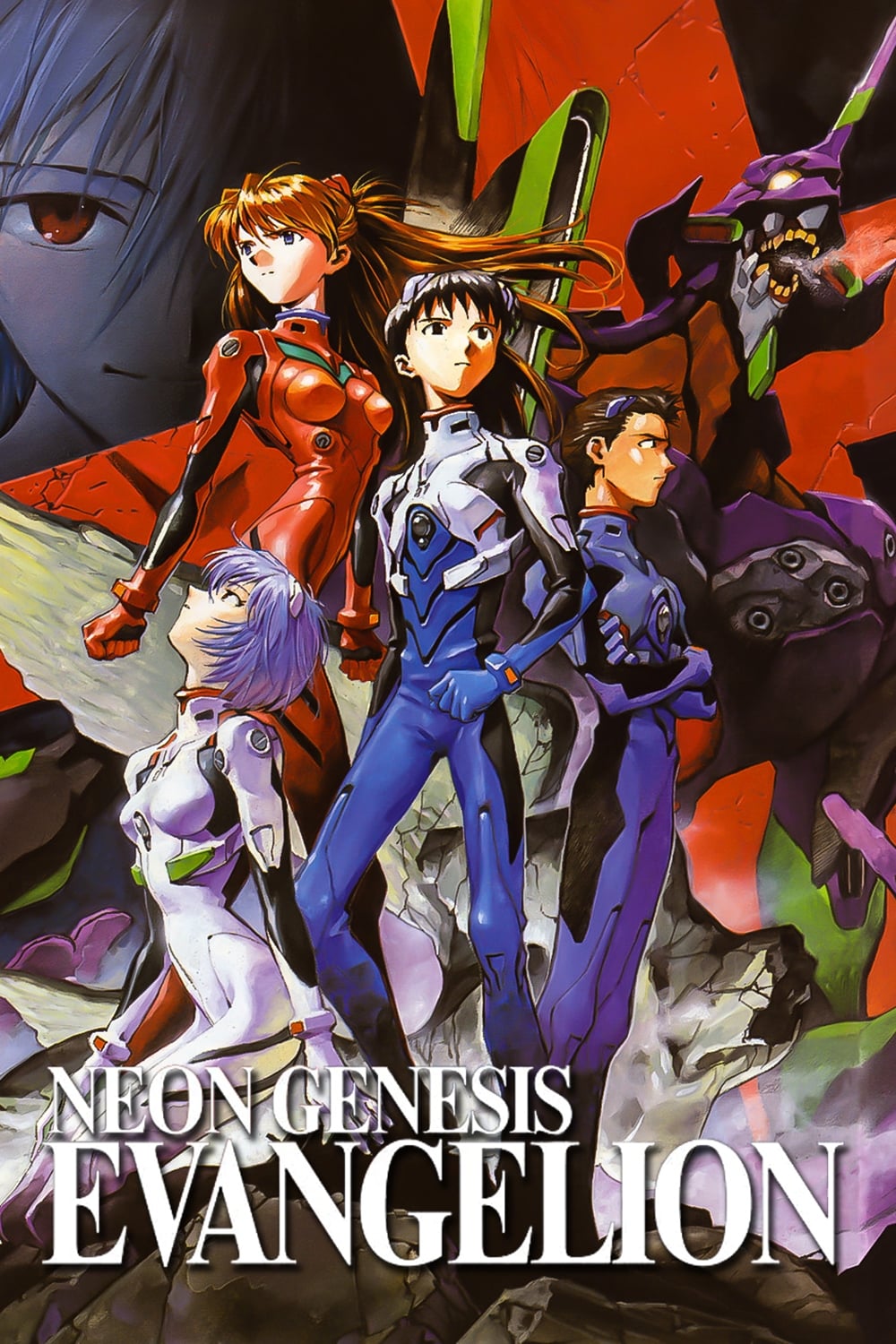
Late in the series, the Human Instrumentality Project activates and collapses individual boundaries, shifting the narrative from external battles to an internal, metaphysical resolution. Shinji’s subjective acceptance drives a global outcome, with the world’s fate presented through psychological vignettes rather than a conventional confrontation. The turn arrives after escalating Angel conflicts but sidesteps a physical solution. The series concludes with affirmation inside Instrumentality, leaving the state of the external world ambiguous until later material adds clarity.
‘Neon Genesis Evangelion: The End of Evangelion’ (1997)

During Third Impact, Rei merges with Lilith and initiates Instrumentality, dissolving humanity into a shared consciousness as the world transforms. Shinji’s choice becomes the decisive mechanism, halting the process and allowing individuals to return if they desire. The change restores physical reality in altered form, shown by the sea of LCL subsiding and select characters reappearing. The movie reframes the series’ finale by providing a catastrophic global event abruptly resolved through a single character’s will.
‘Sword Art Online’ (2012)

At the climax of the Aincrad arc, Kirito continues fighting after a seemingly fatal blow in the final duel with the game’s creator. System authority beyond normal player limits intervenes, preventing permanent loss and allowing survivors to log out. Asuna’s status is preserved despite earlier rules indicating otherwise. The resolution hinges on hidden administrative power rather than established combat mechanics.
‘Naruto Shippūden’ (2007–2017)
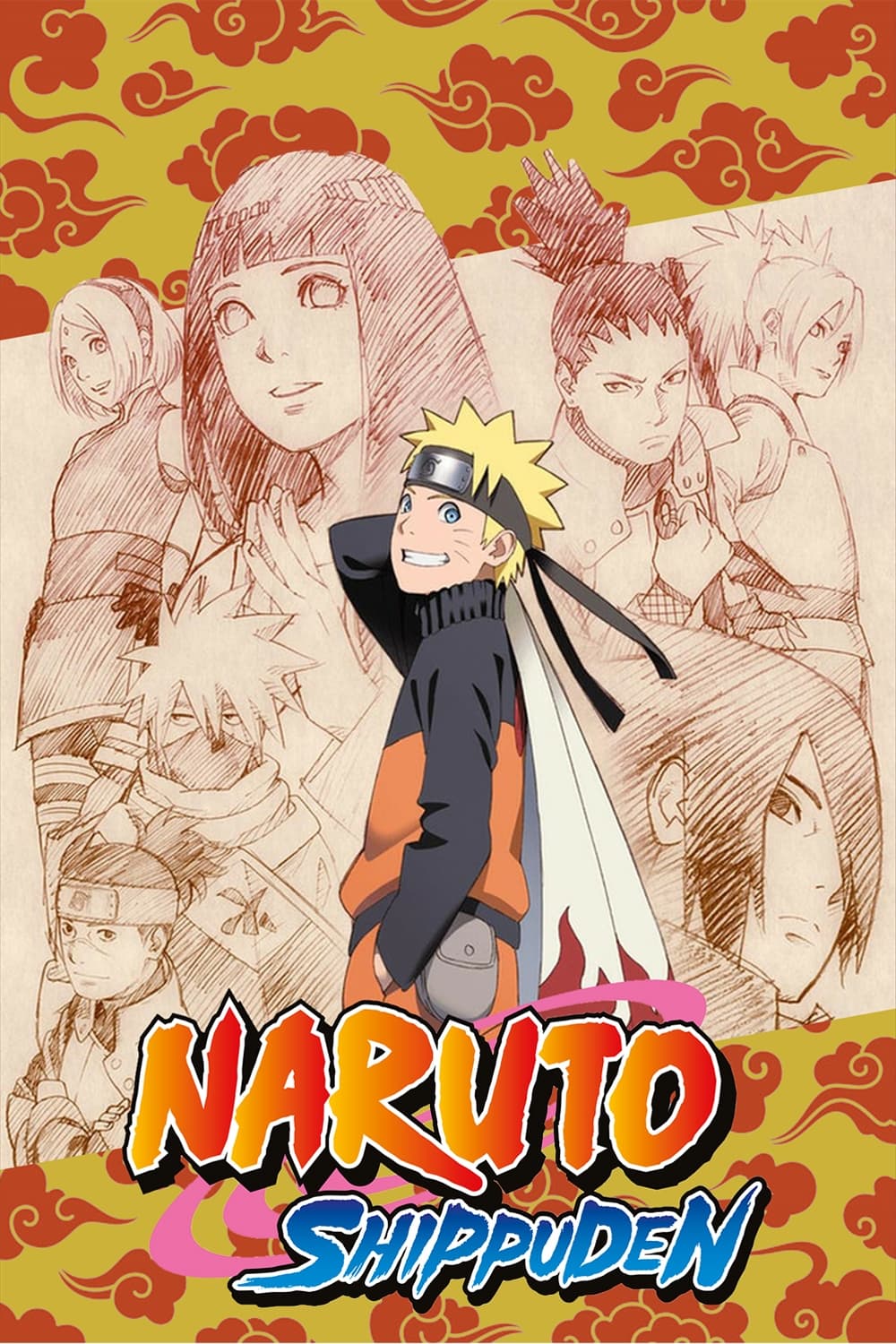
In the confrontation with Kaguya, Kakashi temporarily regains access to the Sharingan and unlocks a perfect Susanoo through Obito’s spirit. The sudden return and amplification of abilities grants him spatial-cutting techniques needed to counter the final antagonist. This occurs without conventional training or items previously tied to such upgrades. The empowerment directly enables the closing assaults that end the conflict.
‘Naruto’ (2002–2007)
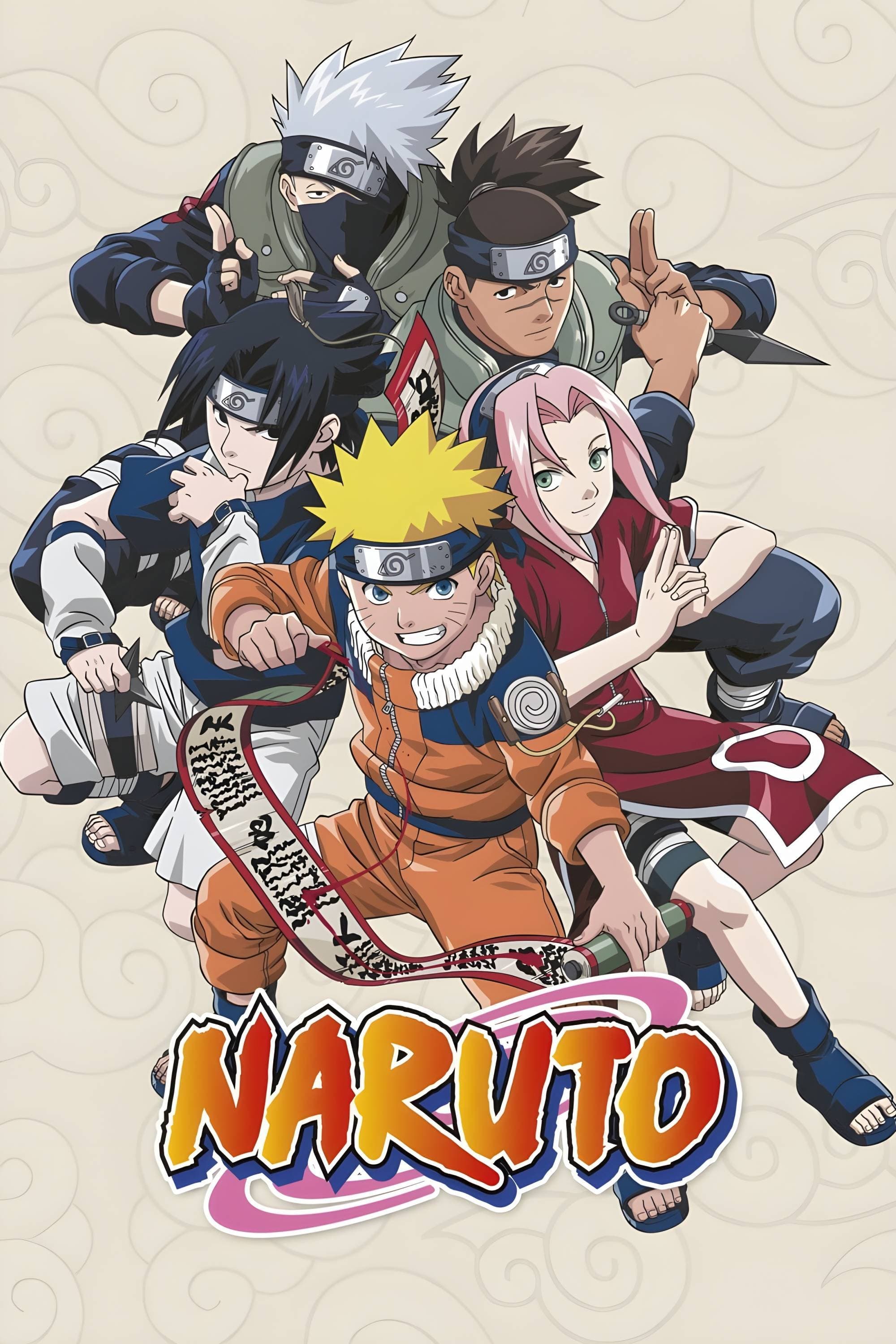
During the Land of Waves battle on the bridge, Naruto’s first surge of the Nine-Tails’ chakra arrives abruptly, breaking Haku’s ice mirrors and reversing the fight. The power’s manifestation exceeds anything seen from him up to that point. The moment establishes a pattern where the sealed fox’s chakra can surface under extreme stress. It provides an immediate, overwhelming advantage that closes the encounter.
‘Dragon Ball Z’ (1989–1996)

As Planet Namek is about to explode, the dragon Porunga executes a wish that relocates the heroes to safety in an instant. The transfer excludes Frieza and resolves the imminent annihilation without further combat. Earlier limitations on wishes are navigated through precise wording to produce the evacuation. The crisis ends through an external magical mechanism rather than a direct victory on-site.
‘Dragon Ball Super’ (2015–2018)

After the Tournament of Power, the Super Dragon Balls undo Zeno’s erasure of universes with a single wish. The restoration occurs immediately and comprehensively, bringing back fighters and worlds removed moments before. The scope of the reversal resets high stakes established over dozens of episodes. The god-tier wish system functions as a universal reset button independent of battlefield outcomes.
‘Bleach’ (2004–2012)
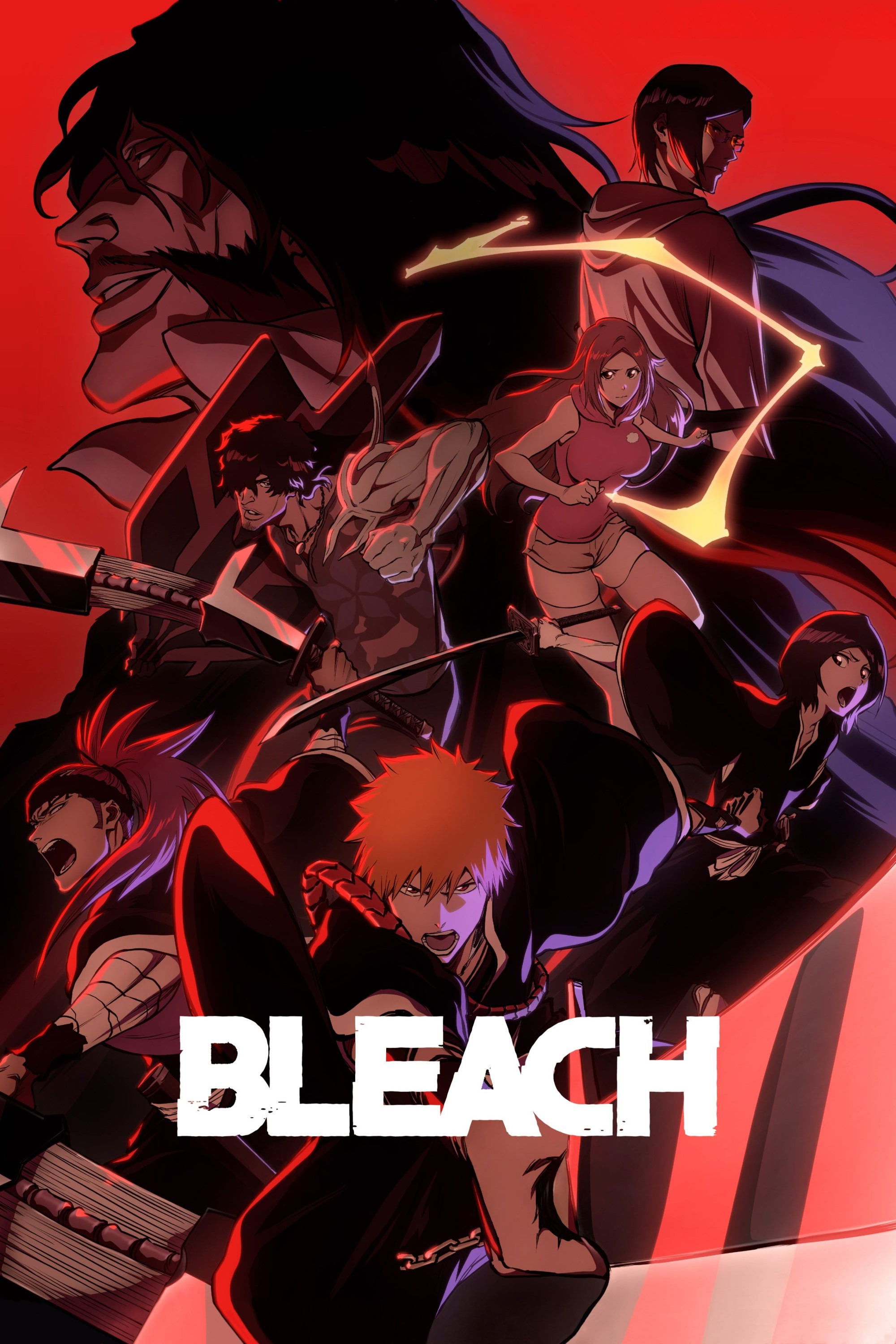
Orihime’s Shun Shun Rikka introduces the power to “reject” events, restoring damaged bodies and undoing injuries that would normally be decisive. Barriers and wounds disappear as if they never occurred, bypassing typical limits of healing. The ability’s framing treats reality as a phenomenon that can be denied at close range. In key set pieces, this turns lost situations into survivable ones through a localized reset of consequences.
‘One Piece’ (1999)
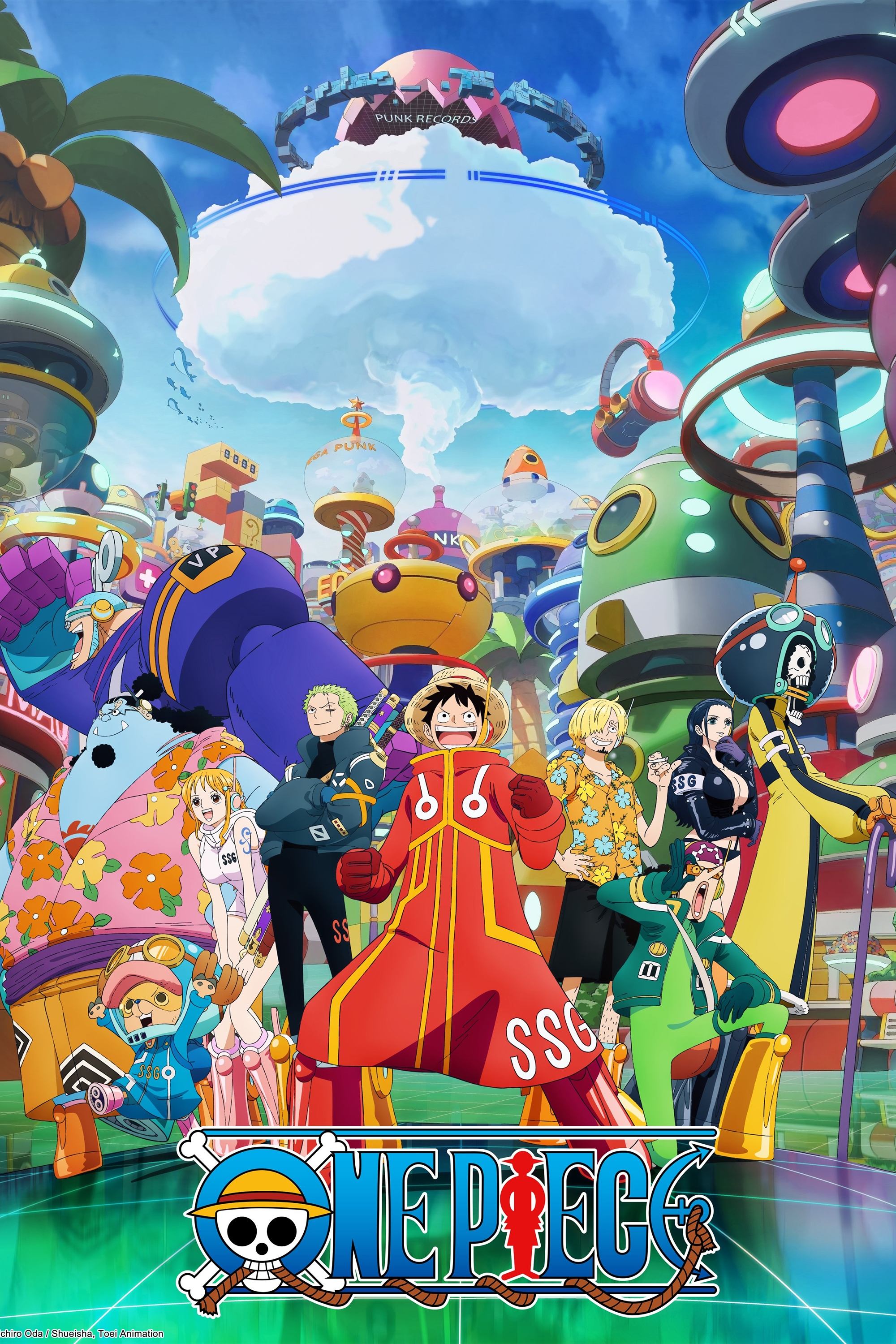
During the Enies Lobby escape, the Straw Hats are rescued when the supposedly finished Going Merry arrives to carry them away from overwhelming naval forces. The ship’s reappearance enables a last-second getaway across roaring seas and collapsing infrastructure. The crew subsequently holds a farewell for the vessel, acknowledging impossible strain it endured. The rescue hinges on the ship reaching them precisely when flight seems unattainable by other means.
‘Fairy Tail’ (2009–2019)
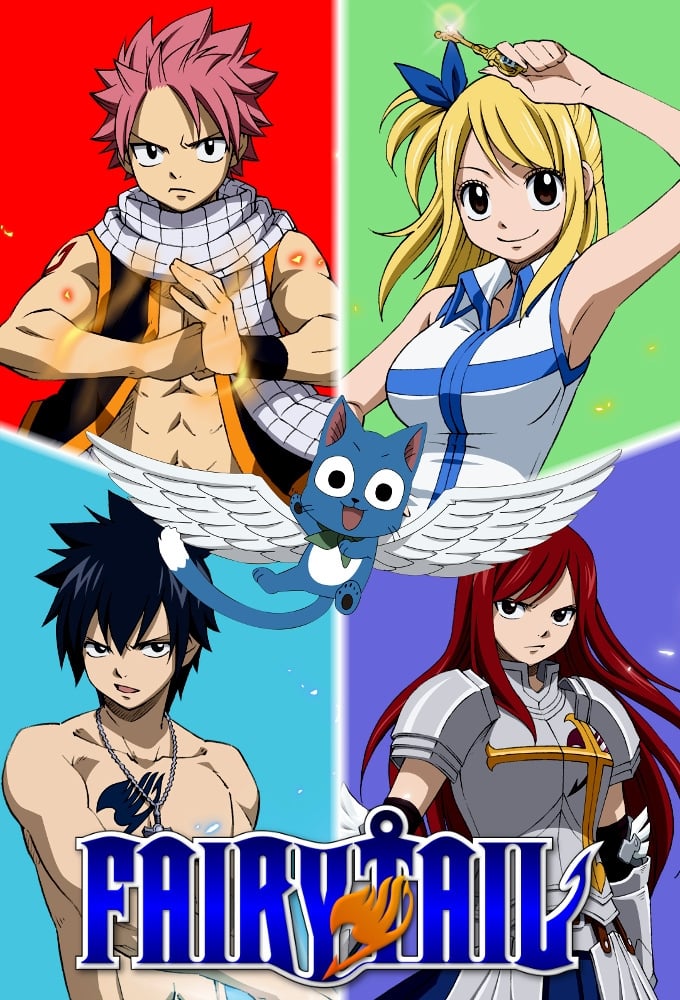
On Tenrou Island, the guild survives Acnologia’s annihilating attack when Mavis’s Fairy Sphere activates and seals everyone in stasis. The shield preserves the group intact and advances the outside world by years while they remain unchanged. This single spell prevents a total wipeout and explains the time skip that follows. The crisis ends through a guild-wide protective enchantment rather than a counterattack.
‘Guilty Crown’ (2011–2012)
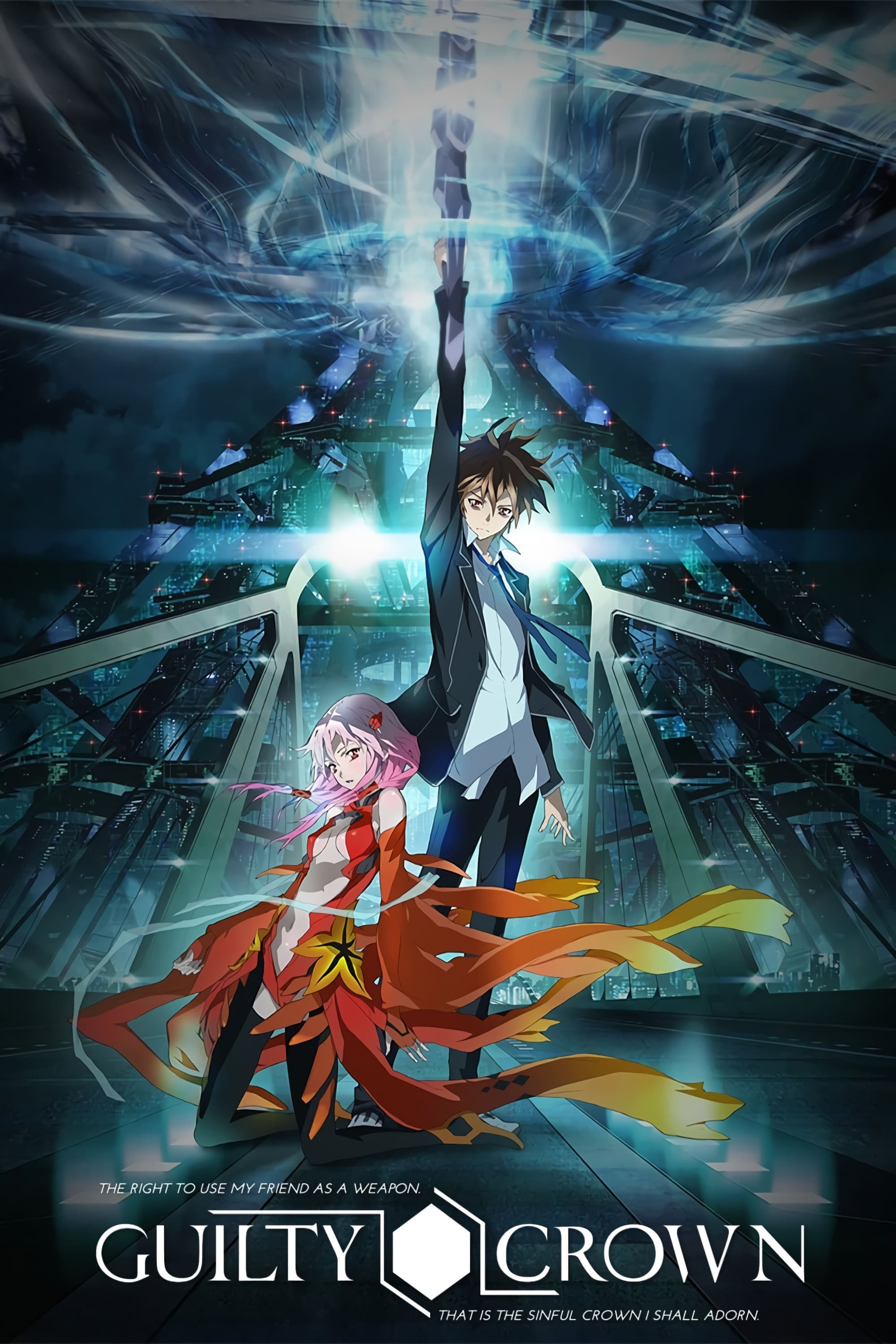
In the finale, Shu absorbs the Apocalypse Virus from the populace, while Inori’s sacrifice prevents a global catastrophe. The transfer centralizes infection into a single host, halting further spread in an instant. The Void Genome and resonance mechanics enable the mass cure without a medical solution. The world-threatening event ends through abrupt consolidation of the pathogen and a symbolic handoff of its burden.
‘Darling in the Franxx’ (2018)
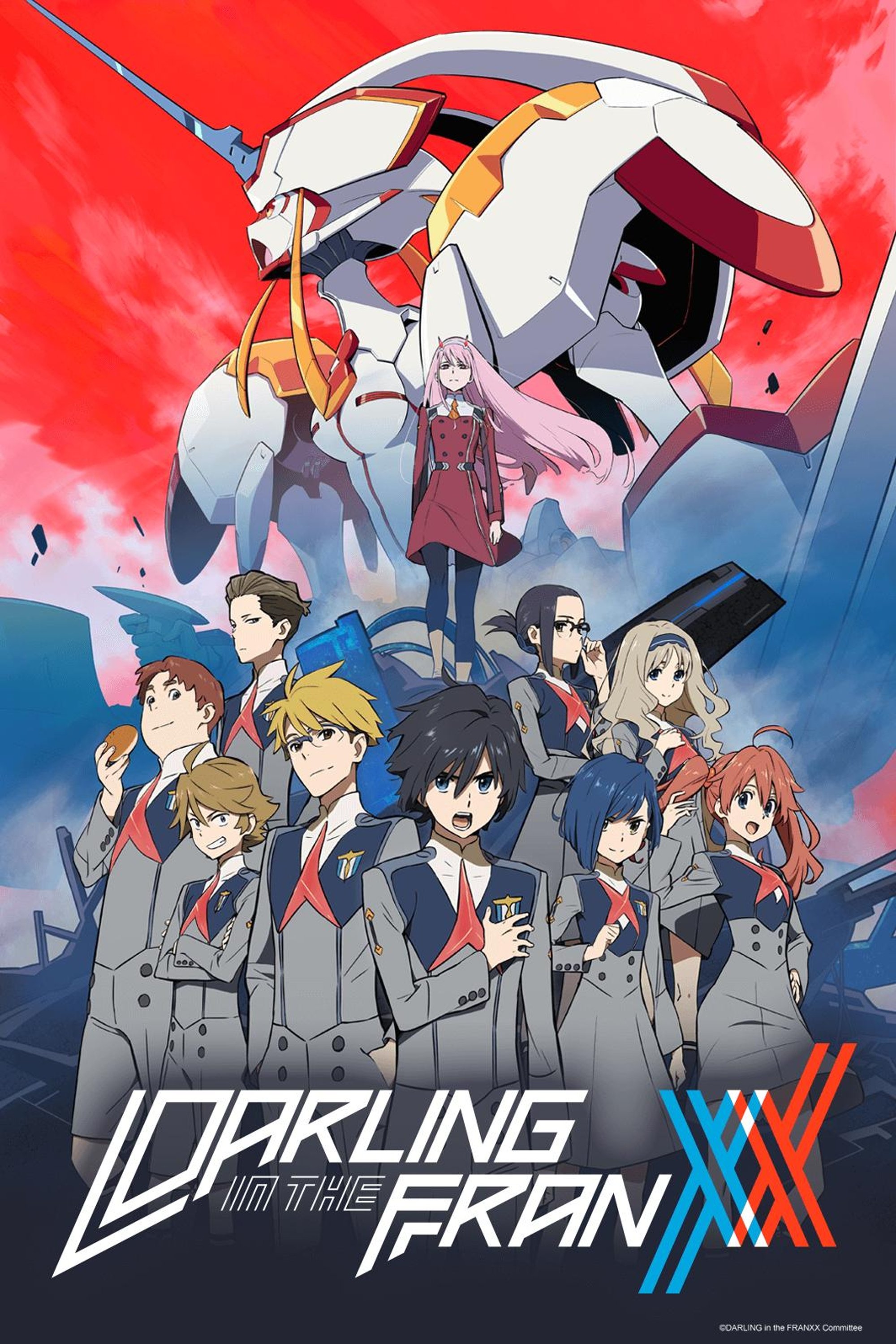
Midway through the story, the alien collective VIRM appears and reframes the conflict, diverting attention from human and Klaxosaur tensions to an interstellar threat. The protagonists fuse with advanced forms of their mecha to launch a final space assault. This pivot introduces a new enemy and pathway to victory unavailable in earlier episodes. The conclusion relies on an abrupt escalation from terrestrial warfare to cosmic stakes and technology.
‘JoJo’s Bizarre Adventure: Golden Wind’ (2018–2019)
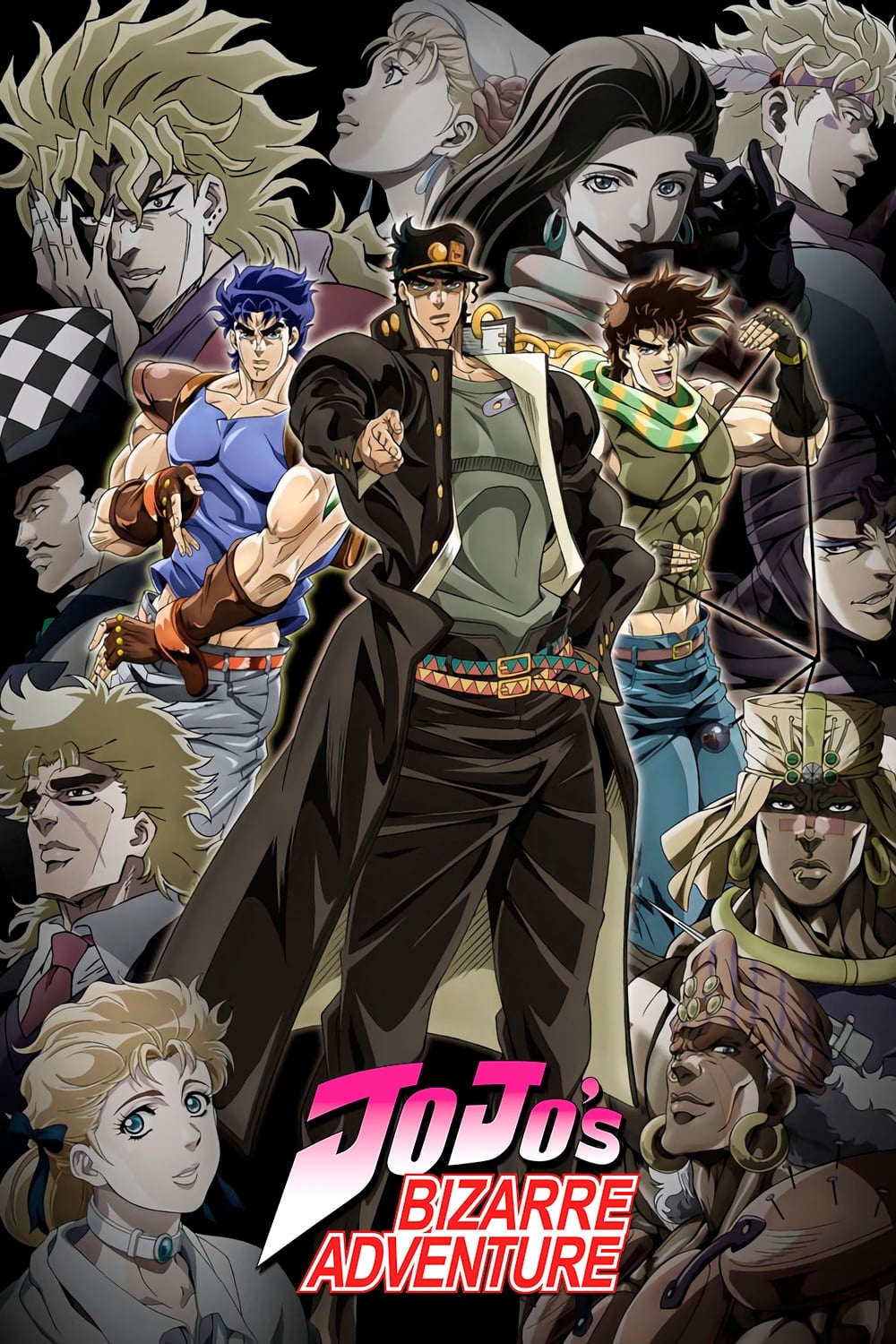
Giorno’s Stand evolves into Gold Experience Requiem when struck by the Arrow, gaining undefined superiority that nullifies the antagonist’s actions. The new ability resets causality around attacks, preventing outcomes from reaching completion. Diavolo’s attempts to secure victory are repeatedly undone without conventional counters. The sudden evolution provides an immediate, absolute advantage that closes the duel.
‘Attack on Titan’ (2013–2023)
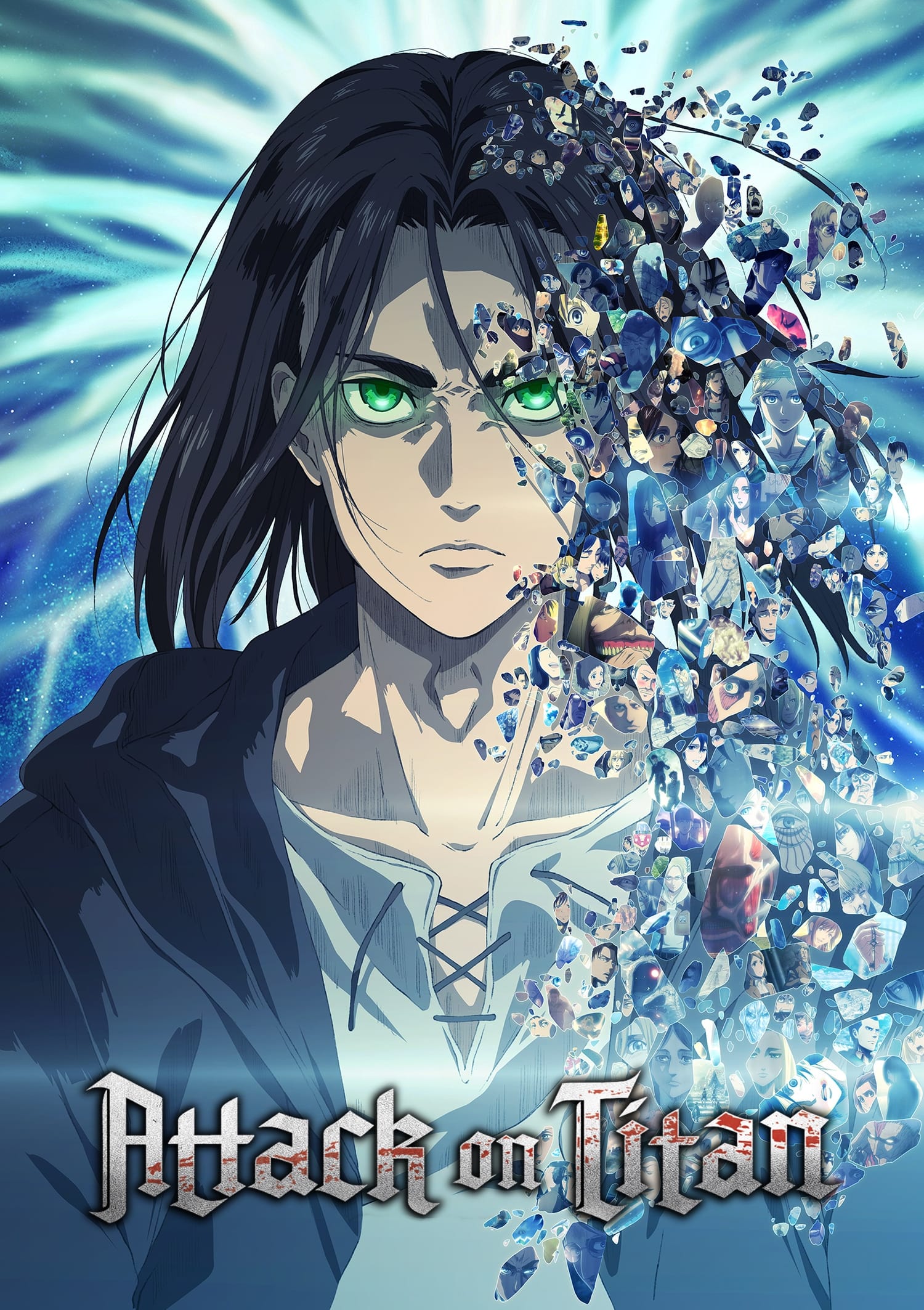
Eren’s brief contact with a Titan of royal blood triggers the Coordinate, ordering nearby Titans to attack a specific target and opening an escape. The power activates despite prior rules indicating he lacked the necessary lineage. Its effect overrides battlefield control and lethality in seconds. The revelation of activation conditions arrives at the same moment it resolves the ambush.
‘Inuyasha’ (2000–2004)

Tessaiga unveils new techniques precisely aligned to emerging threats, such as the backlash wave or diamond-hard slashes. These powers manifest during critical confrontations and pivot outcomes immediately. The sword’s abilities expand through battle triggers rather than extended training or crafting. Enemies who dominated earlier exchanges are defeated once the technique appears.
‘Yu-Gi-Oh! Duel Monsters’ (2000–2004)
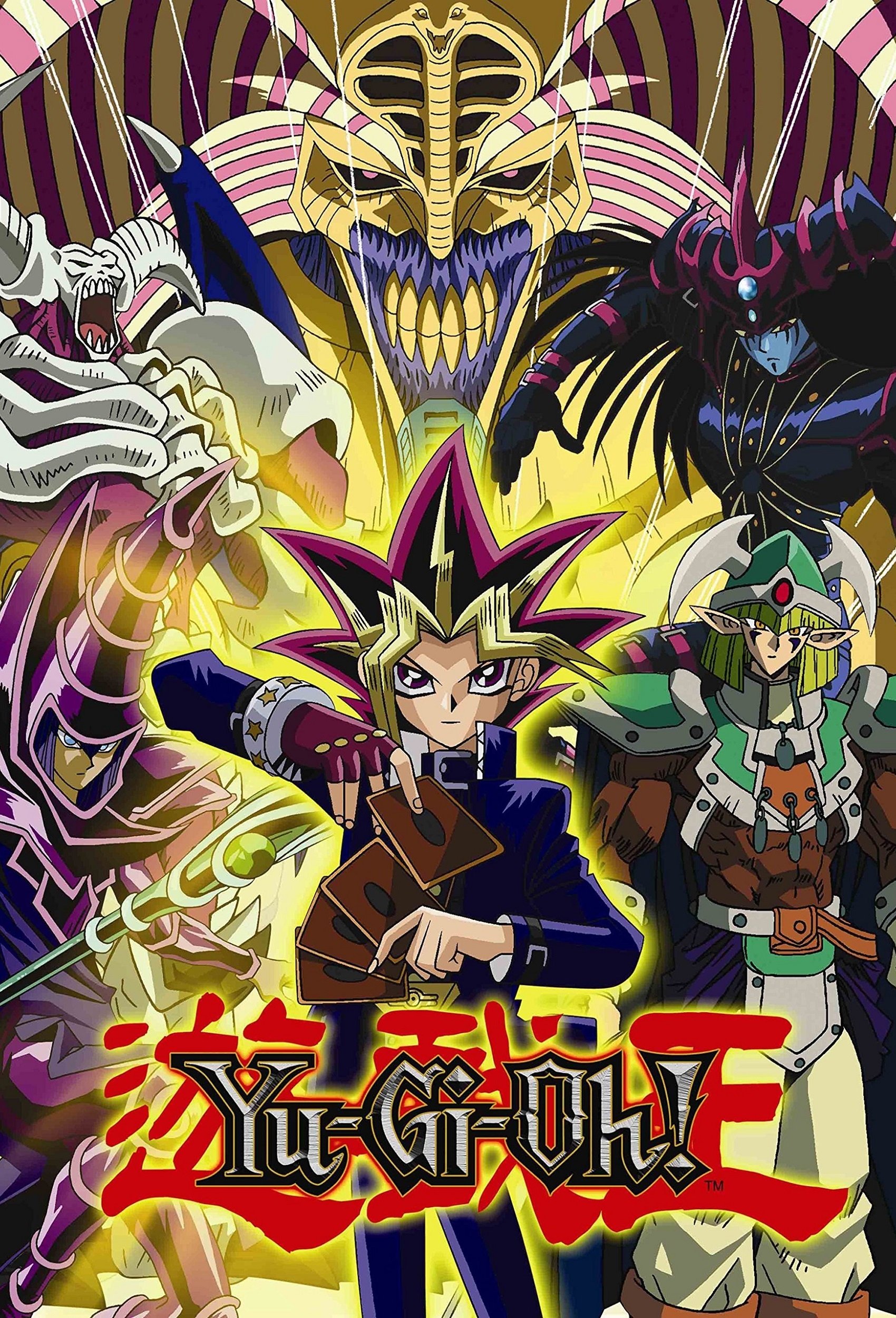
Key duels hinge on last-card draws or sudden access to legendary combinations, most famously the early assembly of Exodia against Kaiba. These draws occur at exact moments when victory seems mathematically out of reach. Special cards and rule quirks enable rapid board reversal within a single turn. The narrative resolves matchups through improbable, decisive top-decks.
‘Pokémon: The First Movie’ (1998)
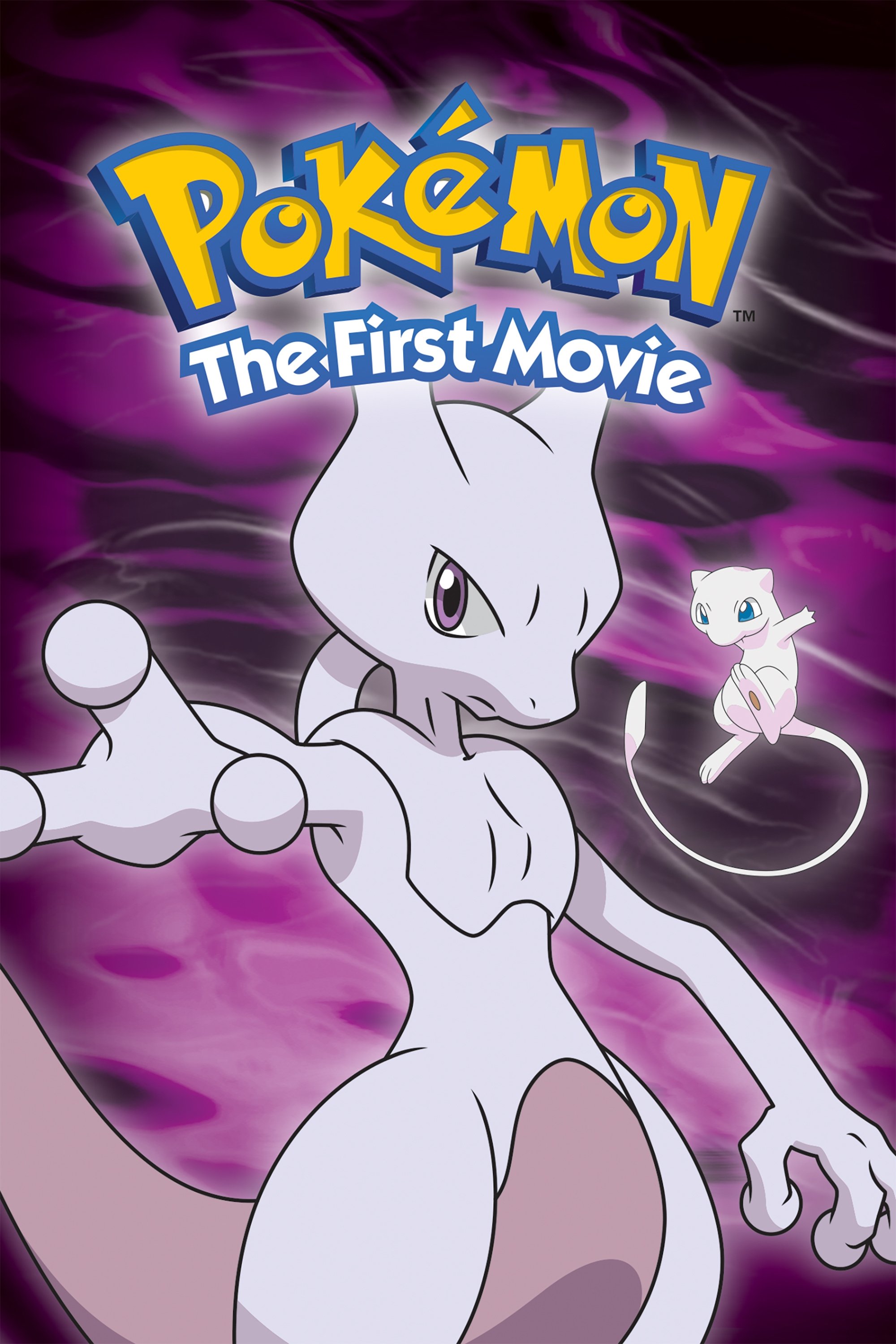
After a climactic clash leaves Ash petrified, the tears of Pokémon gathered around him reverse the condition and revive him. The restoration overrides prior consequences of the battle’s energy. The event ends the conflict and prompts reconciliation between opposing forces. The resolution arrives through a spontaneous, collective miracle unconnected to standard healing methods.
‘Gurren Lagann’ (2007)
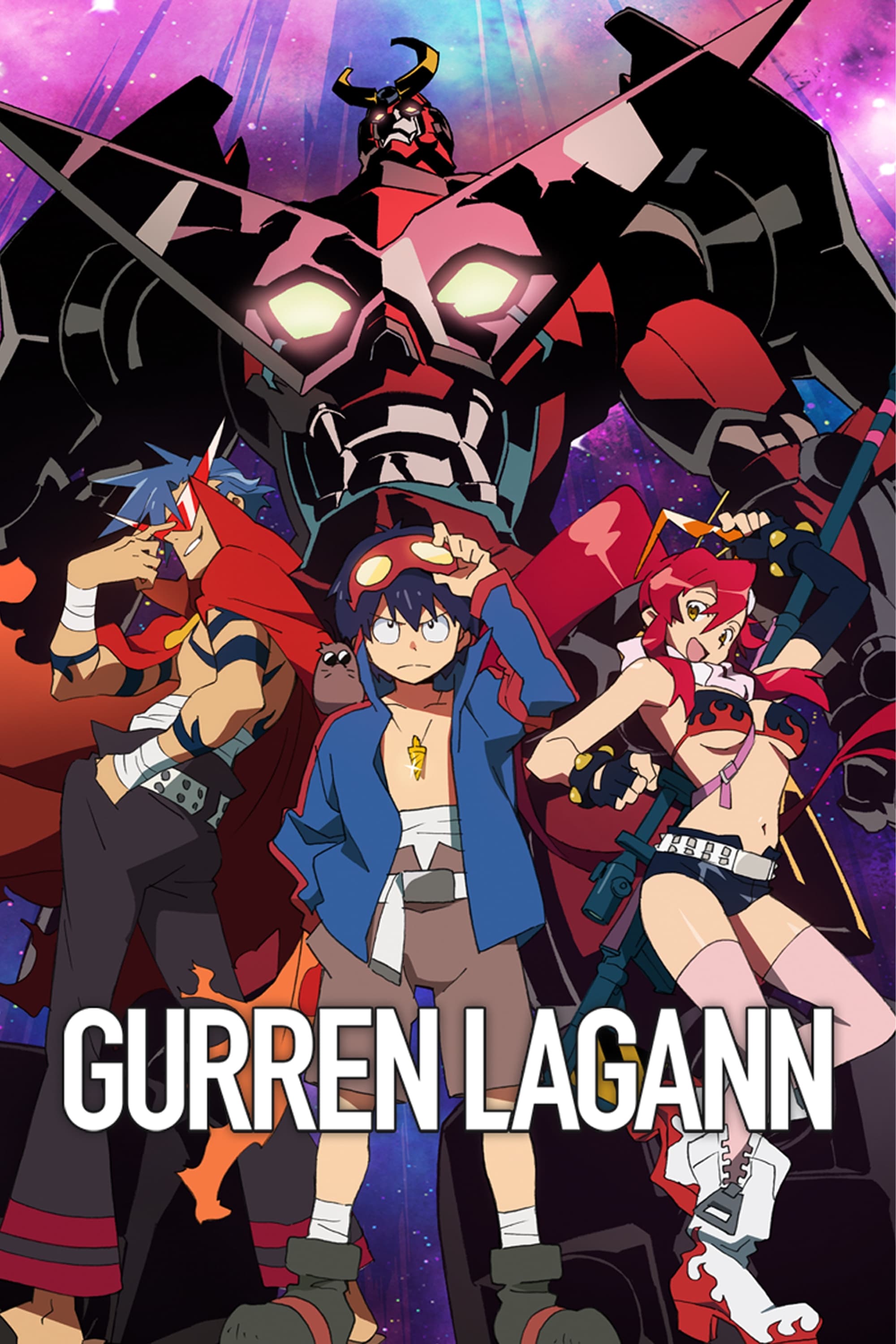
In escalating battles, spiral power allows the heroes to manifest ever-larger mecha and abilities beyond previously defined limits. Each leap produces immediate counters to newly revealed enemy weapons. The final engagements feature universe-stretching feats created on the spot through will and energy. Conflicts conclude by out-scaling problems rather than developing established tools.
‘Akame ga Kill!’ (2014)

Tatsumi’s Teigu, Incursio, evolves under stress into a dragon-like form that withstands the Emperor’s colossal weapon. The transformation grants durability and force beyond prior showings. This surge arrives as the capital faces destruction and flips the battle’s outcome. The city’s salvation proceeds from an abrupt metamorphosis triggered in the moment.
‘Black Clover’ (2017–2021)

Asta’s anti-magic unlocks new forms and swords during decisive fights, including the first appearance of Black Asta to nullify high-tier spells. The transformation counters curses and elementals that outclass normal mages. The devil’s power provides sudden speed and cutting strength to end stalemates. The victories often follow directly from the new form’s debut in the heat of battle.
‘Sailor Moon’ (1992–1997)
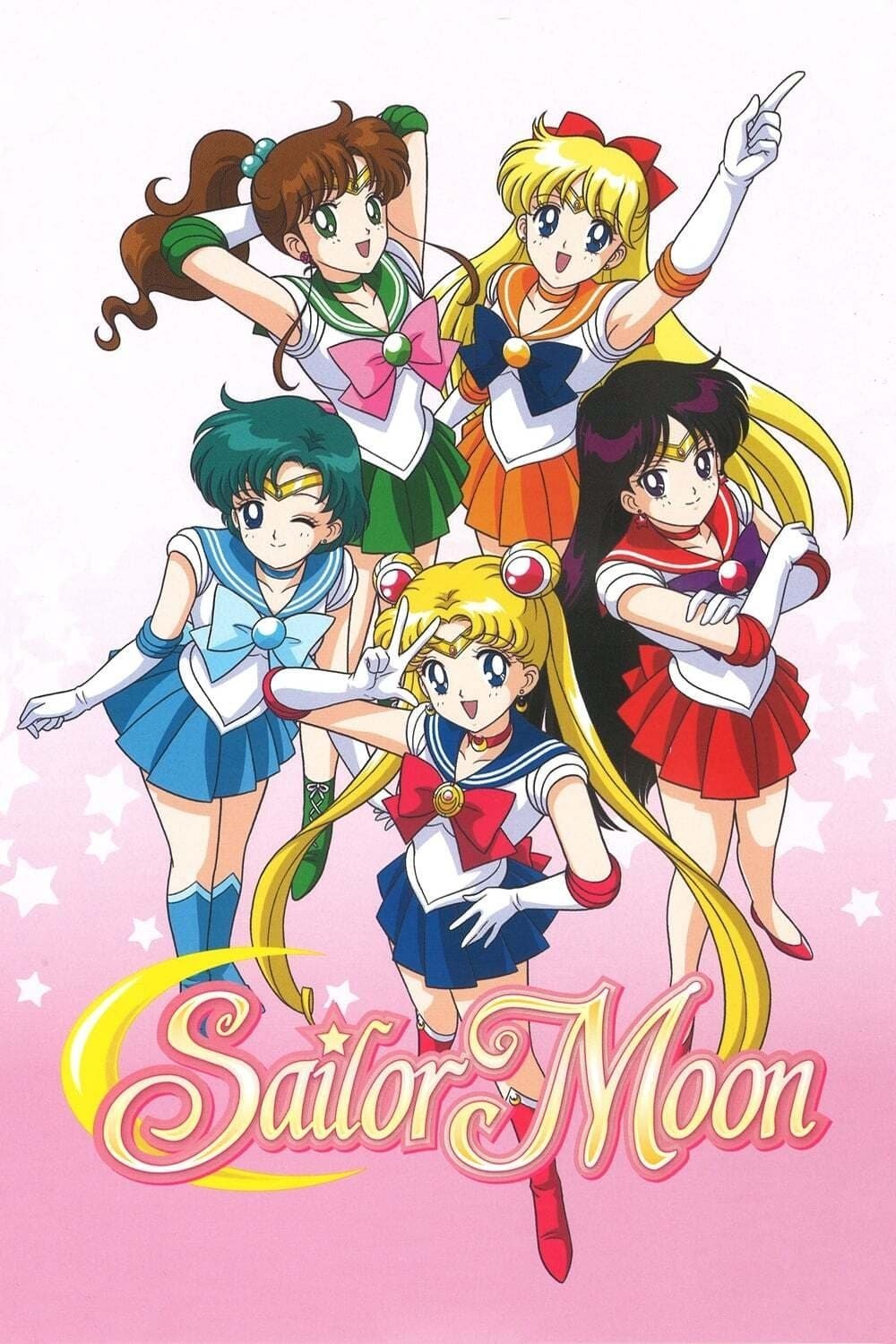
The Silver Crystal repeatedly restores fallen allies and reverses large-scale destruction at the end of arcs. These revivals occur moments after conclusive defeats, re-establishing the status quo for the team. The crystal’s power functions as a universal remedy for fatalities and devastation. Season wrap-ups routinely hinge on its activation to reset consequences.
‘CLANNAD: After Story’ (2008–2009)
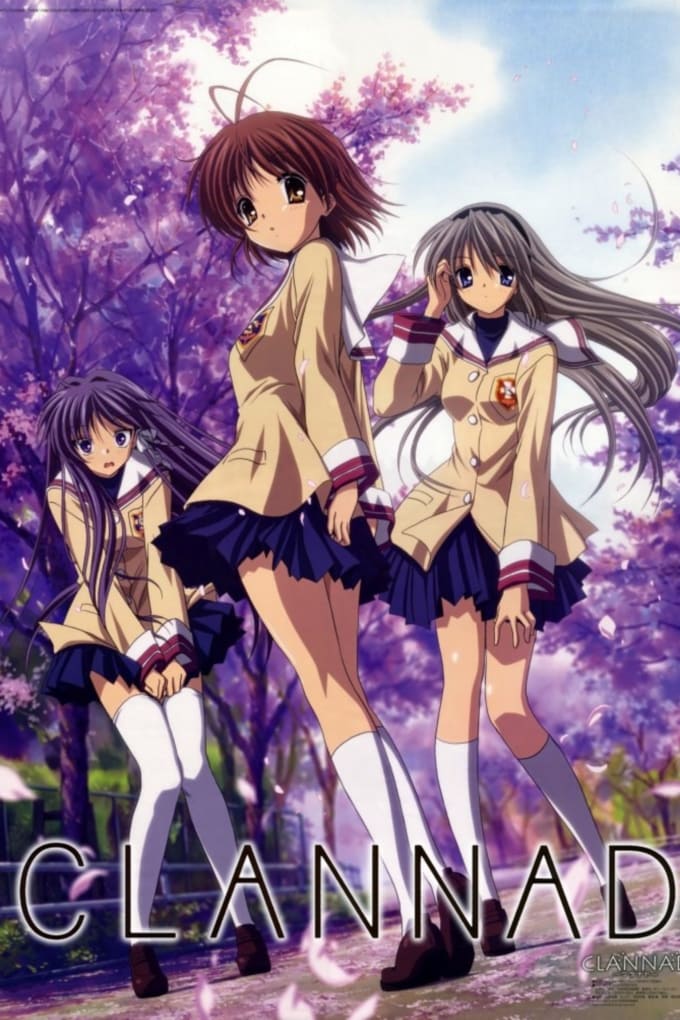
Light orbs gathered across the narrative enable a miracle that rewinds tragic outcomes for Tomoya and his family. The reset integrates the parallel “illusionary world” and collapses alternate paths into a restored reality. Key losses are undone in a single moment tied to accumulated goodwill. The story resolves with a comprehensive reversal triggered outside ordinary cause-and-effect.
‘The Promised Neverland’ (2019–2021)
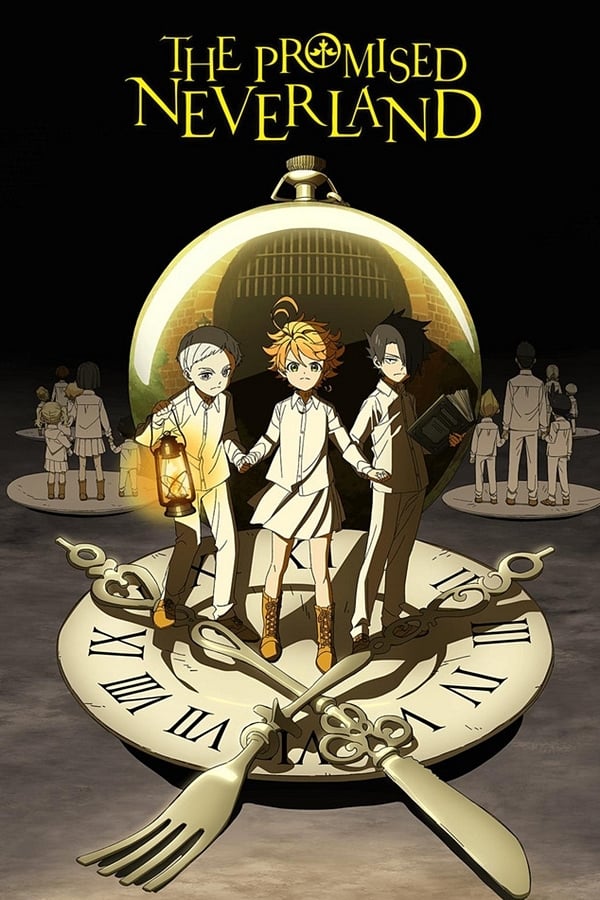
In the anime’s second season, a coded pen and off-screen alliances provide the children with sudden solutions, culminating in a montage that jumps past complex operations. Major escapes and negotiations are summarized rather than depicted step-by-step. The tools reveal hidden infrastructure and a direct route to safety at crucial junctures. The final plan’s execution is presented as a rapid, sweeping fix for multiple obstacles.
‘Fate/stay night [Unlimited Blade Works]’ (2014–2015)
!['Fate/stay night [Unlimited Blade Works]' (2014–2015)](https://image.tmdb.org/t/p/original/jyqi5BkDoKKIA2WAoz3HBtRHld3.jpg)
Shirou’s hidden scabbard, Avalon, activates to heal and shield him from otherwise fatal attacks when triggered by proximity to Saber. The artifact’s effect overrides damage and restores him to fighting condition on the spot. Its protective field creates windows to counter stronger foes. Critical battles turn when the scabbard asserts its mythic defense beyond normal human limits.
‘Puella Magi Madoka Magica’ (2011)
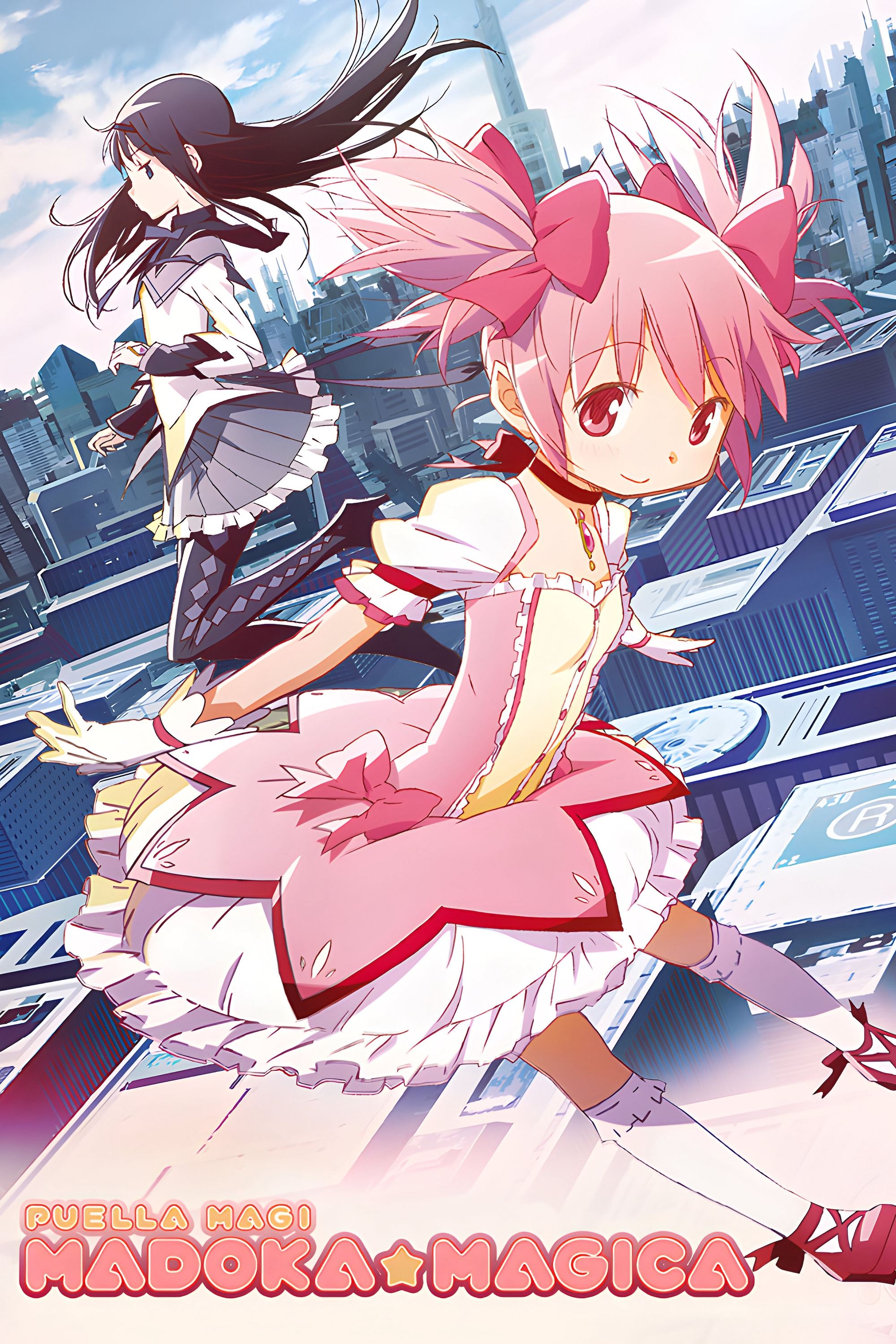
Madoka’s ultimate wish rewrites the laws governing magical girls, erasing witches from the system and altering reality across timelines. The change retroactively resolves countless tragedies, replacing them with a new end state. The series concludes under revised cosmology where battles and outcomes no longer follow previous rules. A single decision implements a universe-wide correction that ends the original cycle.
Share the moments you think best fit this list—and the ones we missed—in the comments!