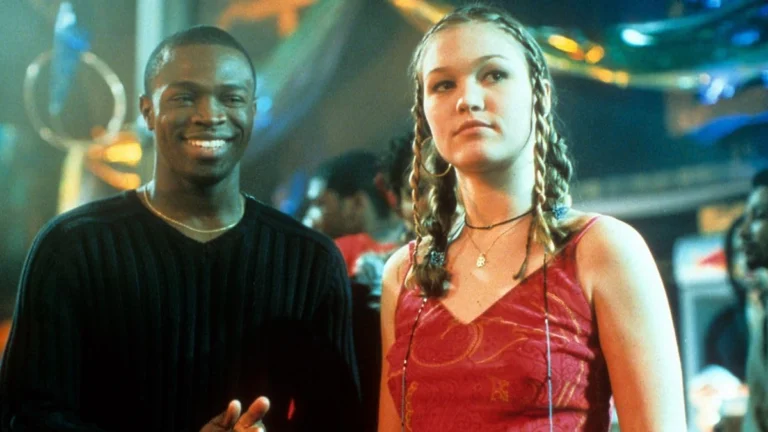
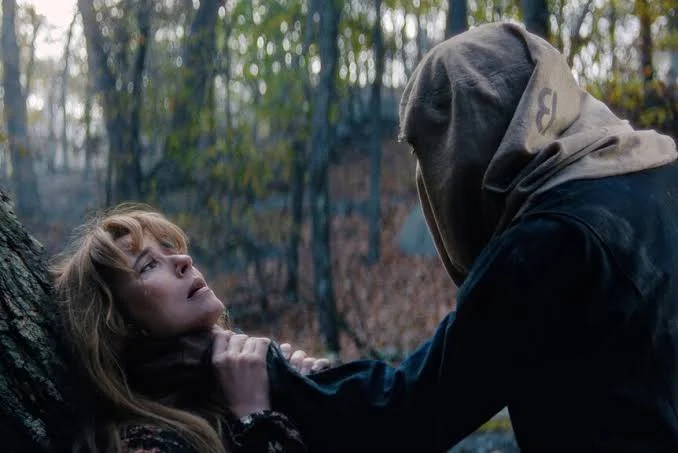
Zach Cregger Reveals How the First-Person Scenes in ‘Resident Evil’ Were Filmed


Video game adaptations often talk about capturing the feel of the source material, but few actually change how the camera works to do it. ‘Resident Evil’ director Zach Cregger has now explained how he pulled off the movie’s most talked-about visual trick. The result is a horror film that tries to put the audience directly behind the trigger.
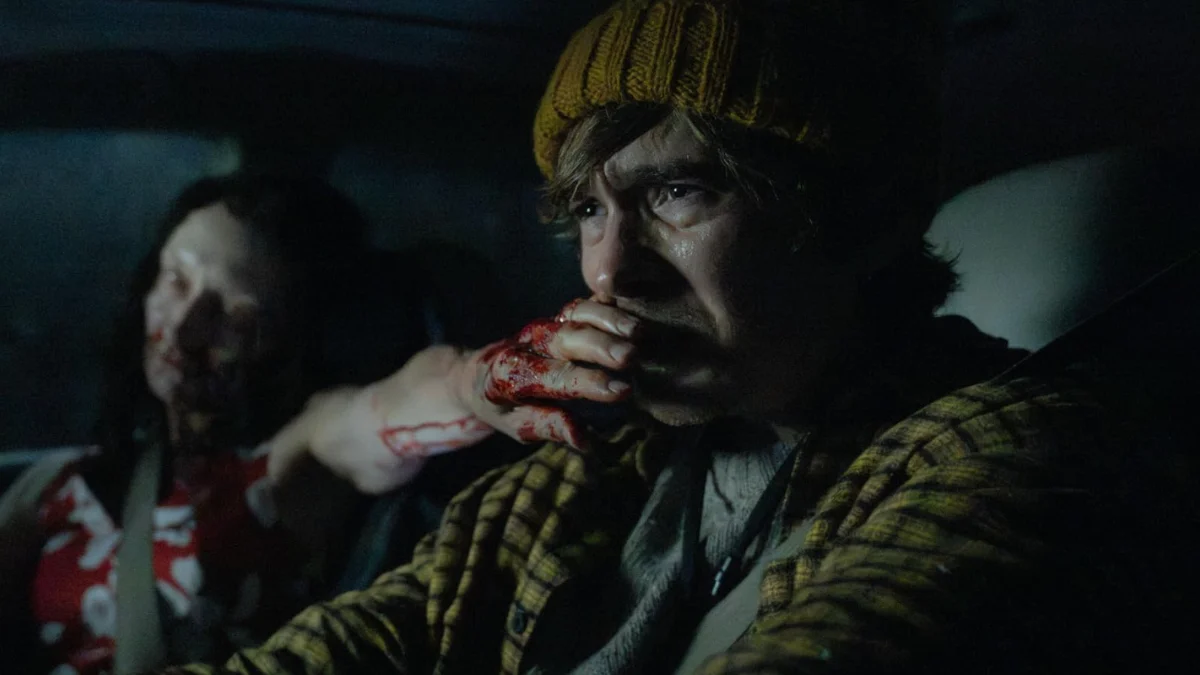
Cregger is a lifelong fan of the franchise, and he set himself one goal for the film: be authentic to the spirit of the games. Instead of retelling a specific game story, the movie follows a new character, a courier named Bryan, played by Austin Abrams. Bryan takes a late-night delivery to a hospital in Raccoon City during a snowstorm, and the plot unfolds during the events of ‘Resident Evil 2’ in a modern-day setting.
To match the games, Cregger leaned on the way players progress. The movie starts Bryan off with a pistol, then moves him to a shotgun and eventually a machine gun, mirroring how the games hand out firepower. It also blends third-person and first-person views, and Cregger has said there are no strict rules for when the film switches between them.
Now Cregger has revealed how those shooter sequences were actually filmed. In a post shared by DiscussingFilm on X, sourced to @imPatrickT, he says the first-person shots were made with camera rigs mounted directly onto the guns, and sometimes onto Abrams’ head. The post has drawn 988.3K views, 20K likes, and 1.4K reposts since going up on September 19.
According to the post, the rig was fixed rigidly to a machine gun and a shotgun to get the correct first-person ratio. Cregger explained that precision was everything, because if the barrel sits too high in the frame or isn’t aiming dead center, the shot immediately feels wrong. In other words, the camera had to behave exactly like the weapon.
Zach Cregger says first person shooter scenes in ‘RESIDENT EVIL’ are created by camera rigs on guns & sometimes Austin Abrams’ head. “We mount it to a machine gun & shotgun… you have to mount it rigidly to the gun to get that first person ratio… If the barrell’s too high in the frame or slightly not aiming dead center it feels dead wrong.” (Source: @imPatrickT)
— DiscussingFilm (@DiscussingFilm) September 19, 2026
That level of detail explains why the sequences look so convincing. Rather than simulating a game with visual effects, the team physically built the perspective into the equipment. The head-mounted version gave the crew a way to capture what Abrams’ character would actually be seeing.
Fans who have seen the film seem to agree. One viewer replying to the post said the first-person sequences genuinely work, and that the head-mounted shots feel like being inside the game, which they meant as the highest compliment. Reactions like that suggest the technique is landing with audiences.
The same commitment to physical effects shows up elsewhere. Cregger told Gold Derby he wanted “as many practical detonations as possible” for one of the film’s biggest set pieces. In that scene, 150-pound bodies loaded with fake blood were dropped from 6 stories up next to a running Abrams.
The first trailer for Zach Cregger's ‘RESIDENT EVIL’ has been released.
— DiscussingFilm (@DiscussingFilm) April 30, 2026
In theaters on September 18. pic.twitter.com/eeVCAGzy6M
Cregger said one of those bodies fell too soon and landed about an inch from the actor’s head, and the shot is in the movie. Abrams later called the stunt shoot harrowing, telling Deadline that each take was kind of scary. That kind of danger is part of why the film feels so tactile.
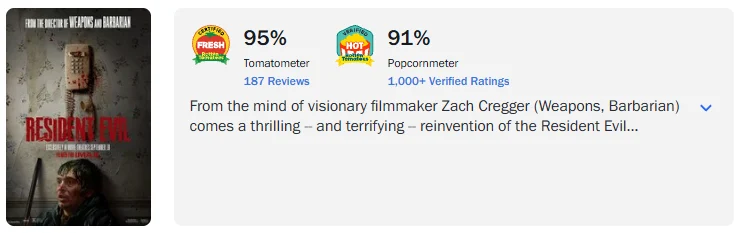
The strategy also reflects a broader choice to focus on horror rather than the action-heavy style of earlier ‘Resident Evil’ films. The movie runs 94 minutes, reportedly cost $80 million, and arrived in US theaters on September 18. Deadline had reported that it was tracking for a franchise-record domestic opening.
For a franchise built on tension and limited resources, using real equipment to recreate a player’s view feels like the right fit. Cregger’s approach shows how a technical choice can carry the tone of an entire film. It also gives fans one more reason to look closer at how the movie was made.
Would you like to see more movies use first-person camera rigs like Resident Evil?
Have something to add? Let us know in the comments!