15 Most Terrifying Vampires in Global Folklore, Ranked

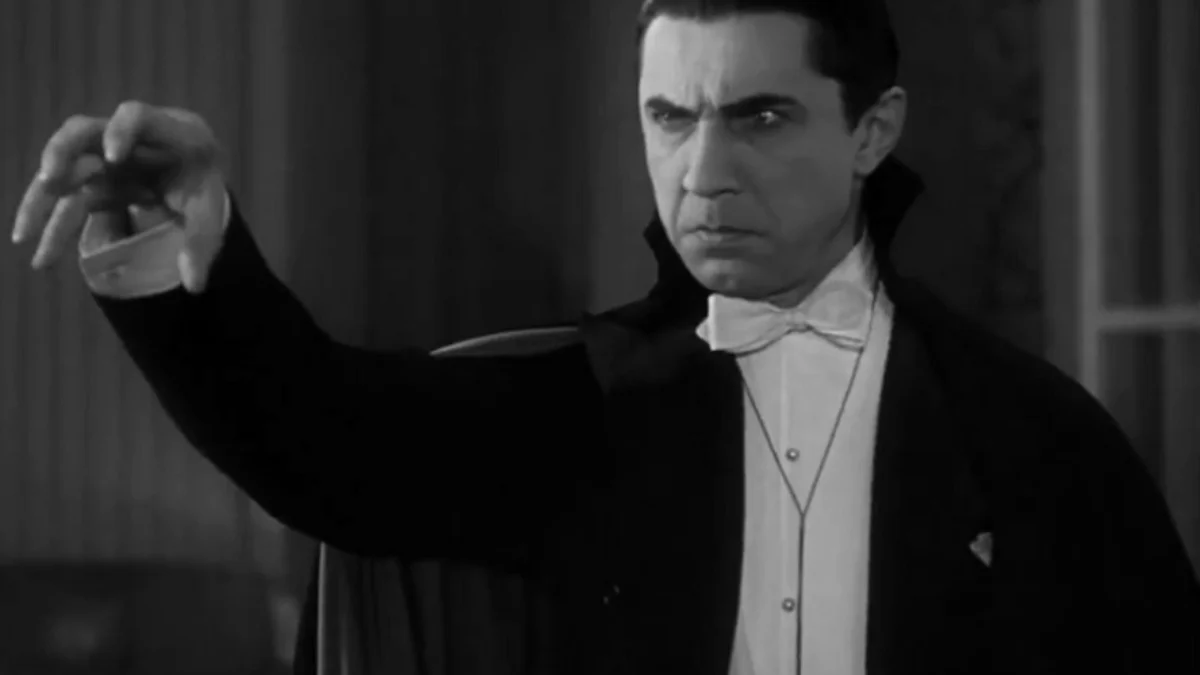

Across cultures and centuries, people have told stories about beings that drain life—through blood, breath, or spiritual essence—and stalk the boundary between the living and the dead. These folkloric vampires vary wildly, from shape-shifting predators to restless corpses animated by curses or ritual mistakes. Their traits often reflect local fears: disease, nighttime attacks, unburied bodies, and witchcraft. Below is a countdown of 15 notable vampire figures from around the world, highlighting their origins, methods, and the protections people traditionally use against them.
Alp
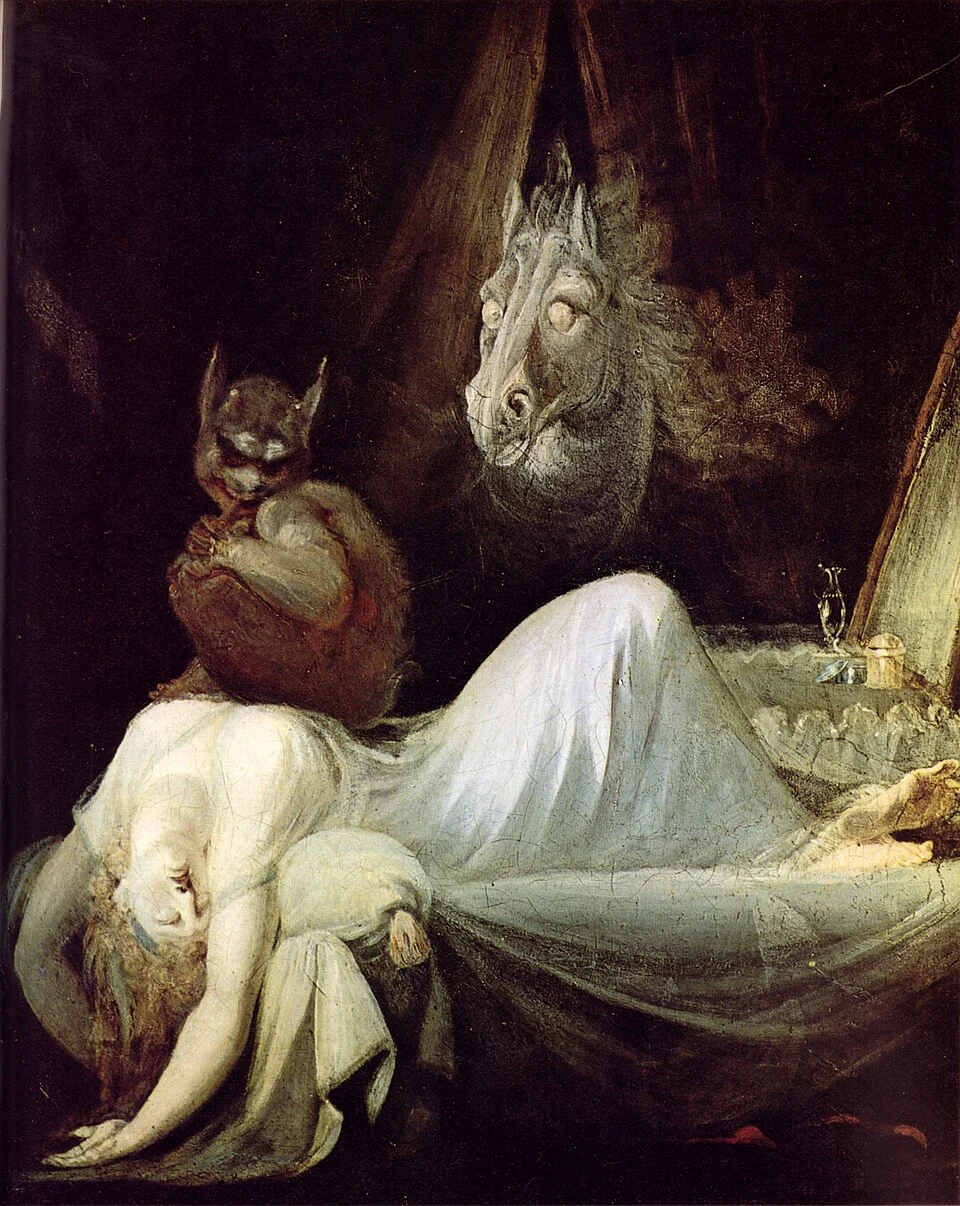
In Germanic folklore, the Alp is a nocturnal entity tied to the “night-mare” experience, known for sitting on a sleeper’s chest and drinking blood or “life-breath.” It can shape-shift—sometimes appearing as a cat, dog, pig, snake, or even a small man wearing a distinctive hat called a Tarnkappe. Traditional defenses include placing broomsticks, shoes, or knives by the bed and turning one’s pillow, which was thought to confuse or repel the Alp. The creature is also associated with dreams of suffocation, making it a folkloric explanation for sleep paralysis.
Yara-ma-yha-who

Recorded in Aboriginal Australian tradition, the Yara-ma-yha-who is a small, red, frog-like being that drops from fig trees to attack travelers. It uses suction cups on its hands and feet to drain blood, then swallows victims and later regurgitates them, leaving them shorter and more compliant. Repeated attacks can transform a victim into one of its kind. Elders warned children not to rest beneath certain trees at midday, embedding cautionary guidance into the landscape.
Baobhan Sith

The Baobhan Sith of Scottish Highlands lore is a female fairy that lures hunters or travelers and then draws blood, often after enticing dances. Stories place them in remote glens and forests, appearing as beautiful women in green dresses who conceal deer-like hooves. Folklore says they avoid iron and can be held at bay until sunrise if victims remain in a protective circle. They are linked to cautionary tales about hospitality, wilderness travel, and the dangers of isolation.
Lamia
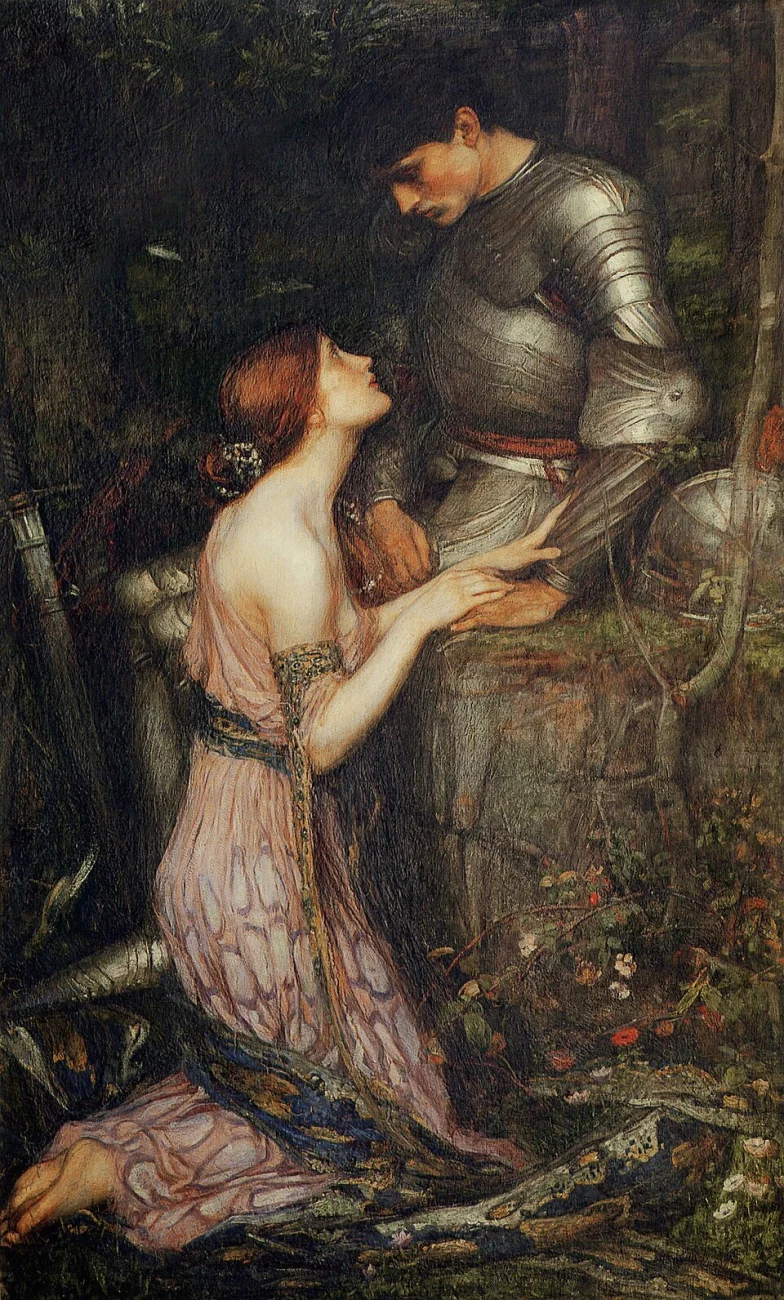
From Greco-Roman tradition, Lamia is a child-stealing and blood-drinking figure sometimes described as a serpent-woman. Later sources portray her with the ability to remove her eyes and to seduce men before feeding. Protective measures in folk belief included amulets, charms, and strict child-watching practices at night. The name “lamia” also became a general label for vampiric or demonic female beings in later European lore.
Strzyga
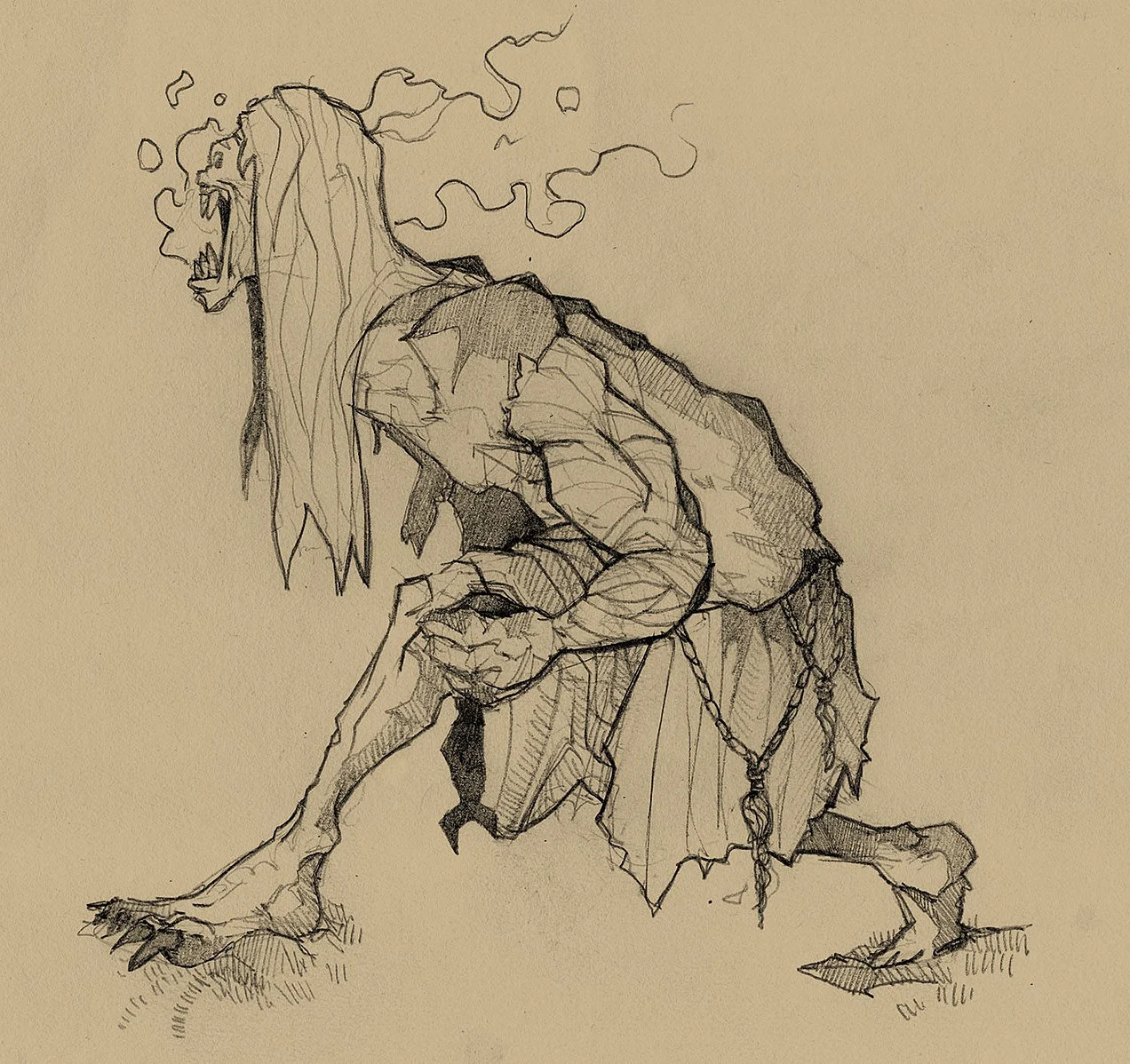
In Polish folklore, a Strzyga is often a person born with anomalies—such as two hearts or two sets of teeth—believed to die and return as a vampire-like revenant. It feeds on blood and life-force, sometimes starting with relatives before moving to the wider community. Preventative burial practices included decapitation, staking, or placing stones in the mouth. Travelers carried poppy seeds or millet to scatter, forcing the Strzyga to stop and count them before pursuing.
Nachzehrer

The Nachzehrer of German tradition is a revenant associated with improper burials and epidemic outbreaks. It is said to chew its burial shroud or its own limbs, magically drawing life from living relatives at a distance. Protective measures included placing a coin or stone in the mouth of the corpse, tying the jaw shut, or turning the body face-down. The belief reflects historical anxieties about contagion and the unseen spread of death within families.
Upir (Upyr)
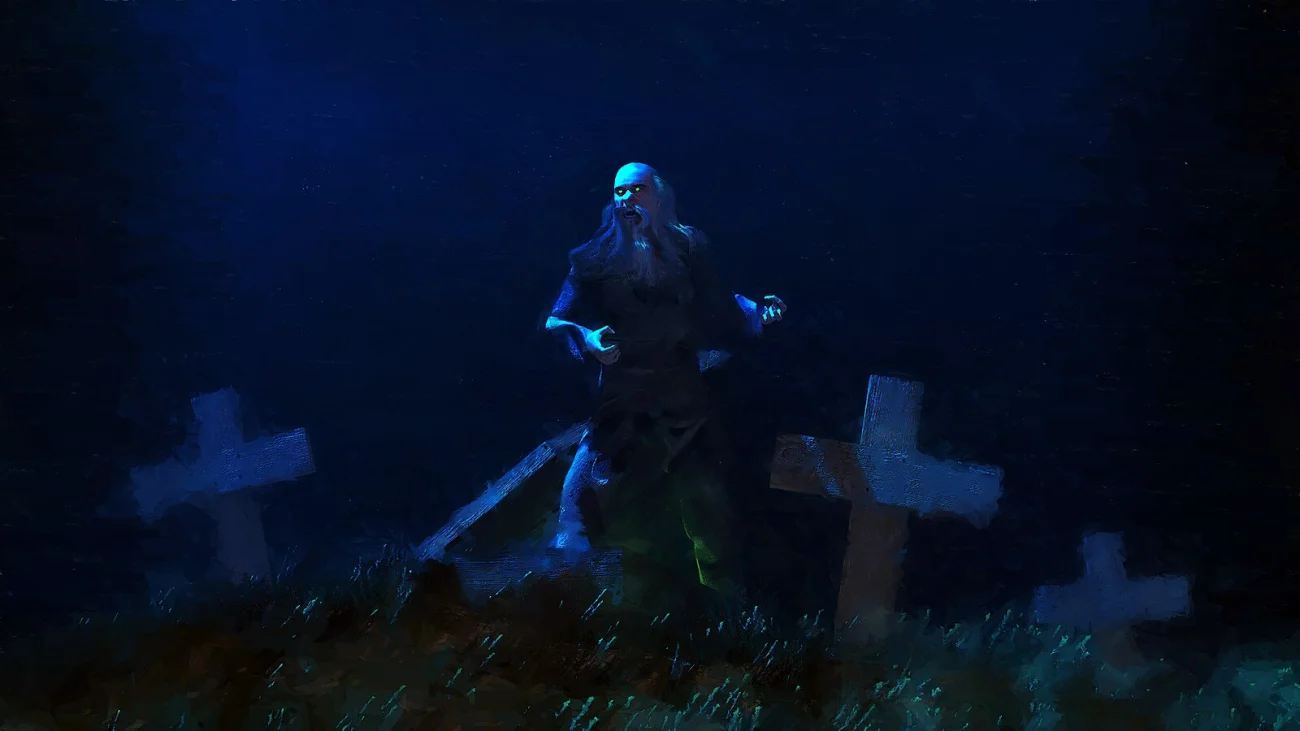
In East Slavic lore, the Upir is a powerful undead or sometimes living sorcerer-vampire known for drinking blood and wielding magic. Accounts vary by region, but water, fire, and ritual reburial feature as means to neutralize it. Folk practice includes placing poppy seeds or knots as apotropaic barriers that compel counting or untying. Sunrise, holy icons, and consecrated grounds appear in many remedies to prevent its return.
Vrykolakas
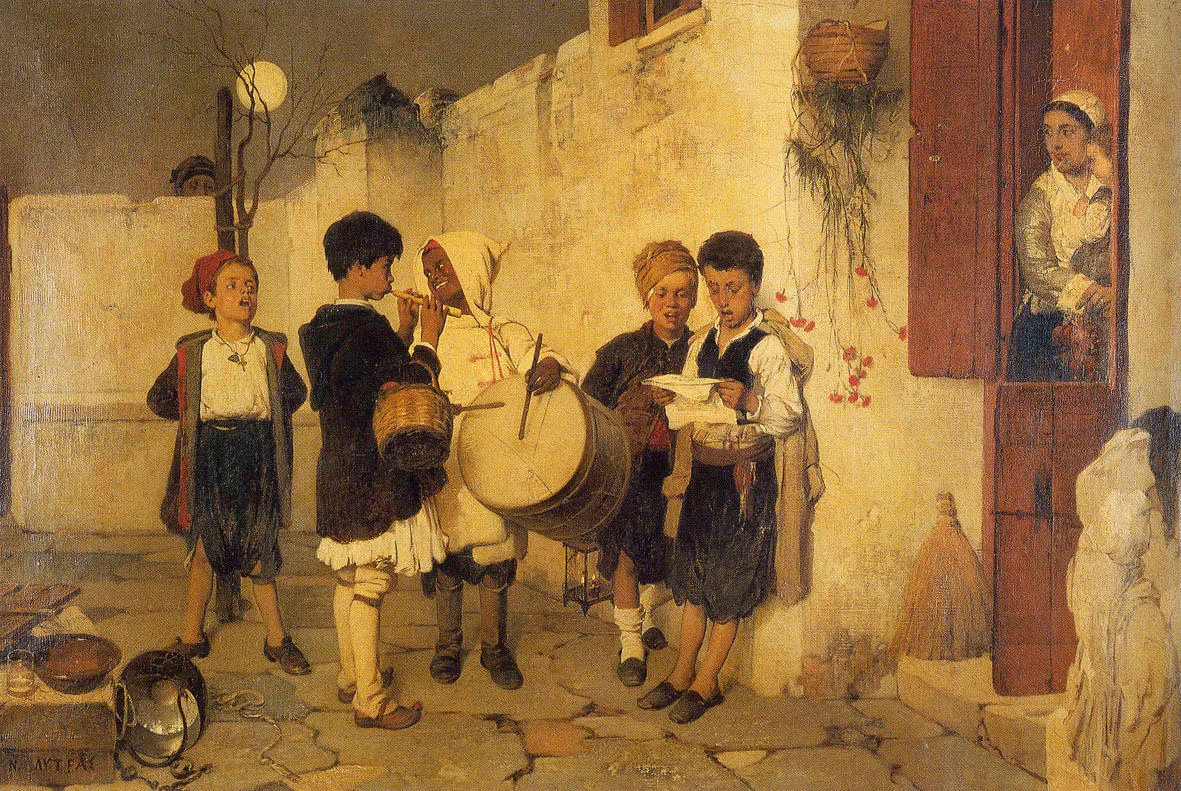
Greek folklore’s Vrykolakas is a corpse-like revenant linked to excommunication, sacrilege, or improper burial rather than bite-based transmission. It is associated with nocturnal knocking, disease, and attacks that can include suffocation of sleepers. Communities employed tests such as watching for the corpse to swell or bleed, and remedies included exhumation, staking, and burning. Saturday, a day the dead were believed to roam, often figures in these accounts.
Jiangshi

In Chinese tradition, the Jiangshi is a “hopping” reanimated corpse that absorbs qi—vital energy—through touch or proximity. Folklore attributes its animation to improper burial, sudden death, or magical rituals, and it is guided or restrained by talismans inscribed with protective text. Taoist priests, peach-wood swords, mirrors, and rooster calls are common counters. The stiff, outstretched-armed posture reflects the bound limbs of traditional corpse transport, giving rise to its characteristic movement.
Obayifo
Among the Akan of West Africa, the Obayifo is a witch-vampire that drains blood or life-essence, particularly from children and crops. It can leave its body at night as a luminous presence and is recognized by obsessive behaviors around food and salt. Protective strategies include amulets, communal vigilance, and ritual specialists who identify and counteract its influence. Its lore connects bodily vitality with agricultural fertility, linking personal misfortune to broader scarcity.
Adze

In Ewe folklore of Togo, Benin, and Ghana, the Adze can appear as a firefly, entering homes through small openings to suck blood while victims sleep. When captured, it takes human form and may confess or be compelled by ritual means, revealing accusations that historically fueled witchcraft disputes. Nets, sealed rooms, and vigilant night-watch were practical defenses. The Adze myth intersects with community mechanisms for explaining illness and social conflict.
Pontianak (Kuntilanak)

In Malay and Indonesian folklore, the Pontianak—also called Kuntilanak—is the spirit of a woman who died in pregnancy or childbirth and preys on men. It signals its presence with floral or decay scents and eerie laughter, then attacks with claws and fangs. Protective responses include nails driven into the nape of the neck, iron objects, and specific chants or charms. Banana trees are a common dwelling place in stories, shaping local nighttime taboos.
Vetala
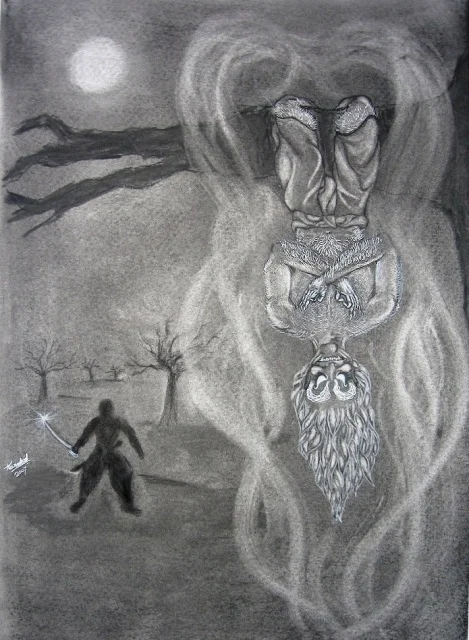
In Hindu lore, the Vetala is a spirit that animates corpses and haunts cremation grounds, known from classical Sanskrit literature and regional tales. It can possess the dead to speak, deceive, or drain life, and it resists ordinary physical attacks because the body it rides is merely a vehicle. Ritual knowledge, mantras, and cremation practices serve as primary defenses. The Vetala’s narratives explore questions of karma, cunning, and the liminal space between body and spirit.
Aswang
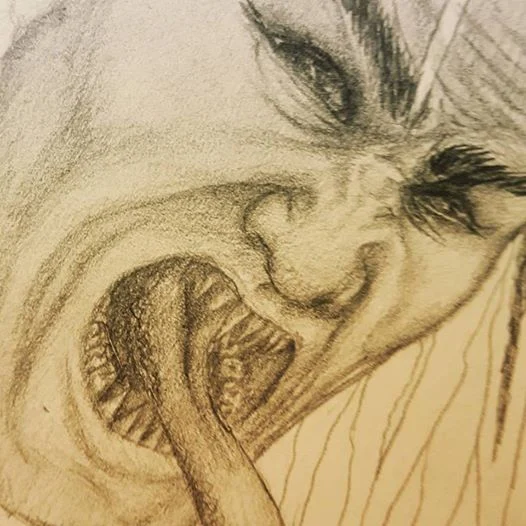
In the Philippines, “Aswang” is an umbrella term for shape-shifting, flesh- or blood-seeking beings that blend into daytime society and hunt at night. Variants include corpse-robbers, viscera-suckers, and dog- or boar-shifters, each with distinct habits and weaknesses. Traditional counters include garlic, salt, iron, holy oil, and barbed fish like stingray tails used as whips. Communities share detection lore—such as inverted reflections or a flicking tongue sound—to identify them before attacks.
Manananggal
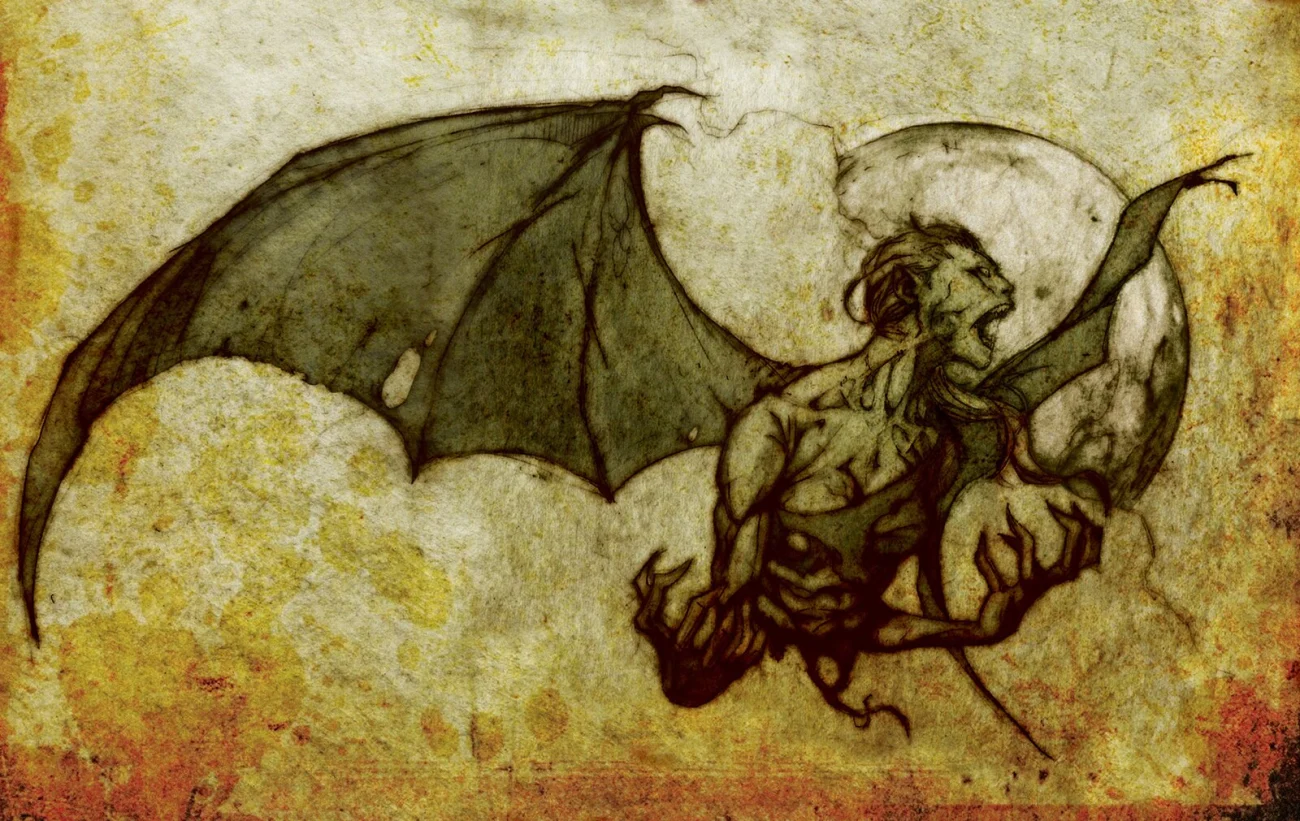
A famed Philippine variant, the Manananggal separates its upper torso, sprouts bat-like wings, and feeds with a proboscis on the blood or organs of sleeping victims. It is said to target pregnant women, using its tongue to reach the womb through cracks in walls or thatch. Folklore prescribes spreading salt, garlic, ash, or crushed glass on the abandoned lower half, preventing reattachment before dawn. Observers also mark roof openings and windows, since it prefers to strike from above under cover of night.
Share your favorite folklore blood-sucker from your culture in the comments and tell us which stories you grew up hearing!