10 Things You (Probably) Didn’t Know About Uma Thurman



Uma Thurman’s career stretches from indie dramas to global blockbusters, but many of the most interesting details trace back to her family background, early training, and selective projects across film, TV, and stage. Long before audiences saw her in ‘Pulp Fiction’ or ‘Kill Bill’, she was navigating an international, book-filled home, a patchwork of schools, and early modeling jobs that led directly to screen work.
Below are ten focused facts—from the Sanskrit meaning of her name to an NC-17 milestone tied to ‘Henry & June’, and from months of martial-arts preparation for ‘Kill Bill’ to an on-set crash that fed into safety discussions. Each entry sticks to concrete details that round out the bigger picture of how she works and what shaped her path.
A Name With Sanskrit Roots—and a Scholarly Home Life

Uma Thurman’s full name is Uma Karuna Thurman; “Uma” is a traditional name associated with the Hindu goddess Parvati, and “karuna” translates as compassion in Sanskrit. Her father, Robert A. F. Thurman, is a well-known scholar and translator of Tibetan Buddhism who helped develop Buddhist studies programs in U.S. academia.
Her mother, Nena von Schlebrügge, worked internationally as a high-fashion model before moving into wellness and psychotherapy. That combination—religious scholarship on one side and professional arts work on the other—put Thurman around visiting monks, researchers, photographers, and artists while she was growing up.
A Childhood Split Between Campuses and the City

Thurman was born in Boston and spent stretches of her childhood in Massachusetts and New York, with time in college towns connected to her father’s appointments. The family’s moves placed her near libraries, lectures, and arts venues, which exposed her to theater and film at a young age.
She participated in school productions and local classes before auditioning professionally. Those early roles and workshops built the foundation for her first credited screen appearances soon after she started modeling.
From Teen Model to Working Actor—Fast

Discovered as a teenager, Thurman signed with modeling agencies and appeared in fashion magazines and campaigns. Modeling provided on-camera discipline and financial independence, which she used to continue acting classes and auditioning.
Her screen break arrived while she was still in her teens, leading to a swift run of early credits. Within a short span, she moved from print work to principal film roles, establishing a pattern of alternating between fashion assignments and acting jobs.
‘Henry & June’ (1990) – First NC-17 Feature

Thurman co-starred in ‘Henry & June’, a biographical drama centered on the lives of Anaïs Nin, Henry Miller, and June Miller. The film became the first U.S. feature to receive the MPAA’s newly introduced NC-17 rating, which replaced the X designation and was intended to distinguish adult-themed cinema from pornography.
The rating marked a turning point for distributors and exhibitors, and Thurman’s role placed her in the middle of a broader industry discussion about adult content in mainstream release patterns. The project also reinforced her interest in period material and literary adaptations early in her career.
‘Pulp Fiction’ (1994) – Academy Award and BAFTA Nominations
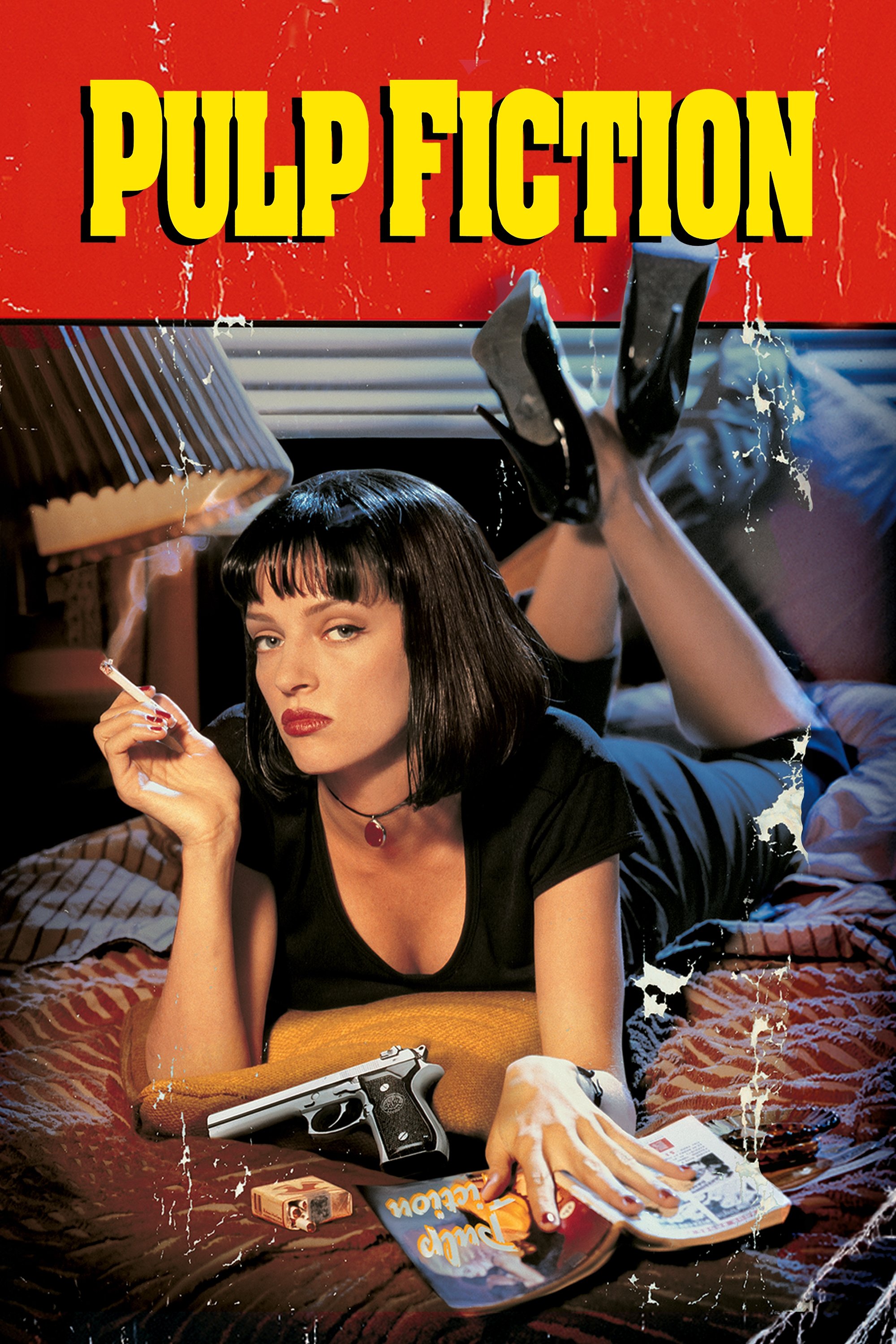
Thurman’s performance as Mia Wallace in ‘Pulp Fiction’ earned nominations for major awards, including an Academy Award for Best Supporting Actress and recognition at the BAFTAs. The attention widened the range of character types and genres she was offered afterward.
The film’s ensemble structure meant she had to deliver a fully drawn character within limited screen time, including dialogue-heavy scenes and physically specific sequences like the dance at Jack Rabbit Slim’s. The nominations documented the impact of that work with voters across multiple guilds and academies.
‘Kill Bill: Vol. 1’ (2003) – Martial-Arts and Sword Training Regimen
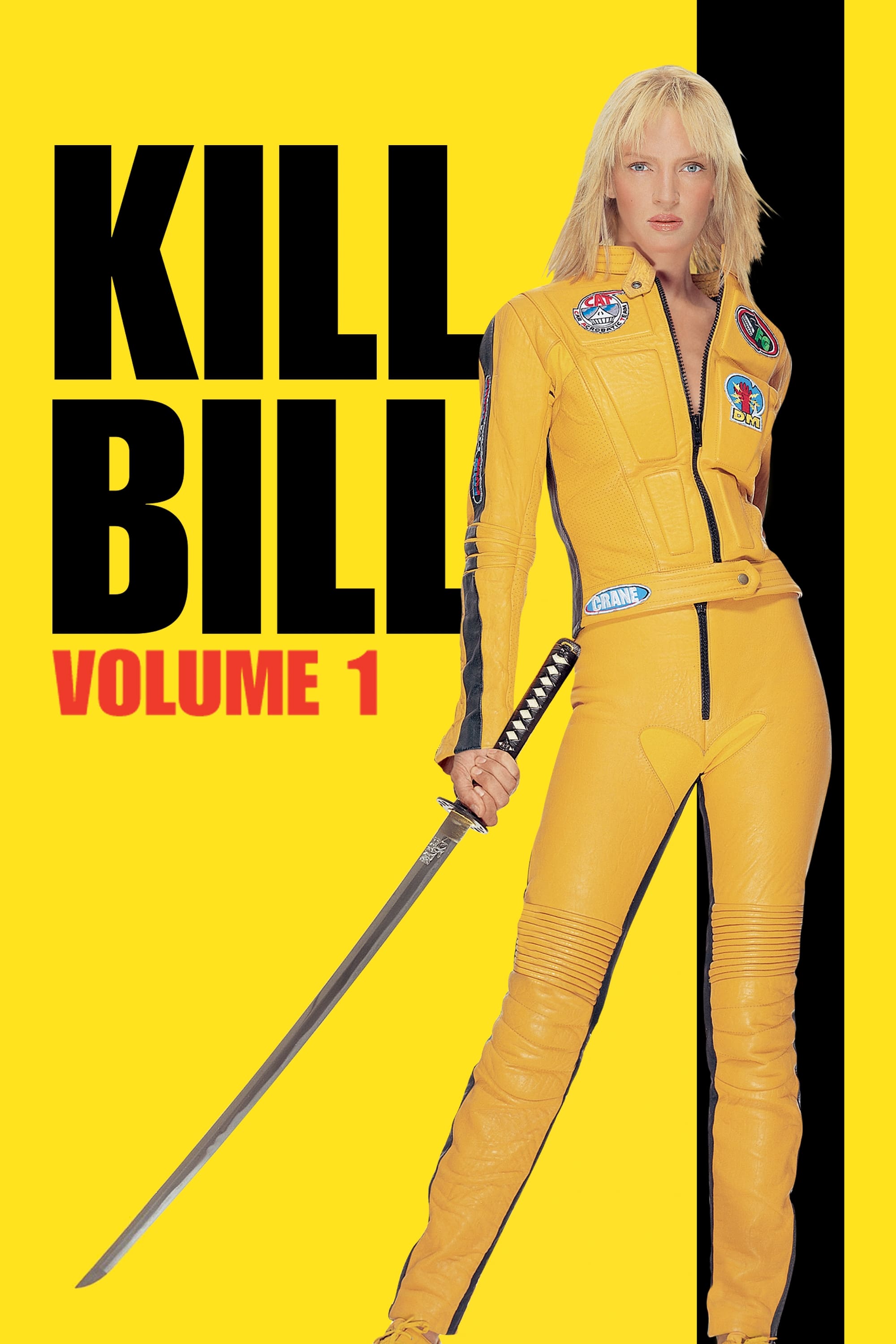
For ‘Kill Bill: Vol. 1’, Thurman trained extensively in hand-to-hand choreography, samurai-style sword techniques, and wire-assisted moves under veteran stunt coordinators. Preparation covered footwork, blade control, and endurance, supporting long, continuous fight passages.
The House of Blue Leaves sequence required repeatable timing across dozens of cues—camera moves, music beats, and stunt marks—so she rehearsed combinations until they could be executed at speed for wide and medium shots. The regimen also included flexibility and conditioning to reduce injury risk during high-impact takes.
‘Kill Bill: Vol. 2’ (2004) – On-Set Car Crash and Safety Practices

During the production of ‘Kill Bill: Vol. 2’, Thurman was involved in a car crash on set that resulted in neck and knee injuries. Footage and accounts of the incident were later made public, focusing industry attention on risk assessment around on-set driving.
The fallout contributed to conversations about documentation, consent, and the right of performers to question setups involving vehicles and stunts. The case is frequently cited in discussions about safety briefings, route checks, and alternative shot planning to limit exposure to unnecessary hazards.
‘Hysterical Blindness’ (2002) – Golden Globe Win and Executive Producer Credit
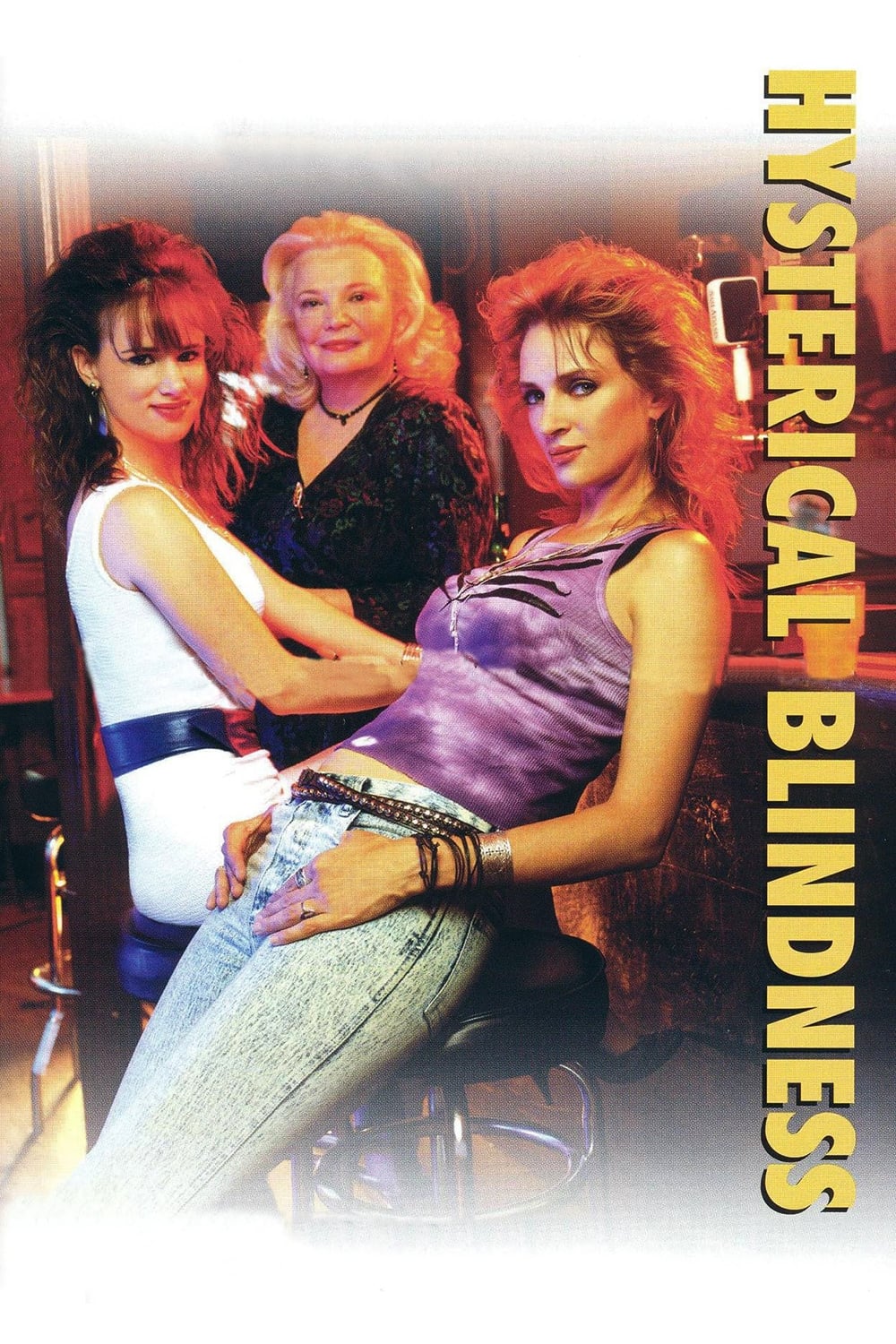
Thurman starred in ‘Hysterical Blindness’ for HBO and also served as an executive producer. The performance won a Golden Globe, recognizing her work in a made-for-television feature and underscoring her parallel track in long-form TV projects.
The film’s production timeline included festival and awards-season screenings common to premium-cable releases. Her dual credit combined on-screen responsibilities with oversight roles typical of executive producers, such as creative development and collaboration with the director and writers.
‘Smash’ (2012–2013) – Primetime Emmy-Nominated Guest Role
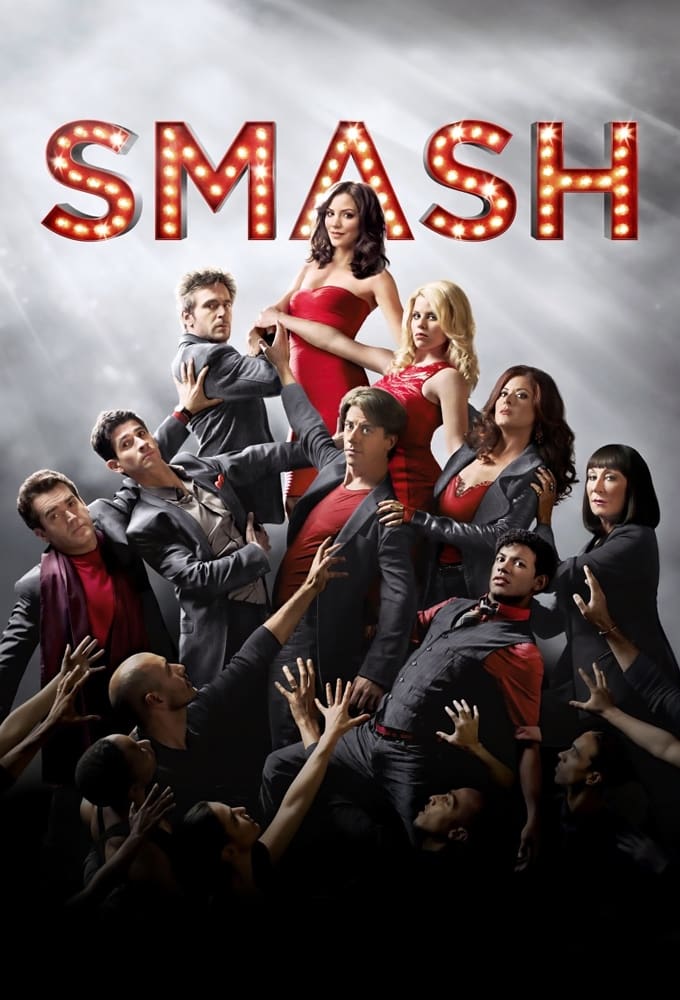
Thurman appeared as a Hollywood star guesting on a Broadway-bound musical in ‘Smash’, a network drama centered on backstage production. The arc earned a Primetime Emmy nomination for Outstanding Guest Actress in a Drama Series.
Her episodes involved rehearsal-room scenes, studio recordings, and staged numbers designed to fit within the show’s musical framework. The nomination reflected voting in a category that evaluates limited-episode appearances rather than series-regular work.
Family Ties and a Next-Generation Actor
:max_bytes(150000):strip_icc()/GettyImages-1098070430-af274df4b43147848ebfef3b73116266.jpg)
Thurman has two children with actor-writer Ethan Hawke; their daughter, Maya Hawke, acts and releases music, and has appeared in television and film projects. Thurman also has a younger daughter from a later relationship.
The family’s professional overlap has included premieres, festival appearances, and interviews where parent and child have discussed craft from different career stages. Those public moments illustrate how multiple generations in the same family have engaged with film, television, and music.
Share your favorite lesser-known Uma Thurman fact in the comments!