14 Times Celebrities Were Held Hostage



High profile kidnappings and hostage situations are rare, but when they happen they leave a long paper trail of police files, court records, and news footage. The cases below span decades and continents, and they show the many ways famous people have been abducted or restrained, from political operations to targeted ransom plots to armed home invasions. Each entry focuses on what happened, how the incident ended, and what followed in the courts or investigations.
For clarity, each case lists the key facts such as location, how the abduction unfolded, how long the victim was held, and who was charged. Where outcomes included convictions or documented escapes, those details are included so you can see how the story concluded. These are straightforward summaries of events that were formally reported and documented at the time.
Frank Sinatra Jr.
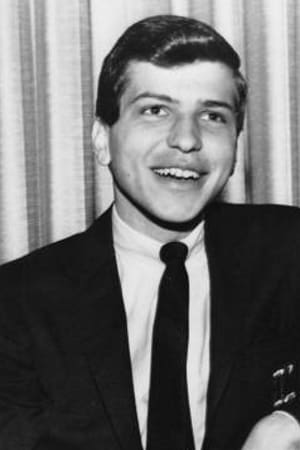
Frank Sinatra Jr. was kidnapped from a hotel room in Lake Tahoe in 1963 by Barry Keenan and two accomplices who transported him across state lines and demanded ransom from his father. The abductors communicated by phone and directed payments in cash, which were delivered while federal agents monitored the exchanges and tracked movements across California.
The FBI recovered Sinatra Jr. in Los Angeles after the kidnappers released him, and arrests followed within days. All three men were tried in federal court, convicted on kidnapping and conspiracy charges, and sentenced to prison, and the case became a reference point for ransom handling and evidence collection in interstate kidnappings.
Patricia Hearst

Patty Hearst was abducted from her Berkeley apartment in 1974 by members of the Symbionese Liberation Army, who claimed responsibility and issued communiques demanding political concessions. She was initially held in concealed safe houses, moved frequently, and recorded on audio tapes released to the media while negotiations and police raids unfolded.
Months later, Hearst appeared in surveillance images during a bank robbery with SLA members, which complicated the legal picture and led to a separate prosecution after her arrest. Multiple SLA members were killed or captured in subsequent standoffs, and Hearst was convicted of bank robbery before receiving a commutation and later a pardon, with the kidnapping remaining a central element in court filings and appeals.
John Paul Getty III
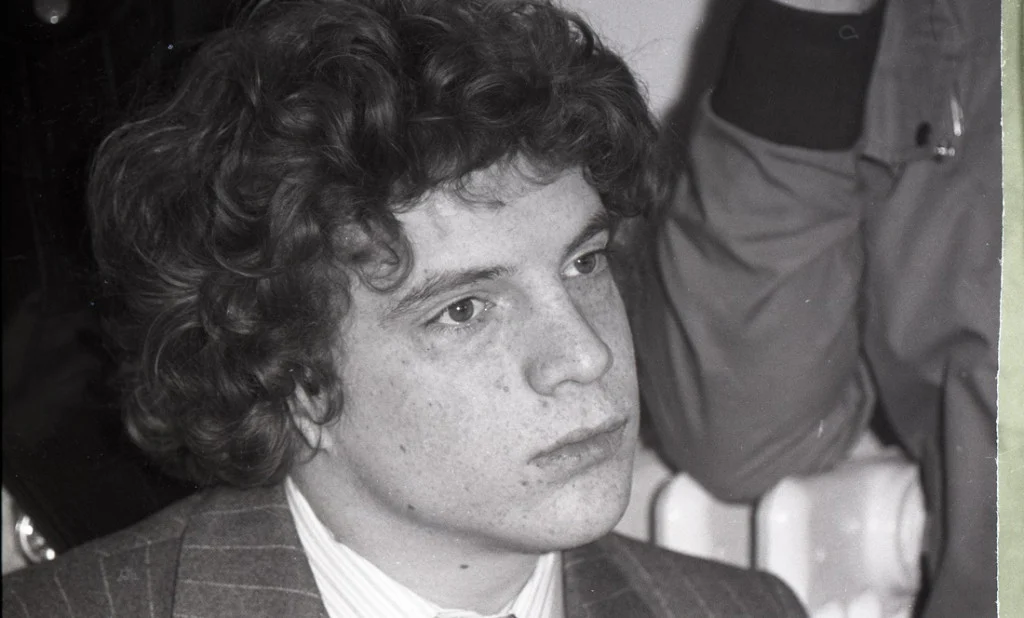
John Paul Getty III was kidnapped in Rome in 1973 by an organized group that demanded a multimillion dollar ransom from his family. After an initial refusal by his grandfather to pay, the abductors escalated by cutting off part of the victim’s ear and sending it to a newspaper as proof of captivity, which intensified negotiations.
A reduced payment was eventually arranged and Getty III was released near a gas station in southern Italy. Italian police later arrested several suspects and recovered portions of the ransom, and court proceedings produced convictions of some conspirators, while others were acquitted, leaving a partial but legally documented resolution.
Juan Manuel Fangio
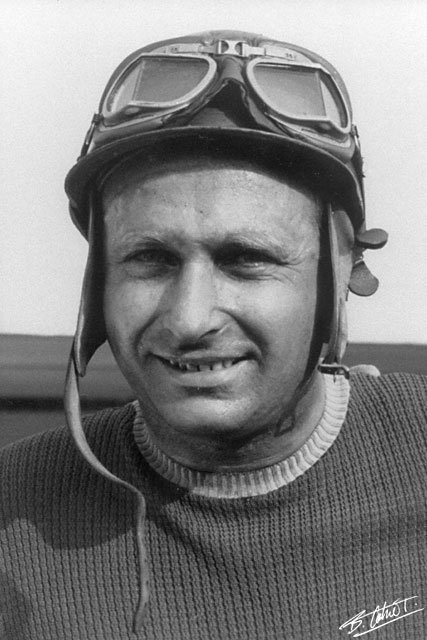
Juan Manuel Fangio, a five time Formula One world champion, was abducted in Havana in 1958 by Cuban rebels on the eve of the city’s Grand Prix. The group seized him from his hotel lobby, transported him to safe houses, and kept him under guard while distributing statements that framed the abduction as a propaganda action rather than a ransom plot.
Fangio was released unharmed after the race concluded and provided formal statements to authorities about his captors’ conduct and movements. The incident had immediate effects on sporting security procedures in Cuba and became a well documented episode in both motorsport and Cuban political histories.
Alfredo Di Stéfano
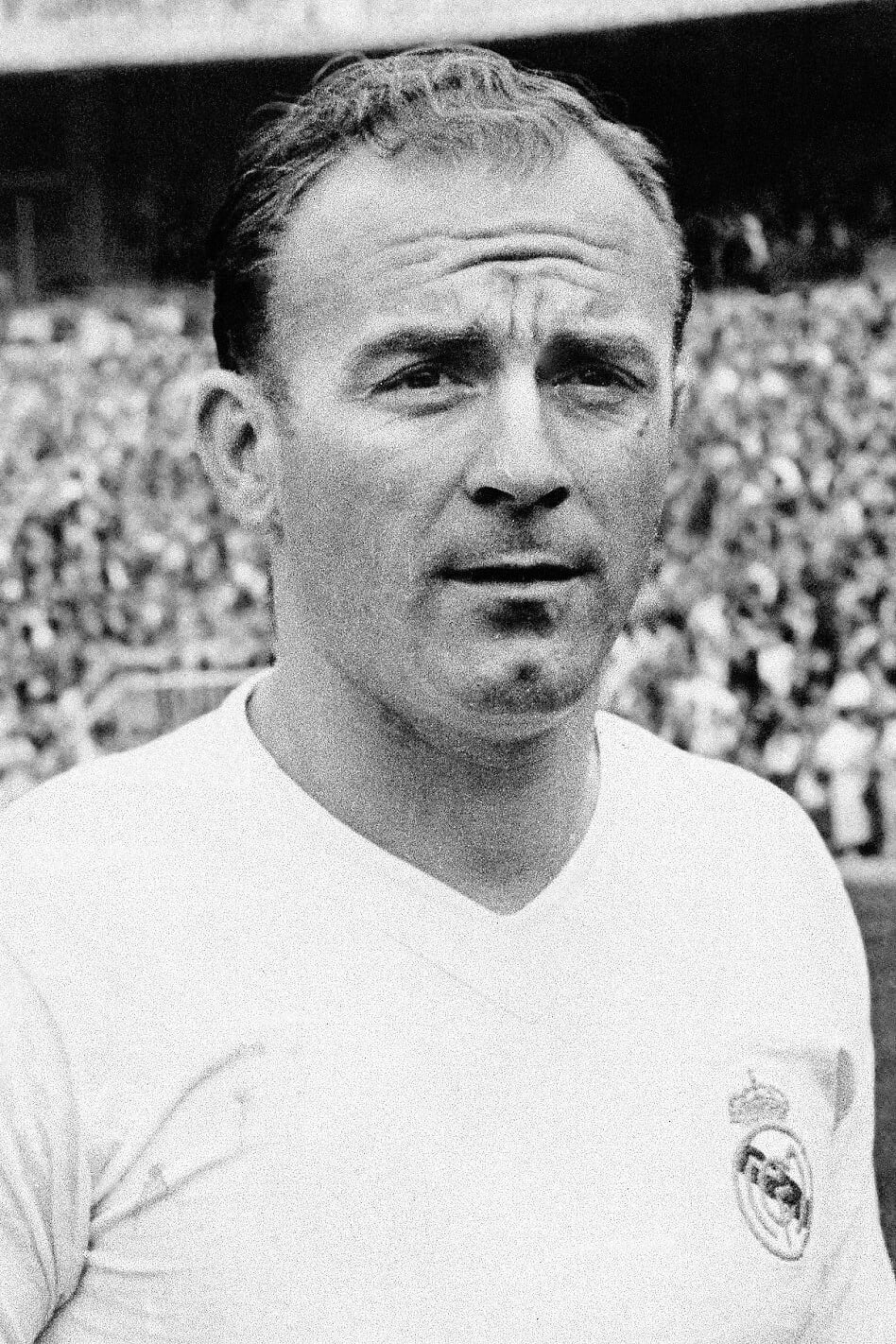
Alfredo Di Stéfano was kidnapped in Caracas in 1963 by members of a Venezuelan insurgent group while his club was on tour. He was taken from his hotel, moved to different apartments in the city, and kept under guard for roughly two days as the group sought publicity through the operation.
Di Stéfano was released without a ransom and later gave accounts of the safe houses and handlers that matched police timelines. Authorities made arrests and the case informed future security protocols for visiting sports teams, which were updated to limit unscreened access to hotels and transport.
Kim Kardashian

Kim Kardashian was restrained and robbed at gunpoint in a private residence in Paris in 2016 by men who gained entry posing as police and then tied her up. The assailants removed jewelry valued in the millions and fled on bicycles, and initial statements documented the bindings, the timeline, and the items taken.
French investigators identified suspects using phone records, CCTV routes, and DNA traces left on bindings and a dropped pendant. Multiple defendants were charged in Paris with armed robbery and related offenses, and court filings described the planning, the fake police ruse, and the disposal of stolen items, while recovery efforts continued for missing pieces.
Benedict Cumberbatch
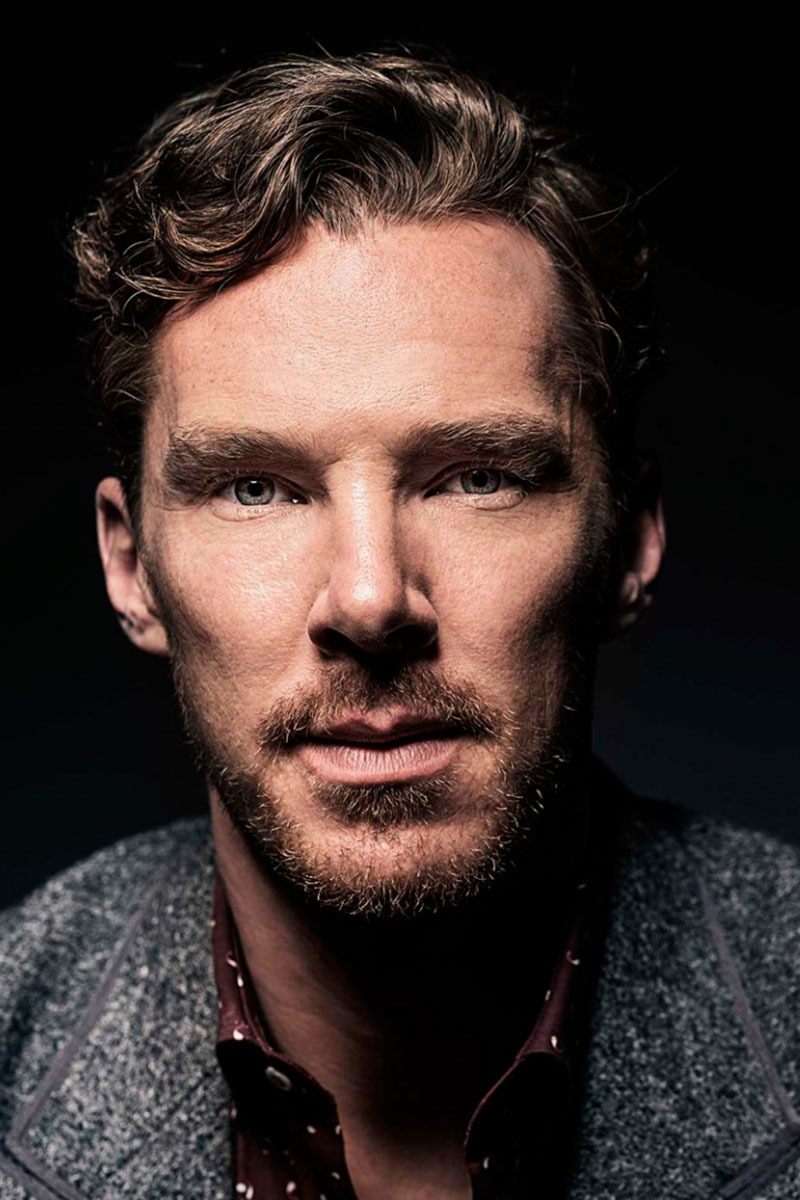
Benedict Cumberbatch and colleagues were abducted during a roadside incident near KwaZulu Natal in 2005 when armed men forced them into a vehicle. The group was driven to a remote area, restrained, and threatened while the attackers searched for valuables before leaving them stranded after several hours.
The victims reached help and made formal reports that detailed the route, the duration, and the weapons displayed, which local police used to cross reference similar carjacking abductions in the region. The case contributed to guidance for film crews working in remote locations, including route planning, convoy travel, and communication check ins.
Rajkumar

Kannada film legend Rajkumar was kidnapped in 2000 by the forest bandit Veerappan during a home visit in Tamil Nadu. He was taken into the forest and held for 108 days while emissaries and state officials attempted to negotiate his release across state lines, which required coordination between police forces.
Rajkumar was released without a public ransom disclosure, and subsequent operations focused on capturing Veerappan and dismantling his network. Years later, Veerappan was killed in a police encounter, and records from the kidnapping period list the demands, the mediators involved, and the security responses at the forest border.
Choi Eun hee and Shin Sang ok
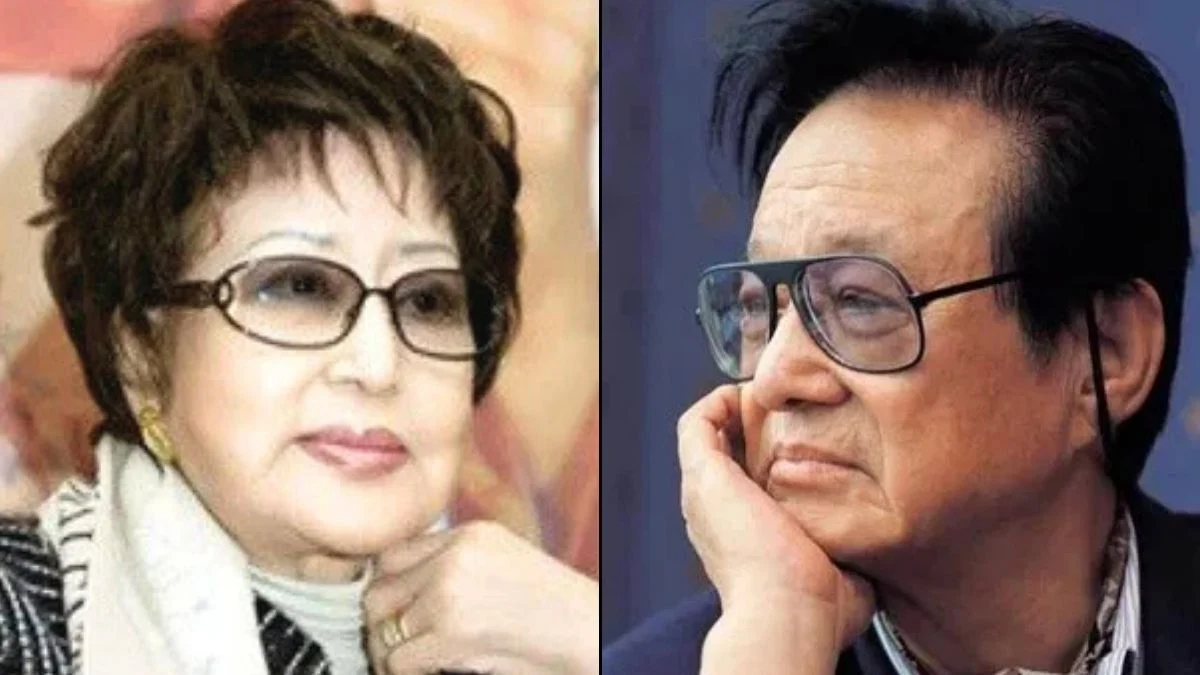
South Korean actress Choi Eun hee and film director Shin Sang ok were abducted in 1978 and taken to North Korea, where they were instructed to make films under state supervision. Travel documents, later interviews, and state media records tracked their movements through film studios and official residences over several years.
In 1986 they escaped during a trip to Vienna by seeking help at a foreign embassy and then traveling onward to safety, after which they provided detailed accounts to authorities about handlers, schedules, and studio operations. Their case appears in diplomatic cables, immigration files, and film credits that document the productions completed during captivity.
Nkem Owoh
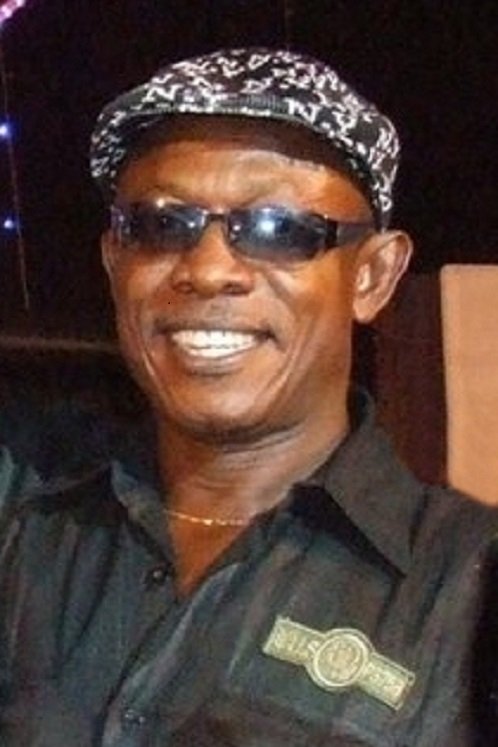
Nigerian actor Nkem Owoh was kidnapped in 2009 while traveling in the southeast of the country by armed men who blocked the road and seized him. Communications to associates and family followed, with demands that were negotiated over several days while local police monitored calls and attempted to trace locations.
Owoh was released after a ransom payment was reported by local outlets, and police investigations focused on criminal gangs operating on regional highways. The incident was referenced in later campaigns urging film workers to use escorts on specific routes and to vary travel times to reduce targeting.
Silvio Santos

Brazilian television host and media owner Silvio Santos was held hostage in his São Paulo home in 2001 by a kidnapper who had previously abducted his daughter. The intruder entered the residence armed, restrained staff, and remained inside with Santos for hours while police negotiators and tactical teams surrounded the property.
The standoff ended with the hostage taker captured inside the home after negotiations and a tactical approach that secured Santos without injury. Case reports detailed the entry route, the weapon used, and the negotiation sequence, and they prompted a reassessment of private security for high profile figures in the city.
Carina Lau

Hong Kong actress Carina Lau was abducted in 1990, taken to an unknown location, and photographed under duress before being released after several hours. The abduction was linked in subsequent reporting to criminal groups that had targeted entertainers and business figures for extortion and coercion.
Police statements and later prosecutions against related syndicates documented patterns of intimidation, including forced photography and threats aimed at controlling casting or business decisions. The case contributed to stronger cooperation between film industry groups and law enforcement on set security and personal protection.
Tekashi 6ix9ine
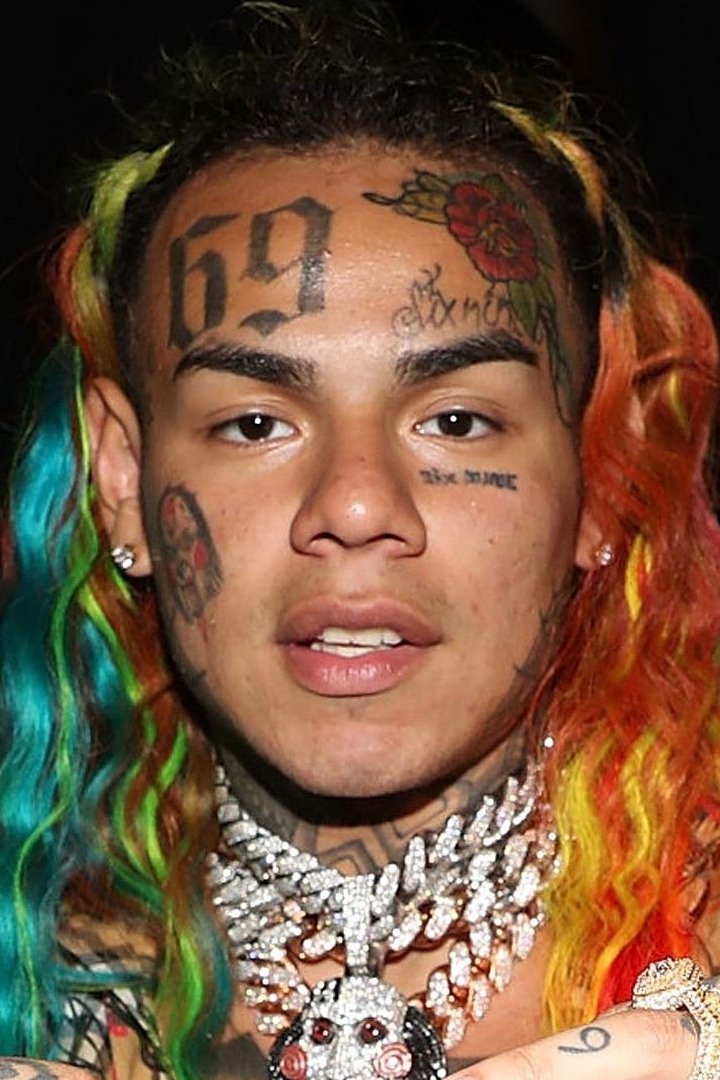
Rapper Tekashi 6ix9ine was abducted in New York in 2018 by associates who forced him into a vehicle, assaulted him, and took jewelry and cash while filming parts of the incident on a device. He reported the crime to authorities and provided details that were later used in federal cases targeting a wider group.
Defendants connected to the abduction received federal sentences after pleas and trials that included video evidence and phone records. The case file outlined the route traveled, the items stolen, and the medical treatment that followed, and it became part of a broader racketeering prosecution in the same period.
Wu Ruofu

Chinese actor Wu Ruofu was kidnapped in 2004 by a criminal group that targeted him during a car stop and held him while making ransom demands. He was moved between locations to avoid detection and was released after negotiations, with police tracking phone calls and watching financial transfers linked to the group.
Subsequent arrests and prosecutions documented the gang’s methods, including vehicle blocking tactics and relay driving to move hostages. Wu later consulted on a film project that drew on official case notes and timelines, which preserved details about the abduction sequence and the operational response that ended it.
Share your thoughts on these cases in the comments and tell us which documented incident you think more people should know about.