Top 10 Coolest Things About Armin Arlert



Armin Arlert stands out in ‘Attack on Titan’ for the way he consistently turns impossible situations into solvable problems. From the earliest battles inside the Walls to globe-shaping decisions later on, he’s the character whose plans, questions, and second thoughts actually move history. His arc threads together strategy, courage, research, and diplomacy—often in the same episode or chapter.
Across the series, Armin’s record includes battlefield tactics that save entire districts, investigations that unmask hidden enemies, and negotiations that keep lethal standoffs from getting worse. He also carries the heaviest of powers with meticulous restraint, documenting consequences and adjusting course rather than chasing glory. Below are ten concrete things he does that define his impact.
Strategic genius under pressure
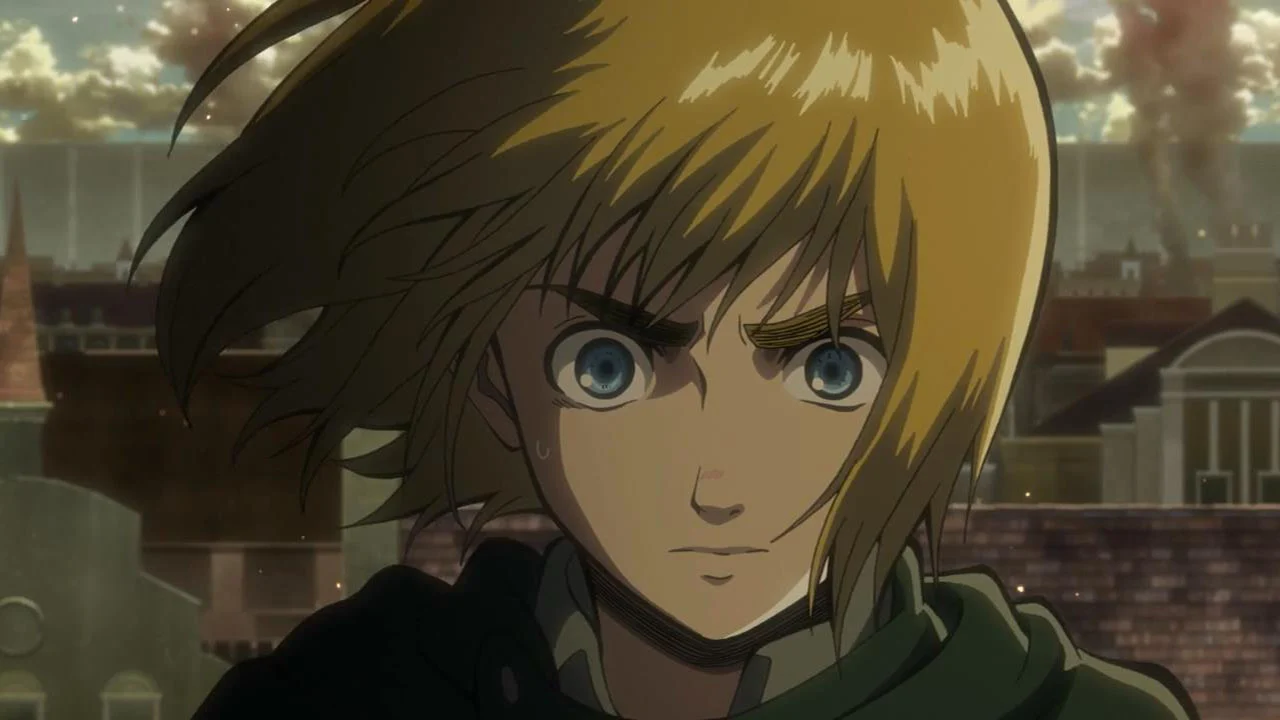
During the Trost District crisis, Armin turns scattered soldier reports and terrain constraints into a workable plan that uses Eren’s Titan ability to move a boulder and seal the gate. He coordinates signal flares, escort rotations, and decoy movements to keep Titans off Eren while the elite squad clears a path, creating the first successful operation to reclaim ground after a breach. The plan’s steps, contingencies, and communication structure are all traceable in-scene as he briefs teams and redirects them when losses mount.
In Stohess, Armin helps set the trap for the Female Titan by mapping Annie’s patrol patterns, exploiting the underground tunnel network, and timing the Military Police cordon to force a transformation where containment gear is already placed. He cross-checks Annie’s behavior from the forest chase with city-street escape routes, then aligns squads to intercept, which results in a rare mid-city containment that avoids a wider urban collapse.
Key role in defeating the Colossal Titan
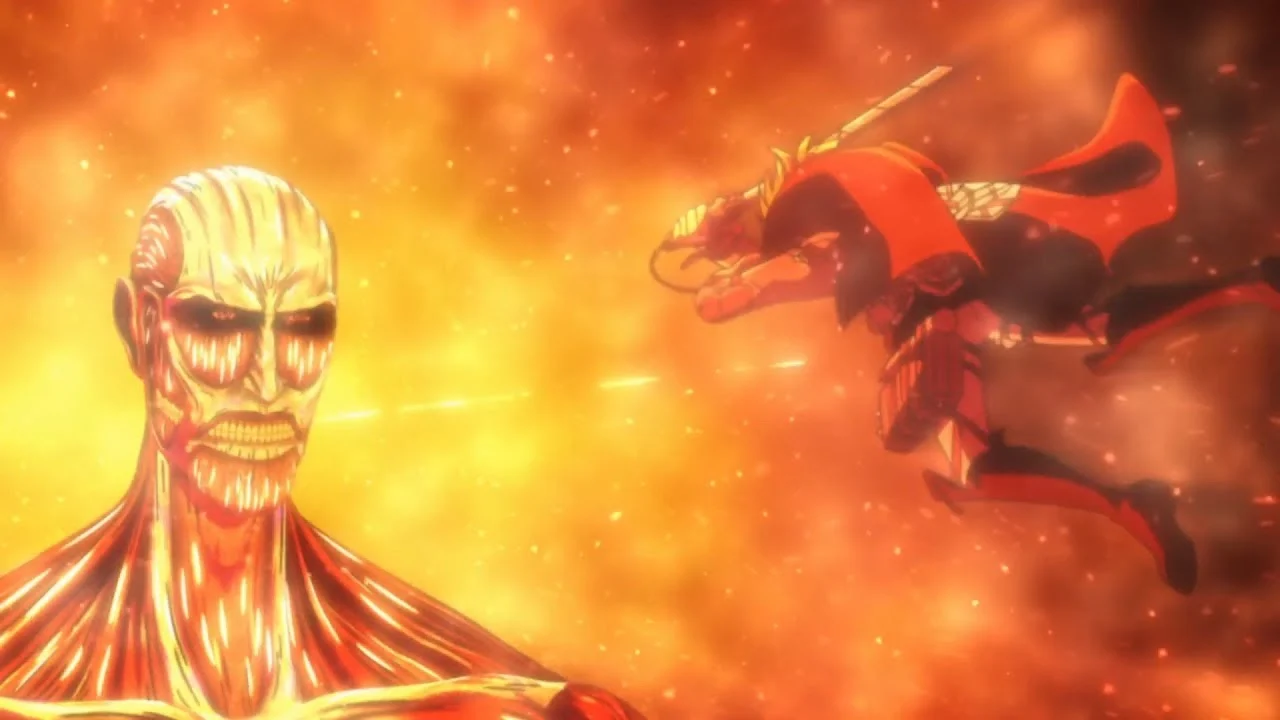
At Shiganshina, Armin identifies Bertholdt’s heat-venting limitation and constructs a distraction that forces the Colossal Titan to expend steam while Levi’s team maneuvers. He calculates gas reserves, burn duration, and anchor angles on the wall to keep Bertholdt focused upward, enabling Eren’s unorthodox repositioning and the pincer that ends the standoff.
This sequence ends with Armin in critical condition, which directly leads to the decision point over who receives the Titan serum. The outcome preserves the plan’s gains, prevents the district from falling a second time, and ensures the Survey Corps can continue the mission to retake Wall Maria with intelligence that Armin has already compiled on enemy logistics.
Inheriting—and mastering—the Colossal Titan

After receiving the serum, Armin becomes the Colossal Titan’s inheritor by consuming Bertholdt, gaining access to transformation shockwaves and sustained steam emission. He documents how the form’s heat output degrades muscle mass and mobility, and he adapts usage to protect allies by limiting duration and choosing open targets with clear evacuation routes.
In later battles, he deploys the transformation in maritime and port environments to neutralize warships, calculating blast radius, wave impact, and secondary fires before committing. His field notes, as relayed in planning scenes, show a preference for minimizing civilian casualties and coordinating with ground teams to time withdrawals before the steam curtain expands.
Diplomacy that builds unlikely coalitions
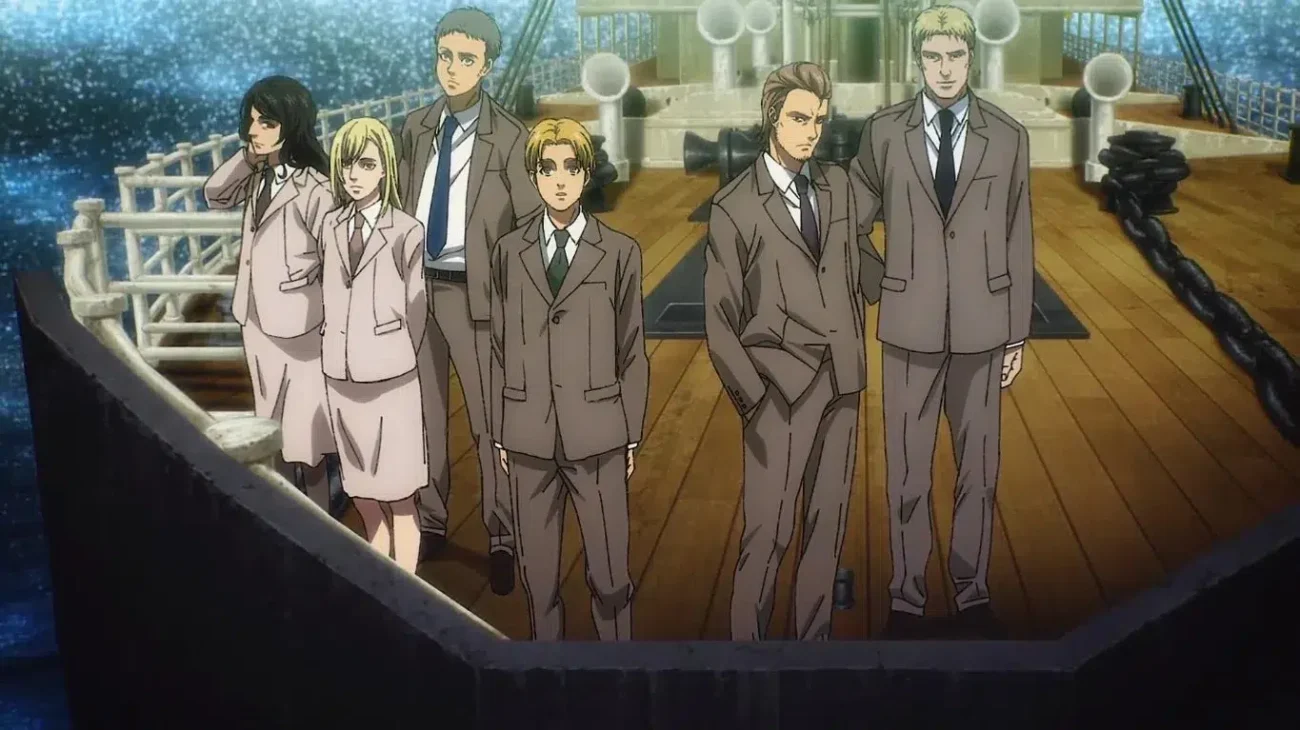
Armin’s debriefs with Marleyan volunteers, including Onyankopon, show him cataloging technical data on airships and anti-Titan weaponry while also mapping political incentives. He uses this to propose joint operations that share reconnaissance and engineering support, turning former enemies into cooperating units during pivotal raids.
He also engages with Hizuru’s representatives to understand resource exchanges and geopolitical trade-offs, conveying those inputs to the Survey Corps to shape long-term strategy. His approach—ask for specifications, verify production capacity, and require shared risk—results in agreements that deliver transport, munitions, and channels for later ceasefire contacts.
Curiosity that powers real discovery
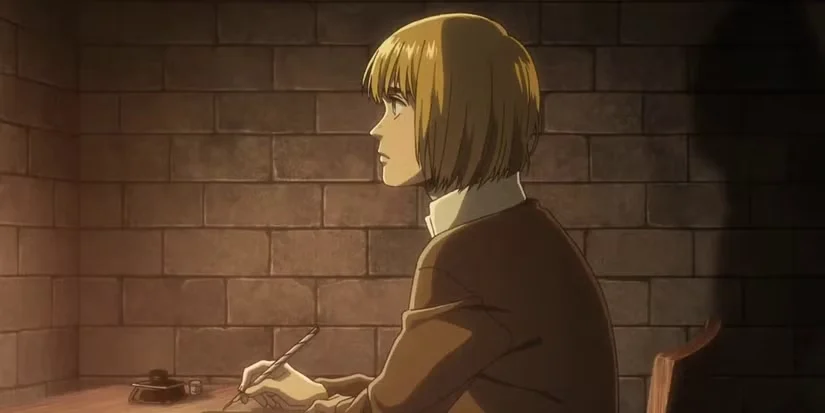
Armin’s early fixation on books about the world beyond the Walls gives him baseline data on oceans, deserts, and trade routes, which becomes testable once reconnaissance expands. He cross-references maps with recovered journals and troop reports to correct false assumptions about the island’s position and the mainland’s capabilities.
When the Survey Corps finally reaches the sea, Armin treats the milestone as more than symbolism: he samples water salinity, studies currents, and notes navigational limits for standard boats and airship range. Those observations inform later logistical planning for cross-continental movement and coastal operations.
Moral deliberation—and accountability—after devastating choices

During the raid on Liberio, Armin deploys the Colossal Titan in a dense urban and port setting, a decision that causes massive structural damage and significant casualties. He records the operational rationale—neutralizing naval assets and breaking enemy formations—alongside the human cost, which he reviews in post-mission reflections and team briefings.
This self-audit affects subsequent tactics. Armin pushes for stricter target selection, tighter windows for transformation, and stronger evacuation signaling. He also advocates for de-escalation when intelligence suggests a diplomatic opening, showing that he integrates civilian-impact assessments into future mission planning.
Unmasking enemies through behavioral analysis
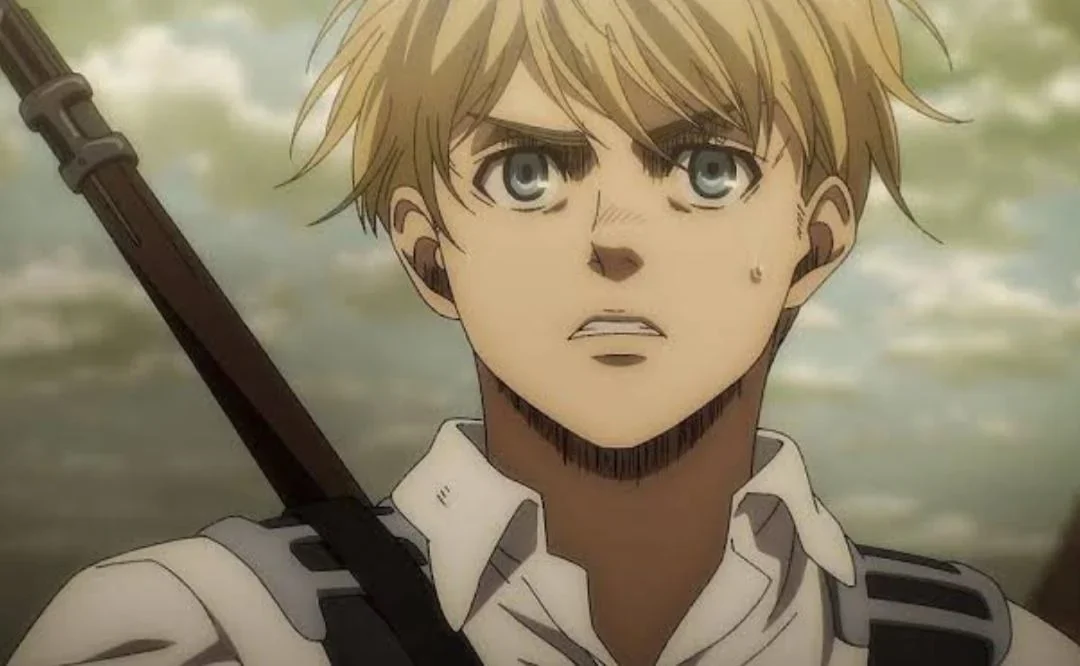
Armin’s deduction that Annie is the Female Titan comes from matching fighting stances, grip patterns on blades, and route choices that avoid crowded streets where capture gear would be effective. He tests the hypothesis with controlled provocations—such as requesting underground movement she is likely to refuse—rather than confronting her without leverage.
He applies similar psychological pressure on Bertholdt by exploiting his concern for Annie, using targeted statements to disrupt his composure while other units move into position. These actions convert raw suspicion into arrests and battlefield advantages, demonstrating a repeatable method: gather pattern evidence, build a low-risk test, then act when the response confirms identity.
Leadership that keeps teams moving toward achievable goals

Although not the highest-ranked field commander for most of the series, Armin frequently coordinates cross-squad tasks—redirecting ODM teams, setting rally points, and assigning messenger roles when senior leaders are down. His briefings include clearly defined objectives, signal protocols, and fallback routes to mitigate chaos during Titan engagements.
After major losses in the Survey Corps, Armin helps stabilize operations by updating mission parameters with the best available intelligence. He consolidates scattered intel—like enemy shifting abilities and new weapons—into actionable steps, ensuring teams have just enough structure to avoid paralysis without locking them into rigid plans that break under pressure.
Advocacy for coexistence when it becomes strategically viable
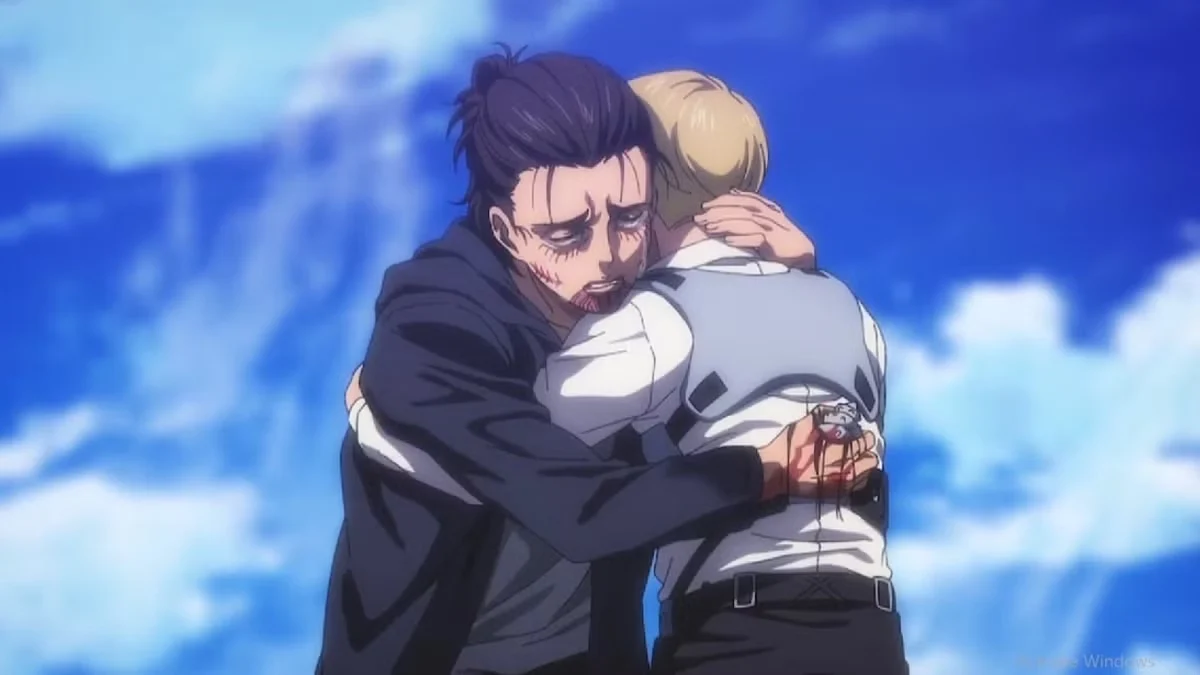
Armin consistently argues that understanding Marley’s internal factions and grievances can reduce the frequency and scale of future wars. He compiles lists of officials, military units, and industrial nodes that could support de-escalation, then pairs them with proposals that trade verifiable concessions for breathing room on both sides.
In coalition meetings, he pushes for confidence-building measures—joint patrols, prisoner exchanges, and information-sharing on anti-Titan technology—to limit surprise escalations. He documents which steps produce measurable reductions in skirmishes, helping successors refine diplomacy with data instead of wishful thinking.
Seeing the ocean—and using that knowledge to change the mission
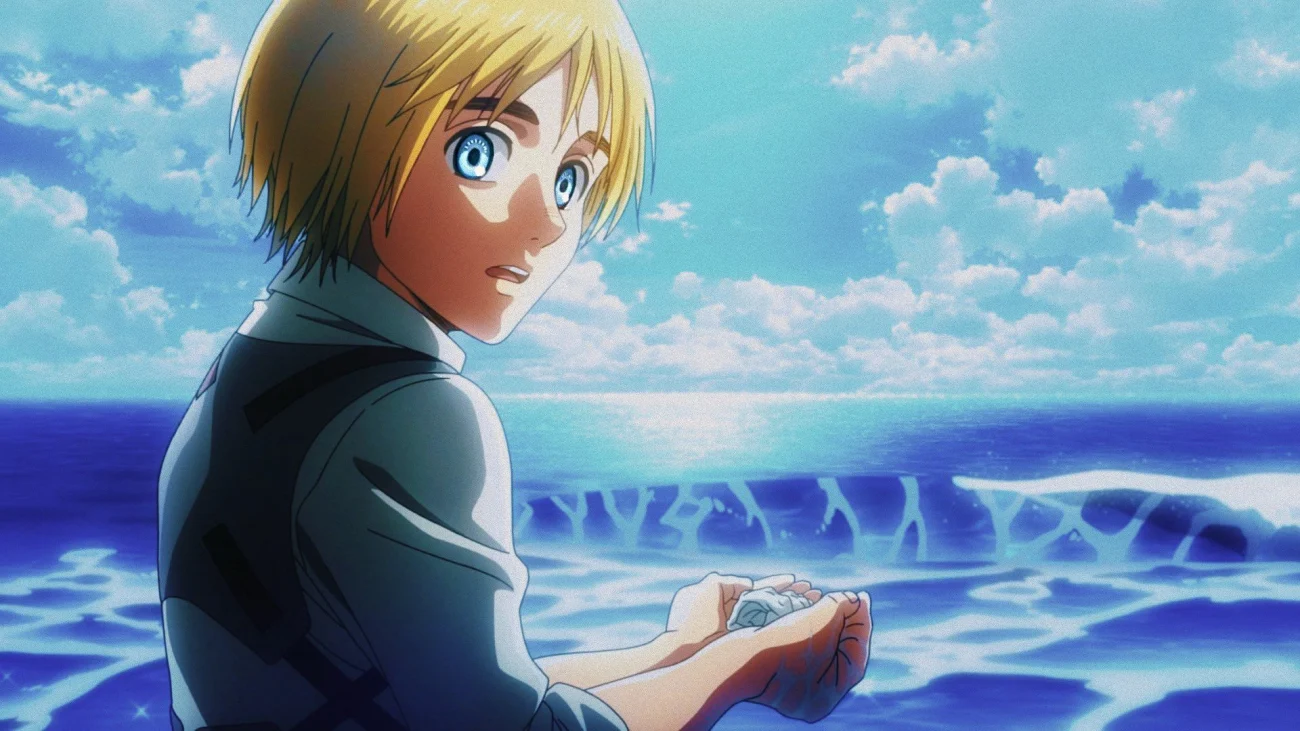
When Armin reaches the shoreline with the Survey Corps, he confirms that the island is not isolated by land barriers, which opens maritime routes for both trade and invasion. He notes the coastline’s defensive vulnerabilities and the types of fortifications or patrol patterns needed to protect shipping and deter surprise attacks.
That discovery reframes reconnaissance priorities from wall repair to border security and external intelligence. Armin’s follow-up work feeds into training updates, gear provisioning for long-range travel, and the political conversations required to align the island’s leadership around a world that is larger—and more complicated—than the Walls ever implied.
Share your own favorite Armin moments and what you think they changed in the story in the comments!