


Top 10 Coolest Things About Dr. Watson

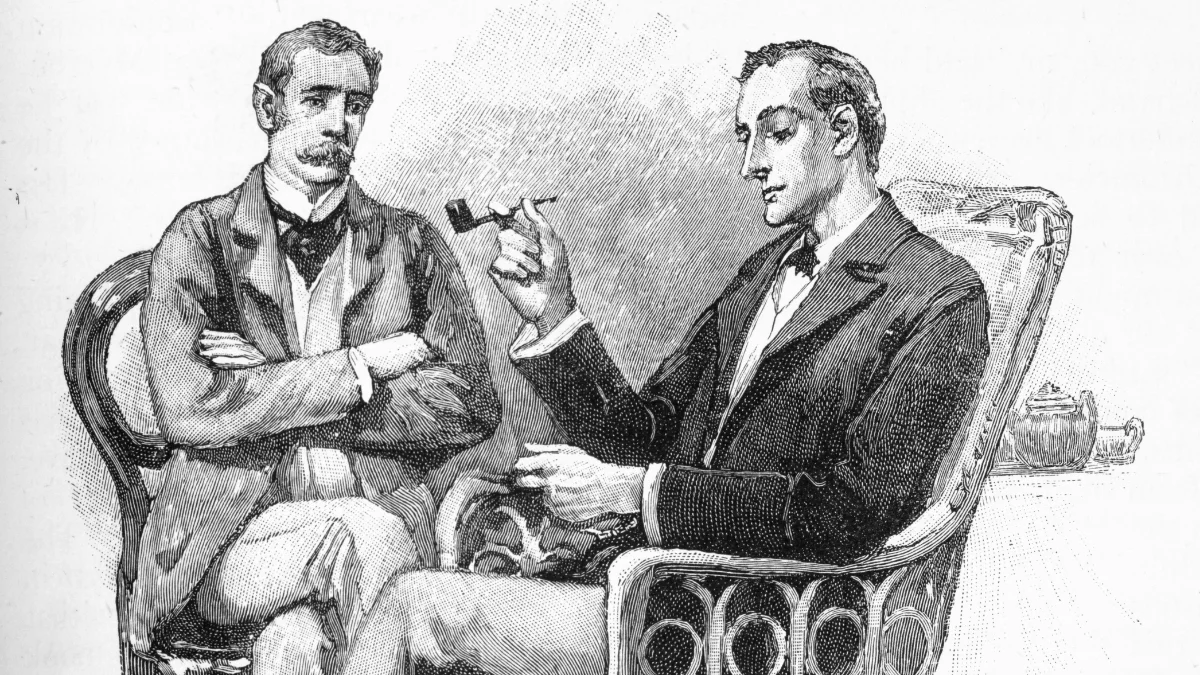


Dr. John H. Watson is Sherlock Holmes’s steadfast companion, a trained physician and veteran whose practical skills and steady judgment ground the wildest investigations. Doyle presents him as a clear-eyed narrator, an able man of action, and a compassionate observer who keeps the stories human. Across the canon, Watson’s background, routines, and growth add texture that makes Baker Street feel lived-in rather than legendary. Here are ten concrete, canon-based traits and contributions that show why Watson remains indispensable.
Army Surgeon Origins
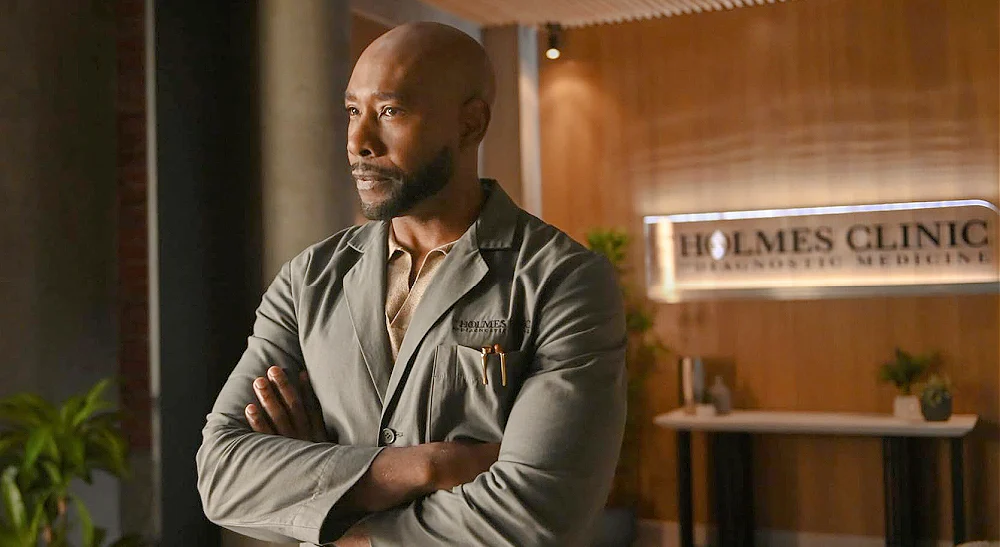
Watson trained as a medical doctor before serving as an assistant surgeon in the British Army, posted to Afghanistan with the 5th Northumberland Fusiliers. He was wounded and contracted enteric fever, leading to his invaliding home to London. This combination of field medicine and hardship explains his calm under pressure in later cases. The military context also shapes his discipline, habits, and respect for method.
The War Wound—and the Medical Debate
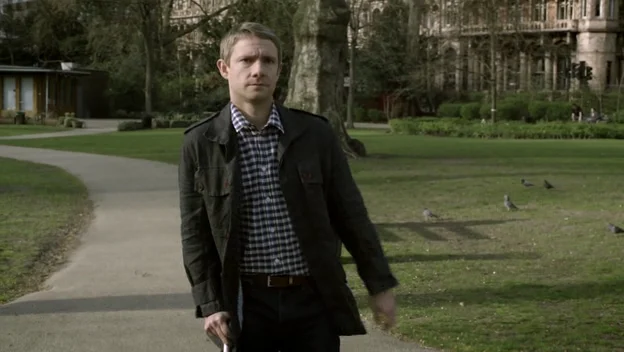
Watson’s injury is described variously as a shoulder wound and a leg wound in different stories, a detail that has prompted long-running textual analysis among readers and scholars. In practice, the ambiguity highlights Watson’s reliability on essentials and the occasional fallibility of memory in serialized narratives. What matters in-story is that the wound limits him at times yet never keeps him from pursuing leads or confronting danger. The injury also explains his measured pace and occasional reliance on cabs during chases.
Crack Shot and Capable Fighter
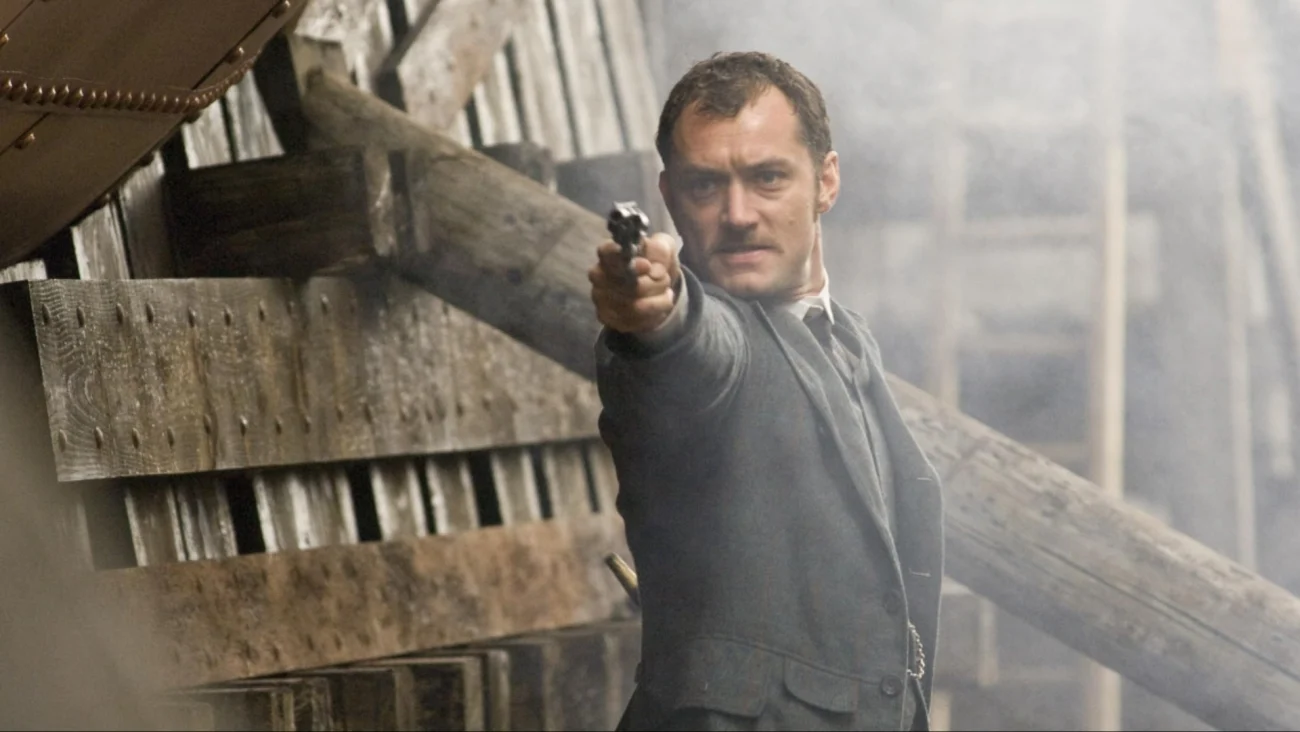
Watson is an excellent marksman, a skill he brings from military service into civilian investigations. On multiple occasions he carries a revolver, providing protection when Holmes expects violence. He can box and handle himself in close quarters, which proves useful when arrests turn rough. These abilities make him an active participant rather than a passive observer.
Calm, Ethical Physician

Even after returning from service, Watson maintains a medical practice, attends patients, and applies clinical judgment throughout the cases. He performs examinations, treats wounds on both clients and criminals when necessary, and records symptoms with precision. His adherence to confidentiality and ethics shapes how information is shared with Holmes and the police. Medicine is not just his background—it is a working toolkit that influences the pace and procedure of investigations.
London Chronicler of Holmes’s Cases
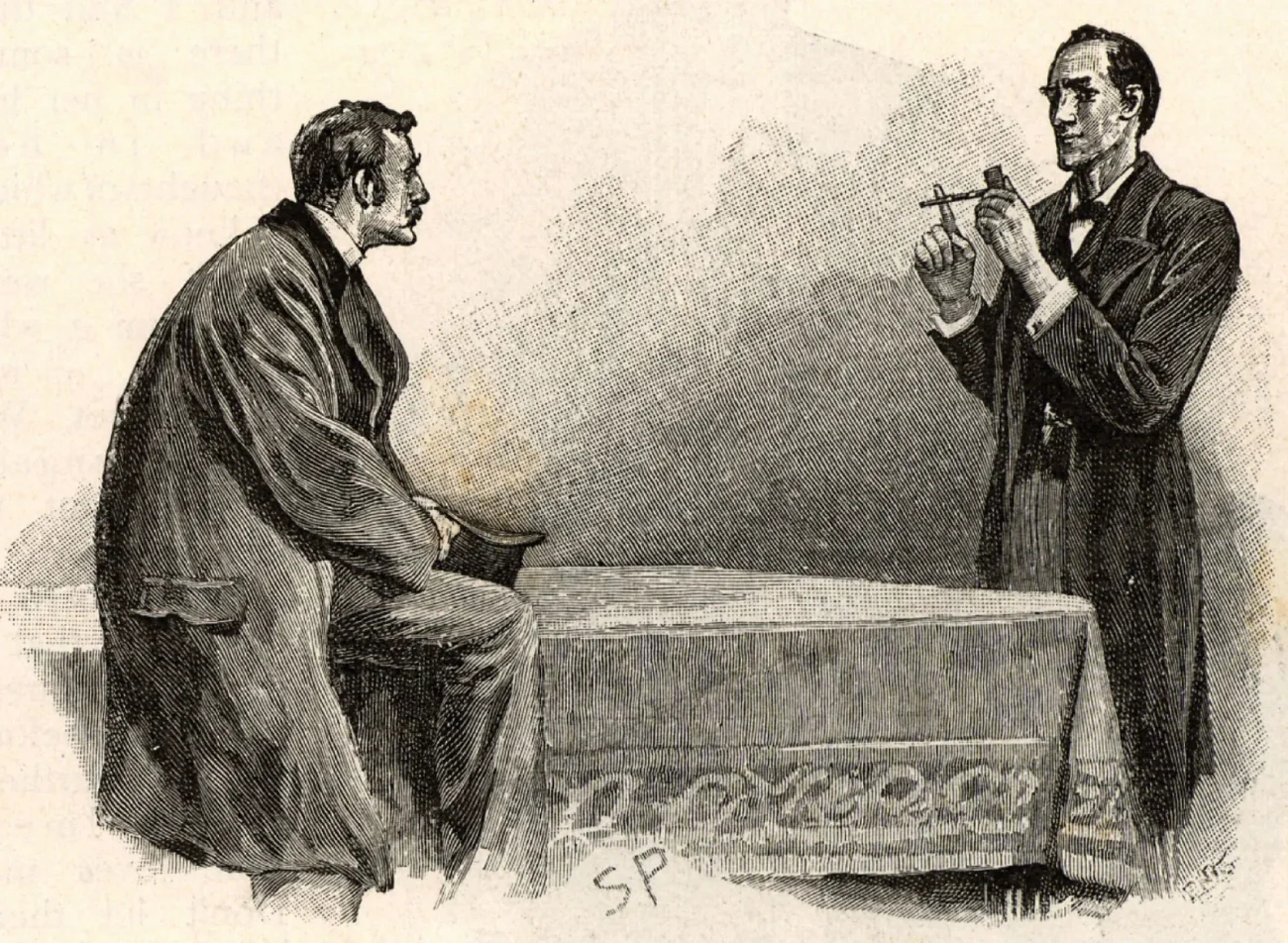
Watson writes up the adventures, selecting which cases to publish and how to present them. His notes supply dates, addresses, routines, and side observations that give the stories their documentary feel. He preserves Holmes’s reputation while protecting client privacy by altering names and details when required. Without his careful narration and organization, many cases would never have reached the public at all.
Detective in His Own Right
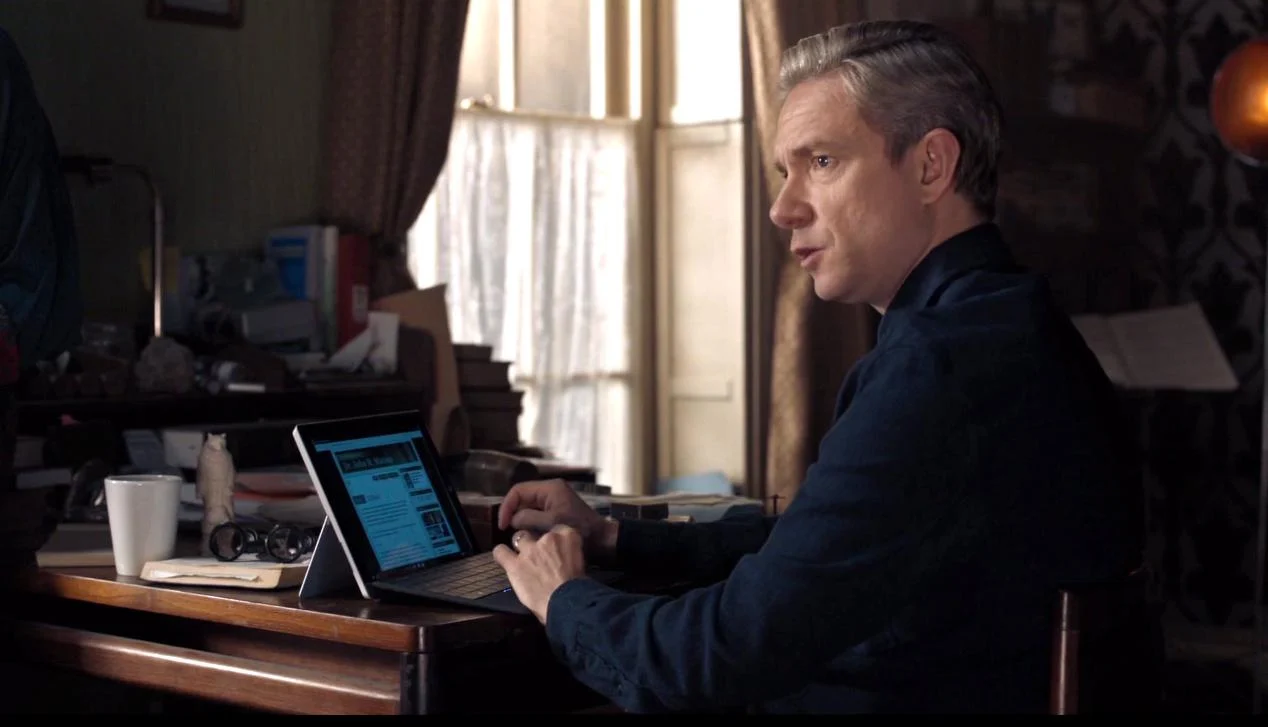
Although Holmes leads, Watson makes independent inquiries, interviews witnesses, and spots practical details. He tracks timelines, tests alibis, and sometimes reaches plausible—if incomplete—hypotheses using medical and common-sense reasoning. In several investigations he acts alone when circumstances separate him from Holmes. His contributions often secure the crucial incremental facts that allow Holmes’s final synthesis.
Loyal Partner and Moral Compass
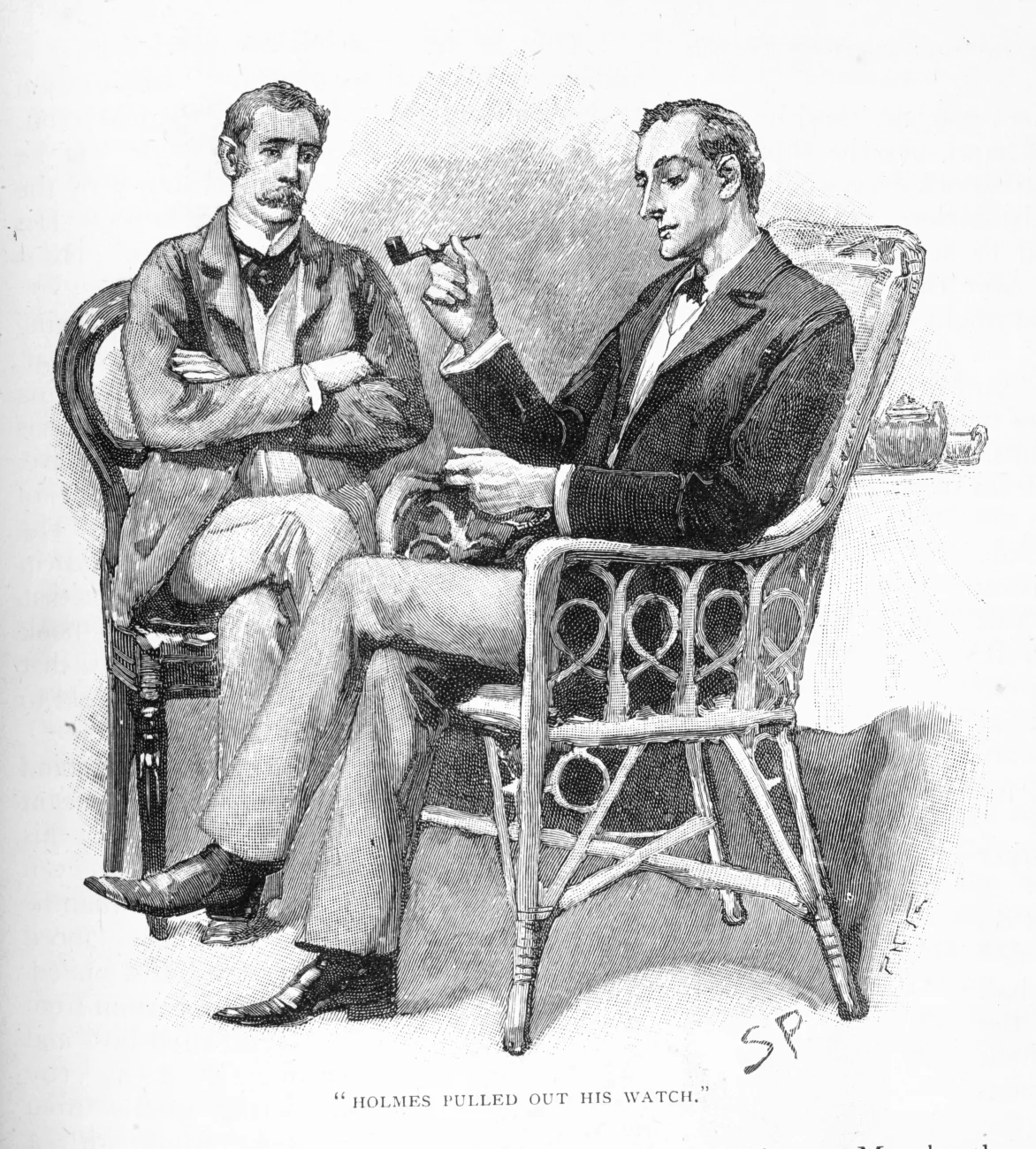
Watson’s loyalty is evident in his readiness to follow Holmes into dangerous environments, from moors to opium dens. He checks Holmes’s excesses by asking grounded questions and weighing the impact on victims and families. His empathy keeps cases focused on people, not just puzzles. This steadying presence maintains trust with clients and helps navigate cooperation with Scotland Yard.
Married Life and Personal Loss
Watson marries Mary Morstan, and his domestic life affects where he lives and how closely he can work with Holmes at different times. The marriage introduces practical constraints and emotional stakes absent from Holmes’s bachelor household. Later references to bereavement explain shifts in Watson’s residence and availability. These changes make the narrative world feel real, with careers and relationships evolving offstage.
Finances, Addresses, and Everyday Detail

Watson’s notes record rents, cab fares, and the layout of rooms at Baker Street, anchoring the cases in everyday London. He documents moves between lodgings, the setup of his practice, and the logistics of travel. Such specifics help reconstruct timelines and corroborate alibis. They also reveal his methodical habit of keeping ledgers and case files alongside medical records.
A Character Who Keeps Evolving
Across stories, Watson adapts from convalescent doctor to practitioner, author, and seasoned investigator. His voice becomes more confident, his methods more systematic, and his collaboration with Holmes more seamless over time. Later adventures show him anticipating Holmes’s needs, arranging resources, and taking initiative during crises. This steady development sustains the partnership’s credibility and keeps the cases feeling fresh.
Share your favorite Watson moment or trait in the comments so everyone can compare notes on what makes him stand out.